House Survey Guide: Types and What to Expect
By Housey · Last reviewed 11th of May 2026
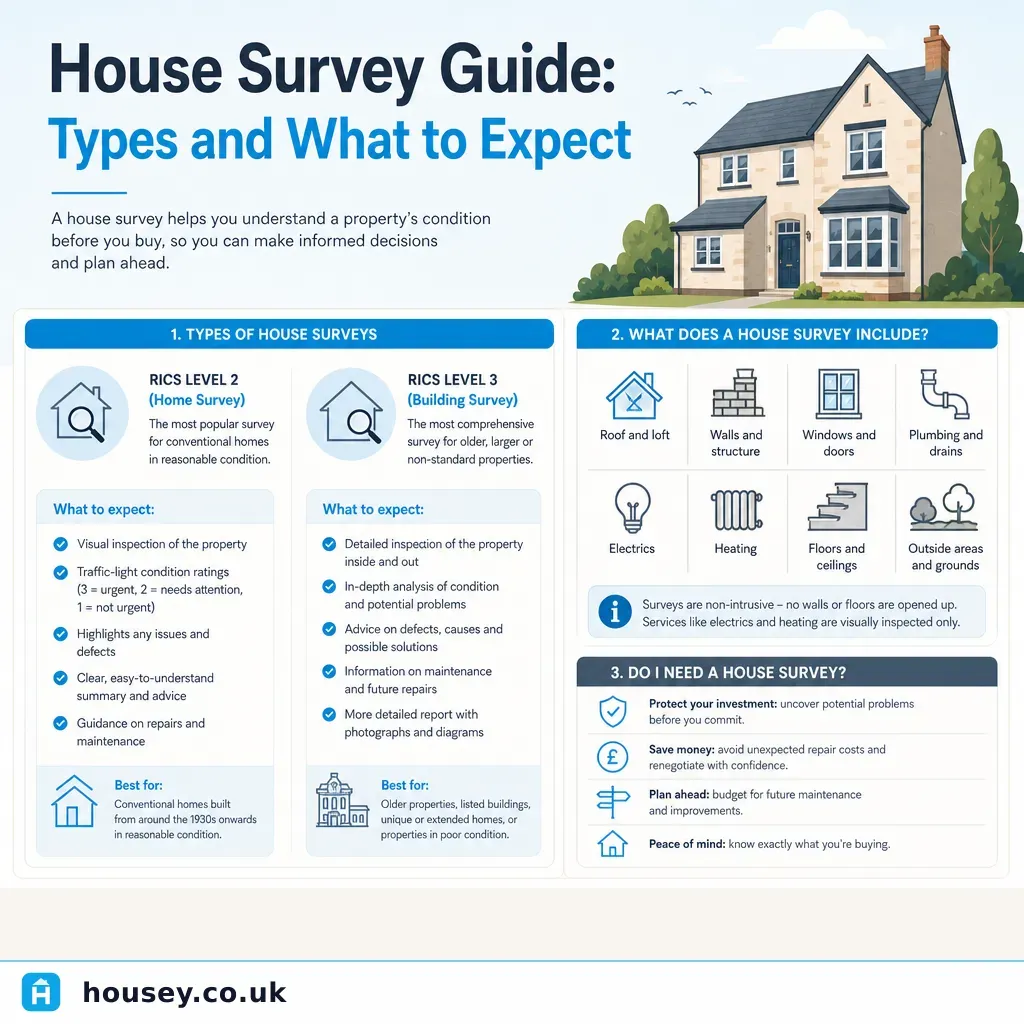
House Survey Guide: Types and What to Expect
Choosing the right survey is one of the most consequential decisions a property buyer makes before exchange of contracts. The type of inspection you commission should reflect the age, construction, condition, and complexity of the property — not simply the cheapest option available. Getting this wrong can mean missing defects that cost thousands to put right after completion.
Key points
- A mortgage lender's valuation is not a survey — it protects the lender's security, not the buyer's interests.
- RICS offers three standardised levels: Level 1 (Condition Report), Level 2 (Home Survey), and Level 3 (Building Survey, formerly the full structural survey).
- All three survey levels use the same traffic-light condition rating system: 1 (no repair needed), 2 (repair or replacement needed soon), 3 (urgent defects requiring investigation).
- Level 3 surveys are recommended by RICS for properties built before 1920, those showing visible defects, and non-standard construction such as timber frame, thatched roofing, or concrete panel.
- Your surveyor must be RICS-regulated; verify credentials via the RICS Find a Surveyor directory before instructing.
What a mortgage valuation actually tells you
A valuation confirms to the lender that the property is worth roughly what you are paying for it — nothing more. The valuer may spend as little as 20–30 minutes at the property and is not required to inspect roof spaces, identify hidden damp, or comment on the condition of electrics or drainage. The report belongs to the lender and may not be shared with you in full.
Many buyers proceed on the assumption that no issues flagged at valuation means the property is sound. This assumption has proved costly. A survey is a separate appointment, commissioned by you, solely for your benefit.
The three RICS survey levels explained
RICS standardised its residential survey products in 2021. All three levels sit under the RICS Home Surveys standard.
RICS Level 1 — Condition Report The most basic inspection. It uses the traffic-light rating to flag condition issues but does not include advice on repairs, cost guidance, or detailed commentary. Suited only to new or near-new properties in excellent condition where the buyer wants a formal record of state.
RICS Level 2 — Home Survey The most commonly commissioned survey for conventional UK properties in reasonable condition. The surveyor inspects accessible areas, rates all main elements of the property, and provides written advice on defects and the urgency of repairs. It does not include structural calculations or in-depth investigation of concealed areas. Indicative fee range: £400–£900 depending on property size and location (Indicative UK costs, last reviewed 2026-05-11).
RICS Level 3 — Building Survey The most thorough inspection available for residential property. The surveyor inspects all accessible parts of the structure in detail, provides a comprehensive written report on construction, defects, maintenance, and repair options, and may include indicative cost ranges. Indicative fee range: £600–£1,500 or more for large or complex properties (Indicative UK costs, last reviewed 2026-05-11).
Comparison: RICS Level 1 vs Level 2 vs Level 3
Feature | Level 1 — Condition Report | Level 2 — Home Survey | Level 3 — Building Survey |
|---|---|---|---|
Traffic-light condition ratings | ✓ | ✓ | ✓ |
Written repair advice | ✗ | ✓ | ✓ |
Roof space inspection | Limited | ✓ (hatch access) | ✓ (thorough) |
Hidden defect investigation | ✗ | Limited | More thorough |
Cost or repair estimates | ✗ | Sometimes | Usually included |
Legal and warranty commentary | ✗ | ✓ | ✓ |
Best for | New-build or near-new properties | Conventional post-war homes in reasonable condition | Pre-1920 properties, unusual construction, visible defects |
Typical cost (indicative) | £250–£400 | £400–£900 | £600–£1,500+ |
Indicative UK costs, last reviewed 2026-05-11. Costs vary by property size, location, and firm. Always obtain at least two quotes.
Which survey level should you choose?
- Choose Level 1 if the property is a new-build or modern flat in excellent condition and you want a formal independent record.
- Choose Level 2 if the property is a conventional post-war house or flat (1950s–2000s) in reasonable condition with no obvious defects — this covers the majority of mainstream UK purchases.
- Choose Level 3 if the property was built before 1920, is a Victorian or Edwardian terrace, has visible cracks, past alterations, non-standard construction (timber frame, thatched, concrete panel), or if you plan significant renovation work.
- Consider a specialist report or structural engineer if the surveyor flags suspected movement, invasive damp, or possible subsidence — a general survey may identify the concern but a specialist diagnosis may be required before you can negotiate or proceed.
- Check with your conveyancer if the property is listed or in a conservation area — additional specialist advice may be needed beyond a standard survey.
What happens after the survey
Once the report is delivered — typically within 3–5 working days — you have several options:
- Proceed as planned if the survey confirms the property is in acceptable condition with only minor maintenance items.
- Renegotiate on price if the report identifies significant defects. Your solicitor or conveyancer can help raise this with the seller. Sellers are not obliged to reduce, but many do when defects are well-evidenced.
- Request further investigations if the surveyor recommends specialist reports (such as a timber and damp specialist, a structural engineer, or a drainage survey). These add cost but reduce risk before exchange.
- Withdraw from the purchase if the survey reveals problems that fundamentally change the value or your appetite for the property. Until exchange of contracts, you are legally free to withdraw.
Keep the report even if you do not proceed — it documents the property's condition at inspection date and may be useful if you revisit the purchase later.
Red flags that warrant a more detailed inspection
- Any crack described as stepped, tapered, or running through the brick
- Visible roof sagging or missing and displaced slates and tiles
- Staining on internal walls or ceilings suggesting active or historic water ingress
- Signs of significant alteration (wall removed, garage converted, extension added) without documentary evidence
- References in the listing to the property being sold as seen or unoccupied for an extended period
- An EPC that notes solid walls with no cavity — common in pre-1920 properties and relevant to damp risk
When to get professional help
A RICS-regulated surveyor is the appropriate professional for this stage. Beyond choosing the right level, consider:
- Instructing a structural engineer alongside or instead of a building survey if the property has significant visible movement or unusual construction.
- Consulting a PCA-accredited timber and damp specialist if the survey flags active penetrating or rising damp.
- Speaking to an asbestos surveyor if the property was built or refurbished between the 1950s and 1980s and building works are planned — do not disturb any suspected materials.
- Asking your solicitor or conveyancer to advise on commissioning specialist reports before exchange, not after.
How Housey can help
Housey connects buyers with RICS-regulated surveyors across the UK. Whether you need a RICS Level 2 survey for a conventional family home or a RICS Level 3 survey for an older or complex property, you can compare quotes from local firms through our RICS Home Surveys service. We can also help you find a surveyor for a RICS Level 1 survey on new-build and near-new properties.
Frequently asked questions
Do I need a survey if I'm a cash buyer?
No law requires a cash buyer to commission a survey, but it is almost always advisable. Without a lender requiring a valuation, there is no professional inspection at all unless you arrange one. The survey fee is modest compared with the cost of discovering significant defects after completion — and without a survey you have very limited grounds for negotiation.
Can I rely on the seller's survey?
A surveyor's duty of care runs to the person who commissioned the report — so a seller's survey does not protect you as the buyer. Some firms will novate (transfer) a report to a new buyer, but this is uncommon and should be discussed with your solicitor before you rely on it. In most cases, commissioning your own survey is the safer approach.
What isn't covered by a house survey?
Surveys cover visually accessible elements only. They do not include drainage CCTV surveys, Electrical Installation Condition Reports (EICRs), gas safety checks, or invasive investigation of concealed areas. If any of these are a concern — particularly in older properties — arrange separate specialist checks before exchange of contracts.
How long does a house survey take?
A Level 2 survey typically takes 2–4 hours on site; a Level 3 survey 4–8 hours or more for larger properties. The written report is usually delivered within 3–5 working days. You do not need to be present, though many surveyors are happy for you to attend at the end to ask questions directly.
Can I use a survey report to reduce the asking price?
Yes — this is one of the most practical uses of a survey. If significant defects are identified, your solicitor can raise these with the seller's solicitor and request a price reduction or completion of works before exchange. The negotiating outcome depends on the severity of the findings, market conditions, and the seller's circumstances.
Sources and further reading
- RICS Home Surveys standard — RICS
- Buying or selling your home — GOV.UK
- House surveys explained — Which?
- Getting a survey when buying a home — Citizens Advice
Useful next reads
 Surveys & Inspections
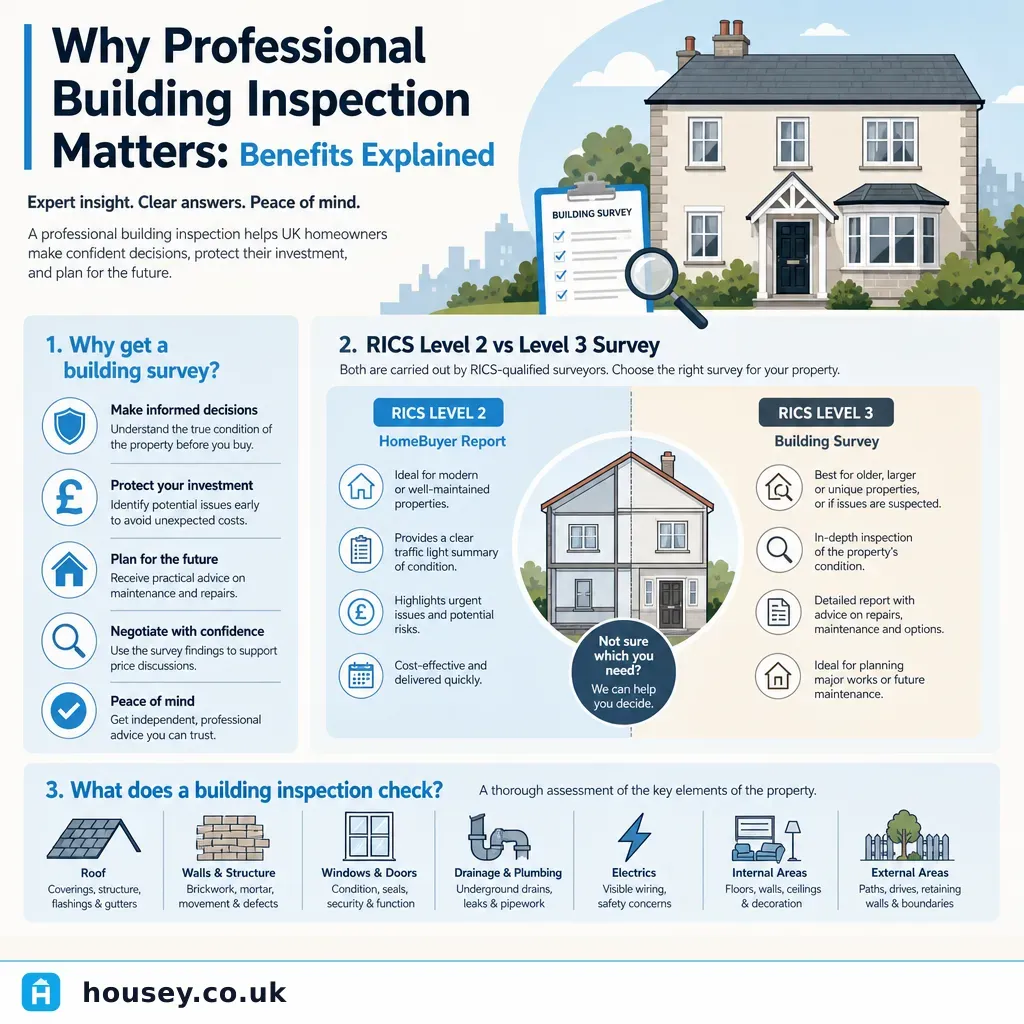
Why Professional Building Inspection Matters: Benefits Explained
Professional building inspection gives UK homeowners an independent, expert view of a property's condition and regulatory compliance.
 Surveys & Inspections
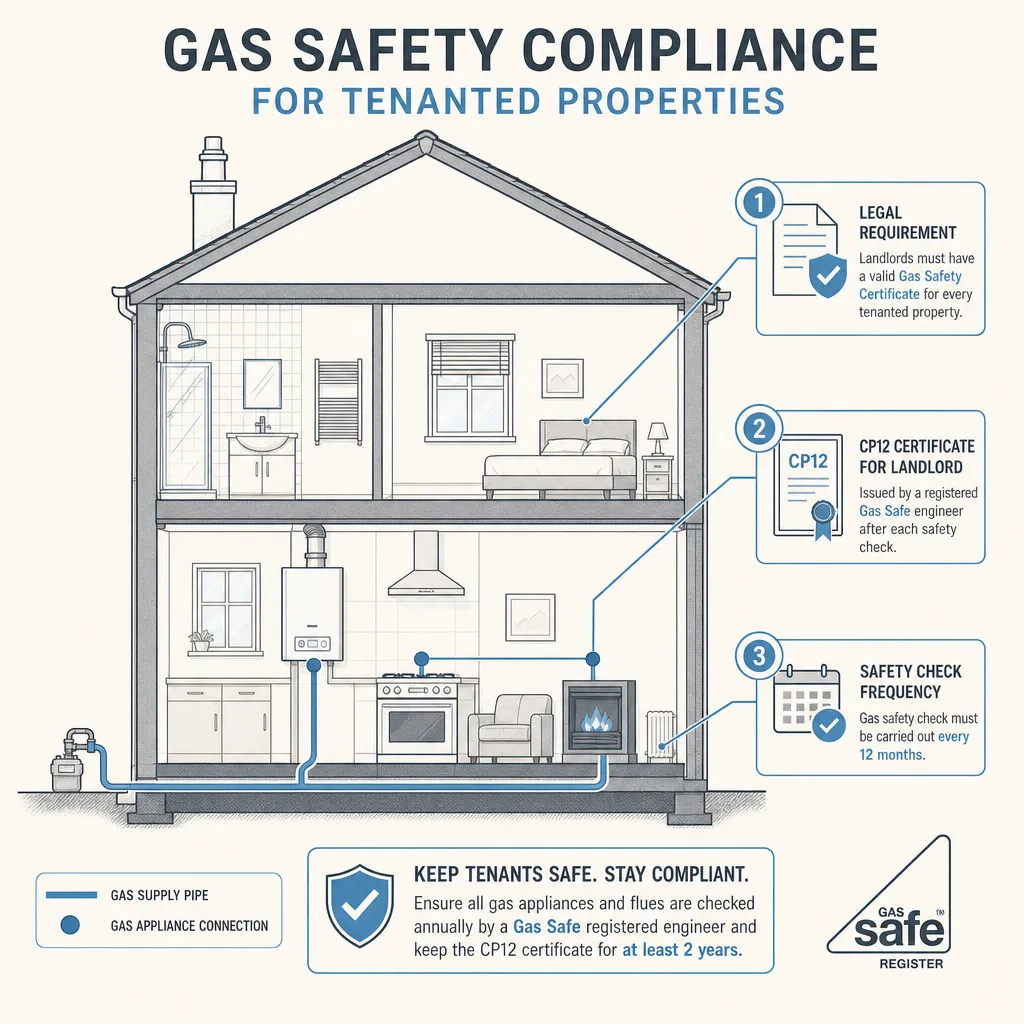
Gas Safety Compliance for Tenanted Properties
UK landlords are legally required to arrange an annual gas safety check by a Gas Safe registered engineer for every tenanted property with a gas appliance.
 Surveys & Inspections
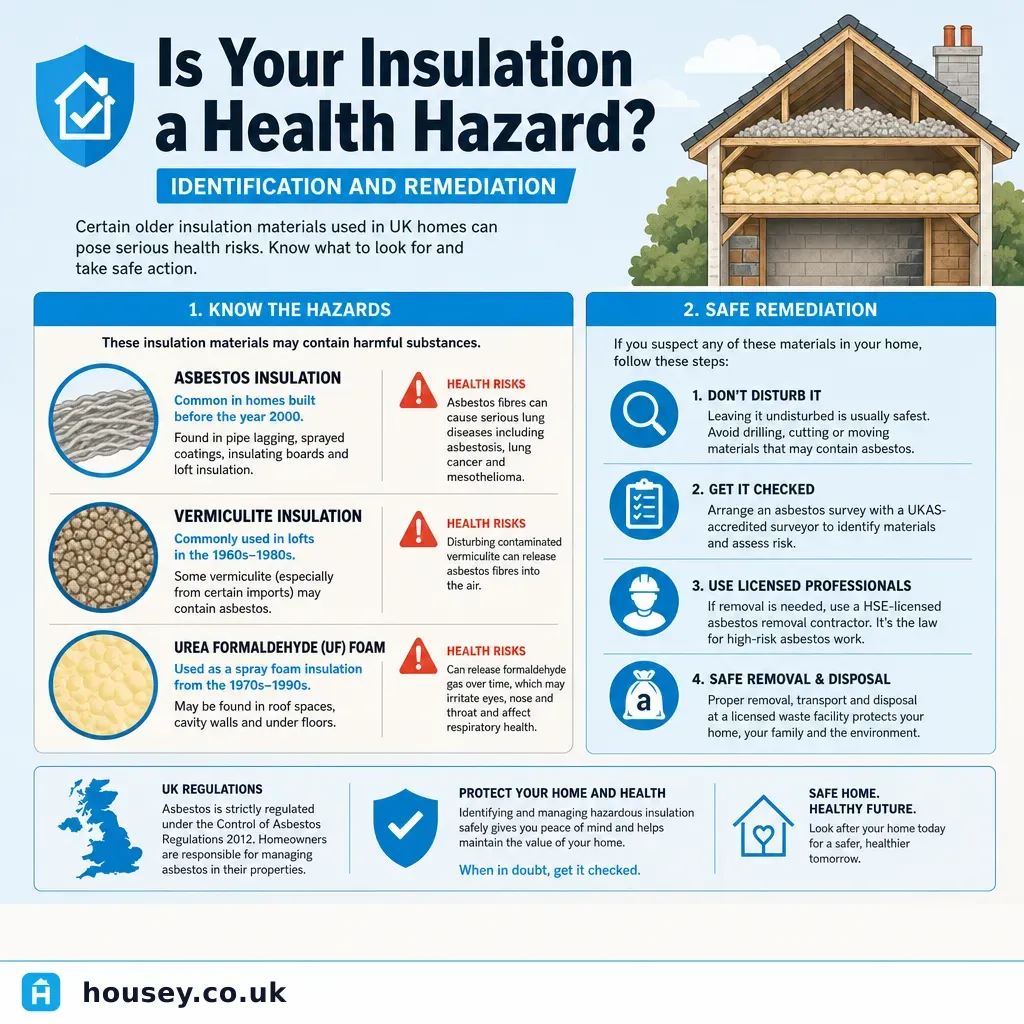
Is Your Insulation a Health Hazard? Identification and Remediation
Some insulation materials in pre-2000 UK homes may pose genuine health risks.
 Surveys & Inspections
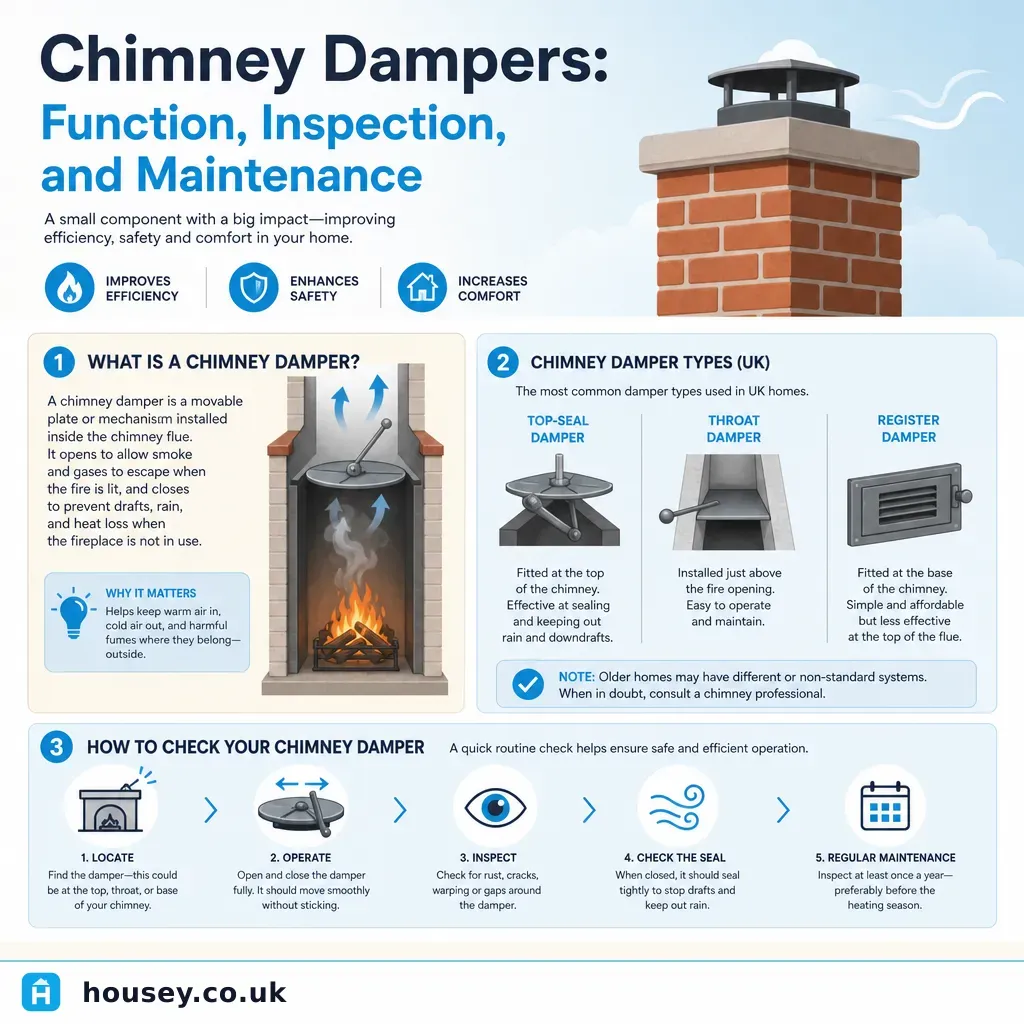
Chimney Dampers: Function, Inspection, and Maintenance
A chimney damper is a movable plate or valve in the flue that controls airflow when the fire is lit and seals the chimney when it is not.
 Surveys & Inspections
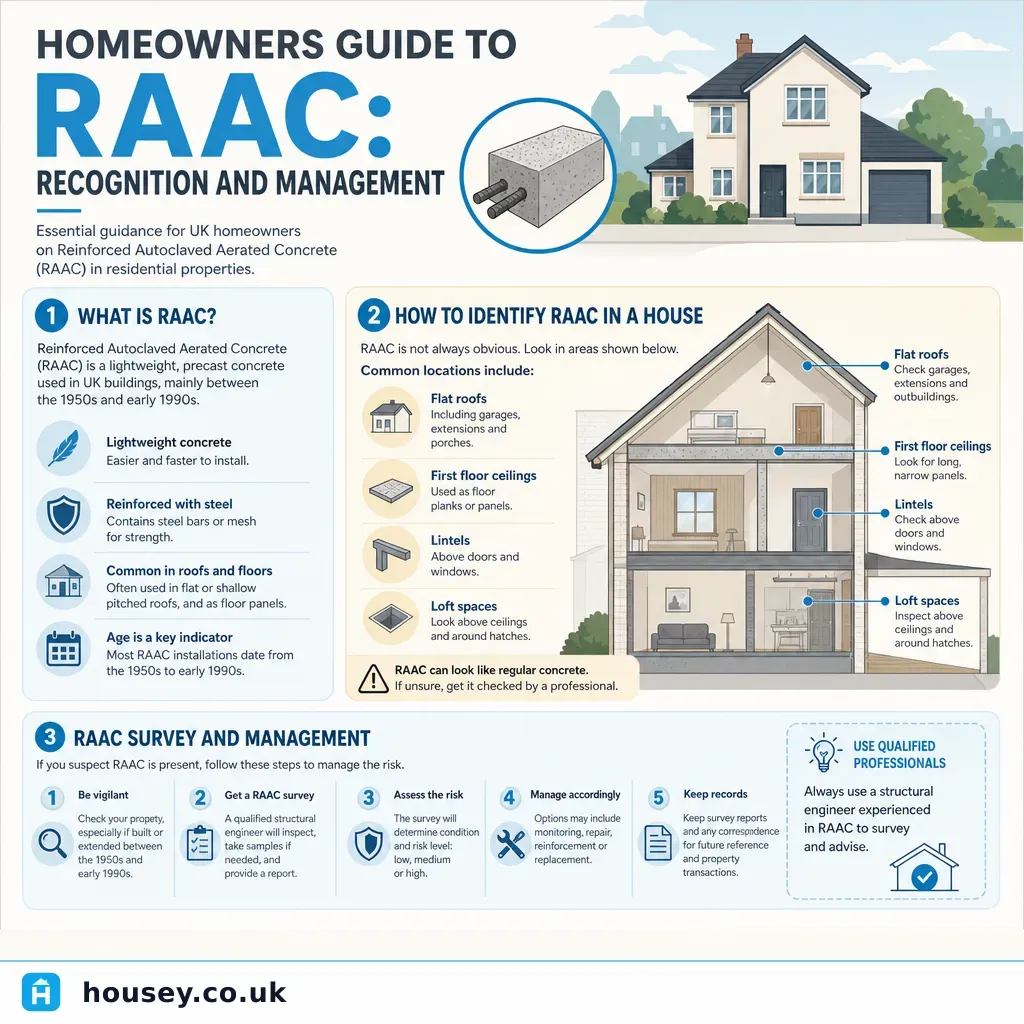
Homeowners Guide to RAAC: Recognition and Management
RAAC (reinforced autoclaved aerated concrete) is a lightweight building material used in some UK homes from the 1950s to the mid-1990s.