Combi boilers versus system boilers: which is right for you?
By Housey · Last reviewed 11th of May 2026
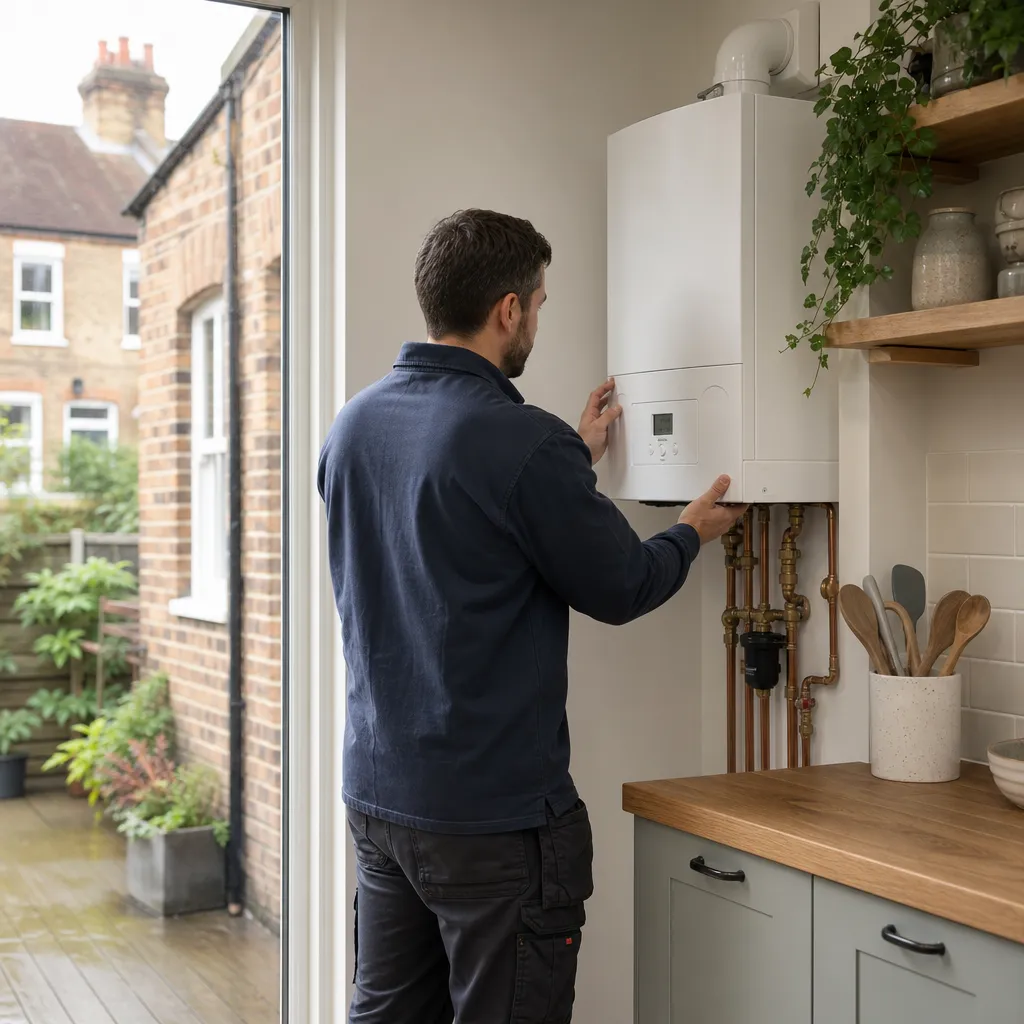
Combi boilers versus system boilers: which is right for you?
Replacing or upgrading a heating system is one of the more consequential decisions a UK homeowner makes, and the choice between a combi and a system boiler has lasting effects on hot water performance, running costs, and available space. The right answer is not the same for every property — it depends on how many people use the home, the number of bathrooms, and what the incoming mains water pressure can support.
Key points
- Combi boilers heat domestic hot water directly from the mains supply on demand, with no separate storage cylinder required.
- System boilers heat and store water in a hot water cylinder (typically 120–300 litres), delivering higher simultaneous flow from multiple outlets.
- Combi boilers generally suit properties with 1–2 bathrooms and up to around four occupants using hot water at different times.
- Under Building Regulations Approved Document L, any replacement gas boiler installed in England and Wales must be a condensing type — this applies equally to combi and system boilers.
- Neither a combi nor a system boiler requires a cold water storage tank in the loft; that is a feature of older regular (heat-only) boilers only.
How each type works
Combi boiler (combination boiler): a single compact unit that heats the central heating circuit and provides domestic hot water on demand. When a hot tap opens, the boiler fires and draws cold water directly from the mains, heating it before it reaches the tap. A diverter valve manages the switch between heating and hot water modes.
System boiler: uses a sealed, pressurised heating circuit — no cold water feed tank in the loft is needed — and heats water stored in a separate hot water cylinder. The cylinder is heated on a timer programme or when the thermostat calls for it, holding pre-heated water ready for baths, showers, and taps simultaneously.
A common misconception is that system boilers are the same as older regular (heat-only) boilers. They are not. A regular boiler requires both a cold water storage tank in the loft and a hot water cylinder. A system boiler needs only the cylinder.
Comparison table: combi vs system boiler
Feature | Combi boiler | System boiler |
|---|---|---|
Hot water source | Mains cold supply, heated on demand | Pre-heated water stored in cylinder |
Hot water flow rate | Limited by mains pressure and boiler kW output | Higher — drawn from stored volume |
Best suited to | 1–2 bathrooms, up to 4 occupants | 2+ bathrooms, larger families |
Cold water tank in loft required? | No | No |
Hot water cylinder required? | No | Yes (120–300 litres typically) |
Space requirement | Boiler only, usually wall-mounted | Boiler plus cylinder cupboard |
Simultaneous outlet performance | Can struggle with 2+ outlets running together | Handles simultaneous demand well |
Effect of low mains pressure | Reduced hot water flow at taps | Less affected — drawing from stored volume |
Compatible with solar thermal? | Not directly | Yes — most cylinder designs include a solar coil |
Typical install cost | Often lower (no cylinder purchase or fitting) | Higher (cylinder plus additional labour) |
Indicative UK costs, last reviewed 2026-05-11. Installation costs vary by region, property type, and installer. Always obtain at least three written quotes.
Decision tree: which type suits your home?
- Choose a combi boiler if: you have 1–2 bathrooms, a household of up to four people, good mains water pressure (typically above 1.5 bar dynamic pressure at the incoming mains), and limited space for a cylinder.
- Choose a system boiler if: you have two or more bathrooms regularly used at the same time, a larger family or frequent guests, low or variable mains water pressure, or plans to add solar thermal panels.
- Consider retaining a regular (heat-only) boiler if: your home already has a well-sized, well-insulated cylinder and a healthy feed-and-expansion tank, and you are replacing like-for-like in a large older property where the existing configuration is sound.
- Ask a Gas Safe registered heating engineer if: you are unsure about your mains pressure or the optimal cylinder size — both need to be measured and assessed on site before a recommendation can be made.
Flow rate: why it matters in practice
Flow rate — measured in litres per minute at the tap — is one of the most important practical differences between the two boiler types.
A combi boiler's flow rate is constrained by the incoming mains pressure and the boiler's domestic hot water kW rating. Most standard domestic combis deliver 10–15 litres per minute at a single tap. Higher-output models (30 kW and above) perform better, but simultaneous use of two showers will still reduce flow at each outlet.
A system boiler drawing from a well-sized cylinder can typically deliver 20–40 litres per minute to multiple outlets simultaneously. For households with power showers, large baths, or several people bathing in quick succession, this difference is significant.
If mains water pressure is below around 1 bar dynamic, a combi boiler may produce inadequate flow regardless of its rated output. Your installer should measure dynamic mains pressure before recommending a combi for your property.
Energy efficiency and running costs
Both types use high-efficiency condensing technology and carry ErP energy ratings. Running costs depend more on the boiler's ErP rating, the cylinder's insulation quality (for system boilers), the property's heat loss, and household habits than on the boiler type itself.
One consideration for system boilers is standing loss — the heat a hot water cylinder loses overnight even when well insulated. Modern factory-insulated cylinders lose relatively little, but it is a real ongoing cost. Combis have no standing loss but fire briefly every time a hot tap opens, including short draws such as hand-washing. In practice, the difference in running costs between the two types is small for most UK households compared with the boiler's overall efficiency rating.
Homeowner checklist before choosing
Before speaking to installers, gather or note the following:
When to get professional help
Both combi and system boiler installations are notifiable work under the Building Regulations and must be carried out by a Gas Safe registered engineer operating under a Competent Person scheme. The engineer is legally responsible for issuing a Building Regulations Compliance Certificate.
Red flags that suggest you need particularly careful professional advice before committing:
- An installer recommends a combi without asking about or measuring mains water pressure.
- A proposed cylinder is smaller than 150 litres for a family of four.
- No mention of a Benchmark commissioning checklist, which records that the installation was carried out to manufacturer and industry standards.
- The installer does not discuss boiler sizing or heat loss calculation — an oversized boiler short-cycles inefficiently.
How Housey can help
Housey connects UK homeowners with Gas Safe registered heating engineers for boiler replacements and system upgrades. Describe your property and receive comparable quotes from vetted local engineers, making it easier to judge the right boiler type alongside a fair price for your specific situation.
Frequently asked questions
Can I switch from a combi to a system boiler, or vice versa?
Yes, but both conversions involve significant plumbing work. Switching from combi to system requires installing a hot water cylinder and reconfiguring pipework. Switching from system to combi removes the cylinder and frees up space. Both require a Gas Safe registered engineer and a Building Regulations notification. Costs and disruption vary considerably depending on the property.
Is a combi boiler cheaper to install than a system boiler?
Generally yes — a combi installation usually costs less because no hot water cylinder is needed. However, if your home already has a cylinder in good condition, a system boiler replacement may be competitively priced and better suited to your hot water demand. Always compare like-for-like quotes that specify exactly what is and is not included.
Do system boilers work with smart heating controls?
Yes. Both combi and system boilers are compatible with smart thermostats and zoned controls such as Nest, Hive, or Tado. System boilers can also use smart cylinder controls that schedule hot water heating separately from space heating, which can reduce unnecessary standing heat losses from the cylinder overnight.
How common are combi boilers in UK homes?
Combi boilers are the most widely installed boiler type in the UK, accounting for approximately 70% of domestic gas boiler installations according to Heating and Hotwater Industry Council data. They suit the majority of UK terraced and semi-detached properties with one or two bathrooms and modest household sizes.
Sources and further reading
- Gas Safe Register — Find a registered engineer — Gas Safe Register
- Boilers and heating systems — Energy Saving Trust
- Building Regulations Approved Document L: Conservation of fuel and power — GOV.UK
- Heating and Hotwater Industry Council — HHIC
- Central heating and boilers — Citizens Advice
Useful next reads
 General property advice
Combi versus condensing boilers: what's the difference?
'Combi' and 'condensing' describe different boiler characteristics, not alternatives.
 General property advice
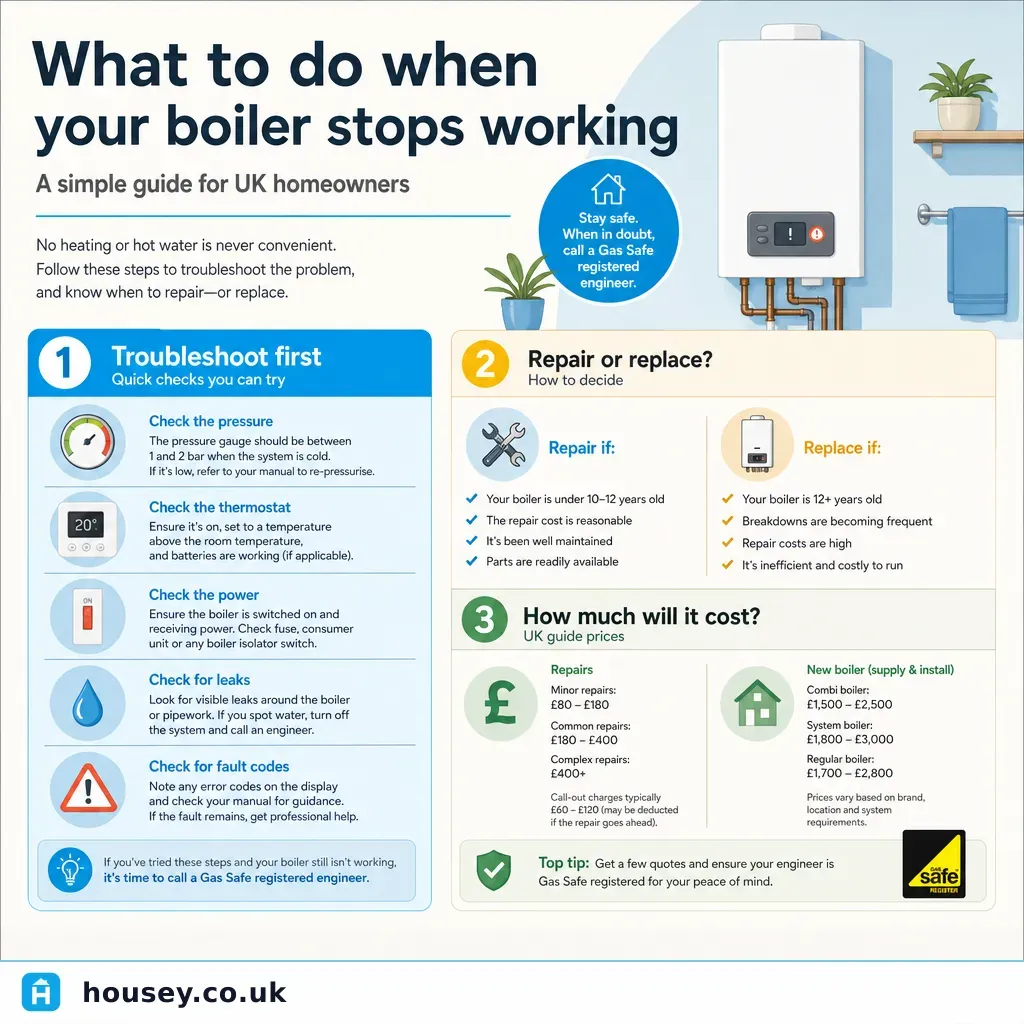
What to do when your boiler stops working
When your boiler stops working, check the pressure gauge (should read 1–1.
 General property advice
Property Market Trends: Activity Growth and Price Movements
UK property market activity is measured through completed sale registrations (HM Land Registry), lender mortgage data, and transaction volumes from HMRC.
 General property advice
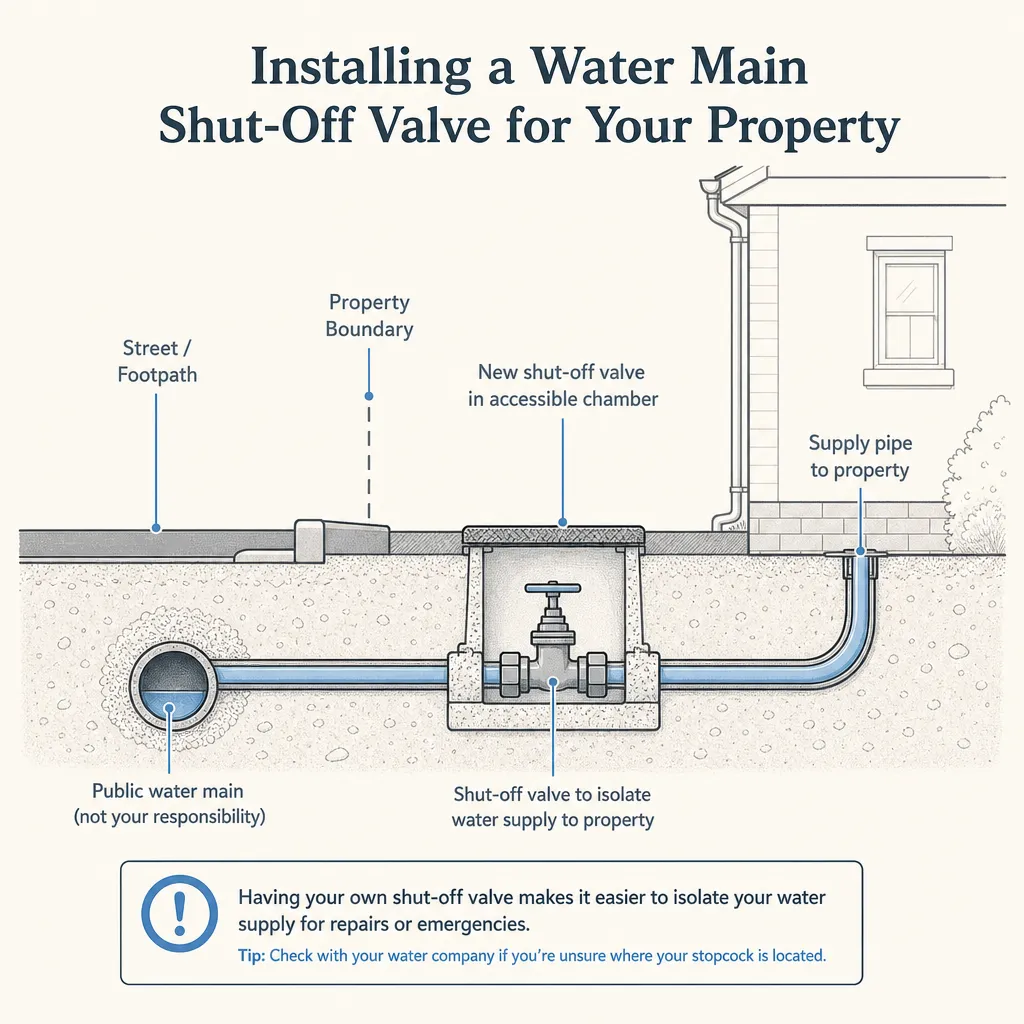
Installing a water main shut-off valve for your property
A water main shut-off valve — commonly called a stopcock — controls all water entering your home from the mains.
 General property advice
Monthly House Price Index: August Market Report and Analysis
The UK House Price Index is published monthly using completed Land Registry transaction data, meaning August figures typically reflect sales agreed months earlier.