Common Household Pest Hiding Spots and Prevention
By Housey · Last reviewed 10th of May 2026
Common Household Pest Hiding Spots and Prevention
Pest problems in UK homes rarely announce themselves until an infestation is already established. Mice, rats, cockroaches, bed bugs, and common textile moths can all spend weeks or months in a property before a homeowner notices the signs — by which point remediation is considerably more difficult and expensive. Understanding where pests hide, what conditions attract them, and how to make a property less hospitable is far more cost-effective than responding after the fact. In older UK homes — Victorian terraces, 1930s semis, and properties with suspended timber floors and period materials — the potential entry points and harbourage sites are particularly numerous.
Key points
- Mice can enter through gaps as small as 6 mm — roughly the diameter of a pencil — making older UK properties with unpointed brickwork, gaps around pipes, and ageing door seals especially vulnerable.
- German cockroaches (Blattella germanica), the most common UK indoor species, prefer warm and humid environments and can survive up to a month without food, making them difficult to starve out.
- Bed bugs are spread almost exclusively through the movement of infested furniture, luggage, or clothing — not through structural gaps or food sources — meaning a well-sealed property is not automatically protected.
- Clothes moths (Tineola bisselliella) target natural fibres — wool, cashmere, silk, feather, and fur — and are most active in undisturbed, dark storage areas such as wardrobes and under beds.
- Cluster flies, some wasp queens, and certain moth species overwinter in loft spaces, making autumn inspection of roof voids important for early detection.
Where pests hide in UK homes
Different pests favour different microenvironments within a property. Knowing where to look is the first step in early detection and informed prevention.
Kitchen and utility areas
Kitchens combine warmth, moisture, and food debris — the conditions most pests require. Common harbourage sites include:
- Behind and underneath appliances (fridges, dishwashers, washing machines), where food particles accumulate and warmth encourages insect activity.
- Inside wall cavities adjacent to plumbing — mice and cockroaches follow pipe runs through buildings and between floors.
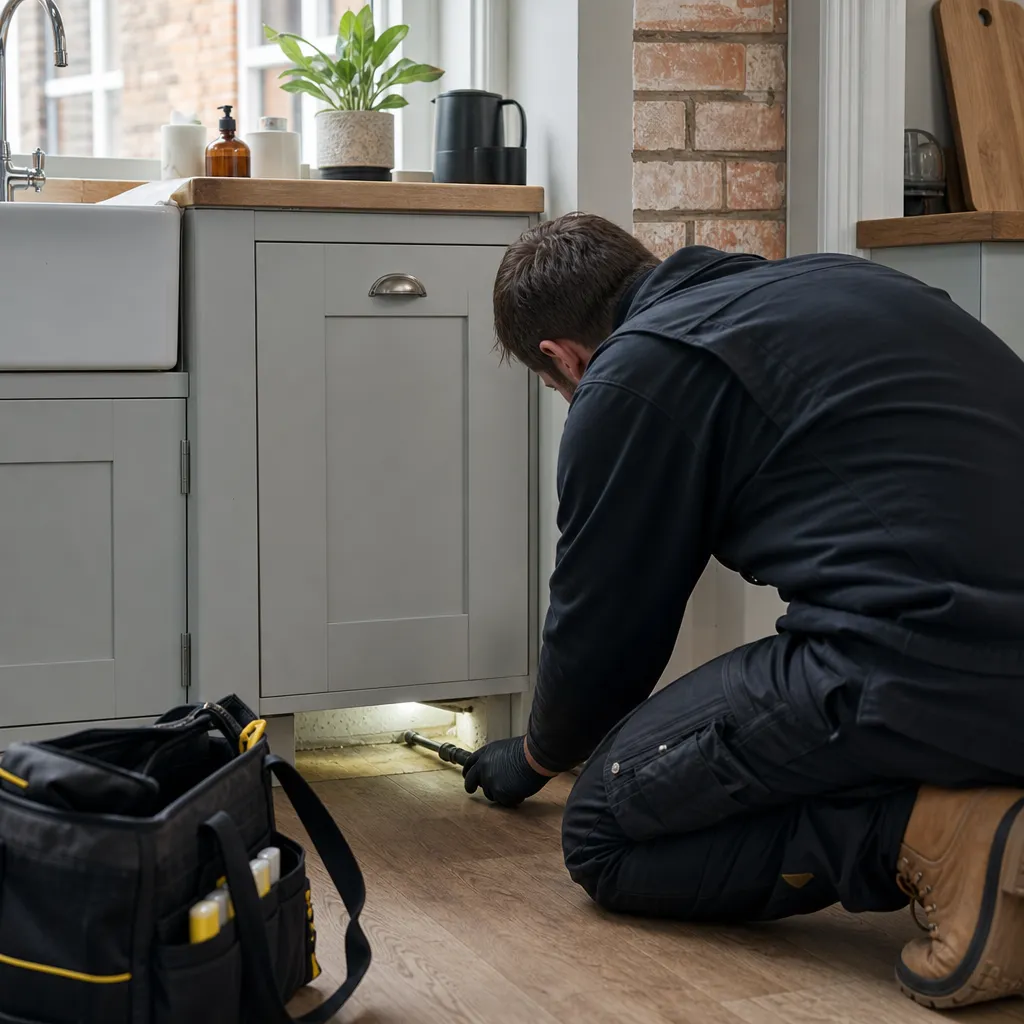
- Under kitchen unit plinths — a common mouse corridor in older kitchens where gaps exist between the unit base and the floor.
- Inside cupboards storing dry goods, particularly cardboard packaging, which grain weevils and pantry moths can breach with ease.
Loft and roof spaces
Roof voids are a primary entry and nesting site for several UK pest species:
- Rats, mice, and grey squirrels access roof spaces through gaps in soffits, fascias, and where cables or pipes penetrate the roof line.
- Cluster flies and mated wasp queens overwinter in undisturbed loft insulation, often accumulating in large numbers before becoming visible in living spaces.
- Bird nest debris in soffits and eaves can attract bird mites, which sometimes migrate into living spaces when a nest is abandoned or the host bird removed.
Cellar, floor voids, and subfloor spaces
Suspended timber ground floors — standard in Victorian and Edwardian terraced and semi-detached houses — create accessible voids that are difficult to inspect:
- Rats and mice use subfloor voids extensively, accessing them via air bricks with broken covers, gaps in mortar, or open pipe penetrations.
- Damp subfloor conditions attract wood-boring beetles (commonly called woodworm) and accelerate the timber decay that provides further harbourage for a wider range of pests.
- Poorly ventilated floor voids create conditions for both pest activity and timber deterioration simultaneously — the two problems often present together.
Bedrooms and soft furnishings
- Mattress seams, bed frame joints, and headboards are the primary daytime hiding location for bed bugs; inspect these carefully when buying second-hand furniture or returning from travel.
- Wardrobes, storage drawers, and carpet edges — especially in guest rooms or unused spaces — are favoured by clothes moths and carpet beetles.
- Behind skirting boards and under floorboards, particularly where these border sleeping areas in older properties with gaps in the floor void below.
Pest prevention checklist for UK homeowners
Work through this checklist each autumn, when many pests begin seeking winter shelter indoors.
Structural proofing
Hygiene and storage
Monitoring
When to get professional help
Some pest situations require professional pest control rather than DIY management. The following are red flags that mean you should contact a BPCA (British Pest Control Association) or NPTA (National Pest Technicians Association) member promptly:
- Rat activity anywhere in or immediately around the property — rats can carry Weil's disease (leptospirosis), cause structural damage, and their runs typically extend much further than visible signs suggest.
- Cockroach sightings during daylight hours — cockroaches are nocturnal; daytime visibility usually indicates a large, established infestation beyond the reach of consumer-grade products.
- Bed bug evidence including shed skins, blood spots on bedding, or live bugs in mattress seams — bed bugs are very difficult to eradicate without professional heat treatment or targeted insecticide programmes.
- Active wasp or hornet nests inside the building fabric — do not attempt to remove or block nests while they are active.
- Squirrel activity in the roof void — squirrels gnaw electrical cables and can create a fire risk; professional exclusion and proofing is required.
- Small round exit holes in floorboards, joists, or structural timbers — this may indicate wood-boring beetle activity or, where combined with damp, more significant timber decay that warrants expert assessment.
If structural timber damage is suspected alongside pest activity, a damp and timber survey can determine the extent of any decay, identify the underlying moisture conditions attracting pests, and advise on appropriate treatment and repair.
How Housey can help
Persistent pest problems in older UK properties are often connected to underlying damp, timber decay, or structural access points that require professional diagnosis rather than surface treatment alone. A damp and timber survey from a qualified surveyor can identify the conditions making your property attractive to pests and inform a comprehensive remediation plan. Housey connects UK homeowners with local professionals who can carry out these assessments and advise on practical next steps.
Frequently asked questions
How do I know if I have pests in my home?
Common signs include droppings along skirting boards or in cupboards (mouse droppings are 3–6 mm, dark, and cylindrical), gnaw marks on food packaging or cables, unexplained holes in natural-fibre carpets or clothing, scratching or movement sounds in walls or ceilings at night, and visible insects in kitchens or around windows after dark.
What attracts pests into UK homes?
Food — including crumbs, pet food, and unsealed dry goods — warmth, moisture, and structural access points are the four primary attractants. Older UK properties such as Victorian terraces and 1930s semis with suspended floors and ageing pointing are particularly susceptible. Good sanitation and structural maintenance are the most effective long-term preventive measures.
Can I deal with a pest infestation myself?
For minor mouse activity, DIY snap traps and gap-filling can be effective if the entry point is identified and sealed. For rats, cockroaches, bed bugs, wasps, or squirrels, professional treatment is more reliable. DIY pesticide use is subject to UK regulations, and many products available to consumers are considerably less effective than professional-grade treatments.
When should I call a pest controller?
Call a professional if you see rats rather than mice, if you have evidence of cockroaches or bed bugs, if an infestation is not responding to initial DIY measures, if a wasp or hornet nest is inside the building fabric, or if pests appear to have damaged structural timber or electrical wiring. Use a BPCA or NPTA member for verified, insured treatment.
Sources and further reading
- Find a pest controller — British Pest Control Association
- Rats and mice — report a pest problem — GOV.UK
- Using pesticides safely — Health and Safety Executive
- National Pest Technicians Association — NPTA
Useful next reads
 Improvement & Build
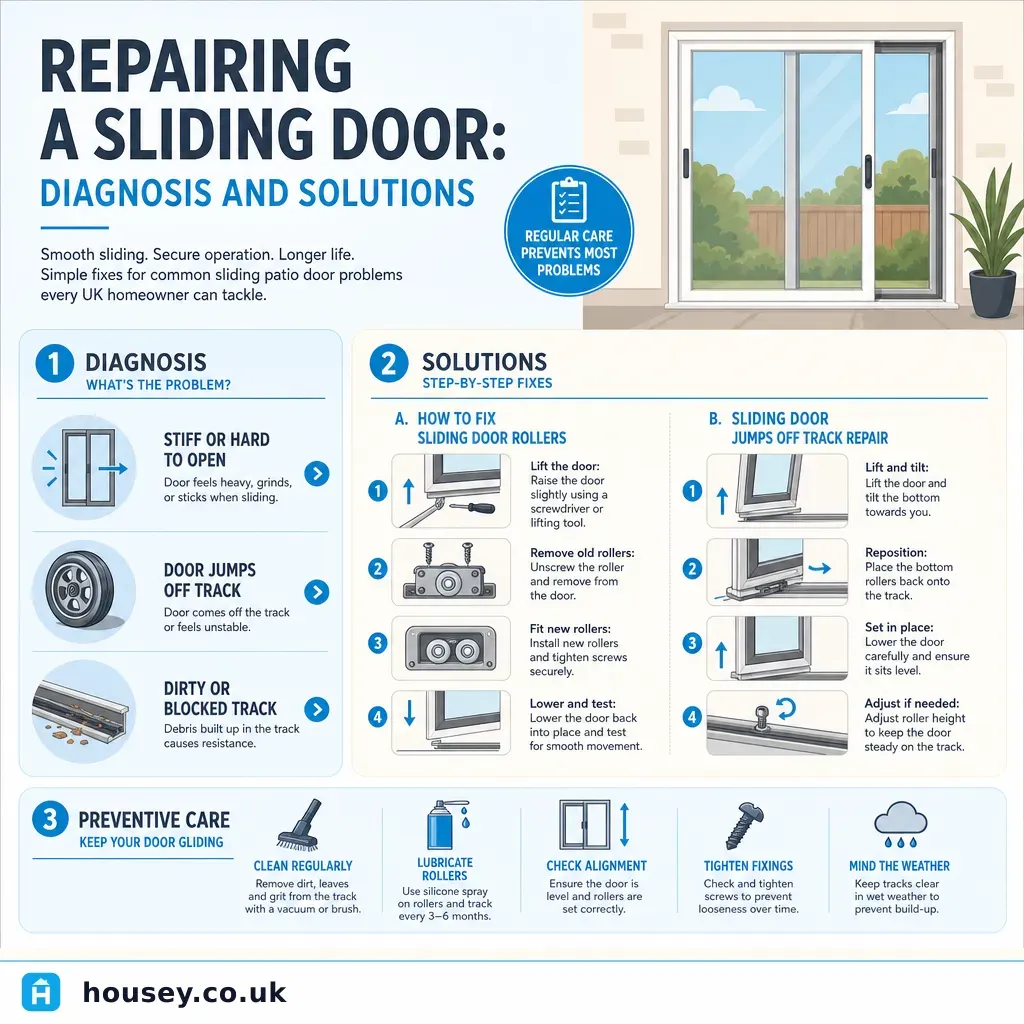
Repairing a Sliding Door: Diagnosis and Solutions
Most sliding door problems — stiffness, jumping off track, or draughts — are caused by dirty tracks, worn rollers, or misaligned guides.
 Improvement & Build
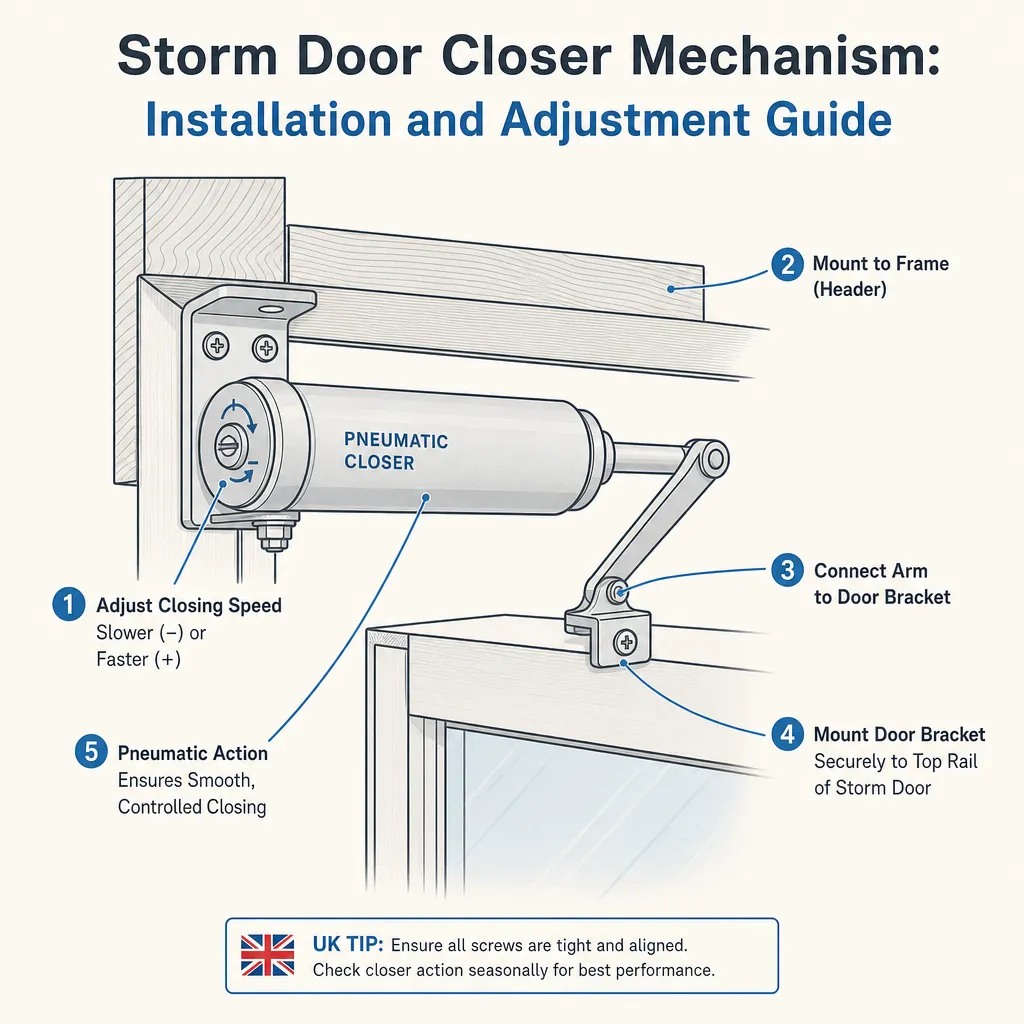
Storm Door Closer Mechanism: Installation and Adjustment Guide
Storm door closers are adjusted via a small screw at the end of the cylinder — clockwise slows the door, anticlockwise speeds it up.
 Improvement & Build
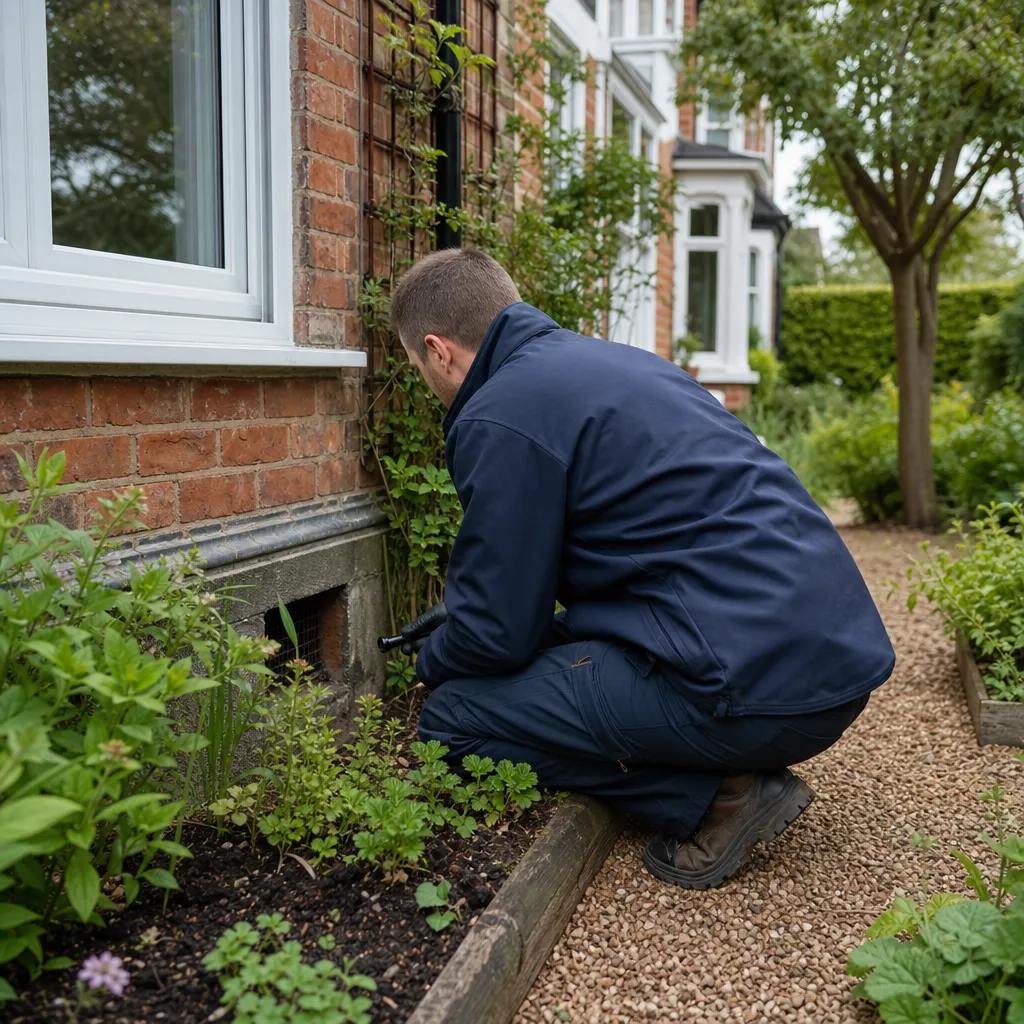
Garden Pest Management: Homeowner's Essential Guide
Common UK garden pests include slugs, aphids, vine weevil, and lily beetle.
 Improvement & Build
How to Find and Vet Professional Roofing Contractors
Professional roofing contractors should carry public liability insurance of at least £2m, provide a written workmanship guarantee, and hold accreditation from a recognised body such as the NFRC or the Competent Roofer scheme.
 Improvement & Build
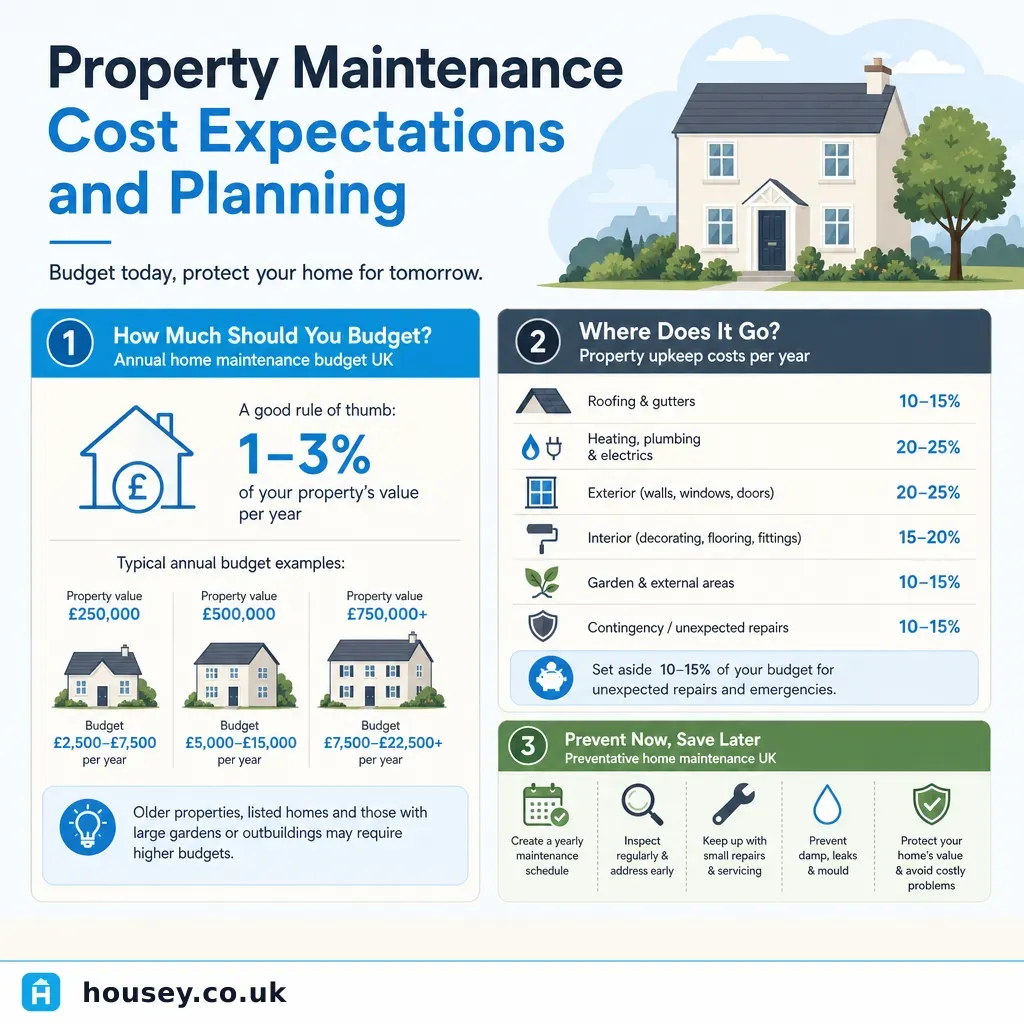
Property Maintenance Cost Expectations and Planning
UK homeowners typically budget between 1% and 3% of their property's value annually for maintenance and repairs.