Repairing a Sliding Door: Diagnosis and Solutions
By Housey · Last reviewed 18th of May 2026
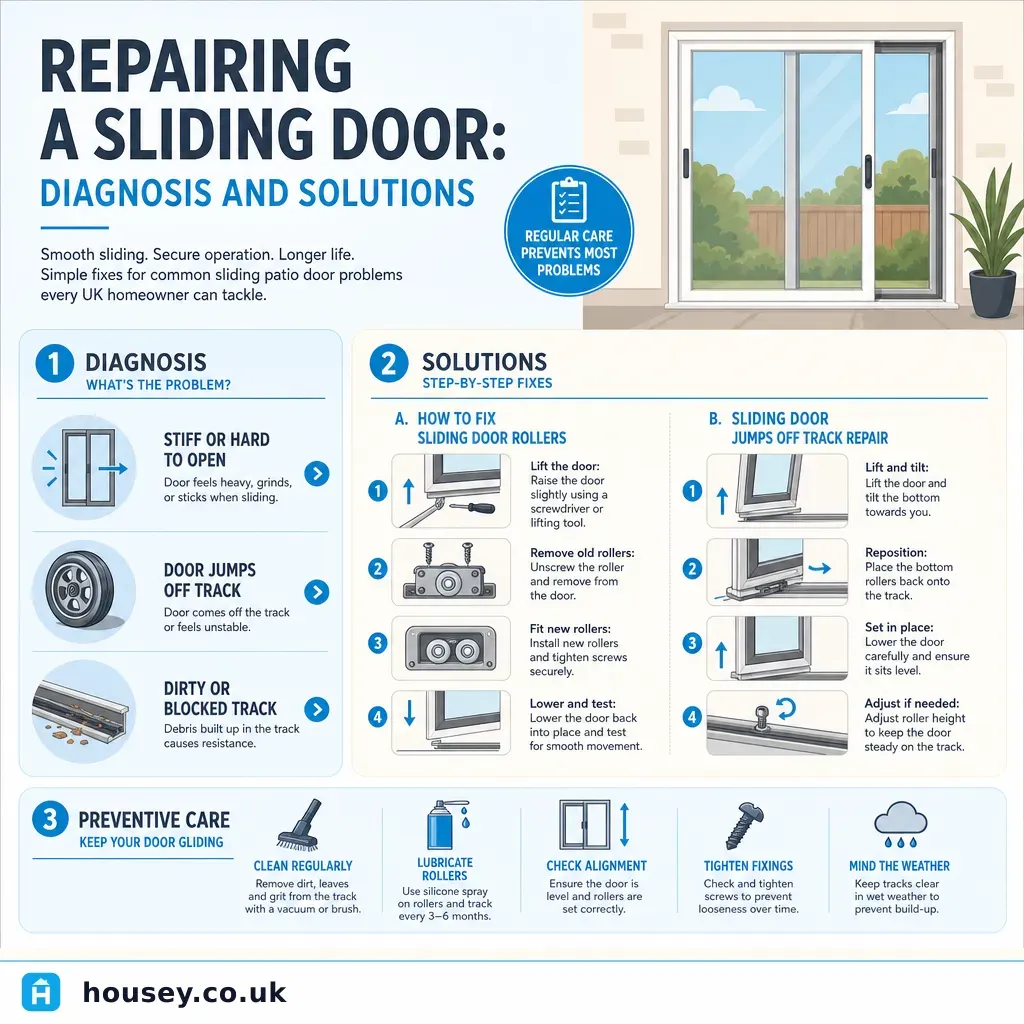
Repairing a Sliding Door: Diagnosis and Solutions
Sliding doors span a wide range of types in UK homes — from uPVC and aluminium-framed patio doors opening onto gardens, to internal room dividers in open-plan spaces, and the floor-to-ceiling wardrobe doors common since the 1990s. When a sliding door starts to stick, drag, or jump its track, identifying the correct fault component determines whether the job is a ten-minute maintenance task or a call to a registered installer.
Key points
- The three most common sliding door faults are worn or contaminated roller assemblies, a damaged or obstructed track, and a misaligned guide rail or hanger bracket.
- uPVC and aluminium patio door rollers are model-specific; photograph the existing assembly and note the door manufacturer before ordering replacements.
- Draught pile seals on sliding patio doors deteriorate over time and are straightforward to replace; renewed seals reduce heat loss before you consider a full door renewal.
- Broken glass in any sliding door panel is a safety issue — external door glazing may need to be toughened (BS EN 12150) to comply with Building Regulations Part N; always use a FENSA- or Certass-registered glazier.
- Internal top-hung sliding doors often develop problems at the hanger brackets rather than the track itself — check hangers and adjustment screws before replacing the whole rail.
Diagnosing the fault
Before attempting any repair, identify your door type and mechanism.
Door types:
- uPVC or aluminium patio sliding door: bottom-running on roller carriages, with a top guide channel.
- Internal sliding partition: top-hung from a rail above, or bottom-running in a floor groove.
- Sliding wardrobe or bi-pass door: lightweight panels in double or triple tracks, usually top-hung.
- Barn-style door on surface-mounted rail: visible trolley wheels hanging from an overhead track.
Common symptoms and likely causes
Symptom | Most likely cause | Fix complexity |
|---|---|---|
Door stiff or hard to slide | Dirty track; worn rollers; misalignment | Low–Medium |
Door jumps off track | Broken rollers; damaged track groove; door dropped | Medium |
Draught or cold air ingress | Worn pile seal or draught strip; misaligned panels | Low |
Door rattles in frame | Worn guide; loose anti-lift block; incorrect adjustment | Low |
Door will not close fully | Roller height wrong; dropped frame; warped panel | Medium |
Condensation between glass panes | Failed sealed glazing unit | Specialist |
Door swings open or shut unaided | Warped panel; track out of level | Medium |
Repair solutions by fault type
Dirty or obstructed track
The most common and easiest fix. Clean the bottom track with a stiff brush to remove debris, then wipe with a damp cloth. A dry PTFE lubricant or purpose-made track lubricant is preferable to silicone spray, which attracts dirt over time. For aluminium tracks, a small amount of petroleum jelly wiped along the rail also works well.
After cleaning, test the door. If it moves freely, the track was the sole cause.
Worn or damaged rollers
Bottom-running patio doors use roller assemblies housed in the door's lower rail. Height can be adjusted using a screwdriver through the access port on the bottom edge of the door at both ends. If adjustment does not resolve stiffness or jumping, the rollers themselves may need replacing.
To replace rollers:
- Lift the door into the top guide channel, then swing the bottom out and lower it to remove it from the frame.
- Photograph the existing roller assembly, remove it, and source a matching replacement from a specialist supplier or the door manufacturer.
- Fit the new rollers, reinstall the door, and re-adjust height via the access screws.
Heavy patio doors commonly weigh 40–60 kg and should not be lifted alone — have a second person assist.
Misaligned or dropped guide rail
On top-hung systems, hanger brackets can loosen over time, allowing the door to drop and drag on the floor. Check all fixing screws are tight and that hangers are correctly seated in the rail. Most top-hung systems have an adjustable screw on the hanger bracket to raise or lower the door. If the rail itself is bent after an impact, that section will need replacing.
Worn draught and pile seals
Pile seals (the brush strip along the vertical edges of patio doors) and rubber or foam draught strips can be replaced without dismantling the door. Cut the replacement seal to length and press it into the existing groove. Standard widths are available from hardware suppliers. This is a low-cost repair that can measurably reduce draughts and condensation.
Sliding wardrobe doors
Lightweight wardrobe panels on a bottom-groove track often jump the groove when debris accumulates or the top pivot bracket has loosened. Clean the bottom groove thoroughly, check that the top guide bracket is secure, and replace the plastic guide insert in the top track if it has worn or cracked. Replacement inserts are inexpensive and widely available.
Fix vs. replace: decision guide
- Repair if: the fault is limited to a dirty track, worn rollers, a misaligned guide, or deteriorated seals, and the frame is undamaged.
- Repair if: a single component — hanger bracket, guide insert, or bottom track section — has failed and matching parts are available.
- Replace the door if the main frame is warped, cracked, or structurally compromised — no amount of roller adjustment will achieve a sound closure on a distorted frame.
- Replace the glazing panel only if the sealed unit has failed (condensation between panes) or the glass is cracked; the door frame may be reusable.
- Replace the whole system if the door is over 20–25 years old and parts are no longer available from the original manufacturer.
- Replace for energy performance if the existing system has a poor U-value — modern patio doors with thermally broken frames and double or triple glazing offer substantially better performance than most pre-2000 systems.
Red flags that need a professional
Some sliding door problems are symptoms of wider structural or safety issues:
- The door frame has visibly pulled away from the wall, or new gaps have appeared between the frame and surrounding structure — possible structural movement; seek a structural assessment before any door work is carried out.
- The threshold has heaved or dropped, with cracked or displaced floor finishes at the door opening — possible foundation movement; consult a structural surveyor.
- Any repair involving the removal and reinstatement of sealed glazing units in external doors — this is notifiable work under the Building Regulations and must be carried out by a FENSA- or Certass-registered installer.
- Broken glass in any door panel — do not attempt to glaze an external door yourself; the specification (toughened or laminated) must meet Part N requirements.
When to get professional help
If cleaning, lubrication, and basic roller adjustment have not resolved the fault after one or two attempts, instruct a qualified door installer. Persistent sticking after adjustment usually indicates a deeper alignment or structural issue. Any work involving the external fabric of the building — drilling into walls, adjusting threshold details — should be assessed for weather resistance and thermal continuity.
How Housey can help
Housey connects you with vetted local window and door installers experienced in patio, internal, and wardrobe sliding door systems. Whether you need roller replacement, track repair, draught seal renewal, or a full door replacement with compliant glazing, Housey can match you with the right specialist for the job.
Frequently asked questions
Why is my sliding patio door hard to open?
The most common causes are a dirty or corroded bottom track, worn roller assemblies, or rollers set too low. Start by cleaning the track with a stiff brush and dry lubricant. If that does not help, adjust the roller height via the access ports on the door's lower edge. If stiffness persists after adjustment, the roller assemblies themselves may need replacing.
Can I repair a sliding door myself?
Basic maintenance — cleaning the track, lubricating runners, adjusting roller height, and replacing draught seals — is within the capability of most homeowners. Roller replacement on a patio door is also achievable as a DIY task, though heavy doors require a second person. Any work involving sealed glazing removal in an external door or repairs affecting structural fixings must be done by a registered installer.
How much does sliding door repair cost in the UK?
A service call to adjust rollers, clean the track, and replace seals typically costs £80–£200. Roller replacement where parts are sourced by the installer may run to £150–£400 including labour. A standard double-glazed sealed unit replacement in a patio door might cost £200–£600 fitted. Full door replacement varies by size and specification. Indicative UK costs, last reviewed 2026-05-18 — always obtain multiple quotes.
When should I replace rather than repair a sliding door?
Replace when: the frame is warped or cracked beyond adjustment; the system is discontinued and parts are unavailable; multiple components have failed simultaneously; or energy performance is the driver and the existing system has a poor U-value. Modern patio doors with thermally broken frames and double or triple glazing offer substantially better performance than most pre-2000 systems.
Sources and further reading
- Building Regulations Approved Document N: Glazing — safety in relation to impact, opening and cleaning — GOV.UK
- FENSA — Competent person scheme for window and door installation — FENSA
- Certass — Glazing and fenestration competent person scheme — Certass
- Energy Saving Trust — Windows and glazing — Energy Saving Trust
- HSE — Working at height — HSE
Useful next reads
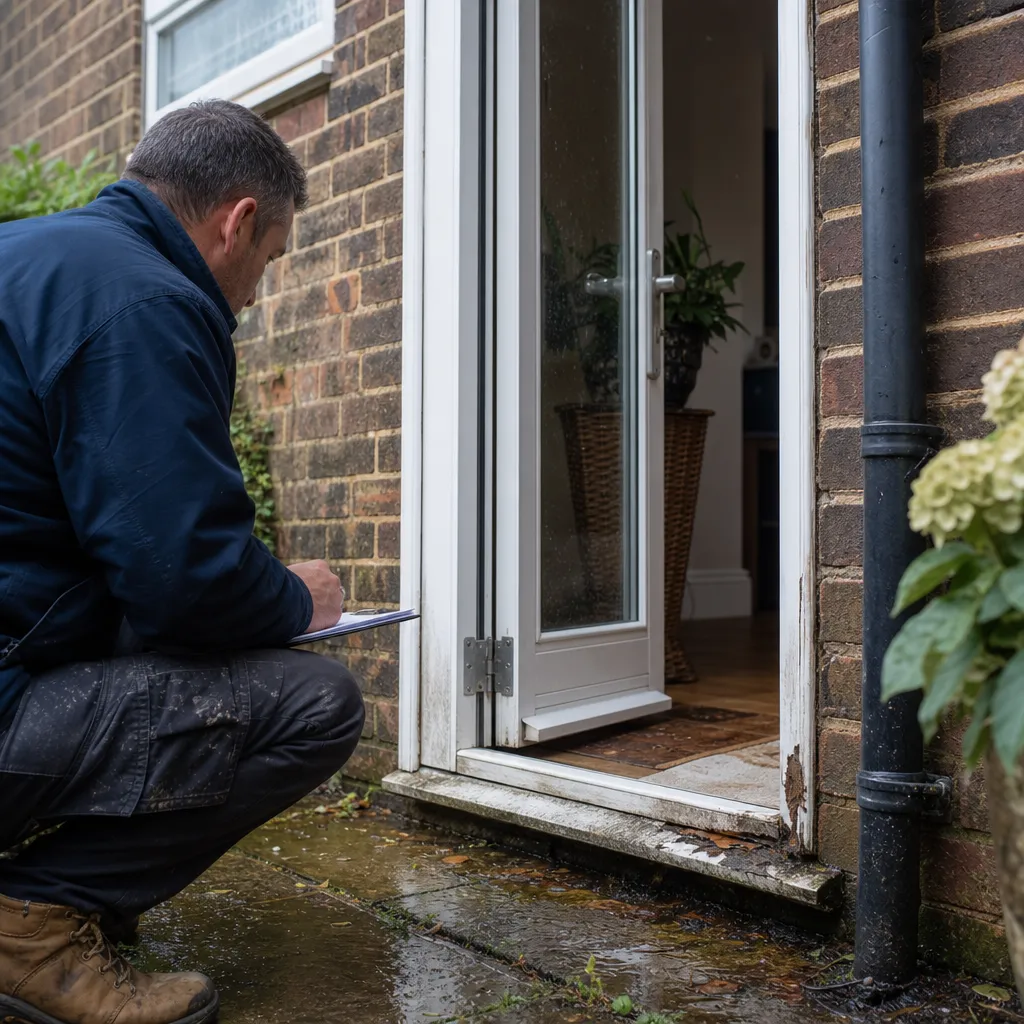 Improvement & Build
Fixing Leaking Back Doors and Water Ingress
Most leaking back doors in UK homes fail at one of three points: the threshold or door sill joint, the frame-to-masonry mastic seal, or the door weatherstrip.
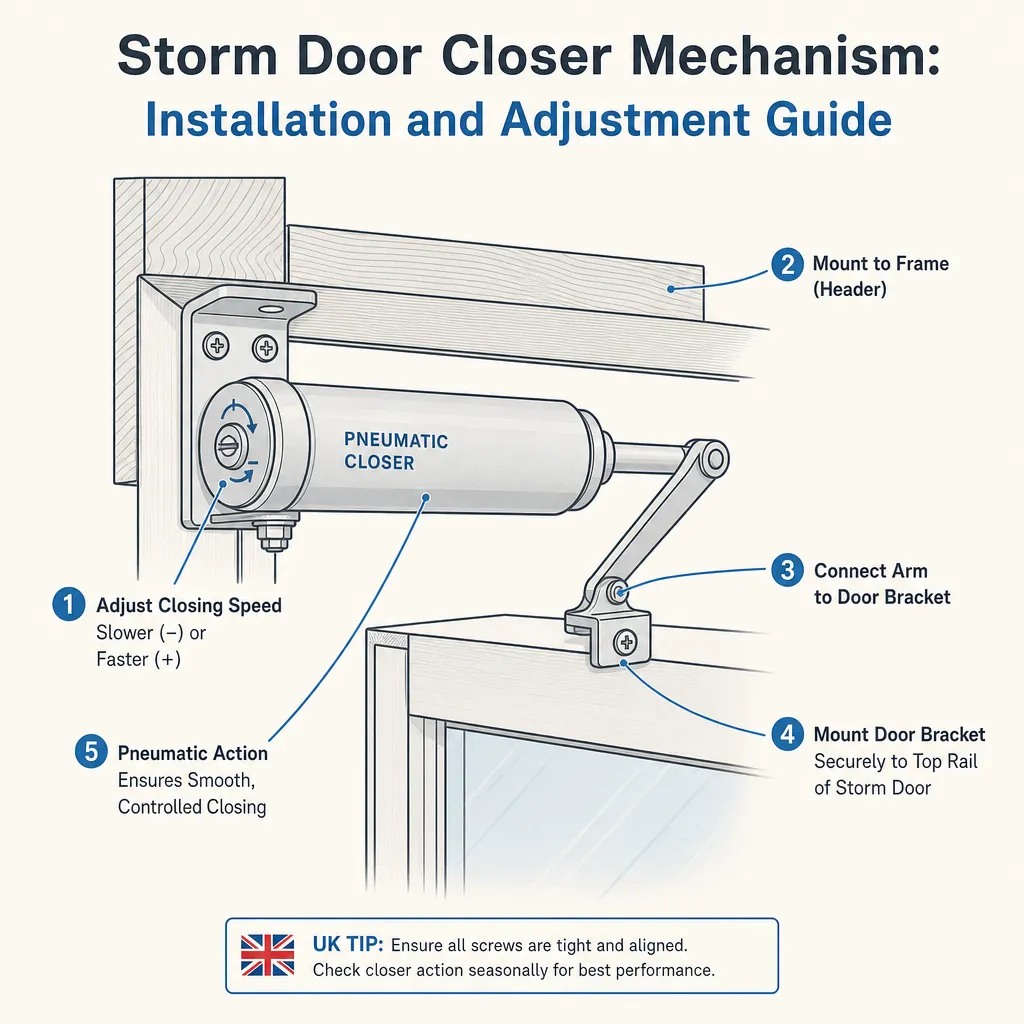 Improvement & Build
Storm Door Closer Mechanism: Installation and Adjustment Guide
Storm door closers are adjusted via a small screw at the end of the cylinder — clockwise slows the door, anticlockwise speeds it up.
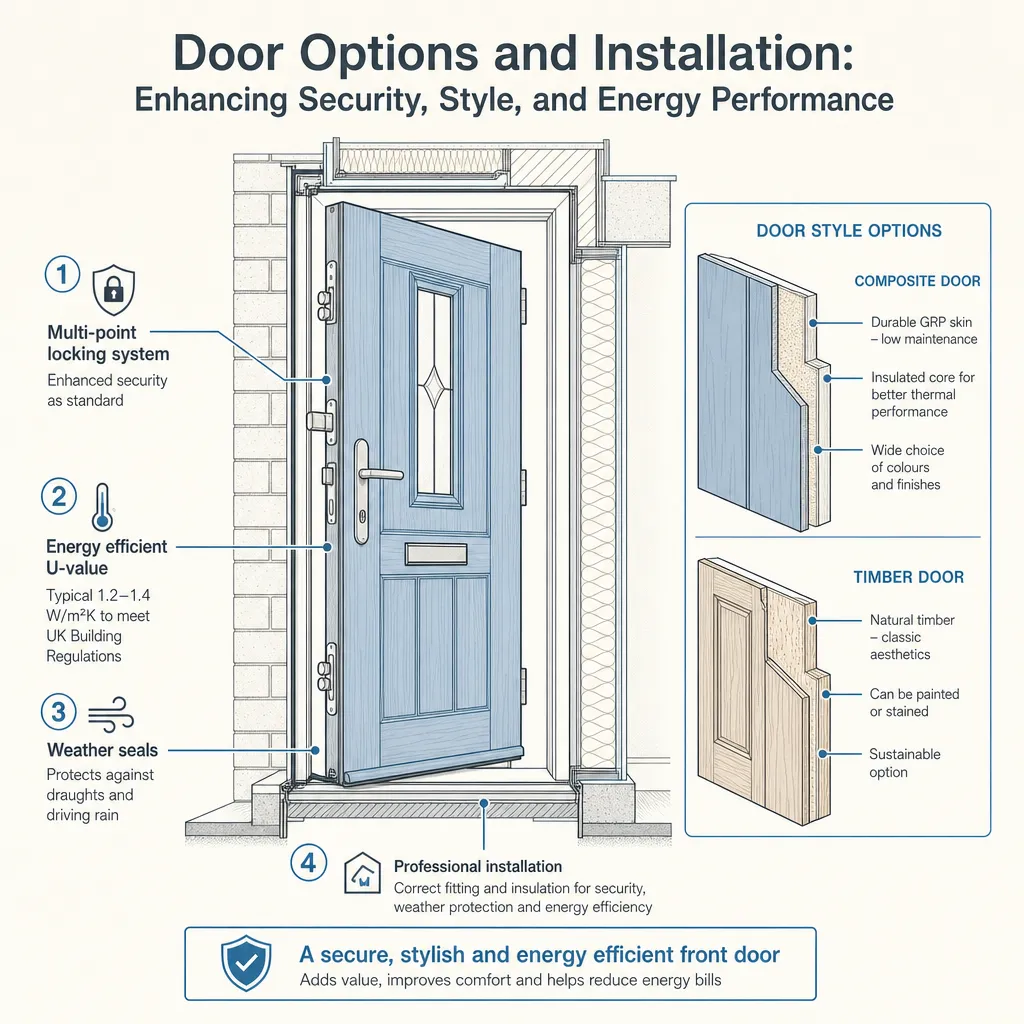 Improvement & Build
Door Options and Installation: Enhancing Security, Style, and Energy Performance
Choosing a new external door involves balancing security ratings, thermal performance, and style.
 Improvement & Build
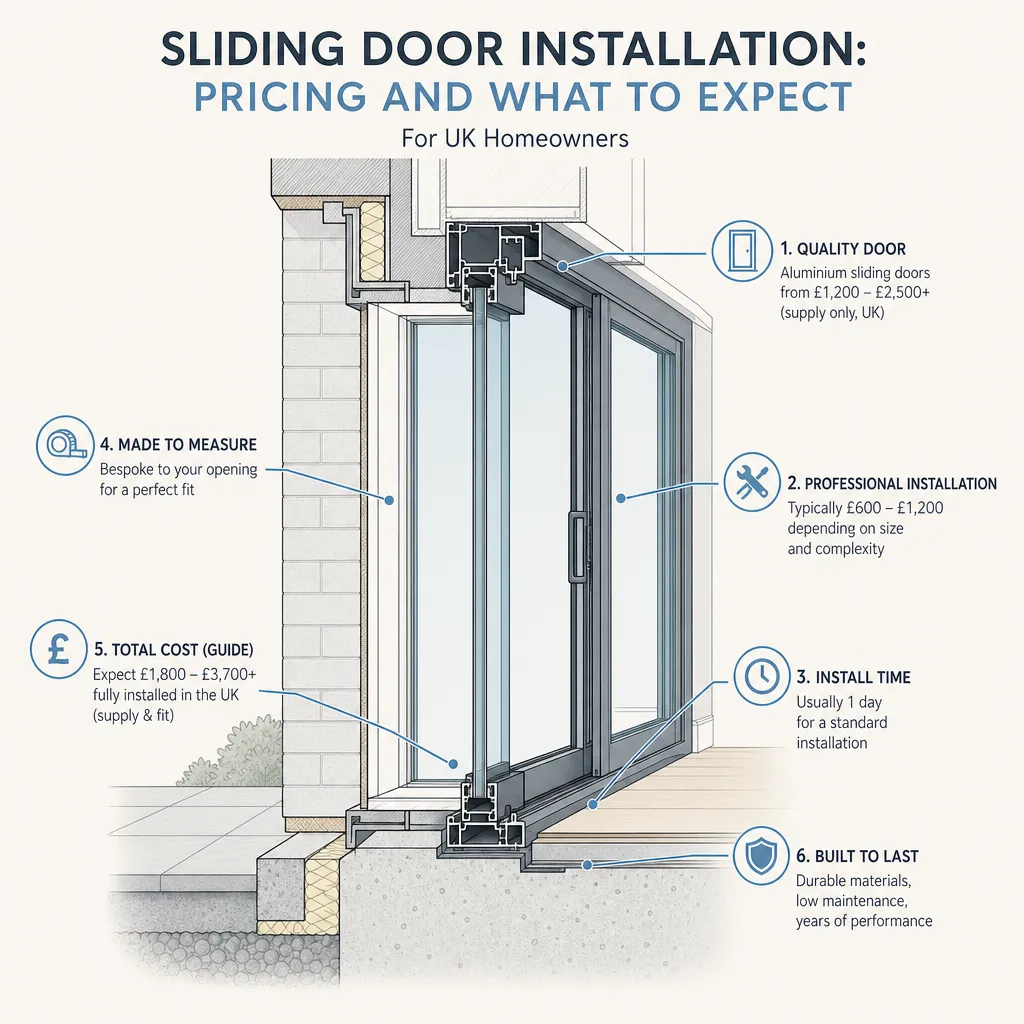
Sliding door installation: pricing and what to expect
A new sliding patio door in the UK typically costs £800–£3,000 fully installed, depending on size, material, and glazing specification.
 Improvement & Build
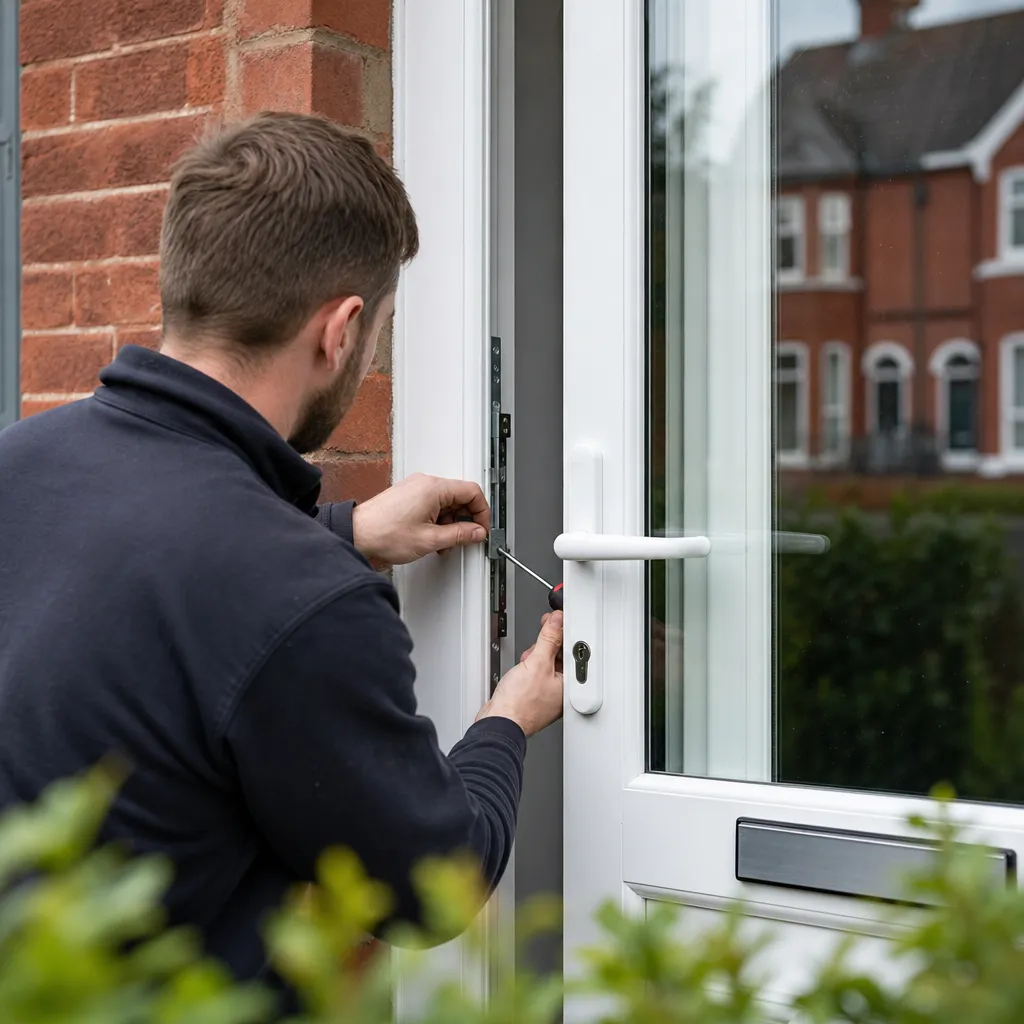
uPVC Door Won't Lock: Diagnosis and Repair Options
A uPVC door that won't lock most often has a misaligned frame, a seized gearbox, or a failing Euro cylinder.