Garden Pest Management: Homeowner's Essential Guide
By Housey · Last reviewed 10th of May 2026
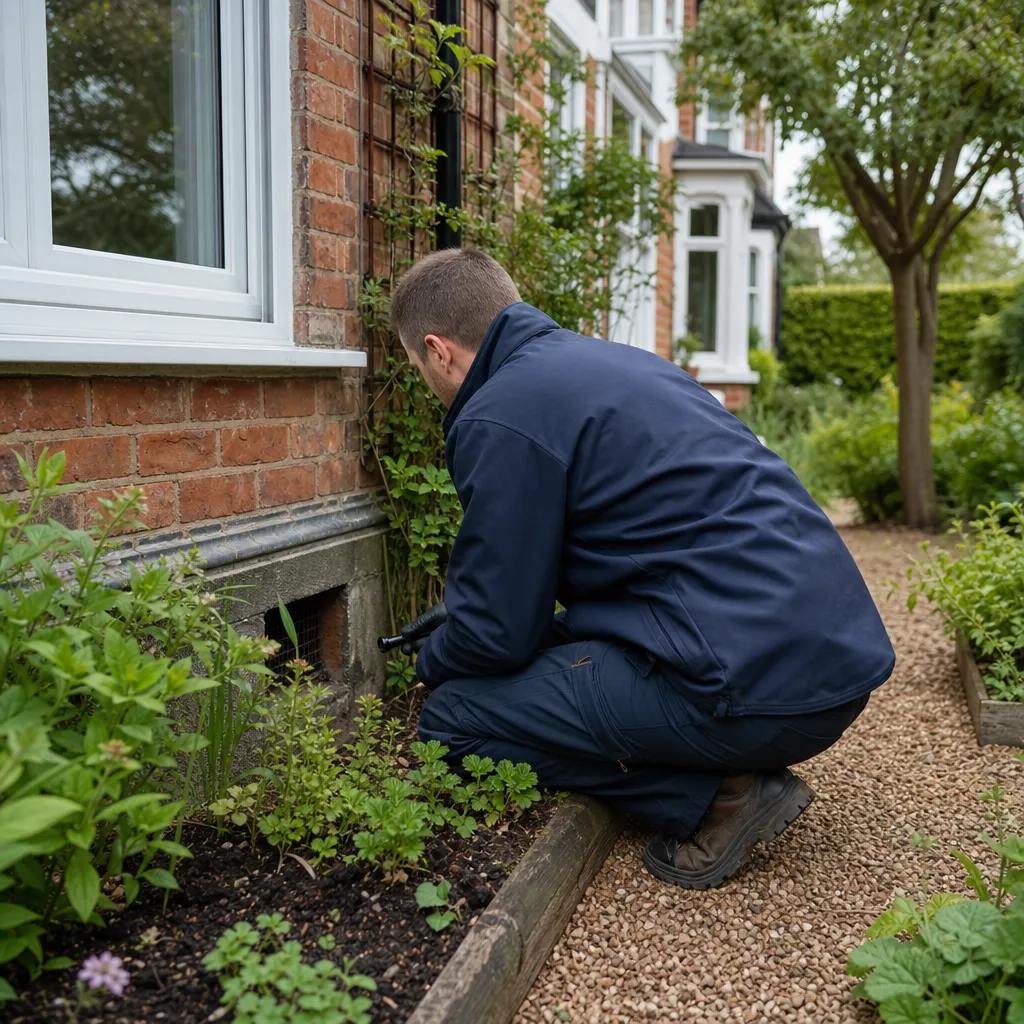
Garden Pest Management: Homeowner's Essential Guide
Pest pressure is a fact of UK garden life — the combination of mild, wet winters and long growing seasons creates near-ideal conditions for slugs, aphids, and vine weevil. Most experienced gardeners learn to manage rather than eliminate pests, building a system where natural predators, sound cultural practice, and targeted intervention keep problems within a tolerable range. The real challenge is knowing which pest is causing a given pattern of damage, which approach is proportionate, and when chemical intervention is actually necessary rather than merely convenient.
Key points
- Slugs and snails are consistently the most damaging pest in UK gardens; nematode-based biological controls using Phasmarhabditis hermaphroditis are available from UK garden centres and are effective when soil temperature exceeds 5°C.
- Metaldehyde slug pellets were banned for outdoor use in the UK, with the ban taking full effect in 2022; ferric phosphate pellets remain legal and are significantly safer for wildlife.
- The Pesticides Regulations 2011 (SI 2011/2131) require that pesticides sold for garden use are registered with HSE; only use products approved for amateur use and follow label instructions exactly.
- Neonicotinoid insecticides are heavily restricted for outdoor use in the UK due to bee toxicity; always check active ingredients before purchasing products for aphid or other sucking-pest control.
- The box tree moth (Cydalima perspectalis) is an invasive species now established across southern England and spreading northwards; larvae cause rapid defoliation of box (Buxus) plants and can kill specimens if untreated.
Common UK garden pests and management options
Pest | Key signs | Most effective control | Best timing | What to avoid |
|---|---|---|---|---|
Slugs and snails | Irregular holes in leaves; slime trails | Phasmarhabditis hermaphroditis nematodes; copper tape; hand-picking; hedgehogs and frogs | Spring–autumn (nematodes need soil above 5°C) | Metaldehyde pellets (banned outdoors since 2022) |
Aphids | Dense clusters on new growth; sticky honeydew; ant activity | Encourage ladybirds and lacewings; water blast; soft soap spray | Spring–summer | Broad-spectrum insecticides that kill beneficial insects |
Vine weevil | Notched leaf margins (adults); sudden wilting then plant death (larvae eating roots) | Heterorhabditis bacteriophora nematodes; Steinernema kraussei for cooler conditions | June–October for nematodes; adult trapping in spring | Discarding infected rootballs without treatment |
Lily beetle | Bright red beetles; larvae covered in black excreta on lily leaves | Hand-pick adults and larvae; pyrethrin-based spray as a last resort | April–September | Delay — damage escalates very rapidly |
Box tree moth | Webbing among foliage; defoliated box; pale caterpillars | Bacillus thuringiensis (Bt) spray; pheromone traps; hand-picking larvae | March–October (multiple generations per year) | Removing box plants before pest identity is confirmed |
Leatherjackets | Yellow or brown lawn patches; birds pecking heavily at turf | Steinernema carpocapsae nematodes; allow starlings to feed | August–October for nematodes | Overwatering the lawn (worsens habitat for the grubs) |
Whitefly | Clouds of white insects when plants are disturbed | Encarsia formosa parasitic wasp under glass; yellow sticky traps; good ventilation | Under glass year-round | High-nitrogen feeding that produces soft growth whitefly prefer |
Biological control availability and effectiveness can vary. Always check product labels and supplier guidance for UK soil temperatures and application windows.
Building a pest-resistant garden: prevention first
The most effective pest management is cultural — creating conditions that make it harder for pest populations to build up in the first place.
Encourage natural predators. Ground beetles, hedgehogs, frogs, toads, slow worms, and garden birds all consume significant numbers of slugs and other pests. A log pile, a small pond, or areas of dense ground cover create essential habitat. Avoiding broad-spectrum pesticides preserves beneficial insect populations that carry out much of the pest management work for free throughout the season.
Get the timing right. Many pest species are most vulnerable at specific life stages. Treating vine weevil larvae with nematodes in August–October is far more effective than waiting until plants collapse in spring after root systems have been consumed.
Grow healthy plants. Stressed plants — over-fed with high-nitrogen fertiliser, waterlogged, or drought-stressed — are significantly more susceptible to aphid and whitefly attack. Balanced feeding, appropriate watering, and good soil drainage all reduce a plant's vulnerability throughout the growing season.
Reduce slug habitat. Dense low ground cover close to vulnerable plants, decaying debris, and moist dark hiding spots shelter slug and snail populations during daylight hours. Clearing away debris in early spring and using coarse grit or gravel mulch around susceptible plants reduces daytime refuge and makes surface travel more difficult for slugs.
Rotate vegetables. Rotating crop families around the vegetable plot each season disrupts both pest and disease cycles. A four-bed rotation — brassicas, legumes, roots, and alliums or other crops — is a standard UK approach recommended by the RHS and the foundation of organic growing practice.
Using pesticides safely in UK gardens
If you choose to use pesticides, the following requirements and good practices apply:
- Only use products registered for amateur garden use in the UK. Check the HSE Pesticides Register or the product label to confirm registration status before purchase.
- Read and follow label instructions exactly — applying at higher rates than specified or to plants not listed on the label is unlawful and may cause plant damage or wildlife harm.
- Ferric phosphate slug pellets (widely sold under various brand names) are the legally permitted outdoor slug control following the metaldehyde ban; they have a significantly better safety profile for mammals and birds.
- Avoid spraying in windy conditions or when pollinators are active. As a general guide, avoid spraying open flowers during mid-morning to late afternoon in warm weather.
- Neonicotinoid insecticides are restricted for outdoor use in the UK due to pollinator harm — check the active ingredient list before purchasing any insecticide intended for outdoor aphid or whitefly control.
- Store all pesticides in their original containers, out of reach of children and pets, in a dry and frost-free location.
- Dispose of empty containers via your local household waste recycling centre. Never pour surplus chemical product down household drains or into watercourses.
Red flags: when pest damage needs urgent attention
Some situations require prompt action rather than a watch-and-wait approach:
- Rapid or complete defoliation — this can indicate box tree moth, winter moth caterpillar, or vine weevil larvae at an advanced stage. Complete defoliation within a short period can kill plants outright or leave them too weakened to survive winter.
- Sudden container plant collapse — if container plants wilt suddenly despite adequate watering, vine weevil larvae consuming the root system are a likely cause. Tip out the root ball immediately to inspect for creamy-white, legless grubs.
- Spreading disease alongside pest activity — aphids and leafhoppers can transmit plant viruses. If plants show stunting, mottled or mosaic-patterned leaves alongside a pest infestation, professional diagnosis may be needed before effective treatment is possible.
- Persistent infestations that do not respond to standard measures — if a pest problem returns each season or escalates despite management, a broader cultural problem such as poor drainage, soil compaction, or inappropriate plant choice may be contributing.
- Suspected notifiable pest or disease — the Animal and Plant Health Agency (APHA) publishes a list of notifiable plant pests. If you spot something unusual that you cannot identify, report it through the GOV.UK Plant Health portal rather than treating it yourself.
What to ask before buying pest control products
Before purchasing any treatment, establish answers to these questions:
- Have I correctly identified the pest? Misidentification leads to ineffective treatment and potential harm to beneficial species.
- Is this product approved for amateur garden use in the UK and listed on the HSE Pesticides Register?
- Is it safe to use around children, pets, and wildlife on my property?
- Are there biological or physical alternatives that would be effective for this specific pest?
- If treating near a vegetable plot, what is the pre-harvest interval stated on the label?
- Does the plant I want to treat appear on the label's approved-use list?
- If considering a nematode treatment, is the soil temperature currently within the product's effective range?
When to get professional help
Most garden pest problems are manageable for homeowners, but professional or specialist involvement is appropriate when:
- An infestation is severe and widespread across a large property or site.
- You suspect a notifiable plant pest or disease that should be reported to APHA rather than treated independently.
- Pests are undermining hard landscaping or structural elements — significant ant infestations or leatherjacket damage beneath paving occasionally falls into this category.
- You manage a commercial growing space, allotment, or rental property where record-keeping requirements for pesticide use may apply.
How Housey can help
If significant pest damage has affected your garden and you are considering a broader renovation — including addressing the soil health, drainage, or planting conditions that contribute to persistent pest pressure — Housey can help you find qualified local professionals suited to the scope of work involved.
Frequently asked questions
Are slug pellets still legal in UK gardens?
Metaldehyde slug pellets were banned for outdoor use in the UK, with the ban taking full effect in 2022. Ferric phosphate-based pellets remain legal for amateur use and are approved around vegetables; they are also less harmful to wildlife. Always check the current product label and HSE registration status before purchase.
How do I attract hedgehogs to control slugs?
Hedgehogs need access to your garden (a 13 cm gap in fencing is sufficient), a source of water, and shelter such as log piles or undisturbed compost heaps. Avoiding broad-spectrum pesticides preserves the beetles and invertebrates hedgehogs also feed on. The British Hedgehog Preservation Society offers detailed guidance on creating hedgehog-friendly conditions.
Do companion plants actually work for pest control?
Some companion planting has a reasonable evidence base. Marigolds (Tagetes) deter whitefly and some soil pests and are widely used alongside tomatoes. Nasturtiums act as aphid trap crops, drawing pests away from neighbouring plants. The evidence varies by pest and species, so companion planting is most useful as part of a broader integrated approach rather than a standalone solution.
Is neem oil effective in UK gardens?
Neem oil is used as a broad-spectrum organic treatment for aphids, whitefly, and some fungal problems. It requires correct dilution with water and an emulsifier, evening application to avoid leaf scorch, and regular reapplication after rain. Check that the specific product is registered for use in the UK before purchasing.
Can I report an unusual plant pest found in my garden?
Yes. The Animal and Plant Health Agency runs a Plant Health portal on GOV.UK where you can report suspected new or unusual pests. The RHS also runs an identification service for members. Early reporting of invasive species such as the box tree moth supports national monitoring and control efforts across the UK.
Sources and further reading
- Pests and diseases — Royal Horticultural Society
- Pesticides register — Health and Safety Executive
- Plant health controls — Animal and Plant Health Agency, GOV.UK
- Metaldehyde ban: protecting wildlife and the countryside — GOV.UK
- Biological controls for garden pests — Royal Horticultural Society
- Hedgehog-friendly gardening — British Hedgehog Preservation Society
Useful next reads
 Improvement & Build
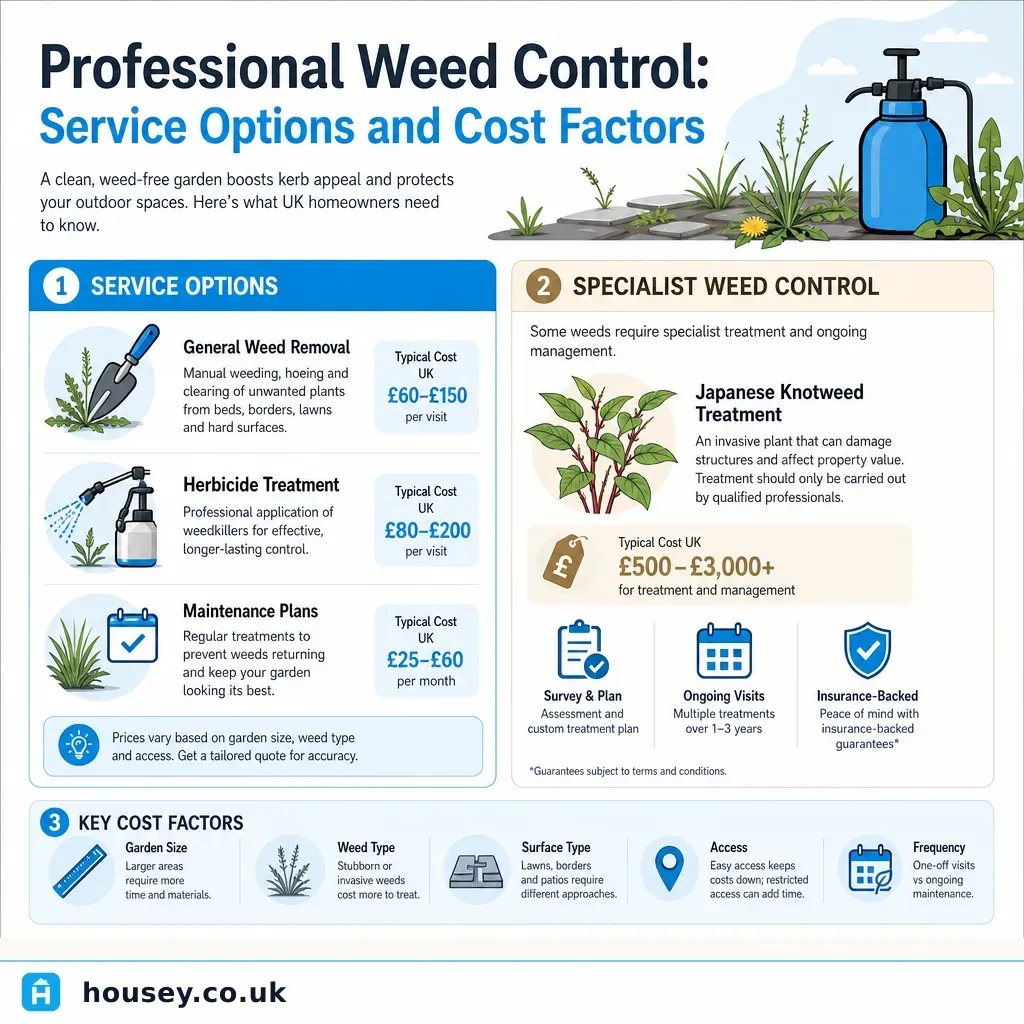
Professional Weed Control: Service Options and Cost Factors
Professional weed control in the UK typically involves herbicide treatment, manual removal, or a combination of both.
 Improvement & Build
Creating a New Garden Design for Your Property
Creating a new garden design involves assessing your space, setting a realistic budget, deciding on hard and soft landscaping, and choosing a planting scheme suited to your soil and aspect.
 Improvement & Build
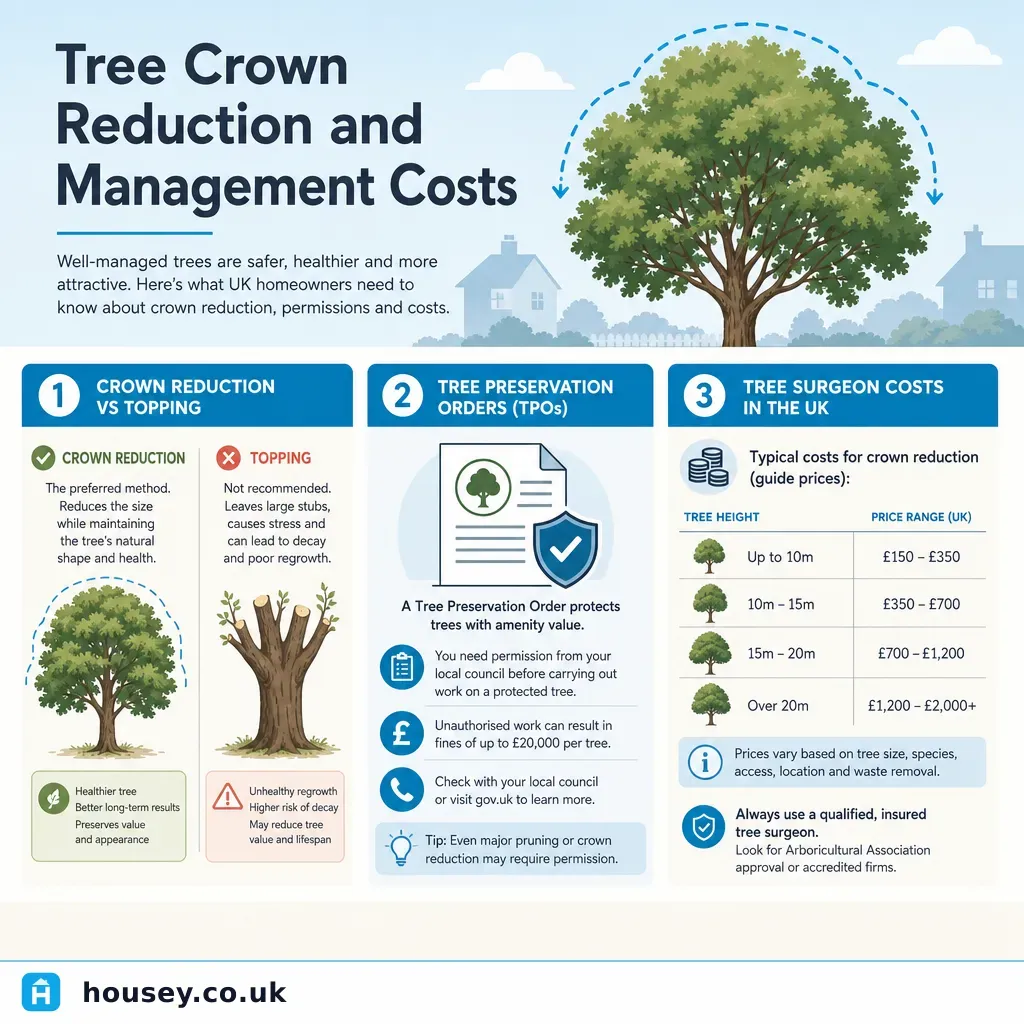
Tree Crown Reduction and Management Costs
Crown reduction reduces a tree's overall size by 15–30% while preserving its natural shape, and must follow BS 3998:2010.
 Improvement & Build
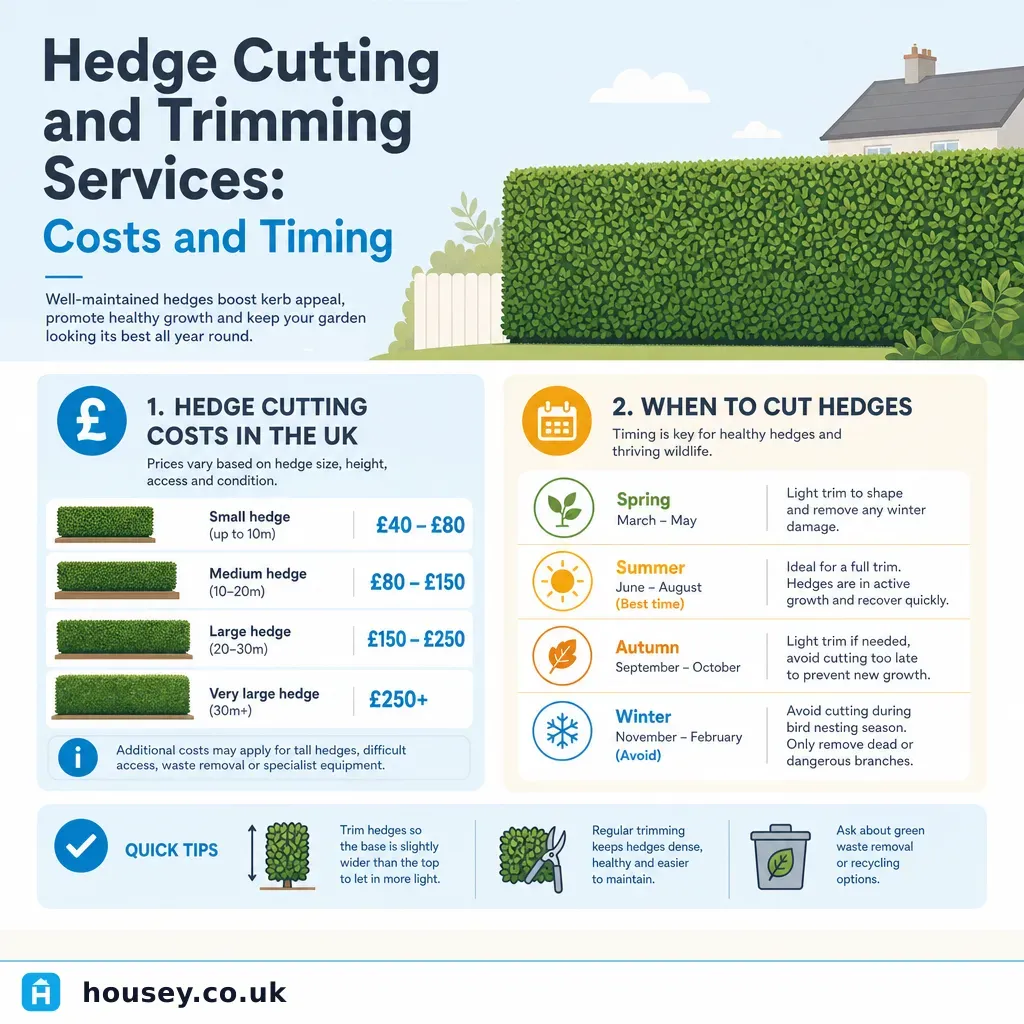
Hedge Cutting and Trimming Services: Costs and Timing
Professional hedge cutting in the UK typically costs £50–£400 depending on hedge height, length, and species.
 Improvement & Build
Power Seeding Your Lawn: Costs and Benefits for Garden Renovation
Power seeding uses a slit-seeding machine to cut shallow furrows into an existing lawn and deposit grass seed directly into the soil, giving far better germination rates than surface broadcasting.