Conservatories and Garden Extensions: Design and Building Guide
By Housey · Last reviewed 8th of May 2026
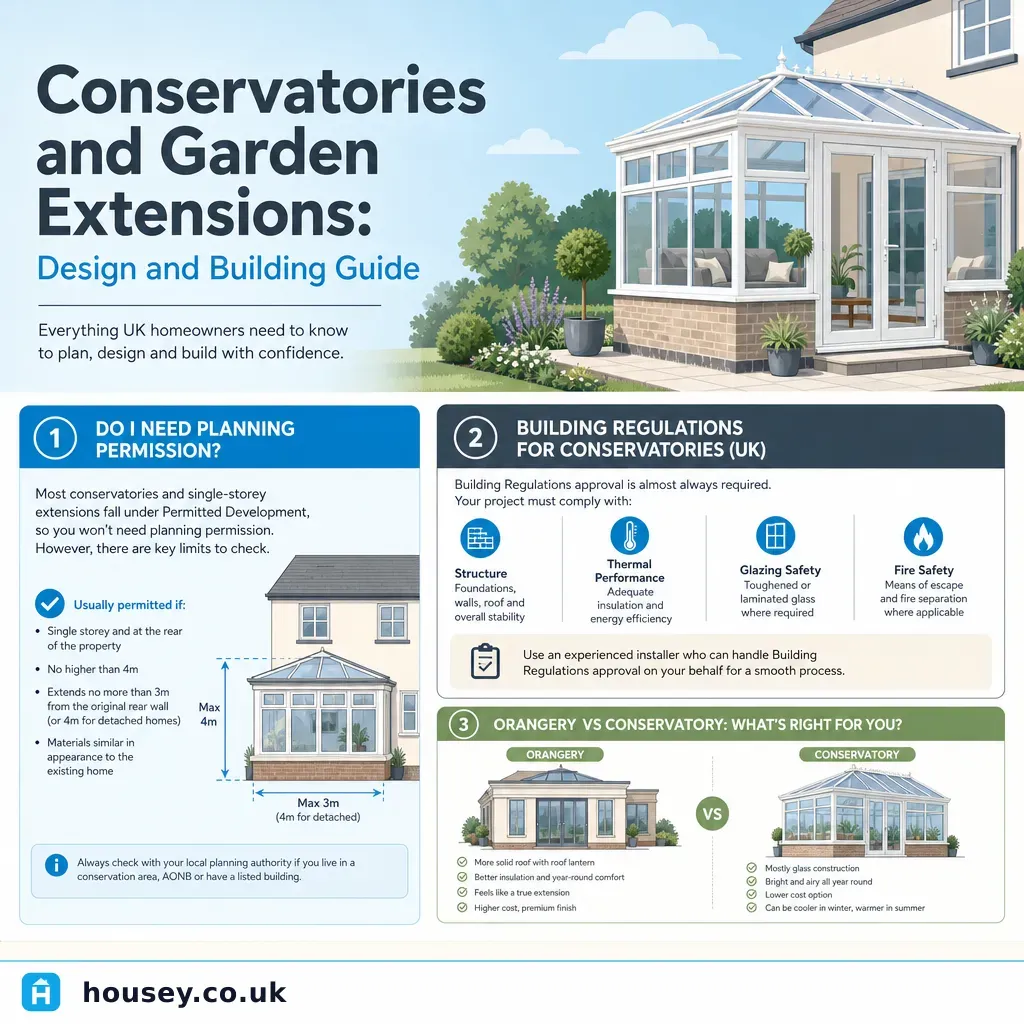
Conservatories and Garden Extensions: Design and Building Guide
Conservatories and garden extensions are among the most popular ways to add usable living space to a UK home without the upheaval of a full rear extension. Whether you are considering a uPVC lean-to, a glazed orangery, or a solid-roof garden room, the decisions you make at the design stage — about planning requirements, building regulations, structure, and thermal performance — will determine whether the space works year-round and adds lasting value. The rules changed in April 2023 in ways that affect how new conservatories connect to the main house, so it is worth understanding the current regulatory picture before committing to a design.
Key points
- Most conservatories qualify as permitted development under the Town and Country Planning (General Permitted Development) (England) Order 2015 if they are single-storey, do not exceed 50% of the original curtilage, and meet dimensional limits: maximum 4m high for detached houses, 3m for others.
- Since April 2023, any new conservatory must either be thermally separated from the main house (insulated wall, floor, and Part L-compliant door) or — if open-plan to a heated room — the entire addition must comply fully with Part L of the Building Regulations.
- Conservatories under 30m² that are thermally separated are generally exempt from full building regulations approval; this exemption does not extend to structural alterations or electrical installations.
- Listed buildings and properties on designated land (conservation areas, Areas of Outstanding Natural Beauty, National Parks, the Broads) require full planning permission for any conservatory or garden extension, regardless of size.
- An orangery or larger garden room with a solid roof is more likely to require building regulations approval than a traditional glazed conservatory.
Planning permission: when you need it and when you don't
Permitted development rules for conservatories in England
Under the Town and Country Planning (General Permitted Development) (England) Order 2015 (as amended), a conservatory on a dwelling house can usually proceed as permitted development provided it meets all of the following conditions:
- It is a single-storey addition.
- It does not extend beyond the rear wall of the original house by more than 4m (detached house) or 3m (any other house) — or 8m/6m respectively under the Neighbour Consultation Scheme.
- The maximum height does not exceed 4m (detached house) or 3m within 2m of a boundary.
- The total area of all extensions does not exceed 50% of the curtilage of the original house.
- It does not sit forward of the principal elevation facing a highway.
- The property is not a listed building and no part of the addition sits on Article 2(3) designated land.
Permitted development rights can be removed by an Article 4 Direction, often applied in conservation areas or certain new-build estates. Check with your Local Planning Authority (LPA) before starting any work. A Lawful Development Certificate (LDC) is not legally required but is strongly advisable — it protects you on resale and confirms the work was lawful at the time.
Decision tree: do you need planning permission?
- No planning permission likely needed if: detached or semi-detached home, single-storey rear addition, within dimensional limits, not listed, not on designated or Article 2(3) land, no Article 4 Direction applies.
- Planning permission required if: the addition extends to a side elevation, the property is listed or in a conservation area, AONB, or National Park, PD rights have been removed, or the size exceeds PD limits.
- Check with your LPA first if: the property has already had extensions (cumulative size matters), the site is near designated land, or you are unsure whether an Article 4 Direction applies.
- Consider a Lawful Development Certificate regardless: it provides legal certainty and is useful when selling or remortgaging.
Wales, Scotland, and Northern Ireland have separate permitted development rules. Always check the relevant national planning guidance if you are outside England.
Building regulations: what applies to conservatories and garden rooms
The thermal separation rule since April 2023
The Building Regulations 2010 (as amended) provide an exemption from Part L for conservatories only where the conservatory is thermally separated from the main dwelling. Since April 2023, thermal separation requires:
- The walls, roof, and floor separating the conservatory from the house must be insulated to external-element standard under Part L.
- A thermally efficient separating door must be fitted between the conservatory and the main house.
- Any heating in the conservatory must have independent controls and must not be part of the main dwelling's heating system.
If the conservatory is open-plan to a heated room — no separating door or insulated wall — the entire addition is treated as a heated extension and must comply fully with Part L. This affects glazing U-values, roof insulation, and potentially ventilation design.
When building regulations approval is required
Type of structure | Building regs approval usually needed? | Notes |
|---|---|---|
Conservatory under 30m², thermally separated | No (exempt) | Electrical work and structural changes still need sign-off |
Conservatory open to a heated room | Yes | Full Part L compliance required |
Orangery (solid or semi-solid roof) | Usually yes | Roof construction triggers approval in most cases |
Attached garden room (solid walls and roof) | Usually yes | Habitable use, plumbing, or mains electrics trigger regs |
Detached garden room | Depends on use and size | Habitable use or mains electrics typically trigger regs |
Conservatory over 30m² | Yes | Size threshold removes the standard exemption |
Electrical work within any conservatory — sockets, lighting, or consumer unit modifications — must comply with Part P of the Building Regulations and be carried out or certified by a competent person registered with an approved Part P scheme (for example, NICEIC, NAPIT, or ELECSA).
Choosing between a conservatory, orangery, and garden room
Comparison: structure types
Type | Typical roof | Planning status | Building regs | Best for | Indicative cost (2026) |
|---|---|---|---|---|---|
Lean-to conservatory | Glazed (polycarbonate or glass) | Usually permitted development | Exempt if under 30m² and separated | Small rear additions, utility or boot room use | £8,000–£18,000 |
Victorian or Edwardian conservatory | Glazed with dwarf wall | Usually permitted development | Exempt if under 30m² and separated | Traditional homes, living or dining room use | £12,000–£30,000 |
Orangery | Solid perimeter with lantern roof | Usually permitted development (within limits) | Often required due to solid roof | Year-round kitchen-diner or living space | £25,000–£60,000+ |
Attached garden room | Solid flat or pitched roof | Usually permitted development (rear) | Usually required | Home office, gym, year-round living | £20,000–£50,000+ |
Detached garden room | Solid or glazed | Permitted development if under 15m² (certain conditions) | Exempt below limits; depends on use | Office, hobby room, studio | £10,000–£35,000+ |
Indicative UK costs, last reviewed 2026-05-08. Costs vary significantly by region, specification, glazing quality, and contractor. Obtain at least three quotes.
Which option suits your situation?
- Choose a lean-to conservatory if you want a lower-cost rear addition and are comfortable with seasonal temperature variation.
- Choose an Edwardian or Victorian conservatory if your property style suits a traditional glazed structure and year-round use is less critical.
- Choose an orangery if you want a solid-feel room that connects visually to the house, is usable year-round, and you are prepared for building regulations involvement.
- Choose an attached garden room if you want full thermal performance, year-round usability, and flexibility in design including flat roofs and solid walls.
- Choose a detached garden room if planning a studio, office, or gym that does not need to connect to the main house — often simpler from a planning and regulations standpoint.
Pre-build checklist for homeowners
Before instructing a contractor or designer, work through this checklist:
When to get professional help
Most conservatory projects are manageable for homeowners who do their research, but involve qualified professionals if:
- The project is near or at the permitted development size limits — a planning consultant or architect can confirm compliance and apply for an LDC.
- The structure involves altering a load-bearing wall or existing foundations — a structural engineer should assess and specify before work begins.
- The property is listed or in a conservation area — a heritage consultant or planning consultant can advise on the application and appropriate materials.
- The project is a larger orangery or garden room requiring full building regulations approval — a building control consultant or approved inspector can manage submission and inspection.
- The electrical installation goes beyond a minor circuit — use a Part P registered electrician.
How Housey can help
For larger or more complex projects, working with the right professionals from the start saves time and avoids costly revisions later. Housey can connect you with experienced extension builders who work across conservatories, orangeries, and garden rooms throughout the UK. If your project requires building regulations approval, you can request quotes from building control consultants who manage the submission and inspection process. For landscaping or planting design around your new structure, explore garden designers through Housey.
Frequently asked questions
Do I always need planning permission for a conservatory?
Not always. Most conservatories on standard residential properties in England qualify as permitted development, meaning no planning application is required. However, this depends on size, position, property type, and whether the property is in a designated area or subject to an Article 4 Direction. Always verify with your Local Planning Authority before starting work.
Does a conservatory add value to a house?
A well-designed, properly constructed conservatory or garden room can add value, particularly if it creates genuinely usable living space with year-round thermal comfort. A poorly insulated add-on that is unusable in extreme temperatures adds less value and may be noted by a surveyor. Thermal performance and building regulations compliance where required both matter for liveability and future valuations.
What is the difference between a conservatory and an orangery?
A conservatory is predominantly glazed, with a glass or polycarbonate roof and either full-height or dwarf-wall glazed sides. An orangery has a solid or semi-solid perimeter structure — typically brick or render — with a glazed lantern or skylight roof. Orangeries feel more like rooms, tend to perform better thermally, and usually require building regulations approval due to their solid roof construction.
Can I build a conservatory on a listed building?
Not without Listed Building Consent, regardless of size. Any external alteration to a listed building — including adding a conservatory — requires consent from your Local Planning Authority. Carrying out works to a listed building without consent is a criminal offence. Engage a heritage consultant or architect experienced in listed building work before making any plans.
Do I need to tell my mortgage lender before building a conservatory?
Most mortgage terms require you to notify your lender before making material alterations to the property. A conservatory or garden room may affect your buildings insurance rebuild valuation and your mortgage conditions. Check your mortgage terms and contact both your lender and insurer before starting work to avoid inadvertently breaching the terms of your policy or loan agreement.
Sources and further reading
- Permitted development rights for householders: technical guidance — Department for Levelling Up, Housing and Communities
- Approved Document L: conservation of fuel and power — GOV.UK
- Planning Portal: conservatories — Planning Portal
- Approved Document P: electrical safety in dwellings — GOV.UK
- When is permission required? Planning Practice Guidance — GOV.UK
Useful next reads
 Improvement & Build
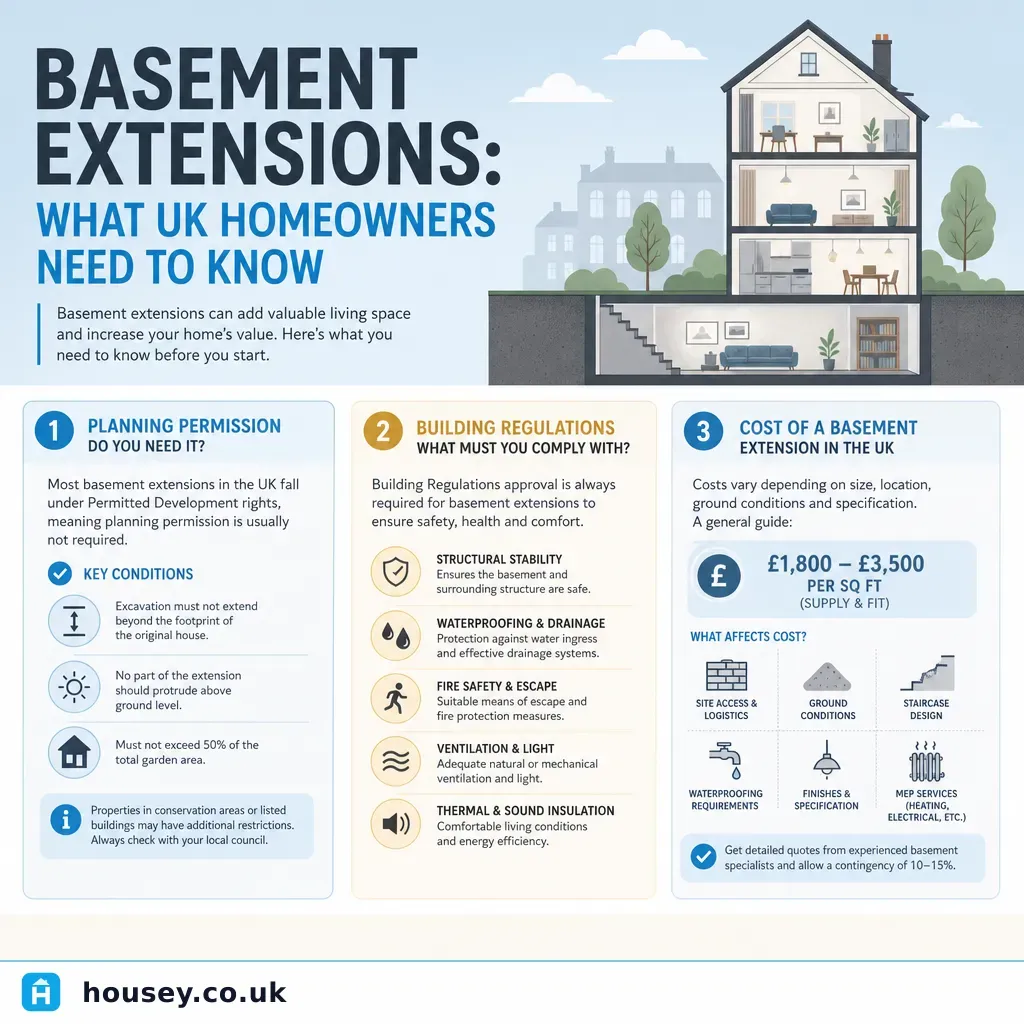
Basement Extensions: What UK Homeowners Need to Know
Most basement extensions in the UK require full planning permission and Building Regulations approval under Parts A, C, F, H, and L.
 Improvement & Build
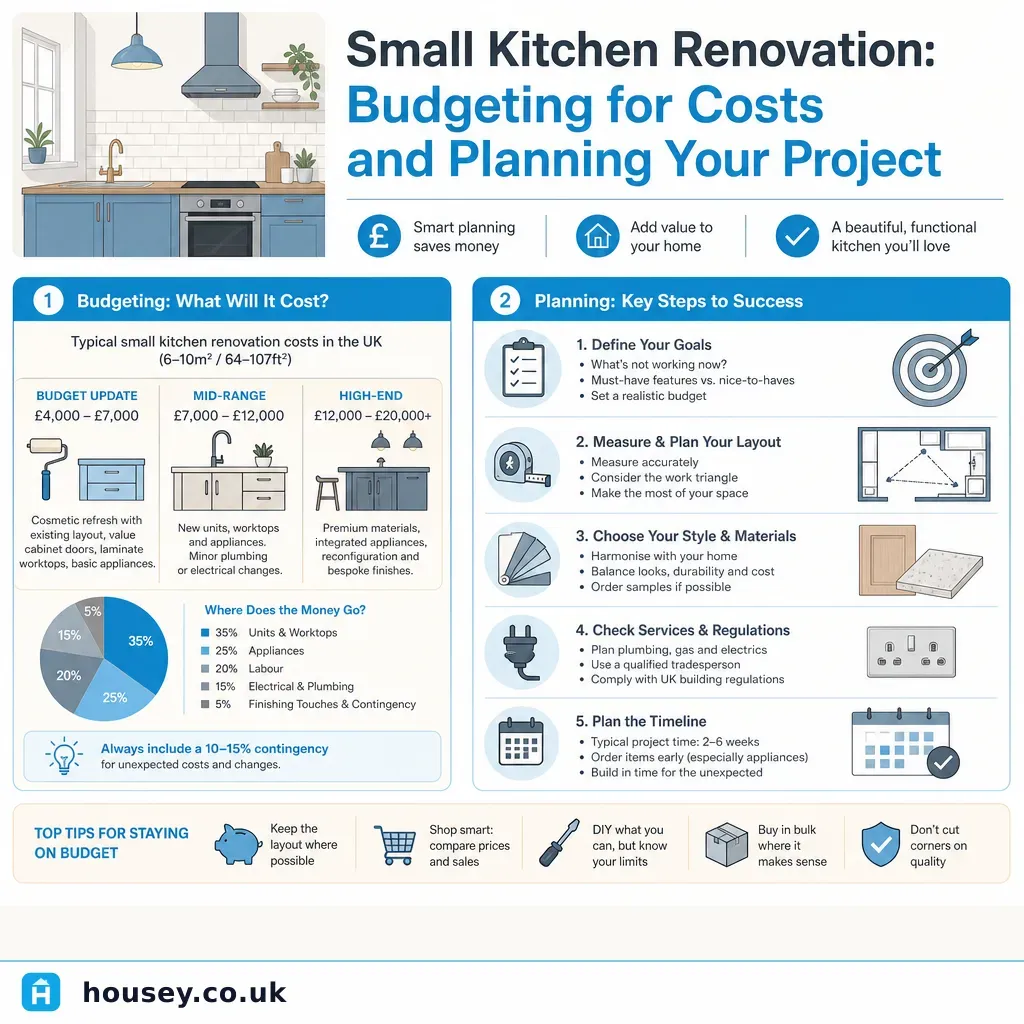
Small kitchen renovation: budgeting for costs and planning your project
A small kitchen renovation in the UK typically costs £5,000–£15,000 for a full refresh including new units, worktops, tiling, and appliances, though costs vary widely by specification, region, and whether structural changes or rewiring are involved.
 Improvement & Build
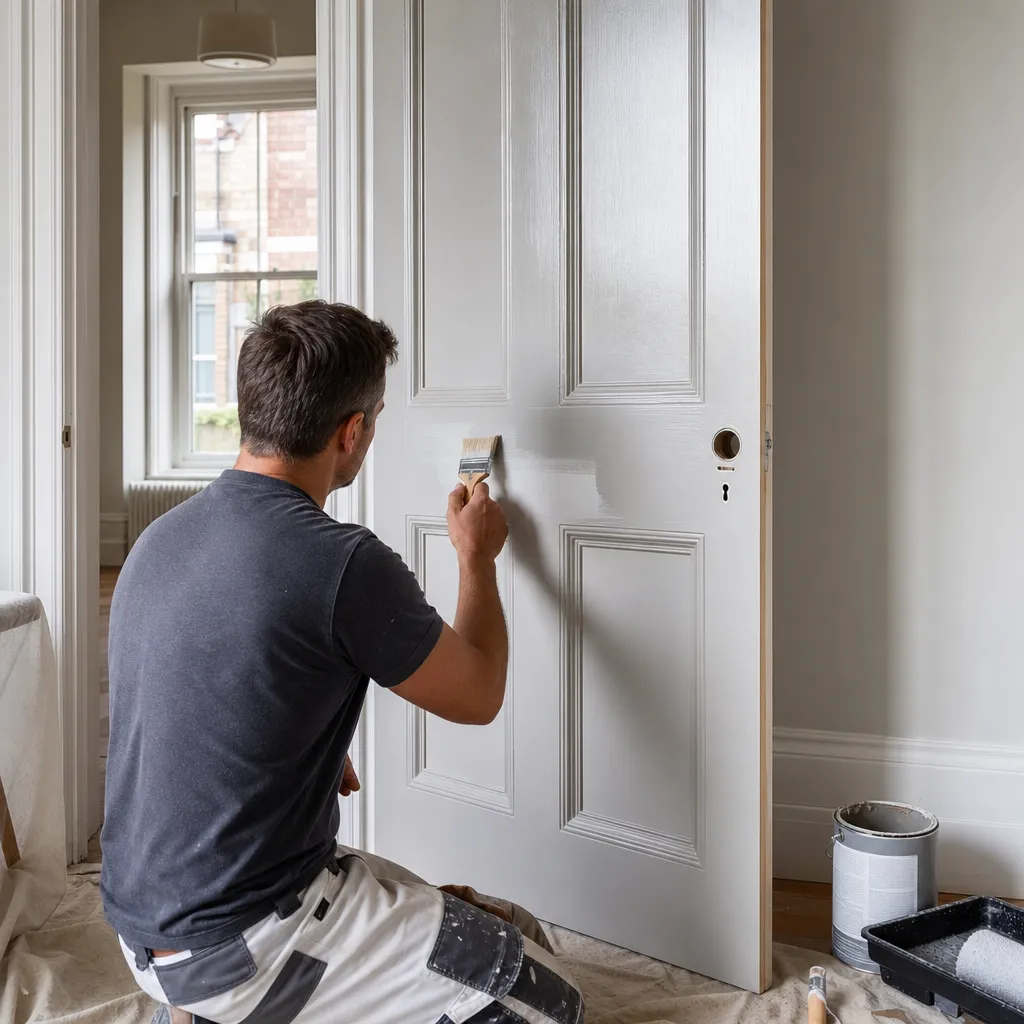
Painting Interior Doors: Preparation and Technique
Painting interior doors well depends on preparation rather than paint choice.
 Improvement & Build
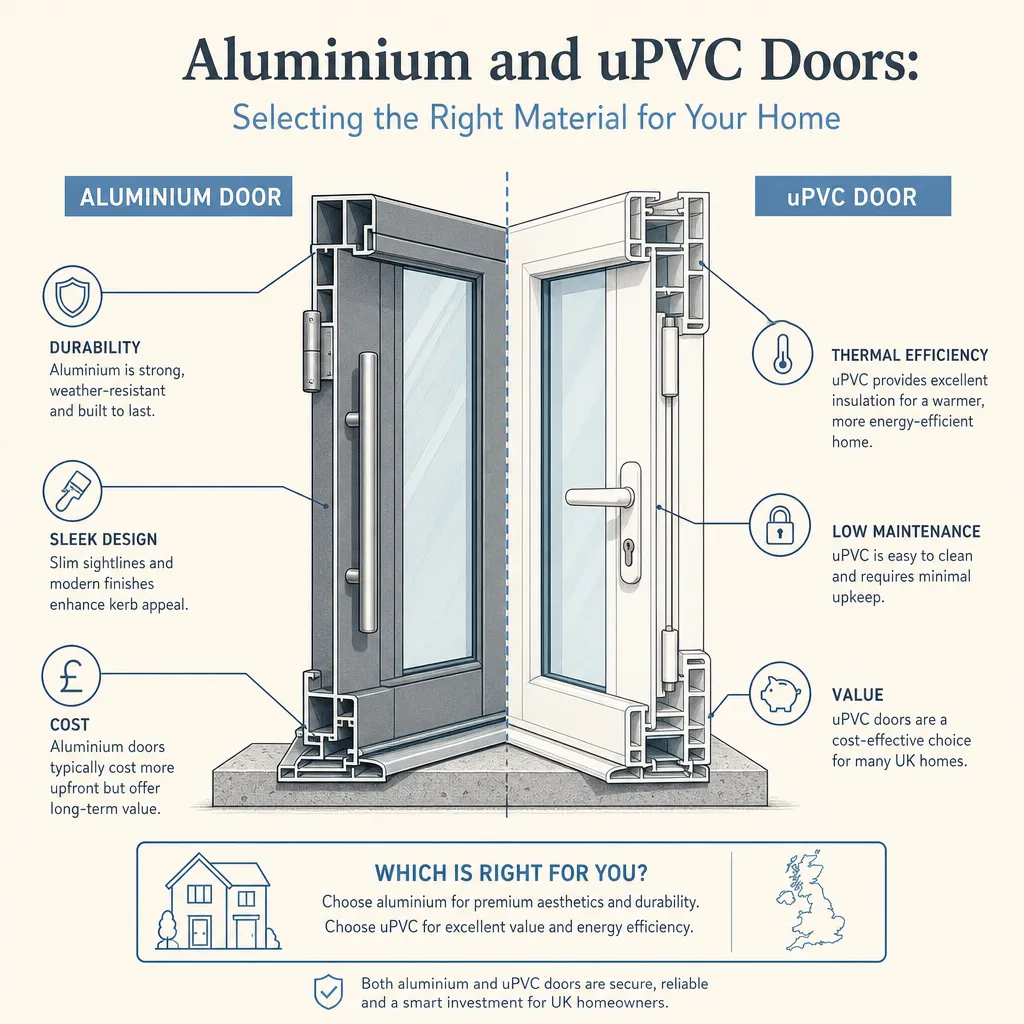
Aluminium and uPVC Doors: Selecting the Right Material for Your Home
uPVC doors are lower-cost and low-maintenance, making them a practical choice for most UK homes.
 Improvement & Build
Maximising Value Through Strategic Home Improvement Projects
In the UK, loft conversions and kitchen extensions tend to deliver the strongest return on investment, with loft conversions potentially adding around 20% to property value according to Nationwide data.