Conservatory Refurbishment: Renovation Options and Investment
By Housey · Last reviewed 5th of May 2026
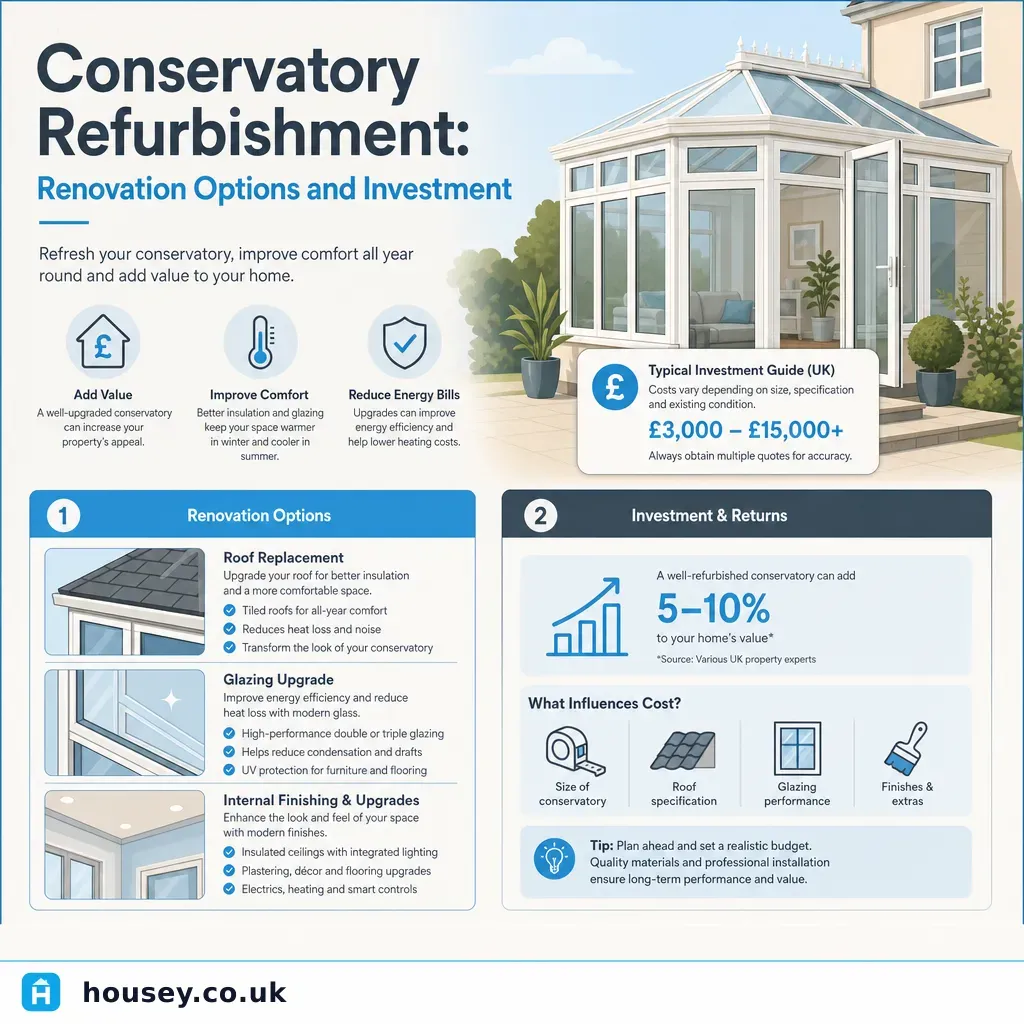
Conservatory Refurbishment: Renovation Options and Investment
Most conservatories built in the 1990s and early 2000s are showing their age: draughty frames, discoloured polycarbonate roofs, failed glazing seals, and cold floors. Rather than demolishing and rebuilding, targeted refurbishment can transform how a conservatory performs and looks, often at considerably less cost than starting from scratch. The right approach depends on the structure's condition, how you want to use the space, and what your budget allows.
Key points
- Replacing a polycarbonate or glass roof with a solid insulated panel or tiled system almost always requires building regulations approval under Part A (structural stability) and Part L (energy efficiency) — it is not a like-for-like replacement.
- Window and door replacements must comply with Building Regulations Part L; FENSA-registered or CERTASS-registered installers can self-certify compliance, removing the need for a separate building control application.
- Standard 28mm double-glazed units achieve a centre-pane U-value of around 1.0–1.2 W/m²K, compared to approximately 1.7–2.0 W/m²K for 25mm twin-wall polycarbonate — a meaningful thermal improvement.
- A conservatory thermally separated from the main house by an external-quality door and retaining a glazed roof remains exempt from building regulations after internal refurbishment — but connecting the main heating system to the conservatory removes that exemption.
- Solid roof replacement systems such as Guardian Warm Roof, Leka System, and Supalite typically achieve U-values of 0.18–0.28 W/m²K, meeting current Part L standards.
What refurbishment options are available?
Conservatory refurbishment ranges from a simple glazing panel swap to a full structural roof conversion with new frames, flooring, and heating. The most common interventions are:
- Roof replacement — polycarbonate or single-skin glass to double-glazed units, solid insulated panels, or tiled warm roof systems.
- Glazing and frame upgrades — replacing failed sealed units, single-glazed panes, or ageing uPVC frames with modern thermally efficient alternatives.
- Flooring improvements — new floor coverings, insulated boarding, or underfloor heating beneath a new deck.
- Heating and ventilation — adding radiators or underfloor heating, improving roof vents to reduce summer overheating and winter condensation.
- Internal linings and plastering — typically required after a solid roof installation to achieve a room-quality ceiling finish.
- Structural repairs — addressing cracked dwarf walls, heaved floors, or subsidence before undertaking other works.
Assessing the roof condition first usually identifies the highest-impact improvement.
Roof replacement: the most transformative upgrade
The roof is the single most important factor in conservatory comfort. Polycarbonate is cheap to install but poor at retaining heat, creating a space that overheats in summer and chills in winter. Replacing the roof is typically the highest-return upgrade available.
Conservatory roof options compared
Roof type | Approx. cost (3m × 4m conservatory) | Typical U-value | Building regs needed? | Key consideration |
|---|---|---|---|---|
Polycarbonate (25mm twin-wall, like-for-like) | £500–£1,500 | 1.7–2.0 W/m²K | No | Cheapest; thermal performance remains poor |
Double-glazed self-cleaning glass (like-for-like) | £2,500–£6,000 | 1.0–1.2 W/m²K | Usually no | Better light quality and thermal performance |
Solid insulated panel (e.g. Guardian, Leka, Supalite) | £8,000–£16,000 | 0.18–0.28 W/m²K | Yes — Part A and L | Best thermal performance; room-quality finish achievable |
Tiled or slate warm roof system | £10,000–£20,000+ | ≤0.18 W/m²K | Yes — Part A and L | Durable and permanent; most structural intervention required |
Hybrid (part glass, part solid panel) | £7,000–£14,000 | Varies by ratio | Usually yes | Retains light while improving thermal performance |
Indicative UK costs, last reviewed 2026-05-05. Prices vary by supplier, frame compatibility, conservatory size, and region.
Replacing a glazed roof with a solid system is not a product swap. The dead load increases significantly, requiring assessment of the frame, dwarf wall, and foundations. Part L compliance (U-value ≤0.18 W/m²K) is required where building regulations apply, and the loss of the glazed roof removes the conservatory's exemption status entirely. A reputable contractor should arrange building control sign-off as part of the contract and hand over a completion certificate — this matters when you come to sell.
Glazing and frame upgrades
Older conservatories frequently have failed double-glazed sealed units, single-glazed panes, or discoloured polycarbonate panels. Upgrading these reduces draughts, cuts heat loss, and noticeably improves appearance.
Frame materials:
- uPVC — most common and cost-effective; low maintenance; available in a range of colours and woodgrain finishes. Modern uPVC profiles significantly outperform 1990s equivalents.
- Aluminium — slimmer sightlines and a contemporary aesthetic; longer lifespan than uPVC; higher cost.
- Timber — traditional appearance; good environmental credentials if FSC-certified; requires regular maintenance.
Glazing options:
- Double glazing (28mm units) — standard minimum for new installations; U-values typically 1.0–1.4 W/m²K depending on glass spec and spacer bar.
- Triple glazing — U-values around 0.6–0.8 W/m²K; heavier and more expensive; most worthwhile for north-facing or exposed conservatories.
- Low-emissivity (low-E) coatings — improve thermal performance without added weight; now standard in most UK double-glazed units.
- Solar control glass — reduces summer overheating; particularly relevant for south- and west-facing conservatories.
All replacement windows and doors must be installed by a FENSA-registered or CERTASS-registered contractor, or covered by a direct building regulations application. The installer provides a Part L compliance certificate — keep this with your property documents.
Flooring and heating improvements
Cold floors are a common complaint in conservatories built on an uninsulated concrete slab. Options for retrofitting include:
- Insulated floor boarding over the existing slab — low disruption, effective, relatively inexpensive; raises floor level by 25–75mm.
- Electric underfloor heating — straightforward to install under tiles or stone; running costs are higher than wet systems.
- Wet underfloor heating — requires breaking up the existing slab if not already installed; higher disruption but lower running costs; most cost-effective as part of a full refurbishment.
Connecting new radiators or a wet circuit to the main house's central heating will almost certainly remove the building regulations exemption. Seek advice from a building control body before making this connection.
Indicative refurbishment costs
Scope | Indicative cost range |
|---|---|
Roof replacement (polycarbonate to glass, like-for-like) | £2,500–£7,000 |
Roof replacement (solid insulated system) | £8,000–£20,000 |
Full frame and glazing replacement (uPVC) | £4,000–£12,000 |
Full frame and glazing replacement (aluminium) | £8,000–£20,000 |
Flooring upgrade (insulated boarding or new screed) | £800–£3,000 |
Internal boarding and plastering after solid roof | £1,500–£4,000 |
Full refurbishment (roof, glazing, flooring, heating) | £15,000–£40,000+ |
Indicative UK costs, last reviewed 2026-05-05. Costs vary by region, conservatory size, and specification.
Which refurbishment route is right for you?
- Choose a glass roof upgrade if the structure is sound and you want better light quality and improved thermal performance without a major project.
- Choose a solid insulated roof if year-round thermal comfort is the priority and a structural assessment confirms the base can support the additional load.
- Replace frames and glazing if the existing roof is acceptable but frames are draughty, discoloured, or have failed sealed units.
- Consider full refurbishment if the conservatory was built before 2000, multiple components are failing, and you want the space to function as a genuine habitable room.
- Consult a structural engineer or qualified builder before any roof replacement if you notice cracks in the dwarf walls, uneven flooring, or movement in the existing frame — these are potential signs of foundation issues that need addressing first.
When to get professional help
Several refurbishment tasks require regulated tradespeople or formal approvals. The following are clear red flags that professional input is essential:
- Solid or tiled roof replacement — always use a contractor who will obtain and hand over building regulations approval; confirm this before signing any contract.
- Window and door replacement — engage a FENSA-registered or CERTASS-registered installer to self-certify Part L compliance, or arrange a building regulations application directly.
- Cracking in the dwarf wall, heave in the floor, or movement in the frame — arrange a RICS surveyor or structural engineer inspection before committing to any substantial works.
- Gas connections — extending a central heating system requires a Gas Safe-registered engineer.
- New electrical circuits — require a Part P-registered electrician.
- Listed buildings and conservation areas — works affecting external appearance may require listed building consent or prior planning approval; check with your local planning authority before instructing contractors.
How Housey can help
Whether you are replacing a glazed roof, upgrading frames and doors, or planning a full conservatory overhaul, Housey can connect you with experienced extension builders who handle conservatory refurbishment across the UK. For window and door upgrades, you can also request quotes from FENSA-registered window and door installers to ensure your glazing replacement is properly certified and compliant.
Frequently asked questions
Do I need planning permission to refurbish a conservatory?
Generally no. Like-for-like refurbishment works — replacing glazing, upgrading frames, or changing the roof for a comparable product — do not require planning permission. However, if you are materially changing the external appearance, adding a solid roof visible from a highway, or your property is listed or in a conservation area, check with your local planning authority first before instructing any contractor.
Does replacing a conservatory roof with a solid roof require building regulations approval?
Yes, in almost all cases. Solid and insulated panel roof systems substantially increase the structural dead load, require compliance with Part L (energy efficiency) and Part A (structural stability), and typically remove the building regulations exemption the conservatory previously held. A reputable contractor should arrange building control sign-off as part of the contract and provide a completion certificate on finishing.
How long does a conservatory refurbishment take?
A roof replacement typically takes 2–5 days on site for an average conservatory. Full frame and glazing replacement takes around 3–7 days. A complete refurbishment — new roof, glazing, flooring, and internal finishing — may take 2–4 weeks on site. Where building regulations approval is needed, allow 4–8 weeks for the application process, though work can often begin once an application is submitted.
Can a refurbished conservatory be used year-round?
Yes, with the right upgrades. A solid insulated roof achieving a U-value of 0.18 W/m²K or better, thermally broken frames, double or triple glazing, and adequate heating can make a conservatory usable in all seasons. The roof is typically the most critical improvement, as it accounts for the largest proportion of heat loss in a standard glazed conservatory.
Will refurbishing a conservatory add value to my home?
A well-executed refurbishment that makes the space genuinely usable year-round tends to be viewed positively by buyers. Discoloured polycarbonate roofs and draughty frames can create a poor impression during viewings. Return on investment depends on local market conditions and quality of finish. Obtaining building regulations completion certificates for any roof replacement also protects the property's saleability at conveyancing.
Sources and further reading
- Building Regulations Approved Document L (Conservation of fuel and power) — GOV.UK
- Building Regulations Approved Document A (Structure) — GOV.UK
- FENSA: Glazing compliance and certification — FENSA
- Energy Saving Trust: Windows and glazing guidance — Energy Saving Trust
- Planning Portal: Conservatories — Planning Portal
Useful next reads
 Improvement & Build
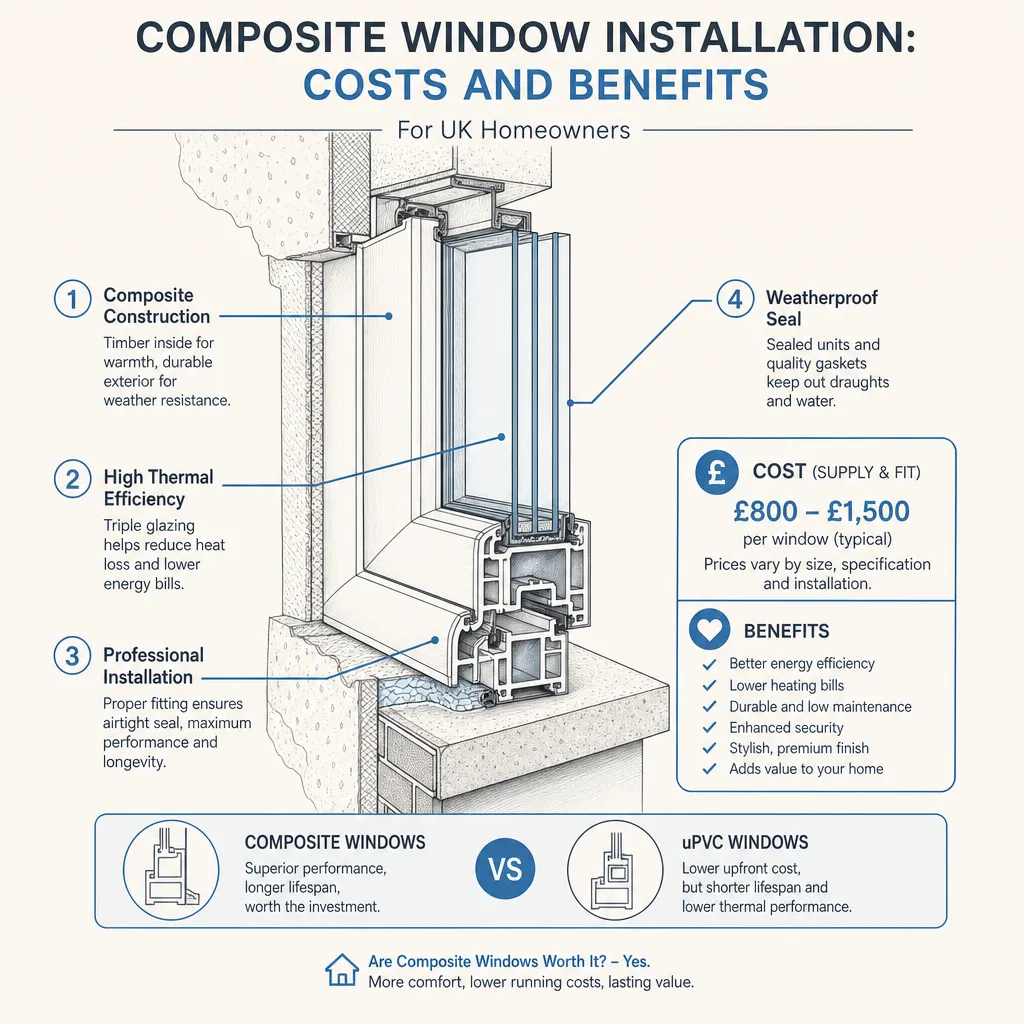
Composite Window Installation: Costs and Benefits
Composite windows combine two or more frame materials — typically a timber or aluminium core with a uPVC or aluminium outer casing — for better thermal performance and durability than standard uPVC.
 Improvement & Build
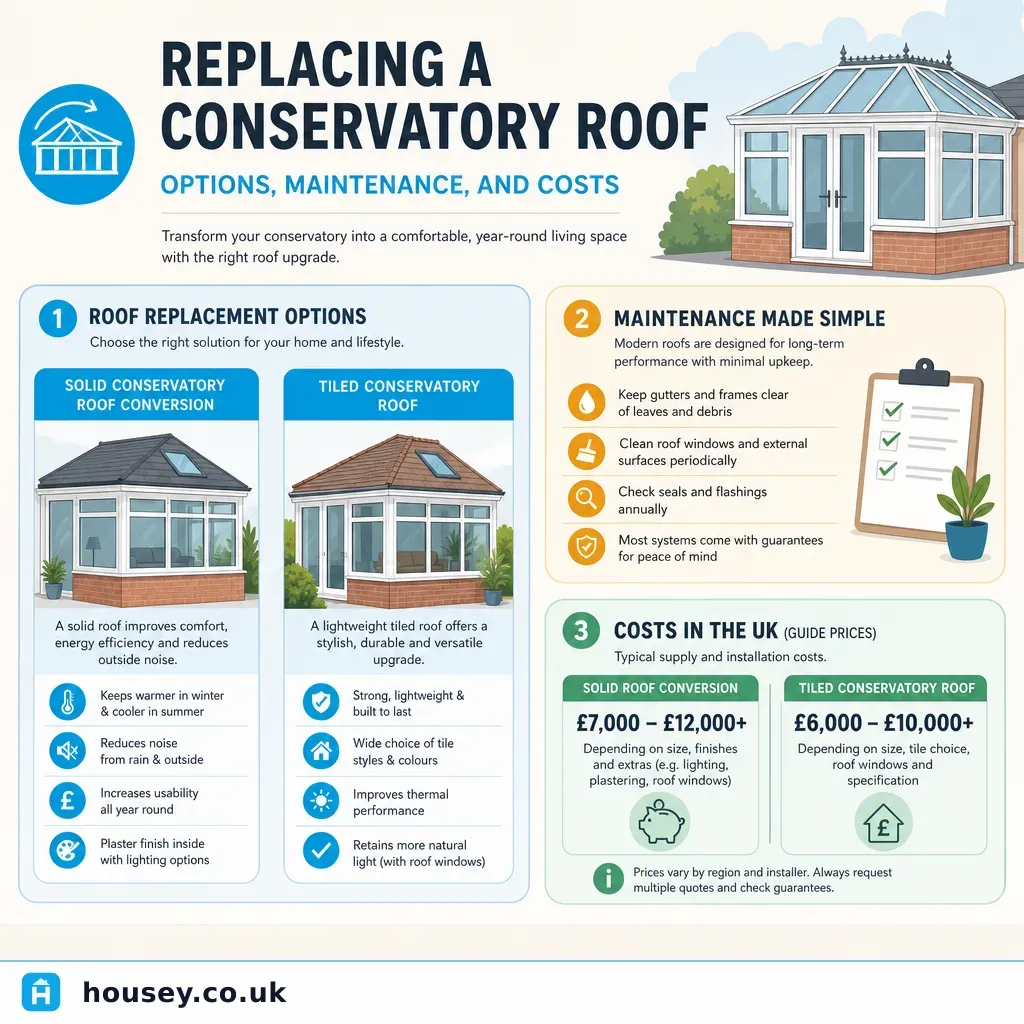
Replacing a Conservatory Roof: Options, Maintenance, and Costs
Conservatory roofs can be replaced with polycarbonate, glass, or solid tiled systems.
 Improvement & Build
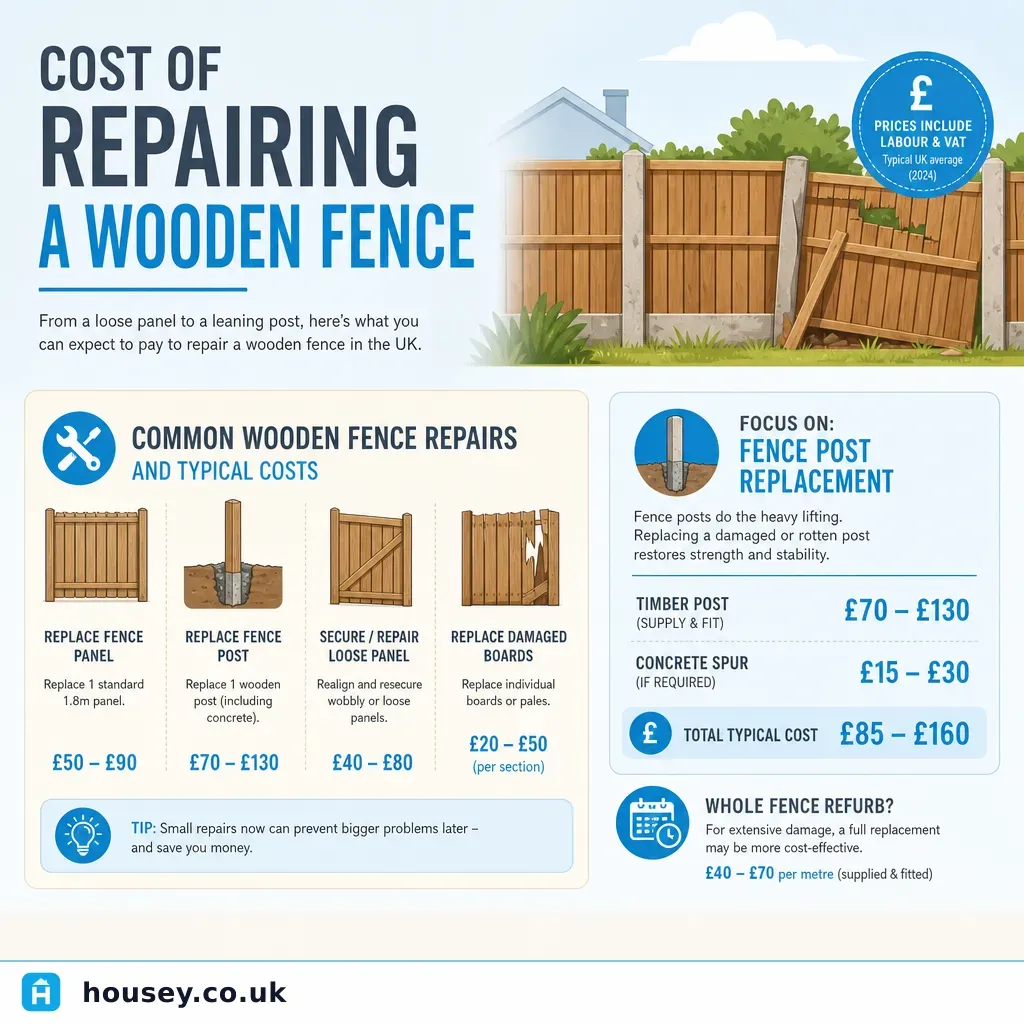
Cost of repairing a wooden fence
Repairing a wooden fence in the UK typically costs £100–£400 for minor work such as replacing boards or refixing panels, rising to £500–£1,500 for more extensive repairs including post replacement.
 Improvement & Build
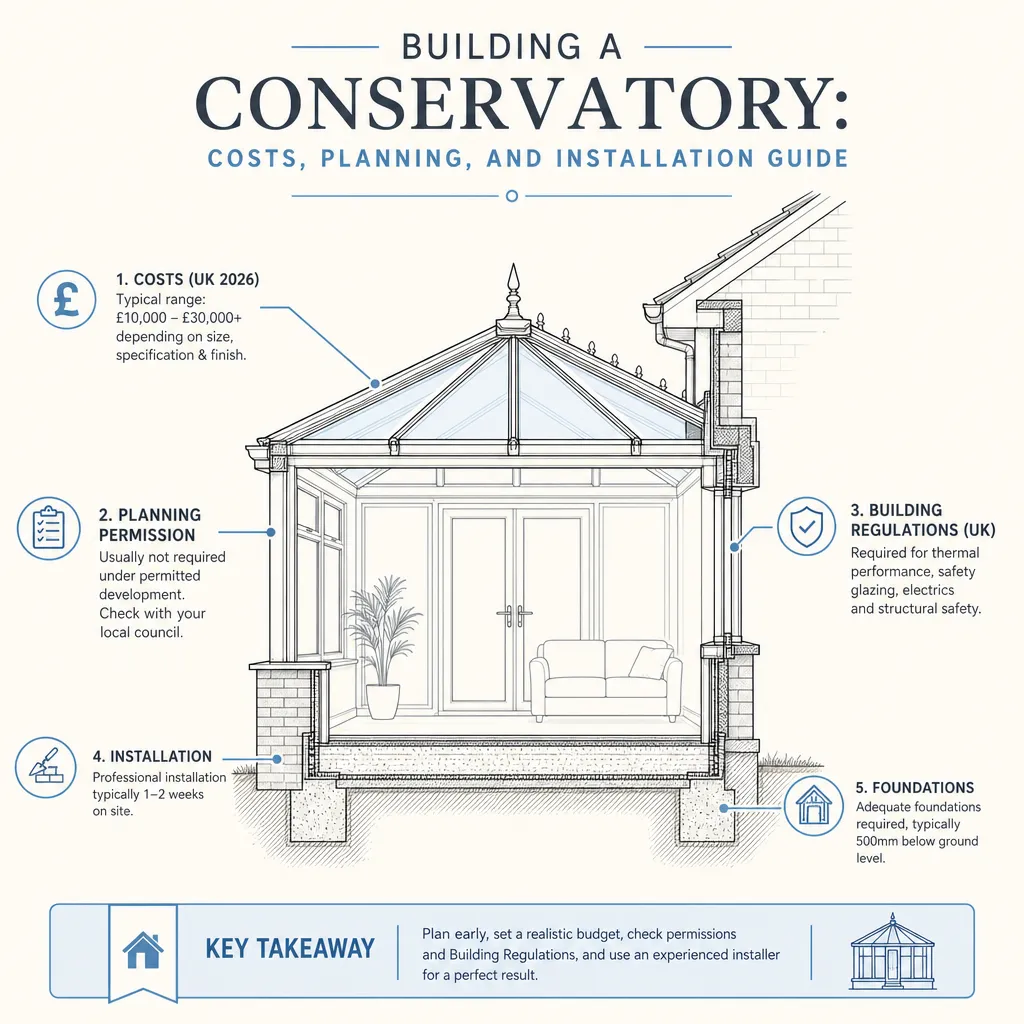
Building a Conservatory: Costs, Planning, and Installation Guide
Most UK conservatories qualify as permitted development and do not need a planning application, provided they meet the size, height, and location conditions in the Town and Country Planning (General Permitted Development) (England) Order 2015.
 Improvement & Build
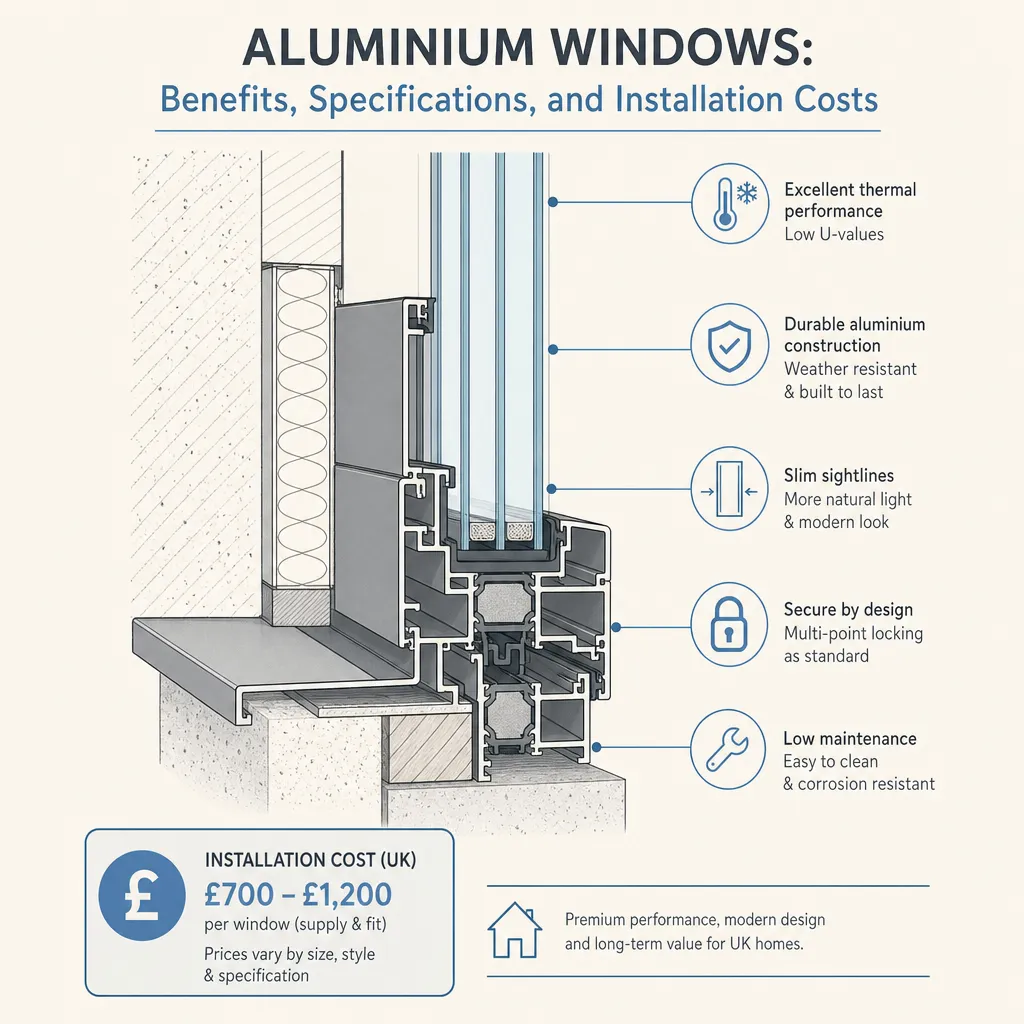
Aluminium Windows: Benefits, Specifications, and Installation Costs
Aluminium windows typically cost £600–£1,800 per window installed in the UK, depending on size and specification.