Replacing a Conservatory Roof: Options, Maintenance, and Costs
By Housey · Last reviewed 6th of May 2026
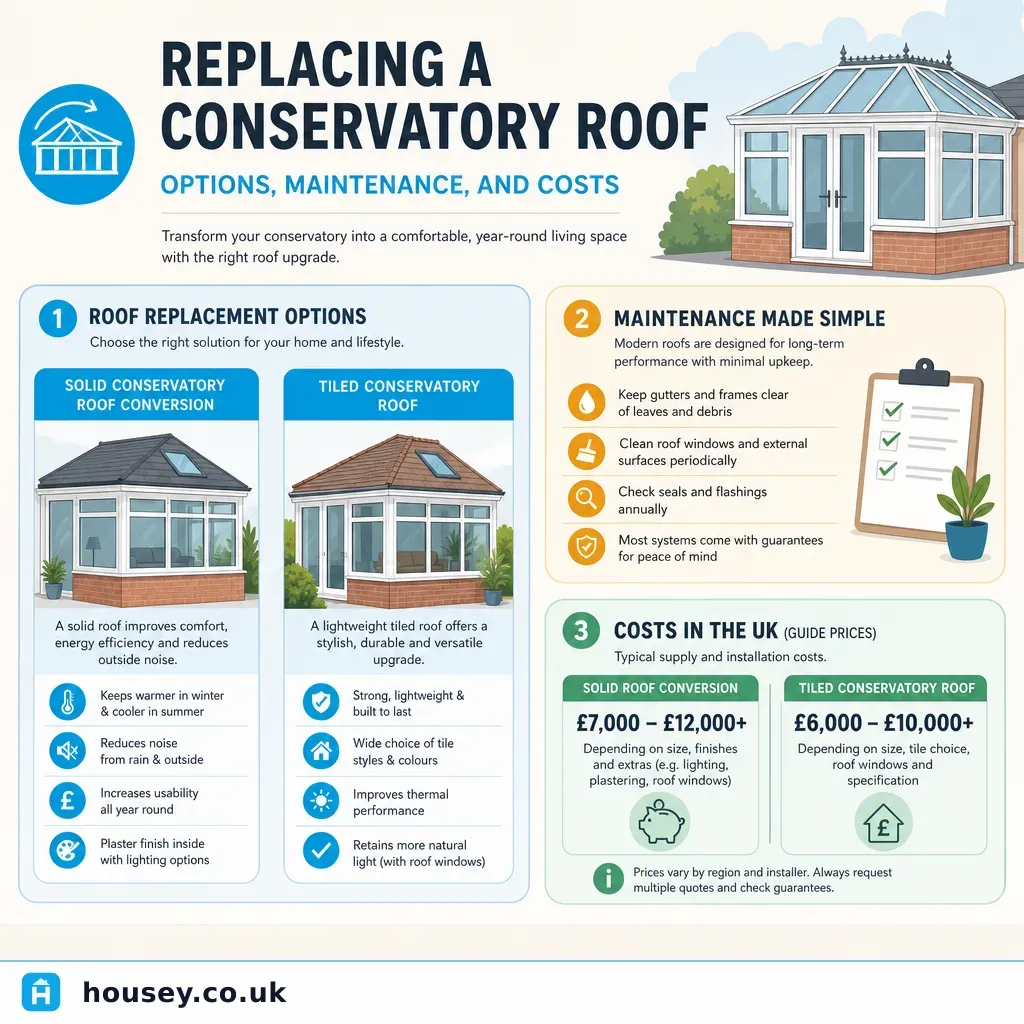
Replacing a Conservatory Roof: Options, Maintenance, and Costs
Conservatory roofs are often the first element of a conservatory to fail or become inadequate, and many UK homeowners with 1990s or 2000s polycarbonate canopies find their space too hot in summer, too cold in winter, and of limited practical use year-round. Choosing a replacement involves balancing thermal performance, planning and building regulations status, structural loading, and budget — and the options now available are considerably better than the original materials fitted to most older conservatories.
Key points
- Replacing a conservatory roof with a solid tiled or insulated system typically requires a building regulations application because it changes the roof's thermal performance and structural loading, even if the conservatory was originally exempt from building regulations.
- A like-for-like roof replacement — polycarbonate for polycarbonate, or glass for glass — does not usually require planning permission, but converting to a solid roof in a conservation area or on a listed building requires LPA consent.
- Building Regulations Part L requires replacement roof elements to meet minimum U-value standards; solid insulated roof systems must typically achieve 0.18 W/m²K or better.
- Solar-control glass can significantly reduce summer heat gain compared with standard float glass or polycarbonate; the degree of reduction varies by coating and product specification.
- Replacement work should be carried out by a contractor registered with a competent person scheme such as FENSA or CERTASS, or formally notified to local building control.
What are the main conservatory roof replacement options?
Three principal roof types are available for conservatory replacements, each with distinct thermal performance, cost, structural implications, and appearance.
Roof type | Thermal performance | Typical U-value | Best for | Main limitation |
|---|---|---|---|---|
Polycarbonate (multiwall) | Poor to moderate | 1.5–2.5 W/m²K | Budget replacement; like-for-like match | Hot in summer, cold in winter; shorter service life |
Glass (solar-control, self-cleaning) | Good | 1.0–1.6 W/m²K | Light, modern appearance; improved year-round comfort | Higher cost than polycarbonate |
Solid tiled / insulated roof system | Excellent | 0.15–0.18 W/m²K | Year-round habitable living space | Heaviest option; building regs required; structural check needed |
Polycarbonate is the original material used in most 1980s–2000s conservatories. Modern multiwall polycarbonate performs better than early single-skin versions but remains significantly inferior to glass and solid systems for thermal comfort and longevity.
Glass roofs with solar-control and self-cleaning coatings are a meaningful upgrade. Solar-control glass reduces unwanted heat gain, while self-cleaning coatings use a photocatalytic and hydrophilic action to break down organic dirt and rinse it away in rain. Roof lanterns and fully glazed lean-to replacement systems commonly use this technology.
Solid tiled roof systems use lightweight insulated tile assemblies on proprietary frames engineered to sit within the existing conservatory structure. Products such as Guardian Warm Roof, Leka System, and Ultraroof are designed to meet Part L requirements without the full structural reinforcement a conventional tiled roof would need. However, the existing conservatory frames and foundations must be assessed before installation to confirm they can carry the additional load.
Do you need planning permission or building regulations approval?
Planning permission
A like-for-like replacement is usually permitted development and does not require planning permission. Consent may be needed if:
- The property is a listed building.
- The property is in a conservation area, particularly if the new roof changes the building's appearance significantly.
- Previous planning conditions restrict alterations to the conservatory.
Check with your local planning authority (LPA) before starting if you are unsure about the property's designation or planning history.
Building regulations
This is where replacement becomes more complex for solid roof systems. Original conservatories were often exempt from building regulations because they were primarily glazed structures thermally separated from the main dwelling. A solid insulated roof changes this status:
- The new roof element must meet Part L thermal performance requirements.
- The structural implications of a heavier roof must be formally assessed.
- If the conservatory is effectively becoming a habitable room, additional requirements for heating, ventilation, and in some cases means of escape may apply.
Most established solid roof installers either self-certify through a registered competent person scheme or formally notify local building control. Ask your contractor which route they will use before work begins, and request a completion certificate on finishing.
A like-for-like glass or polycarbonate replacement on an existing frame generally does not trigger building regulations, but confirm with your contractor or local building control if the existing frame is being significantly altered at the same time.
Which roof type should you choose?
Use this decision guide before requesting quotes:
- Choose polycarbonate if you have a limited budget, the existing frame is in sound condition, and the conservatory is used mainly as a utility or storage space rather than a regular living area.
- Choose a glass roof if you value natural light, want noticeably better thermal performance than polycarbonate, and prefer to avoid the complexity of a building regulations application.
- Choose a solid tiled roof if you want to use the conservatory as a year-round living room, home office, or dining space, and are prepared to go through a building regulations process.
- Ask a structural engineer to assess first if the conservatory is more than 25 years old, shows signs of movement or cracking in the dwarf walls, or the frame condition is uncertain — a solid roof can overstress an inadequate structure.
- Check with your LPA before starting any replacement work if the property is listed or in a conservation area.
How much does conservatory roof replacement cost?
Indicative UK costs, last reviewed 2026-05-06. Quotes vary by roof size, conservatory shape, system specification, location, and contractor.
Roof type | Indicative cost (average conservatory, approx. 15m²) |
|---|---|
Polycarbonate replacement | £1,500–£3,500 |
Glass (solar-control) | £3,000–£7,000 |
Solid tiled roof system | £7,000–£15,000+ |
Key cost drivers:
- Size and shape: Hip-end, P-shaped, or T-shaped conservatories cost more than simple lean-tos of the same floor area due to more complex rooflines.
- Frame condition: Deteriorated frames, failed flashings, or damaged dwarf walls add repair costs. Confirm whether frame repairs are included in quotes.
- Building control fees: Where a formal application is needed, local authority or approved inspector fees typically add £200–£500.
- Removal and disposal: Old panels must be removed and disposed of; some quotes include this, others do not — confirm in writing before accepting.
- Internal finishing: Solid roof systems generally include a plasterboard and insulated internal ceiling; check exactly what each quote covers.
Conservatory roof maintenance checklist
Whatever roof type you choose, routine maintenance will extend its service life considerably.
- Gutters and downpipes: Clear at least twice a year. Blocked gutters are the most common cause of water ingress at conservatory eaves.
- Flashings: Inspect the junction between the conservatory roof and the house wall annually. Failed lead or aluminium flashings allow water to track into the frame and behind the masonry.
- Ridge and hip cappings (solid roofs): Check that ridge tiles and cappings are secure after periods of frost or high winds.
- Glass care: Self-cleaning glass benefits from an occasional rinse in hard-water areas to remove mineral deposits. Use clean water and a non-abrasive cloth.
- Polycarbonate care: Clean only with lukewarm water and a soft cloth; abrasive cleaners scratch the UV coating and accelerate yellowing.
- Seals and gaskets: Check glazing gaskets, end-cap seals, and ridge seals each spring.
- Structural checks: Every three to five years, verify that the roof shows no sign of sagging, twisted rafters, or movement at connections.
When to get professional help
Seek a professional assessment if:
- The roof is leaking but the source is not clearly a blocked gutter or obvious failed flashing — water tracking within the conservatory frame can cause long-term structural damage if left unattended.
- The existing frame is bowing, cracking, or showing visible movement at joints.
- You are considering a solid tiled roof on a conservatory more than 25 years old — a structural assessment before committing is prudent.
- You have received significantly varying quotes and want an independent view of what the job entails.
- Building control approval is required and your contractor cannot clearly explain their compliance route or demonstrate registration with a competent person scheme.
How Housey can help
Housey connects you with qualified roofers experienced in conservatory roof replacement, and extension builders if your project involves wider structural alterations or converting the conservatory into a fully habitable room. Use the Housey platform to request up to four competitive quotes from vetted local contractors.
Frequently asked questions
Can I replace a conservatory roof myself?
A simple like-for-like polycarbonate replacement on a small conservatory is sometimes attempted by competent homeowners, but glass panels and proprietary solid roof systems require specialist equipment and training. Working at roof height carries significant fall risk. Solid roof installations also require building regulations certification that is not achievable through self-installation without formal building control involvement.
How long does a conservatory roof replacement take?
A polycarbonate or glass roof replacement on an average conservatory typically takes one to two days. A solid tiled roof installation usually takes three to five working days, including the internal plasterboard and insulated ceiling lining. Conservatory size, access, and roof profile complexity all affect duration.
Will a solid roof make my conservatory count as a habitable room?
It may, depending on how the space is used and how it connects thermally to the main house. If the conversion results in a thermally connected habitable room, building regulations may apply to heating, ventilation, and in some cases means of escape. Discuss your intended use with your building control authority before instructing a contractor, particularly for bedroom or regular living-area use.
How long does a conservatory roof last?
Standard polycarbonate roofs typically last 15–20 years before UV yellowing becomes noticeable. Quality sealed glass units last 20–25 years or more before seal failure may require panel replacement. Properly installed solid tiled roof systems generally carry manufacturer guarantees of 25–40 years on structural components, though flashings, sealants, and cappings may need attention before then.
Does replacing a conservatory roof add value to my home?
Upgrading from a failing polycarbonate roof to a high-performance glass or solid alternative generally improves saleability and buyer perception of the property. The direct effect on market valuation depends on the local market, quality of installation, and whether buyers view the space as usable year-round living area. An estate agent's view on your specific property is more reliable than general guidance.
Sources and further reading
- Conservatories: planning permission guidance — Planning Portal
- Approved Document L: Conservation of fuel and power — GOV.UK
- FENSA: competent person scheme for window and door installations — FENSA
- Local Authority Building Control: homeowner guidance — Local Authority Building Control
- Home energy improvements — Energy Saving Trust
Useful next reads
 Improvement & Build
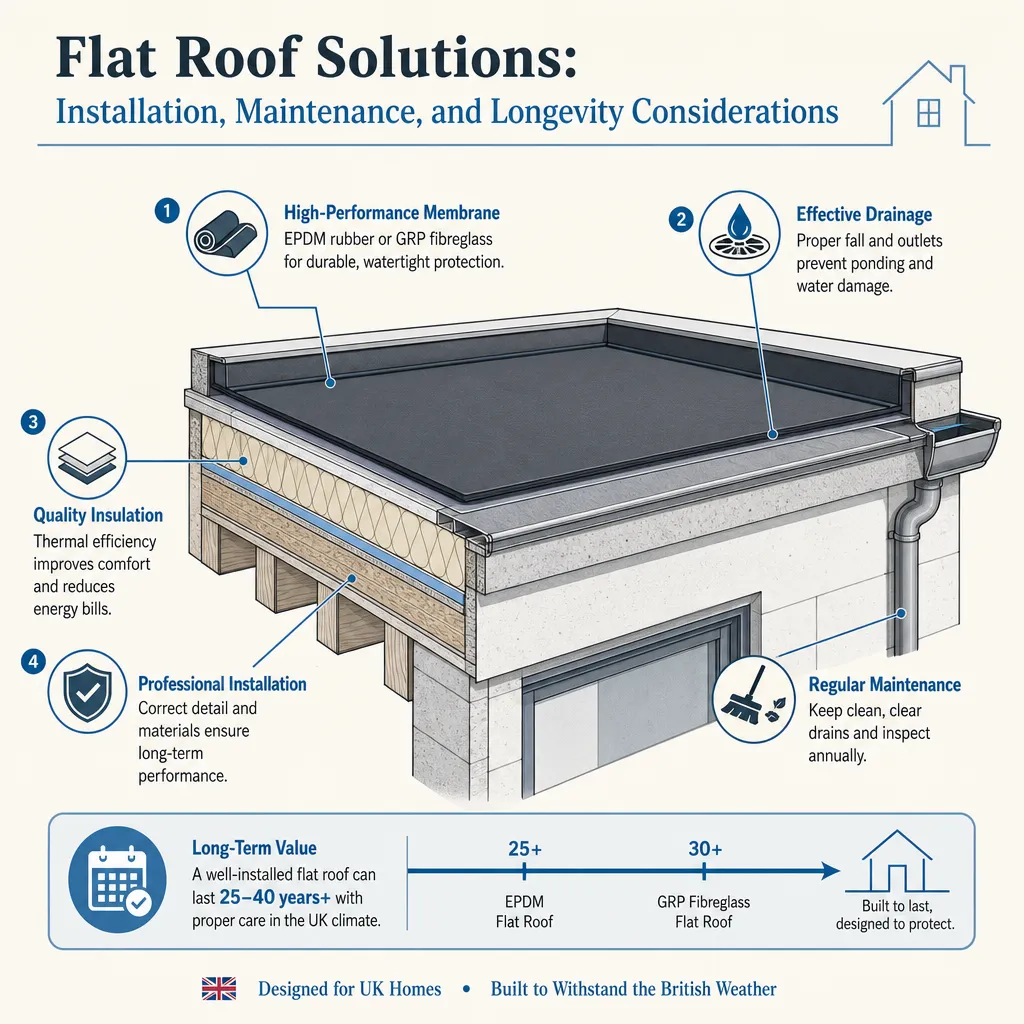
Flat Roof Solutions: Installation, Maintenance, and Longevity Considerations
Flat roofs use several waterproofing systems — EPDM rubber, GRP fibreglass, liquid-applied coatings, modified bitumen felt, lead, and zinc — each with different lifespans and installation requirements.
 Improvement & Build
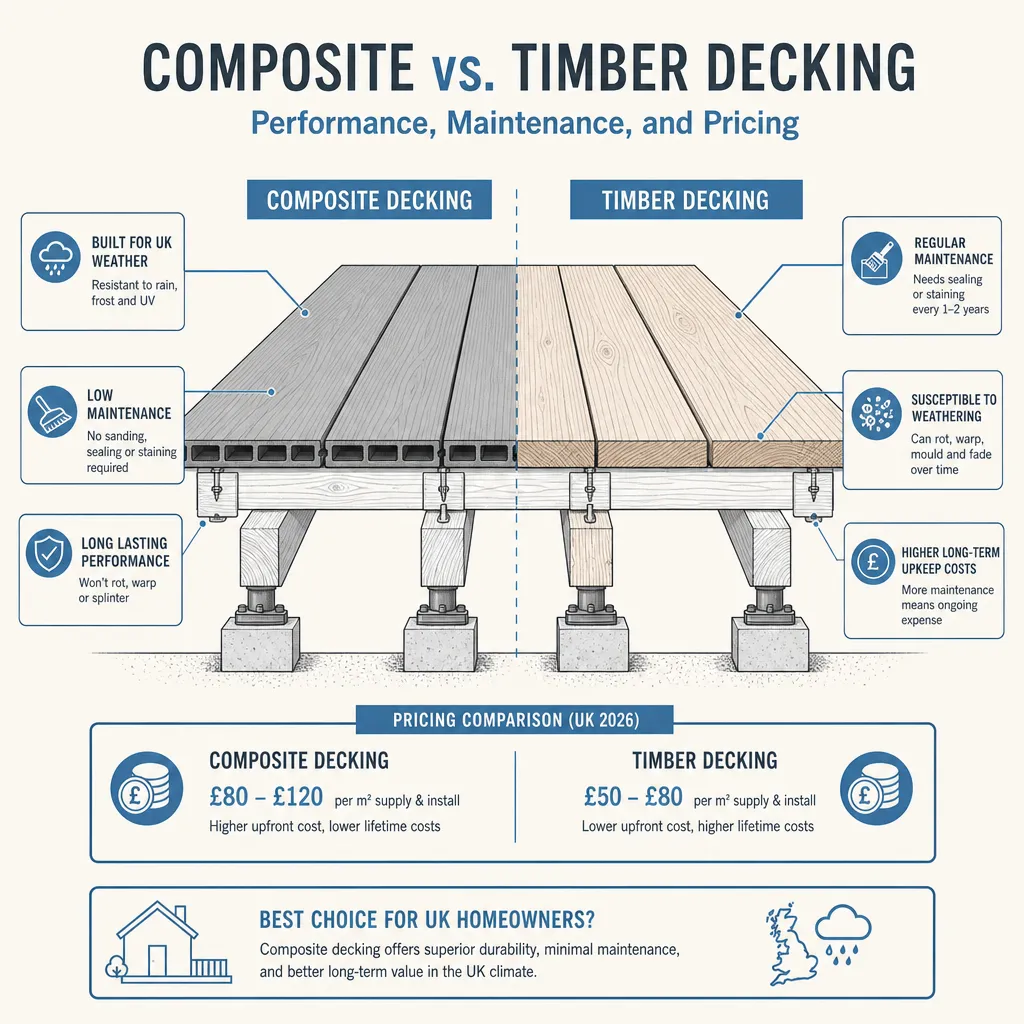
Composite vs. Timber Decking: Performance, Maintenance, and Pricing
Composite decking costs more upfront — typically £120–£220 per m² installed versus £80–£150 for treated softwood — but requires far less maintenance and carries a 25-year warranty.
 Improvement & Build
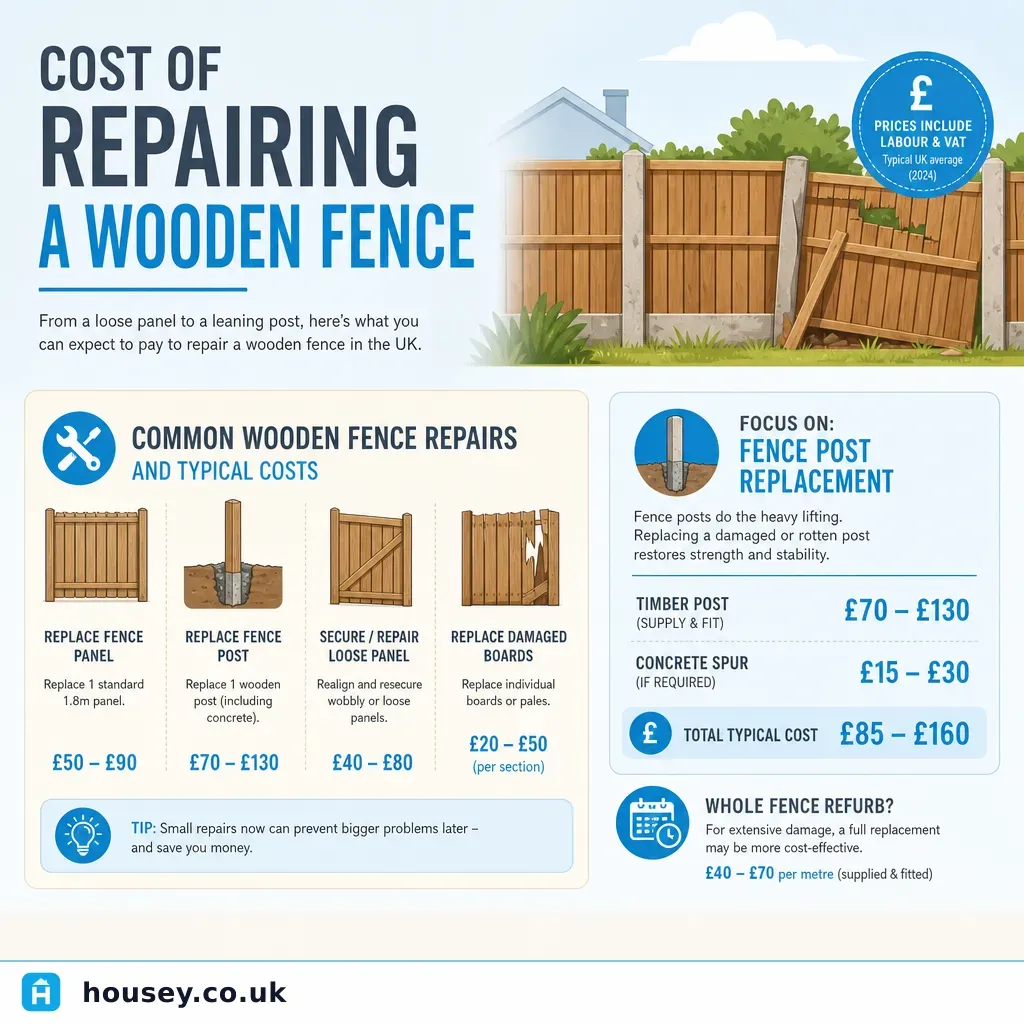
Cost of repairing a wooden fence
Repairing a wooden fence in the UK typically costs £100–£400 for minor work such as replacing boards or refixing panels, rising to £500–£1,500 for more extensive repairs including post replacement.
 Improvement & Build
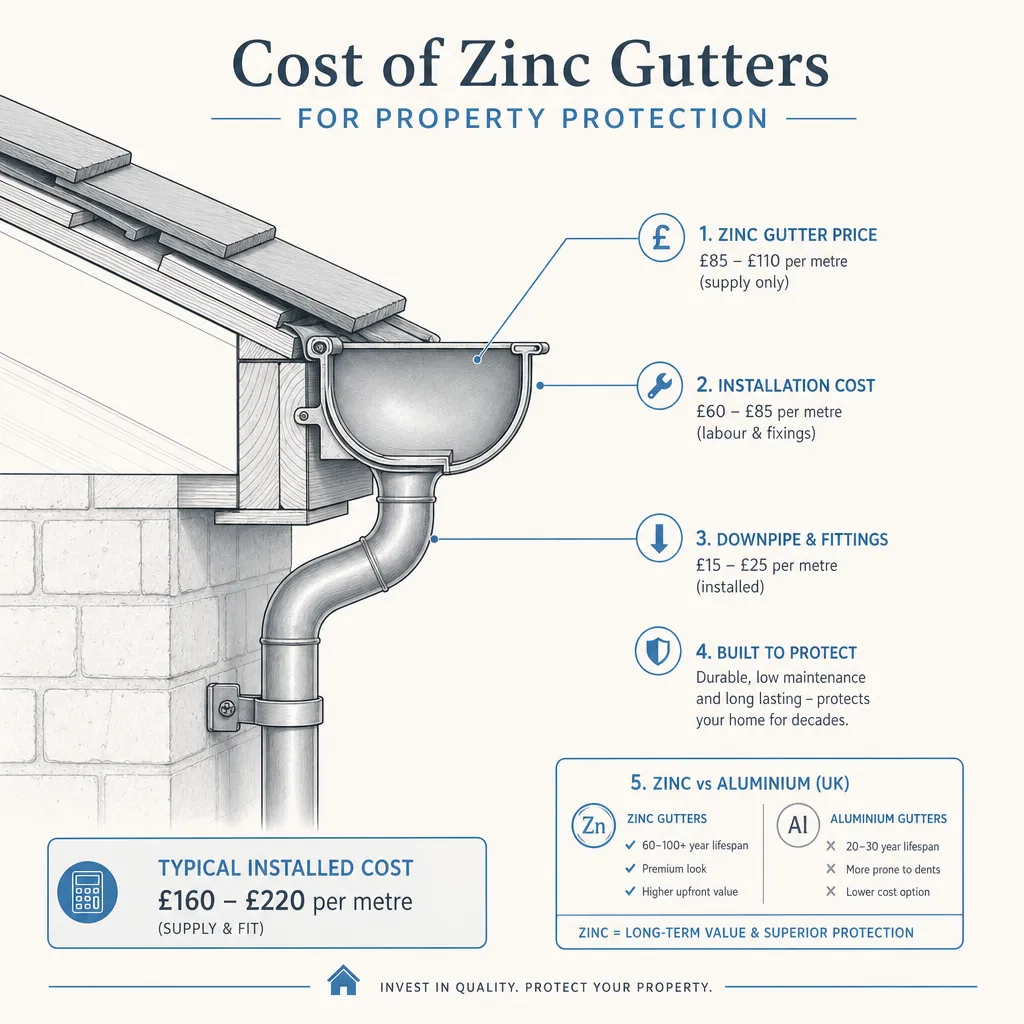
Cost of Zinc Gutters for Property Protection
Zinc gutters cost around £60–£120 per metre installed in the UK, depending on profile complexity, property type, and scaffolding requirements.
 Improvement & Build
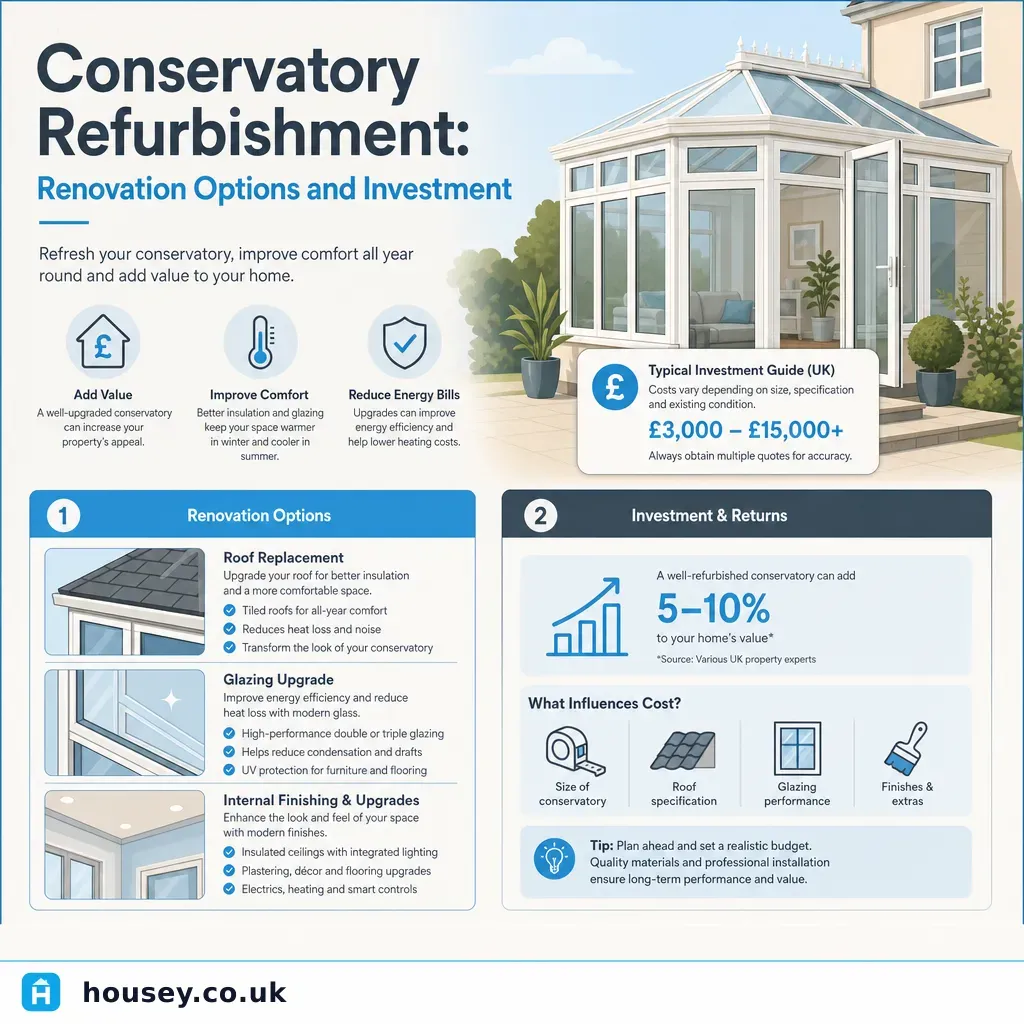
Conservatory Refurbishment: Renovation Options and Investment
Conservatory refurbishment can range from a like-for-like glazing swap to a full solid roof conversion with new frames and flooring.