Continuing Home Improvements During Building Restrictions: Essential Services
By Housey · Last reviewed 24th of May 2026
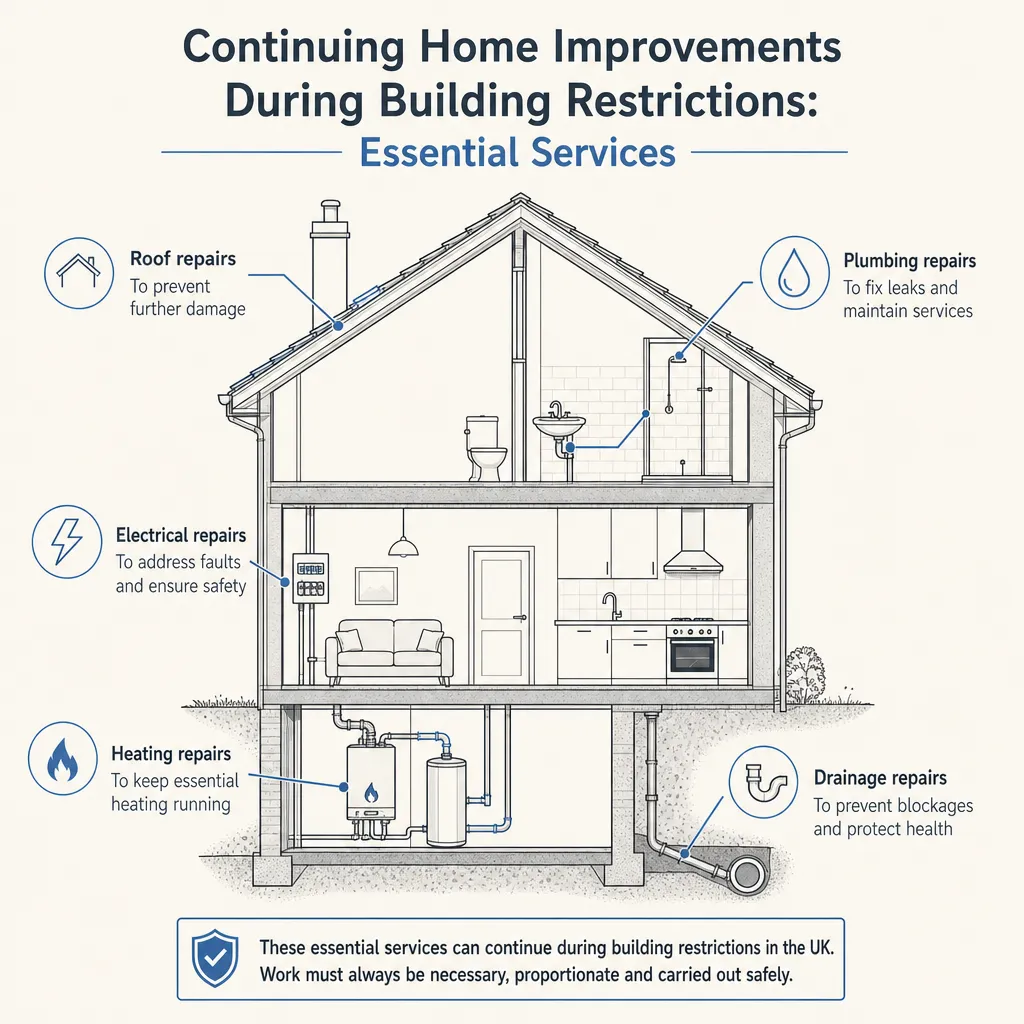
Continuing Home Improvements During Building Restrictions: Essential Services
The COVID-19 pandemic brought sudden and unprecedented disruption to the UK construction sector, forcing homeowners, contractors, and local authorities to define — often for the first time — which home improvement work was essential enough to continue and which could safely be deferred. For anyone mid-build during the lockdowns of 2020, or planning a major project today, understanding how those lines were drawn remains practically useful: future disruptions, whether public health-related, weather-driven, or arising from local enforcement action, may require the same judgements.
Key points
- During the March 2020 lockdown in England, construction work was not banned outright; government guidance permitted it to continue where COVID-secure social distancing was achievable.
- Emergency repairs — including roof water ingress, drainage failure, heating loss in cold weather, and structural instability — were always classed as essential and could proceed at any restriction level.
- The Construction Leadership Council (CLC) published Site Operating Procedures (SOPs) that became the industry standard for COVID-safe working on residential sites.
- Devolved governments in Scotland, Wales, and Northern Ireland issued separate guidance that in some periods was more restrictive than England, particularly for work in occupied homes.
- If a project pauses mid-build, the contractor is responsible for weatherproofing exposed structure and securing the site; agree this in writing before work starts.
What counts as essential building work?
The clearest practical test is: does the property become unsafe, uninhabitable, or significantly more damaged if the work does not happen?
Emergency and urgent work — generally considered essential regardless of restrictions:
- Roof damage causing active water ingress (missing tiles, failed flashings, storm damage)
- Drainage failure or collapsed sewer creating a health or environmental hazard
- Loss of central heating or hot water in autumn or winter months
- Structural instability: failing lintels, subsidence movement, unsafe floor structure
- Gas and electrical emergencies (always require a Gas Safe Register engineer or NICEIC/NAPIT-certified electrician)
- Serious water leak causing progressive damage to the property
Elective improvement work — generally deferrable:
- New extensions or additional rooms not already under construction
- Loft conversions in the early stages of planning
- Cosmetic redecorations, new kitchens, new bathrooms
- Landscaping and external works
Mid-build projects — the grey area:
A house extension or loft conversion already open to the weather — roof removed, wall partially demolished — presents a compelling case for continuing even under restrictions, because stopping could cause greater damage than proceeding carefully under safe protocols. This was broadly recognised in the CLC's guidance during the pandemic and remains an important practical distinction.
What the COVID-19 restrictions meant in practice
When England entered lockdown on 23 March 2020, the construction industry saw widespread voluntary site closures driven by uncertainty about the definition of essential work and genuine concern for worker safety. By late April 2020, the government and industry bodies had clarified that most construction and maintenance work could continue under strict protocols.
The CLC's COVID-19 Secure Site Operating Procedures covered: pre-work health screening, travel arrangements, hygiene facilities, distancing between workers, staggered start times, and communication with clients before entering occupied properties.
For occupied homes, the key conditions were: no symptomatic workers on site, no clinically extremely vulnerable household members unless the work was an emergency, and physical distancing maintained between workers and occupants throughout.
Wales restricted work to non-essential construction for longer than England; Scotland applied stricter conditions for occupied-property work. If restrictions return in any form, always check the relevant devolved guidance rather than assuming England's position applies.
Is my work essential? A decision guide
- Proceed urgently if the property faces active water ingress, drainage failure, heating loss in winter, structural instability, or a gas or electrical emergency.
- Proceed carefully if it is a mid-build project where stopping would expose the structure to weather or cause worse damage than continuing under safe protocols.
- Pause and protect the site if it is an elective improvement in an occupied home where safe working conditions cannot be met.
- Get a professional opinion if you are unsure whether a defect is structural or cosmetic — never assume the latter when movement, cracking, or water ingress is involved.
- Check current official guidance if formal restrictions are in place; rules can change quickly and vary by UK nation.
Essential vs. elective: a comparison table
Work type | Classification | Typically continues during restrictions? | Risk if delayed |
|---|---|---|---|
Roof damage — active water ingress | Emergency | Yes | Timber rot, mould, structural damage |
Drainage failure or collapsed sewer | Emergency | Yes | Health hazard, property flooding |
Heating or hot water loss (winter) | Emergency | Yes | Health risk, particularly for vulnerable occupants |
Structural instability | Emergency | Yes — seek engineer first | Worsening movement, safety risk |
Mid-build extension (structure exposed to weather) | Elective but time-sensitive | Usually — if safe protocols in place | Weather damage, programme overrun |
Mid-build loft conversion (roof open) | Elective but time-sensitive | Usually — if safe | Water ingress, structural exposure |
New extension — not yet started | Elective | Defer | Minimal at this stage |
Cosmetic redecoration | Elective | Defer | Minimal |
Classification reflects general UK practice and pandemic-era guidance. Specific formal restrictions may carry different legal effect.
Homeowner continuity planning checklist
Before starting any significant home improvement project, build in continuity protections:
When to get professional help
Emergency repairs always warrant immediate professional contact:
- Roof leaks: contact a qualified roofer promptly; temporary covering can limit damage but is not a lasting solution.
- Drainage failure: a drainage contractor can carry out CCTV surveys and emergency clearance works.
- Structural concerns: ask a chartered surveyor or structural engineer to assess the situation before any attempt is made to repair or prop the structure.
- Gas and electrical emergencies: Gas Safe-registered engineers and NICEIC/NAPIT-certified electricians only — do not attempt this work yourself.
If a mid-build project has been unexpectedly paused, contact your extension builder or loft conversion company to agree a site protection protocol in writing.
How Housey can help
Housey connects UK homeowners with vetted local tradespeople, including roofers and drainage contractors for urgent repairs, and extension builders for new projects where continuity planning is part of the brief. Request quotes and compare providers through the Housey platform.
Frequently asked questions
Can building work continue during a UK lockdown?
During the COVID-19 lockdowns, UK government guidance for England permitted construction and repair work to continue where COVID-secure social distancing was achievable. There was no blanket legal ban on all residential work. Emergency repairs were always treated as essential. Devolved guidance for Scotland, Wales, and Northern Ireland differed and should be checked separately if formal restrictions apply in future.
What is classed as an emergency home repair?
Emergency repairs typically include: water ingress through a damaged roof, drainage failure posing a health risk, loss of heating or hot water during cold weather, structural instability, and gas or electrical faults. These are generally treated as urgent work regardless of wider restrictions on non-essential building activity.
What happens to a mid-build project if restrictions mean work must pause?
Contact your contractor immediately to agree a written site-safe protocol. This should cover weatherproofing any exposed structure, securing the site, and confirming what happens to materials on site and any interim payments already made. Citizens Advice and the Federation of Master Builders offer guidance on contractual rights if your contractor is unresponsive.
Do building control inspections continue during restrictions?
Building control is a regulated function in England and Wales, and inspection services generally continued throughout COVID-19 restrictions, including remote and desktop inspections where necessary. Do not defer required inspections, as delays can affect completion sign-off and your ability to sell or remortgage the property.
Sources and further reading
- Working safely during COVID-19 in other people's homes — GOV.UK
- Construction Leadership Council: COVID-19 guidance — Construction Leadership Council
- Construction industry: health, safety and enforcement — HSE
- Problems with building work, decorating and repairs — Citizens Advice
Useful next reads
 Improvement & Build
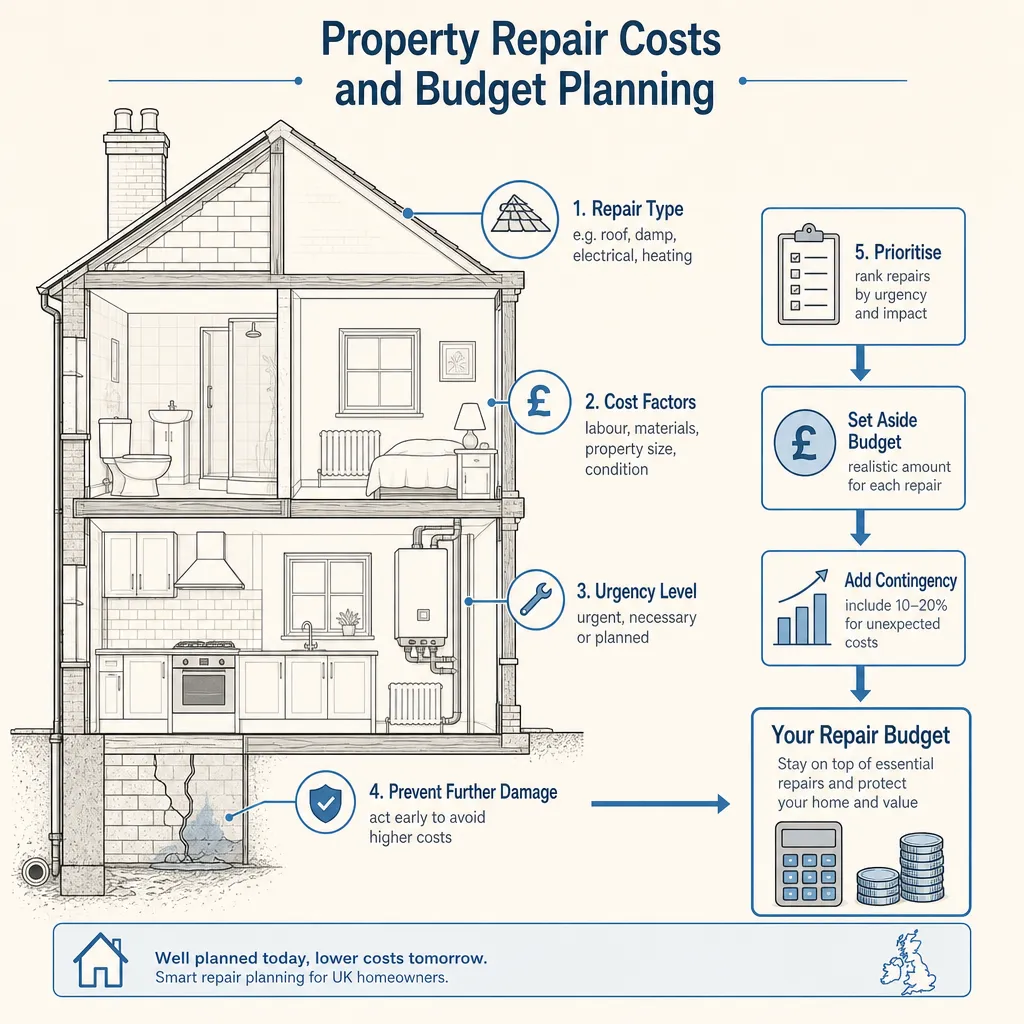
Property Repair Costs and Budget Planning
UK property repair costs vary by defect type, property age, and access — a partial roof tile repair may cost £200–£800 while damp-proof course injection can reach £3,000.
 Improvement & Build
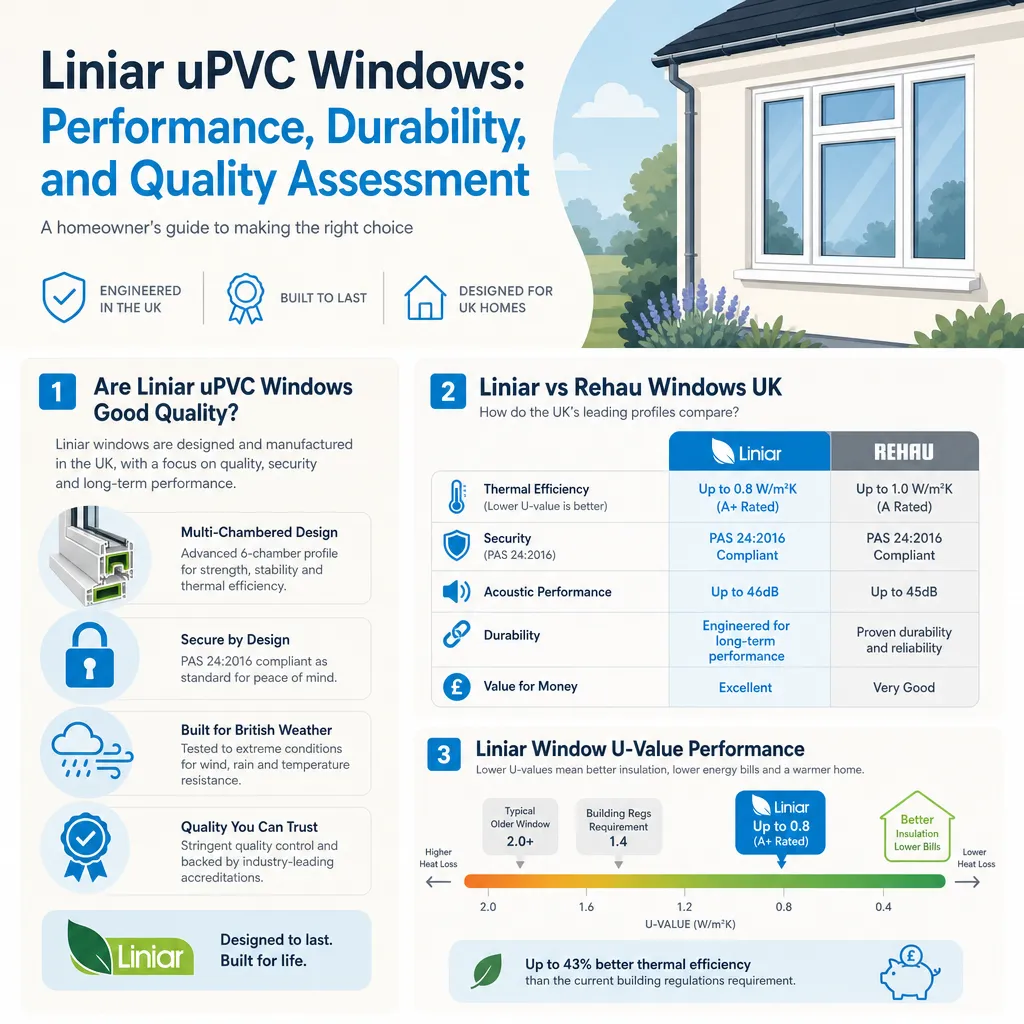
Liniar uPVC Windows: Performance, Durability, and Quality Assessment
Liniar uPVC window profiles are manufactured in the UK using multi-chambered, foamed frames.
 Improvement & Build
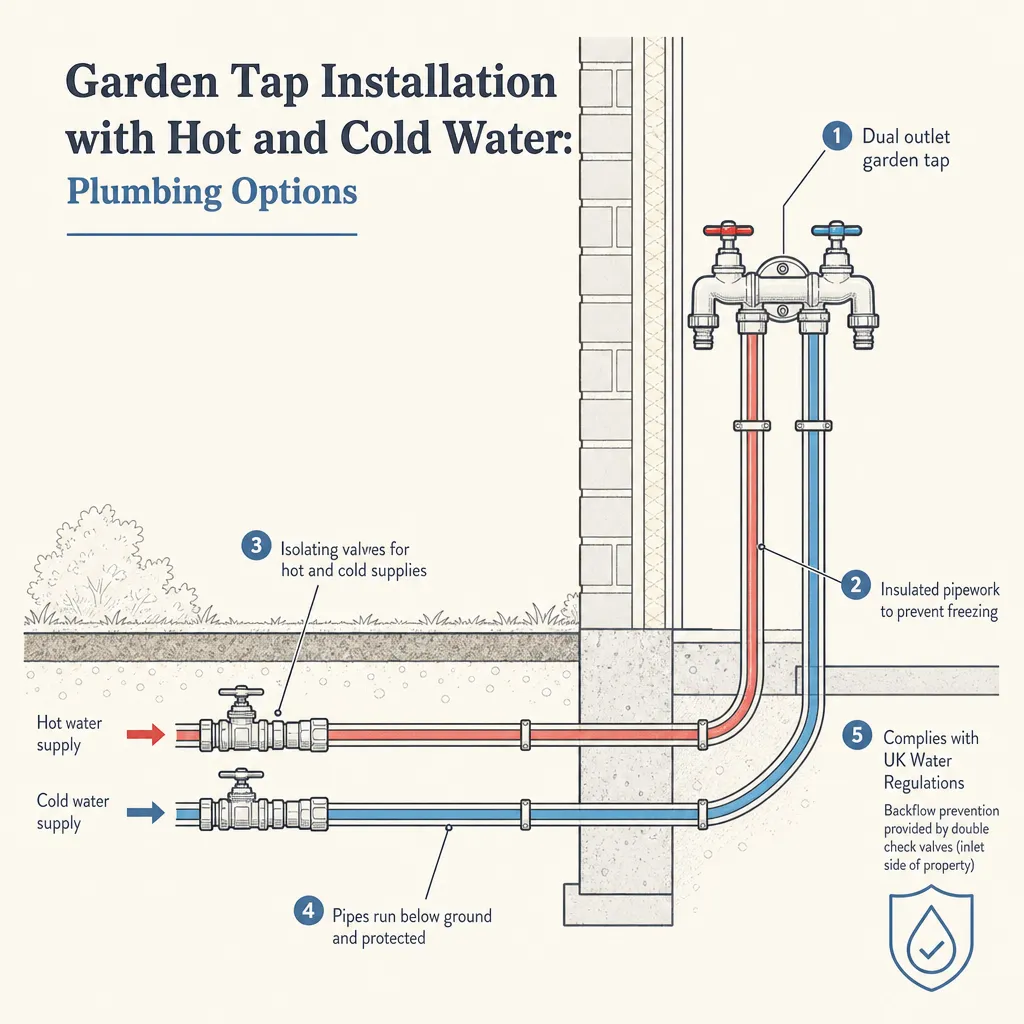
Garden Tap Installation with Hot and Cold Water: Plumbing Options
Adding a cold garden tap is a common DIY project, but routing hot water outdoors requires a plumber to connect to your domestic hot water system and comply with the Water Supply (Water Fittings) Regulations 1999.
 Improvement & Build
Sealing and Maintaining Historic Leaded Glass Windows: Preservation and Performance
Leaded glass windows are maintained using traditional linseed oil cement — not silicone or modern sealants, which prevent natural movement in the lead came.
 Improvement & Build
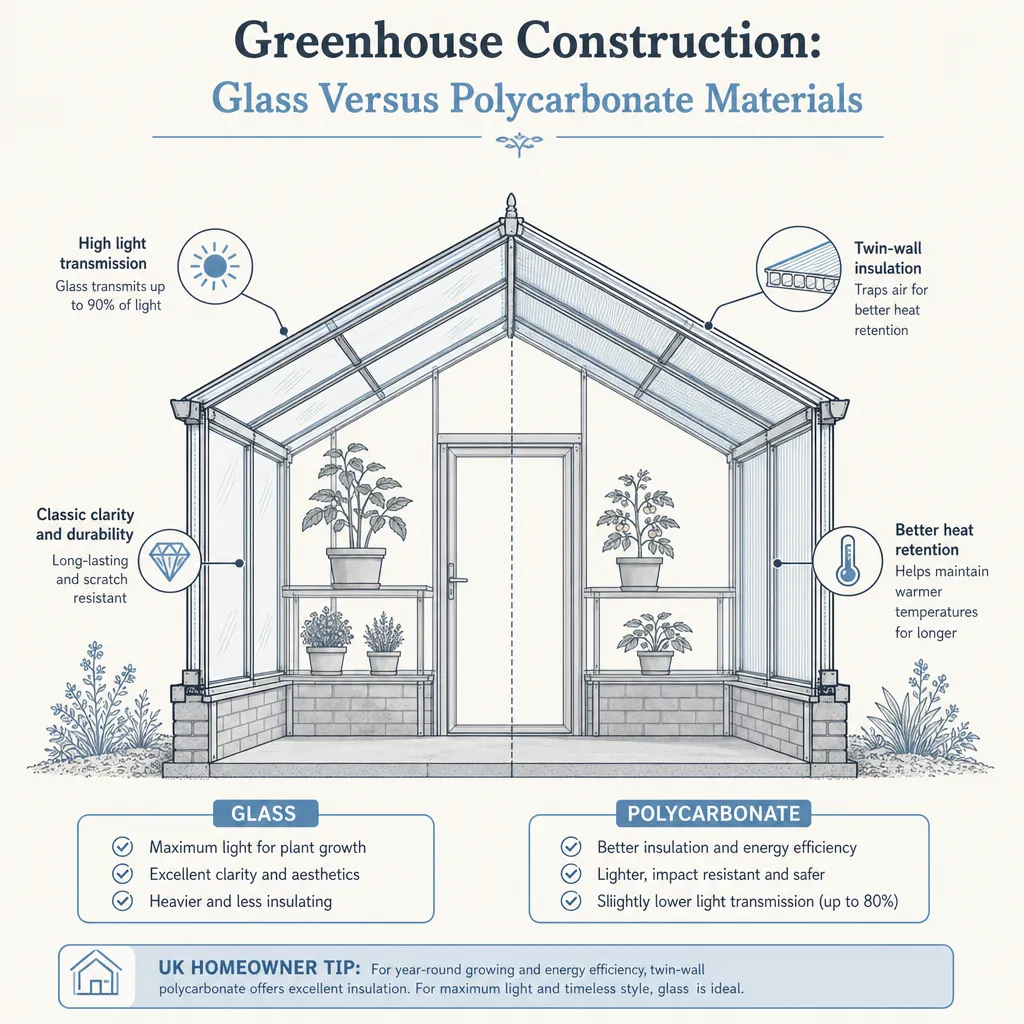
Greenhouse Construction: Glass Versus Polycarbonate Materials
Glass transmits around 90% of available light and lasts indefinitely if unbroken, but insulates poorly and shatters into sharp fragments.