Cost of winterising your UK property
By Housey · Last reviewed 19th of May 2026

Cost of winterising your UK property
Most UK homeowners carry out some degree of winter preparation each year — whether that's bleeding radiators, clearing gutters, or booking a boiler service — but few have a clear picture of what the full range of winterisation work actually costs. Costs vary considerably depending on property type, age, region, and which trades are involved. This guide covers indicative UK cost ranges for the most common tasks, explains what drives price variation, and includes a checklist for getting meaningful quotes before the season begins.
Key points
- Boiler servicing by a Gas Safe-registered engineer typically costs £60–£120, depending on boiler make, age, and region (Indicative UK costs, last reviewed 2026-05-19).
- Gutter clearing for a typical three-bedroom semi costs £60–£120; larger or multi-storey properties can reach £200 or more (Indicative UK costs, last reviewed 2026-05-19).
- Professional drain jetting for a typical house costs £80–£150 for a standard domestic jet, with a CCTV survey add-on ranging from £150–£350 (Indicative UK costs, last reviewed 2026-05-19).
- Roof repairs range from small repointing or ridge tile work at £150–£400 to more extensive repairs at £500–£2,000+, depending on roof type, access, and extent of damage (Indicative UK costs, last reviewed 2026-05-19).
- Emergency call-outs during winter typically carry a premium of 50–100% above standard rates — booking work in September or October routinely costs significantly less than the same job in December.
What counts as winterisation?
Winterisation for a UK property generally covers a combination of:
- Heating system servicing — boiler, controls, thermostatic radiator valves, and condensate pipe insulation
- Pipe insulation and frost protection in lofts and garages
- Roof and gutter maintenance
- Drainage checking and jetting
- External masonry, pointing, and window sealant work
- Chimney sweeping and solid fuel appliance checks
Not all tasks are relevant for every property. A modern flat with a recently serviced combi boiler and UPVC guttering may need only a boiler pressure check and smoke alarm test. A Victorian terrace with an ageing boiler, solid walls, and a cast-iron rainwater system may require several trades and a few hundred pounds of preparatory work.
Cost breakdown by task
Task | Typical UK cost range | Notes |
|---|---|---|
Gas boiler service | £60–£120 | Gas Safe engineer required. Annual recommendation. |
Chimney sweep | £50–£100 | Higher if CCTV inspection or multiple flues included. |
Gutter clearing (3-bed semi) | £60–£120 | Access requirements and storey height add cost. |
Pipe insulation materials (DIY) | £20–£80 | For a typical loft run; add plumber's labour if needed. |
Drain jetting (standard domestic) | £80–£150 | Higher for larger properties or longer drain runs. |
CCTV drain survey | £150–£350 | Recommended for older properties or tree-heavy plots. |
Roof inspection and small repairs | £150–£400 | Repointing ridge tiles, chimney haunching. |
Roof repairs (moderate extent) | £500–£2,000+ | Depends on access, materials, and damage extent. |
External repointing (small section) | £200–£800 | Rates vary with brick type and scaffold requirement. |
Flat roof patch repair | £200–£600 | Varies by membrane type and area affected. |
External tap isolation | DIY–£60 | Simple task for a plumber or competent homeowner. |
Indicative UK costs, last reviewed 2026-05-19. Prices exclude VAT where applicable. Obtain at least three quotes before instructing any trade.
What drives the cost
Property type and age — Victorian and Edwardian properties typically have more complex rooflines, older drainage systems, and solid-wall construction requiring specialist materials and techniques. Newer properties generally need less preparatory work each autumn.
Region — Trade day rates in London and the South East run roughly 20–40% above the national average. Rural locations may incur higher costs due to longer travel times and fewer competing local contractors.
Access requirements — Work at height often requires scaffolding (typically £800–£1,500 for a week's hire) or specialist access equipment. Jobs achievable from a ladder are significantly cheaper than those needing a full scaffold erected.
Urgency and timing — Emergency call-outs during cold snaps carry a premium of 50–100% above standard rates. Booking in September or October typically secures better availability and lower cost than waiting until December.
Bundling multiple jobs — Asking a roofer to clear gutters while repointing a chimney usually reduces the effective cost per task compared with booking two separate visits with separate call-out charges.
What to ask before accepting a quote
- What is included and excluded? (Does gutter clearing include debris removal and disposal? Does drain jetting include a written report?)
- Who will carry out the work, and what qualifications or accreditations do they hold — Gas Safe registration number, NICEIC or NAPIT registration, roofing association membership?
- Is this a fixed price, or a day-rate estimate that could increase if problems are found?
- What assumptions is the quote based on — standard ladder access, clear loft access, or accessible stop tap?
- What could change the price? (Hidden defects, restricted access, additional materials.)
- Is VAT included in the quoted figure?
- What documentation or certificate will I receive on completion?
When to book to keep costs down
Demand for heating engineers peaks from November to January; demand for roofers spikes sharply after storms. To keep costs manageable:
- Book boiler services in August or September, before the autumn rush.
- Arrange roof inspections and gutter clearing in October, before heavy rainfall begins.
- Schedule drain surveys in October or November, before Christmas backlogs form.
- Batch multiple jobs for the same trade into a single visit to reduce call-out charges.
When to get professional help
The cost of reactive emergency repairs almost always exceeds the cost of preventive maintenance booked in autumn. If any of the following apply, budget for professional work before the winter season:
- Gutters last cleared more than two years ago, or visibly overflowing after light rain
- Boiler over 12 years old with no recent service record
- Visible damage to ridge tiles, chimney mortar, or a flat roof membrane
- Slow or blocked drainage with no obvious cause at ground level
- Uninsulated pipes in an accessible but unheated loft space
How Housey can help
Housey lets you get competitive quotes from vetted local drainage contractors and trusted roofers before the winter season. Compare up to four quotes side by side to choose on overall value, not just the headline price.
Frequently asked questions
How much does a full winter property check cost in the UK?
There is no single fixed figure — it depends on what work is identified as necessary. A property in good order needing only a boiler service, gutter clear, and drain inspection might cost £200–£400 in total. A property requiring roof repairs, repointing, and a CCTV drain survey could require £1,500–£3,000 or more. Indicative UK costs, last reviewed 2026-05-19.
Is it worth paying for a professional winter inspection?
For most properties — particularly those over 25 years old, those with mature trees nearby, or those left unoccupied during winter — yes. The cost of a drain survey (£150–£350) or roof inspection (typically £100–£250) is usually a fraction of the damage a blocked drain or undetected roof leak can cause over a single winter.
Are winter preparation costs tax deductible for landlords?
For landlords, maintenance costs that keep a rental property in its existing condition (rather than improving it) are generally allowable expenses against rental income under HMRC rules. Check current HMRC guidance on allowable property expenses and take professional accountancy advice for complex or borderline cases.
Can I do any winter preparation myself?
Clearing gutters from a stable ladder at low height, draining external taps, insulating accessible loft pipes, and testing smoke alarms are tasks many homeowners undertake safely. Any work on gas appliances, electrical consumer units, or at height above 2 m should always be carried out by a qualified professional.
Sources and further reading
- Gas Safe Register: find a registered engineer — Gas Safe Register
- HMRC: allowable expenses for property businesses — GOV.UK
- Energy Saving Trust: boiler servicing and heating efficiency — Energy Saving Trust
- Citizens Advice: buildings insurance obligations — Citizens Advice
- NICEIC: electrical safety for homeowners — NICEIC
Useful next reads
 Improvement & Build
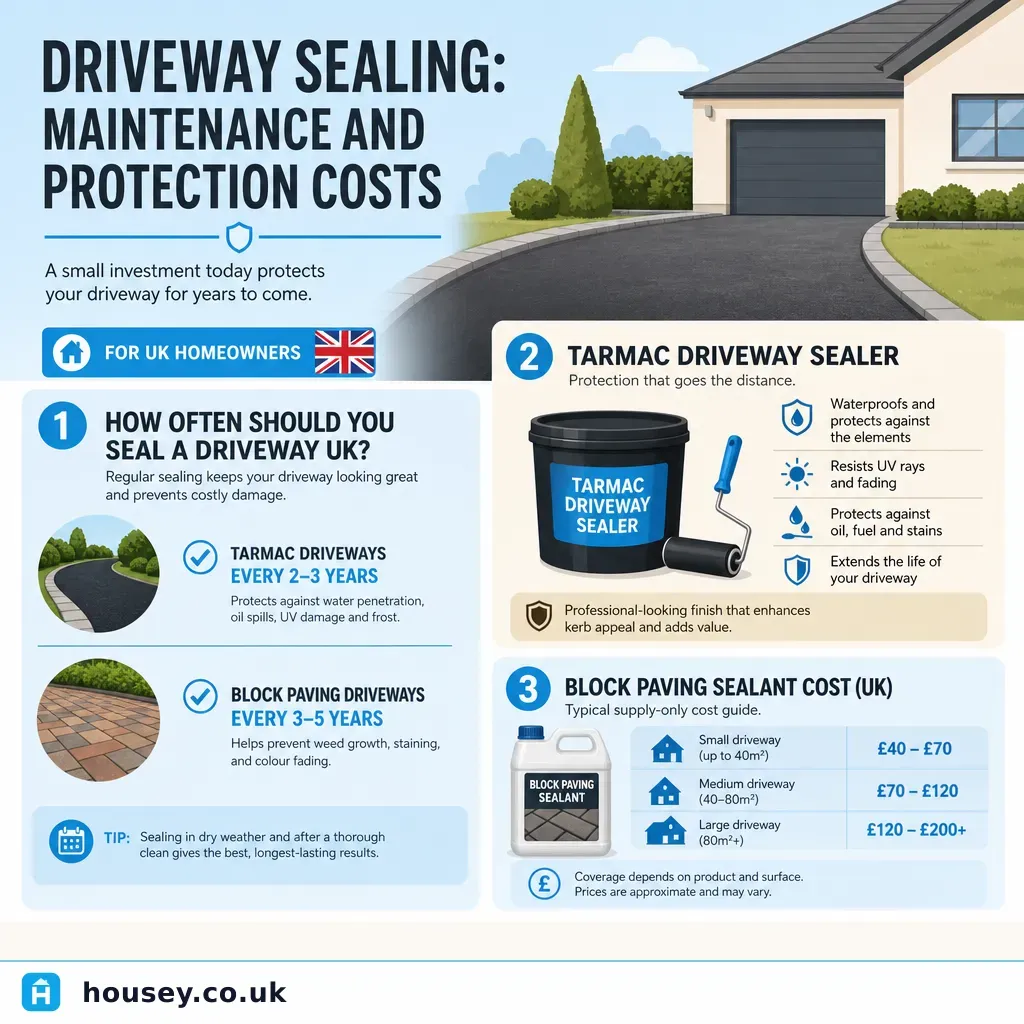
Driveway Sealing: Maintenance and Protection Costs
Sealing a driveway typically costs £3–£8 per m² in the UK, depending on the surface material, area size, and condition.
 Improvement & Build
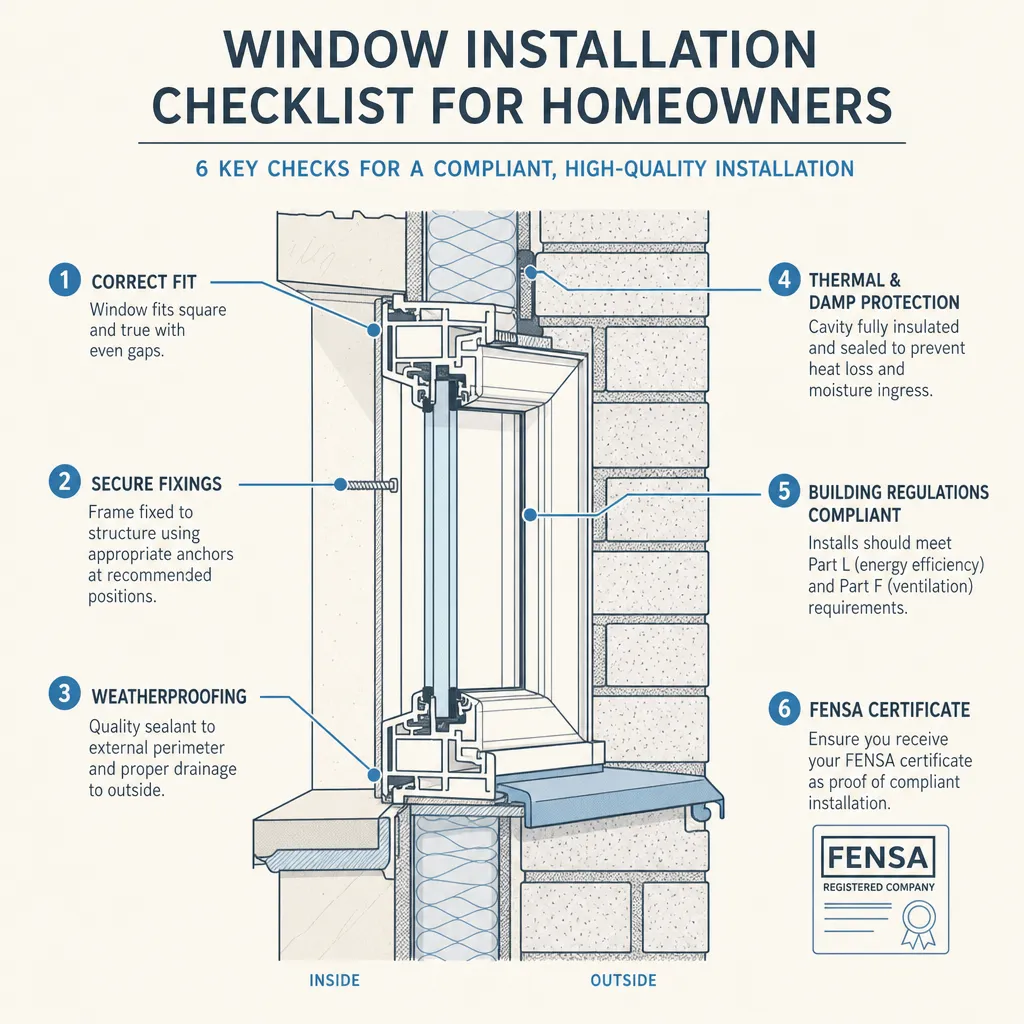
Window installation checklist for homeowners
Before installation, confirm your installer is registered with FENSA or CERTASS and can self-certify Building Regulations compliance.
 Improvement & Build
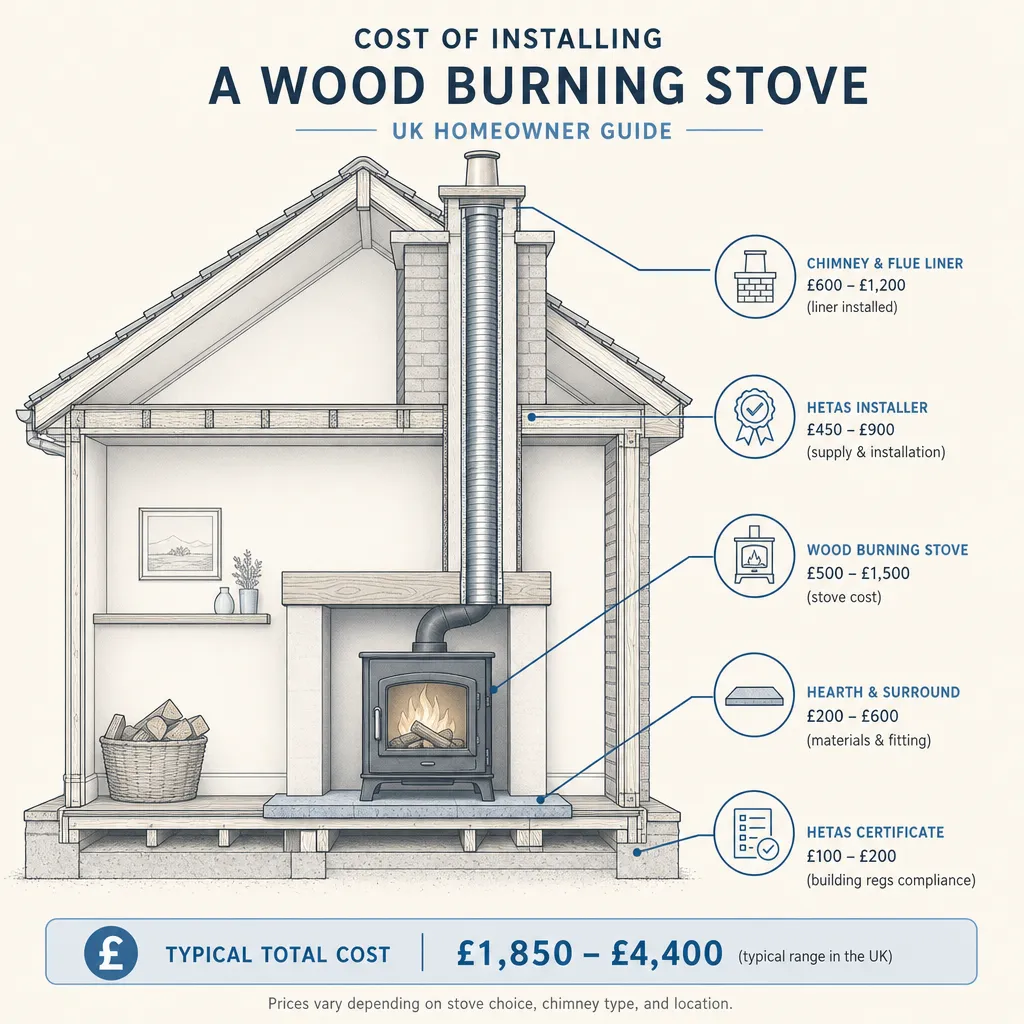
Cost of installing a wood burning stove
Installing a wood burning stove in the UK typically costs £2,000–£5,500 in total, covering the stove, flue liner, hearth, and HETAS-registered installation.
 Improvement & Build
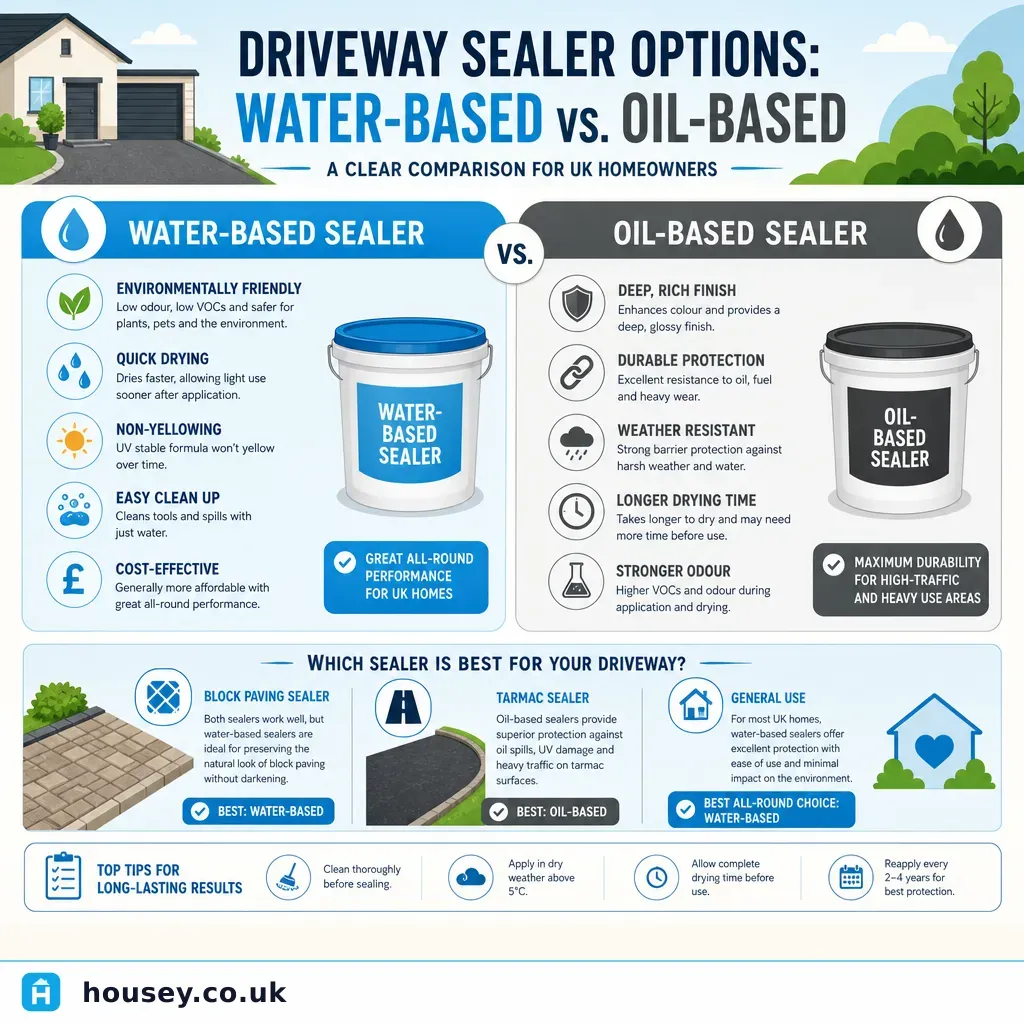
Driveway Sealer Options: Water-Based vs Oil-Based Comparison
Water-based driveway sealers are generally easier to apply, lower in VOCs, and suitable for most block paving and concrete surfaces.
 Improvement & Build
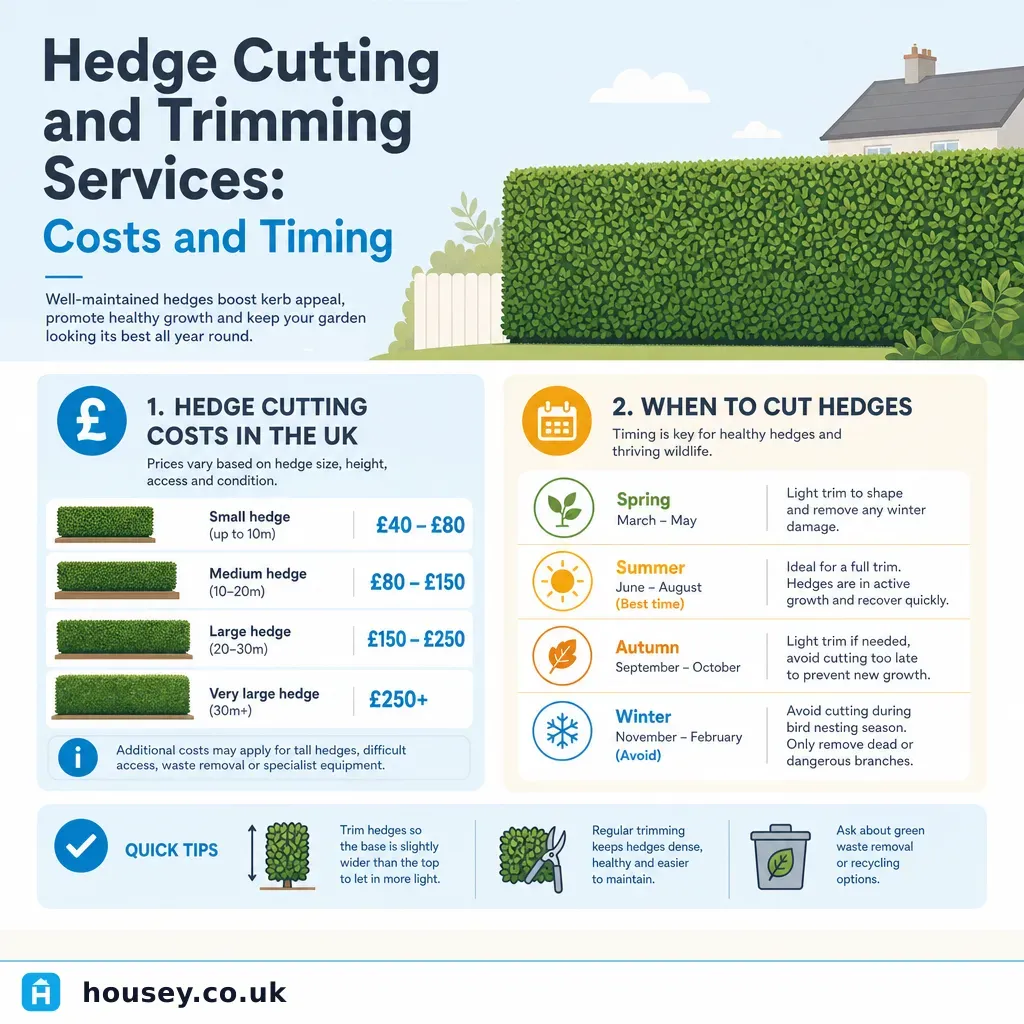
Hedge Cutting and Trimming Services: Costs and Timing
Professional hedge cutting in the UK typically costs £50–£400 depending on hedge height, length, and species.