Costs and Process for Replacing Structural Floor Joists and Boards
By Housey · Last reviewed 7th of May 2026

Costs and Process for Replacing Structural Floor Joists and Boards
Floor joist replacement most often comes to light during a RICS Level 3 Building Survey or damp and timber inspection, or when a homeowner notices springy or crumbling floorboards in an older property. Because joists form the load-bearing skeleton of the floor, errors in assessment or replacement carry real structural risk, and most projects require building regulations approval before work starts.
Key points
- Replacing structural floor joists is notifiable work under Part A (Structure) of the Building Regulations 2010 — building control approval is required before any work begins.
- Indicative UK costs range from £3,000 to £15,000 for a typical room, depending on floor area, access, extent of damage, and whether subfloor treatment is required (Indicative UK costs, last reviewed 2026-05-07).
- A chartered structural engineer should assess the damage before any joists are removed, particularly where party walls, chimney breasts, or load-bearing walls are nearby.
- Wet rot is the most common cause of joist failure in UK homes — treating the moisture source is as important as replacing the timber.
- In properties built or refurbished before 2000, asbestos-containing materials in the subfloor area must be removed by a licensed contractor before joist work begins.
What causes floor joists to fail?
Suspended timber floors in UK homes built before the 1970s use softwood joists spanning between load-bearing walls or over sleeper walls above a ventilated void. Victorian, Edwardian, and interwar intermediate floors follow the same principle. Common failure causes include:
- Wet rot: Persistent moisture causes timber to lose structural strength. Signs include soft, discoloured wood, often at the bearing ends where joists sit on damp masonry.
- Dry rot (Serpula lacrymans): More aggressive than wet rot, spreading through brickwork and masonry. Produces distinctive grey mycelium and a mushroom-like smell. Requires specialist treatment of the entire subfloor area.
- Woodworm: Wood-boring beetles weaken joists over time. Look for small round exit holes and fine powdery frass.
- Poorly notched services: Oversized notches cut for pipes or cables reduce structural capacity at those points and can cause localised failure.
A RICS Level 3 Building Survey or specialist damp and timber survey will typically identify joist failure. If your survey has flagged concerns, a structural engineer's assessment before accepting contractor quotes is strongly advisable.
Costs for floor joist replacement in the UK
Scope | Indicative cost range | Notes |
|---|---|---|
Single room (up to 20 m²) | £3,000 – £6,000 | Standard access, softwood joists |
Larger zone (20–40 m²) | £5,000 – £10,000 | Includes subfloor clearance and treatment |
Whole ground floor (40–80 m²) | £9,000 – £15,000+ | Building control sign-off required |
Dry rot eradication (add-on) | £2,000 – £5,000+ | Specialist contractor and masonry treatment |
Temporary propping (add-on) | £500 – £2,000 | Where structural support is needed during works |
Indicative UK costs, last reviewed 2026-05-07. Exclude structural engineer fees (typically £500–£1,500), building control fees (typically £200–£600), and damp proofing. Request itemised quotes from at least three contractors.
What to ask before accepting a quote
- Is the contractor experienced specifically with suspended timber floor repairs and structural joist replacement?
- Who carries out the structural assessment — do they hold MIStructE or MICE status?
- What timber grade is specified — C16, C24, or engineered I-joists?
- Is building control notification included in the quoted price?
- Is moisture source investigation and treatment included, or quoted separately?
- Is VAT included, and what happens if additional rotten joists are found once the floor is opened?
Red flags to watch for
- A contractor who quotes without physically inspecting the subfloor.
- No mention of building regulations compliance or building control notification in the quote.
- Quotes that exclude moisture treatment or subfloor investigation entirely.
- Willingness to re-board the floor before a building control inspection has taken place.
- No asbestos assessment mentioned for a property built or refurbished before 2000.
- Pressure to start work before a structural assessment has been completed.
Important limitations
This article provides general guidance for England and Wales. Structural conditions, moisture levels, building type, and local authority requirements vary between properties. Nothing here constitutes structural or engineering advice. A qualified structural engineer should assess your specific situation before work is commissioned. If dry rot is suspected, or party walls or chimney breasts are involved, professional advice is essential before any materials are disturbed.
What to ask a qualified professional
- Is there any risk of dry rot spreading to adjacent masonry or structural timber?
- Are affected joists bearing on or close to a party wall?
- Will temporary structural support be required during the works, and in what form?
- Are there asbestos-containing materials in the subfloor area requiring specialist removal before work proceeds?
- Will the works require a party wall agreement under the Party Wall etc. Act 1996?
- What is causing the elevated moisture levels, and how should that source be resolved first?
- What is the correct joist specification for this span, loading, and floor use?
When to get professional help
Contact a structural engineer before starting any joist replacement work if a survey has identified structural movement alongside joist damage, if dry rot has been identified or is suspected, if the floor is adjacent to a party wall or load-bearing wall, or if the property is listed or in a conservation area where additional consents may be required.
How Housey can help
If a survey has raised concerns about your floor structure, Housey can help you request quotes from structural engineering professionals who can assess the damage and specify the correct repair. For projects requiring building regulations sign-off, Housey can also connect you with building control consultants to manage the approval process.
Frequently asked questions
Do I need building regulations approval to replace floor joists?
Yes, in almost all cases. Replacing structural floor joists is notifiable work under Part A of the Building Regulations 2010 in England and Wales. You must notify your local authority building control or an Approved Inspector before work starts. Failure to obtain approval can cause problems during conveyancing, as solicitors typically request building regulations certificates when a property is sold.
Can I replace floor joists myself?
You can undertake the physical work as a competent person, but you must still comply with Building Regulations and notify building control. The structural specification — joist sizes, spans, and fixing details — should be confirmed by a qualified structural engineer. DIY replacement without professional oversight carries significant risk if damage extent is under-assessed or the moisture source is not correctly identified first.
How long does floor joist replacement take?
For a single room (15–25 m²), experienced contractors usually complete the work in three to five working days, excluding drying time for damp treatment. Larger projects or dry rot remediation can extend this to two to four weeks. Building control inspections must be scheduled and accommodated within the programme.
What is the most common cause of floor joist failure?
Wet rot caused by persistent moisture is the most common cause in UK homes. Moisture typically enters via rising damp, blocked subfloor air bricks, leaking pipes, or roof and gutter faults. Dry rot is less common but more serious, spreading into masonry beyond the visible area. Treating the moisture source is essential before fitting new timber.
Will my insurer cover floor joist damage?
It depends on the cause and your policy terms. Insurers typically cover sudden and unforeseen damage — such as a burst pipe — but may exclude gradual decay or pre-existing damp problems. Check your policy wording and report damage promptly. Some insurers require a specialist damp and timber survey report before agreeing to a claim.
Sources and further reading
- Building Regulations Approved Document A: Structure — GOV.UK
- Building regulations approval guidance — GOV.UK
- Dry rot, wet rot and woodworm consumer guidance — Property Care Association
- Asbestos guidance for homeowners and tradespeople — Health and Safety Executive
- Building Regulations Approved Document L: Conservation of Fuel and Power — GOV.UK
Useful next reads
 Improvement & Build
Evaluating And Planning Renovations For Properties Requiring Modernisation
Start by commissioning a condition survey — RICS Level 3 for pre-1919 properties — to identify structural defects, damp, and services issues before finalising a budget.
 Improvement & Build
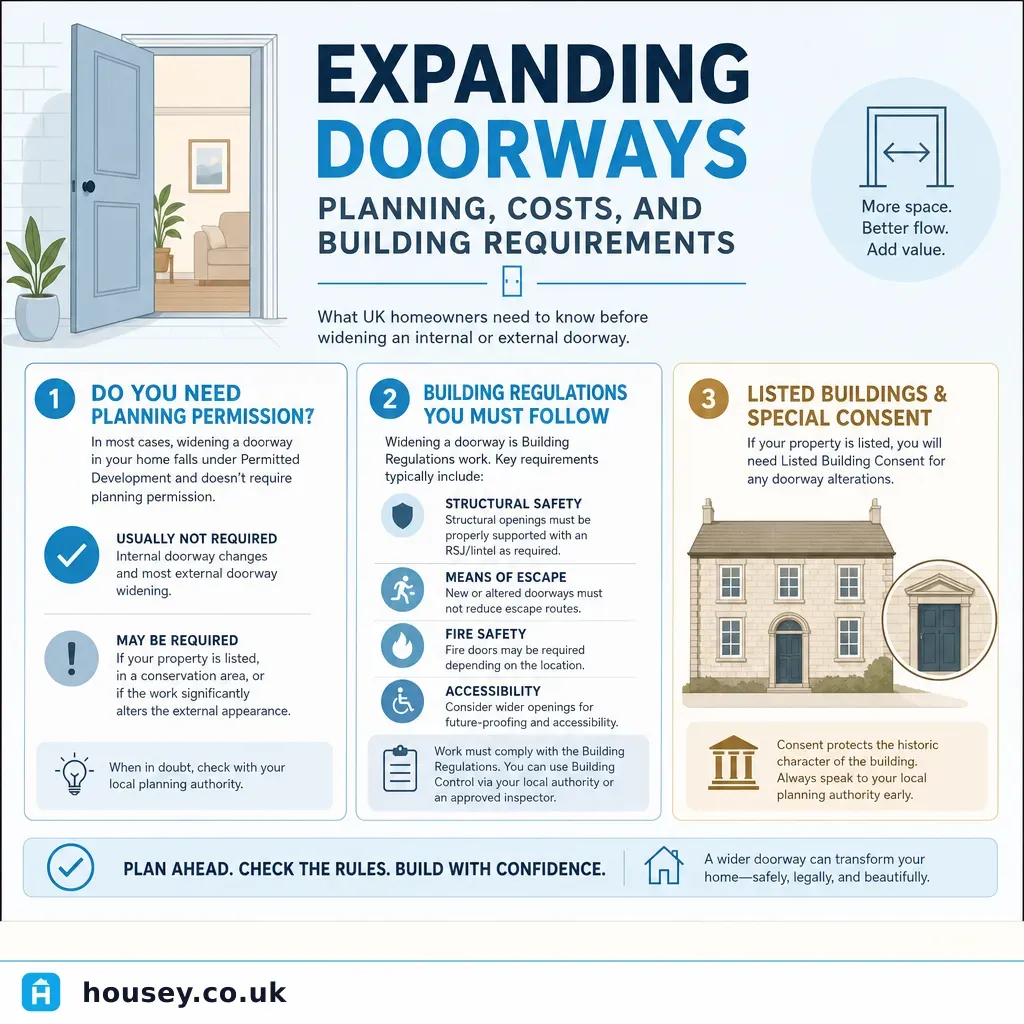
Expanding Doorways: Planning, Costs, and Building Requirements
Expanding a doorway in a load-bearing wall requires Building Regulations Part A approval and a structural engineer's lintel design.
 Improvement & Build
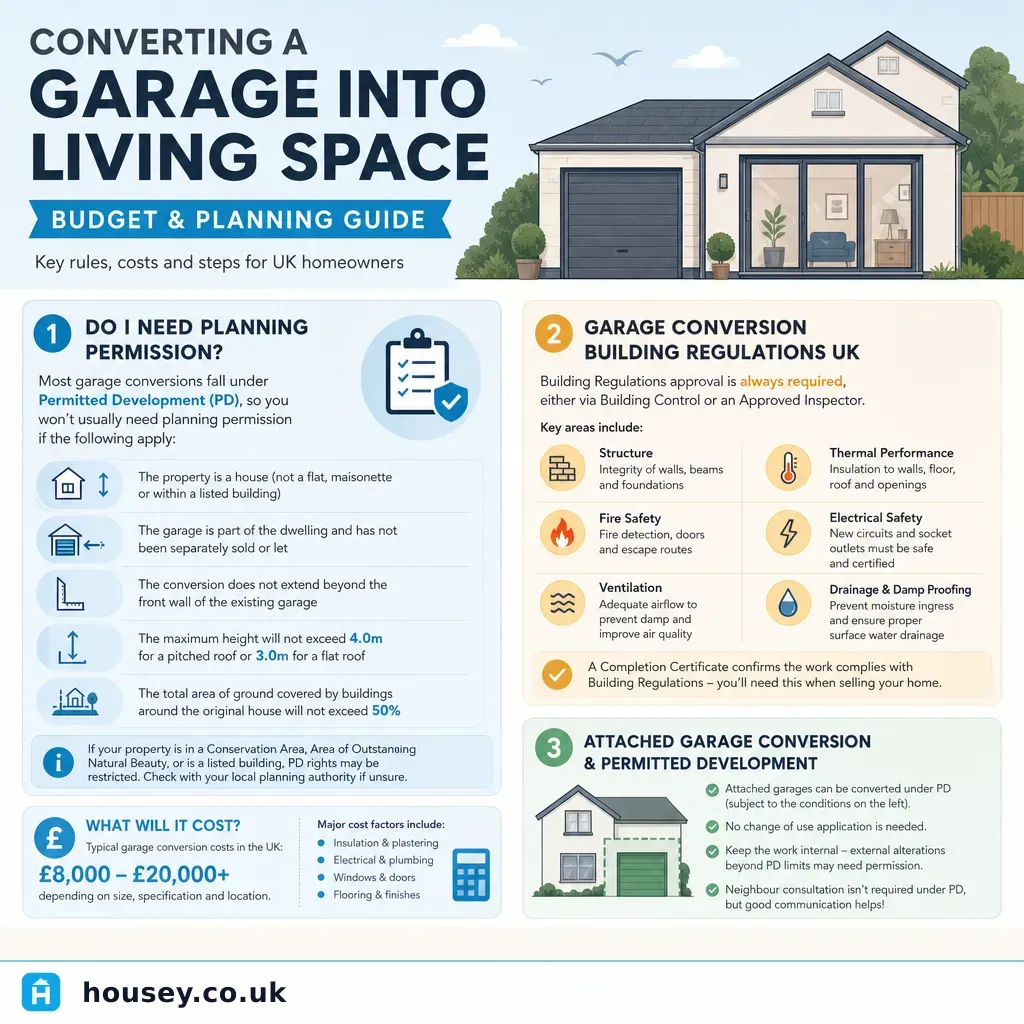
Converting a Garage into Living Space: Budget and Planning Guide
A single-garage conversion typically costs £8,000–£20,000 in the UK.
 Improvement & Build
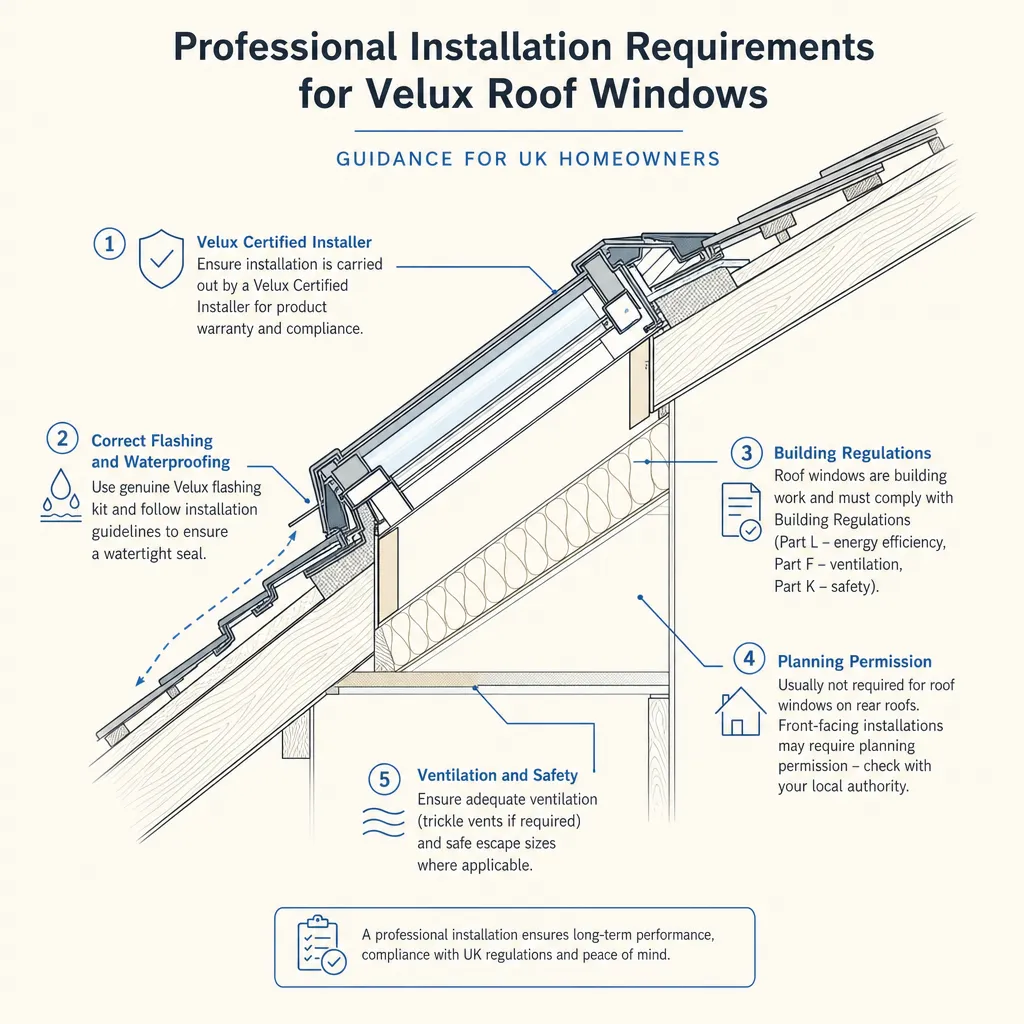
Professional Installation Requirements for Velux Roof Windows
Velux roof windows installed as replacements in the same opening usually fall under permitted development, but new openings or changes on listed buildings or in conservation areas require planning permission.
 Improvement & Build
Budget Guide for Two-Storey House Extensions
A two-storey house extension in the UK typically costs £1,800–£3,000+ per square metre for the build alone.