Creating Your Home Sanctuary: Design and Comfort Principles
By Housey · Last reviewed 10th of May 2026
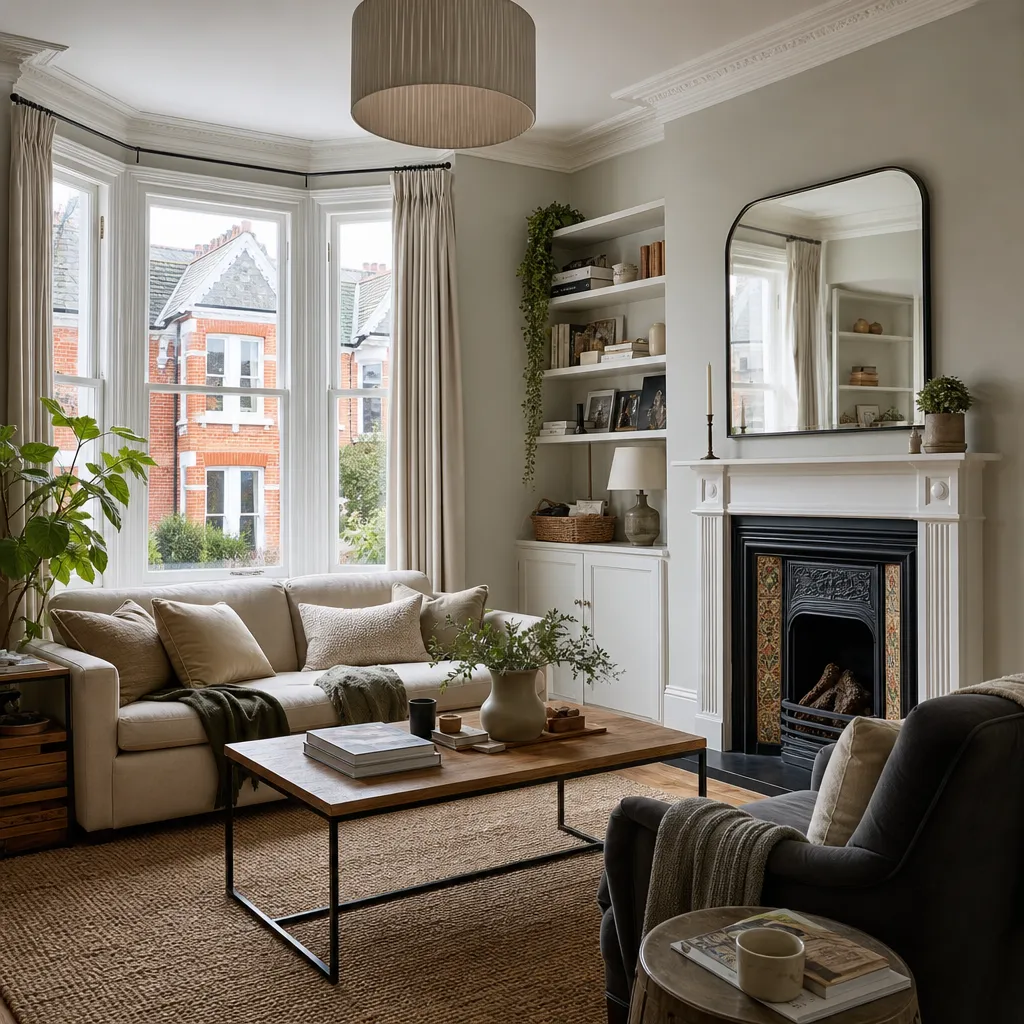
Creating Your Home Sanctuary: Design and Comfort Principles
Most UK homeowners spend more time at home than anywhere else, yet living spaces are often shaped by habit rather than deliberate design. Whether you occupy a Victorian terrace, a 1930s semi, or a modern flat, the physical environment — its lighting, acoustics, and layout — has a measurable effect on daily comfort and mental wellbeing. In a country where new-build homes average around 76m², making deliberate design choices matters more, not less.
Key points
- Colour temperature matters: warm white bulbs (2,700–3,000K) suit relaxing evening spaces; cool daylight bulbs (5,000–6,500K) are more alerting and better suited to workspaces.
- Building Regulations Approved Document E sets minimum acoustic performance standards for new builds and conversions, but most existing homes fall well short of these thresholds.
- CIBSE guidance recommends 20–22°C for living rooms and 17–19°C for bedrooms; a draught-free, well-insulated home makes these targets easier to sustain.
- Biophilic design — incorporating natural materials, plants, and views of outdoor space — is linked to reduced stress and improved mood, according to research cited by the Mental Health Foundation.
- The Energy Saving Trust identifies loft insulation and draught-proofing as among the most cost-effective routes to consistent thermal comfort in existing UK homes.
The foundations of sensory comfort
A home that feels like a sanctuary addresses multiple senses at once. Comfort is rarely achieved by focusing on a single element — addressing lighting while ignoring acoustic intrusion, or choosing calming colours while living with a cold floor, will only go so far. Walk through each room at different times of day and note what bothers you: glare from an unshaded window, traffic noise in a bedroom, a persistent chill from an external wall. These friction points are the most productive places to start.
Lighting design in UK homes
Natural light is often scarce in UK homes, particularly in north-facing rooms or ground-floor flats in dense terraces. Maximising it through light-coloured walls, minimal window dressings, and mirrors placed opposite windows is usually the most impactful first step. For artificial lighting, a layered approach — combining ambient, task, and accent sources — works better than a single ceiling fitting.
Lighting type | Best for | Less suitable for | Typical fittings |
|---|---|---|---|
Warm white (2,700–3,000K) | Bedrooms, living rooms, evening relaxation | Home offices, kitchens needing alertness | Pendants, table lamps, floor lamps |
Neutral white (3,500–4,000K) | Kitchens, bathrooms, multi-use rooms | Spaces primarily used for winding down | Downlights, strip lights |
Cool daylight (5,000–6,500K) | Home offices, utility rooms, garages | Bedrooms, relaxation-focused spaces | Desk lamps, task lighting |
Dimmer circuits | Any room serving multiple purposes at different times | — | Compatible with most rated fittings |
If your wiring does not support dimmers or additional circuits, consult a Part P-registered electrician before making changes.
Acoustic comfort
Noise is among the most cited sources of home dissatisfaction in UK households, particularly in terraced and semi-detached properties. Mid-terrace homes share two party walls; noise from neighbours, traffic, and internal floors can significantly undermine a sense of sanctuary. Practical options without structural work include heavy floor rugs and soft furnishings, secondary glazing on noisy-side windows, draught exclusion on internal doors, and acoustic panels for echo-prone rooms. Structural solutions — decoupled ceilings, resilient floor systems — are more effective but require more significant intervention and are best considered during a wider renovation.
Thermal comfort and air quality
In the UK's temperate and often damp climate, insulation and ventilation must be considered together. A well-insulated but poorly ventilated home risks condensation and mould; a draughty, uninsulated one wastes energy and feels cold. The Energy Saving Trust advises loft insulation and draught-proofing as cost-effective priorities in existing homes. For rooms that feel persistently cold, a thermal imaging survey can identify cold bridges and insulation gaps before you decide on solutions. Adequate ventilation — trickle vents, openable windows, or mechanical ventilation with heat recovery (MVHR) — reduces CO2 levels, humidity, and airborne particulates.
Layout, flow, and decluttering
Home sanctuary readiness checklist
Before investing in new furniture or décor, check whether your home meets these fundamentals:
Resolving layout and storage issues before buying new items avoids the familiar experience of a well-designed room that still feels cluttered and stressful.
Biophilic design and outdoor connection
Incorporating natural elements — wood, stone, linen, and plants — is supported by growing research linking nature exposure to reduced anxiety and improved mood. The Mental Health Foundation notes that access to nature, even through a window, has measurable wellbeing benefits. Low-maintenance plants suited to UK light levels include pothos, snake plant, and peace lily. If your outdoor space is underused or untidy, the sanctuary effect often stops at the back door. Working with a garden designer to create a coherent outdoor area — even a compact courtyard — can extend the sanctuary feeling beyond the building envelope.
What not to assume
Many homeowners approach sanctuary-making with assumptions that work against them:
- That expensive materials equal comfort. Soft furnishings, acoustic absorption, and thermal mass often do more for comfort than premium finishes.
- That open-plan is always more relaxing. Open-plan spaces are frequently acoustically harsh and harder to zone. Rugs, furniture placement, and partial screens often improve the experience considerably.
- That a complete redesign is needed. Resolving one or two friction points — a dimmer circuit, blackout blinds, a draught excluder — often has more impact than a full redecoration.
- That outdoor space is separate from indoor comfort. In terrace and semi-detached homes especially, access to an outdoor area significantly changes how a room feels in warmer months.
When to get professional help
For most comfort and design improvements, a capable homeowner can make meaningful changes without professional support. Consider expert advice when:
- Changes to lighting circuits, heating, or ventilation are involved — a qualified electrician or heating engineer is required.
- You want a thermal or acoustic assessment to guide insulation decisions before committing to remedial work.
- Your outdoor space needs professional landscaping to integrate properly with your interior environment.
How Housey can help
If extending your sanctuary outdoors is part of your vision, a professional garden designer can create a coherent outdoor space that complements your interior — from compact courtyard gardens to more substantial planting and landscaping schemes. Housey connects you with qualified garden designers across the UK.
Frequently asked questions
Do I need an interior designer to create a home sanctuary?
Not necessarily. Many homeowners achieve significant improvements through systematic changes to lighting, storage, and layout without professional help. An interior designer adds most value when spatial planning is complex, multiple rooms are being redesigned cohesively, or the budget allows for bespoke joinery or lighting design. A structured checklist approach is a practical starting point for most homes.
How do I bring more natural light into a dark UK room?
Remove heavy curtains or nets, keep window glass clean, and place mirrors opposite windows to reflect light further into the room. Light-coloured matte walls reflect more light than dark or gloss finishes. Structurally, roof lights and larger windows are the most effective long-term solution, but these require building regulations consideration and potentially planning permission.
What indoor plants suit low-light UK rooms?
Plants tolerating lower light include snake plant (Sansevieria), pothos, ZZ plant, peace lily, and cast iron plant. Most north-facing UK rooms receive insufficient direct light for sun-loving species. Choose plants whose care requirements match the room's actual conditions rather than aspirational ones.
Can acoustic panels look good in a living space?
Yes. Acoustic panels are available in a wide range of fabrics, colours, and formats — including wall-hung artwork with acoustic properties, upholstered headboards, and decorative ceiling baffles. In home offices or rooms where echo is a problem, combining soft furnishings with acoustic-specific products can be both effective and visually appropriate.
How do I make a small bedroom feel more like a sanctuary?
Focus on sensory clarity: a blackout blind or curtain, warm-toned lighting on a dimmer, minimal visible clutter, and soft flooring underfoot. Bed linen quality is often underestimated. Removing work-related items from the room consistently supports better sleep. Draught exclusion on the door reduces noise from elsewhere in the home.
Sources and further reading
- Nature and mental health — Mental Health Foundation
- Home insulation — Energy Saving Trust
- CIBSE Guide A: Environmental Design — CIBSE
- Approved Document E: Resistance to the Passage of Sound — GOV.UK
Useful next reads
 Improvement & Build
Installing Peel-And-Stick Wallpaper: Application Techniques
Peel-and-stick wallpaper works best on smooth, emulsion-painted walls cured for at least 30 days, in rooms between 13°C and 30°C.
 Improvement & Build
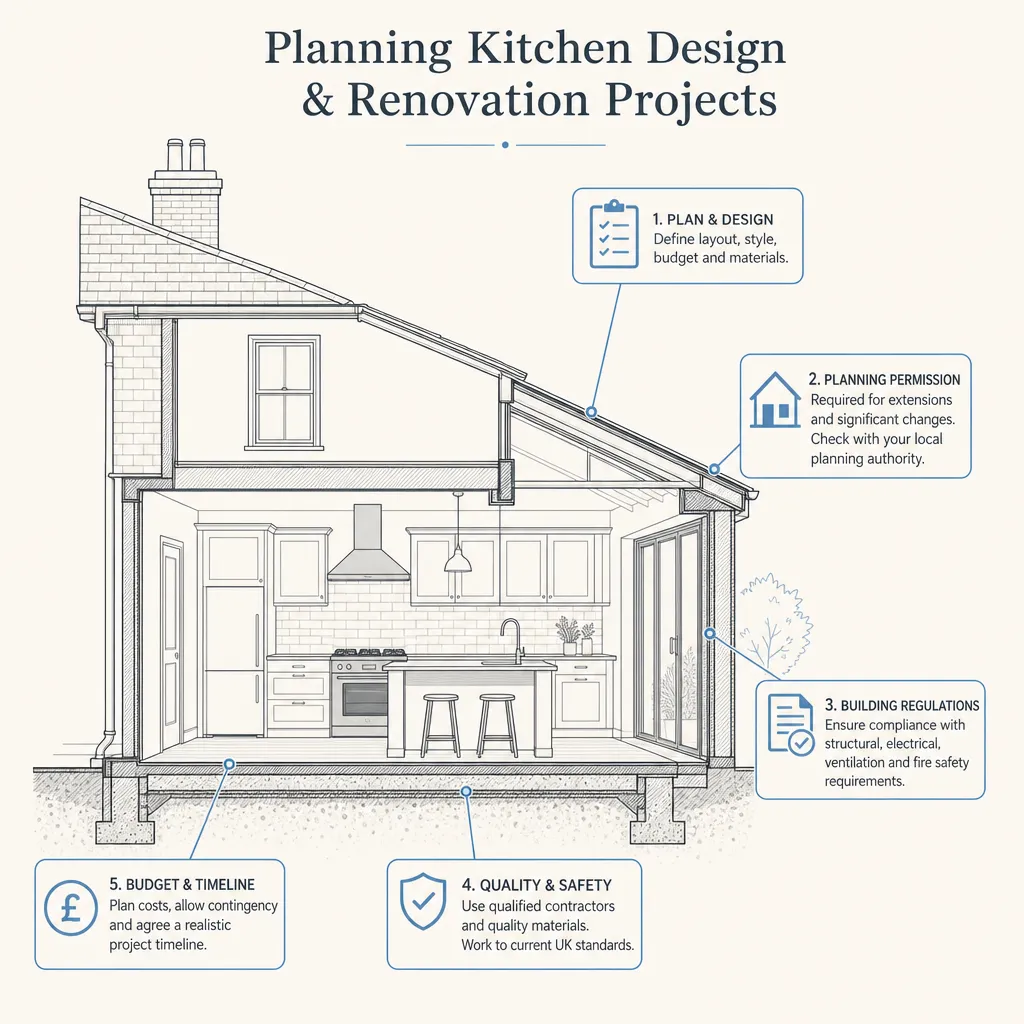
Planning kitchen design and renovation projects
Planning a kitchen renovation in the UK typically involves choosing a layout, setting a budget, deciding which contractors you need, and understanding which regulations apply.
 Improvement & Build
Ventless Gas Fireplaces: UK Considerations for Modern Home Heating
In the UK, ventless gas fires are known as flueless gas fires and are permitted only in specific circumstances under Building Regulations Approved Document J and the Gas Safety Regulations 1998.
 Improvement & Build
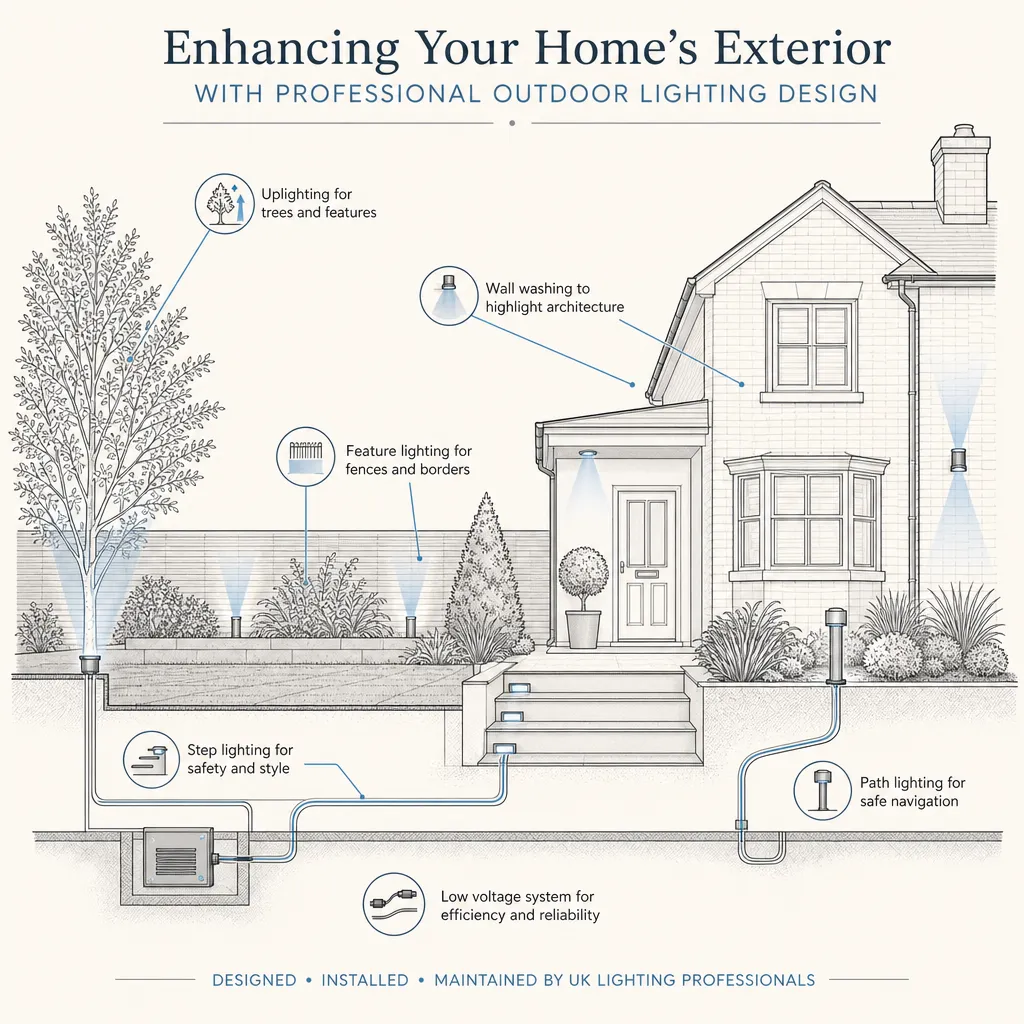
Enhancing Your Home's Exterior with Professional Outdoor Lighting Design
Professional outdoor lighting design improves kerb appeal, extends garden use after dark, and deters intruders.
 Improvement & Build
Professional Advice on Home Interior Design and Decoration
In the UK, interior designers typically handle space planning, material specification, and contractor coordination, while decorators focus on surface finishes and styling.