Custom Glass Solutions: Windows, Doors, and Glazing Services
By Housey · Last reviewed 24th of May 2026
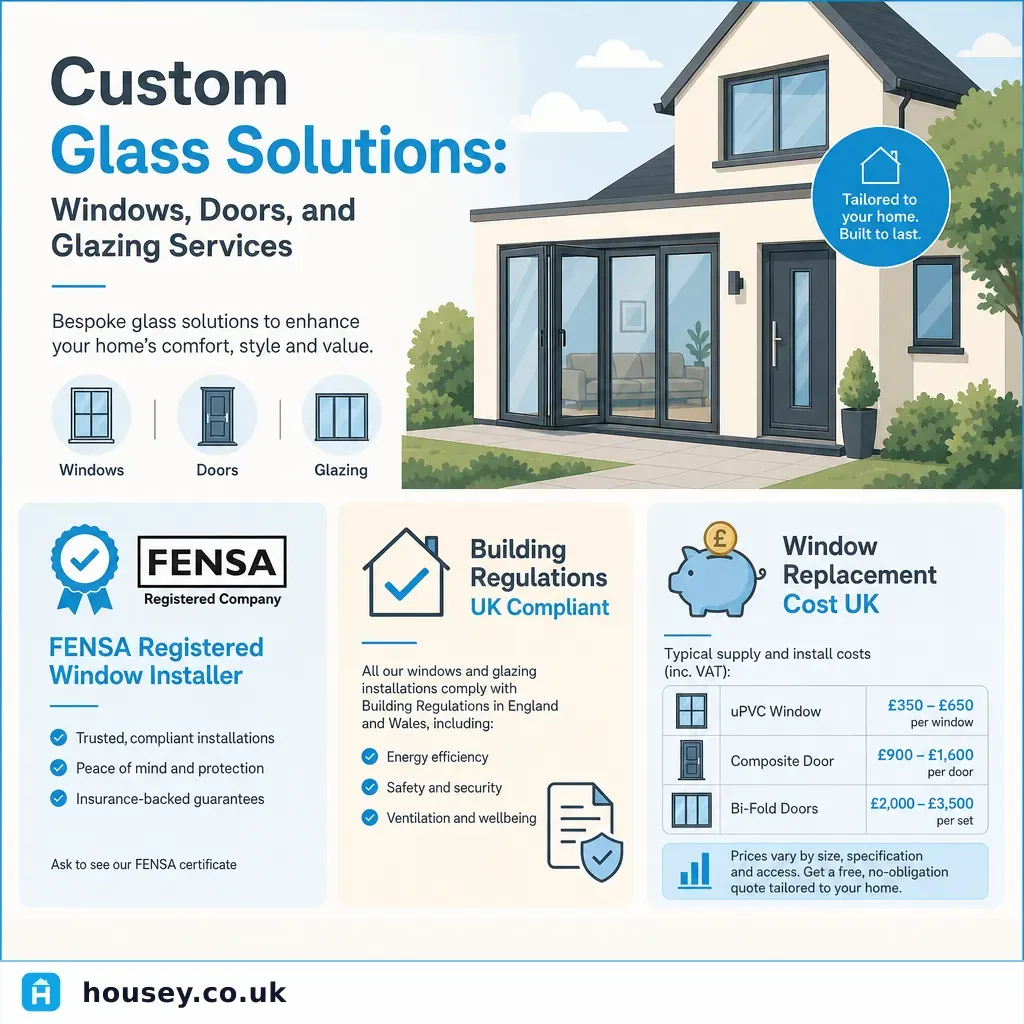
Custom Glass Solutions: Windows, Doors, and Glazing Services
Replacing windows and doors is one of the most impactful improvements a UK homeowner can make to energy efficiency, security, and the appearance of their property. The market for glazing services has expanded considerably, with products ranging from standard double-glazed units to triple glazing, slimline heritage systems, bifold doors, and roof lanterns. Yet alongside the commercial landscape, a regulatory framework governs replacement glazing in England and Wales that many homeowners discover only when preparing to sell — and getting it wrong can affect your EPC rating, building insurance, and the sale process itself.
Key points
- Replacement windows and external doors in England and Wales must meet the thermal performance requirements of Building Regulations Approved Document L (2022), with a recommended whole-window U-value of 1.4 W/m²K or better.
- FENSA and CERTASS are the two main government-authorised competent person schemes for glazing: a registered installer can self-certify compliance, avoiding a separate local authority building control application.
- In conservation areas, permitted development rights for window replacement may be removed by an Article 4 Direction; always check with your local planning authority before ordering new units.
- Listed buildings require Listed Building Consent for any changes to windows or external doors — this applies even to like-for-like replacements.
- BFRC (British Fenestration Rating Council) energy labels rate windows from A++ to G; A-rated or above is generally recommended for energy efficiency and may be required under some lender conditions tied to EPC improvements.
Building regulations and competent person schemes
When you replace a window or external door in England or Wales, the installation must be notified to building control. In practice, this happens in one of two ways:
1. Self-certification via a competent person scheme: Your installer is registered with FENSA or CERTASS and certifies compliance on your behalf. You receive a certificate after installation; this is registered with the local authority and recorded in the national dataset, making it available to future buyers and their conveyancers.
2. Local authority building control application: If your installer is not registered with a competent person scheme, a building notice must be submitted to the local authority before work begins, and a fee is payable. An inspector will check the installation.
Always confirm at the quotation stage whether your installer is FENSA or CERTASS registered, and request your compliance certificate promptly after completion. If you cannot produce a certificate on sale, your conveyancer may need to obtain a retrospective regularisation certificate from building control, which adds time and cost to the transaction.
Planning permission: when does glazing need consent?
Most window and door replacements in standard houses in England fall within permitted development and do not require planning permission, provided they do not materially alter the appearance of the property and use materials of similar appearance. There are important exceptions.
Decision tree: do my glazing works need planning consent?
- Is the property a listed building? → Listed Building Consent is required for any window or door changes, regardless of whether the replacement is like-for-like. Contact your LPA and consider appointing a conservation architect before selecting a product.
- Is the property in a conservation area? → Check with your LPA whether an Article 4 Direction removes permitted development rights. If it does, a planning application is required even for replacement within the same opening.
- Is the property a flat or maisonette? → Permitted development rights do not apply in the same way as for houses; check with your LPA before proceeding.
- Is the installation in a new or significantly enlarged opening? → This is likely to constitute a material alteration requiring planning permission, regardless of permitted development status.
- Standard house, no special designation, replacing within the same opening? → Generally permitted development. Building regulations compliance via FENSA, CERTASS, or LABC still applies.
Comparing glazing options
Type | Best for | Not ideal for | Typical whole-window U-value | Key consideration |
|---|---|---|---|---|
Standard double glazing (A-rated PVCu) | Most UK homes, cost-effective upgrade | Properties with thin reveals or heritage requirements | ~1.2–1.4 W/m²K | Most common; meets Part L; widely available |
Triple glazing | High-performance retrofits, passive house targets | Older timber frames unable to bear increased weight | ~0.6–0.8 W/m²K | Significantly heavier; check frame and lintel suitability |
Secondary glazing | Listed buildings, conservation areas | Properties seeking a contemporary appearance | ~1.8–2.8 W/m²K combined with primary | Non-structural; preserves original frames; often no consent needed |
Slimline / heritage double glazing | Conservation areas, traditional sash windows | Budget-conscious projects | ~1.2–1.6 W/m²K | Designed to replicate original profile; check LPA guidance |
Aluminium bifold / sliding doors | Rear extensions, openings to garden | Very exposed northern elevations without adequate heating | ~1.2–1.6 W/m²K | Structural lintel or steel implications for new or enlarged openings |
Roof lanterns and rooflights | Flat roof extensions, loft conversions | Steep roofs without structural support | ~1.0–1.5 W/m²K | Building regulations apply; some standard sizes permitted development |
What to ask before accepting a glazing quote
- Is your company FENSA or CERTASS registered, and will you provide the compliance certificate on completion?
- What are the exact U-values of the frame, glass unit, and whole window or door assembly?
- What is the BFRC energy rating of the specified product?
- Is the quoted price inclusive of VAT, removal and disposal of old units, and making-good of reveals and internal plasterwork?
- What is the frame material and profile system (e.g., PVCu, aluminium, timber), and what is the manufacturer's guarantee term?
- What happens if structural issues — failed lintels, subframe rot, or damp reveals — are discovered during installation?
- Can you advise on whether Listed Building Consent or a planning check is needed for my property before I commit to an order?
- What is the lead time from confirmed order to installation, and what happens if lead times change?
Important limitations
This article provides general information about glazing regulations and services in England and Wales. The Building Standards system in Scotland and Building Regulations in Northern Ireland differ. Permitted development rights and Article 4 Directions vary by local authority and property type. The thermal performance figures cited reflect Approved Document L guidance for England as at 2026; requirements may be updated. This guide does not constitute planning, legal, or structural advice.
What to ask a qualified professional
For listed buildings or properties in conservation areas, instruct a conservation architect or a glazing specialist experienced in heritage work before committing to a product or installer.
- Ask the LPA's conservation officer what evidence of replacement window design is required for a Listed Building Consent application, and what profile, glass specification, and colour is likely to be acceptable.
- Ask whether secondary glazing could achieve your thermal objectives without requiring consent for the primary frame.
- For new or enlarged openings, ask a structural engineer whether the existing lintel is adequate for the proposed new frame width and the increased weight of a larger glazed unit.
- If selling soon, ask your conveyancer to confirm that all previously installed replacement glazing has been self-certified by a competent person scheme or is covered by a valid regularisation certificate.
When to get professional help
Contact a qualified glazing specialist, conservation architect, or your local planning authority if:
- Your property is listed or in a conservation area and you are unsure what consent is required before ordering.
- You are proposing a new or enlarged opening, which will have structural implications for the lintel or surrounding brickwork.
- You have discovered rot, damp, or failed lintels when removing existing frames — seek structural assessment before new glazing is ordered.
- You cannot locate FENSA or CERTASS certificates for previous glazing work and are preparing the property for sale.
- You are a landlord subject to Minimum Energy Efficiency Standards (MEES) regulations and require glazing improvements to achieve the required EPC band.
How Housey can help
Housey can connect you with experienced, FENSA-registered window and door installers who can advise on materials, compliance, and the right approach for your property type — whether you are replacing standard double glazing, upgrading to triple glazing, or navigating the requirements for a heritage home in a conservation area.
Frequently asked questions
What is FENSA and why does it matter when replacing windows?
FENSA is the Fenestration Self-Assessment Scheme, a government-authorised competent person scheme allowing registered glazing installers to self-certify that their work complies with Building Regulations in England and Wales. Using a FENSA-registered installer means you receive a compliance certificate without needing a separate local authority building control application. This certificate is important evidence when selling or remortgaging your property.
Do I need planning permission to replace windows?
Most window replacements in standard houses fall within permitted development and do not require planning permission, provided the replacement is within the same opening and uses materials of similar appearance. However, listed buildings always require Listed Building Consent, and conservation areas may have Article 4 Directions removing permitted development rights. Always check with your local planning authority if you are uncertain about your property's status.
How much does window replacement cost in the UK?
Costs depend on frame material, glazing specification, number of units, and property size. PVCu double-glazed casement windows might cost £400–£900 per window (supply and fit); timber or aluminium units typically cost more. Full-house replacements range from approximately £4,000 to £15,000 or more for larger or heritage properties. Always obtain at least three written quotes from FENSA-registered installers. Indicative UK costs, last reviewed 2026-05-24.
What energy rating should I look for in replacement windows?
Under Approved Document L (2022), replacement windows must achieve a whole-window U-value of 1.4 W/m²K or better. The BFRC energy label rates windows from A++ to G; A-rated or above is generally recommended for good thermal performance. Triple glazing typically achieves B-rating or higher and offers the best insulation, but at increased cost and weight, so frame suitability should be checked first.
Can I replace windows in a listed building?
Not without Listed Building Consent (LBC), even for like-for-like replacements. The LPA's conservation officer will advise on acceptable specifications; in many cases, slimline timber double-glazed units or internal secondary glazing are required to preserve the building's character. Replacing listed building windows without consent can result in enforcement action and an obligation to reinstate original features at your own cost.
Sources and further reading
- Building regulations: windows and doors — GOV.UK
- FENSA homeowner guidance — FENSA
- Approved Document L: Conservation of fuel and power (2022) — GOV.UK / DLUHC
- Listed Building Consent guidance — Historic England
- BFRC window energy ratings — British Fenestration Rating Council
- Windows in historic buildings — Historic England
- Planning Portal — windows and glazing — Planning Portal
Useful next reads
 Improvement & Build
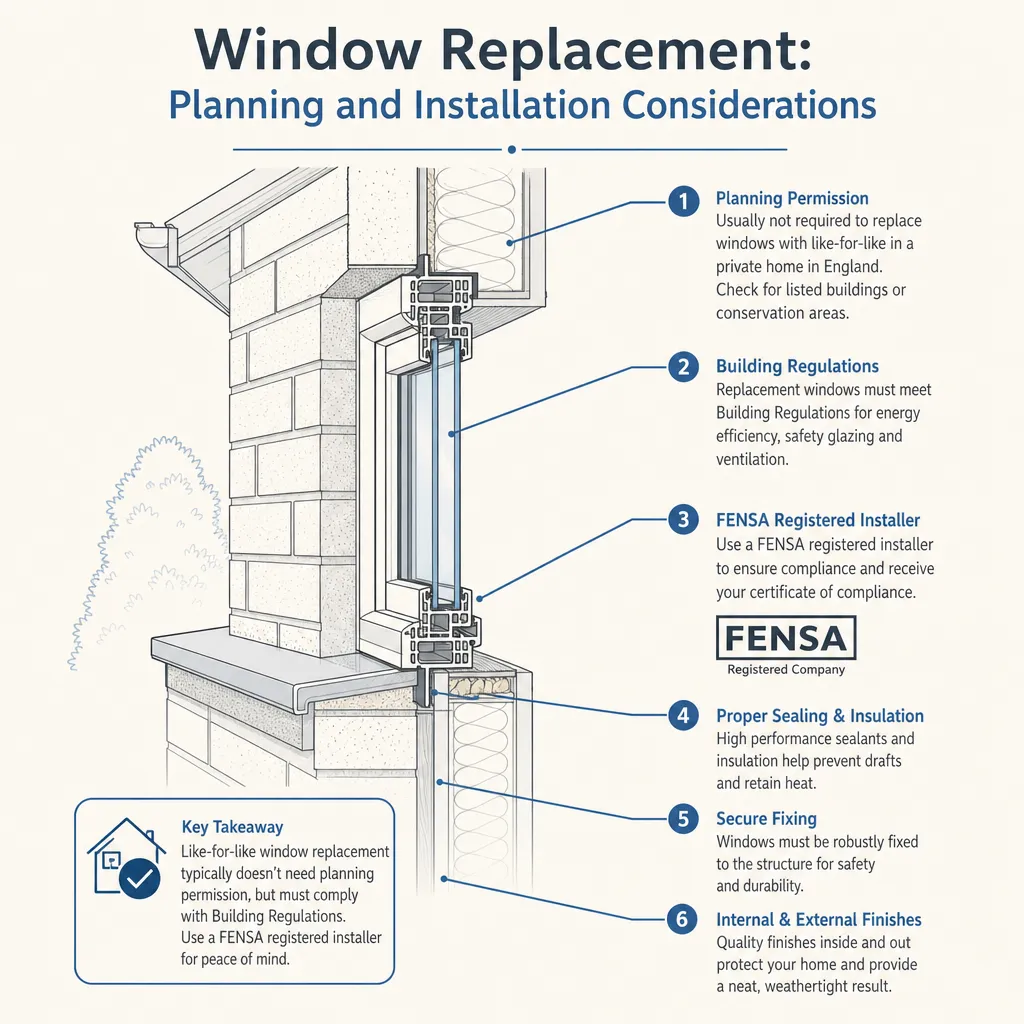
Window Replacement: Planning and Installation Considerations
Most window replacements in England fall under permitted development and do not need planning permission, though listed buildings, flats, and conservation areas are exceptions.
 Improvement & Build
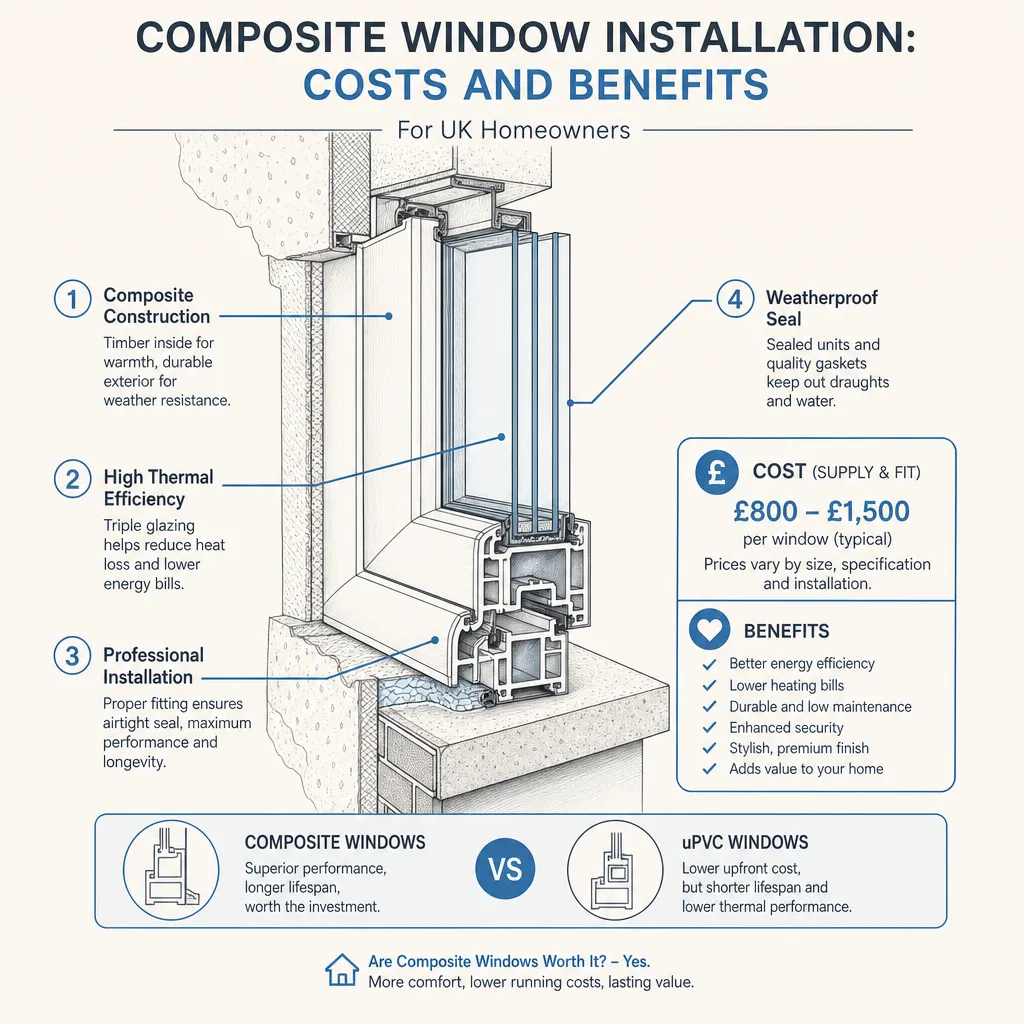
Composite Window Installation: Costs and Benefits
Composite windows combine two or more frame materials — typically a timber or aluminium core with a uPVC or aluminium outer casing — for better thermal performance and durability than standard uPVC.
 Improvement & Build
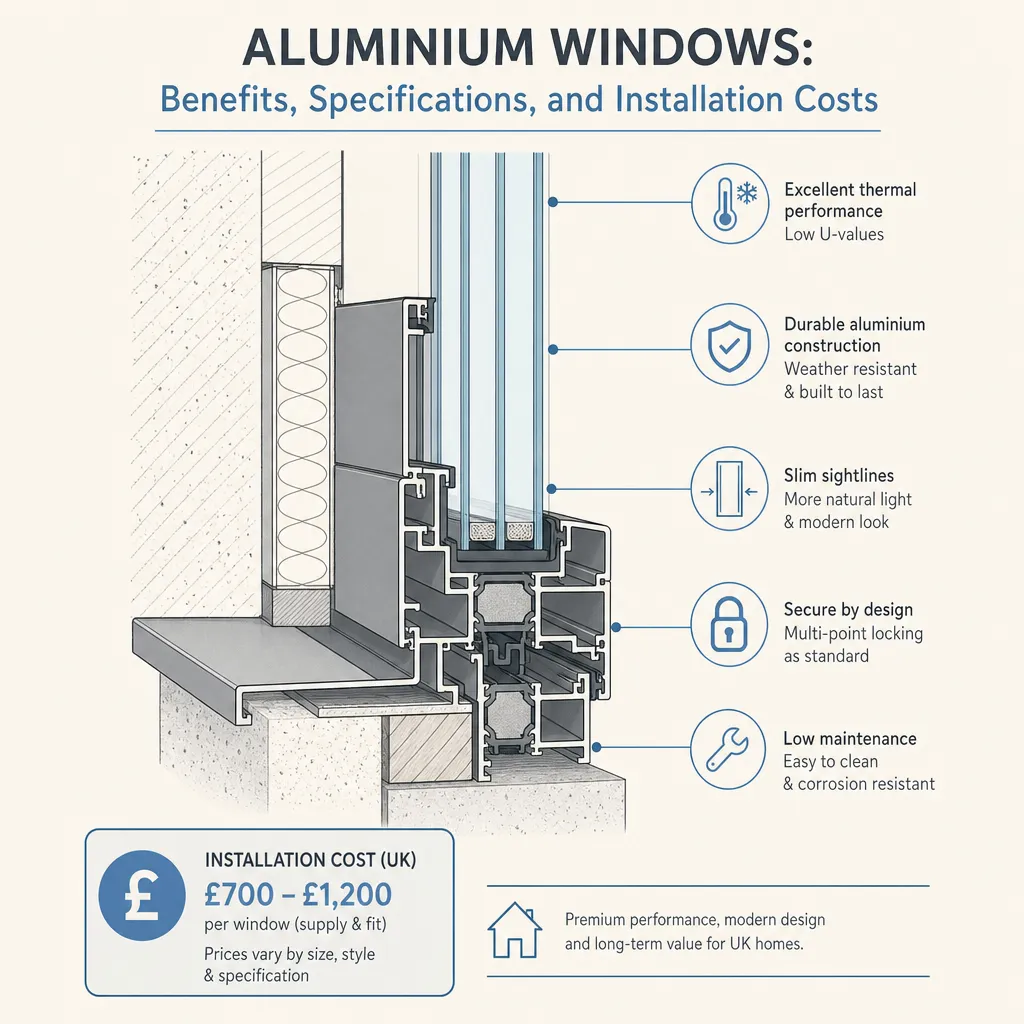
Aluminium Windows: Benefits, Specifications, and Installation Costs
Aluminium windows typically cost £600–£1,800 per window installed in the UK, depending on size and specification.
 Improvement & Build
Building an Outdoor Kitchen: Design, Materials, and Investment
Building an outdoor kitchen in the UK costs roughly £3,000–£25,000 depending on size and materials.
 Improvement & Build
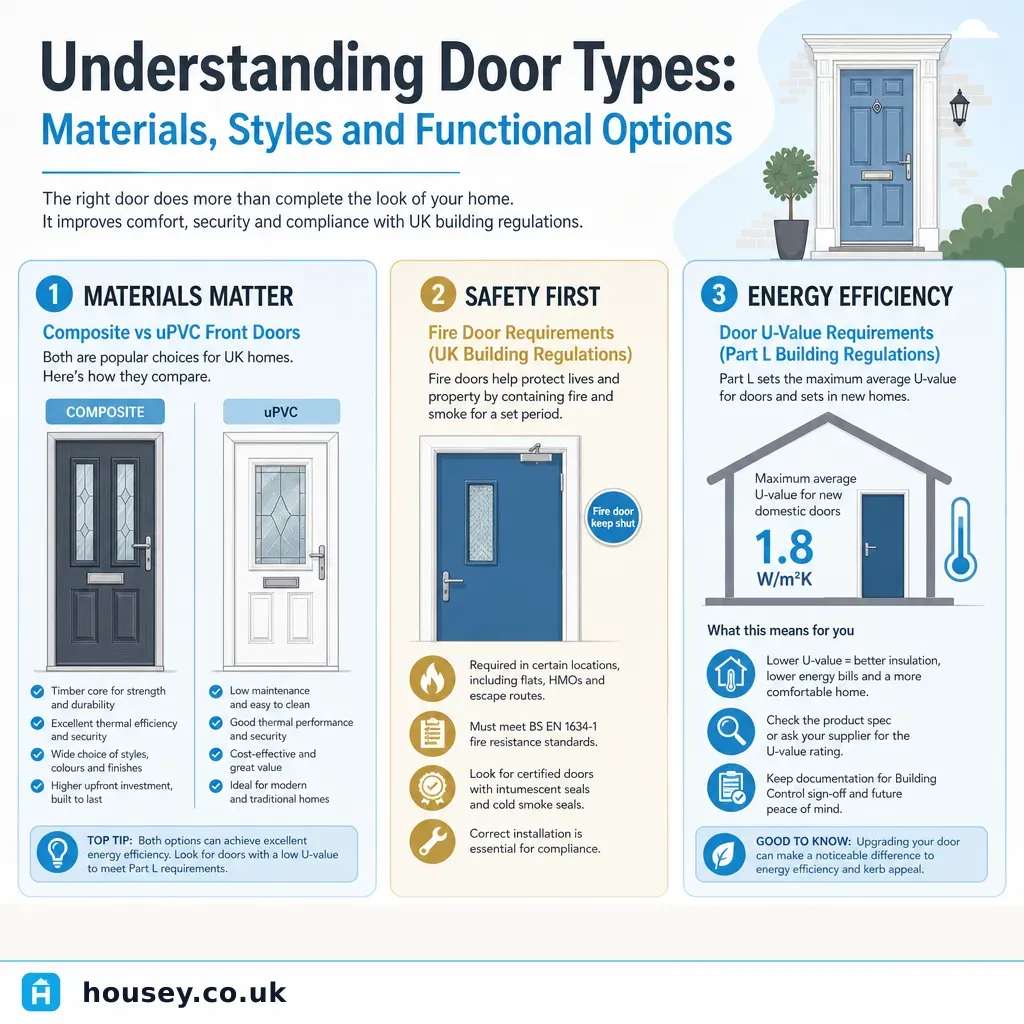
Understanding Door Types: Materials, Styles and Functional Options
Doors are available in timber, uPVC, aluminium, steel, and composite materials, each suited to different budgets, locations, and performance requirements.