Is Your Home Built with Defective Drywall? What to Know
By Housey · Last reviewed 31st of May 2026
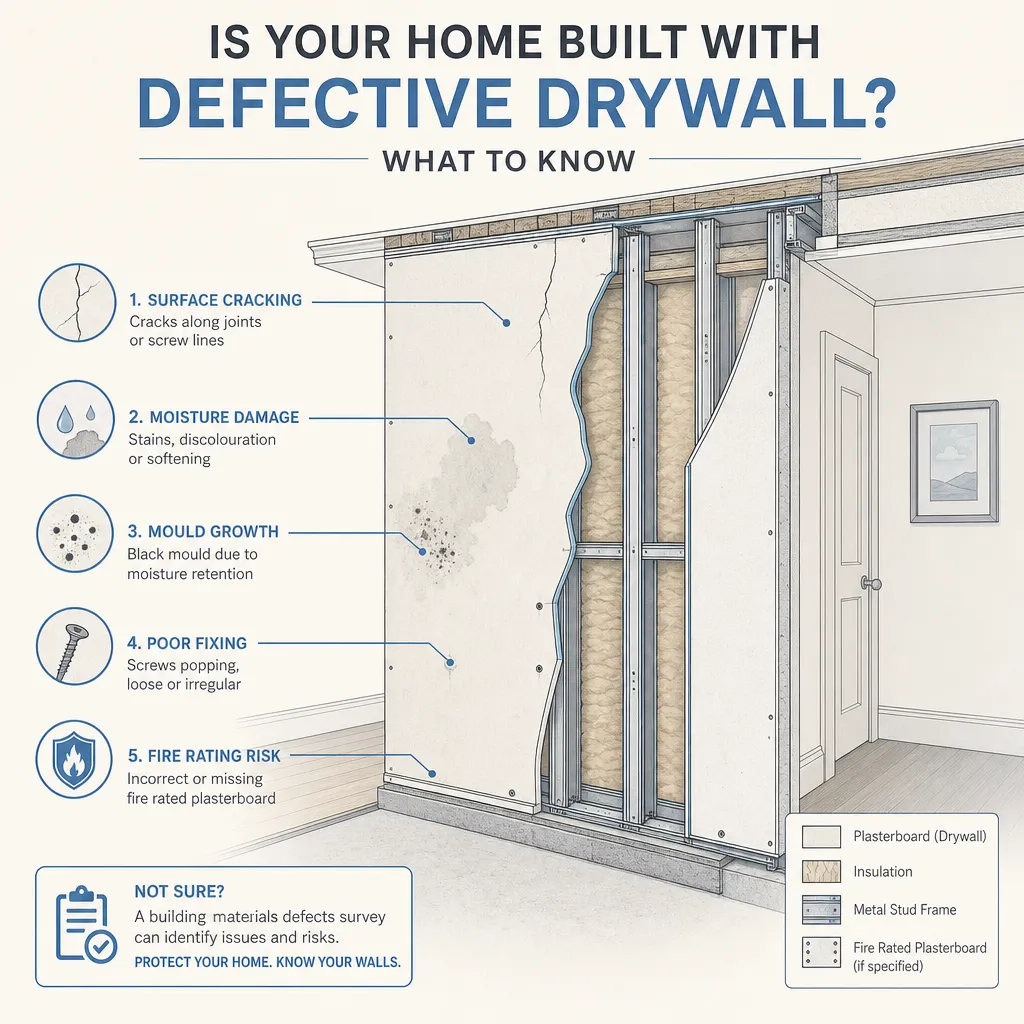
Is Your Home Built with Defective Drywall? What to Know
The term defective drywall entered UK homeowner conversations largely through awareness of a significant problem identified in the United States, where contaminated Chinese-manufactured wallboard caused corrosion, health concerns, and costly remediation in hundreds of thousands of homes. UK homeowners and buyers sometimes ask whether the same risk applies here — and the answer requires separating that specific US problem from the genuine, but different, plasterboard-related concerns that do exist in UK residential construction. Understanding which category applies to your situation is the essential first step before commissioning any inspection or investigation.
Key points
- Contaminated Chinese drywall — documented in US homes built 2001 to 2009 — is not a known widespread problem in UK residential construction; the UK plasterboard market has been served primarily by European manufacturers supplying product to BS EN 520 and equivalent harmonised standards retained in UK law post-Brexit.
- Fire-rated plasterboard such as Gyproc FireLine or Knauf Fireboard is required by Building Regulations Approved Document B for separating floors, party walls, and escape routes in converted and multi-occupancy dwellings; substituting standard board in these locations is a serious safety defect.
- The Building Safety Act 2022 created the Building Safety Regulator under HSE oversight and introduced new compliance obligations for higher-risk residential buildings of 18 metres or more in height, or seven or more storeys.
- NHBC Buildmark warranty covers defects in materials and workmanship for the first two years after new-build completion, and structural defects for 10 years; defective materials installed by NHBC-registered builders may fall within this warranty.
- A RICS Level 3 Building Survey or specialist defect investigation by a chartered building surveyor is the appropriate route for identifying plasterboard-related defects in a UK property.
The US defective drywall problem: is it a UK concern?
Between 2001 and 2009, an estimated 100,000 or more US homes were constructed using Chinese-manufactured drywall found to contain elevated concentrations of pyrite and organic sulphur compounds. In warm, humid conditions these compounds off-gassed, corroding copper plumbing and electrical wiring, producing sulphur odours, and prompting widespread complaints from occupants. The US Consumer Product Safety Commission investigated the problem extensively and developed remediation protocols requiring full removal of affected board.
In the UK, the residential plasterboard market has historically been served by British Gypsum (a Saint-Gobain company) and Knauf — both European manufacturers whose products are manufactured to BS EN 520. There is no documented evidence of a comparable widespread contaminated plasterboard problem in UK-built homes. If your concern arises from reading about the US situation, the probability of encountering the same issue in a standard UK property is considered very low by UK building professionals. However, if you have unexplained symptoms — rapid corrosion of copper pipes or wiring adjacent to newly installed plasterboard, or persistent sulphur odours — a specialist investigation is the appropriate response.
UK plasterboard defects: the real concerns for homeowners
While contaminated drywall is not a documented UK-wide issue, genuine plasterboard-related defects do occur in UK residential construction and can have significant safety, legal, and financial consequences.
Incorrect specification of fire-rated board
Building Regulations Approved Document B sets minimum fire-resistance periods for separating elements in domestic buildings. Standard gypsum board (typically 12.5mm) does not achieve the same fire resistance as purpose-made fire-rated board containing glass-fibre reinforcement. Substituting standard board — or installing fewer layers than specified — is a defect with direct life-safety implications.
The most common locations where this problem occurs are:
- Loft conversions: the floor between the new habitable room and the dwelling below must typically achieve 30-minute fire resistance under Approved Document B.
- Garage conversions: the separating wall between the garage and habitable space requires fire-rated construction.
- Flat conversions: separating floors and walls between individual dwellings must achieve at least 60-minute fire resistance.
- Internal escape routes: corridors, hallways, and stairwells in properties converted to multiple flats may require fire-rated linings throughout.
Poor installation: gaps, fixings, and fire-stopping failures
Correctly specified plasterboard achieves its fire or acoustic rating only when installed to the manufacturer's and building control's requirements. Common installation defects include:
- Gaps between boards at junctions, corners, and around service penetrations (pipes, cables) that compromise fire and smoke containment
- Inadequate or misplaced fixings causing boards to crack, bow, or detach over time
- Missing horizontal noggins (timber supports) behind board joints in ceilings, causing sagging
- Failure to install intumescent fire-stopping around services penetrating fire-rated walls or floors
- Acoustic-rated board specified in party walls but installed without the isolation mounts and sealing details needed to achieve the specified sound performance
Moisture deterioration in incorrectly specified areas
Standard gypsum plasterboard degrades when exposed to sustained moisture. In bathrooms, kitchens, en-suites, and rooms susceptible to rising or penetrating damp, moisture-resistant (MR) board or moisture- and impact-resistant (HIR) board should be used. Where standard board has been installed in these areas, softening, loss of structural integrity, and mould growth are likely consequences over time.
Red flags: signs that plasterboard may be defective or incorrectly installed
The following indicators warrant professional investigation:
- Sulphur or rotten-egg odour in a room with no identifiable plumbing cause — very rare in UK homes, but investigate promptly if present alongside other symptoms
- Rapid or unexplained corrosion of copper pipes or electrical components in areas adjacent to recently installed plasterboard
- Bowing, cracking, or sagging plasterboard ceilings — often indicate missing noggins or inadequate fixings
- Visible gaps at wall-ceiling or wall-floor junctions in loft conversions, garage conversions, or flat conversions where fire-rated construction is required
- Soft or friable board that feels spongy or papery when pressed — indicative of moisture damage
- Mould consistently appearing at plasterboard joints in areas where moisture-resistant board should have been specified
- No building control completion certificate for a loft, garage, or flat conversion — the works may not have been inspected for fire-rating compliance
What to do if you suspect non-compliant plasterboard
- Do not carry out invasive investigations yourself in fire-rated walls or floors — unnecessary breaches reduce protection until properly reinstated by a competent person.
- Commission a RICS Level 3 Building Survey, noting specifically your concerns about fire-rated construction and board specification.
- Request the building control completion certificate for any conversion works. If this cannot be produced, the works may not have been signed off.
- For buildings 18 metres or taller, contact the Accountable Person or building safety manager — obligations under the Building Safety Act 2022 may apply.
- For new-build homes within the NHBC Buildmark warranty period, contact NHBC to determine whether defective materials fall within the warranty's scope.
- If building control records do not exist and remedial works are required, a solicitor can advise on regularisation applications or retrospective building control options.
Important limitations
This article provides general information about plasterboard defects and their UK context. Building Regulations requirements, warranty provisions, and appropriate investigation methods vary significantly depending on property type, age, conversion history, tenure, and location. Nothing in this article constitutes professional building, structural, legal, or fire-safety advice. A qualified chartered surveyor, structural engineer, or fire engineer should assess your specific property and circumstances before any works are commissioned or any regulatory conclusions are drawn.
What to ask a qualified professional
Before instructing a surveyor or specialist investigator, ask:
- Do you have specific experience assessing fire-rated construction compliance in converted residential properties — loft, garage, and flat conversions in particular?
- Will your inspection include accessible concealed areas such as the loft hatch, under-stair cupboard, or service voids where fire-rated construction is typically visible?
- Can you review building control records, or advise on what records should exist for the relevant conversion works?
- If fire-rated board is found to be incorrectly specified or installed, can you produce a schedule of remedial works suitable for submission to building control?
- Do you carry professional indemnity insurance for defect investigation of this type and scope?
- If the investigation requires opening up concealed voids, how will affected areas be made safe and weathertight during and after the inspection?
When to get professional help
Seek professional advice promptly in any of the following situations:
- You are buying a property that has been converted — loft, garage, or flat conversion — and no building control completion certificate can be produced by the vendor.
- A mortgage valuer's or surveyor's report has flagged concerns about fire-rated construction or plasterboard specification.
- You notice bowing, cracking, or soft patches in walls or ceilings following recent building works.
- You are a leaseholder in a building over 18 metres in height and have concerns about internal fire protection or building material compliance.
- You notice unexplained rapid corrosion of copper pipework or electrical wiring in proximity to recently installed plasterboard — while rare in UK properties, this warrants prompt specialist investigation.
How Housey can help
If you suspect plasterboard defects in a property you own or are purchasing, Housey can connect you with providers offering structural surveys to investigate condition and compliance. If remedial works are required and need to be formally specified and submitted for building control approval, Housey can also help you find providers for building regulations drawings.
Frequently asked questions
Is Chinese drywall a known problem in UK homes?
Contaminated Chinese drywall — as documented extensively in the United States — is not a known widespread issue in UK residential construction. The UK plasterboard market is served primarily by European manufacturers supplying products to BS EN 520 and harmonised standards retained in UK law. If you have specific concerns about a UK property, a specialist building survey is the appropriate route; the probability of encountering comparable contaminated plasterboard is considered very low by UK building professionals.
What is the difference between standard and fire-rated plasterboard?
Standard gypsum plasterboard provides limited fire resistance and is not designed to achieve the 30- or 60-minute protection periods required by Building Regulations Approved Document B for separating floors, party walls, and escape routes in converted or multi-occupancy dwellings. Fire-rated boards such as Gyproc FireLine or Knauf Fireboard contain glass-fibre reinforcement that slows fire penetration and must be installed in the correct number of layers to achieve their rated performance.
Can I check plasterboard compliance myself?
Visual inspection is limited. You can observe whether walls are dry-lined, look for specification stickers on board edges visible at a loft hatch or under-stair cupboard, and check whether a building control completion certificate exists for conversion works. Confirming whether the correct board type and installation detail were used requires access to concealed voids and professional interpretation — a chartered building surveyor is the appropriate person to instruct.
Does the Building Safety Act 2022 affect my property?
The Building Safety Act 2022 has its most direct impact on higher-risk buildings — residential properties of 18 metres or more in height, or seven or more storeys. Residents and leaseholders in such buildings have new rights, and the Accountable Person must maintain a building safety case. For lower-rise homes the Act's direct impact is more limited, though it has prompted broader scrutiny of building material compliance and fire safety standards across the residential sector.
Sources and further reading
- Approved Document B: Fire Safety — volume 1 dwellings — GOV.UK
- Building Safety Act 2022 — legislation.gov.uk
- Building Safety Regulator — Health and Safety Executive
- NHBC Buildmark Warranty — NHBC
- BS EN 520: Gypsum plasterboards — BSI Group
Useful next reads
 Surveys & Inspections
New Roof Leaks: Investigation, Warranty Claims, and Remediation
A leak on a new roof usually indicates a workmanship or materials fault.
 Surveys & Inspections
Identifying Asbestos Insulation: What You Need to Know for Your Property
Asbestos insulation was widely used in UK properties built before 2000, commonly found in pipe lagging, ceiling tiles, loose-fill loft insulation, and around boilers.
 Surveys & Inspections
Mould Removal and Damp Assessment Services
Professional mould removal and damp assessment starts with identifying the moisture source—condensation, rising damp, or penetrating damp—before any treatment begins.
 Surveys & Inspections
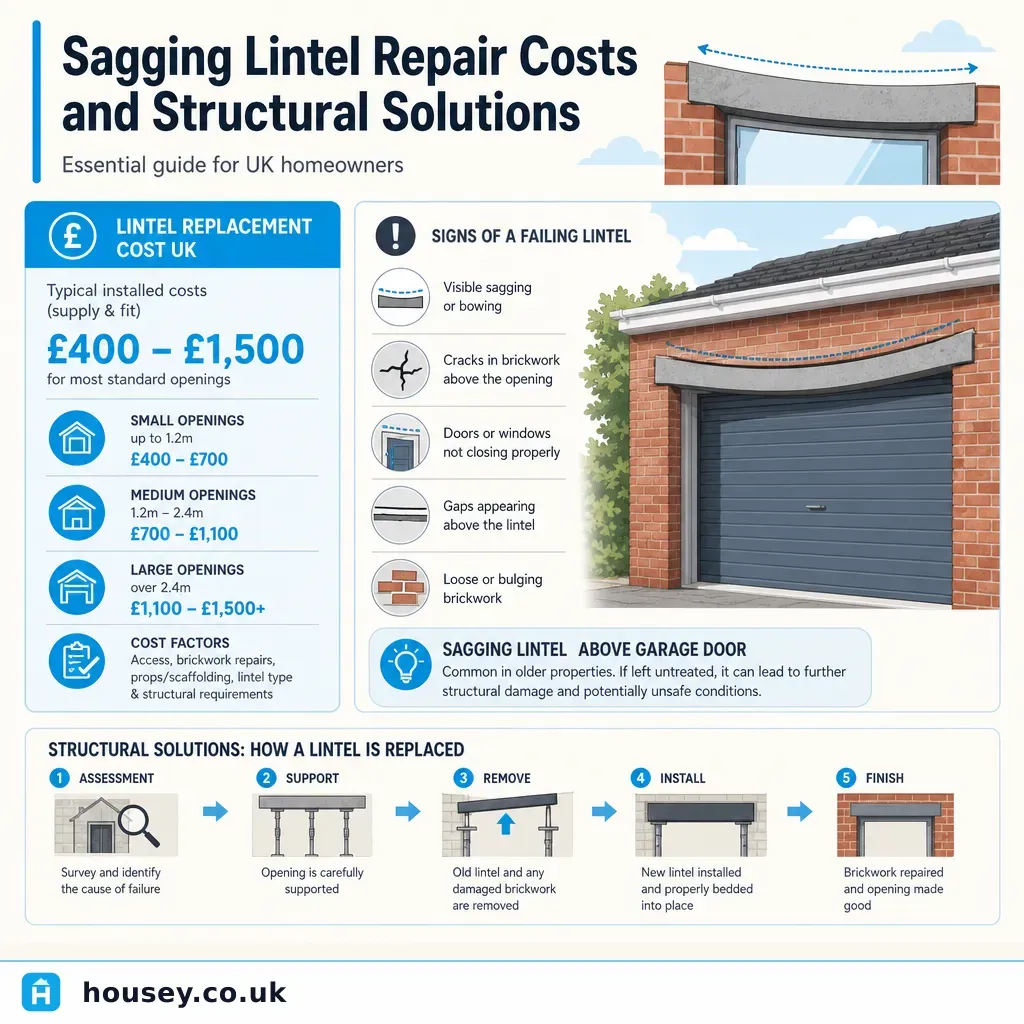
Sagging Lintel Repair Costs and Structural Solutions
A sagging lintel is a structural defect requiring prompt professional assessment.
 Surveys & Inspections
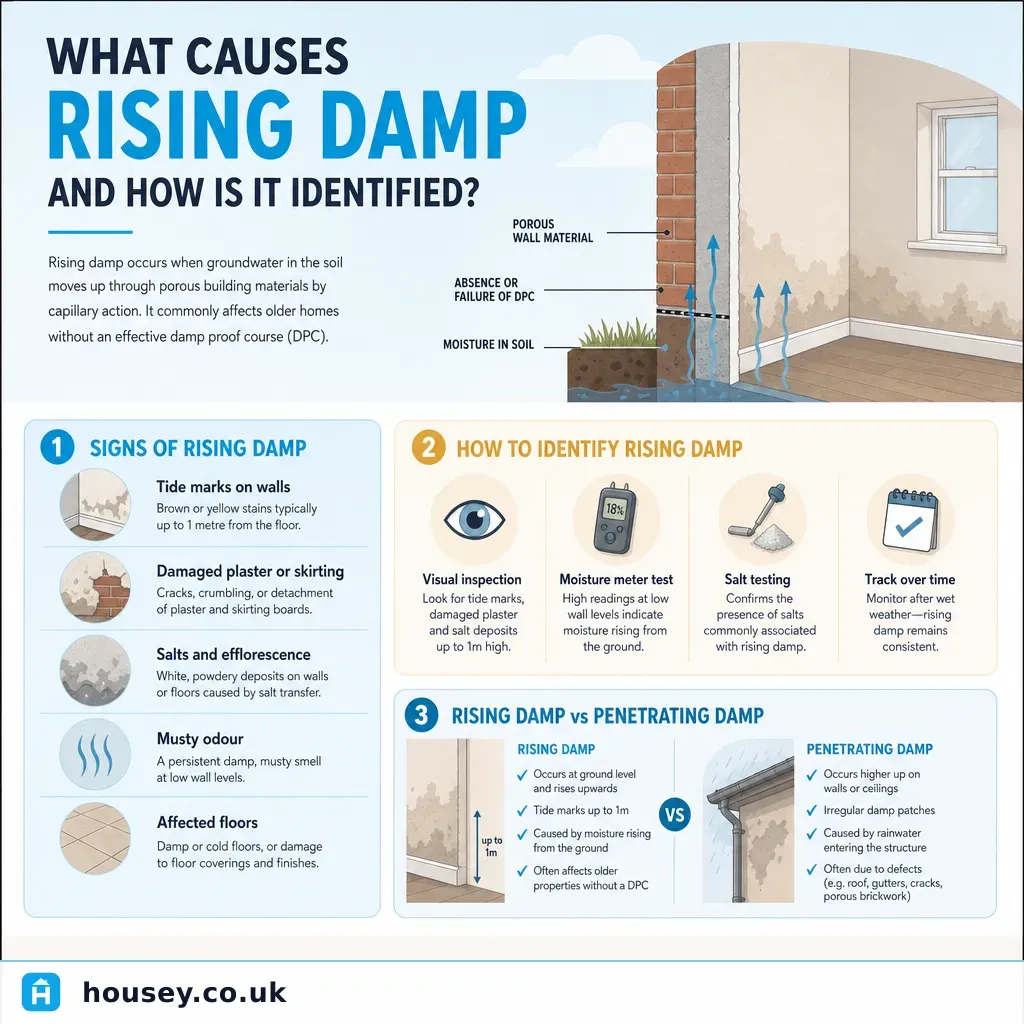
What Causes Rising Damp and How Is It Identified?
Rising damp occurs when groundwater travels upward through masonry via capillary action, usually because the damp-proof course (DPC) has failed, is absent, or has been bridged.