Designing a Sustainable Home from the Ground Up
By Housey · Last reviewed 11th of May 2026
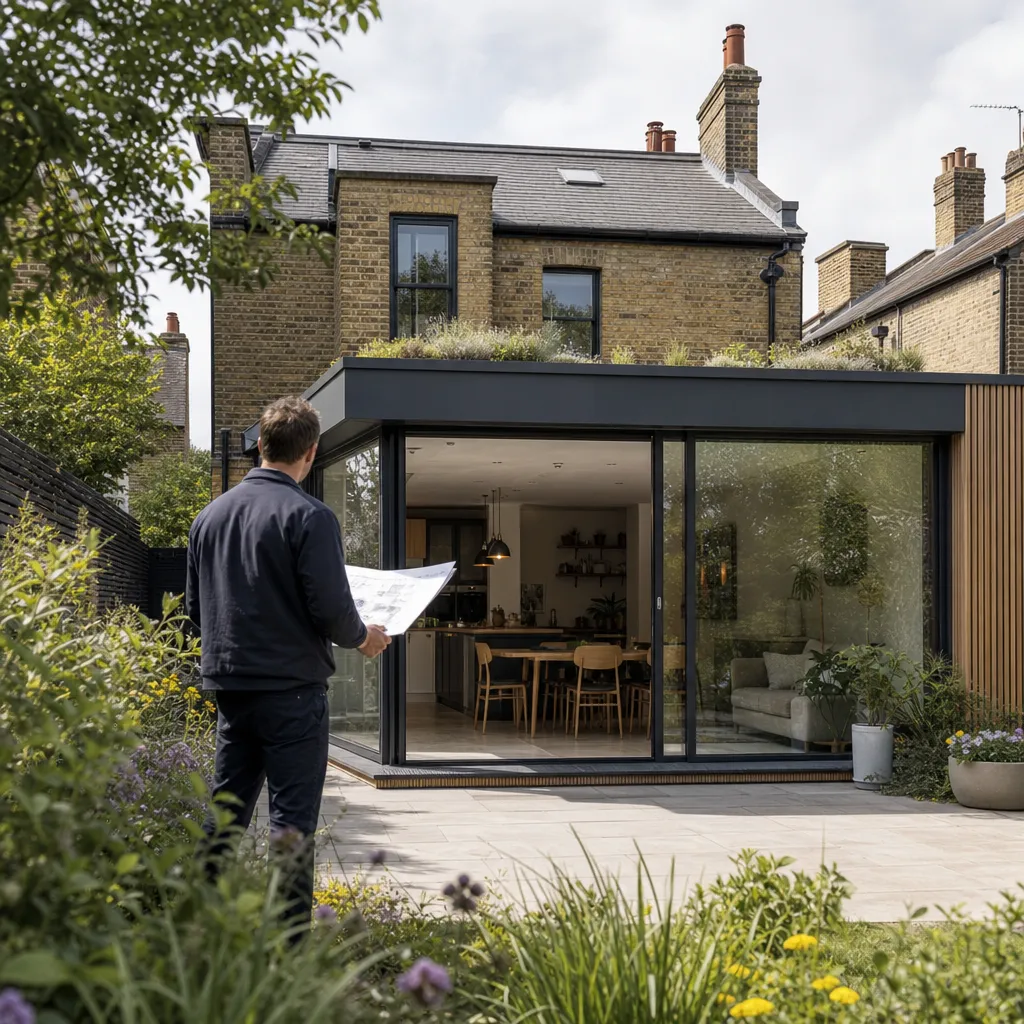
Designing a Sustainable Home from the Ground Up
Designing a sustainable home is no longer the preserve of cutting-edge self-builders with unlimited budgets. UK planning policy, the Future Homes Standard (expected from 2025 onwards), and the growing availability of low-carbon products and qualified designers mean that ecological principles can be built into a project from the very first sketch. Whether you are plotting a new build on a rural plot or preparing a self-build application through the Right to Build Register, the decisions you make at design stage have a disproportionate effect on a building's whole-life energy use, comfort, and environmental impact.
Key points
- The Future Homes Standard will require new homes in England to produce 75–80% less carbon than those built under 2013 Building Regulations; as of 2026, the Part L 2021 uplift (effective from June 2022) is the current baseline, requiring approximately 31% less carbon than the 2013 standard.
- PassivHaus certification, administered in the UK by the Passivhaus Trust, targets a heating demand of no more than 15 kWh/m²/year and air permeability of no more than 0.6 ACH@50Pa — among the most rigorous voluntary standards available.
- Under the Town and Country Planning Act 1990, self-build projects on greenfield or brownfield plots typically require full planning permission; check your local planning authority (LPA) before beginning any design work.
- A Biodiversity Net Gain (BNG) obligation of at least 10% now applies to most new residential development in England — major sites from 12 February 2024 and small sites from 2 April 2024 — under the Environment Act 2021.
- RIBA's Plan of Work (2020 edition) defines eight stages from strategic definition to use; ecological and energy targets should be embedded at Stage 0–1, not retrofitted at Stage 4.
What sustainable design means in UK practice
In UK residential design, 'sustainable' usually encompasses three overlapping goals: reducing operational energy (heating, hot water, lighting); reducing embodied carbon (the carbon locked into materials during manufacture and construction); and limiting environmental impact (land, water, biodiversity, waste). A genuinely sustainable home addresses all three, not just the one that appears on the planning application form.
The most commonly referenced frameworks in UK practice are:
Framework | Focus | Who uses it | Administered by |
|---|---|---|---|
PassivHaus (Classic, Plus, or Premium) | Operational energy, comfort, airtightness | Self-builders, housing associations, some developers | Passivhaus Trust (UK) |
BREEAM Homes / Eco Homes | Broad sustainability: energy, water, materials, ecology | Housing developers, some custom build | BRE Global |
Future Homes Standard | Regulated operational carbon in new-build England | All new residential development in England | MHCLG |
RIBA 2030 Climate Challenge | Whole-life carbon, water, wellbeing | RIBA-chartered practices | RIBA |
Biodiversity Net Gain (BNG) | Ecological impact on site and surroundings | All new development in England | Natural England and local LPAs |
You do not need formal certification for every project, but understanding which standards apply by law (Future Homes Standard, BNG) versus which are voluntary (PassivHaus, BREEAM) helps you prioritise design time and budget.
Choosing the right design team
Sustainable design is a team effort. The architect sets the strategy, but meaningful outcomes depend on the right specialists being engaged at the right stage.
Which professional do I need?
Design need | Professional to appoint | When to appoint |
|---|---|---|
Overall design and planning application | RIBA-chartered architect with low-carbon or PassivHaus experience | RIBA Stage 0–1 |
Site ecology and biodiversity net gain | Ecologist (CIEEM membership recommended) | Before or during pre-application discussion |
Energy modelling and SAP calculations | Energy assessor or low-energy building consultant | RIBA Stage 2–3 |
Ground conditions and foundation design | Chartered structural or civil engineer | RIBA Stage 2–3 |
Drainage, flood risk, and infrastructure | Civil engineer | RIBA Stage 2 |
Whole-life carbon assessment | Specialist carbon consultant or architect with embodied-carbon tools | RIBA Stage 2 (updated at each stage) |
Appoint the full team early. Retrofitting ecological or energy measures at Stage 4 (Technical Design) is significantly more expensive and less effective than embedding them at Stage 1–2. Housey connects you with specialists for environmental surveys and civil engineers suited to sustainable new-build projects.
Key design principles for a sustainable new build
Fabric first
The most cost-effective and durable approach is a high-performance building envelope: thick, continuous insulation; low air permeability; high-quality windows and doors; and thermal bridge-free junctions. A U-value of ≤0.15 W/m²K for walls, ≤0.13 for roofs, and ≤0.80 for windows is achievable in a PassivHaus-inspired design, compared to the Part L 2021 notional values of approximately 0.18, 0.11, and 1.20 respectively.
Airtightness is equally critical. Part L 2021 compliance targets ≤8 m³/(h·m²)@50Pa for the notional building, but best-practice design often targets ≤3 m³/(h·m²)@50Pa and PassivHaus requires ≤0.6 ACH@50Pa. Both higher-performance targets require an air pressure test at completion.
Orientation and passive solar gain
Placing the main glazing on the south elevation and limiting north-facing openings reduces heating demand without adding construction cost. Simple building forms — fewer corners, less surface area relative to floor area — reduce heat loss and embodied material. Ask your architect to model different orientations at Stage 1 before finalising the layout.
Low-carbon heating and hot water
A new build in England will need an alternative to a gas boiler to comply with the Future Homes Standard. Common options include:
- Air source heat pump (ASHP): suitable for most UK climates when the building envelope is well insulated; MCS certification required for the installer.
- Ground source heat pump (GSHP): higher upfront cost, higher efficiency (seasonal coefficient of performance typically 3.5–5.0); requires adequate land or borehole access.
- Mechanical ventilation with heat recovery (MVHR): not a heat source, but essential in airtight homes to supply fresh air and recover warmth; should be designed by a specialist and commissioned to CIBSE guidance.
Materials and embodied carbon
Material choices affect the whole-life carbon of the building, not just its operating energy. Lower-embodied-carbon options include:
- Structural timber frame (factory-fabricated or structural insulated panels, SIPs): stores biogenic carbon during its lifetime.
- Hemp-lime (hempcrete): breathable, hygroscopic, and potentially carbon-negative if the hemp is UK-grown.
- Reclaimed materials: reclaimed bricks, structural steel, and timber reduce extraction demand and embodied energy.
- Lime mortar and render: breathable, repairable, and lower in carbon than Portland cement equivalents.
An architect or structural engineer familiar with these materials should review structural adequacy and warranty implications — NHBC or an architect-certified route — before specification.
Planning and pre-application considerations
Sustainable design features can interact with planning requirements in unexpected ways. Discuss the following with your LPA before submitting:
- Roof-mounted PV: usually permitted development for residential properties, subject to conditions under the Town and Country Planning (General Permitted Development) (England) Order 2015 (GPDO).
- External cladding and natural materials: some LPAs, particularly in conservation areas, impose material palette restrictions that may limit natural cladding or unconventional elevational treatments.
- Green or sedum roofs: generally planning-neutral but may affect structural loading; confirm with your structural engineer and check whether they contribute to BNG calculations.
A pre-application discussion with your LPA is strongly recommended before submitting any application for a new build with unconventional sustainable features.
When to get professional help
Almost all new residential development requires professional design input. Specifically:
- An architect or designer is needed for planning applications and Building Regulations approval
- Energy performance must be calculated by an accredited SAP assessor
- BNG must be assessed and documented by a qualified ecologist
- Structural and foundation design must be signed off by a chartered structural or civil engineer
- Any heat pump installation must be MCS-certified for compliance and to claim the Boiler Upgrade Scheme grant
How Housey can help
Housey connects you with RIBA-chartered architecture practices experienced in sustainable design, as well as specialists for environmental surveys and biodiversity assessments. Our energy-efficiency consultants can help you model the impact and costs of different approaches before you commit to a specification.
Frequently asked questions
Do I need planning permission for a sustainable self-build in the UK?
In most cases, yes. New residential development on greenfield or brownfield land typically requires full planning permission under the Town and Country Planning Act 1990. The Right to Build Register (maintained under the Self-build and Custom Housebuilding Act 2015) can help identify serviced plots, but planning permission is still required for each individual project. Some agricultural conversions have permitted development rights — check with your local planning authority.
What is the Future Homes Standard and when does it apply?
The Future Homes Standard is the regulatory framework for new residential buildings in England intended to eliminate direct fossil fuel heating and substantially reduce operational carbon. It is expected to apply to new planning applications from 2025, with secondary legislation still being finalised as of May 2026. Current new builds must meet the 2021 Part L uplift. Check GOV.UK for the latest position before submitting any application.
How much more does a PassivHaus build cost compared to standard construction?
PassivHaus homes typically carry a construction cost premium of 5–15% over a conventionally built new home of similar size, according to the Passivhaus Trust. However, heating bills can be dramatically lower — sometimes 90% less than an uninsulated equivalent — and occupant comfort is significantly higher. Whole-life cost analysis often favours PassivHaus when future fabric upgrade costs and energy price uncertainty are factored in.
What is biodiversity net gain and does it apply to my self-build?
Biodiversity net gain (BNG) is a legal requirement for most new residential development in England under the Environment Act 2021, mandating at least a 10% improvement in biodiversity versus the pre-development baseline. It applies to major development from 12 February 2024 and small sites from 2 April 2024, with some exemptions. A qualified ecologist must calculate the baseline and improvement, and a habitat management plan must be submitted with the planning application.
Sources and further reading
- Future Homes and Buildings Standards 2023 consultation — GOV.UK
- Approved Document L: Conservation of Fuel and Power (2021) — GOV.UK
- UK PassivHaus guidance and certification — Passivhaus Trust
- Biodiversity net gain guidance — GOV.UK and Natural England
- RIBA Plan of Work 2020 — RIBA
- Air source heat pump guidance — Energy Saving Trust
Useful next reads
 Planning & Pre-Build
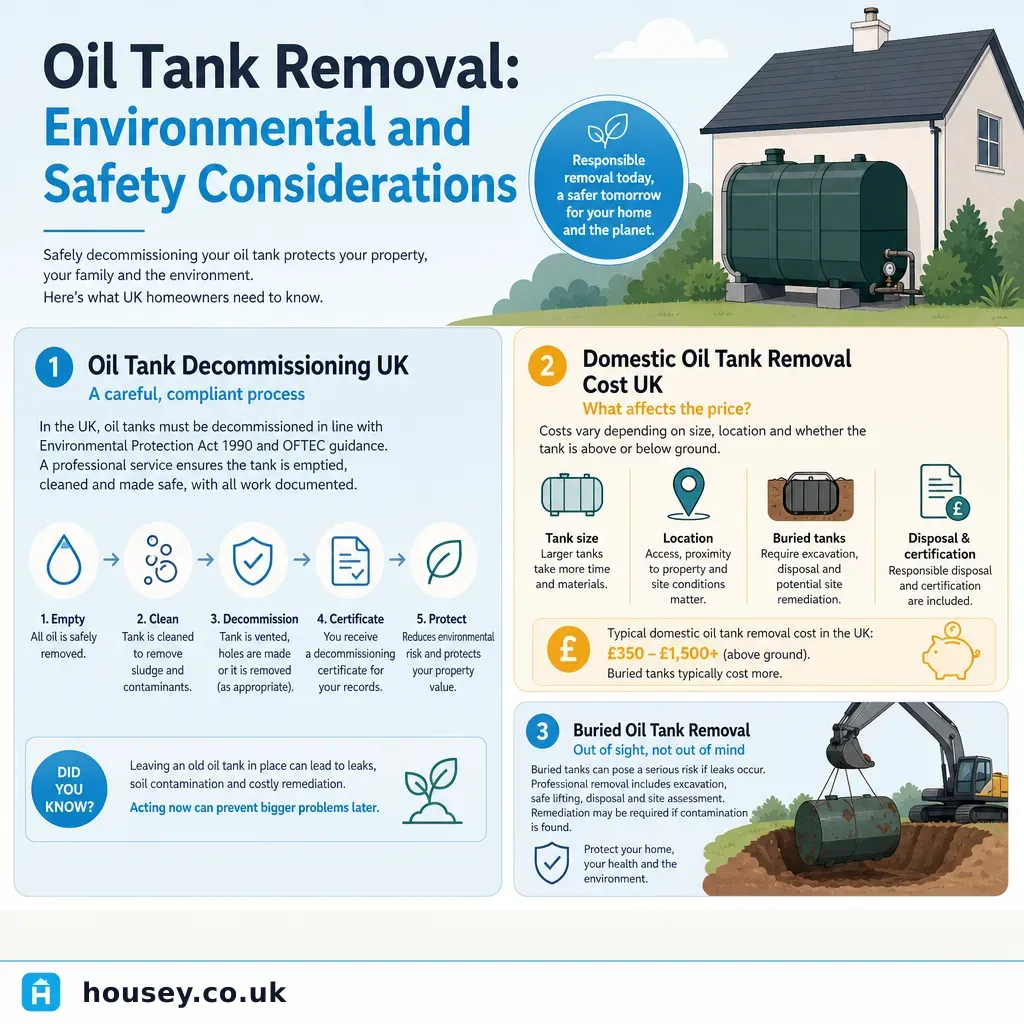
Oil Tank Removal: Environmental and Safety Considerations
Oil tank removal in the UK requires a competent contractor, usually OFTEC-registered, who will safely empty the tank, purge vapours, and dispose of residual fuel as hazardous waste.
 Planning & Pre-Build
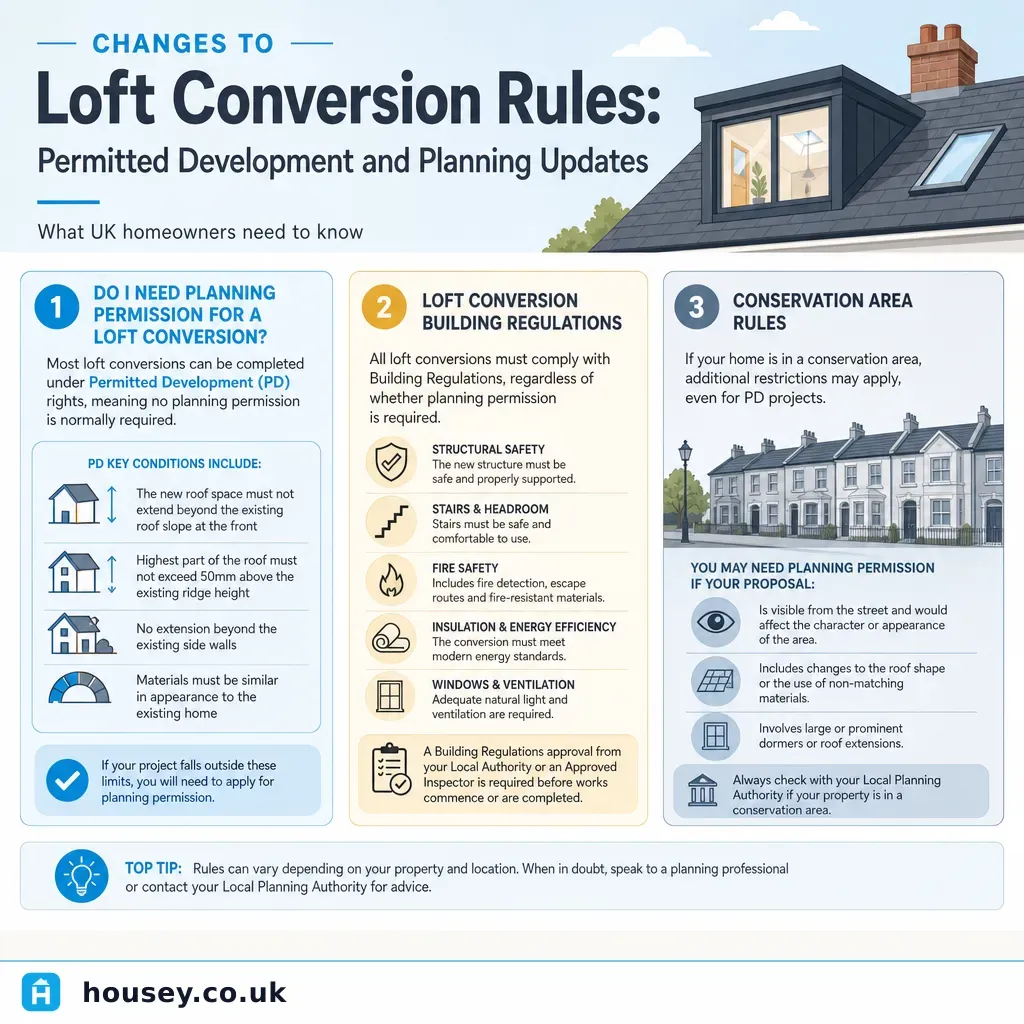
Changes to Loft Conversion Rules: Permitted Development and Planning Updates
In England, most loft conversions on standard houses qualify as Permitted Development under Class B of the GPDO 2015, allowing up to 40 cubic metres (terraced) or 50 cubic metres (detached or semi-detached) without a planning application — if conditions are met.
 Planning & Pre-Build
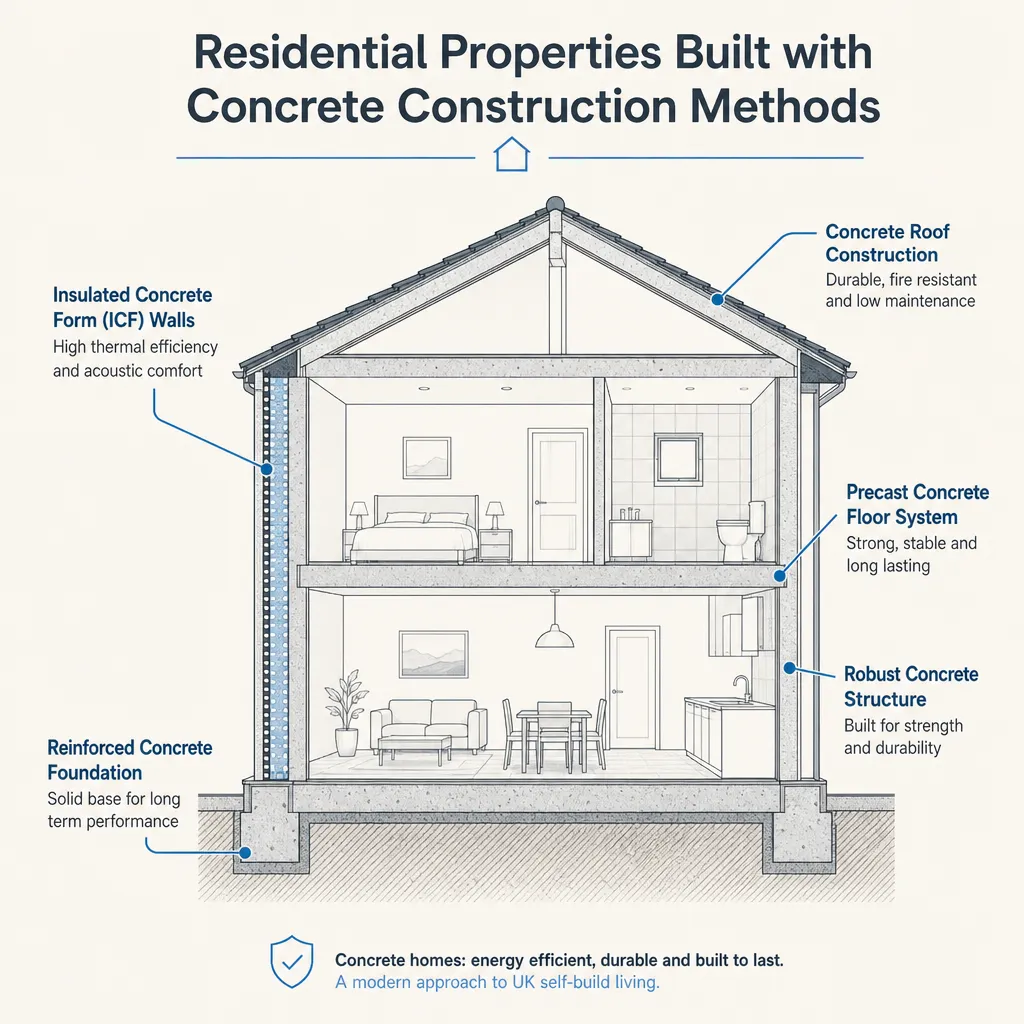
Residential Properties Built with Concrete Construction Methods
UK homes are built using several concrete methods: in-situ cast concrete, precast panel systems, insulating concrete formwork (ICF), and older non-traditional types such as Wimpey No-Fines and Laing Easiform.
 Planning & Pre-Build
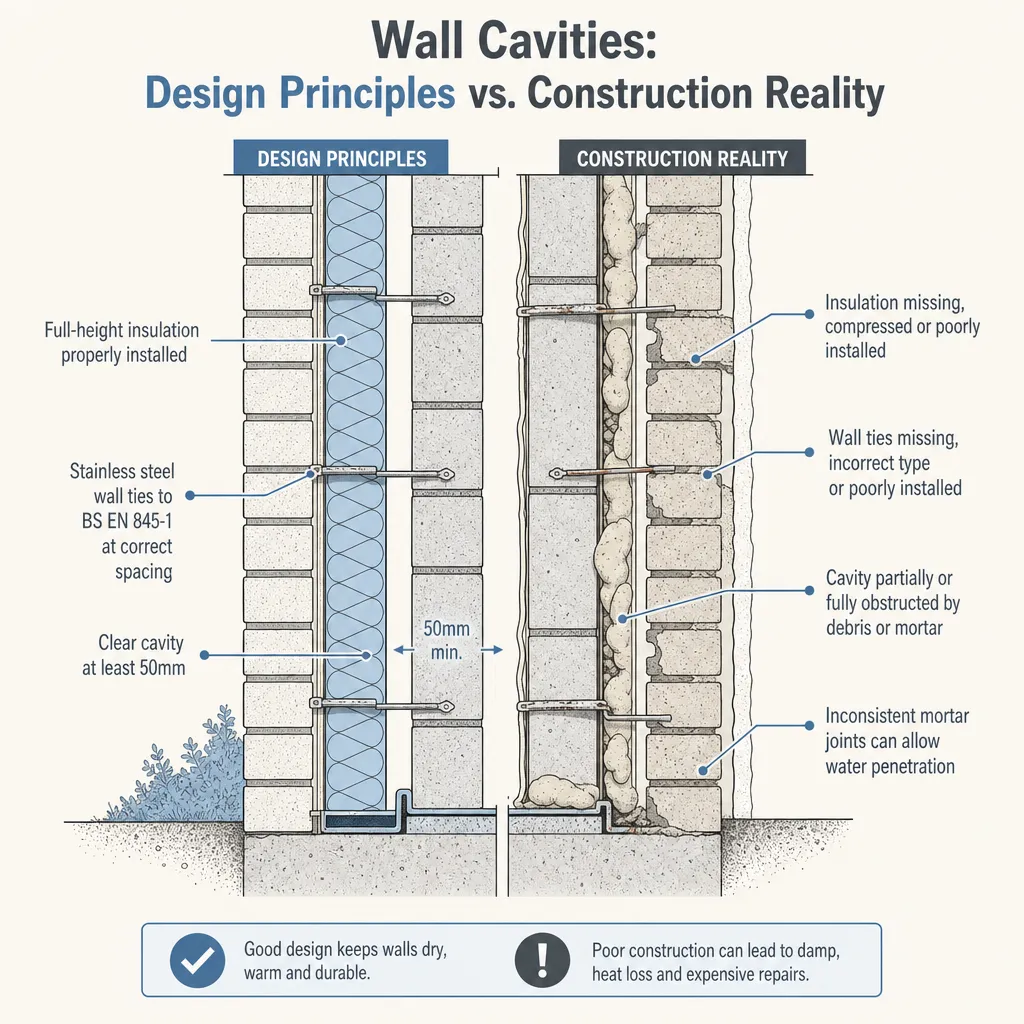
Wall Cavities: Design Principles vs. Construction Reality
A UK cavity wall is designed to resist weather, control heat loss, and structurally link two masonry leaves.
 Planning & Pre-Build
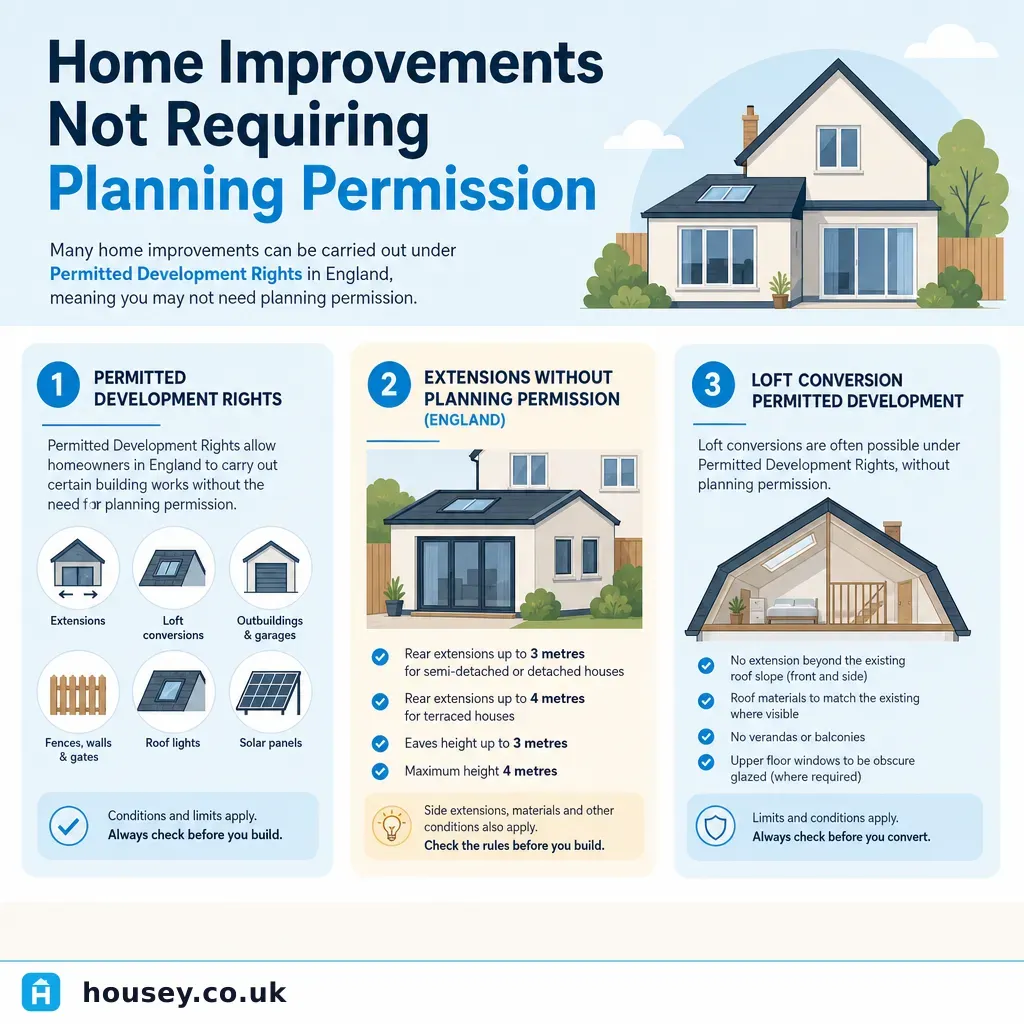
Home Improvements Not Requiring Planning Permission
Many common home improvements in England fall under Permitted Development Rights and do not require a planning application.