Door Jambs: Definition, Function, and Component Details
By Housey · Last reviewed 1st of June 2026
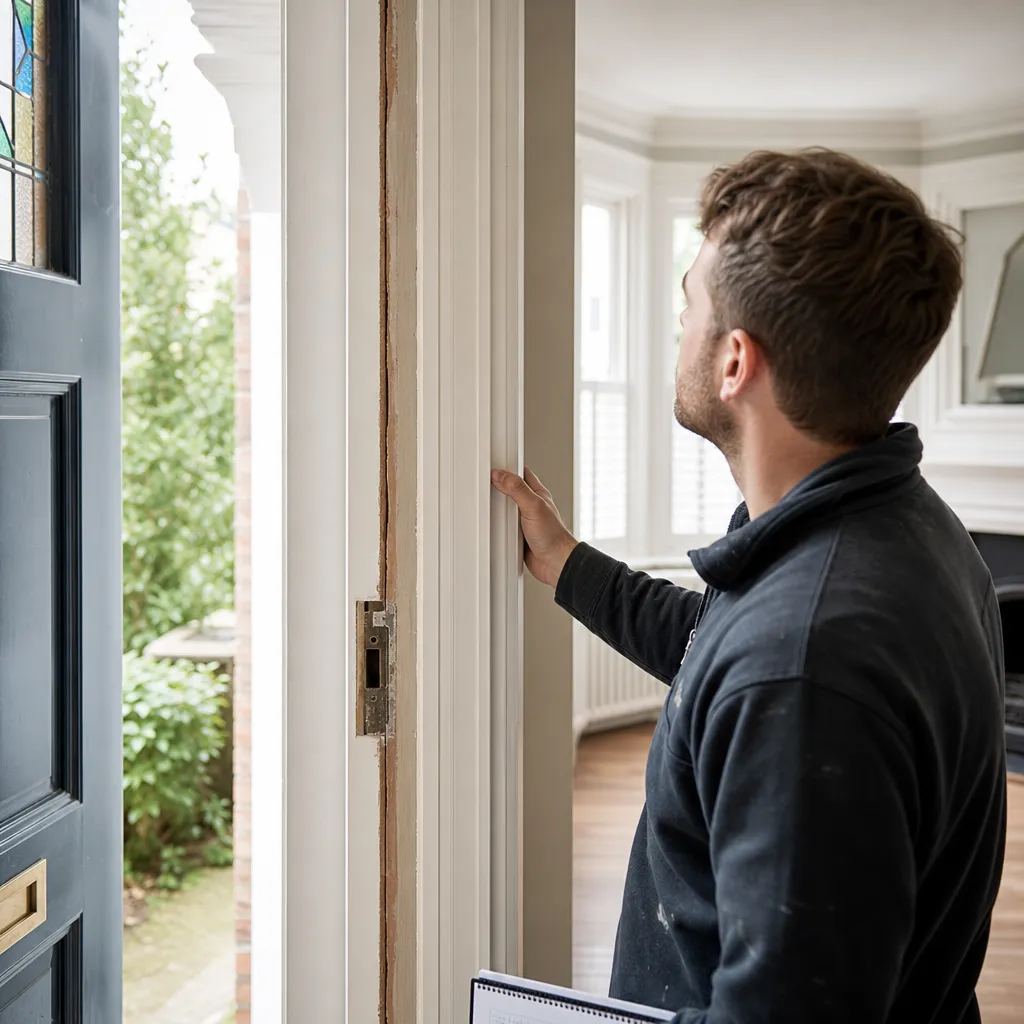
Door Jambs: Definition, Function, and Component Details
Understanding the anatomy of a door frame matters most when something goes wrong — a door that sticks, hinges that pull away from the wall, or a replacement door that simply will not fit. Whether you are planning a new internal door, replacing an external door set, or investigating persistent draughts, knowing what a door jamb is and how it works helps you describe the problem accurately and choose the right professional.
Key points
- A door jamb is one of the two vertical sides of a door frame; the horizontal top piece spanning the opening is called the head.
- The hinge jamb carries the door's hinges; the strike jamb (or latch jamb) houses the strike plate that receives the latch bolt and deadbolt.
- Internal doors in UK homes typically use a softwood door lining (MDF or pine), while external doors use a rebated hardwood, composite, or aluminium frame.
- The door stop — a rebate or applied timber strip on the jamb face — controls how far the door closes and where it sits within the frame.
- Approved Document M (2015 edition) sets a minimum 775 mm clear-opening width for new dwellings in Category 1 (visitable), a requirement that directly affects jamb placement during new-build and conversion work.
What is a door jamb?
A door jamb is a vertical structural member forming one side of a door opening. Every standard door has two jambs: one on the hinge side and one on the latch (or strike) side. Together with the head — the horizontal piece spanning the top of the opening — they form the door frame or door lining that the door leaf hangs within.
In UK trade terminology, a distinction is drawn between a door lining and a door frame:
Feature | Door Lining | Door Frame |
|---|---|---|
Typical use | Internal doors | External doors |
Common material | Softwood (pine) or MDF | Hardwood (oak, sapele), composite, aluminium, or steel |
Door stop | Applied separately or machined in | Usually rebated (integral) |
Structural role | Spans the full wall thickness | Rebated, often with weatherseal groove |
Typical UK format | Flat-pack lining sets | Pre-hung door sets |
Durability expectation | 20–40+ years (interior) | 30–60+ years (exterior, depends on material) |
For most mid-20th-century and newer UK homes, internal door linings are softwood. Victorian and Edwardian properties often have original hardwood frames that are worth preserving.
Parts of a door jamb: a component breakdown
A jamb is not a single plain board. It is made up of or incorporates several elements.
The jamb body is the main vertical board that fills the depth of the wall. In a standard internal lining set, the jamb width matches the wall thickness — for example, 107 mm for a 100 mm stud partition with plasterboard on each face.
The door stop is a rebate or applied strip against which the door closes. On a rebated frame this is machined in; on a plain lining set, a separate stop bead is pinned in place after the door is hung. The stop position must align with the hinge positions.
The hinge recesses (mortises) are cut into the hinge jamb to accept the hinge leaves flush with the jamb face. Standard residential doors in the UK use two or three hinges; fire doors require a minimum of three hinges, typically CE-marked ball-bearing hinges to BS EN 1935.
The strike plate recess sits on the latch jamb. The strike plate is mortised or face-fixed to receive the latch bolt and deadbolt, and its position must align precisely with the door lock.
The weatherseal groove — on external door frames — accepts a compression or brush weatherstrip that seals the gap when the door is closed. Deterioration of this seal is a common cause of draughts and heat loss at external doors.
The architrave (casing) is the decorative moulding pinned over the junction between the jamb and the wall plaster. It is not structural but covers the gap and is often the first element to show movement or settlement cracks.
Which way does the door jamb face?
The hinge jamb and the strike jamb sit on opposite sides of the opening. When ordering a new door or door set you will need to specify the door hand — whether the door is left-hand hung or right-hand hung — which determines which jamb carries the hinges. Door hand is conventionally described from the side from which the door opens towards you.
Getting the hand wrong when ordering a pre-hung door set is a common and easily avoided mistake. Always confirm the hand with your supplier before placing an order.
Which type of frame do you need?
- Choose a softwood door lining set if the door is internal, the opening is a standard stud or masonry partition, and the door will not be a fire door.
- Choose a hardwood or engineered door frame if the door is internal but in a high-traffic or high-humidity location such as a utility room or kitchen, or if aesthetics require it.
- Choose a rebated external door frame if the opening is external and weatherproofing, thermal performance, and security are priorities.
- Ask a window and door installer if the existing frame shows signs of rot, movement, or damage; if the opening needs widening; or if you are fitting a composite or aluminium door set that requires specialist installation.
- Check Approved Document M if the property is a new build or undergoing material change of use and must meet visitability requirements for doorway clear-opening widths.
Common problems with door jambs
Twisting or warping — timber linings can move with seasonal moisture changes, causing the door to bind or develop an uneven gap. Minor seasonal movement is normal; persistent binding suggests the lining has moved beyond tolerance and may need re-fixing or replacement.
Hinge pull-out — if the jamb is not secured adequately to the structural reveal, repeated use can cause screws to work loose. Fitting longer screws that bite into the structural masonry or stud usually resolves this.
Rot at the base — external door frames are most vulnerable at their foot where the jamb meets the sill. Once rot penetrates beyond the surface, replacement of the affected section or the full frame is usually necessary.
Out-of-square opening — settlement, subsidence, or poor original installation can cause the head and jambs to fall out of square, preventing the door from latching or closing uniformly. The underlying structure should be investigated before a new frame is installed.
Homeowner checklist: assessing door jamb condition
Before instructing a professional, work through this checklist:
Any 'no' answer is worth investigating before it becomes a larger repair.
When to get professional help
Most homeowners can replace an architrave or re-fix a loose door stop. Frame replacement — particularly on external doors — is more involved: it requires removing the existing door set, making good the structural reveal, and achieving a level, plumb, and square installation.
Get professional help if:
- The structural opening appears out of square by more than 5 mm over the door height.
- Timber at the base of an external jamb is soft, discoloured, or crumbling.
- You are replacing a fire door (FD30 or FD60) — door sets must be installed as a certified assembly, and improper installation invalidates the fire-resistance rating.
- The property is listed or in a conservation area — alterations may require consent from your local planning authority.
- The new door set involves a structural alteration to the wall opening.
How Housey can help
If you need a new door set measured, supplied, and fitted to the correct standard, window and door installers on Housey can assess your opening, recommend the right frame type, and handle installation. Submit a quote request to receive responses from local installers who work with internal and external door sets.
Frequently asked questions
What is the difference between a door jamb and a door frame?
The term 'door frame' usually refers to the complete assembly of two vertical jambs and a horizontal head. A 'jamb' is specifically one of the two vertical sides — either the hinge jamb or the strike jamb. In everyday use the terms are often interchangeable, but tradespeople use 'jamb' to mean a single vertical member.
What width should a door jamb be in the UK?
Jamb width should match the full wall thickness. For a standard 100 mm stud partition with two layers of 12.5 mm plasterboard, this is typically 125 mm. For a 215 mm brick wall with insulation and plasterboard, the jamb will be considerably deeper. Lining sets are usually available in adjustable widths or can be ripped to size on site.
Can I fit a door lining myself?
Internal door lining sets are a common DIY task for a homeowner with basic carpentry skills. The critical steps are getting the head level, the jambs plumb, and the opening square before fixing. External door frames and fire-door assemblies are better left to qualified installers to ensure performance standards and certification requirements are met.
Do fire doors require special jambs?
Yes. A fire-door assembly — door leaf, frame, hinges, smoke seals, and hardware — must be installed as a certified system to BS 476 Part 22 or EN 1634-1. The jambs and head must be part of the certified door set and installation must follow the manufacturer's instructions to maintain the fire-resistance rating. Use a suitably experienced installer for all fire-door work.
Sources and further reading
- Approved Document M: Access to and use of buildings — GOV.UK
- Approved Document B: Fire safety — GOV.UK
- Draught-proofing your home — Energy Saving Trust
Useful next reads
 Improvement & Build
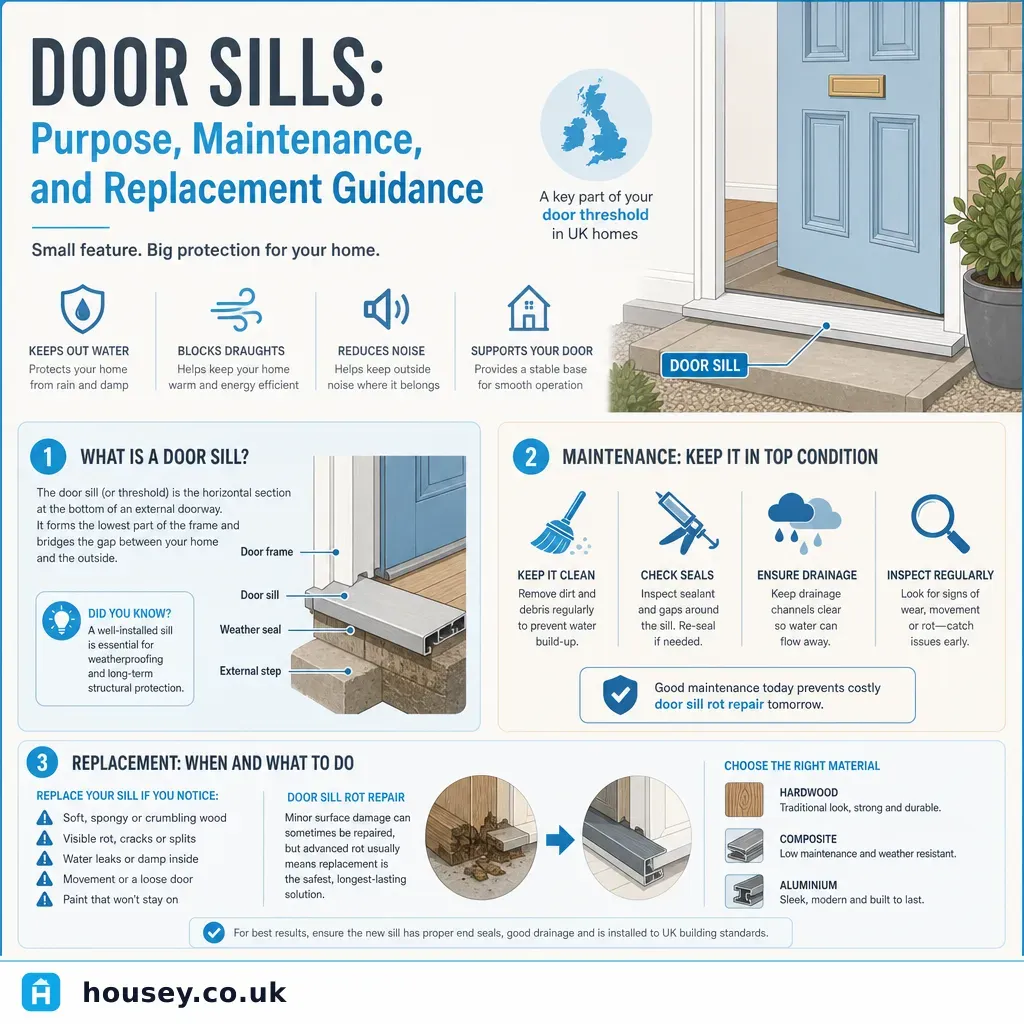
Door Sills: Purpose, Maintenance, and Replacement Guidance
A door sill — also called a threshold — is the horizontal component at the base of an external door frame.
 Improvement & Build
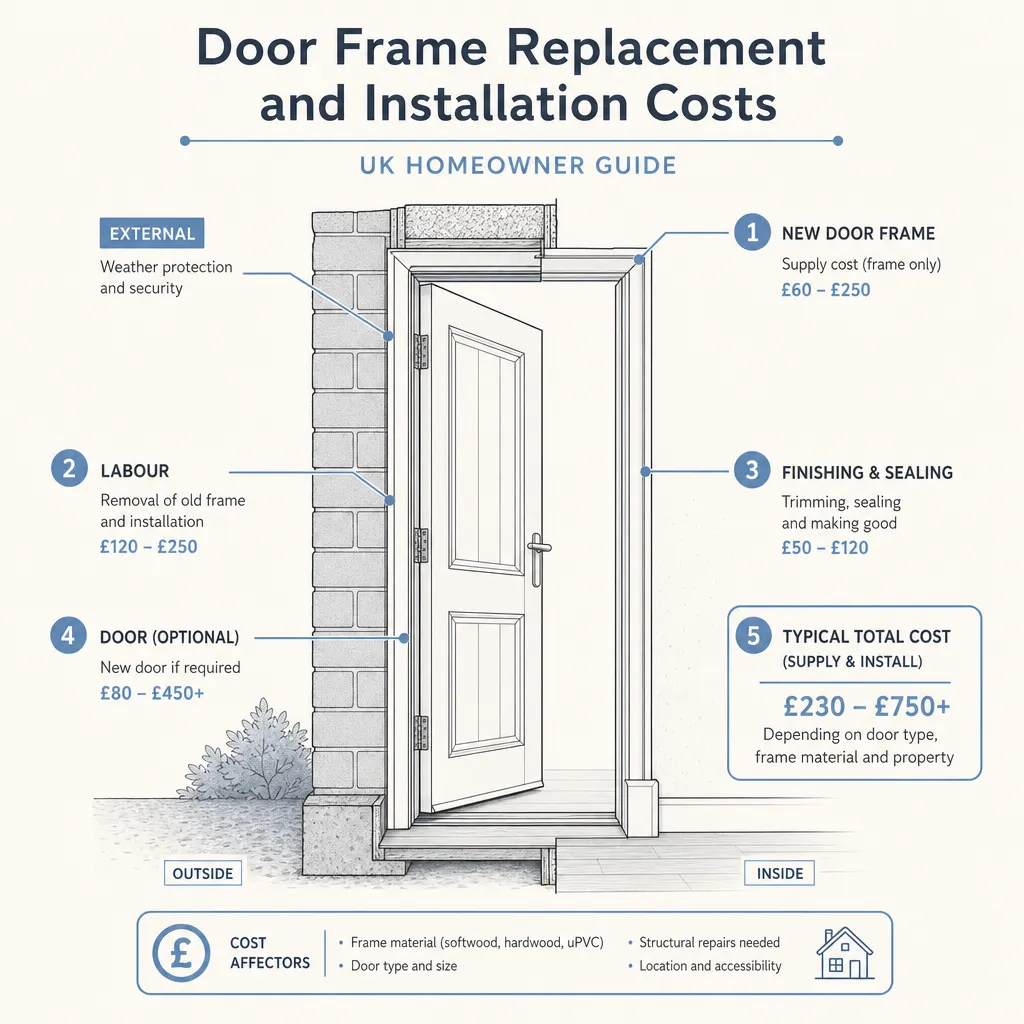
Door Frame Replacement and Installation Costs
Replacing an internal door lining in the UK typically costs £100–£300 including labour; an external door frame costs £300–£800 for softwood or UPVC and £600–£1,500 or more for hardwood or composite.
 Improvement & Build
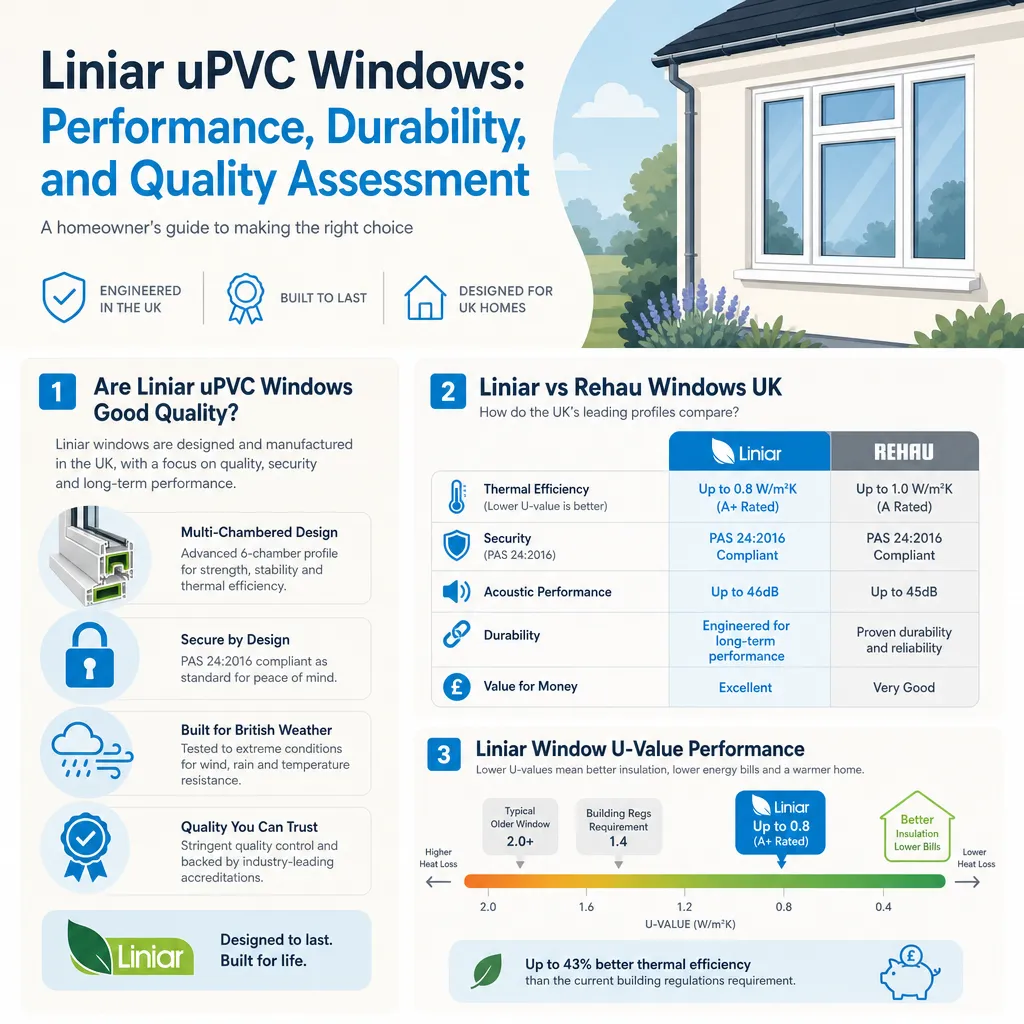
Liniar uPVC Windows: Performance, Durability, and Quality Assessment
Liniar uPVC window profiles are manufactured in the UK using multi-chambered, foamed frames.
 Improvement & Build
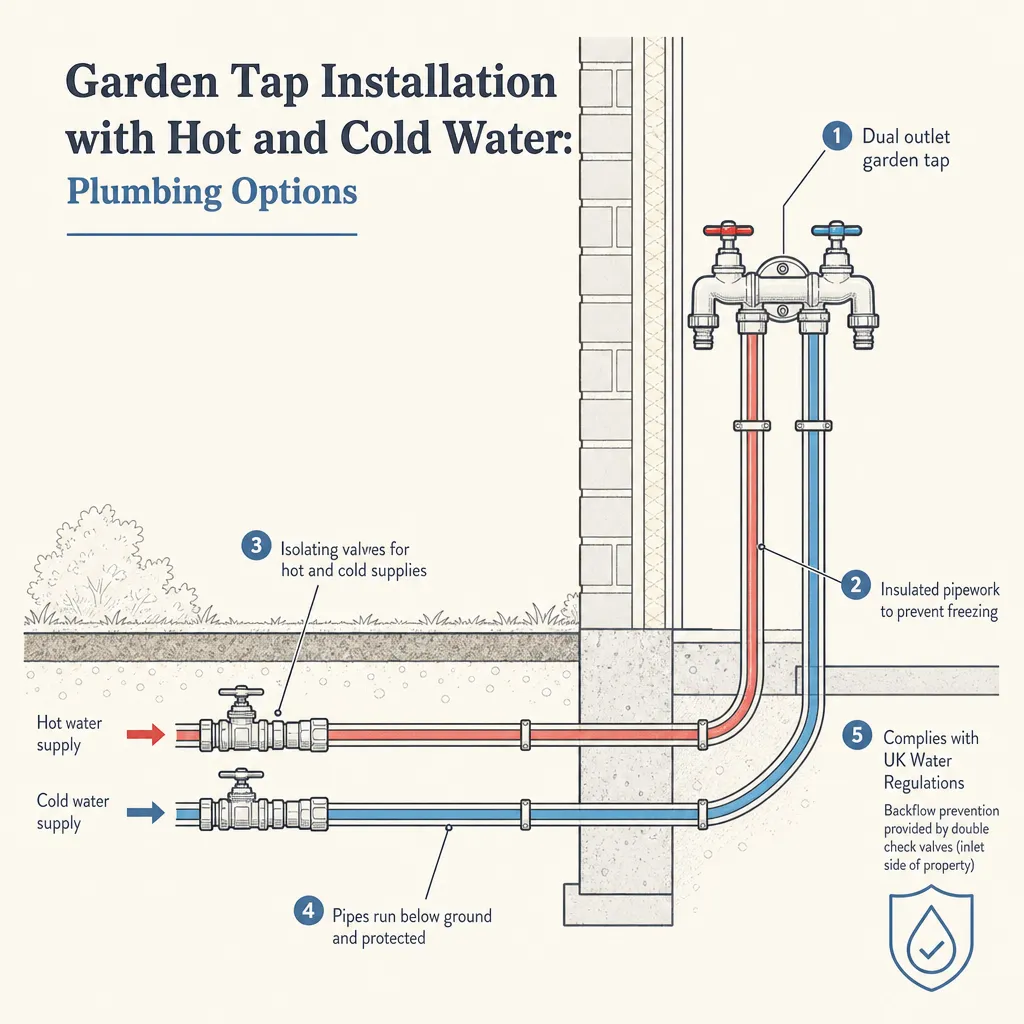
Garden Tap Installation with Hot and Cold Water: Plumbing Options
Adding a cold garden tap is a common DIY project, but routing hot water outdoors requires a plumber to connect to your domestic hot water system and comply with the Water Supply (Water Fittings) Regulations 1999.
 Improvement & Build
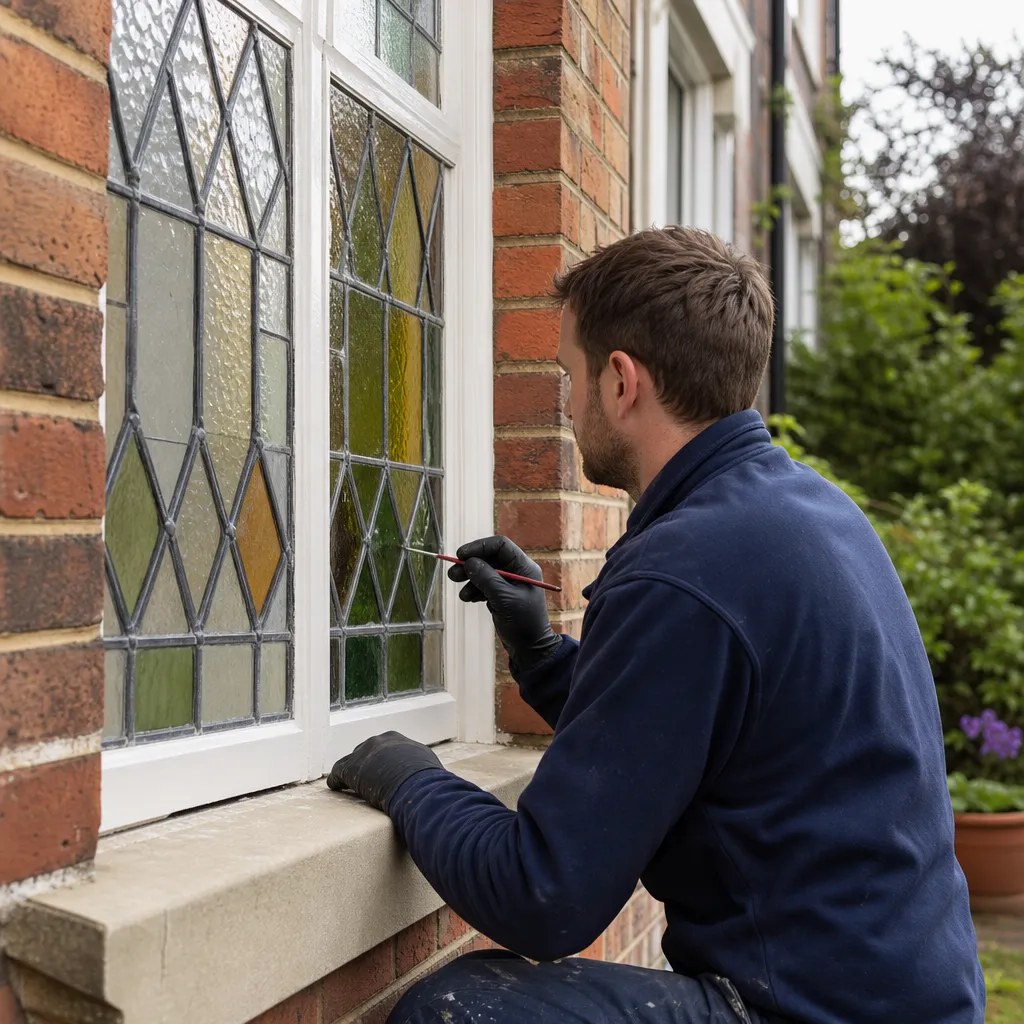
Sealing and Maintaining Historic Leaded Glass Windows: Preservation and Performance
Leaded glass windows are maintained using traditional linseed oil cement — not silicone or modern sealants, which prevent natural movement in the lead came.