Door Weatherproofing And Sealing: Window And Door Contractors
By Housey · Last reviewed 31st of May 2026
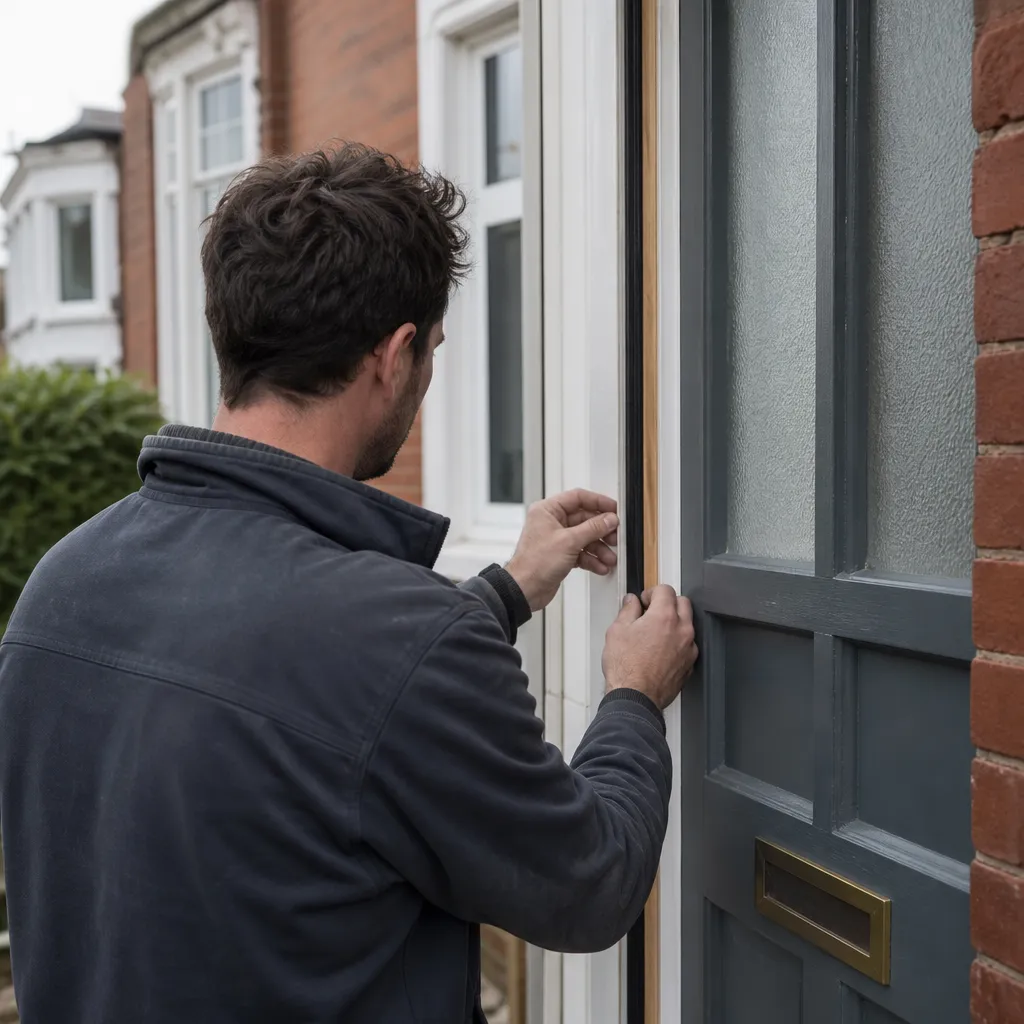
Door Weatherproofing And Sealing: Window And Door Contractors
Draughty external doors are one of the most straightforward energy-efficiency problems to address in a UK home, yet worn or failed seals are often overlooked until heating bills climb or cold patches become hard to ignore in winter. Whether the issue is a Victorian timber front door, a 1980s UPVC door with a failing compression gasket, or a newer composite door with a degraded threshold seal, matching the right product to the door type and its condition is the starting point for an effective and lasting fix.
Key points
- Replacing draught seals on external doors does not require planning permission in England under permitted development rights; replacing the door itself in a conservation area or listed building may require consent from your local planning authority.
- The Energy Saving Trust estimates that draughtproofing a whole home can save around £45–£60 per year (indicative UK costs, last reviewed 2026-05-31), with door and window seals contributing a meaningful share.
- UPVC and composite door rubber compression gaskets typically last 10–20 years before cracking or shrinking; replacement gaskets must match the original door profile precisely to seal correctly.
- Fire doors (FD30 or FD60) require intumescent seals as well as draught seals — these are life-safety products and must not be replaced with standard draught seals lacking intumescent properties.
- British Standard BS 6375-1:2009 sets the performance classification for weather resistance of windows and external doors — a useful reference when assessing existing performance or specifying replacements.
Types of door weatherseal and where they are used
Effective door weatherproofing requires addressing all four sides — the head, two jambs (sides), and the threshold (bottom). Different products suit different door types and locations:
Seal type | Where fitted | Best for | Typical lifespan |
|---|---|---|---|
Self-adhesive foam strip | Head and jambs | Low-cost temporary fix; small gaps | 1–3 years |
Brush pile draught seal | Head, jambs, and letterbox | Timber and UPVC doors; tolerates minor movement | 5–10 years |
Rubber compression gasket | UPVC or composite frame rebate | Factory-profile replacement on UPVC and composite doors | 10–20 years |
Aluminium threshold seal (surface-fixed) | Threshold, screwed to floor | Permanent seal on hard floors; external doors | 10–15 years |
Automatic drop-down bottom seal | Bottom edge of door leaf | High-performance external doors; acoustic situations | 10–20 years |
Letterbox brush seal | Letterbox aperture | All external doors with letterboxes | 3–7 years |
Intumescent strip with smoke seal | Door frame rebate | Fire doors (FD30 or FD60) — mandatory, not optional | 10–20 years (check manufacturer) |
How to assess your door's weatherproofing
Before purchasing products or commissioning a contractor, carry out a basic audit of your external door:
- Visual inspection: Look at all four edges of the closed door. Can you see daylight around the frame? Is any existing seal cracked, flattened, missing sections, or pulling away from the frame?
- Feel test: On a windy day, run your hand around the door frame, letterbox, threshold, and keyhole escutcheon. Cold air infiltration is usually noticeable at these points.
- Compression check: For UPVC and composite doors, close the door and check whether the gasket compresses evenly all the way around. Uneven compression suggests a failed seal or a door that needs alignment adjustment.
- Threshold gap test: Close the door and check the gap at the bottom. A gap visible to the eye — or where a piece of paper slides easily — needs addressing with a threshold or door bottom seal.
- Door alignment check: If the door binds, drops toward the latch side, or has a visibly uneven gap around the frame, the door may be warped or the hinges may have dropped. Correct alignment before fitting new seals, or the seals will not perform as intended.
DIY or professional installation?
Many standard draught seal products — self-adhesive brush strips, surface-fixed threshold seals, and letterbox brushes — can be fitted by a capable DIYer in a couple of hours. Professional installation is worth commissioning when:
- UPVC or composite door gaskets have failed: Replacing the compression gasket requires identifying the correct profile for the door manufacturer's specification. Incorrect profiles will not compress or seal correctly.
- The door is dropping or misaligned: A drop seal will not compensate for a door that has dropped on its hinges or warped. A professional installer can adjust hinges, reposition the striker plate, or advise whether door replacement is the more cost-effective option.
- The door frame is rotten or damaged: No seal performs well against a damaged frame. Frame repair or replacement may be needed before new seals are worthwhile.
- High-performance or accessible thresholds are required: Flush threshold systems required under Building Regulations Part M (accessibility) need precise fitting to function correctly.
- The door is a fire door: Intumescent and acoustic seals on FD30 and FD60 fire doors are life-safety products and must be fitted by someone who understands the door's original fire certification.
Homeowner weatherproofing checklist
Work through this checklist before starting work or commissioning a contractor:
What to ask before accepting a quote
When engaging a window and door contractor for professional seal installation or door adjustment:
- What products do you supply, and can you provide the manufacturer's specification sheet for the seals?
- Is the threshold seal surface-fixed or morticed into the floor — and which is appropriate for my door and floor finish?
- If the door needs adjustment or rehinging, is that included in the price or quoted separately?
- For UPVC or composite doors: can you source the correct gasket profile for my specific door, and how will you confirm the match before ordering?
- Does the quote include removing the existing seal and preparing the channel or rebate before fitting the replacement?
- Is VAT included in the price?
- Do you offer a warranty on parts and labour, and for how long?
When to get professional help
Most draught seal replacement is straightforward, but consult a professional if:
- Cold air persists after new seals are fitted — this may indicate frame gaps, structural movement, or poorly seated seals rather than just failed products.
- The door frame shows signs of rot, movement, or settlement at the corners or head.
- The door is fire-rated — intumescent seal replacement is a life-safety task and must comply with the door's original fire rating certificate.
- You are unsure whether UPVC or composite door hinge adjustment is needed before new seals will be effective.
- You are considering replacing the door entirely and the property is listed or in a conservation area.
How Housey can help
Housey connects you with local window and door installers who can assess your door's performance, specify the correct seal products for your door type and condition, and provide professional fitting. Describe the door and the problems you are experiencing to receive competitive quotes from vetted professionals in your area.
Frequently asked questions
Does draughtproofing my door qualify for any grant funding?
Draught proofing is listed as an eligible measure under the Energy Company Obligation (ECO4) and may be covered under the Great British Insulation Scheme (GBIS) for qualifying households, though both schemes primarily target insulation. Check current eligibility on GOV.UK or contact your energy supplier. The Energy Saving Trust home advice line can also help identify which measures qualify for your property and circumstances.
How long do UPVC door seals last?
UPVC door rubber compression gaskets typically last 10–20 years, but UV exposure, extreme temperature variation, and heavy daily use can cause cracking, hardening, or shrinkage earlier. If your UPVC door feels noticeably draughtier than it did before, or if you can see the gasket pulling away from the frame, it is likely due for professional assessment and replacement.
Can I replace the seal on a fire door myself?
Fire door seals include intumescent strips that expand under heat to seal gaps during a fire, as well as draught and acoustic seals. Replacing these with incorrect products can compromise the door's fire rating. Replacement should be carried out by someone familiar with the door's certification, using products confirmed as compatible with the door's FD30 or FD60 rating.
Will new door seals make a noticeable difference to my energy bills?
The Energy Saving Trust indicates that draughtproofing the whole home can save around £45–£60 per year. The contribution of door seals depends on the original draughtiness and how many openings are addressed. The most noticeable immediate benefit is usually a reduction in cold draughts and improved comfort rather than a dramatic standalone change in energy bills.
Sources and further reading
- Draught proofing guidance — Energy Saving Trust
- Great British Insulation Scheme — GOV.UK
- Energy Company Obligation (ECO4) — GOV.UK
- Approved Document M: Access to and use of buildings — GOV.UK
Useful next reads
 Improvement & Build
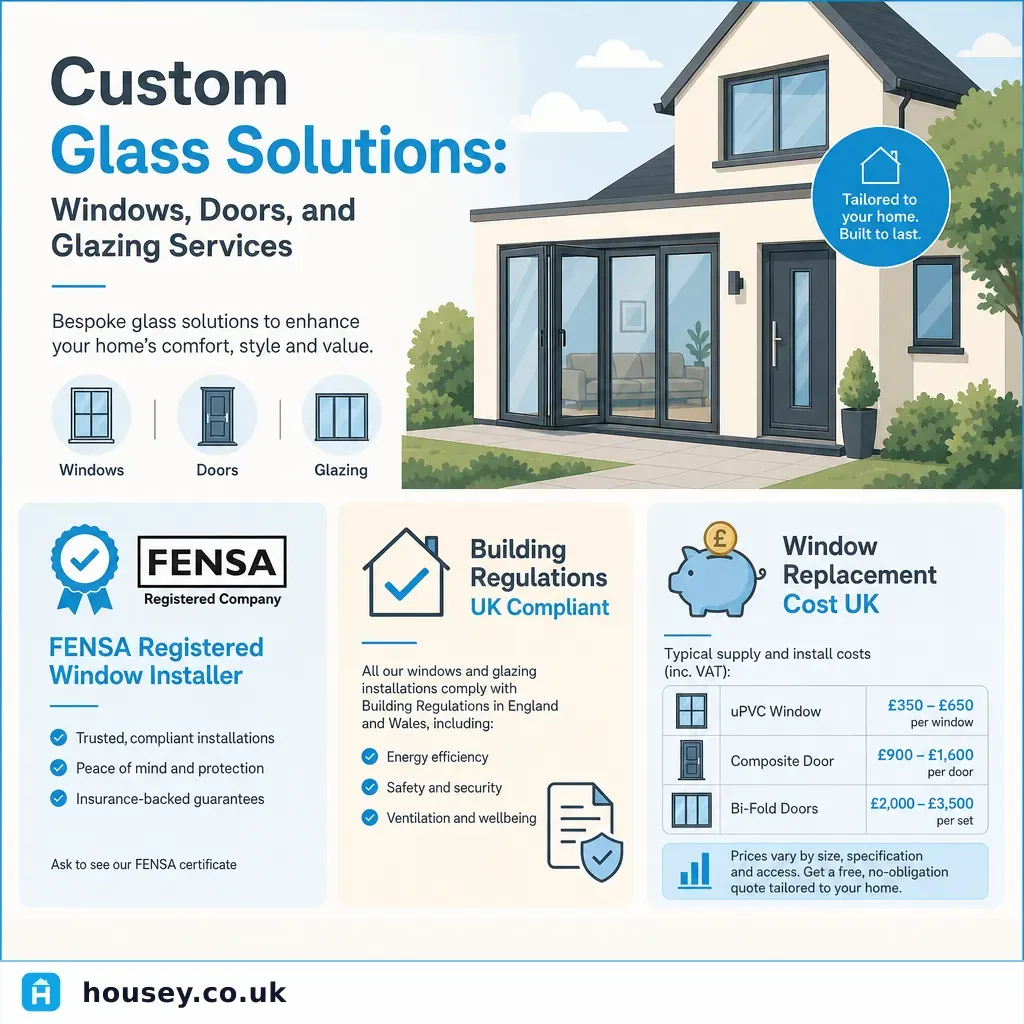
Custom Glass Solutions: Windows, Doors, and Glazing Services
Replacement windows and doors in England and Wales must comply with Building Regulations Approved Document L (2022), requiring a whole-window U-value of 1.
 Improvement & Build
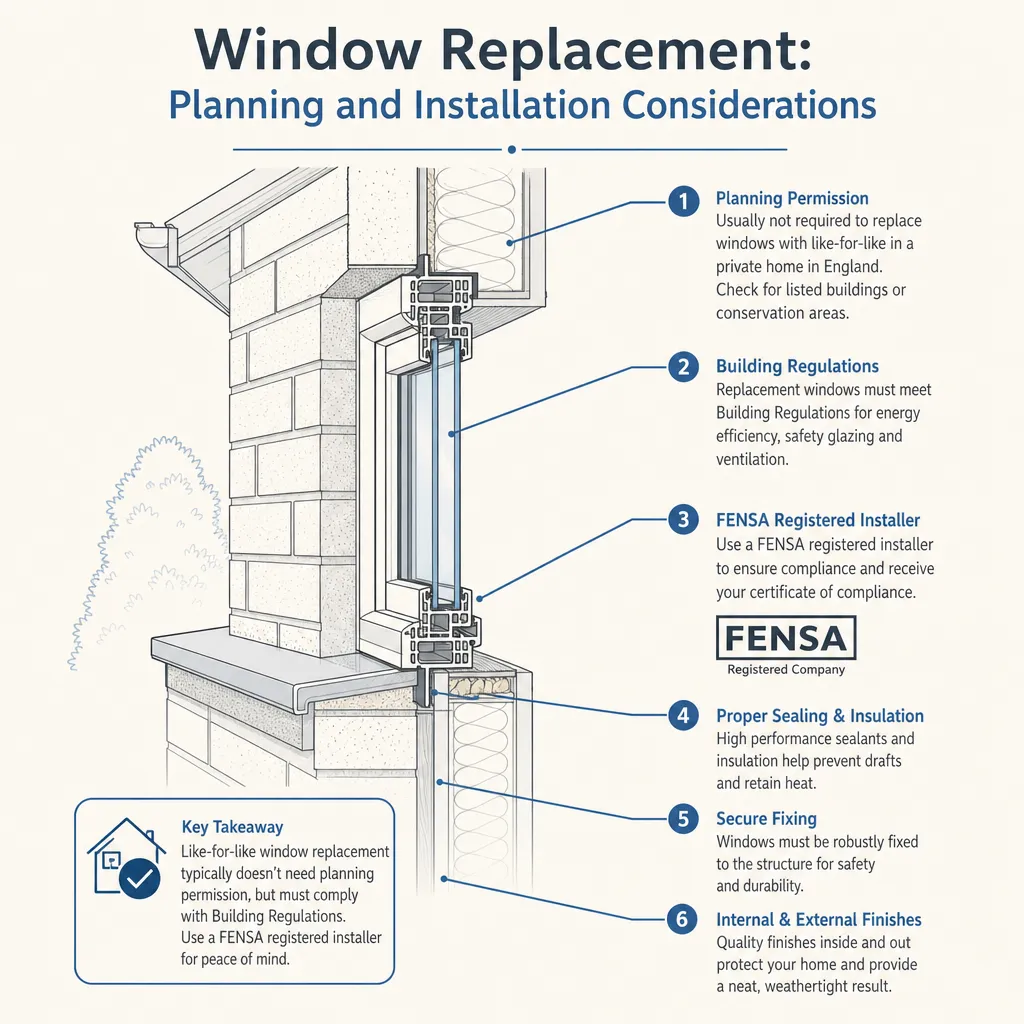
Window Replacement: Planning and Installation Considerations
Most window replacements in England fall under permitted development and do not need planning permission, though listed buildings, flats, and conservation areas are exceptions.
 Improvement & Build
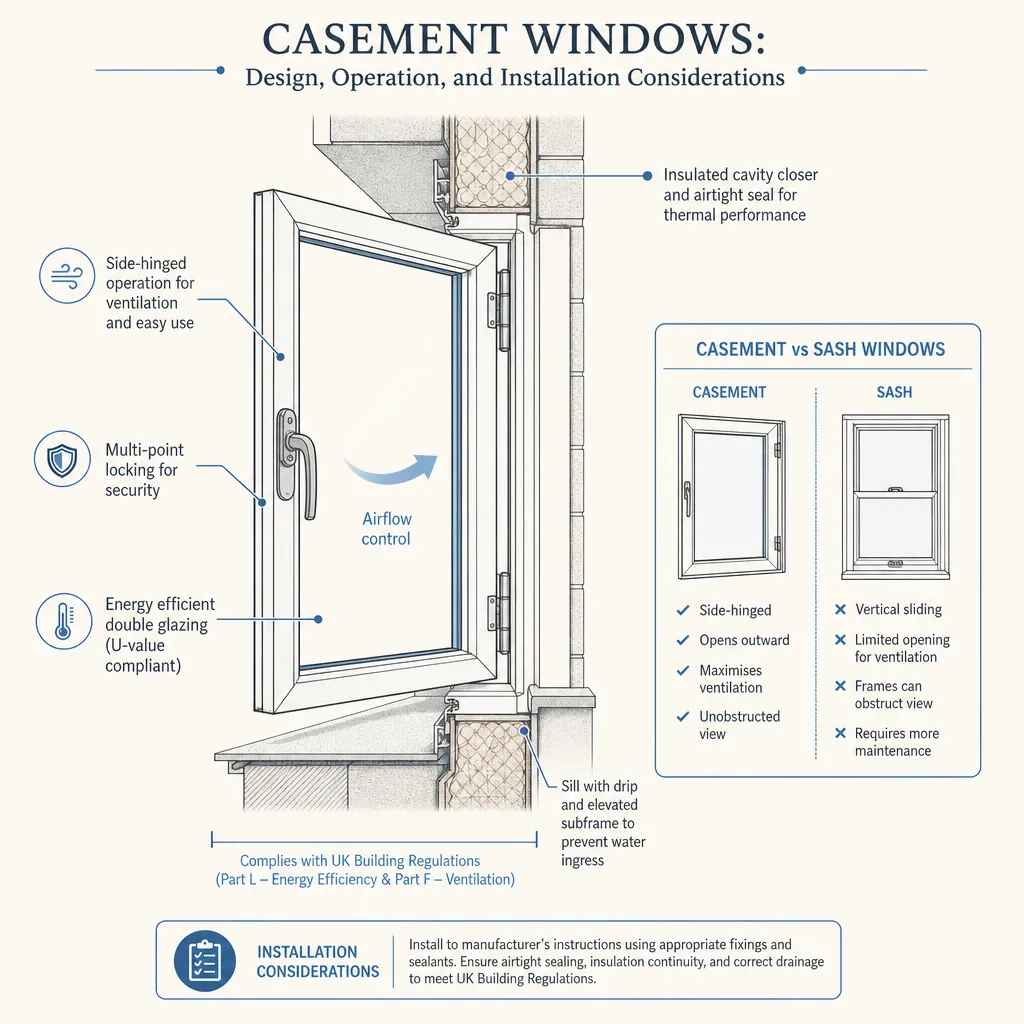
Casement Windows: Design, Operation, and Installation Considerations
Casement windows are hinged on one side and open outward, controlled by a handle and stay bar.
 Improvement & Build
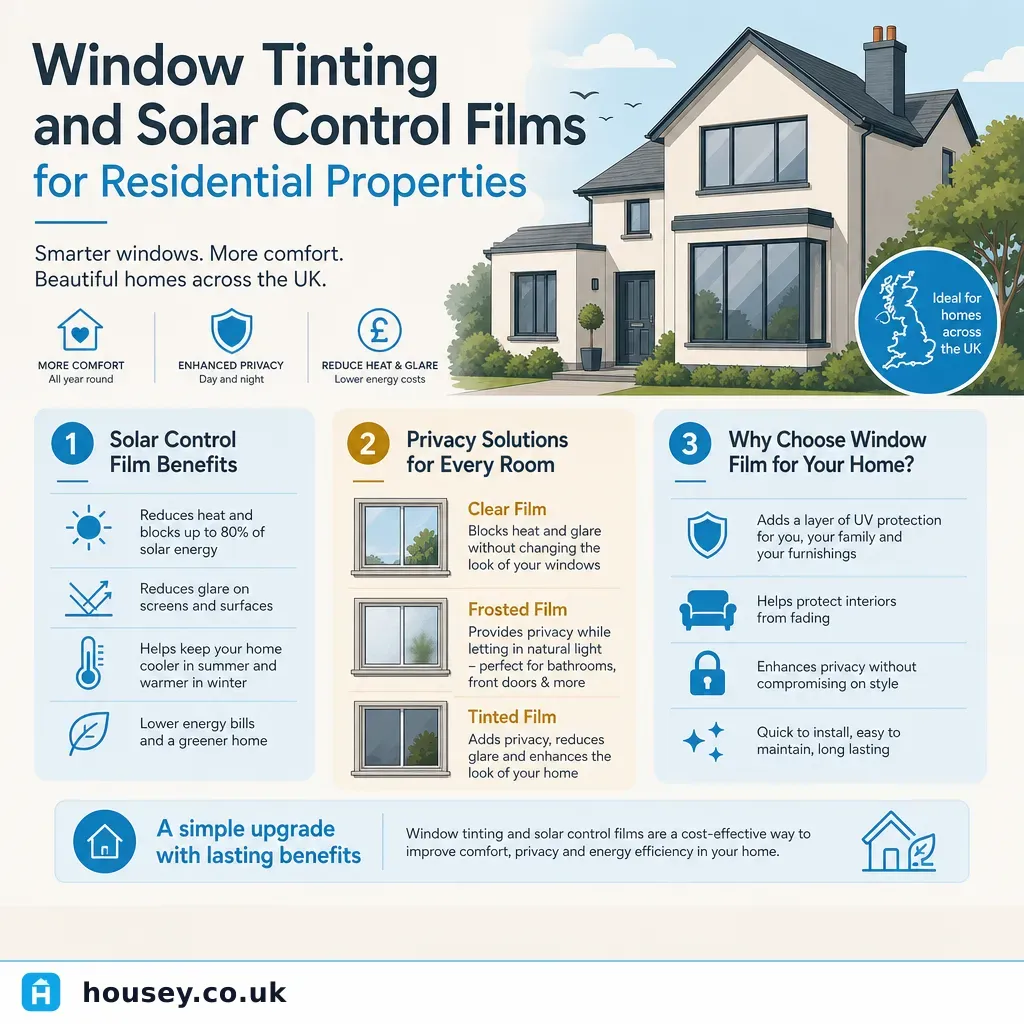
Window Tinting and Solar Control Films for Residential Properties
Solar control window films reject 40–80% of total solar energy and block 99% of UV radiation, reducing overheating and fading without replacing glazing.
 Improvement & Build
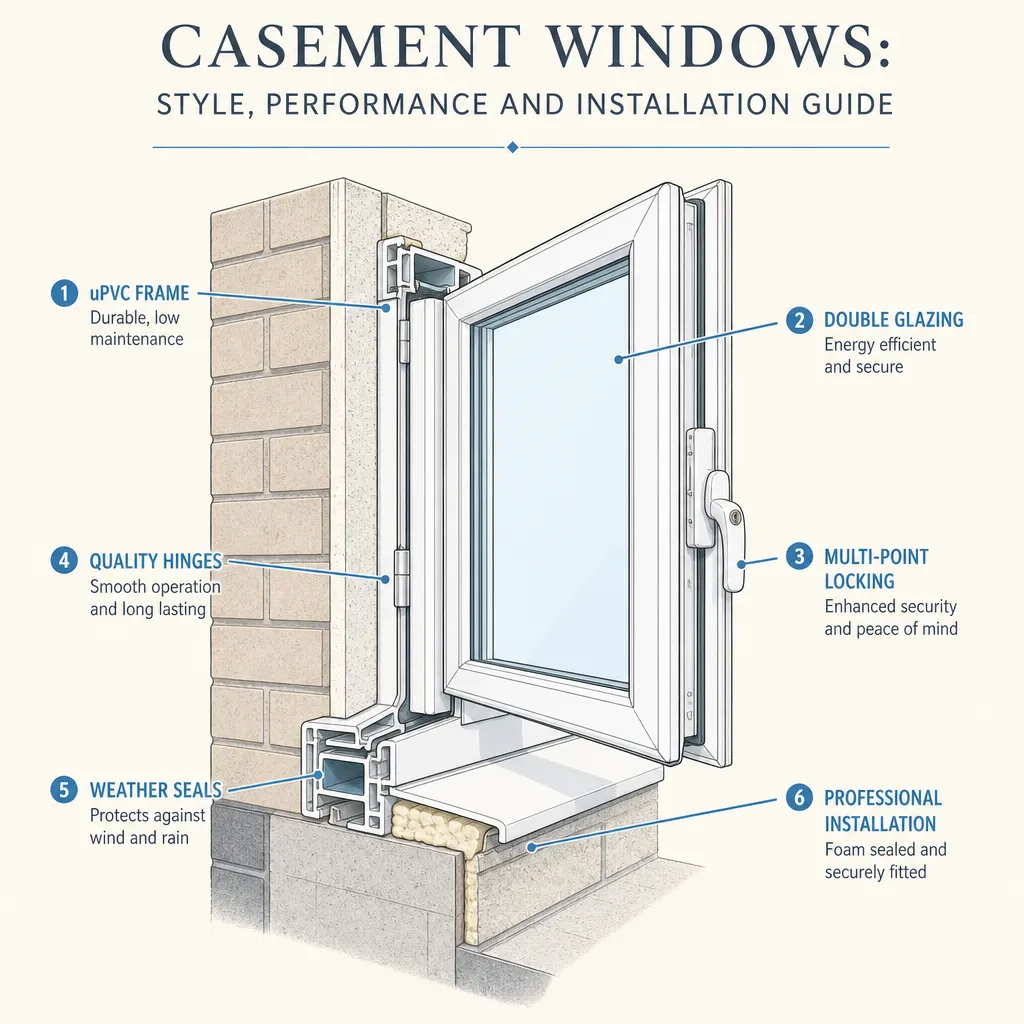
Casement Windows: Style, Performance and Installation Guide
Casement windows are hinged on one side and open outward, making them the most widely fitted window type in UK homes.