Double-Glazed Window Blind Systems Cost
By Housey · Last reviewed 7th of May 2026
Double-Glazed Window Blind Systems Cost
Choosing how to dress double-glazed windows is a decision that commonly arises during a window replacement project, a new-build fit-out, or a renovation where existing window coverings look tired or mismatched. With several blind system types available — from factory-fitted integral units to retrofit roller blinds — costs and long-term implications vary considerably. The right choice often depends on timing: systems sealed inside the glazing unit during manufacture are rarely possible to add retrospectively.
Key points
- Integral blinds are factory-sealed inside the glazing unit and typically cost £150–£400 per unit in the UK (indicative UK costs, last reviewed 2026-05-07).
- Once a sealed unit's integral blind fails or its hermetic seal is compromised, the entire unit must be replaced — the mechanism cannot be repaired independently.
- Retrofit internal blinds for existing double glazing start from around £30–£150 per window, depending on blind type, material, and window size.
- External roller shutters may require planning permission in conservation areas, on listed buildings, or in Article 4 Direction areas — check with your local planning authority before specifying.
- Motorised integral blind systems typically cost £400–£800+ per unit and require an electrical connection routed within the window frame at the time of installation.
What types of blind system work with double glazing?
There are three broad categories of blind system used with double-glazed windows in UK homes.
Integral (sealed unit) blinds are installed between the two panes of glass during manufacture. The blind — usually an aluminium venetian slat or pleated fabric — is operated by a magnetic control on the outer frame, so no part of the mechanism is accessible from inside the room. Because the unit is hermetically sealed, dust cannot reach the blind. Internal condensation, however, is a sign of seal failure and would require full unit replacement rather than a blind repair.
Internal retrofit blinds are fixed to the window reveal, frame, or wall inside the room. These include roller blinds, roman blinds, venetian blinds, and perfect-fit blinds that clip directly onto the inner frame without drilling. They are the most common and affordable option for existing windows.
External roller shutters or solar blinds are mounted outside the glazing, either above the frame in a hood box or within a built-in guide-rail system. These offer strong solar shading and added security but are the most expensive option and may be subject to planning controls depending on the property type and location.
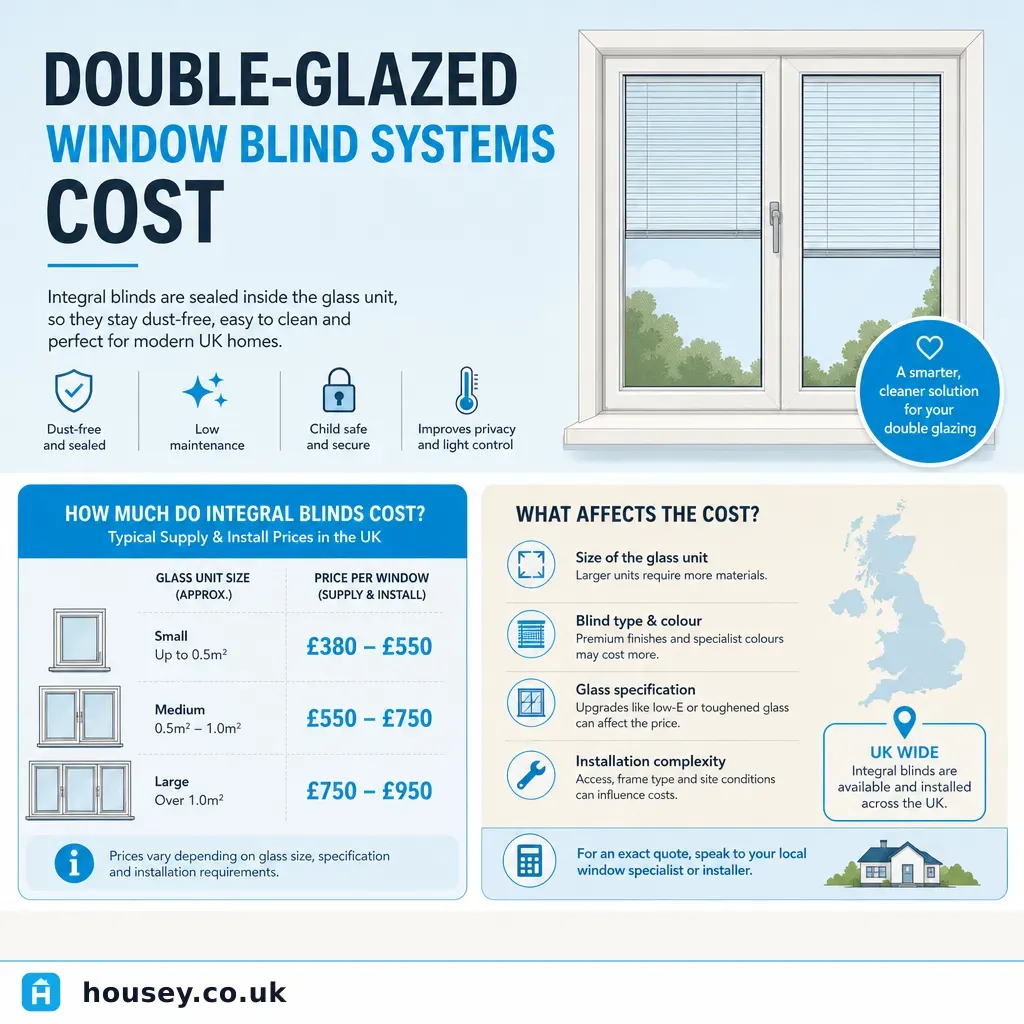
How much do integral blinds cost in the UK?
Indicative UK costs, last reviewed 2026-05-07.
The cost of integral blind systems varies by unit size, glass specification, and supplier. A standard casement window unit with a basic magnetic-operated venetian integral blind typically costs £150–£400 per unit, including the glazed unit itself. Large bay window sections or patio door panels with integral blinds sit at the higher end, often £300–£600 per unit.
Motorised integral blinds, controlled by remote or smart-home integration, carry a significant premium — expect to pay £400–£800+ per unit. An electrical supply must be routed to the frame during window installation; retrofitting the wiring later is complicated and may damage internal wall finishes.
These figures relate to the glazed unit itself. Overall installation costs depend on the scope of the window replacement project. Integral blinds are usually specified as an upgrade when ordering new windows, not purchased separately afterwards.
How much do retrofit blinds for existing double glazing cost?
For homeowners who already have double-glazed windows, retrofit blinds are the practical route.
Perfect-fit blinds clip onto the inner bead of most double-glazed frames without drilling, providing a neat finish. These typically cost £50–£150 per window depending on size and can usually be self-installed.
Roller or roman blinds fixed to the reveal or wall above the window start from around £30–£80 for off-the-shelf options at DIY retailers, or £80–£300+ for made-to-measure versions from specialist suppliers.
Venetian blinds (aluminium or wooden) are available from around £20–£60 in standard sizes, with made-to-measure wooden options reaching £100–£300+ per window. Wooden venetians are not suited to humid rooms — kitchens or bathrooms — where they may warp.
All retrofit internal blind prices are indicative; exact costs depend on fabric, finish, motorisation, and supplier. Obtain at least three quotes before committing to made-to-measure or professionally installed products.
Blind system types compared
Type | Best for | Not ideal for | Indicative cost per window | Main consideration |
|---|---|---|---|---|
Integral sealed unit | New window installs; child cord safety; low maintenance | Existing windows; budget-constrained buyers | £150–£400 (unit cost) | Seal failure means full unit replacement |
Perfect-fit retrofit | Neat finish on existing frames; no-drill install | Non-standard frame profiles | £50–£150 | Confirm frame compatibility before buying |
Roller or roman blind | Wide fabric choice; DIY-friendly | Dust accumulation; cord risk around young children | £30–£300+ | Measure carefully to minimise light gaps |
Wooden venetian | Warm aesthetic; adjustable light control | Humid rooms; heavier weight | £80–£300+ | Not suited to kitchens or bathrooms |
External roller shutter | Solar shading; security; acoustic benefit | Conservation areas; listed buildings | £300–£800+ | May require planning permission |
Homeowner checklist: choosing a window blind system
Work through this list before specifying or purchasing any blind system.
When to get professional help
Most internal blind installations do not require a professional, but seek expert input if:
- You are specifying integral blinds as part of a full window replacement — discuss unit specification, warranty terms, and installation method with your FENSA-registered window and door installers to ensure everything is correctly documented.
- External shutters are being considered — a specialist should assess fixings, weatherproofing, and any planning requirements before work begins.
- Motorised blinds require new electrical circuits or connections within window frames — a qualified electrician should carry out this element.
- Your property is listed or in a conservation area — check with the local planning authority before installing any external roller shutters, as these may constitute a material change to the building's appearance and require consent.
How Housey can help
If you are planning a window replacement and want to include integral blinds, or need a specialist to supply and fit windows with built-in systems, Housey can help you request and compare quotes from qualified window and door installers across the UK.
Frequently asked questions
Can I add integral blinds to my existing double-glazed windows?
No — integral blinds are factory-sealed inside the glazed unit during manufacture. To have them, you would need to replace your existing glazed units with new ones that include the blind. This is usually only worthwhile when the windows are already due for replacement, as the cost of unit-only swaps is rarely justified purely for the blinds.
Do integral blinds affect a window's energy efficiency?
Integral blinds have minimal effect on a window's U-value. Thermal performance is primarily determined by the glass specification, number of panes, and frame quality rather than the blind itself. Some manufacturers claim a marginal additional benefit, but energy efficiency should not be the primary reason to choose integral blinds over upgrading the glazing specification.
Are corded window blinds still legal in the UK?
New corded blinds must comply with BS EN 13120:2009+A1:2014, which requires child-safety features. From May 2022, further restrictions applied to unsafe corded blinds sold to UK consumers. Cordless or integral options are strongly recommended in homes with young children. Confirm with your supplier that any corded product meets current UK safety standards before purchasing.
What warranty should I expect on integral blinds?
Reputable manufacturers typically offer 5–10 years on sealed glazing units, usually covering the integral blind mechanism. Check the terms carefully: some warranties are voided if the unit develops internal condensation — a sign of seal failure — or if the frame is cleaned with incompatible products. Ask your installer for full warranty documentation before installation.
Can I fit perfect-fit blinds myself?
Yes — most perfect-fit blinds clip onto the inner bead of compatible double-glazed frames without drilling and are designed for DIY installation. Check the manufacturer's compatibility guide for your specific frame profile before purchasing. If frames are non-standard or the windows are large and heavy, a professional blind fitter can measure and install them accurately.
Sources and further reading
- FENSA — the glazing industry's self-certification scheme — FENSA
- Permitted development rights for householders: technical guidance — GOV.UK
- Windows and glazing energy-saving advice — Energy Saving Trust
- Blind and shutter safety — British Blind and Shutter Association (BBSA)
Useful next reads
 Improvement & Build
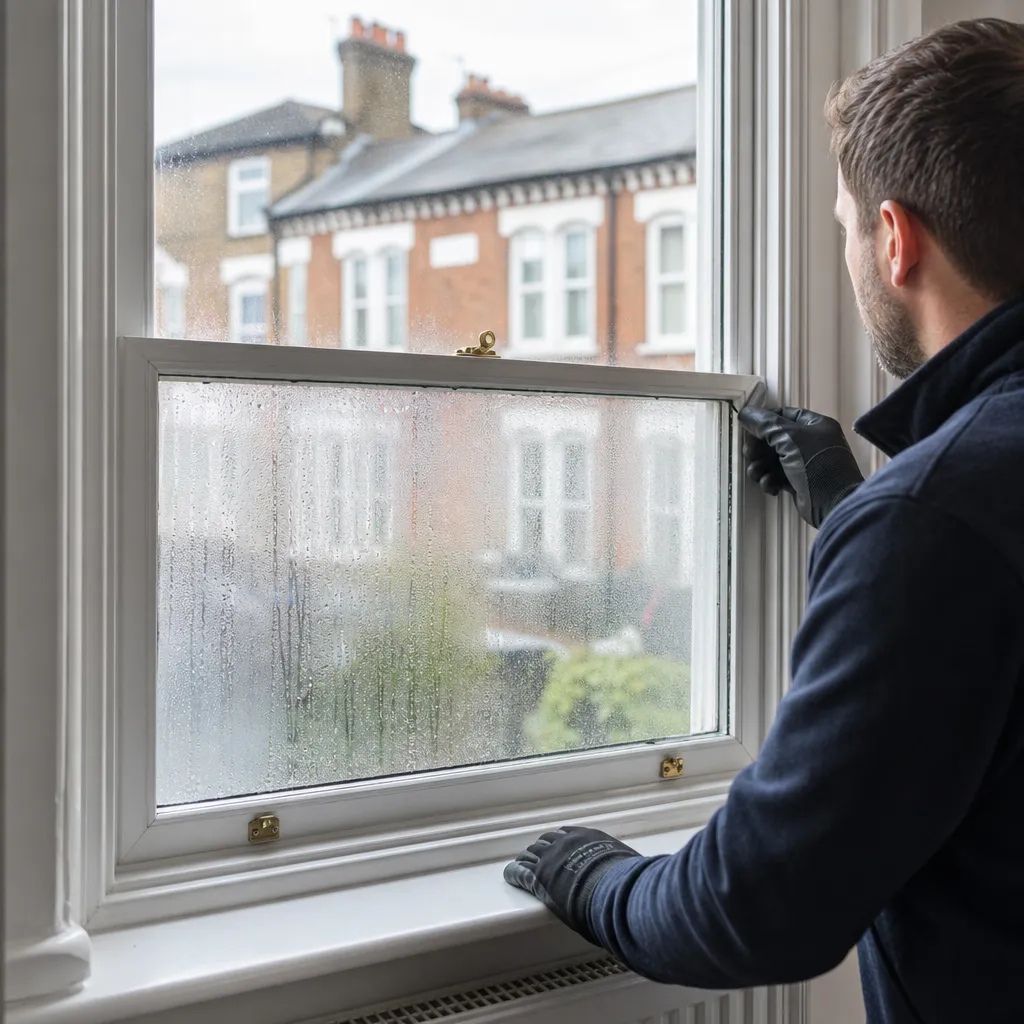
Repairing Failed Window Seals and Condensation Issues
Condensation between double-glazed panes means the hermetic seal on the insulated glass unit has failed.
 Improvement & Build
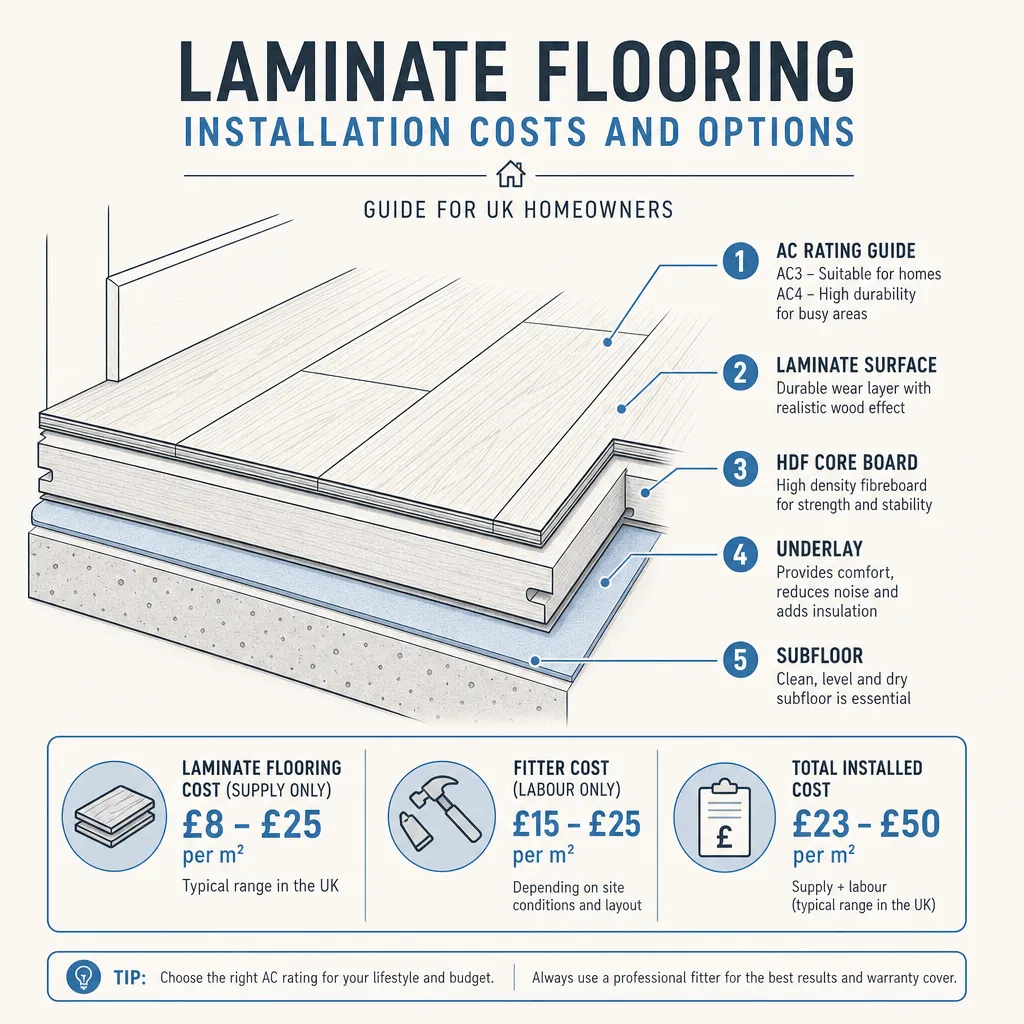
Laminate Flooring Installation Costs and Options
Laminate flooring typically costs £20–55 per square metre fully installed in the UK, including materials, underlay, and professional fitting.
 Improvement & Build
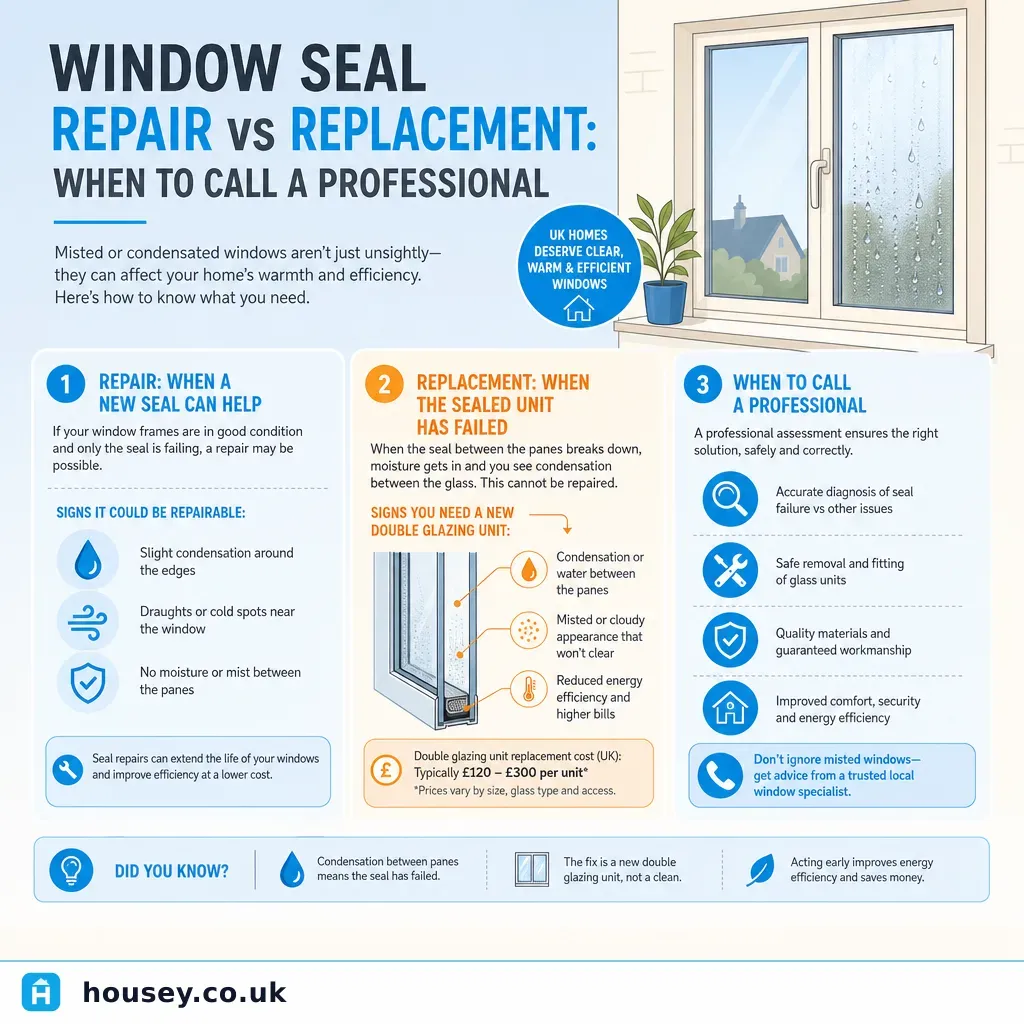
Window Seal Repair vs Replacement: When to Call a Professional
Failed window seals usually mean the double-glazed unit needs replacing — resealing a misted unit rarely works long-term.
 Improvement & Build
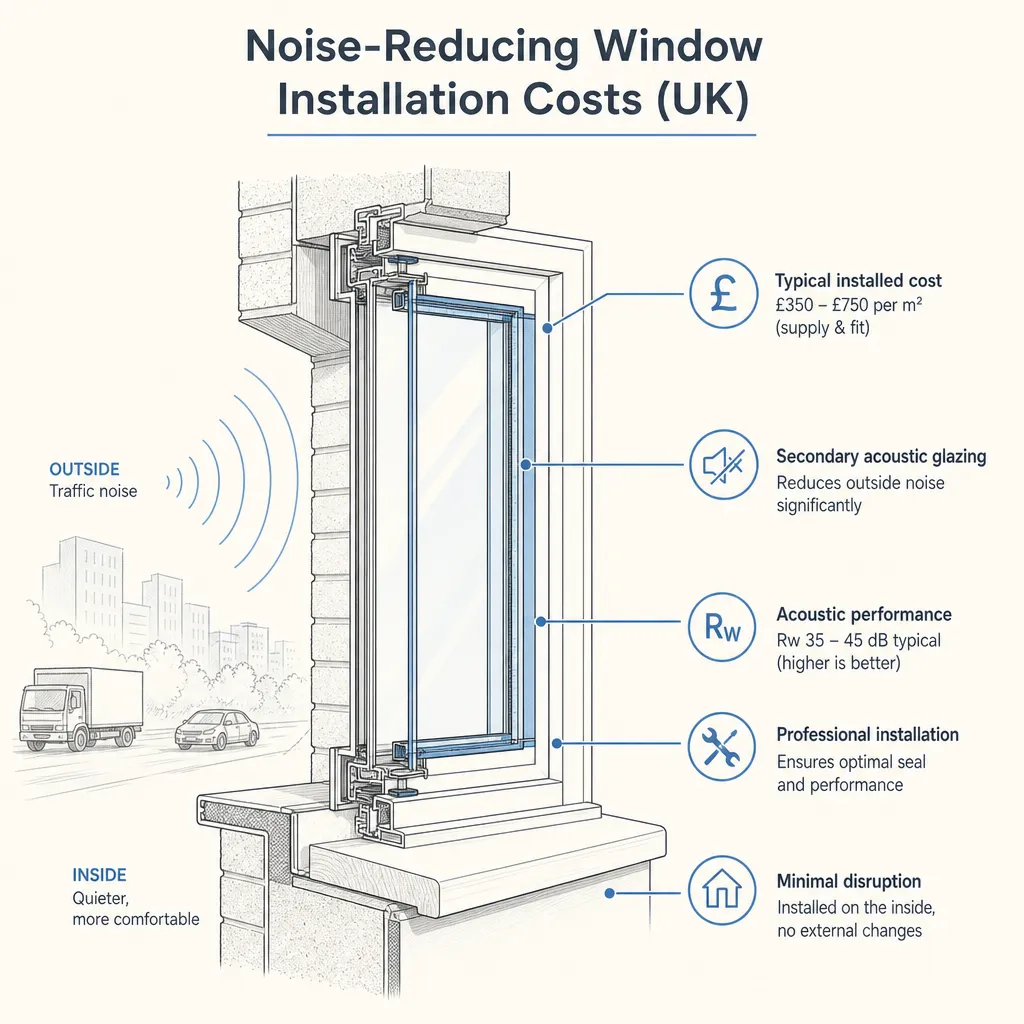
Noise-Reducing Window Installation Costs
Noise-reducing window installation in the UK typically costs £400–£1,500 per window depending on glazing specification, frame material, and property type.
 Improvement & Build
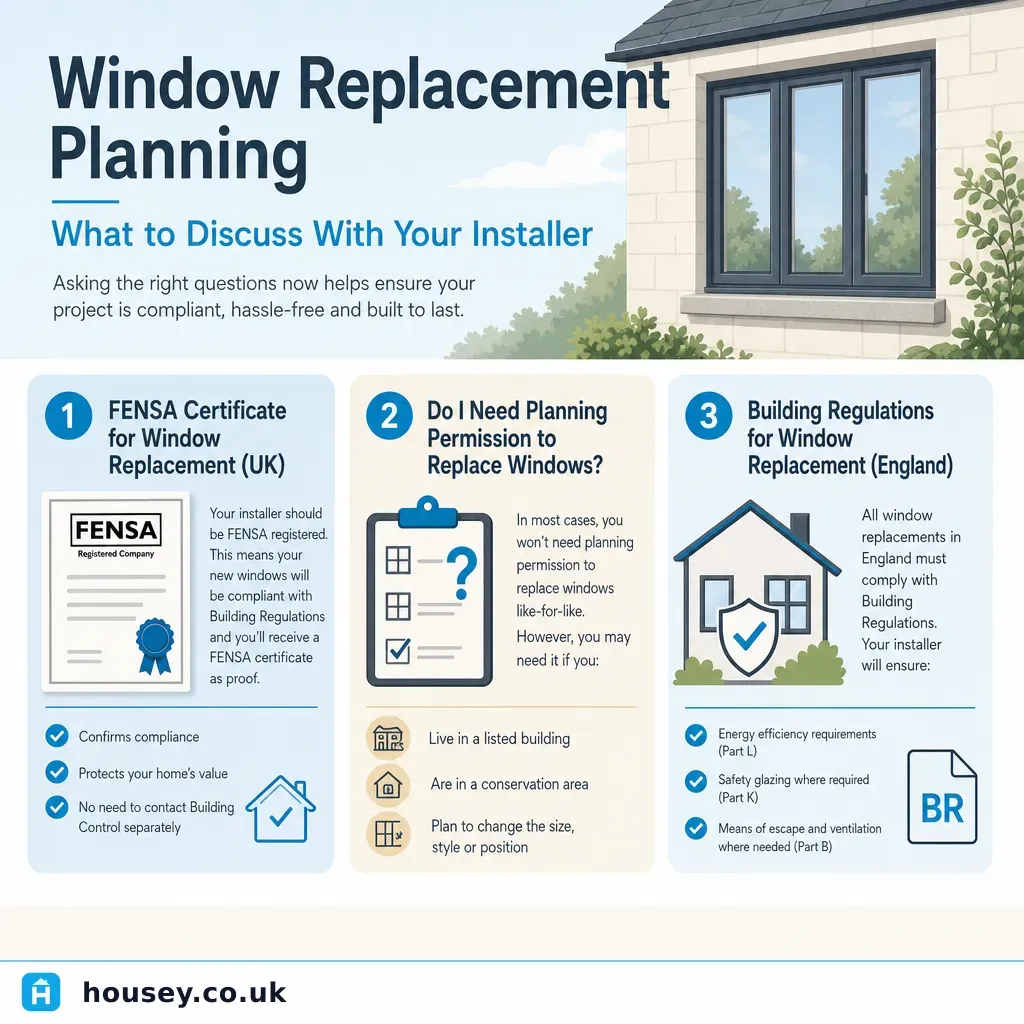
Window Replacement Planning: What to Discuss With Your Installer
Most window replacements in England fall under permitted development rights and do not require planning permission, but they must comply with Building Regulations Part L and Part K.