Noise-Reducing Window Installation Costs
By Housey · Last reviewed 10th of May 2026
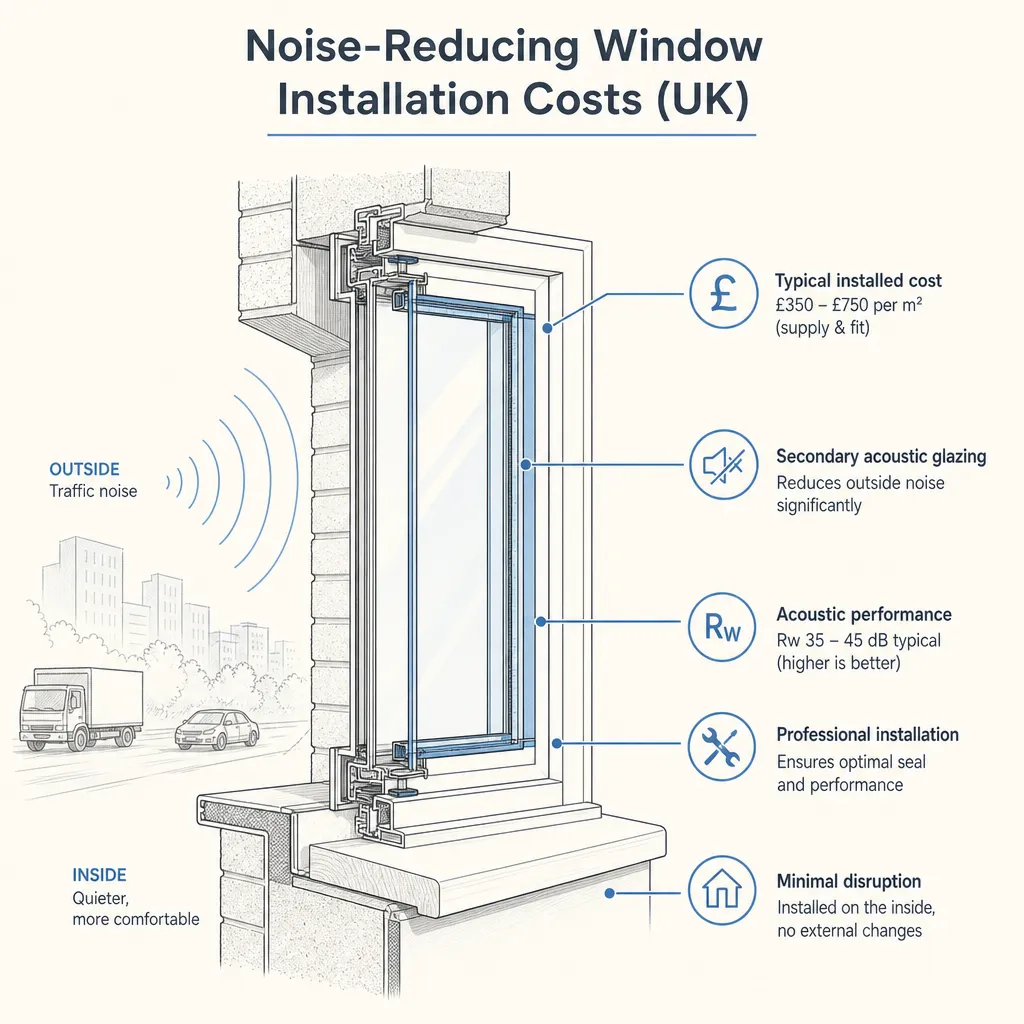
Noise-Reducing Window Installation Costs
Living near a busy road, flight path, railway line, or commercial premises makes noise one of the most disruptive aspects of home life. Homeowners most often investigate acoustic glazing when sleep is being affected, when preparing a property for sale in a high-noise location, or after a new source of noise — a planning consent nearby, for example — changes the acoustic environment. The choice between replacing existing windows and installing secondary glazing is more consequential than it first appears, and cost alone rarely tells the full story.
Key points
- Acoustic performance is measured in the weighted sound reduction index (Rw, in decibels); standard double glazing achieves Rw 28–32 dB, while specialist acoustic glazing can reach Rw 42–48 dB.
- Secondary glazing — a separate inner frame fitted on the room side of existing windows — typically delivers better noise reduction than replacement double glazing because the air gap can be 100 mm or more, compared with 12–20 mm in a standard insulated glazing unit.
- FENSA or CERTASS registration is required for replacement window installations in England and Wales under Building Regulations; using an unregistered installer means notifying your local building control authority separately.
- Listed buildings and most conservation area properties cannot replace original windows with modern frames — secondary glazing is usually the approved solution and often performs better acoustically.
- Laminated acoustic glass (for example, 6.4 mm or 8.8 mm acoustic laminate) performs better against traffic and low-frequency noise than standard float glass of equivalent thickness, due to the dampening effect of the interlayer.
Understanding your acoustic glazing options
Secondary glazing
A secondary glazing system fits a separate framed panel — typically slim aluminium or uPVC — on the room side of the existing window reveal. The large air gap (ideally 100–200 mm) creates an effective acoustic break. Secondary glazing typically outperforms replacement double glazing for road and rail noise, particularly in the low-to-mid frequency ranges that carry well through standard insulated glazing units.
Because secondary glazing does not replace the existing window:
- It is generally acceptable in conservation areas and on listed buildings where planning restrictions apply.
- The existing window's weatherproofing remains, though secondary glazing adds a second insulating layer.
- It requires less structural disruption and is usually faster to install than full window replacement.
Acoustic double glazing
Specialist acoustic double glazing uses asymmetric glass panes — for example, a 6 mm float outer pane paired with a 4 mm acoustic laminate inner pane — with a wider than standard air gap (typically 16–20 mm), sometimes argon-filled. The asymmetry disrupts the coincidence frequency effect, reducing sound transmission across a broader frequency range than two identical panes of glass. This option replaces the existing window and frame entirely, so FENSA or CERTASS registration applies and Part L energy performance must be met.
Triple glazing
Triple-glazed units add a third pane and a second air cavity. They perform well thermally and offer modest acoustic improvement over standard double glazing, but they do not automatically match specialist acoustic double glazing or secondary glazing for noise reduction. The acoustic benefit depends heavily on glass specification, and triple glazing should not be assumed to be the quietest option simply because it has more panes.
Comparing acoustic glazing options
Option | Typical Rw (dB) | Approx. cost per window installed | Conservation area / listed building | FENSA required | Best for |
|---|---|---|---|---|---|
Standard double glazing (replacement) | 28–32 | £300–£800 | Usually not permitted | Yes | General thermal upgrade; moderate background noise |
Acoustic double glazing (replacement) | 38–45 | £500–£1,200 | Usually not permitted | Yes | Moderate-to-high traffic noise; full window replacement wanted |
Triple glazing (replacement) | 32–38 | £600–£1,400 | Usually not permitted | Yes | Thermal priority; marginal acoustic gain over standard double |
Secondary glazing (inner frame) | 40–50+ | £250–£900 | Usually acceptable | No | Maximum noise reduction; heritage properties; rail or road noise |
Indicative UK costs per standard casement window, last reviewed 2026-05-10. Bay windows, sash windows, and bespoke shapes cost more. Costs exclude VAT at 20%.
Decision tree: which solution suits your situation?
- The property is listed or in a conservation area → Secondary glazing is almost certainly the correct route. Confirm with your local planning authority before instructing any installer.
- You want maximum noise reduction without replacing the existing frames → Secondary glazing specified with a wide reveal gap and acoustic laminate glass.
- The existing windows are single-glazed and in poor condition → Replacement with acoustic double glazing may address both thermal and acoustic shortcomings in one project.
- The noise is primarily low-frequency (heavy lorries, trains, aircraft) → Secondary glazing or asymmetric acoustic laminated double glazing will outperform standard triple glazing.
- The noise is primarily high-frequency (voices, light traffic) → Standard double glazing may provide adequate improvement; a highly specified acoustic unit is less critical.
- You are selling the property and want to evidence improvements → Ensure any replacement glazing comes with a FENSA or CERTASS certificate — buyers' solicitors routinely request this documentation at conveyancing.
What factors affect the final cost?
Window size and shape. A standard casement is the cheapest unit to replace or fit with secondary glazing. Large picture windows, bay windows, oriel windows, and sash windows all cost more per unit.
Frame material. uPVC frames are the most cost-effective. Timber frames cost more but are often required on period properties. Slim aluminium profiles are common for secondary glazing in heritage and conservation work.
Installation access. Ground-floor windows are cheaper to install than upper floors requiring scaffolding or harness access.
Number of windows. Installers typically offer per-unit discounts on multi-window projects; quoting the whole house at once is usually more cost-effective than phasing the work.
Acoustic glass specification. Standard 4/16/4 acoustic double glazing costs less than bespoke asymmetric units such as 8.8/20/4 laminate configurations. Secondary glazing glass can also be specified as laminated, adding cost but improving performance at low frequencies.
Planning and listed building requirements. Heritage surveys, planning applications, and listed building consent applications add professional fees — typically £500–£2,000 for a consent application — and elapsed time before installation can begin.
What to ask before accepting a quote
- What Rw rating will the installed system achieve, and is this a laboratory figure or an installed on-site estimate?
- What glass specification is included — pane thicknesses, laminate type, spacer bar material, and cavity width?
- Is the frame material and colour finish appropriate for the property and any planning constraints?
- Is FENSA or CERTASS registration included for replacement glazing?
- Does the quote include removal and disposal of existing windows?
- What guarantee is provided on the sealed unit, the frame, and the installation workmanship?
- Is VAT included in the quoted price?
When to get professional help
A qualified acoustic glazing installer should assess the noise source, frequency profile, and property construction before specifying a solution — what works well for road noise at 50 m may not address rail vibration at 20 m effectively. An experienced installer should also advise whether planned improvements require building control notification, planning permission, or listed building consent before any work begins. If you are purchasing a property in a high-noise location, a pre-purchase survey may identify acoustic issues and the extent to which planning restrictions limit remediation options.
How Housey can help
Housey connects homeowners with vetted window and door installers who can advise on acoustic glazing specifications, carry out FENSA-compliant installations, and fit secondary glazing suited to heritage and conservation area properties across the UK.
Frequently asked questions
How much noise reduction can I realistically expect from new windows?
Laboratory Rw figures overstate real-world performance because sound also enters through walls, floors, and ventilation paths. In practice, upgrading from single glazing to acoustic double glazing might reduce perceived traffic noise by 30–50 per cent, which is noticeable but rarely eliminates noise entirely. Secondary glazing on existing single-glazed windows often feels more dramatic because the starting performance is weaker.
Will acoustic windows help with aircraft noise?
Aircraft noise is dominated by low frequencies that are difficult to attenuate with glazing alone. Secondary glazing with a wide air gap and laminated glass offers the best glazing-only performance, but walls, roofs, and ventilation paths also transmit aircraft noise significantly. Setting realistic expectations is important — acoustic glazing is one element of a broader noise-management approach, not a complete solution.
Do I need planning permission to replace my windows with acoustic glazing?
Most replacement window installations on non-listed houses outside conservation areas are Permitted Development in England, provided the replacement matches the appearance of the original. This right can be removed by Article 4 directions in some areas. FENSA or CERTASS registration satisfies building control notification for like-for-like replacements. Always check with your local planning authority before proceeding.
Can I fit secondary glazing myself?
Some secondary glazing systems are sold as DIY kits using magnetic strips or clip-in panels. However, acoustic performance depends heavily on a tight reveal seal — gaps around the frame significantly reduce noise benefit. For best results, professional installation by a specialist is recommended, particularly for sash windows or where reveals are deep or irregular.
Sources and further reading
- GOV.UK: Approved Document L — Conservation of fuel and power — Thermal performance requirements for replacement windows in England
- FENSA — Registered glazing installer scheme for England and Wales
- CERTASS — Alternative competent person scheme for glazing installations
- Historic England: Windows in traditional buildings — Guidance on window conservation and secondary glazing in heritage contexts
- Noise Abatement Society — Information on noise impacts and mitigation approaches
Useful next reads
 Improvement & Build
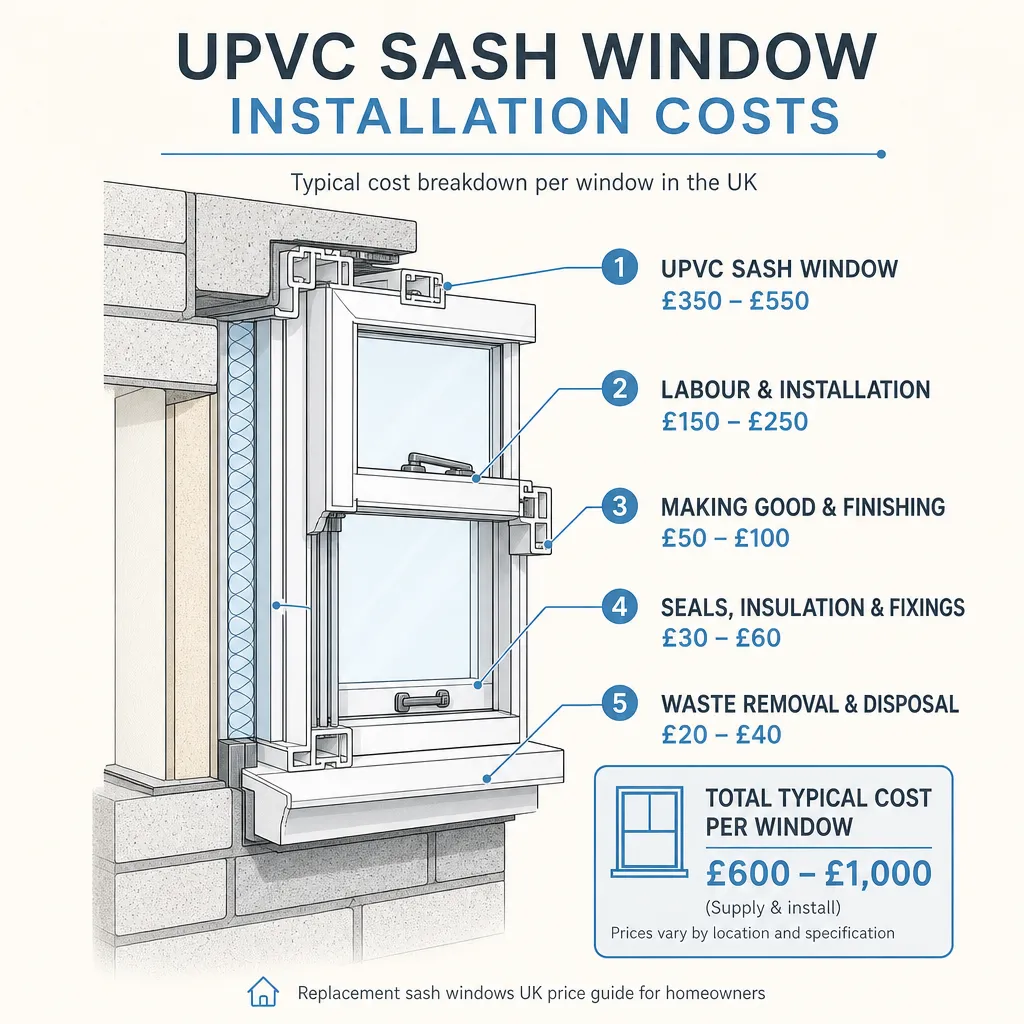
UPVC Sash Window Installation Costs
UPVC sash windows typically cost between £400 and £1,200 per window installed in the UK, depending on size, glazing specification, and access.
 Improvement & Build
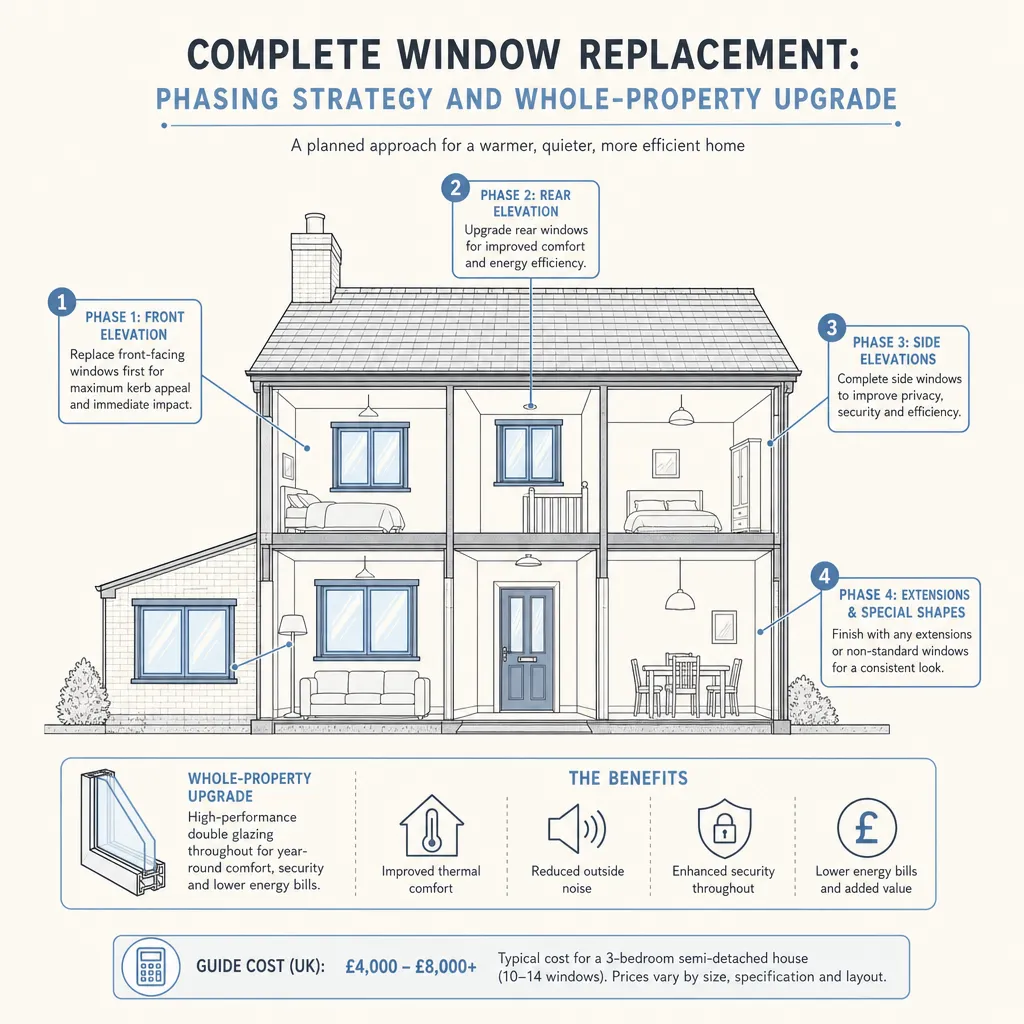
Complete Window Replacement: Phasing Strategy and Whole-Property Upgrade
Replacing all windows in a UK home requires FENSA or CERTASS-registered installers to certify compliance with Building Regulations Part L.
 Improvement & Build
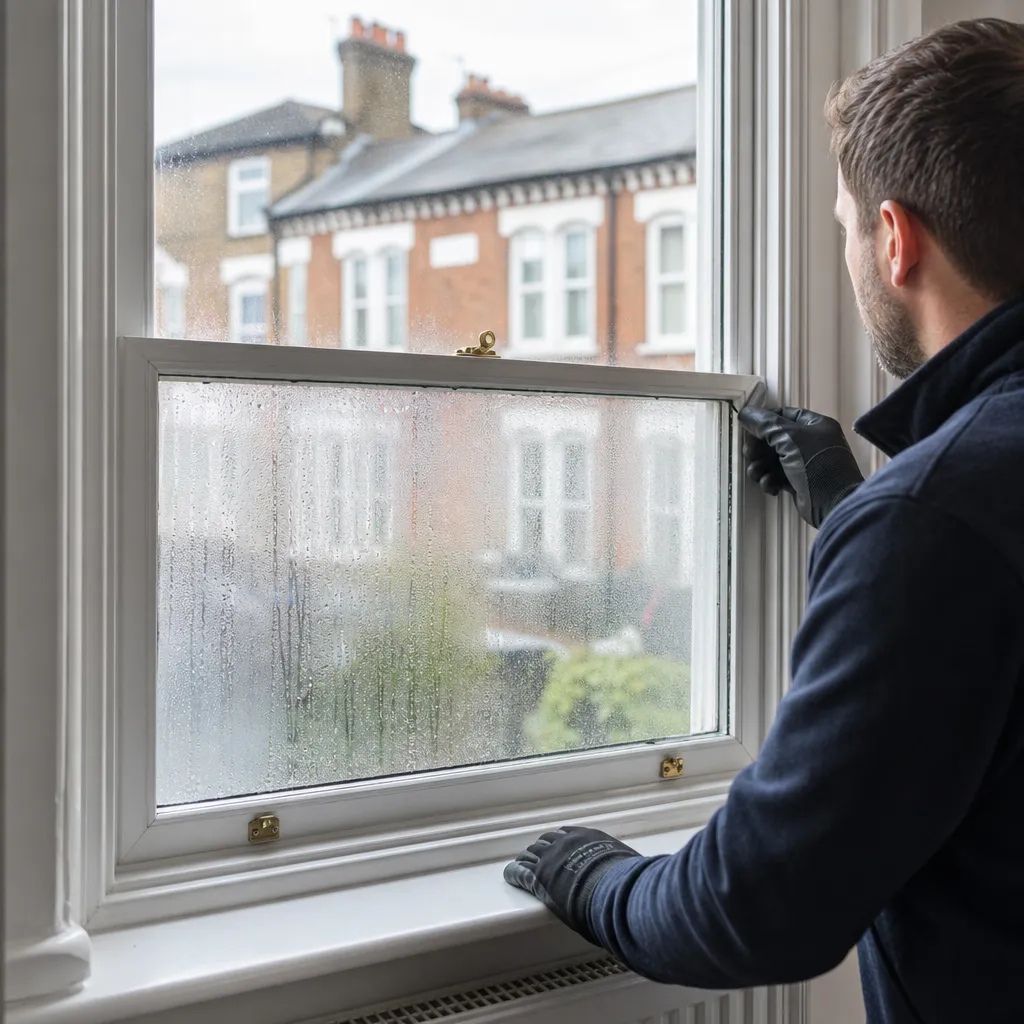
Repairing Failed Window Seals and Condensation Issues
Condensation between double-glazed panes means the hermetic seal on the insulated glass unit has failed.
 Improvement & Build
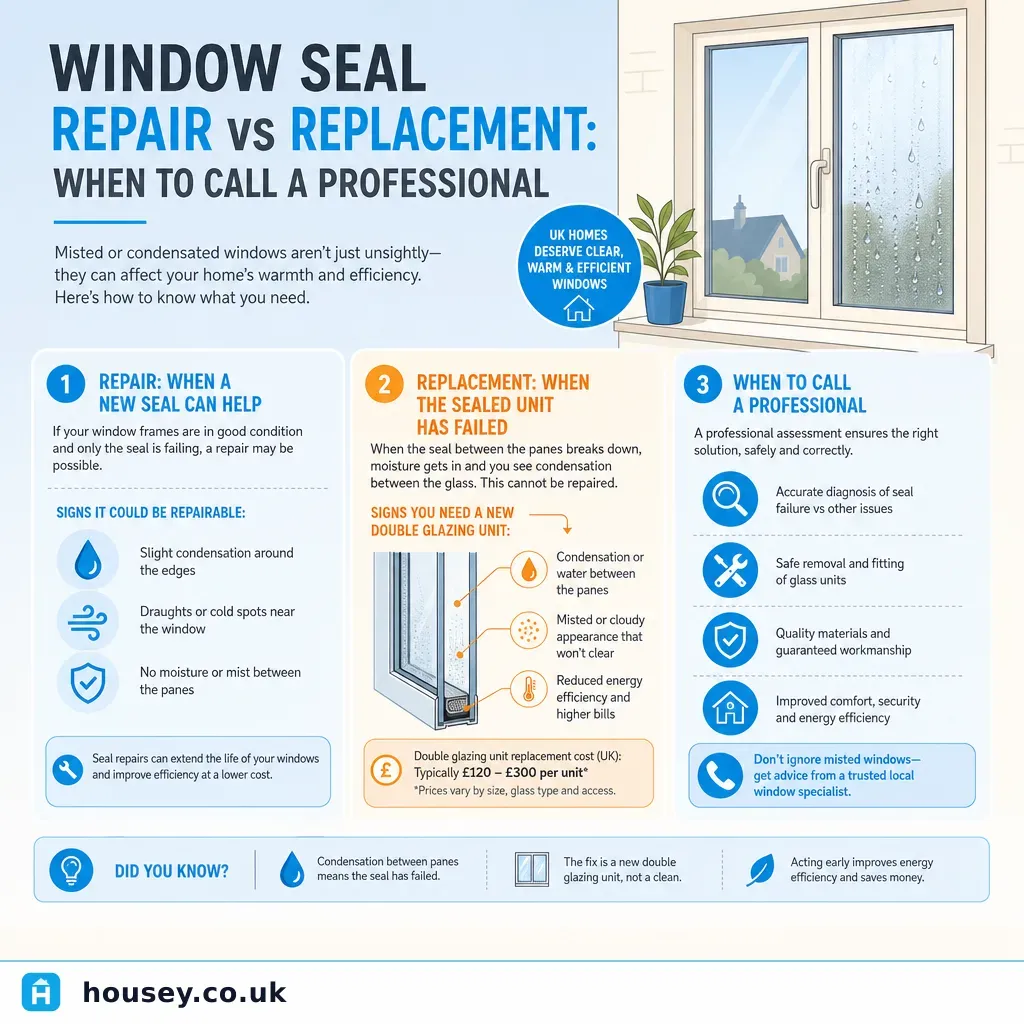
Window Seal Repair vs Replacement: When to Call a Professional
Failed window seals usually mean the double-glazed unit needs replacing — resealing a misted unit rarely works long-term.
 Improvement & Build
Window Replacement Planning: What to Discuss With Your Installer
Most window replacements in England fall under permitted development rights and do not require planning permission, but they must comply with Building Regulations Part L and Part K.