Driveway Sealers: Protection, Maintenance, and Longevity
By Housey · Last reviewed 25th of May 2026
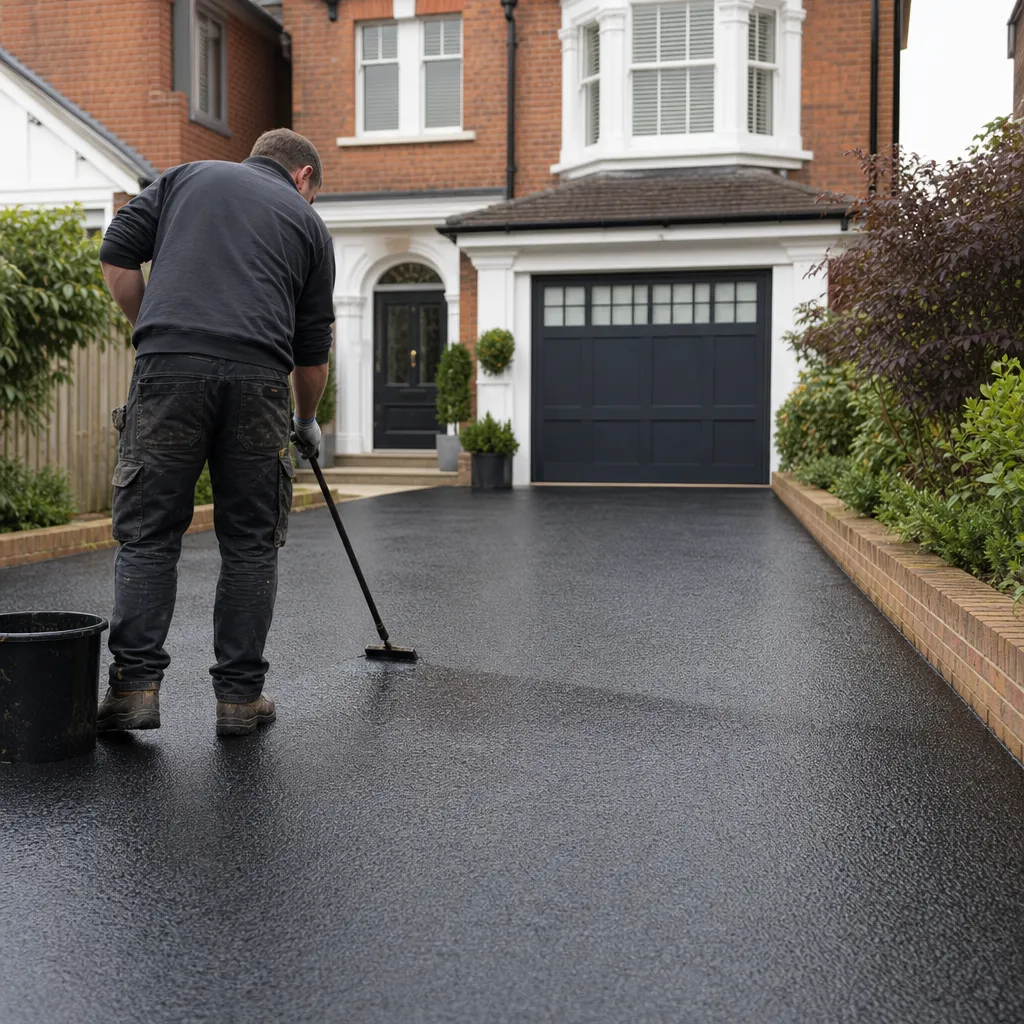
Driveway Sealers: Protection, Maintenance, and Longevity
Driveway sealers become relevant when homeowners notice their block paving is losing jointing sand, their imprinted concrete is fading, or their tarmac is crazing and greying with oxidation. The right sealer — matched to the surface material, applied in the correct conditions, and reapplied at the right intervals — can meaningfully extend driveway life and reduce long-term maintenance costs. Applied incorrectly, sealers can trap moisture, cause surface delamination, or create a glossy film that becomes slippery in wet weather.
Key points
- Penetrating sealers (silane, siloxane, or silicone-based) are absorbed into the substrate and leave no surface film; film-forming sealers (acrylic, polyurethane, epoxy) coat the surface and alter its sheen and colour.
- Fresh concrete must cure for a minimum of 28 days before sealing — applying too early traps moisture and can cause surface delamination or efflorescence.
- New imprinted (pattern-imprinted) concrete is typically sealed by the installing contractor but usually needs resealing every 3–5 years as the existing coat weathers and fades.
- Application temperature should be above 10°C with no rain forecast for at least 24 hours — in the UK, this weather window is often narrow and seasonal.
- Block paving sealers stabilise kiln-dried jointing sand, reducing weed germination and ant disturbance — a function distinct from, but complementary to, waterproofing.
Types of driveway sealer and what they do
Different driveway surfaces require fundamentally different sealers. Applying the wrong product — for example, a film-forming acrylic to a block paving surface that needs to breathe, or a bitumen emulsion to natural stone — can cause more problems than using no sealer at all.
Sealer type | How it works | Best for | Not ideal for | Finish | Indicative reapplication interval |
|---|---|---|---|---|---|
Penetrating silane/siloxane | Chemically bonds with substrate; repels water from within | Concrete, natural stone, brick | Tarmac/asphalt | Invisible — no film | 5–10 years |
Acrylic film-forming | Forms a protective coat on the surface | Imprinted concrete, exposed aggregate | Porous stone (can cloud) | Gloss or matt sheen | 3–5 years |
Polyurethane film-forming | Durable coat; UV-resistant grades available | Block paving, imprinted concrete | Uneven or cracked surfaces | Semi-gloss to gloss | 5–7 years |
Bitumen/coal tar emulsion | Fills surface oxidation on asphalt | Tarmac and asphalt driveways | Concrete, block paving, stone | Matte black | 3–5 years |
Polymeric jointing compound | Sets jointing sand; resists ant and weed disturbance | Block paving joints | Loose gravel, resin-bound surfaces | N/A | 5–10 years |
Product categories only. Always verify compatibility using the manufacturer data sheet for your specific surface material.
Which sealer suits which surface?
Block paving
Block paving sealers serve a dual role: protecting the block surface itself and stabilising the kiln-dried sand in the joints. A polyurethane or high-build acrylic sealer is most commonly specified. Before sealing, jointing sand must be topped up to the correct level and the surface thoroughly cleaned. If using a wet-look or gloss product, test on a small area first — many homeowners find the effect too shiny; a matt or natural-finish variant is often preferable.
Imprinted (pattern-imprinted) concrete
Imprinted concrete is virtually always sealed by the installer using an acrylic sealer, which helps maintain pattern colour. Acrylic sealers can become cloudy or peel if moisture is trapped beneath them — the most common failure mode in the UK, where damp weather makes resealing timing critical. Use a breathable or solvent-based acrylic system for reapplication, and remove any delaminating existing coat before applying a new layer.
Tarmac and asphalt
Bitumen emulsion sealers are the appropriate product for tarmac. They fill surface oxidation, restore the black colour, and improve resistance to fuel and oil staining. Do not use film-forming acrylic or polyurethane sealers on tarmac — they will not bond and will peel. Tarmac sealers are typically applied by roller and are feasible as a DIY task on a clean, dry surface, though professional application with hot-applied products gives a longer-lasting result.
Natural stone
Penetrating silane or siloxane sealers are the standard for natural stone — sandstone, limestone, slate, and granite. They allow the stone to breathe while repelling water and reducing freeze-thaw damage. Film-forming sealers risk trapping moisture and causing spalling, particularly in frost-prone areas. Always test on a small inconspicuous area first — some products darken certain stones significantly.
When and how often to reseal
Surface type | First seal | Indicative resealing interval | Signs that resealing is due |
|---|---|---|---|
Imprinted concrete | By installer at installation (after initial cure) | Every 3–5 years | Fading colour, surface dulling, water no longer beads |
Block paving | 6–12 months after installation (jointing sand must settle) | Every 5–7 years | Jointing sand washing out, weed growth, ant nesting in joints |
Tarmac | 6–12 months after installation | Every 3–5 years | Grey oxidised appearance, surface crazing or ravelling |
Natural stone | 28 days after installation | Every 5–10 years depending on product | Stone darkens quickly when splashed with water |
Exposed aggregate concrete | 28 days after installation | Every 2–3 years | Surface aggregate begins to powder or spall at edges |
Pre-application checklist
Surface preparation determines whether a sealer bonds and lasts or fails within twelve months.
Common mistakes to avoid
- Sealing too soon: applying sealer to newly laid concrete before 28 days of cure traps water and causes surface defects including efflorescence and delamination.
- Sealing a damp surface: visible dryness is not sufficient — allow 48–72 hours of dry weather after cleaning before application.
- Over-application: applying film-forming sealer too thickly traps moisture and causes clouding, bubbling, or whitening. Most products specify thin, even coats.
- Skipping surface preparation: sealing over algae, oil, or loose material results in poor adhesion and premature failure.
- Using a gloss product on a slope: high-gloss film-forming sealers on steep driveways can significantly reduce wet-surface grip. Use a matt or anti-slip-additive finish on any gradient.
When to get professional help
Consider using a professional driveway sealing contractor if:
- The area exceeds approximately 50 m² and even DIY coverage from a single application is uncertain.
- Your imprinted concrete sealer has delaminated extensively and requires full removal before reapplication — specialist stripping products and equipment are usually needed.
- There are structural cracks, settlement, or base failure that should be assessed and repaired before cosmetic resealing.
- You are unsure which product is compatible with an older or unknown existing surface coating.
A professional contractor can also advise honestly whether the driveway is worth resealing or whether repair or full replacement is the more cost-effective option.
How Housey can help
If your driveway needs more than a straightforward reseal — whether that is a repair, a full replacement, or a new installation — Housey can connect you with vetted driveway installers who can assess the condition of your existing surface and provide quotes for remedial or new-build work.
Frequently asked questions
Can I seal my driveway myself?
For tarmac, block paving, and imprinted concrete, DIY sealing is feasible if you follow preparation steps carefully, choose the right product for your surface material, and apply it in appropriate weather. The most common DIY failures are inadequate surface preparation and poor timing — applying sealer in cold or damp conditions. For large areas or delaminated surfaces, professional application typically gives a better long-term result.
How long does driveway sealer last?
This varies significantly by product type and surface. A polyurethane sealer on block paving may last 5–7 years; an acrylic sealer on imprinted concrete typically lasts 3–5 years. A penetrating siloxane on natural stone may last 5–10 years. High UV exposure, heavy vehicle use, and freeze-thaw cycling all shorten effective life. Always check the manufacturer data sheet for realistic expectations for your specific product.
Will sealing my driveway change how it looks?
Penetrating sealers leave no visible film and do not alter surface appearance. Film-forming sealers — acrylic or polyurethane — add a sheen ranging from virtually invisible ultra-matt to very glossy, and may deepen the surface colour. Always check whether a matt, satin, or gloss version is specified and test on a small inconspicuous area before sealing the entire surface, particularly on block paving.
Does sealing a driveway prevent weeds?
Sealing alone does not eliminate weeds. Film-forming sealers on imprinted concrete reduce the surface area available for germination. On block paving, a stabilising jointing compound fills sand joints and makes weed establishment significantly harder. However, established weed roots already below the sand layer will re-emerge. Remove existing weeds thoroughly and top up jointing sand before sealing for best results.
Sources and further reading
- When is permission required? — GOV.UK / DLUHC: Permitted development rules for front garden surfacing
- The Concrete Society — Technical guidance on concrete surface treatments and sealers
- Asphalt Industry Alliance — Technical guidance on asphalt surfaces and maintenance
- COSHH guidance — HSE: Safe use of chemical products including solvent-based sealers
- BSI Standards — BS 8204: Screeds, bases and in-situ floorings — surface preparation principles
Useful next reads
 Improvement & Build
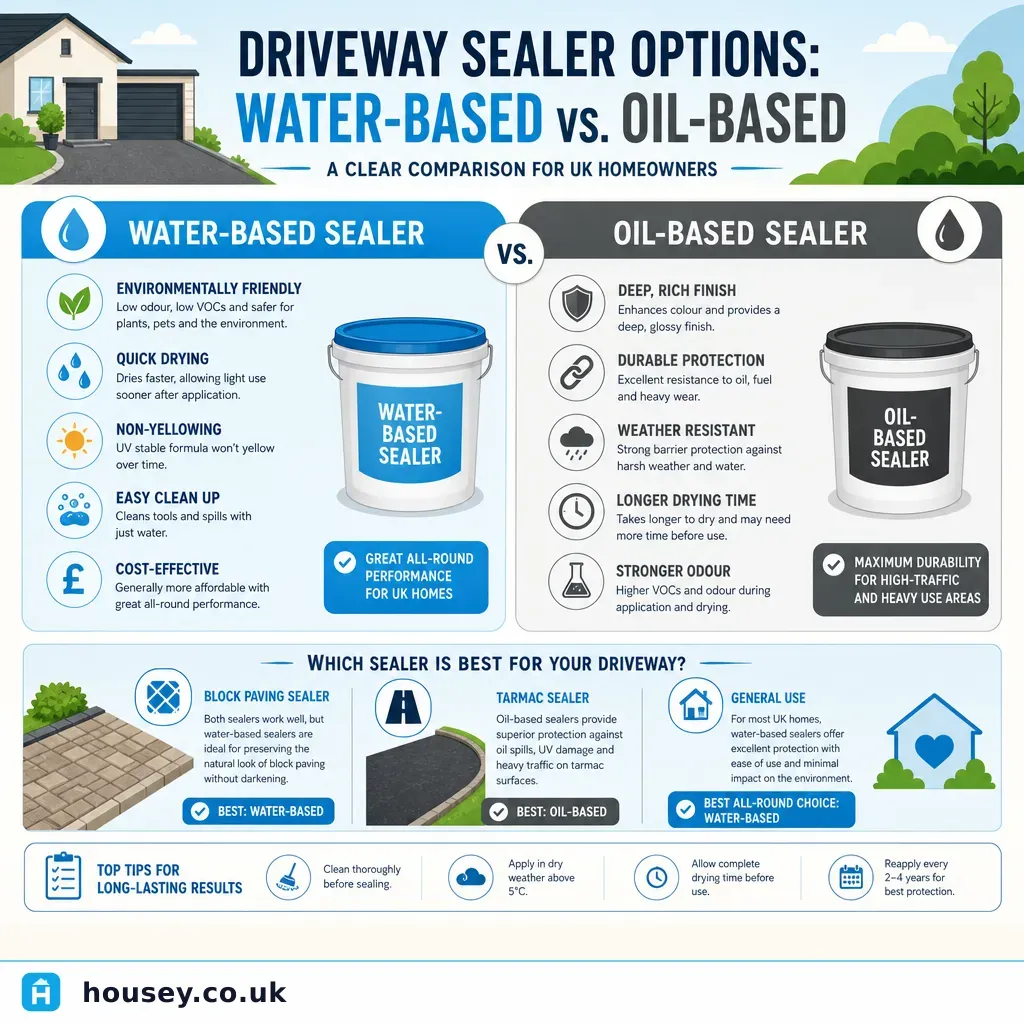
Driveway Sealer Options: Water-Based vs Oil-Based Comparison
Water-based driveway sealers are generally easier to apply, lower in VOCs, and suitable for most block paving and concrete surfaces.
 Improvement & Build
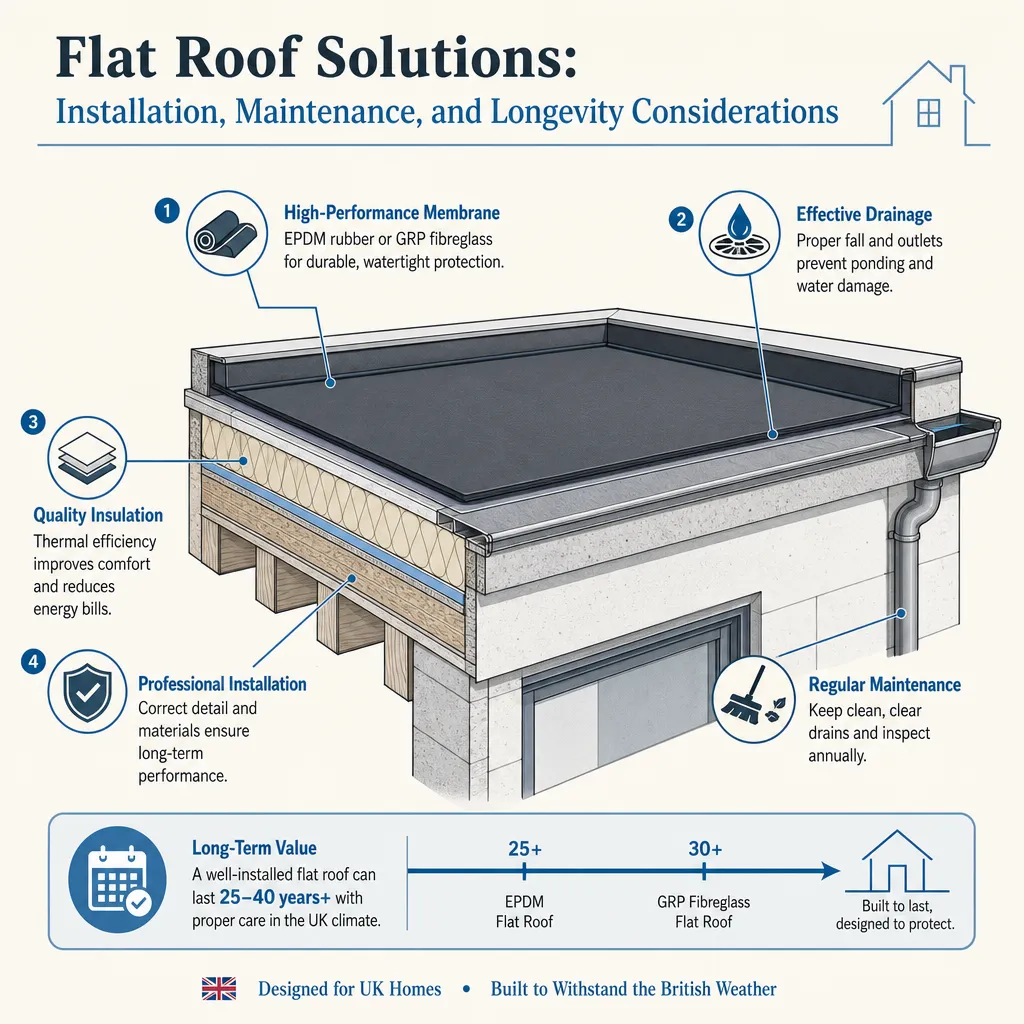
Flat Roof Solutions: Installation, Maintenance, and Longevity Considerations
Flat roofs use several waterproofing systems — EPDM rubber, GRP fibreglass, liquid-applied coatings, modified bitumen felt, lead, and zinc — each with different lifespans and installation requirements.
 Improvement & Build
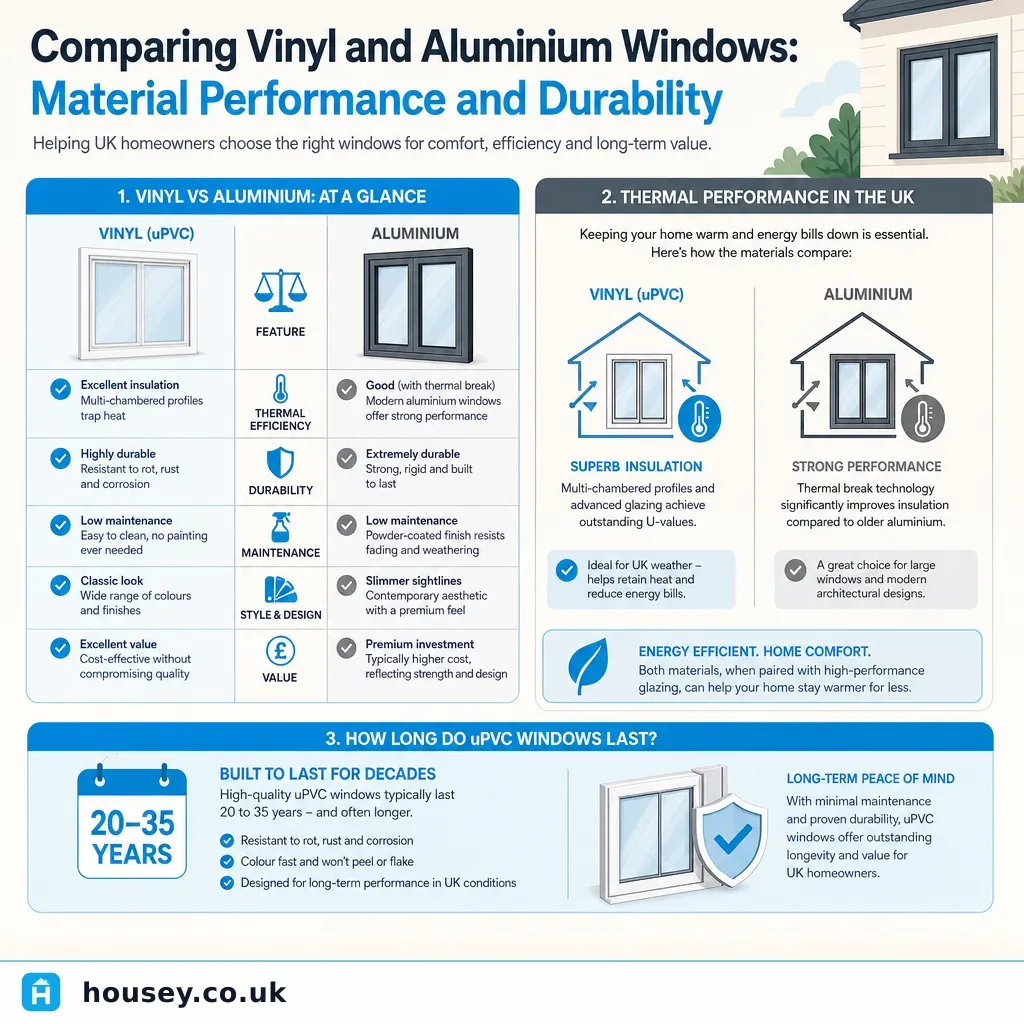
Comparing Vinyl and Aluminium Windows: Material Performance and Durability
uPVC (vinyl) and aluminium windows both meet UK Building Regulations Part L when properly specified.
 Improvement & Build
Professional Roofing Solutions: Expert Installation and Maintenance
A professional roofer should hold relevant trade qualifications such as NVQ Level 2 in Roofing Occupations, carry public liability insurance, and provide a written quotation.
 Improvement & Build
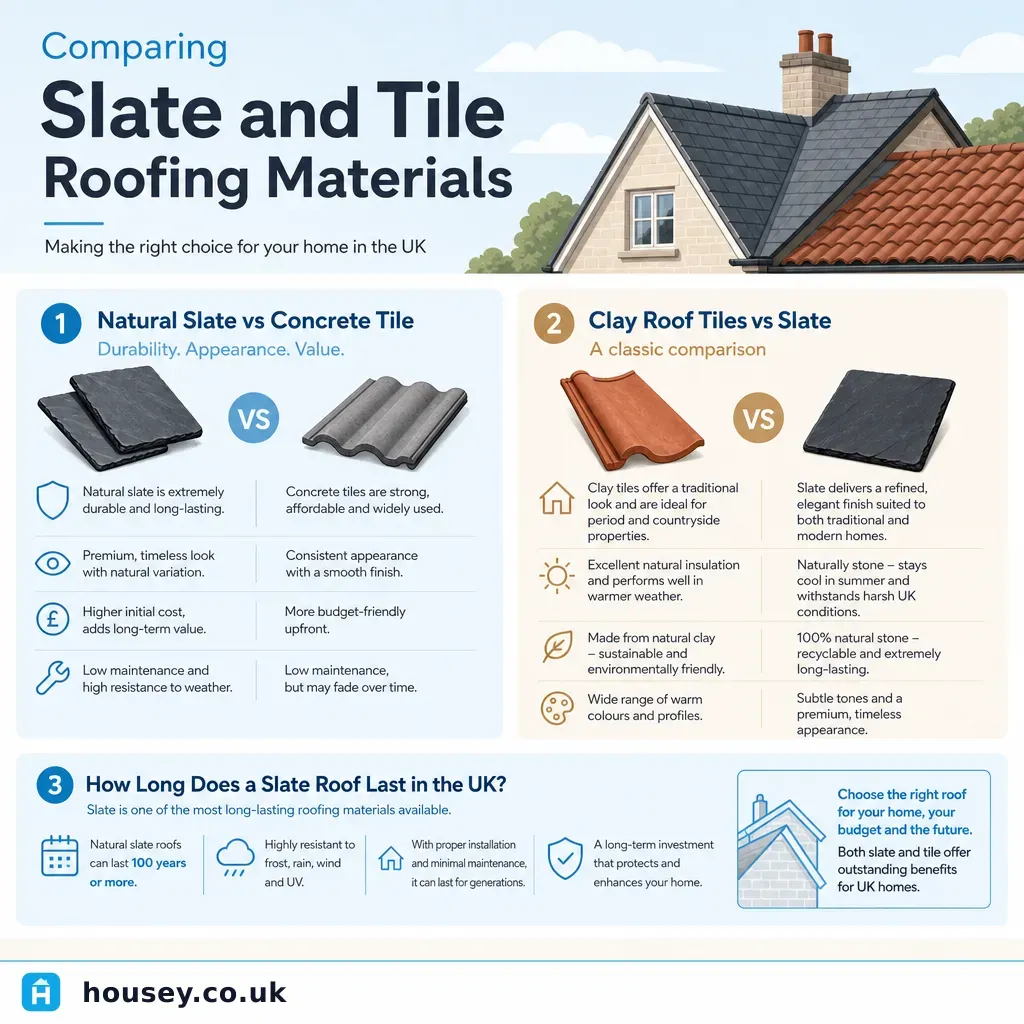
Comparing Slate and Tile Roofing Materials
Natural slate typically lasts 80–150 years and suits period and listed UK properties, while clay tiles offer 60–100 years and remain historically appropriate for Victorian and Edwardian stock.