Dry Verge Installation and Roofing Edge Treatment Costs
By Housey · Last reviewed 6th of May 2026
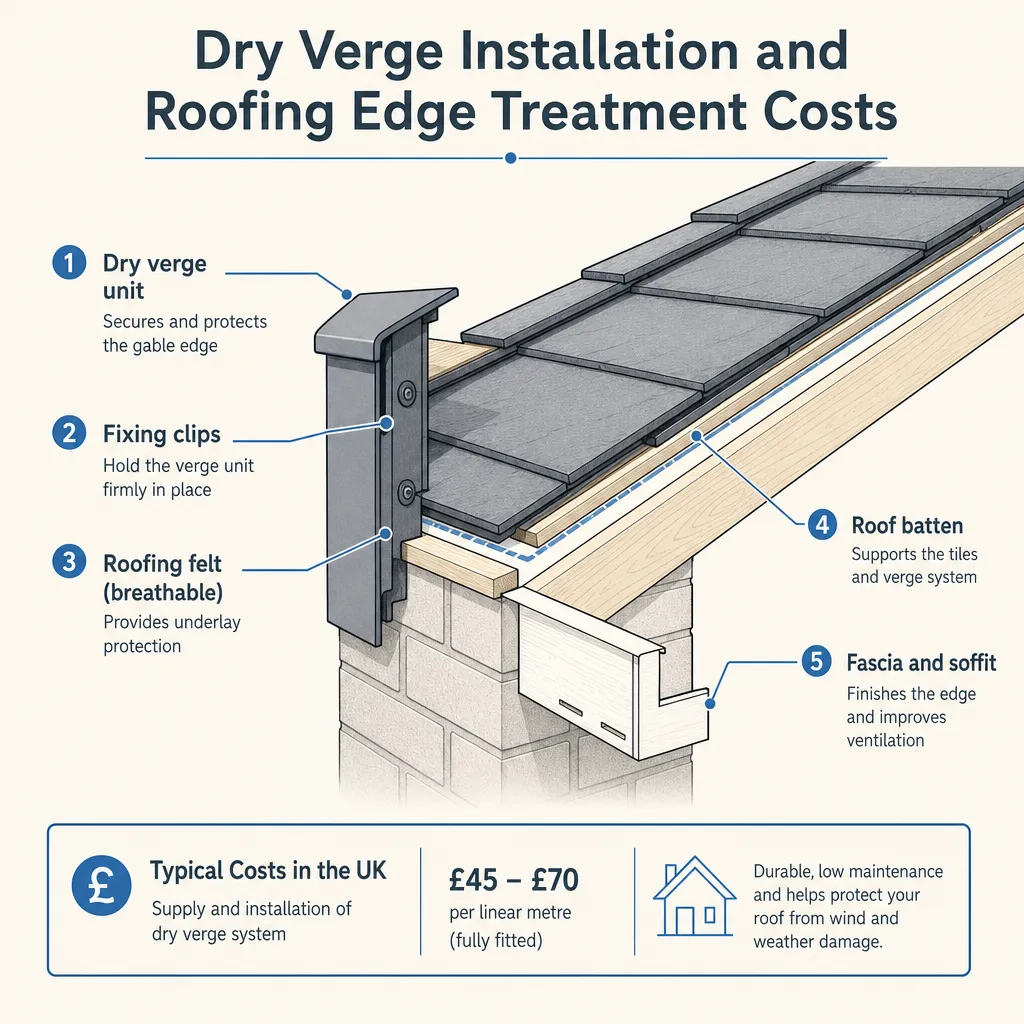
Dry Verge Installation and Roofing Edge Treatment Costs
The verge — the sloping edge of a pitched roof where tiles overhang the gable wall — is one of the most exposed points on a UK home. For decades, the standard approach was mortar bedding, but cracked pointing and displaced tiles are among the most common roofing call-outs. Dry verge systems have become the preferred solution on new-build and refurbishment work alike, replacing wet mortar with interlocking mechanical fixings that weather far better and require much less upkeep.
Key points
- Dry verge systems use interlocking uPVC or aluminium units that mechanically secure tile edges without mortar, complying with BS 5534:2014+A2:2018, the British Standard for slating and tiling.
- Indicative UK installation costs range from £300–£800 for a standard semi-detached property, depending on verge length, roof pitch, and access requirements (Indicative UK costs, last reviewed 2026-05-06).
- Traditional mortar verges typically last 10–20 years before cracking and displacement; dry verge systems are rated for 20–40 years with minimal maintenance.
- No planning permission is normally required for like-for-like verge replacement on a standard property in England, but conservation areas, listed buildings, and Article 4 directions may impose restrictions.
- Most manufacturers require a minimum 50 mm tile overhang for dry verge units to fit correctly; a roofer should check tile geometry and profile before ordering materials.
What is a dry verge system?
A dry verge system is a set of interlocking caps and undercloak units — usually made from uPVC or aluminium — that clips over the verge tiles at the gable end of a pitched roof. Instead of mortar bedding to hold the edge tiles in place and seal the gap against wind and rain, the units grip tiles mechanically and include a weatherproof profile that sheds water away from the gable wall.
Most systems consist of three components: an undercloak (a rigid strip beneath the verge tiles providing a firm, level edge), top caps (the visible interlocking covers directing water clear of the wall), and ridge units (where the verge meets the ridge, matching dry-fix units complete the mortar-free finish).
Modern systems are designed to meet BS 5534:2014+A2:2018, which requires new or replacement slating and tiling to use mechanical fixings rather than relying on mortar alone. This standard has driven the widespread shift away from wet-bedded verges on new-build and major refurbishment work.
Dry verge vs traditional mortar verge
Feature | Dry verge system | Traditional mortar verge |
|---|---|---|
Material | uPVC or aluminium interlocking units | Sand and cement mortar |
Lifespan | 20–40 years (manufacturer rated) | 10–20 years before maintenance needed |
Maintenance | Minimal; no re-pointing required | Periodic re-pointing as mortar cracks |
BS 5534 compliance | Yes — mechanical fixing standard | Not compliant for new or replacement work |
Installation speed | Faster — no mortar curing time | Slower — requires mortar to set |
Appearance | Clean, uniform profile | Traditional; can look uneven with age |
Best for | Refurbishment, new-build, exposed locations | Older properties retaining original character (where permitted) |
How much does dry verge installation cost in the UK?
Indicative UK costs, last reviewed 2026-05-06. Quotes vary by location, access, roof pitch, and verge length — always obtain at least two quotes from qualified roofers.
Property type | Typical verge length | Indicative cost range |
|---|---|---|
End-of-terrace or semi-detached | 6–10 m per verge | £300–£600 |
Detached bungalow | 10–16 m per verge | £500–£900 |
Two-storey detached (two gable ends) | 12–20 m total | £600–£1,200 |
Garage or outbuilding | 4–7 m | £200–£400 |
Main cost drivers: scaffolding or access equipment (can add £300–£600 for a standard semi); condition of the existing verge (heavily cracked mortar takes longer to strip); ridge treatment (combining verge and ridge repairs at the same mobilisation is usually more economical); tile type (non-standard profiles may require specific units); and undercloak replacement (new boarding adds material and labour if the existing strip is damaged).
What does installation involve?
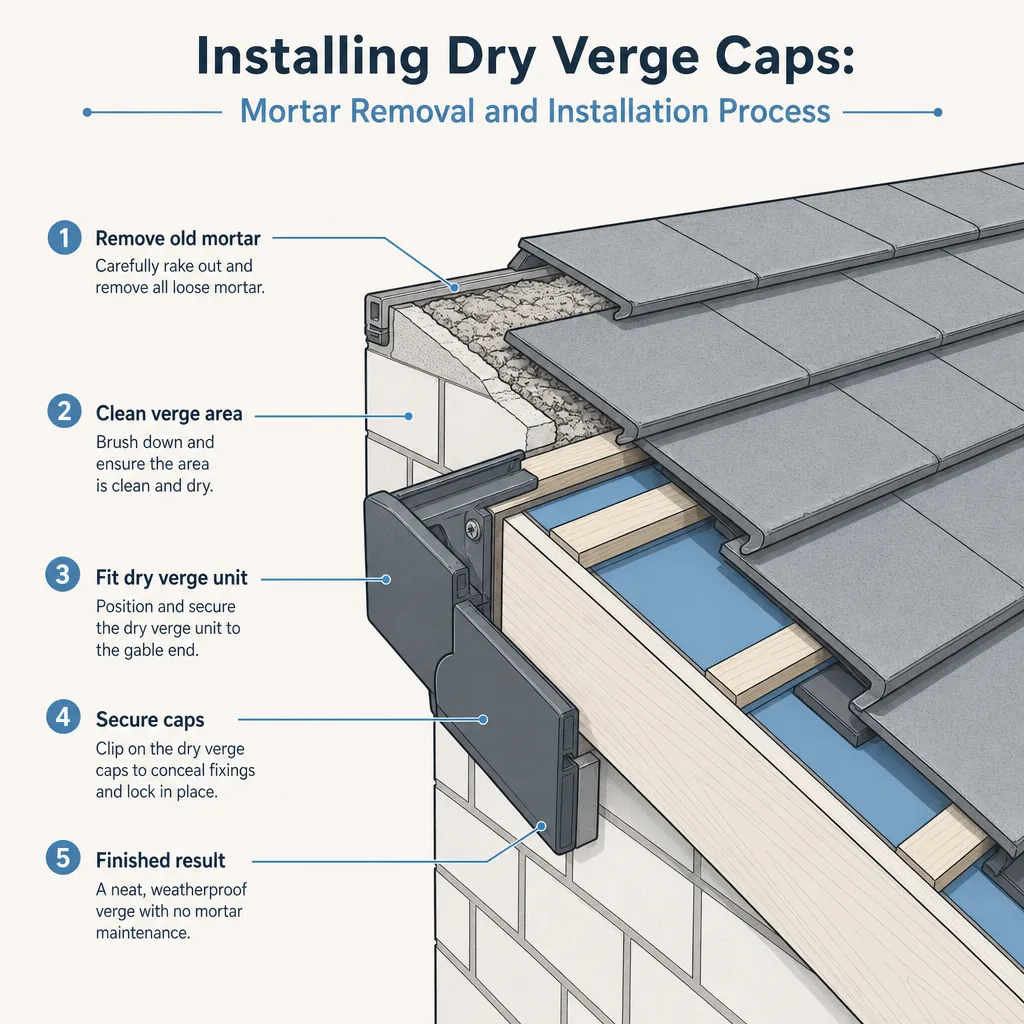
A qualified roofer will typically: set up safe access; strip the existing verge tiles and mortar; inspect and replace undercloak if damaged; clip dry verge units into position from eaves to ridge; fit dry-fix ridge caps where required; inspect alignment and water run-off paths; then remove access equipment and clear the site.
On a standard semi-detached property the work often takes one to two days. Because no mortar is used, the roof is weather-tight as soon as the last cap is in place — there is no curing time to wait for.
Do you need planning permission?
For most standard residential properties in England, replacing a mortar verge with a dry verge system is considered routine maintenance and does not require planning permission under permitted development rights. Check with your local planning authority before starting work if the property is a listed building, sits in a conservation area, is subject to an Article 4 direction, or is located in Scotland, Wales, or Northern Ireland, where planning regulations differ from those in England. GOV.UK's Planning Portal provides permitted development guidance for England.
Red flags: when a verge problem may be more serious
Deterioration at the verge is usually a maintenance matter, but it can occasionally signal a wider problem:
- Displaced verge tiles with no obvious cause: may indicate roof movement, rafter spread, or gable wall settlement — have a roofer or structural engineer assess before re-fixing.
- Persistent internal damp near a gable wall: cracked verges can allow ingress, but the source may be more complex; investigate before assuming the verge alone is responsible.
- Widespread mortar loss across the roof slope: general re-bedding or a full re-roof may be needed, not just verge treatment.
- Ridge tiles also loose or displaced: combining ridge and verge repairs at the same access mobilisation is usually more cost-effective than two separate visits.
When to get professional help
Roof work at height carries significant safety risks. Dry verge installation should always be carried out by a qualified roofer with appropriate access equipment. Do not attempt to refit verge tiles from a ladder without proper training.
Seek professional assessment if loose or open verge tiles are visible after storm damage, mortar debris is appearing in gutters, internal damp near a gable wall appears after heavy rain, or you are planning a re-roof and want to upgrade to a fully compliant dry-fix system. Look for roofers who are members of the National Federation of Roofing Contractors (NFRC) or hold Competent Roofer registration.
How Housey can help
Housey connects UK homeowners with qualified local roofers who can assess, quote for, and carry out dry verge installation and other roofing edge treatments. Use our roofer quote service to compare quotes from assessed providers in your area.
Frequently asked questions
How long does a dry verge system last?
Most manufacturers rate dry verge units at 20–40 years, depending on material. Aluminium tends to outlast uPVC in coastal or exposed locations. Unlike mortar, dry verge caps do not crack, shrink, or erode in frost, so maintenance requirements are minimal. Always check the manufacturer's guarantee when comparing products or accepting a quote from a roofer.
Can I fit a dry verge system myself?
The units themselves are not technically complex, but installation requires safe access at roof height, which carries serious risks without proper training and equipment. Most building insurers and mortgage lenders expect roofing work to be carried out by competent professionals. Hiring a qualified, ideally NFRC-registered, roofer is strongly recommended.
Will a dry verge system work with any roof tile?
Most systems are designed for standard concrete interlocking tiles and some plain tile profiles. Unusual profiles — such as certain slates, clay plain tiles, or large-format tiles — may need manufacturer-specific units or may not be compatible. A roofer should check tile dimensions and overhang before ordering materials for your property.
Do I need building regulations approval for dry verge installation?
For a straightforward like-for-like verge replacement, building regulations approval is not normally required. If the work forms part of a larger re-roof involving structural changes or insulation upgrades, building control may become relevant. Check with your local authority if the scope of work extends beyond the verge itself.
Is a dry verge system better in coastal or exposed locations?
Yes. uPVC and aluminium units are unaffected by salt air, frost, or driving rain in the same way as mortar. For properties in exposed upland or coastal locations, a dry verge system is generally more durable and lower-maintenance than a mortar finish, which can crack and erode within a few years in harsh conditions.
Sources and further reading
- BS 5534:2014+A2:2018 — Slating and tiling for pitched roofs — BSI Group
- National Federation of Roofing Contractors — Find a member — NFRC
- Planning Portal — Permitted development for householders — Planning Portal (England)
- GOV.UK — Planning permission: when you need it — GOV.UK
Useful next reads
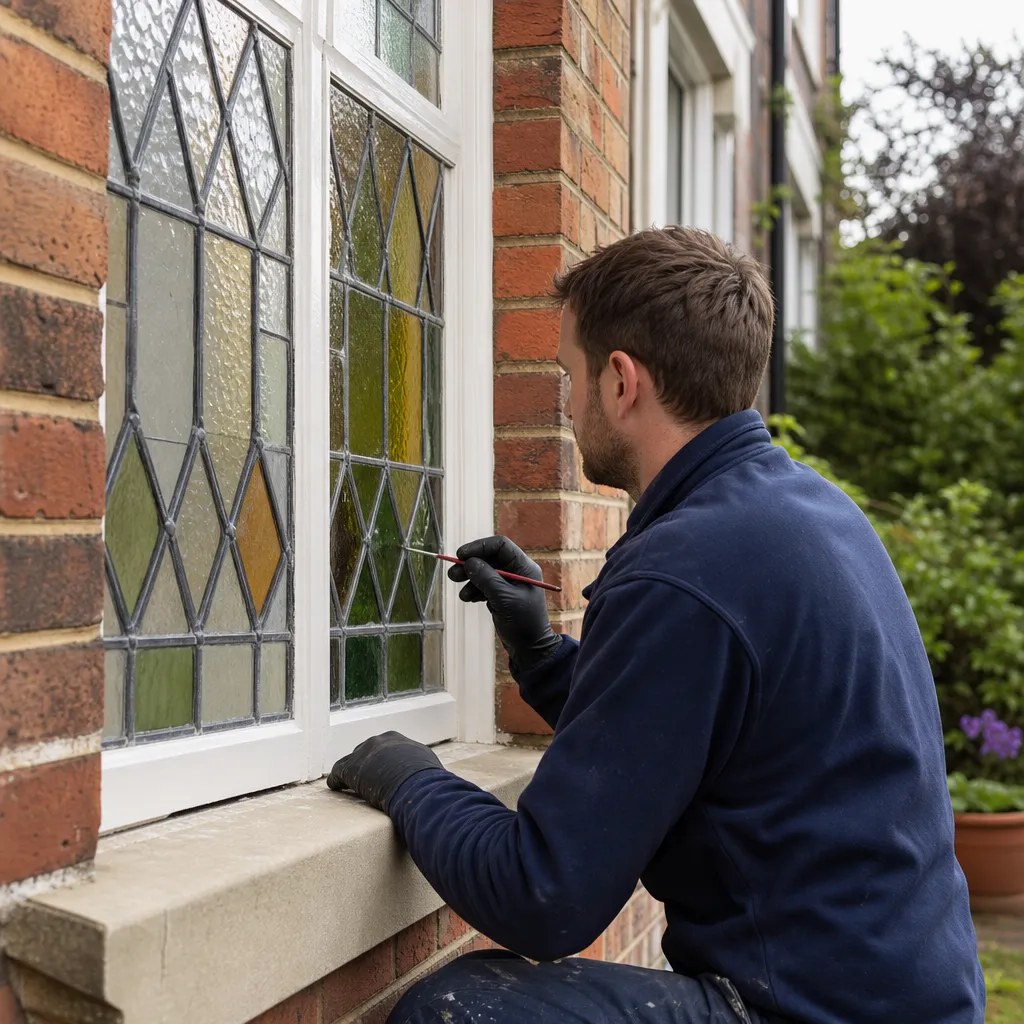 Improvement & Build
Sealing and Maintaining Historic Leaded Glass Windows: Preservation and Performance
Leaded glass windows are maintained using traditional linseed oil cement — not silicone or modern sealants, which prevent natural movement in the lead came.
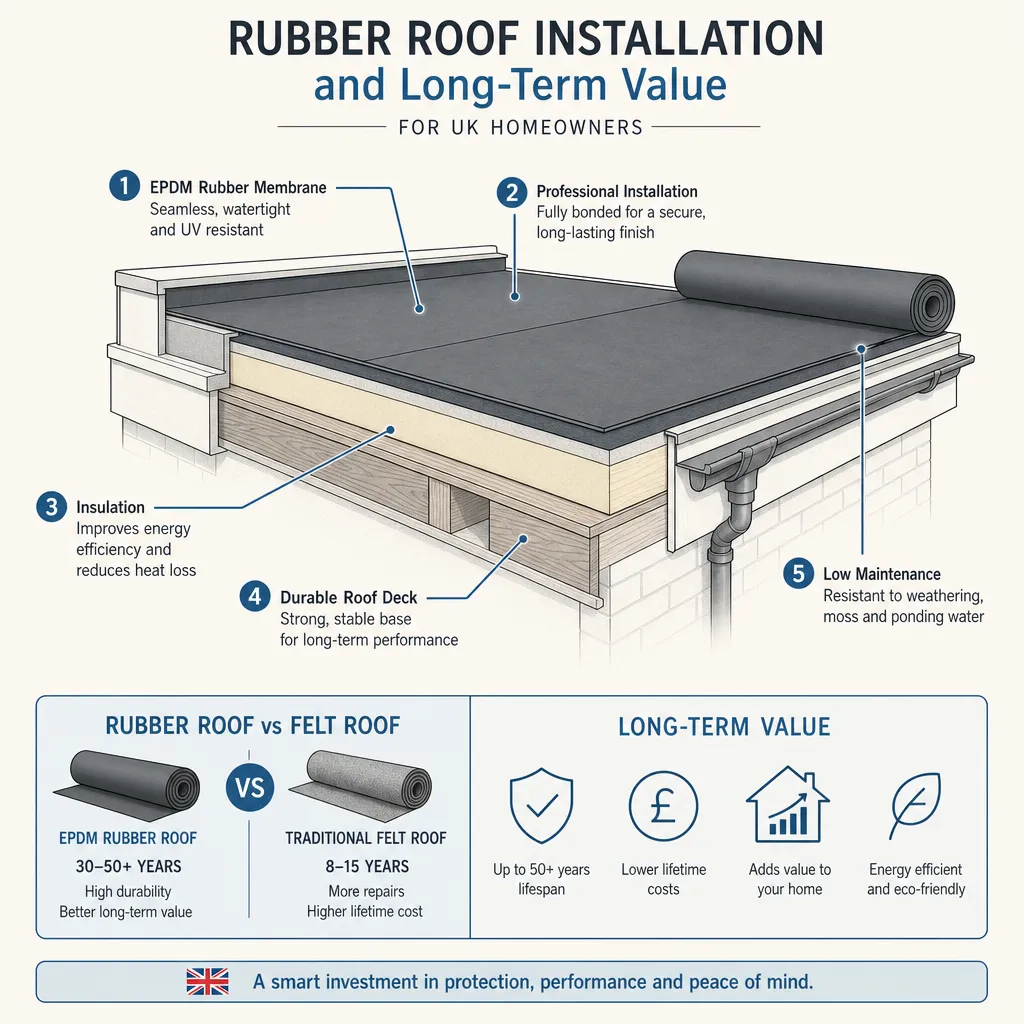 Improvement & Build
Rubber Roof Installation and Long-Term Value
EPDM rubber roofing is a synthetic membrane for flat and low-pitch roofs that typically lasts 30–50 years with minimal maintenance.
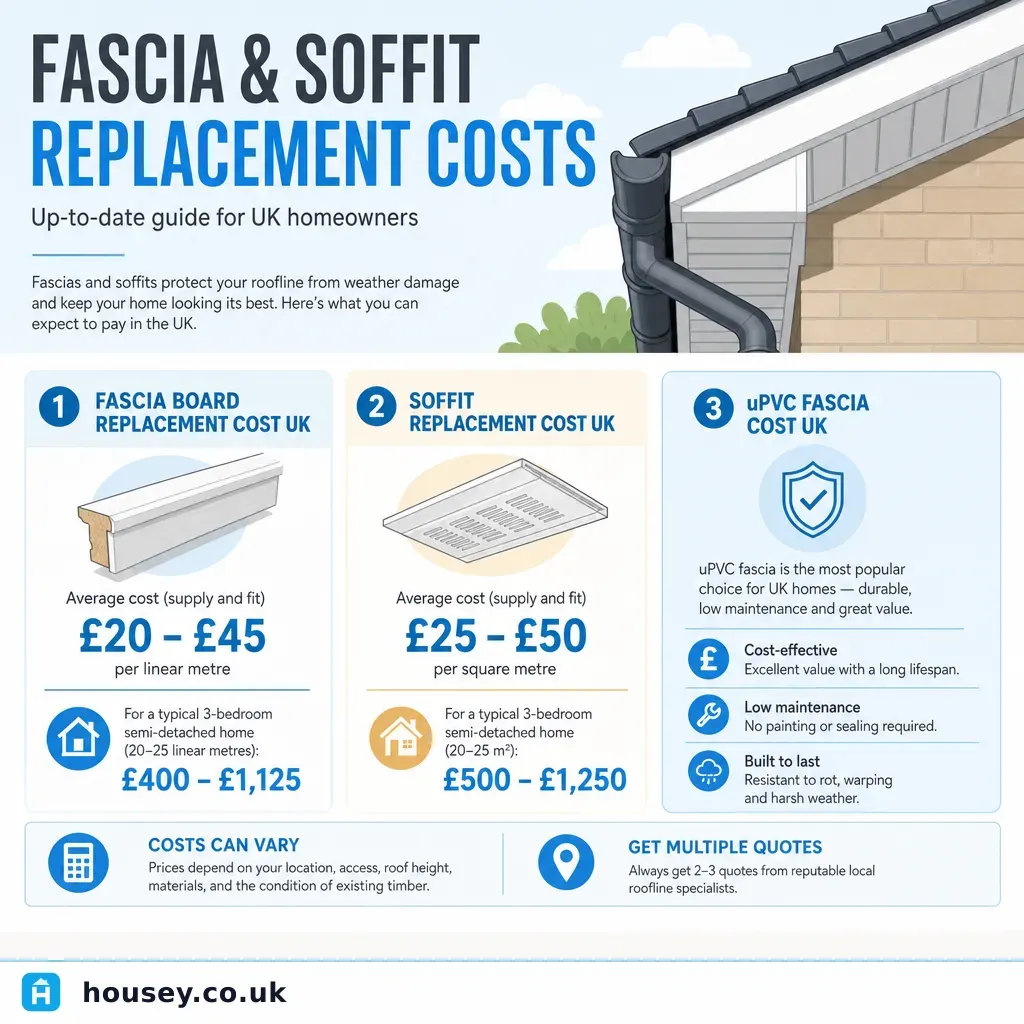 Improvement & Build
Fascia and Soffit Replacement Costs
Fascia and soffit replacement for a semi-detached house in the UK typically costs £1,800–£4,500 for uPVC boards and new guttering.
 Improvement & Build
Installing Dry Verge Caps: Mortar Removal and Installation Process
Installing dry verge caps on a UK roof involves removing all existing mortar from the gable verge, inspecting and repairing the underlay, then clipping interlocking uPVC or aluminium caps from eaves to ridge.
 Improvement & Build
Barge Board Replacement and Roof Edge Maintenance
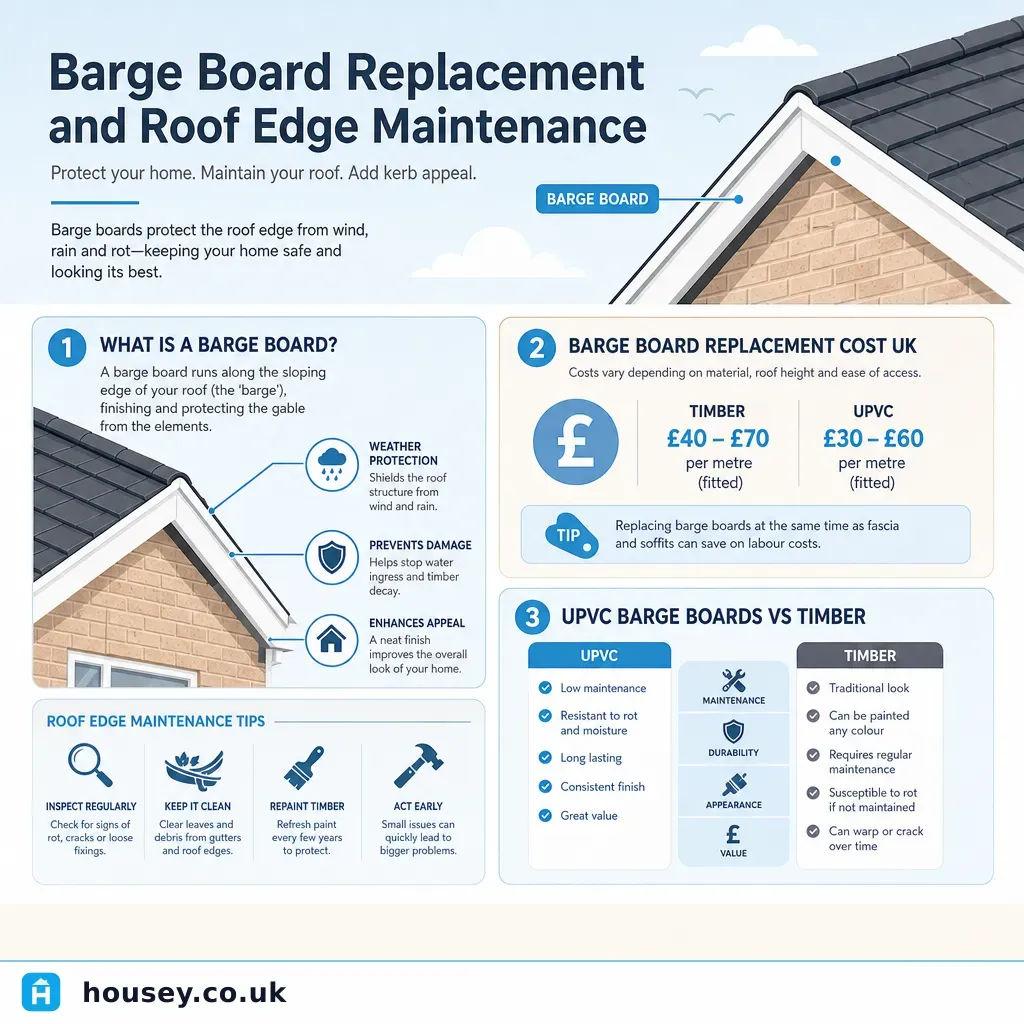
Barge boards sit at the gable end of a pitched roof and protect the verge from wind-driven rain.