Installing Dry Verge Caps: Mortar Removal and Installation Process
By Housey · Last reviewed 3rd of May 2026
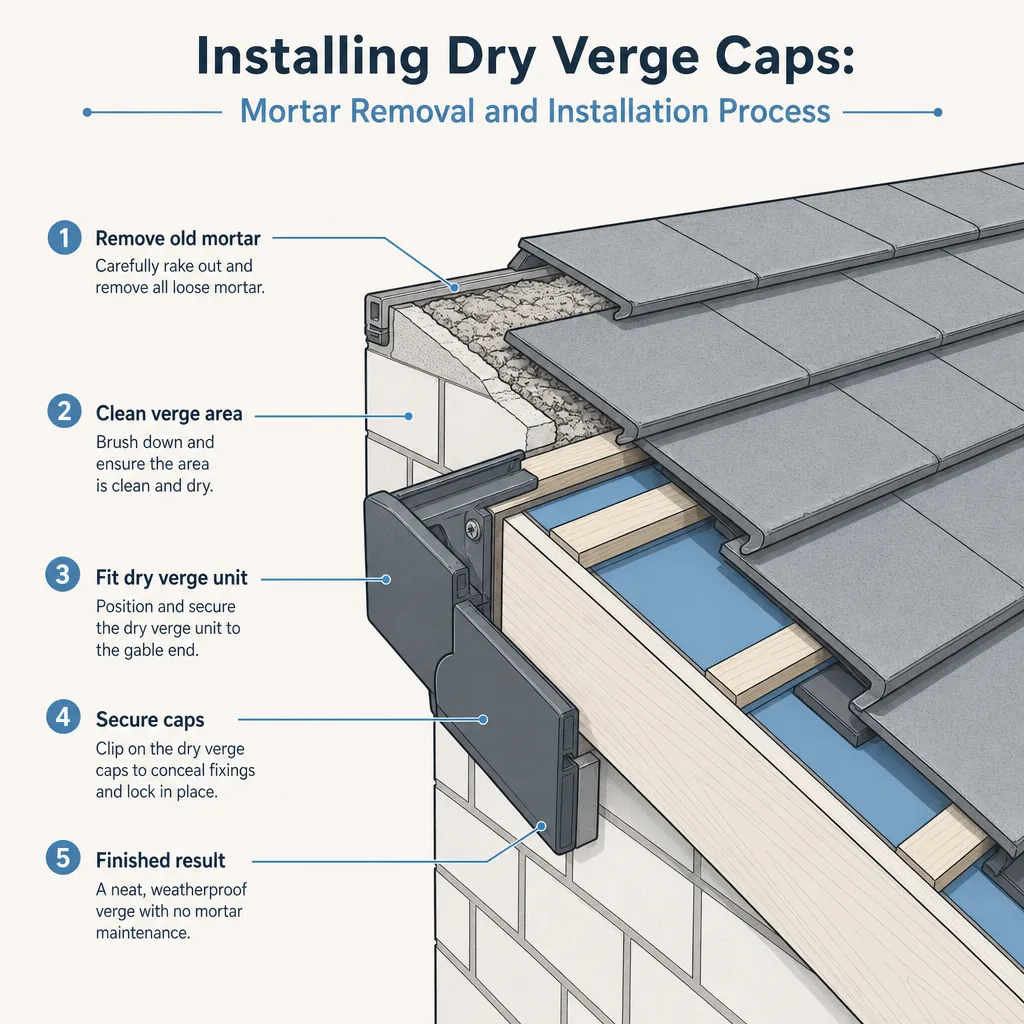
Installing Dry Verge Caps: Mortar Removal and Installation Process
Dry verge systems are now the standard replacement for traditional mortar verges on UK pitched roofs, and many homeowners are dealing with crumbling or loose mortar on gable ends that needs removing before a capped system can be fitted. Understanding what the installation process actually involves helps you set realistic expectations, identify a poor-quality quote, and check whether completed work meets the required standard.
Key points
- Mortar verges on UK roofs typically crack and fail within 15–25 years due to freeze-thaw cycling, and failing mortar can lift tiles and allow water into the roof space.
- Dry verge systems are manufactured from uPVC or aluminium and should comply with BS 5534:2014+A1:2015, the UK code of practice for slating and tiling.
- All existing mortar must be removed down to a clean surface before caps are fitted — residue beneath caps prevents correct seating and reduces wind uplift resistance.
- Most dry verge products interlock along the roof pitch and are mechanically fixed at the ridge and eaves to meet BS 5534 wind uplift requirements.
- Planning permission is not normally required to replace a mortar verge with a dry verge on a standard pitched roof; listed buildings and conservation areas may be exceptions.
What is a dry verge system?
A dry verge replaces the traditional mortar bed used to weatherproof the junction between roof tiles and the gable wall at the sloping edge of the roof. Mortar verges crack because they are rigid and cannot accommodate thermal movement in the roof structure. A dry verge system uses shaped plastic or aluminium caps that clip over the edge tiles, forming a weather-tight seal without mortar — making them more durable, lower maintenance, and easier to replace when needed.
The two main types used in the UK are:
- Individual tile caps — each verge tile receives its own cap; suited to interlocking concrete tiles and some clay profiles.
- Universal or continuous channel systems — a channel runs along the verge and caps slot in; more adaptable across tile profiles.
The mortar removal and installation process
Before dry verge caps can be fitted, all existing mortar must be removed. This is the most labour-intensive part of the job and, if rushed, the main source of subsequent failures.
Step 1: Safe access A roofer must establish safe working at height before starting. The Work at Height Regulations 2005 require all such work to be properly planned with appropriate equipment — typically a scaffold tower, fixed scaffold, or roof ladders with a working platform at eaves level.
Step 2: Lift ridge or hip cappings Where the verge meets the ridge, the ridge tile or hip capping is carefully lifted to expose the top of the mortar bed. This is done by hand after scoring the bedding mortar.
Step 3: Break out the verge mortar bed Old mortar is cut and chipped away using a cold chisel and club hammer, or an oscillating multi-tool for cleaner removal. The roofer must avoid cracking or disturbing the existing tiles. Mortar under and between verge tiles is removed down to the tile underlay or sarking felt.
Step 4: Inspect and repair the underlay Once mortar is off, the underlay at the verge edge is examined. Tears, gaps, or deteriorated felt are repaired with a compatible vapour-permeable membrane patch at this stage — this is one of the most common points of water ingress on older roofs and is often only discovered when mortar is removed.
Step 5: Fit verge caps from eaves to ridge Dry verge caps are measured and cut to length — uPVC with a fine-tooth saw, aluminium with tin snips. The bottom cap at eaves level is fixed first; caps then interlock up the pitch. Each cap should overlap the next by at least the manufacturer's specified minimum, typically 70–100 mm.
Step 6: Fix at ridge and install stop end At the ridge, a dry verge stop end or in-line ridge unit terminates the system. On mortared ridges, the ridge tile is re-bedded. Where a dry ridge is also being installed — often sensible to combine in one mobilisation — the dry ridge cap clips in at the same time.
Step 7: Clear debris The roofer removes all mortar debris from the roof surface, gutters, and any rooflight or extension roof below.
Decision tree: dry verge, repointing, or something else?
- Mortar cracked but firmly adhered, no water ingress — Consider repointing only; full removal may not be necessary yet. Get a roofer to inspect before deciding.
- Mortar loose, falling away, or water getting in — Dry verge replacement is the appropriate solution.
- Tiles at the verge slipping or missing — Tile replacement or re-hanging is needed first; dry verge installation follows.
- Ridge mortar also failing — Consider combining dry verge with a dry ridge system in one mobilisation to share scaffold costs.
- Property is listed or in a conservation area — Check with the local planning authority before replacing mortar with uPVC; some authorities require like-for-like mortar repairs.
What to ask a roofer before accepting a quote
- Will all existing mortar be fully removed to a clean face, or will caps be fitted over residual mortar?
- What brand and specification of dry verge system do you propose, and is it BS 5534-compliant?
- What access equipment will be used, and is scaffold hire included in the price?
- What happens if the underlay is torn when the mortar is removed — is repair included?
- Is there a manufacturer-backed guarantee on the dry verge system, and for how long?
- Will the ridge be re-mortared or does the quote include a dry ridge system?
- Is VAT included in the quoted price?
- How will debris on the roof and in the gutters be managed?
Red flags to watch for
- No mention of scaffold or safe access equipment in the quote — working at height without proper access is unsafe and a legal breach.
- A roofer proposing to fit caps directly over old mortar without removing it first.
- No mention of inspecting or repairing the underlay during works.
- A quote with no specification of the dry verge brand or BS 5534 compliance.
- An unusually low price that does not appear to include scaffold hire and debris removal.
When to get professional help
Contact a roofer promptly if you notice:
- Mortar pieces falling from the gable end
- Tiles at the verge edge lifting, slipping, or missing
- Damp patches on an internal gable wall — these may indicate verge or underlay failure
- Water running behind the fascia board at the verge and eaves junction
For listed buildings, consult your local planning authority and consider a roofer with heritage experience before specifying a uPVC system.
How Housey can help
Housey helps UK homeowners find qualified roofers who can assess your verge condition, recommend the right dry verge system for your tile profile, and carry out the work safely with appropriate access equipment and a clear scope of works.
Frequently asked questions
Does replacing a mortar verge with dry verge need planning permission?
In most cases, no. Replacing a mortar verge with a dry verge system is usually treated as maintenance and falls within permitted development. However, listed buildings and properties in conservation areas may require listed building consent or planning permission before changing materials. Always check with your local planning authority if your property carries any designation before ordering materials or starting work.
How long do dry verge systems last?
Most uPVC dry verge systems carry a manufacturer's warranty of 10–15 years, but well-installed systems regularly outlast this, with a practical lifespan of 25–40 years. Aluminium systems may last longer. Lifespan is significantly affected by installation quality — caps fitted over residual mortar or without proper wind uplift fixing at ridge and eaves tend to fail considerably sooner.
Can dry verge be installed on any roof tile type?
Most dry verge systems are designed for interlocking concrete tiles, with some profile-matched variants for plain clay tiles. Slate roofs typically use a different verge detail — soakers or slate-and-a-half units — rather than plastic caps. Always confirm with the installer that the chosen system is compatible with your specific tile profile before ordering materials or starting work.
What does dry verge installation typically cost in the UK?
Indicative UK costs, last reviewed 2026-05-03: dry verge installation on a standard semi-detached gable typically costs £300–£700 including scaffold and materials, depending on gable height, access complexity, and whether ridge work is also required. Prices vary significantly by region. Obtain at least three quotes from local roofers to compare scope and materials on a like-for-like basis.
Sources and further reading
- BS 5534:2014+A1:2015 — Code of practice for slating and tiling — BSI Group
- Permitted development rights for householders: technical guidance — GOV.UK
- Work at Height Regulations 2005 — Health and Safety Executive
- Repair and maintenance of traditional roofs — Historic England
Useful next reads
 Improvement & Build
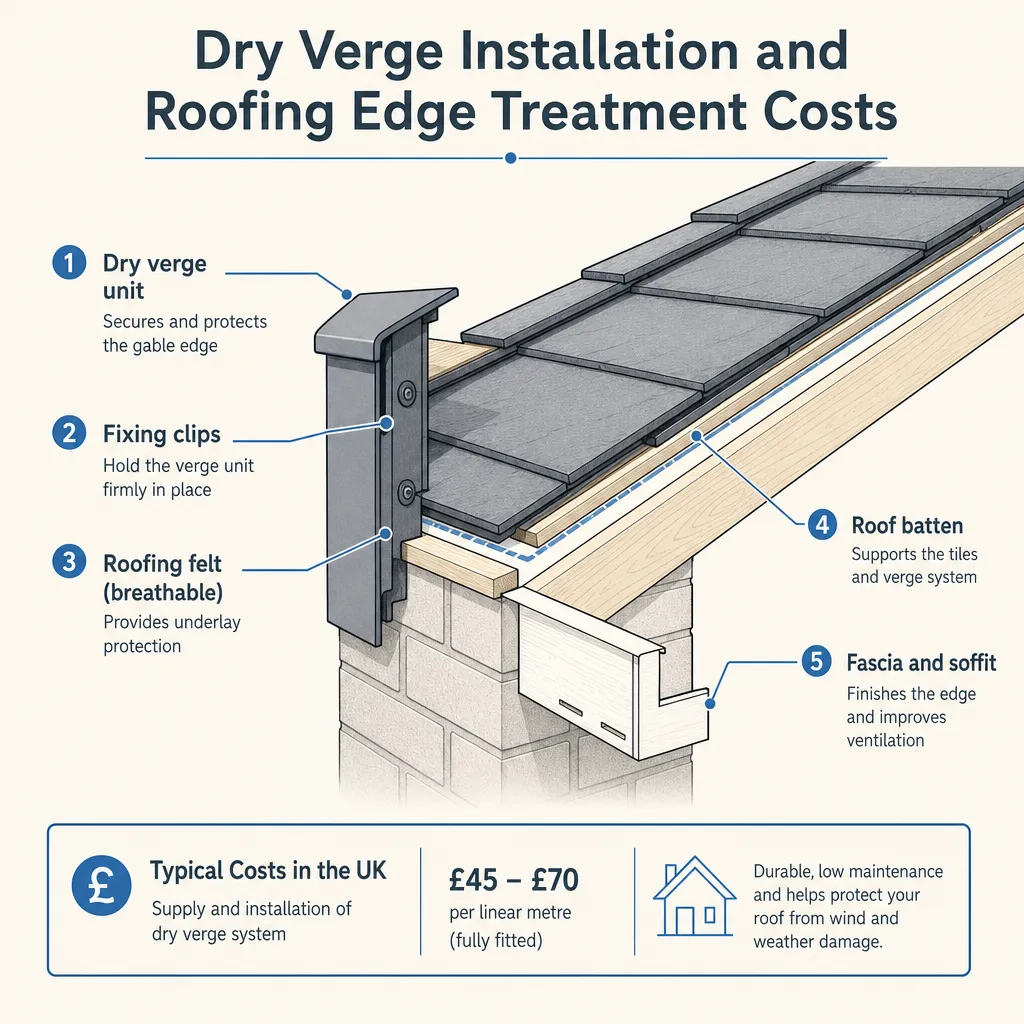
Dry Verge Installation and Roofing Edge Treatment Costs
A dry verge system replaces mortar bedding along the gable edge of a pitched roof with interlocking uPVC or aluminium units.
 Improvement & Build
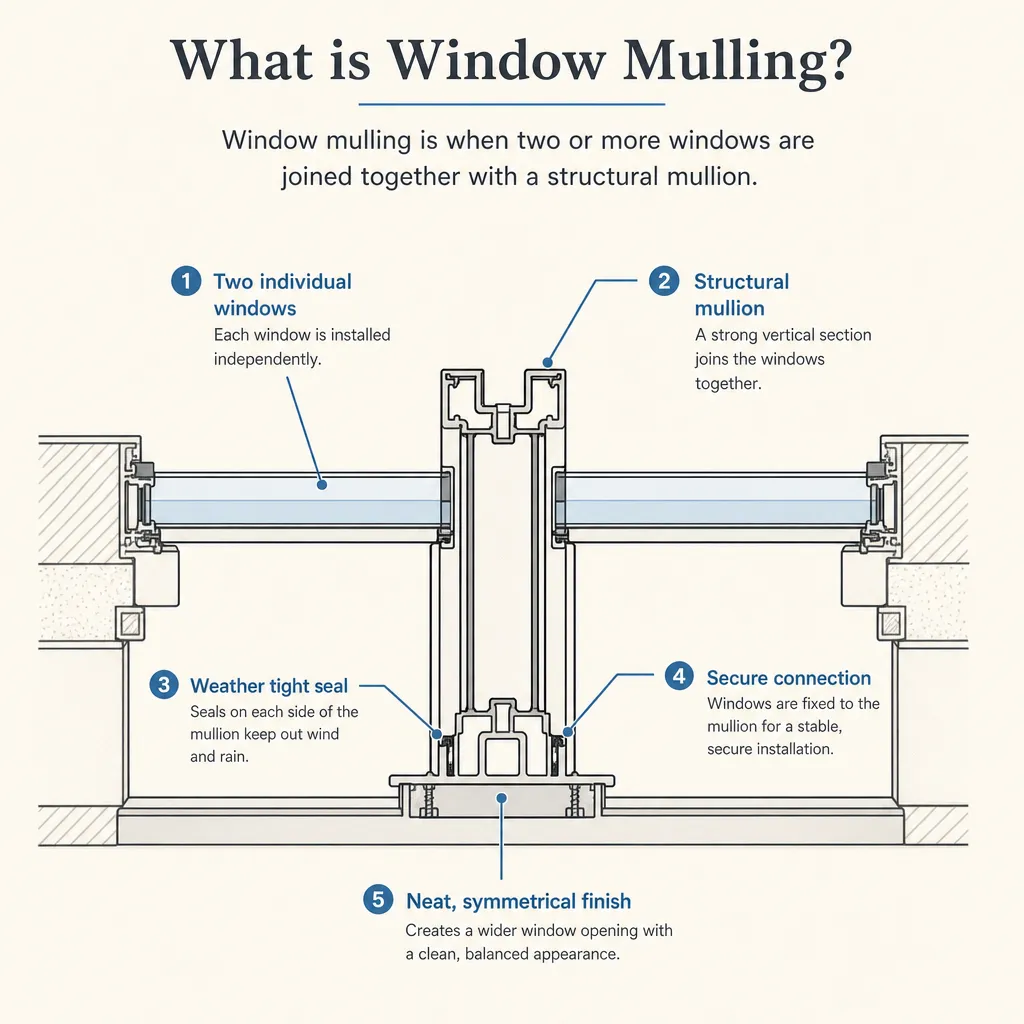
What is window mulling in window installation
Window mulling is the process of joining two or more individual window frames together using a mullion bar or mulling kit, so they function and appear as a single combined window assembly.
 Improvement & Build
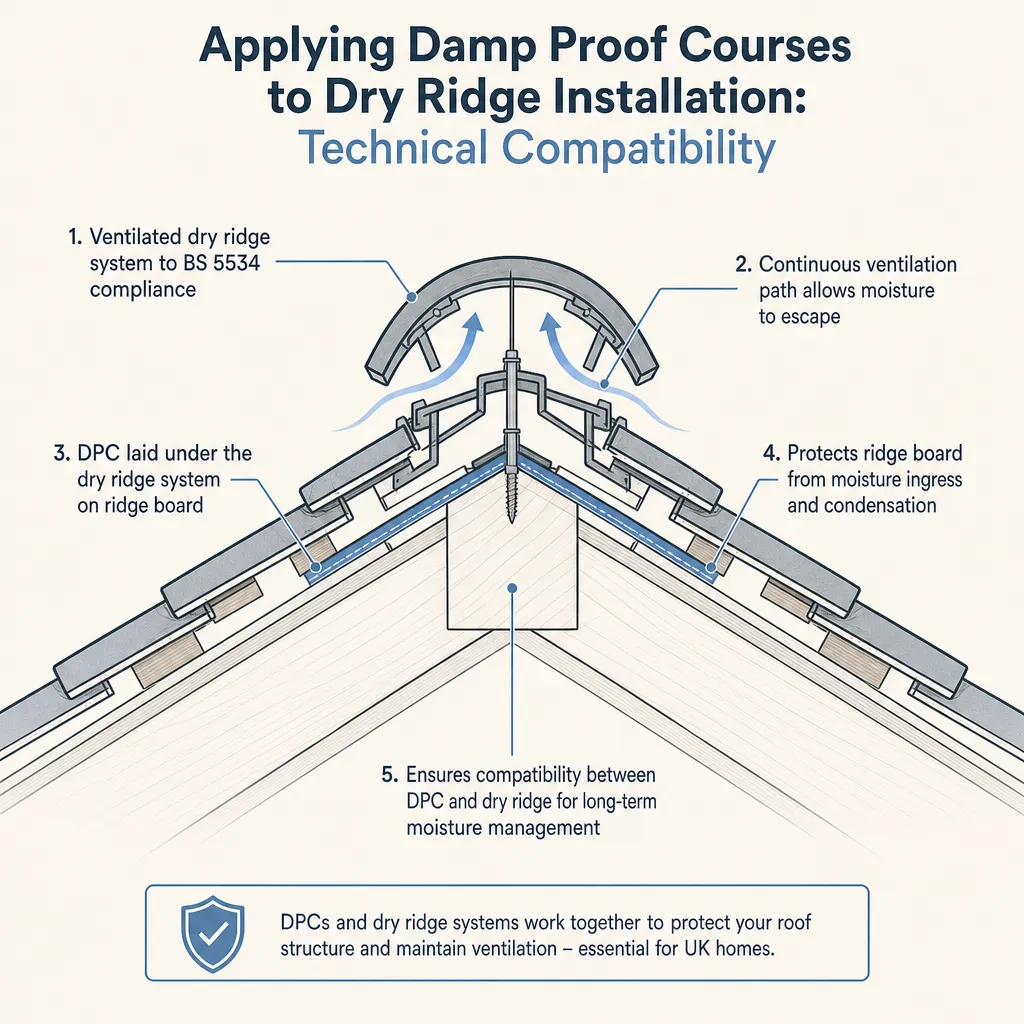
Applying Damp Proof Courses to Dry Ridge Installation: Technical Compatibility
A damp proof course beneath dry ridge components intercepts moisture at the ridge-to-tile interface, preventing water from tracking into the timber structure.
 Improvement & Build
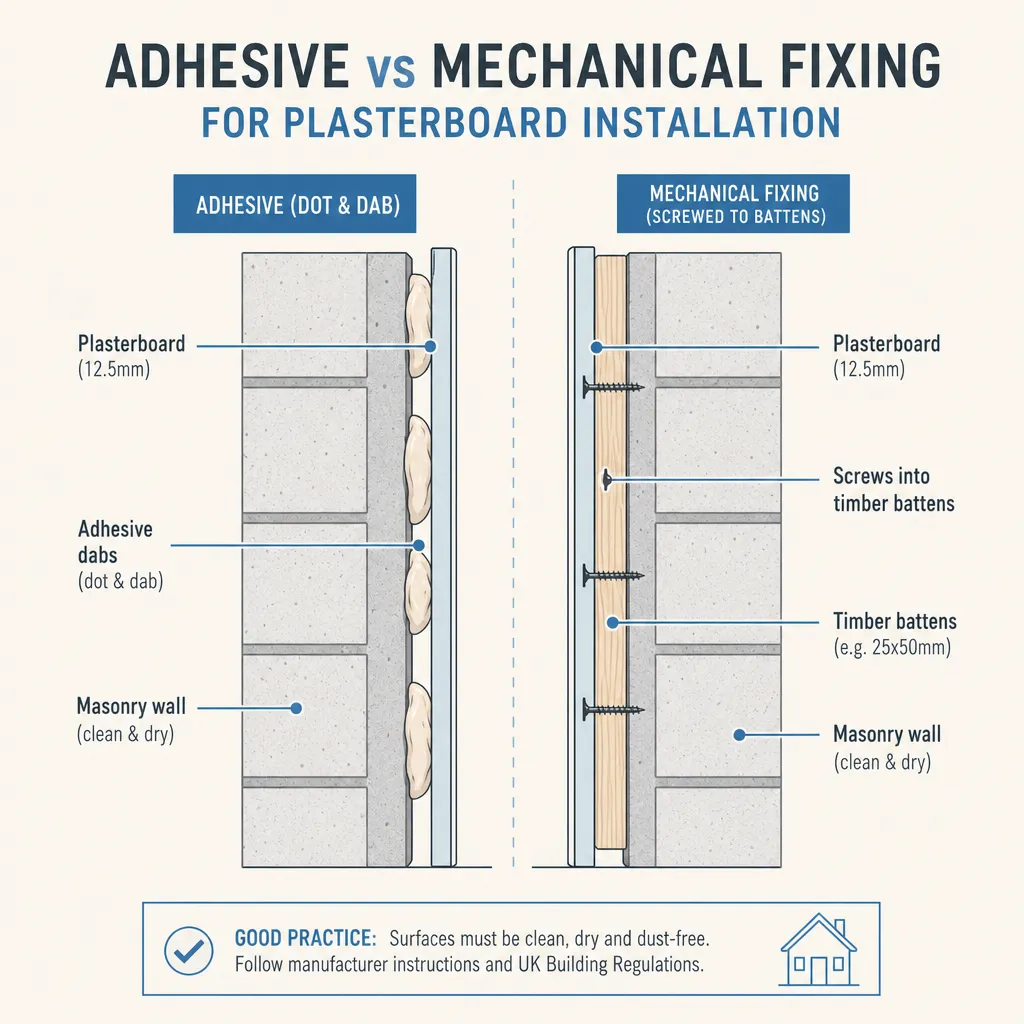
Adhesive vs Mechanical Fixing for Plasterboard Installation
Dot-and-dab adhesive is faster and suits most internal masonry walls, but creates a void behind the board that can affect fire resistance and acoustic performance.
 Improvement & Build
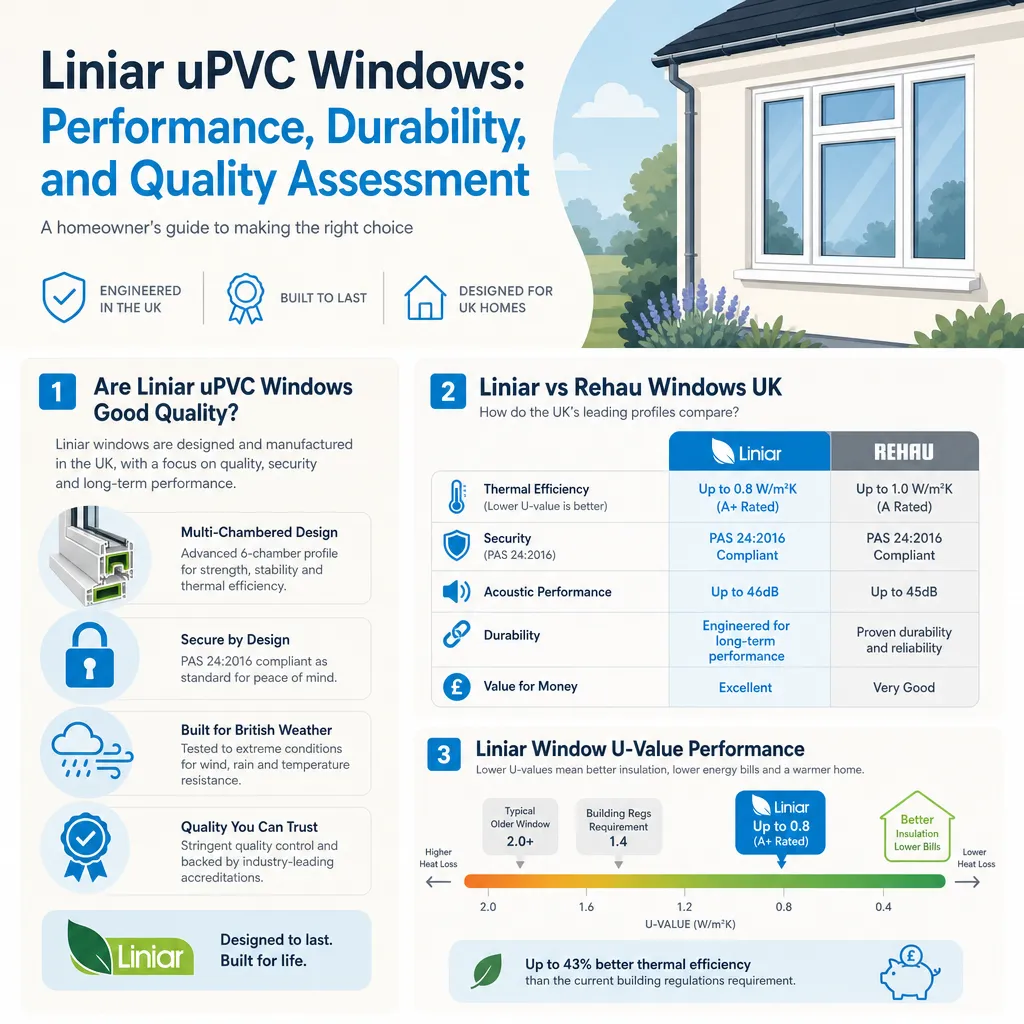
Liniar uPVC Windows: Performance, Durability, and Quality Assessment
Liniar uPVC window profiles are manufactured in the UK using multi-chambered, foamed frames.