Ecological Surveys for Protected Species: Costs and Timescales
By Housey · Last reviewed 5th of May 2026
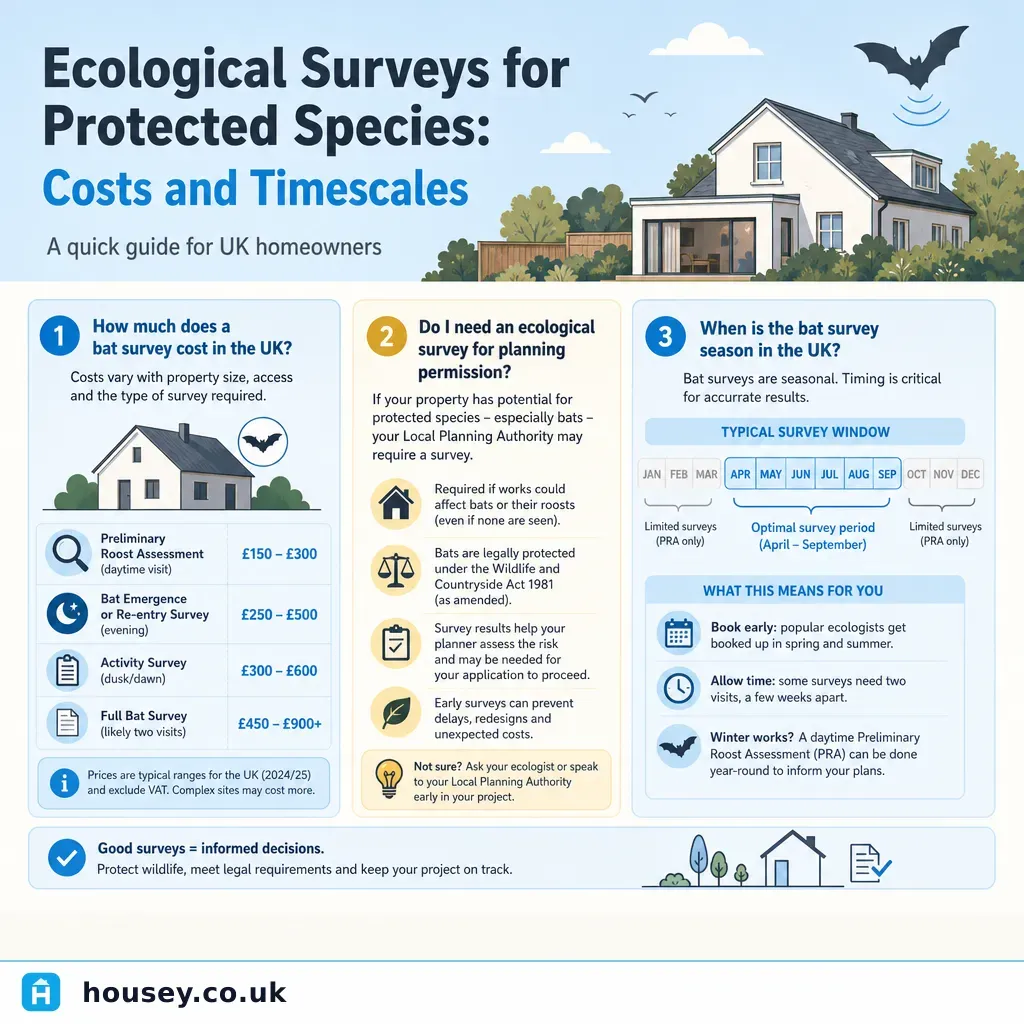
Ecological Surveys for Protected Species: Costs and Timescales
Planning applications for extensions, conversions, demolitions, and new builds increasingly require an ecological survey before a local planning authority (LPA) will determine the application. Whether you are converting a barn, demolishing an outbuilding, or extending a 1930s semi-detached, the presence — or likely presence — of protected species such as bats, great crested newts, or breeding birds can significantly affect your planning timeline and costs. Understanding what triggers a survey requirement, who can carry it out, and when surveys must take place helps you avoid delays that can set a programme back by a full season.
Key points
- The Wildlife and Countryside Act 1981 (as amended) and the Conservation of Habitats and Species Regulations 2017 protect numerous species in the UK, making surveys a legal necessity when works could affect them.
- Natural England's standing advice guides LPAs on when to request ecological information as part of a planning application.
- Bat surveys must follow the Bat Conservation Trust (BCT) Good Practice Guidelines (5th edition, 2023) and are highly seasonal — most activity surveys run between April and October.
- A preliminary ecological appraisal (PEA) is usually the first step; it can often be carried out year-round and determines whether further detailed surveys are needed.
- CIEEM (Chartered Institute of Ecology and Environmental Management) full membership is the recognised professional standard for ecological consultants in the UK.
When do you need an ecological survey for planning?
An LPA may require an ecological survey — or impose it as a planning condition — when your proposed development could reasonably affect protected species or designated habitats. Common triggers include:
- Demolishing or significantly altering buildings — particularly older structures that may support bat roosts or nesting birds.
- Converting barns or outbuildings — a high likelihood of bats; almost always triggers a bat survey requirement.
- Removing trees, hedgerows, or scrub — potential breeding bird habitat; hedgerow removal may also require separate consent under the Hedgerow Regulations 1997.
- Works near ponds, ditches, or water bodies — potential great crested newt (GCN) habitat.
- Greenfield or brownfield development — may support reptiles, badgers, water voles, or other protected species.
- Extensions to existing buildings with roof spaces or tile hanging — roof voids are common bat roost locations in UK housing stock.
Natural England provides standing advice to LPAs, which means many planning departments will routinely request ecological information for the above scenarios without conducting their own site visit.
What surveys are required and when?
Different species have different survey seasons and methods. Getting the timing wrong means you may need to wait a full year for an appropriate survey window.
Preliminary Ecological Appraisal (PEA)
The PEA — sometimes called a Phase 1 Habitat Survey — is the standard starting point. A qualified ecologist visits the site, records habitats and features, and assesses the likelihood of protected species. The PEA can usually be carried out year-round, though visits during the growing season (April to September) provide more reliable habitat data. If the PEA identifies potential bat roost features, ponds within 500 metres, or suitable reptile habitat, it will recommend further targeted surveys.
Bat surveys
Bat surveys are the most commonly required ecological surveys for UK planning applications. The BCT Good Practice Guidelines (5th edition, 2023) set out the minimum survey effort for different roost types and the required seasons. Most bat surveys involve at least two or three survey visits at dawn or dusk using specialist ultrasound detectors. The active survey season for most species is April to October; hibernation surveys (for features used in winter) run October to March.
Missing the active survey season is one of the most common causes of planning delay. If a survey cannot be completed before the LPA's determination deadline, the authority may refuse the application or impose pre-commencement conditions requiring surveys before any works begin.
Great crested newt (GCN) surveys
GCN presence or absence surveys using environmental DNA (eDNA) testing can only be carried out between mid-April and the end of June, when detection reliability is highest. Habitat Suitability Index (HSI) assessments can be carried out at any time of year. Natural England's district level licensing scheme offers an alternative route for developers in LPA areas with strategic GCN conservation plans — check whether your local authority participates before commissioning individual surveys.
Breeding bird surveys
Breeding bird surveys typically run from March to August and may include dawn chorus visits. Barn owl surveys may be required separately if suitable nesting features are identified during the PEA.
Seasonal survey calendar
Survey type | Optimal season | Notes |
|---|---|---|
Preliminary Ecological Appraisal (PEA) | Year-round (April–September preferred) | First step for most applications |
Bat activity surveys | April–October | Minimum 2–3 dusk or dawn visits per BCT guidelines |
Bat hibernation surveys | October–March | For potential hibernation features such as cellars or caves |
Great crested newt eDNA | Mid-April–June | Strict seasonal window; pond access required |
GCN traditional survey | Mid-March–mid-June | Torch, funnel trap, and egg search visits |
Breeding bird survey | March–August | Includes dawn chorus visits |
Reptile survey | March–October (warm, sunny days) | Refugia placed over multiple visits |
Badger survey | Year-round | Sett activity assessed; disturbance licence required if sett affected |
Water vole survey | April–October (May–July optimal) | Latrines, burrows, and field signs |
How much do ecological surveys cost in the UK?
Survey costs depend on site size, species present, number of visits required, and whether a detailed mitigation strategy or European Protected Species (EPS) licence application is needed.
Indicative UK costs, last reviewed 2026-05-05. Costs vary significantly by location, site complexity, and consultant. Always obtain written quotes.
Survey type | Indicative cost range |
|---|---|
Preliminary Ecological Appraisal (PEA) | £400–£1,200 |
Bat survey (2–3 visits, standard residential) | £600–£2,000 |
Bat roost report including mitigation strategy | £1,500–£4,000 |
European Protected Species (EPS) mitigation licence | £2,000–£5,000+ |
GCN eDNA survey | £400–£900 |
GCN full survey (4–6 visits) | £1,500–£4,000 |
Breeding bird survey | £500–£1,500 |
Full ecological assessment (multiple species) | £2,500–£10,000+ |
Costs typically exclude VAT. Mitigation works — replacement bat boxes, pond creation, or habitat management — are additional. For large or complex sites, obtain a tailored quote based on the specific site and planning requirements.
Worked UK property scenario
Scenario: A homeowner in Shropshire applies for planning permission to convert a 1940s brick-built agricultural outbuilding into a holiday let. The LPA planning officer notes the building has roof voids and sits within 200 metres of a pond, and requests ecological information before determining the application. >Timeline: A PEA is commissioned in March (approx. £650). The PEA confirms moderate bat roost potential and GCN habitat within 250 metres. Two bat survey visits are booked for May and June (approx. £1,100). eDNA testing of the pond is carried out in May (approx. £550). Results confirm common pipistrelle bat use but no confirmed roost, and no GCN detected. An ecological report is submitted with the planning application in July. The LPA imposes a planning condition requiring a watching brief during roof removal and installation of bat tiles. Total ecological cost: approximately £2,800 before any mitigation works.
Important limitations
This article is general guidance only. Ecological survey requirements vary by site, species present, local planning authority policy, and the nature of proposed works. Survey timescales and seasonal windows can change based on weather conditions and updated statutory guidance from Natural England or CIEEM.
Do not rely on this article to determine whether surveys are needed for a specific property. A qualified ecologist must assess the site. Acting without adequate ecological information during planning can result in conditions requiring retrospective surveys, enforcement action, or criminal liability under species protection legislation. If in doubt, commission a PEA before submitting your planning application.
What to ask a qualified professional
Before instructing an ecologist, ask:
- Are you a full member of CIEEM, and do you hold a Natural England bat survey licence where required?
- What surveys do you consider necessary for this site, and on what basis?
- What is the earliest you can carry out the first survey, and how will that affect my planning timetable?
- Will you liaise directly with the LPA and planning officer on my behalf?
- What happens if a protected species is found — will you manage the EPS licence application?
- Is your report format accepted by this local planning authority?
- What are the likely mitigation costs if a roost or population is confirmed?
- Are your survey methods compliant with the latest BCT guidelines or relevant CIEEM guidance?
When to get professional help
Commission an ecological survey — rather than wait for the LPA to request one — before submitting a planning application if your site includes any of the following:
- Any building with a roof void, soffit, or tile hanging that could provide bat roost access.
- Trees with cracks, cavities, or ivy that could support bats or nesting birds.
- Ponds or standing water within 500 metres.
- Hedgerows or scrub to be removed.
- Brownfield land, rough grassland, or rubble areas with reptile habitat potential.
Proactive commissioning — rather than responding to LPA requests after submission — avoids missing seasonal windows and keeps your planning programme on track. If you are unsure, a PEA is usually the lowest-cost, lowest-risk starting point.
How Housey can help
If your project requires ecological assessment, Housey can connect you with qualified ecological survey specialists who are CIEEM members and hold the necessary survey licences to support your planning application.
Frequently asked questions
Do I always need an ecological survey for planning permission?
Not always — it depends on your site and proposed works. The local planning authority (LPA) will assess your application and may request an ecological survey if the site has features likely to support protected species. A preliminary ecological appraisal (PEA) is the standard first step and determines whether further targeted surveys are needed before the LPA will determine your application.
How long does a bat survey take to complete?
A bat survey for a standard residential extension or conversion typically requires two or three survey visits spread over several weeks within the active season (April to October). Add report preparation time of two to four weeks and you should allow two to three months from commissioning to receiving the completed report. Missing the survey season means waiting until the following year.
Can I start building work before ecological survey results are back?
Generally no. If the LPA has made an ecological survey a planning condition, or has not yet determined your application, starting work before the condition is discharged can constitute a breach of planning control. If protected species are present and disturbed, it may also be a criminal offence under the Wildlife and Countryside Act 1981 or the Conservation of Habitats and Species Regulations 2017.
What happens if a bat roost or other protected species is found?
If a protected species is confirmed, a mitigation strategy must be developed by a licensed ecologist. This typically involves applying to Natural England for a European Protected Species (EPS) mitigation licence before any works affecting the roost or population can proceed. Mitigation may include replacement roost features such as bat boxes or specialist tiles, phased demolition, or habitat creation. EPS licence applications can take several weeks to process.
Who is qualified to carry out an ecological survey?
Ecological surveys should be carried out by a qualified ecologist who is a full member of CIEEM. For bat surveys, the ecologist must also hold a Natural England bat survey licence. Surveys by unqualified individuals are unlikely to be accepted by the LPA or Natural England, and may not satisfy planning conditions or provide a sufficient basis for an EPS licence application.
Sources and further reading
- Wildlife and Countryside Act 1981 — legislation.gov.uk
- Conservation of Habitats and Species Regulations 2017 — legislation.gov.uk
- Bat Conservation Trust Good Practice Guidelines, 5th edition — Bat Conservation Trust
- Natural England standing advice for protected species — GOV.UK / Natural England
- CIEEM — Chartered Institute of Ecology and Environmental Management — CIEEM
- Great crested newt district level licensing — GOV.UK
- Hedgerow Regulations 1997 — legislation.gov.uk
Useful next reads
 Planning & Pre-Build
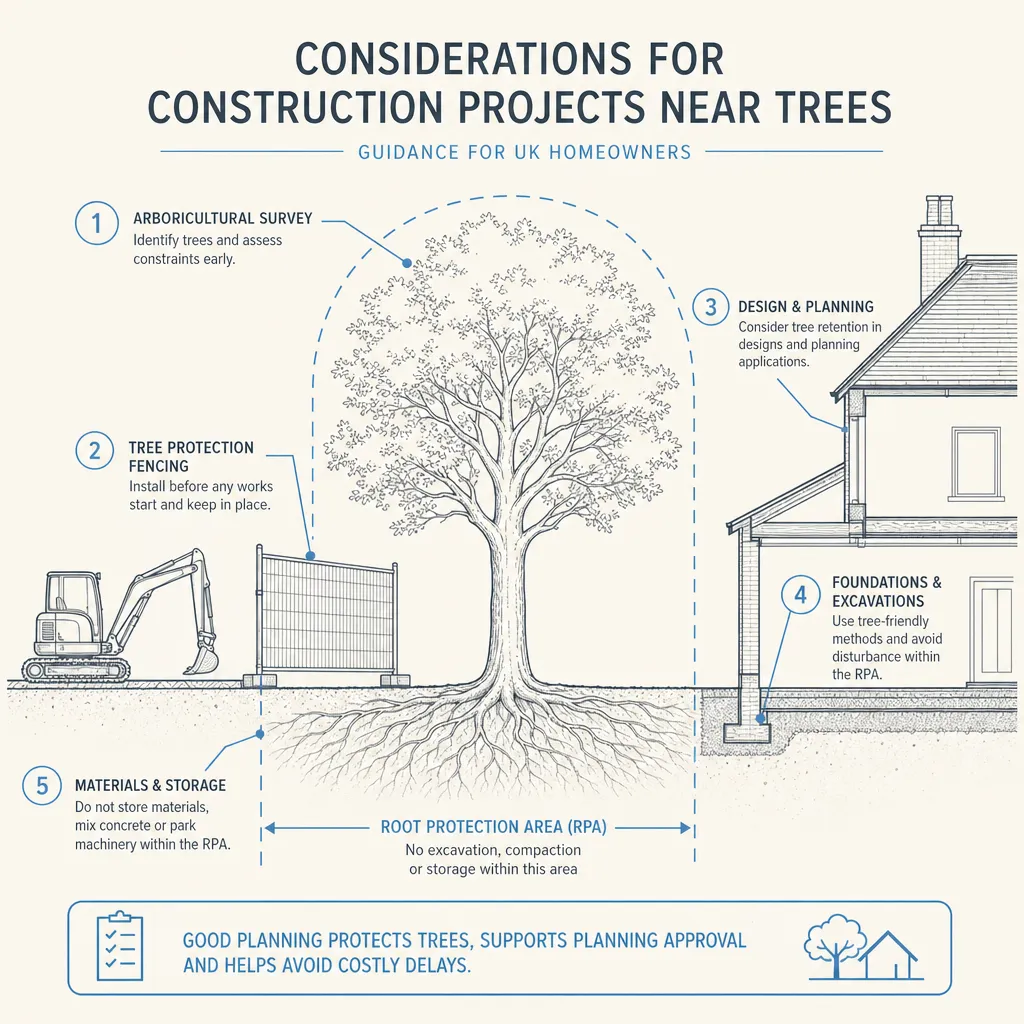
Considerations for Construction Projects Near Trees
Construction near trees in the UK is governed by BS 5837:2012, Tree Preservation Order legislation, and local planning policy.
 Planning & Pre-Build
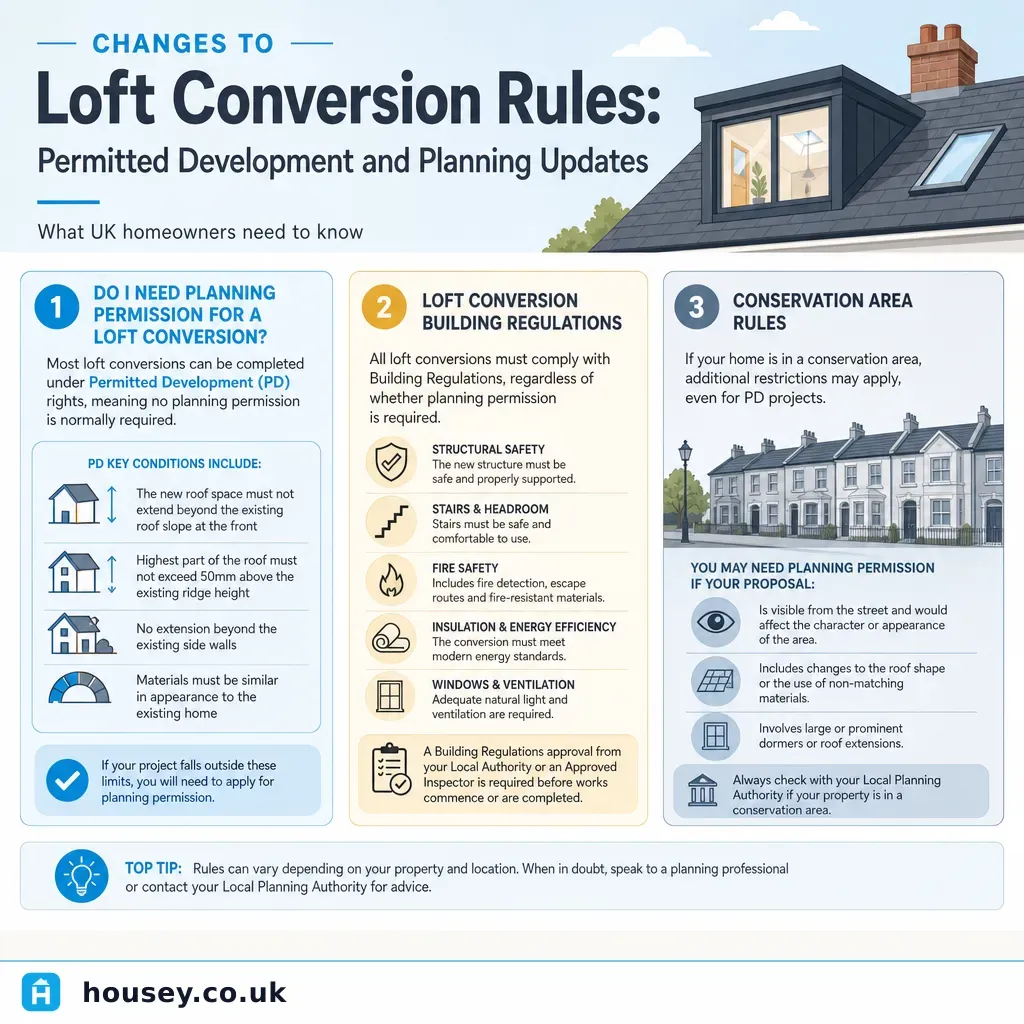
Changes to Loft Conversion Rules: Permitted Development and Planning Updates
In England, most loft conversions on standard houses qualify as Permitted Development under Class B of the GPDO 2015, allowing up to 40 cubic metres (terraced) or 50 cubic metres (detached or semi-detached) without a planning application — if conditions are met.
 Planning & Pre-Build
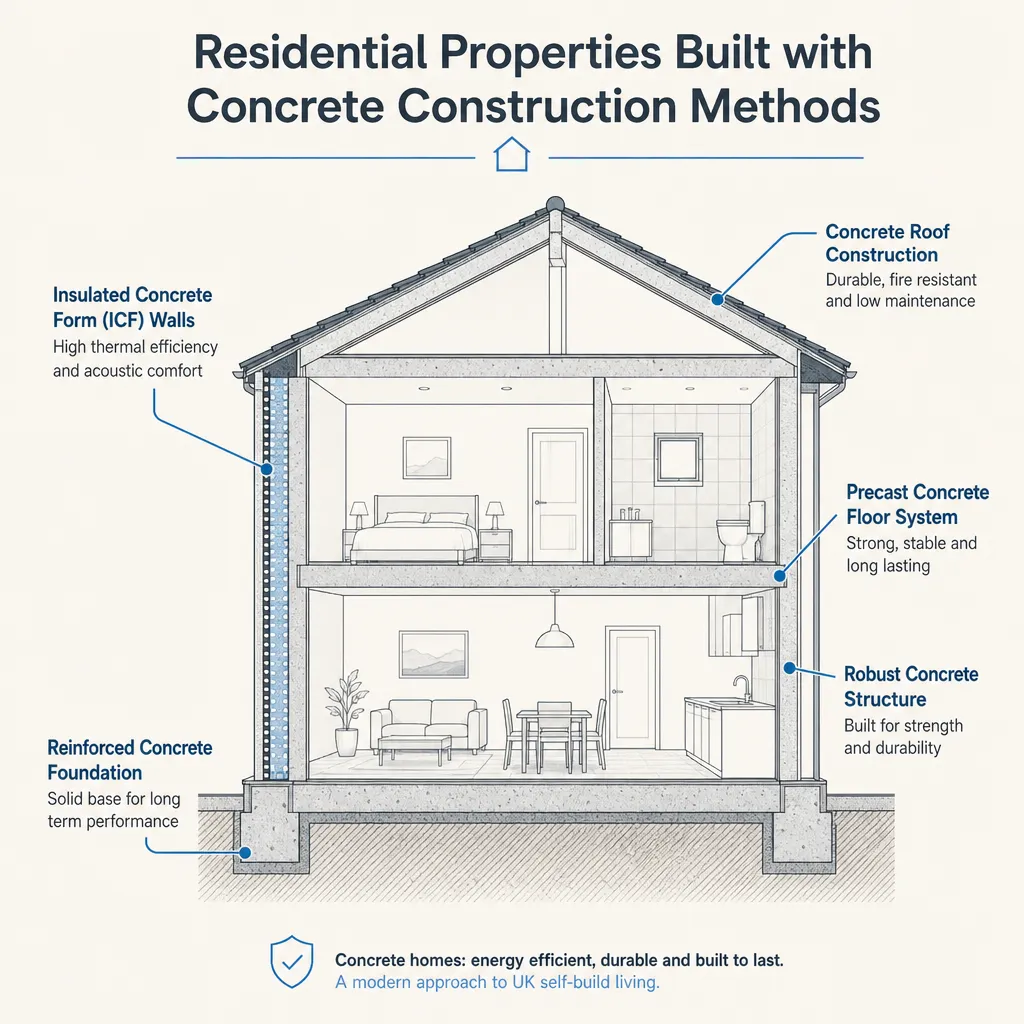
Residential Properties Built with Concrete Construction Methods
UK homes are built using several concrete methods: in-situ cast concrete, precast panel systems, insulating concrete formwork (ICF), and older non-traditional types such as Wimpey No-Fines and Laing Easiform.
 Planning & Pre-Build
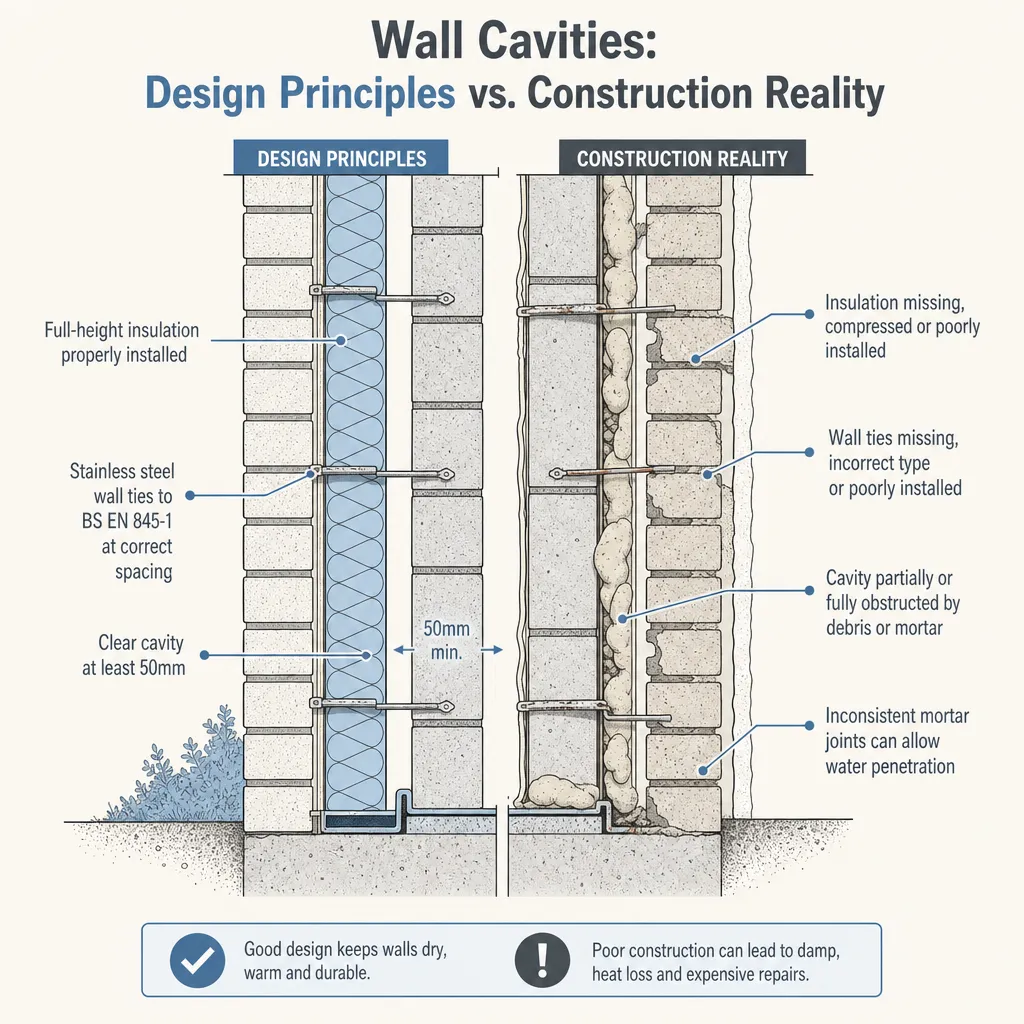
Wall Cavities: Design Principles vs. Construction Reality
A UK cavity wall is designed to resist weather, control heat loss, and structurally link two masonry leaves.
 Planning & Pre-Build
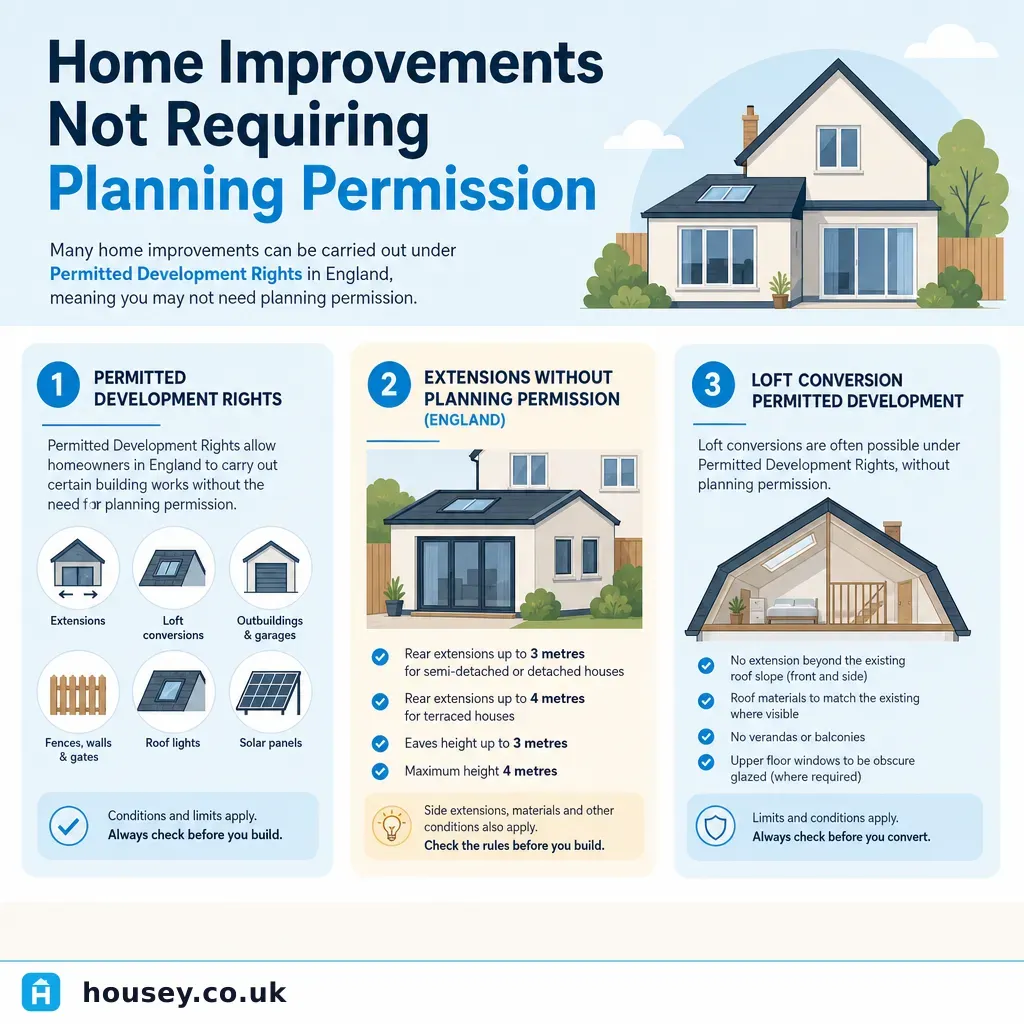
Home Improvements Not Requiring Planning Permission
Many common home improvements in England fall under Permitted Development Rights and do not require a planning application.