Electric Fireplace Installation Costs
By Housey · Last reviewed 6th of May 2026
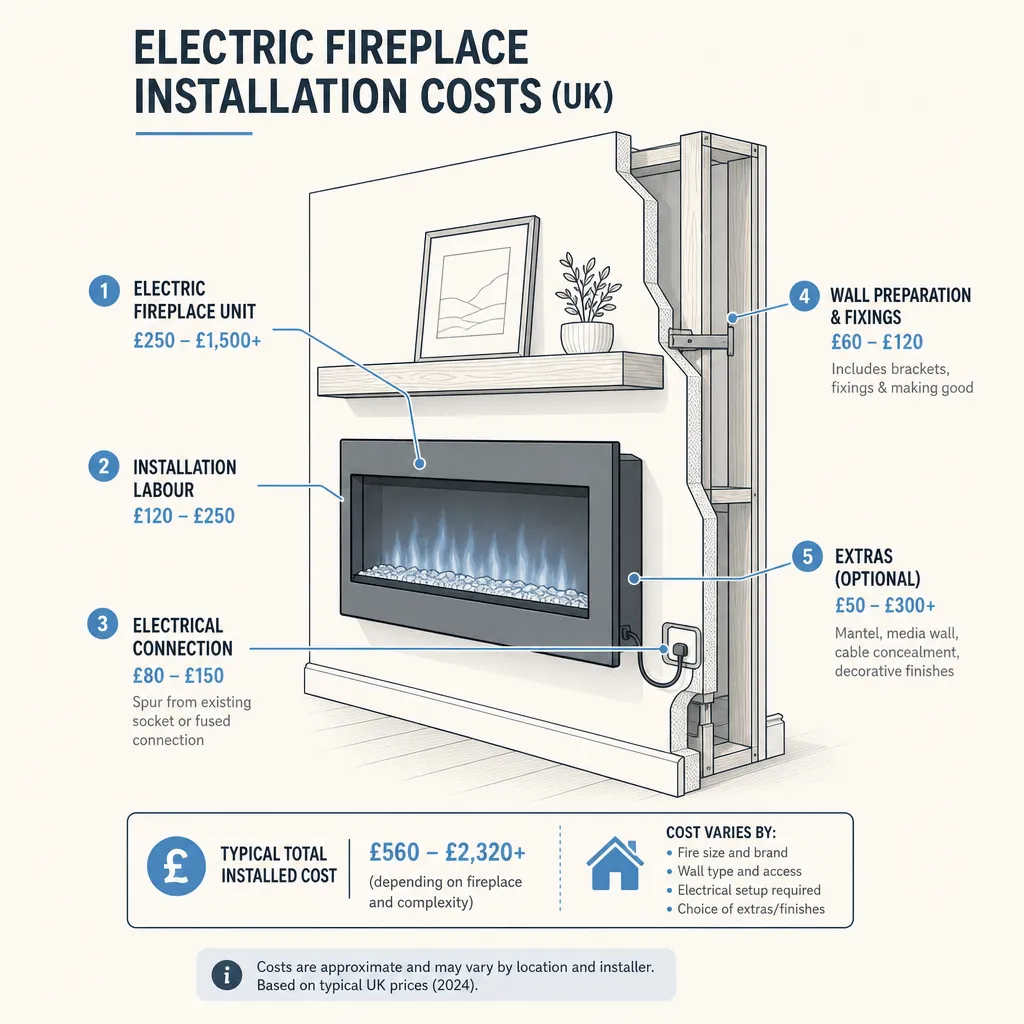
Electric Fireplace Installation Costs
Electric fireplaces have become a popular choice for UK homeowners who want the warmth and ambience of a focal point without a flue, gas connection, or working chimney. Whether you are adding character to a new-build living room, replacing a capped-off gas fire, or building a full media wall, the cost varies considerably depending on the type of unit and how much electrical work your property requires.
Key points
- Plug-in freestanding and mantel electric fires require no installation work beyond a standard 13A socket and can be fitted by a homeowner without any tradesperson.
- Hardwired electric fires requiring a new dedicated circuit fall under Part P of the Building Regulations — the electrical work must be carried out by an NICEIC or NAPIT-registered electrician, or notified to your local building control authority.
- A full media wall with an integrated electric fire typically costs £1,500–£5,000+ in the UK, including stud wall framing, plasterboard, finish, and electrical work (indicative UK costs, last reviewed 2026-05-06).
- Electric fires are 100% efficient at point of use, but electricity costs more per unit than mains gas — running costs for equivalent heat output are typically higher than a gas fire.
- Unlike gas fires, electric fires require no flue, no annual Gas Safe certificate, and no building control approval for the appliance itself — though the electrical circuit installation may still require a completion certificate.
Types of electric fireplace and what they cost
The type of electric fire you choose determines the total spend, from the unit price through to fitting and any surrounding construction work.
Type | Typical unit cost | Typical installation cost |
|---|---|---|
Plug-in freestanding or mantel unit | £50–£400 | None — plugs into existing 13A socket |
Plug-in inset unit (recessed into chimney breast opening) | £100–£600 | DIY or basic fitting: £50–£150 |
Hardwired wall-mounted electric fire | £200–£900 | Electrician: £100–£300+ |
Inset fire with new alcove or recess construction | £200–£1,000 (unit only) | Builder and electrician: £500–£2,000+ |
Full media wall with integrated electric fire | £800–£3,000+ (unit only) | All-in: £1,500–£5,000+ |
Indicative UK costs, last reviewed 2026-05-06. Prices vary by region, unit specification, and contractor. VAT at 20% applies to most installation labour.
Plug-in units
Plug-in freestanding and mantel fires are the most affordable and require no tradesperson. They draw power from a standard 13A socket and are portable, making them a practical option for renters or homeowners who want a low-commitment solution that can move with them.
Hardwired and inset fires
Inset fires sit flush in a wall cavity, chimney breast recess, or purpose-built alcove. Units drawing more than a standard 13A supply or requiring a dedicated circuit must be hardwired by a registered electrician. If no suitable recess exists, a builder will need to frame and plasterboard an opening before the electrician can commission the installation.
Media wall builds
A media wall is the most complex and expensive electric fire installation. It typically combines a stud-framed structure housing a television above and an electric fire inset below, finished in plasterboard, render, timber cladding, ceramic tiles, or stone panels. Cost is driven by the width and height of the wall, the finish selected, the fire unit specification, and local labour rates.
What affects the installation cost?
Electrical work required A plug-in unit draws on any existing socket. A hardwired unit needs a fused connection unit or dedicated circuit — this is Part P-notifiable work requiring a registered electrician. If the consumer unit has no spare capacity, an upgrade may be needed, adding £300–£700 or more to the total.
Existing recess or chimney opening An existing chimney breast recess or original fireplace opening can often accommodate an inset unit with minimal structural work. Without an existing opening, a builder must frame, board, and plaster the surround before the electrician fits the fire.
Surround and hearth A pre-made fireplace surround adds £200–£2,000 or more depending on the material. Bespoke stone, marble, or solid timber mantels cost considerably more. Hearths are not required by regulation for electric fires but are often included for aesthetic continuity.
Media wall finish Painted plasterboard is the most affordable media wall finish. Tiled, timber-clad, stone-effect, or render finishes add material and labour costs. Internal LED lighting, integrated cable management for the television, and alcove shelving all increase the scope and final price.
Location and regional labour rates Labour costs vary by region. London and the South East typically attract higher day rates for electricians and builders.
Which type of electric fire is right for you?
- Choose a plug-in freestanding or mantel unit if you want a simple, no-commitment focal point you can take with you if you move.
- Choose a plug-in inset unit if you have an existing chimney breast recess and want a built-in look with minimal cost and no tradesperson required.
- Choose a hardwired wall-mounted fire if you want a sleek, cable-free installation on a flat wall — budget for an NICEIC or NAPIT-registered electrician.
- Choose a full media wall build if you are renovating a living room and want to combine your television and fire into a single statement feature — plan for a builder, plasterer, decorator, and electrician working in sequence.
- Ask an electrician to assess your consumer unit first if your home is more than 30 years old or you are adding several high-draw appliances to the same installation in a short period.
What to ask before accepting a quote
For any installation beyond a simple plug-in unit, ask your contractor or tradesperson:
- Is this a fixed price or an estimate — and what circumstances could change the final cost?
- Who will carry out the electrical work, and are they NICEIC or NAPIT registered?
- If Part P applies, will the electrical installation be self-certified or notified to building control — and which party arranges this?
- What exactly is included in scope: unit supply, surround, hearth, stud wall construction, plastering, decoration?
- Will the fire unit be tested and commissioned on completion?
- What warranties are provided on the unit and the workmanship?
- Is VAT included in the quoted price?
- How will cable routes be managed if the fire is part of a media wall with a television mounted above?
- What assumptions is the quote based on — and what could increase the price?
When to get professional help
Plug-in electric fires are genuinely safe for homeowners to fit themselves. Instruct a qualified, registered electrician (NICEIC or NAPIT) if:
- The unit requires hardwiring rather than a plug connection.
- You need a new circuit or fused connection unit installed at the consumer unit.
- The installation is near a water source — bathroom and utility room zones are governed by specific requirements under BS 7671.
- You are unsure whether existing cables run through the area where you plan to build a stud wall or chase a channel.
- Your consumer unit is at capacity and cannot safely support an additional load.
For media wall builds, route cables and fit back boxes before plasterboarding is complete. Co-ordinating trades in the correct sequence avoids costly remedial work later.
How Housey can help
Housey's guided service request tool helps you describe your electric fireplace project — from a straightforward inset fire to a full media wall build — and matches you with relevant local tradespeople who can visit, assess your property, and provide itemised quotes for comparison.
Frequently asked questions
Do I need building regulations approval for an electric fireplace?
For a plug-in unit, no approval is needed. For hardwired installations where a new circuit is added, Part P of the Building Regulations applies. The work must be carried out by a registered competent person (NICEIC or NAPIT member) who self-certifies, or you must notify your local building control authority and pay an inspection fee. The fire unit itself does not require building control approval.
Are electric fires safe to leave on for extended periods?
Modern electric fires with overheat protection and thermostatic controls are generally safe, but always follow the manufacturer's guidance. Portable freestanding units should not be left unattended in the same way as any portable heater. Wall-mounted and inset units with remote timers and programmable thermostats carry lower risk for extended operation. Retain the manufacturer's installation and safety instructions.
How much does it cost to run an electric fire?
A 2kW electric fire at full output costs approximately 46–52p per hour at current average UK electricity rates (2026). Running it for two hours per evening adds up to roughly £2.80–£3.65 per week. A 1kW eco mode roughly halves this. Running costs are higher than an equivalent gas fire, which is why electric fires are often used for ambience alongside a primary heating system rather than as the sole heat source.
Can I install an electric fireplace in a listed building?
There is no specific restriction on electric fires in listed buildings, provided no works affect the historic fabric of the building — such as cutting into a chimney breast or exposing original stonework. Hardwired electrical work still requires a registered electrician. If in doubt, contact your local planning authority's conservation officer before making any alterations to the building's structure or fabric.
Does an electric fireplace need a hearth?
No. Electric fires do not produce a naked flame or the radiant heat levels associated with solid fuel or gas appliances, so a formal hearth to Building Regulations specification is not required. Decorative hearths are often included as part of a surround for aesthetic reasons. Always check the manufacturer's installation instructions for required clearances from the floor and surrounding materials.
Sources and further reading
- Approved Document P: Electrical Safety in Dwellings — GOV.UK
- Find a registered electrician — NICEIC
- Find a registered contractor — NAPIT
- DIY electrical work guidance for homeowners — Electrical Safety First
- Heating your home — Energy Saving Trust
Useful next reads
 Improvement & Build
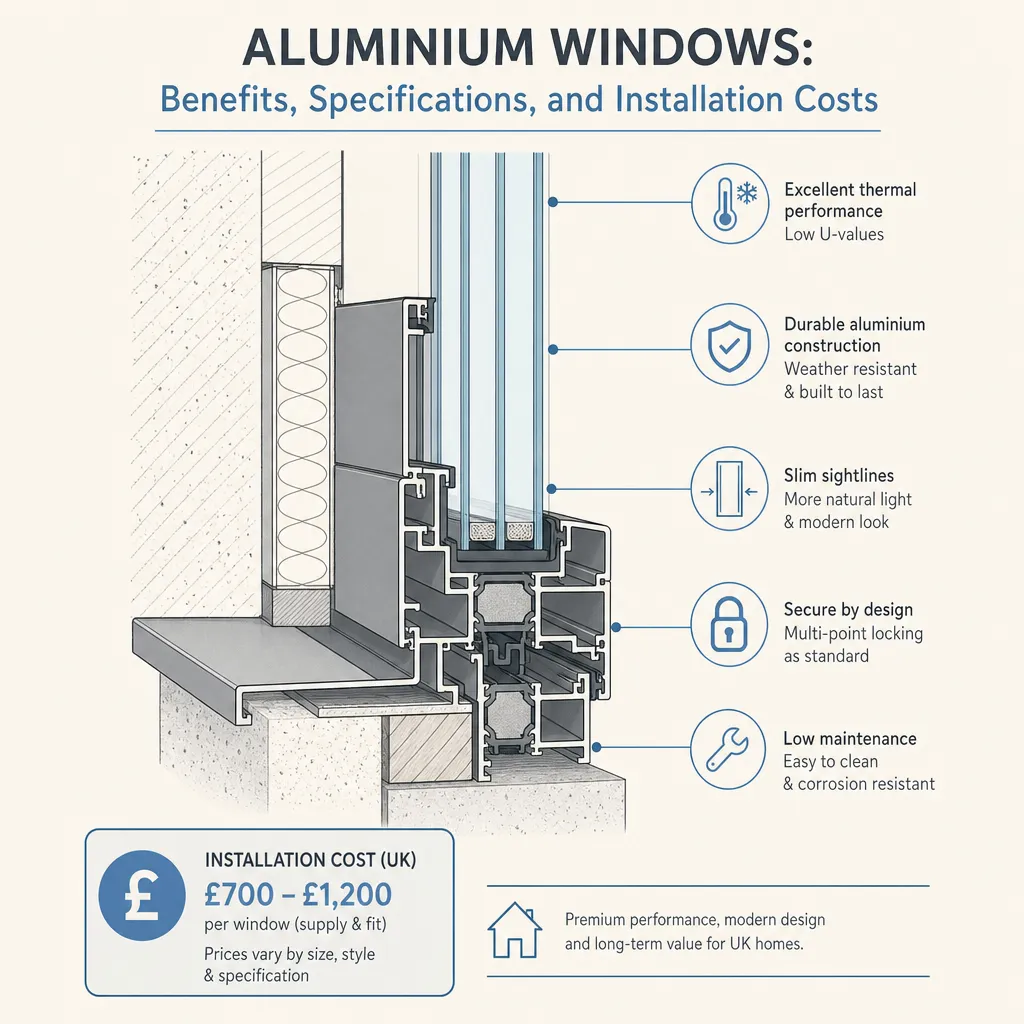
Aluminium Windows: Benefits, Specifications, and Installation Costs
Aluminium windows typically cost £600–£1,800 per window installed in the UK, depending on size and specification.
 Improvement & Build
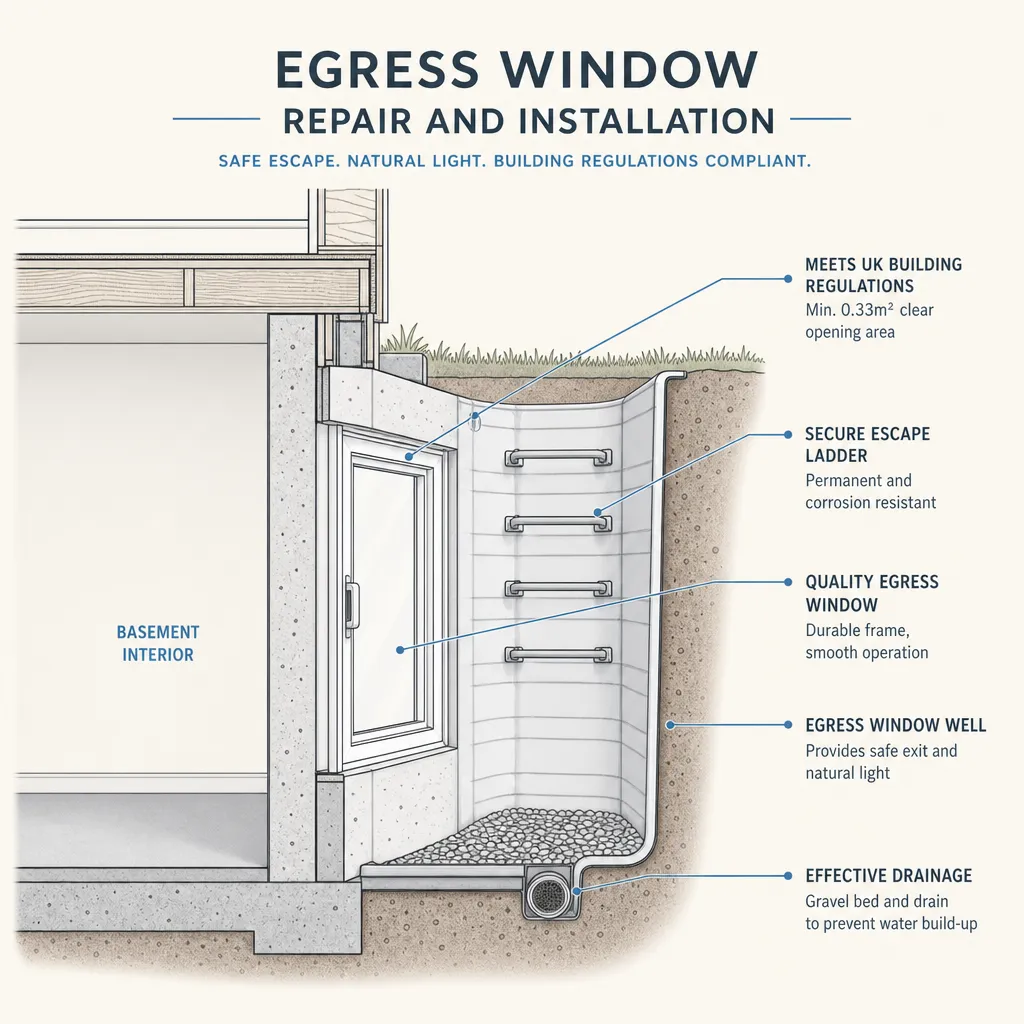
Egress Window Repair and Installation
An egress window is a window large enough to serve as an emergency escape route from a habitable room.
 Improvement & Build
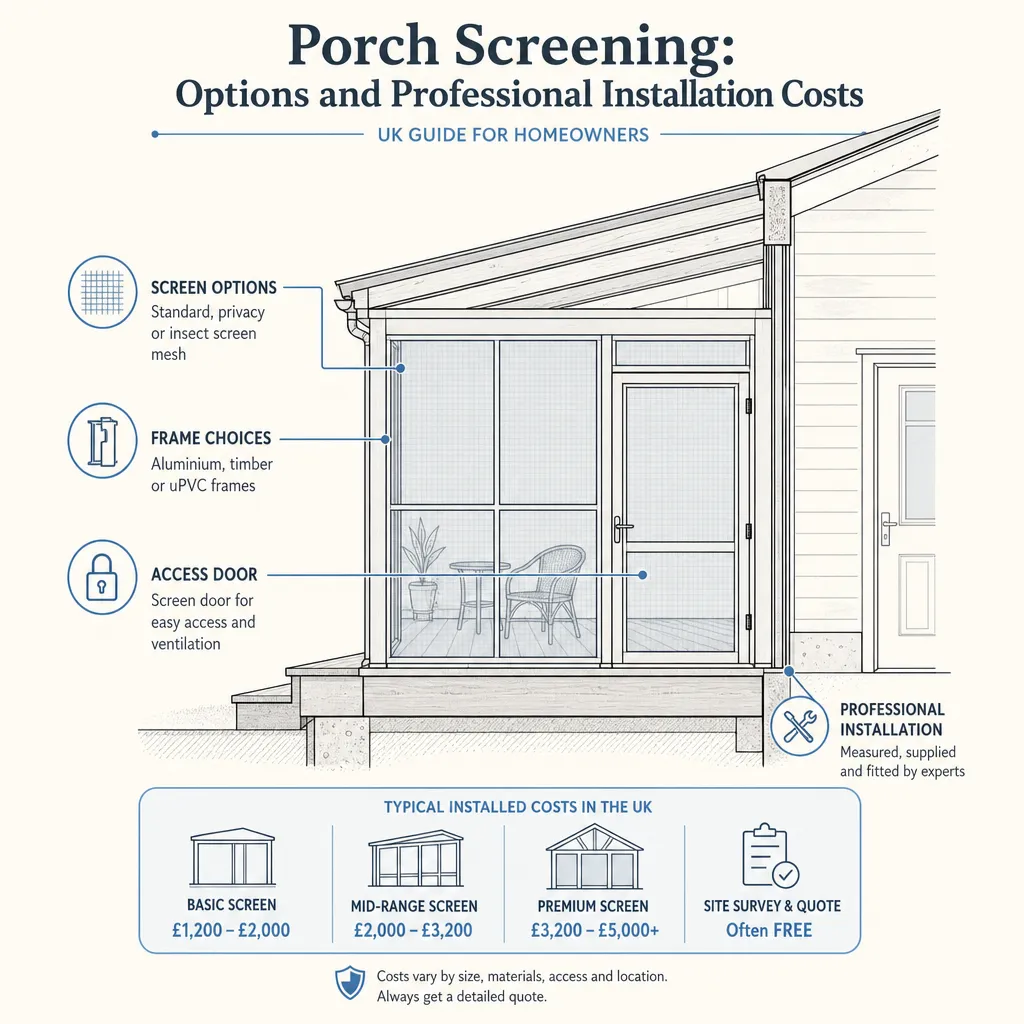
Porch Screening: Options and Professional Installation Costs
Porch screening ranges from simple insect mesh on a timber frame to bespoke aluminium-framed glazed enclosures.
 Improvement & Build
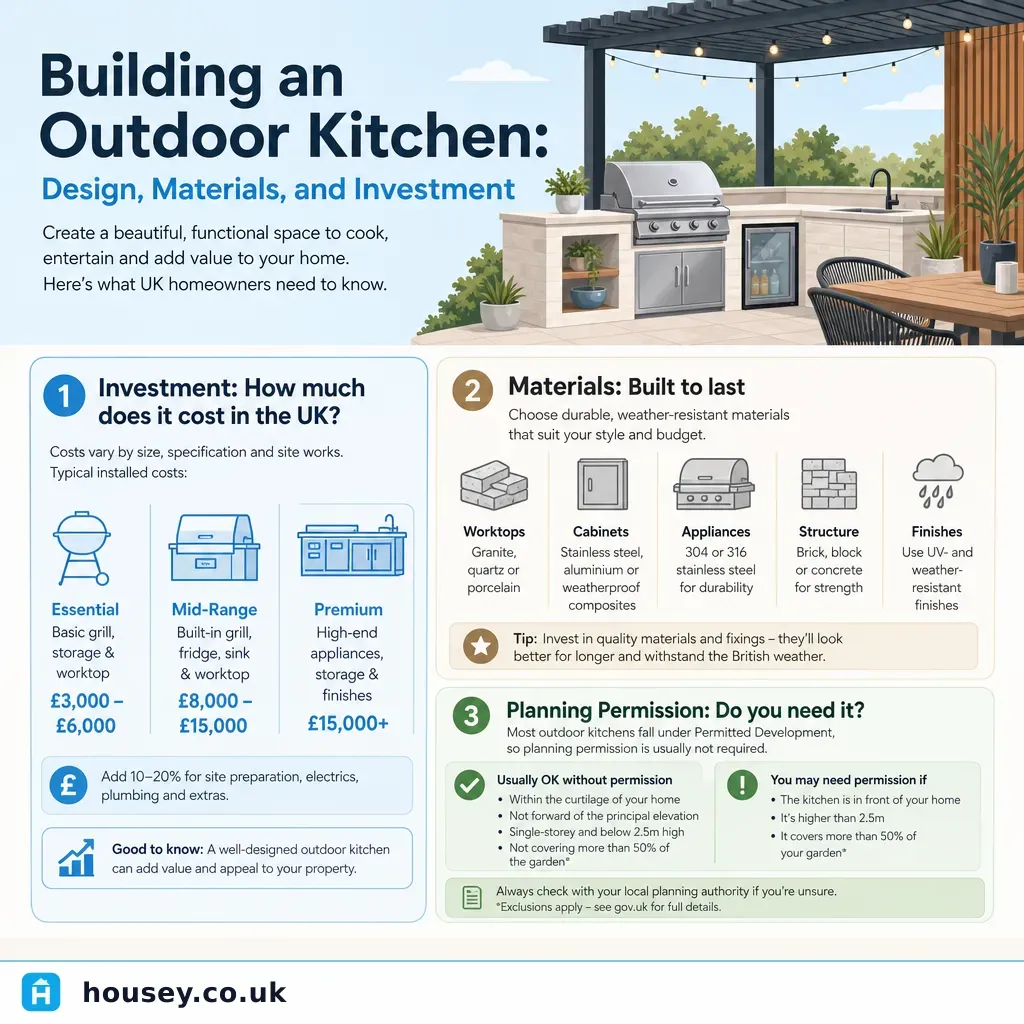
Building an Outdoor Kitchen: Design, Materials, and Investment
Building an outdoor kitchen in the UK costs roughly £3,000–£25,000 depending on size and materials.
 Improvement & Build
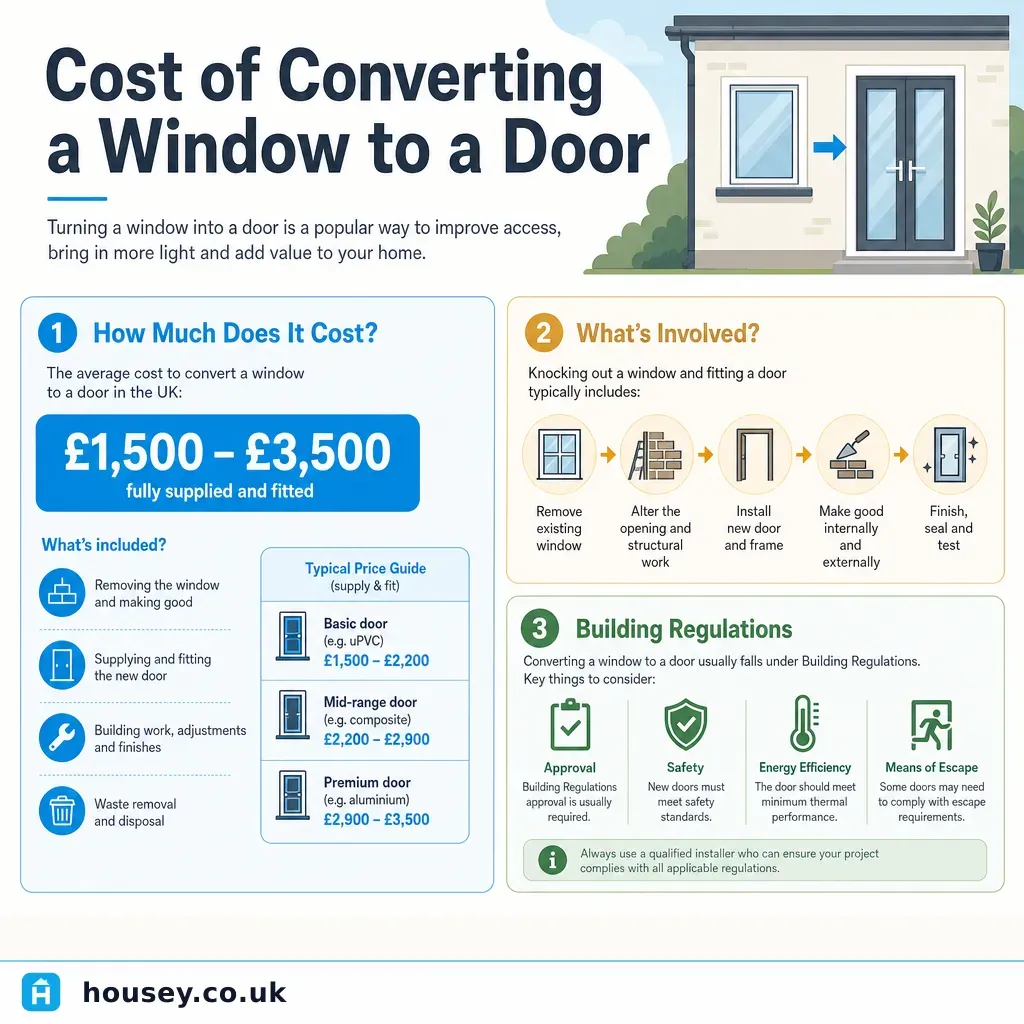
Cost of converting a window to a door
Converting a window to a door in the UK typically costs £1,500–£5,000 or more, depending on wall construction (cavity, solid, or timber frame), the type of door fitted, and whether a new or enlarged lintel is required.