Eliminating Draughts from Windows: Weatherproofing and Energy Efficiency Solutions
By Housey · Last reviewed 18th of May 2026
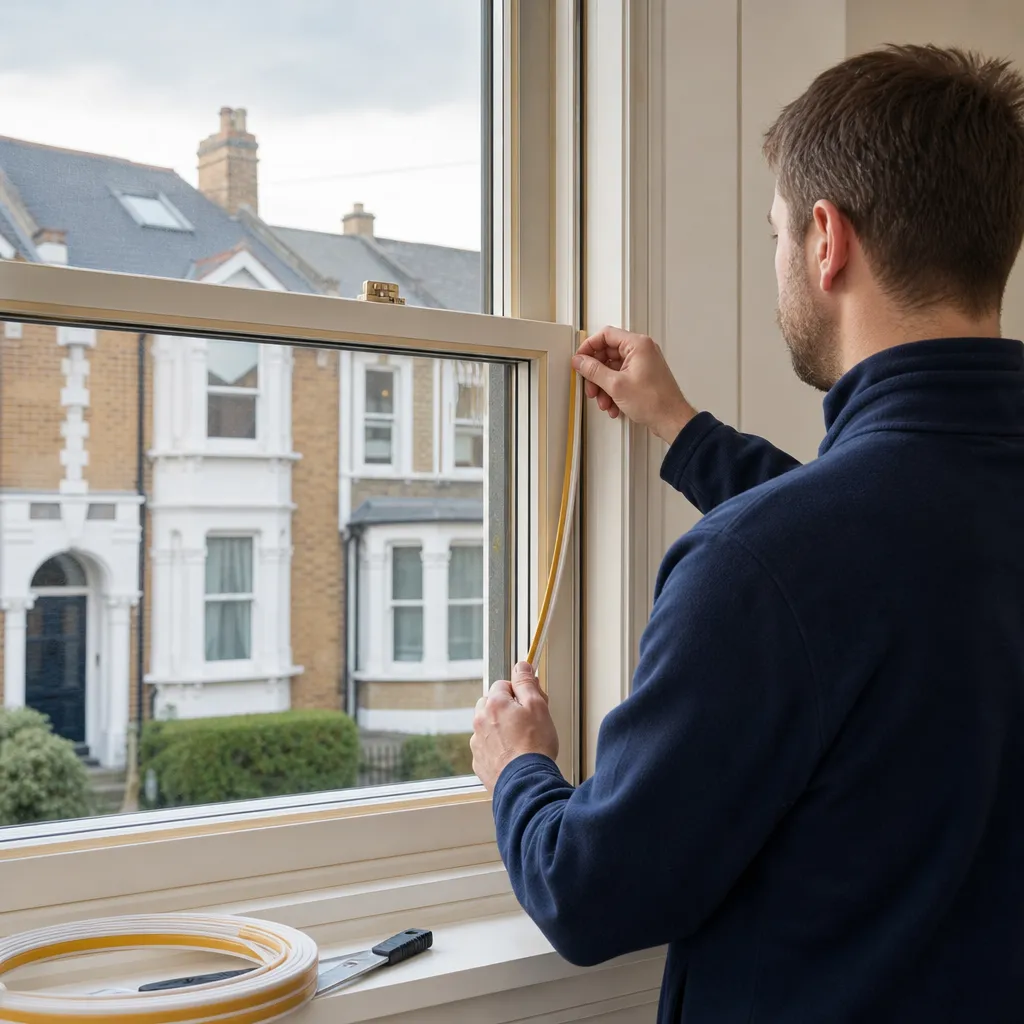
Eliminating Draughts from Windows: Weatherproofing and Energy Efficiency Solutions
Draughty windows are one of the most immediate comfort problems in UK homes — noticeable as a cold stream of air along a window sill in winter, a faint whistle in high wind, or a heating bill that refuses to respond to the thermostat. Older properties, particularly Victorian and Edwardian terraces with original timber sash windows, are especially prone, though even relatively modern frames can develop gaps as seals perish and frames warp with age. Addressing draughts is one of the most cost-effective energy efficiency measures available, and for simpler cases requires neither planning permission nor a specialist contractor.
Key points
- The Energy Saving Trust rates draught proofing as one of the most cost-effective energy-saving measures available to UK homeowners, with estimated savings of £45–£75 per year for a typical semi-detached house with draughty windows and doors.
- Timber sash windows can be draught-proofed without replacement using a specialist brush-pile or mohair seal system inserted into machined grooves — a technique acceptable in most conservation areas and for many listed buildings.
- FENSA registration is required for contractors installing replacement windows or doors in England and Wales under Building Regulations; windows replaced without compliance with Part L (thermal performance) and Part K (safety glazing) can cause complications at the point of sale.
- Listed building consent from the local planning authority is required before altering windows in any listed building; simple draught-proofing that does not change the window's appearance is generally acceptable, but replacement always requires consent.
- Sealing draughts without providing alternative controlled ventilation can increase condensation and indoor air quality problems — particularly in rooms with fuel-burning appliances, where background ventilation is a Building Regulations requirement under Approved Document J.
Why windows are a major source of heat loss
Windows account for around 10% of heat loss in a typical UK home through conduction, but draught infiltration through gaps — quite separate from the window's U-value — can add a significant further load on the heating system. As warm internal air escapes through gaps and cold air infiltrates, the stack effect continuously draws draughts regardless of how high the heating is turned up.
The Energy Saving Trust estimates that draughts through windows, doors, and other gaps can account for up to 20% of heat loss in older properties. Addressing this before considering double or triple glazing replacement is both cheaper and often more immediately effective in reducing cold spots and fuel bills during winter months.
Draught sources in windows: a diagnostic checklist
Before choosing a solution, identify precisely where the draughts are entering:
Comparison: draught-proofing methods for windows
Method | Best for | Not ideal for | Approximate cost | Durability |
|---|---|---|---|---|
Self-adhesive foam strip | Budget fix on casement windows | Sash windows; high-use surfaces | £5–£20 DIY | 1–3 years |
Brush-pile or mohair strip (machined) | Sash windows; sliding frames | Non-sliding casements | £100–£400 professional installation | 10–20 years |
Compression V-strip (tension seal) | Casement frames; hinged windows | Sliding sash windows | £20–£60 DIY | 5–10 years |
Silicone mastic (frame-to-wall joint) | External perimeter gap seal | Any moving component | £10–£40 DIY | 5–15 years |
Secondary glazing | Listed and conservation area properties; maximum thermal and acoustic gain | Where full replacement is feasible and permitted | £150–£600 per window (supply and fit) | 20+ years |
Replacement window (FENSA-compliant) | Severely damaged frames; single-glazed windows without conservation constraints | Listed buildings without consent; conservation areas — check first | £400–£1,200+ per window | 20–30 years |
(Indicative UK costs, last reviewed 2026-05-18; costs vary by window size, material, and contractor. Obtain quotes for your property.)
Sash window draught proofing: a special case
Timber sash windows are a prominent feature of pre-1920 UK housing stock and are frequently targeted for replacement on thermal grounds. However, specialist brush-pile draught sealing can bring a sash window to a high standard of draught resistance at a fraction of the cost of replacement. The process involves routing a continuous groove into the meeting rails, parting beads, and outer staff beads, then inserting a mohair or brush-pile seal that compresses as the sash travels.
This approach is widely accepted in conservation areas and for listed buildings where it does not materially alter the window's appearance. Local planning authorities vary in their detailed requirements, so it is worth confirming acceptability with your local conservation officer before instructing a contractor. Historic England's guidance on energy efficiency and historic buildings supports the retention and repair of original windows wherever practical, noting that a well-maintained and draught-sealed timber sash can perform comparably to a replacement unit when secondary glazing is also fitted.
Replacement windows: when it makes sense
Replacement to modern double or triple glazing is usually the right choice when:
- The frame is structurally unsound — rotted timber, corroded aluminium, or severely cracked uPVC
- The glazing is single-pane and the total cost of specialist draught proofing plus secondary glazing approaches or exceeds replacement cost
- The property is being significantly renovated and Part L U-value targets must be met under a Building Regulations application
- The landlord has a legal obligation under Minimum Energy Efficiency Standards (MEES) and window condition is contributing to an EPC rating below E
For replacement in England and Wales, the contractor must be FENSA-registered, or the work must be notified to and signed off by the local authority building control department. The minimum thermal performance for replacement windows is currently a whole-window U-value of 1.4 W/m²K under Building Regulations Part L 2021 (or 1.6 W/m²K for roof windows and skylights).
Balancing draught proofing with ventilation
Effective draught proofing is desirable, but older UK homes often rely partly on background infiltration through gaps for ventilation. Removing all draughts without providing alternative ventilation can increase humidity, condensation, and indoor air quality problems.
If you significantly improve a window's airtightness, check that:
- Trickle ventilators in the window frame are operational and used when the room is occupied
- Any room with a fuel-burning appliance — a gas fire, wood stove, or open fireplace — retains adequate background ventilation, as required by Approved Document J
- Bathrooms and kitchens have functional mechanical extract ventilation to manage moisture
If whole-house draught proofing is planned as part of a wider retrofit, a ventilation strategy should consider whether a Positive Input Ventilation (PIV) unit or Mechanical Ventilation with Heat Recovery (MVHR) system is appropriate, in line with PAS 2035 principles.
When to get professional help
Most draught-proofing measures on standard casement windows are within the capability of a competent homeowner. Consider professional advice when:
- The window frame is rotted or structurally compromised and requires repair before sealing can be effective
- The property is listed or in a conservation area and you are uncertain about what works are permissible
- You are planning whole-house draught proofing and need to consider the ventilation implications for the building as a whole
- Replacement windows are needed and FENSA registration or building control notification is required
How Housey can help
If your windows need professional draught-proofing installation or replacement with FENSA-compliant units, Housey can connect you with vetted window and door installers who can advise on the most appropriate solution for your property type, budget, and any conservation constraints.
Frequently asked questions
Do I need planning permission to draught-proof my windows?
No, draught proofing existing windows does not require planning permission. Replacing windows with like-for-like units is generally permitted development for most houses, but listed buildings always require listed building consent before any alteration. Some conservation areas have Article 4 Directions that require planning permission for window replacement even where permitted development would otherwise apply. Always check with your local planning authority if uncertain.
Can I draught-proof sash windows myself?
Basic measures — a self-adhesive foam strip at the top and bottom rails, or a brush pile strip pressed into the meeting rail channel — can be applied by a careful homeowner. However, the full machined brush-pile system, which provides the most durable and effective seal, requires routing equipment and joinery skill to install correctly. Many specialist companies offer this as a service, typically taking one to two days for a whole house.
How much can draught proofing save on my energy bills?
The Energy Saving Trust estimates that draught-proofing windows and doors in a typical semi-detached house could save around £45–£75 per year on heating bills. Savings will vary with energy tariff, property size, and how draughty the property currently is. The cost of professional draught-proofing materials and installation is typically recovered within two to five years, making it one of the most cost-effective energy efficiency measures available.
Is secondary glazing as effective as replacing windows?
Secondary glazing — fitting an inner frame with a separate pane of glass — can achieve thermal performance comparable to replacement double glazing and is often superior for acoustic insulation. It is the preferred option for listed buildings and conservation area properties where replacement glazing is not permitted. Frames require periodic cleaning between the two panes, and the internal reveal is reduced compared to the original single-glazed window.
Sources and further reading
- Draught proofing — Energy saving advice for the home — Energy Saving Trust
- Approved Document L — Conservation of fuel and power (2021) — GOV.UK
- Approved Document J — Combustion appliances and fuel storage systems — GOV.UK
- Energy efficiency and historic buildings — draught proofing windows and doors — Historic England
- FENSA — Competent person scheme for windows and doors — FENSA
Useful next reads
 Improvement & Build
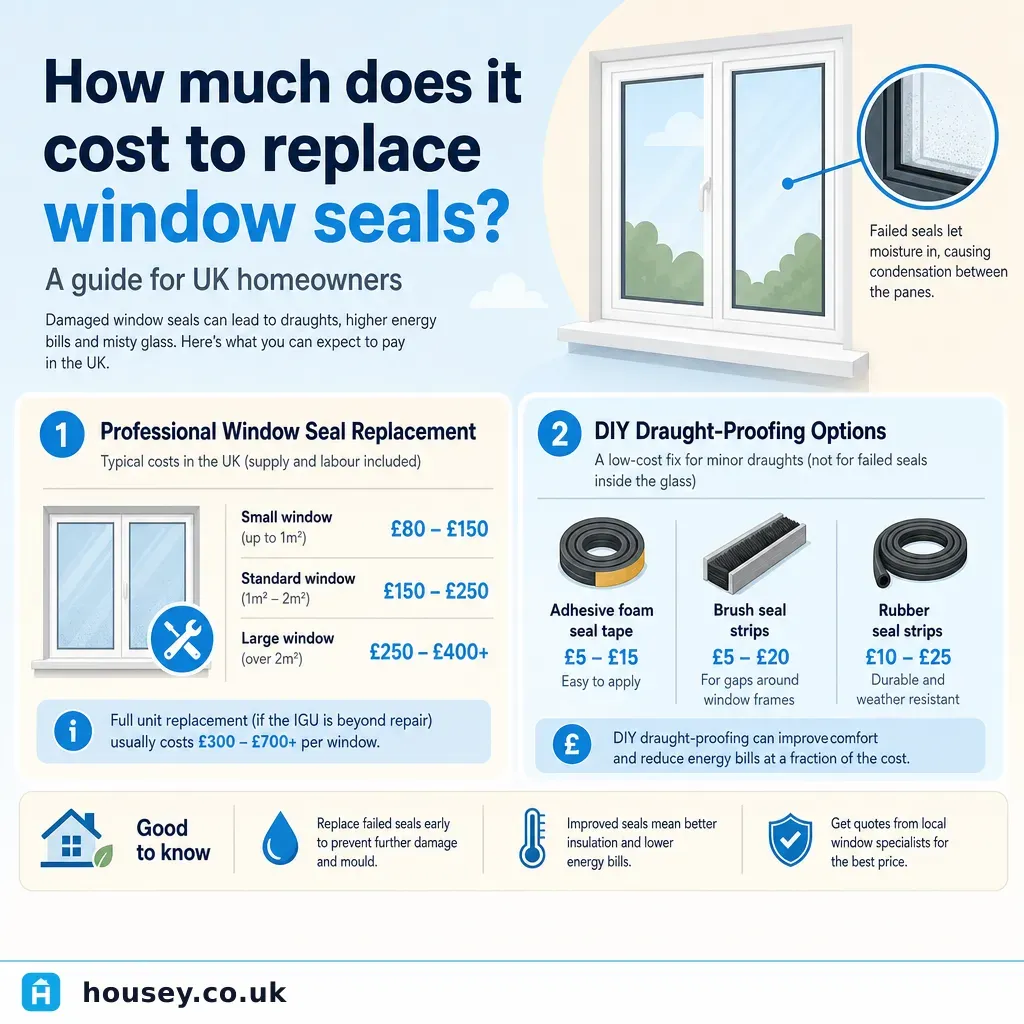
How much does it cost to replace window seals?
Replacing window seals in the UK costs between £40 and £350 per window depending on the repair type.
 Improvement & Build
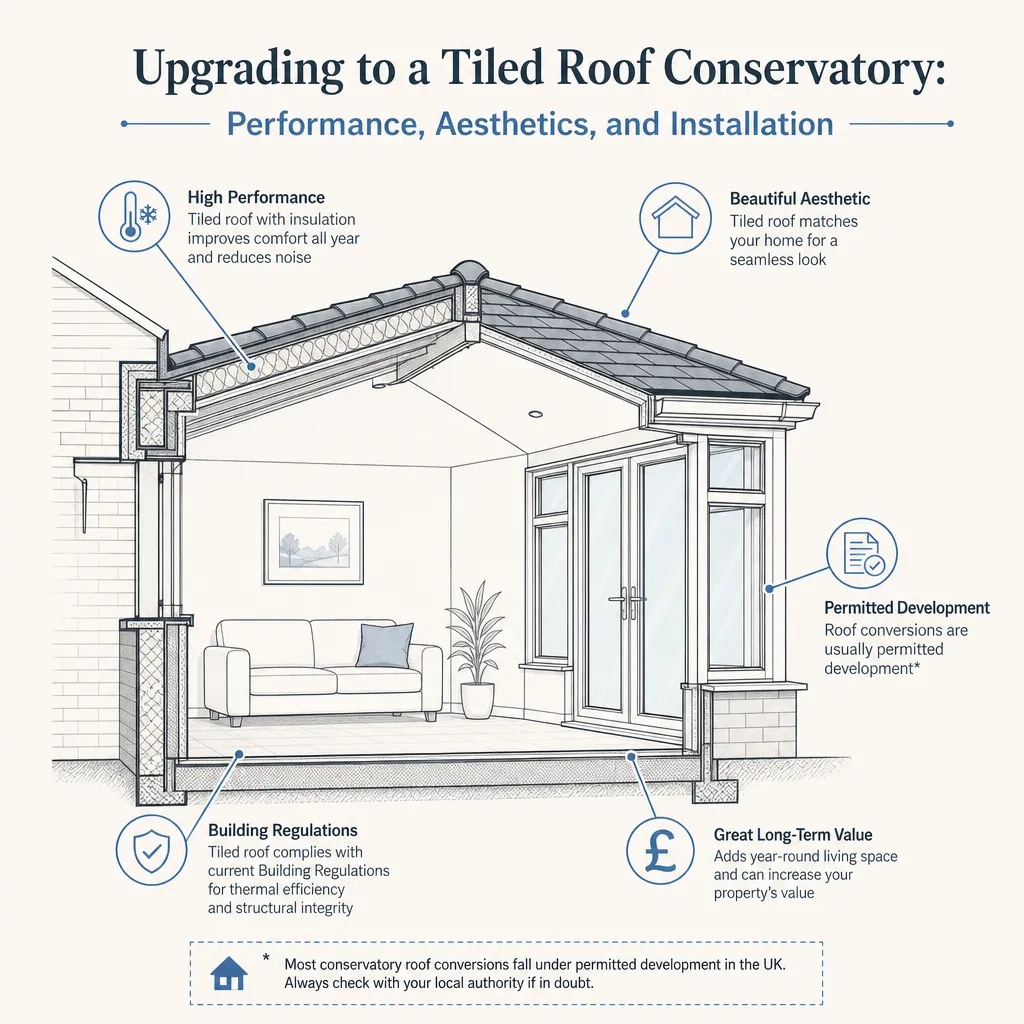
Upgrading to a Tiled Roof Conservatory: Performance, Aesthetics, and Installation
Replacing a polycarbonate or glass conservatory roof with a tiled solid roof significantly improves thermal performance and year-round usability.
 Improvement & Build
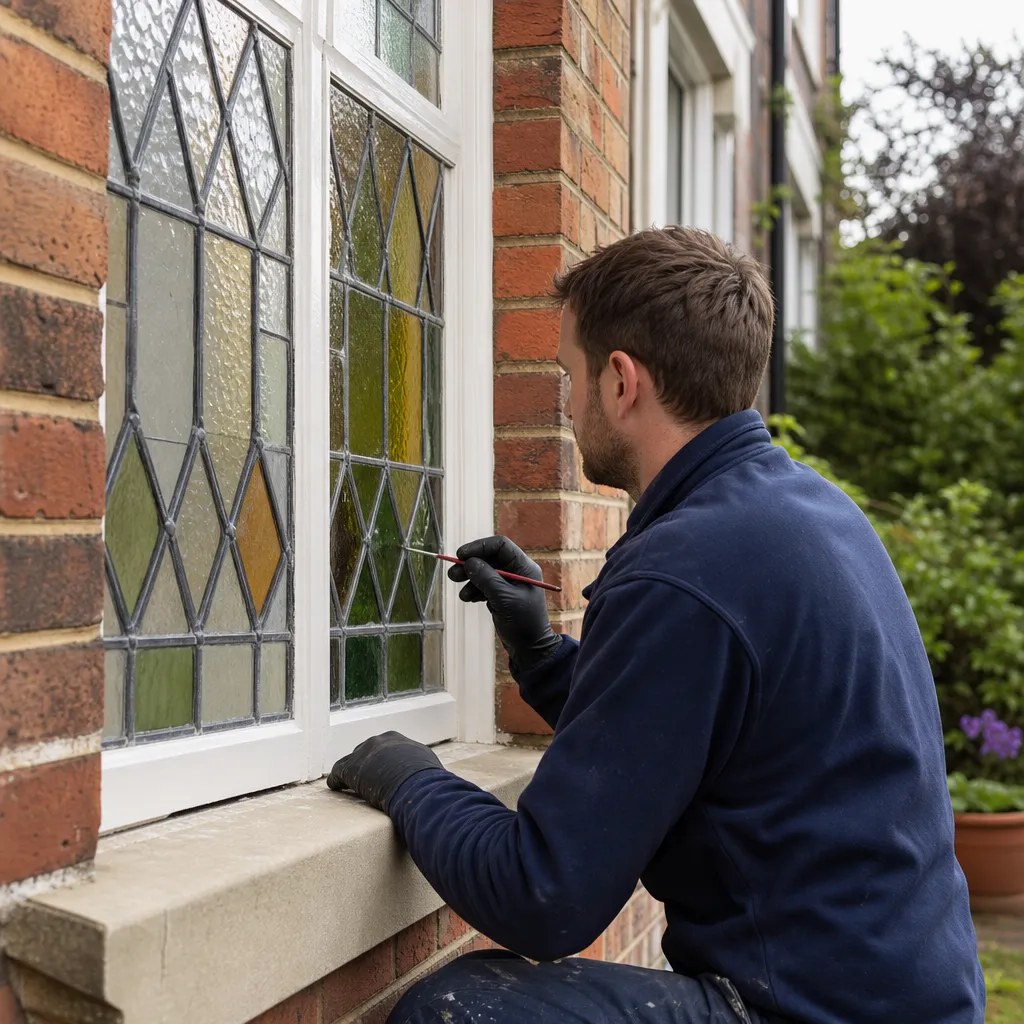
Sealing and Maintaining Historic Leaded Glass Windows: Preservation and Performance
Leaded glass windows are maintained using traditional linseed oil cement — not silicone or modern sealants, which prevent natural movement in the lead came.
 Improvement & Build
Concrete Sealing: Protecting and Maintaining Your Driveway
Sealing a concrete driveway protects against water ingress, freeze-thaw damage, oil stains, and surface wear.
 Improvement & Build
Guide to Replacing Timber Sash Windows with Authentic Restoration
Restoring a timber sash window typically costs £150–£400 per window; full replacement costs £800–£2,500.