Ensuring Your Home Locks Are Secure Enough
By Housey · Last reviewed 18th of May 2026
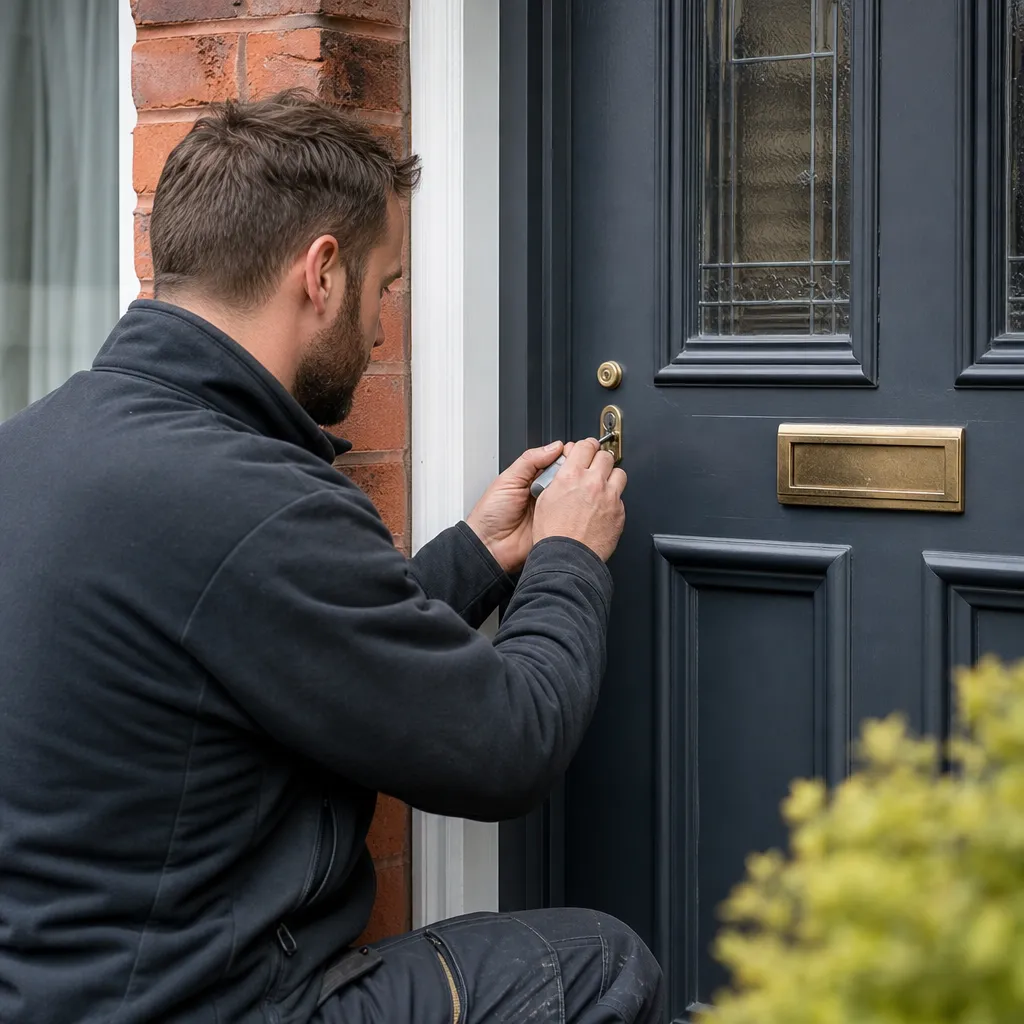
Ensuring Your Home Locks Are Secure Enough
A break-in often succeeds because a lock that appeared adequate was never independently tested to a recognised security standard — either the cylinder lacked anti-snap protection, or the lock was correctly fitted but to a grade that modern insurers and security professionals no longer consider sufficient. The question of lock security typically arises when moving into a new property, renewing home insurance, after a neighbourhood incident, or when an insurer's policy schedule specifies a lock condition that existing hardware may not meet.
Key points
- British Standard BS 3621:2020 defines the minimum security requirement for external door locks recognised by most UK home insurers; it covers pick resistance, drill resistance, and key control.
- PAS 24:2022 is the enhanced security standard for complete door sets — door, frame, and any glazing together — required under Approved Document Q (Security) for new-build and replacement doorsets in England.
- Five-lever mortice deadlocks complying with BS 3621 are the standard requirement on timber external doors; uPVC and composite doors rely on multi-point locking systems that must be part of a PAS 24-certified door set.
- A BS 3621 lock carries the BSI Kitemark on the lock body or packaging — absence of the Kitemark means the lock has not been independently tested to that standard.
- Euro cylinders on uPVC and composite doors must be anti-snap rated to TS007 3-star; an unrated cylinder can be snapped in seconds, rendering a multi-point locking system useless.
What makes a lock 'secure enough'?
Security standards for residential door locks in the UK are primarily governed by two specifications: BS 3621:2020 (the British Standard for thief-resistant lock assemblies) and PAS 24:2022 (the Publicly Available Specification for enhanced security performance of doorsets). These address different things — BS 3621 applies to the lock mechanism itself, while PAS 24 covers the entire door assembly including the frame and any glazing.
Approved Document Q (Security — Dwellings), part of the Building Regulations for England, requires new and replacement external doorsets to meet PAS 24. For existing properties, the practical standard most commonly written into home insurance policies is BS 3621 for the lock mechanism, plus TS007 3-star for euro cylinders.
Secured by Design is the UK Police crime-prevention initiative that recognises products meeting or exceeding police-preferred security specifications. Locks and door sets carrying the Secured by Design mark have been independently tested and typically meet or exceed the relevant British Standard.
Comparing common UK residential lock types
Lock type | Typical door | BS 3621 or equivalent available? | Main security consideration | Insurance recognition |
|---|---|---|---|---|
Five-lever mortice deadlock | Timber front and back doors | Yes — look for BSI Kitemark | Reliable when correctly fitted to a solid timber door of sufficient thickness | Widely required by UK insurers |
Multi-point locking (MPL) system | uPVC, composite, aluminium | Via PAS 24 door set certification | Engages multiple frame points; generally more secure than a single deadlock | Accepted if the door set is PAS 24-certified |
Rim automatic deadlatch (Yale-type) | Timber, as a supplementary lock | Not as a sole lock | Vulnerable to forcing if not dead-locked; must be paired with a five-lever mortice deadlock | Insufficient alone on most policy schedules |
Euro cylinder | uPVC, composite, aluminium | Via TS007 3-star anti-snap rating | Must be anti-snap rated — unrated cylinders are the most common forced-entry vulnerability on modern doors | TS007 3-star or Secured by Design required |
Padlock (outbuilding or gate) | Outbuildings, gates, cycle stores | Yes — BS 3621 padlocks available | Hardened steel shackle essential; lock rating matters as much as brand | Often a separate condition in contents or outbuilding cover |
Which lock does your door need? A decision guide
- Timber front or back door → a five-lever mortice deadlock to BS 3621. Check the lock body for the BSI Kitemark. A rim latch may be added for convenience but does not replace the deadlock requirement.
- uPVC or composite door with multi-point locking → confirm the door set carries PAS 24 certification. If it is an older installation, check the FENSA or Certass certificate issued at installation, which should record the security standard.
- Euro cylinder on any external door → replace with a TS007 3-star anti-snap cylinder if you cannot confirm the existing one is snap-resistant. Ensure the cylinder does not protrude more than 3 mm beyond the door furniture, as excess protrusion increases snap risk.
- French doors or patio doors with glazed panels → multi-point locking plus, where panels are reachable, consideration of laminated or toughened glazing to reduce attack risk.
- Outbuildings or integral garages with internal access to the dwelling → treat these as primary entry points; a BS 3621 padlock or door-set upgrade is appropriate, and the internal connecting door should also meet a recognised standard.
- Listed building or conservation area property → consult the local planning authority and Historic England before changing external ironmongery; some replacements require listed building consent.
What homeowners often get wrong
- Assuming a lock is compliant because it resembles a Kitemark product. Non-tested locks are widely sold online; always verify the Kitemark or TS007 rating on the lock body itself, not just the packaging.
- Fitting a five-lever deadlock to a thin or hollow door. The lock standard only delivers its rating when the door and frame are also structurally adequate; a compliant lock in a weak door does not provide compliant security.
- Ignoring the euro cylinder on a uPVC door. The multi-point mechanism is only as secure as the cylinder operating it — this is the most common vulnerability in modern UK door installations.
- Checking only the front door. Most insurance schedules apply to all external doors, and sometimes to accessible ground-floor windows. Back doors, side gates, and garage access doors are frequently overlooked.
Homeowner lock security checklist
When to get professional help
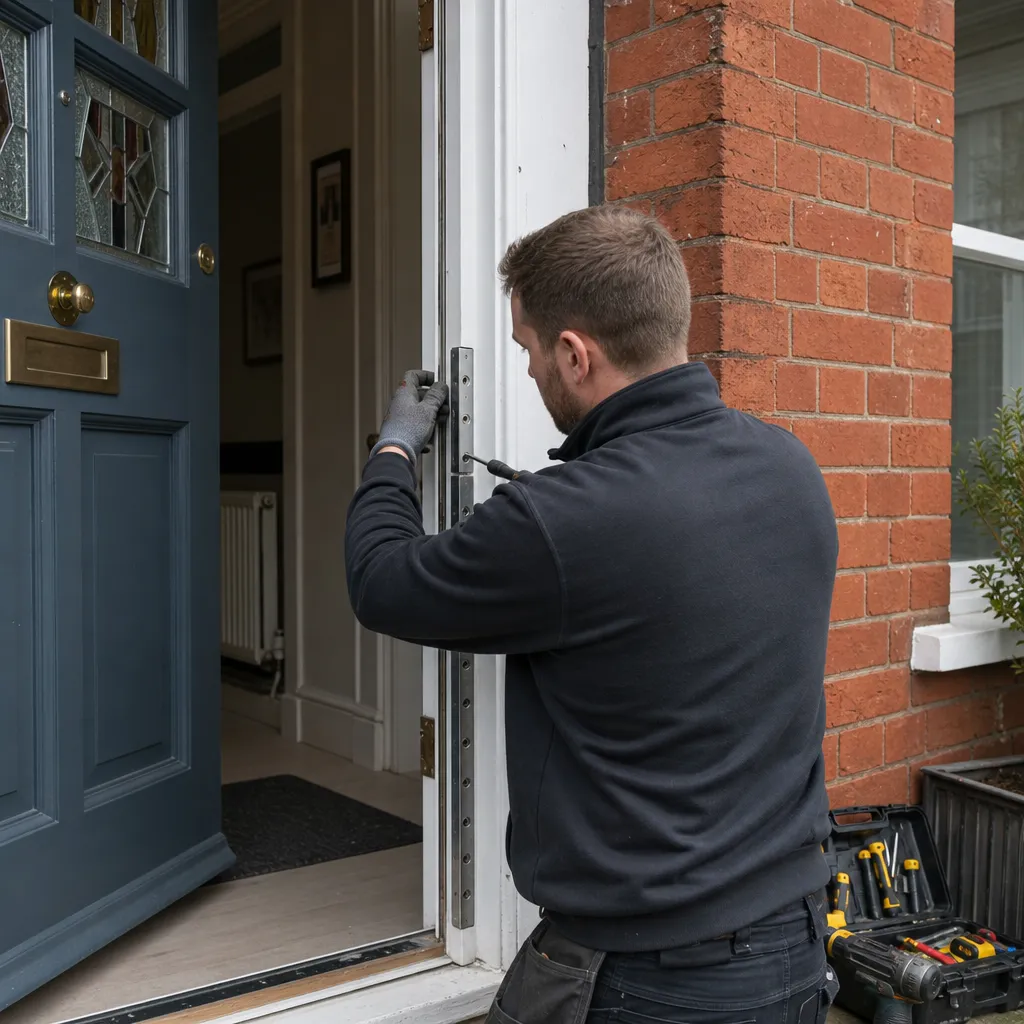
A qualified locksmith — look for members of the Master Locksmiths Association — can assess your existing hardware, advise on the most appropriate upgrades, and fit replacement locks to a professional standard. Seek professional advice if:
- You have moved into a property and cannot confirm who holds copies of the existing keys.
- An insurer has queried whether your locks meet the policy conditions.
- You have experienced a break-in or attempted break-in.
- The door frame is loose, damaged, or the lock cylinder shows signs of tampering.
- You are uncertain whether your existing installation meets PAS 24 or BS 3621.
How Housey can help
If your doors need new locks, upgraded cylinders, or an entirely new PAS 24-certified door set, Housey can connect you with a vetted window and door installer who can assess your existing installation and quote for any necessary work.
Frequently asked questions
Does BS 3621 apply to uPVC doors?
BS 3621 applies primarily to mortice lock mechanisms fitted to timber doors. For uPVC, composite, and aluminium doors, the relevant standard for the complete door set is PAS 24:2022. The lock cylinder on these doors should independently meet TS007 3-star or an equivalent anti-snap standard. Any FENSA or Certass certificate for the door should record the PAS 24 status.
Can I fit a new lock myself to meet insurance requirements?
You can fit a new lock yourself, but the result must genuinely meet the required standard. For a mortice lock, the door must be thick enough and the lock case correctly housed in the door edge. If in doubt, a qualified locksmith can fit and confirm compliance — useful if you later need to demonstrate this to an insurer after a claim.
What is the difference between BS 3621 and Secured by Design?
BS 3621 is a British Standard published by BSI covering performance requirements for thief-resistant lock assemblies. Secured by Design is a UK Police initiative specifying products that meet or exceed police-preferred security criteria, which typically includes BS 3621 and additional requirements. A Secured by Design lock usually meets BS 3621, but the converse is not automatic.
How often should I change my door locks?
There is no regulatory requirement to change locks at fixed intervals, but most security professionals recommend doing so when moving into a new property, after any security incident, or when a lock shows signs of wear such as stiffness, key slippage, or corrosion. Previous occupants may hold copies of existing keys, which is a common overlooked risk on moving in.
Sources and further reading
- Approved Document Q: Security — dwellings — GOV.UK
- Secured by Design: police preferred specifications — Secured by Design
- Master Locksmiths Association: find a locksmith — Master Locksmiths Association
- Glass and Glazing Federation: door security — Glass and Glazing Federation
Useful next reads
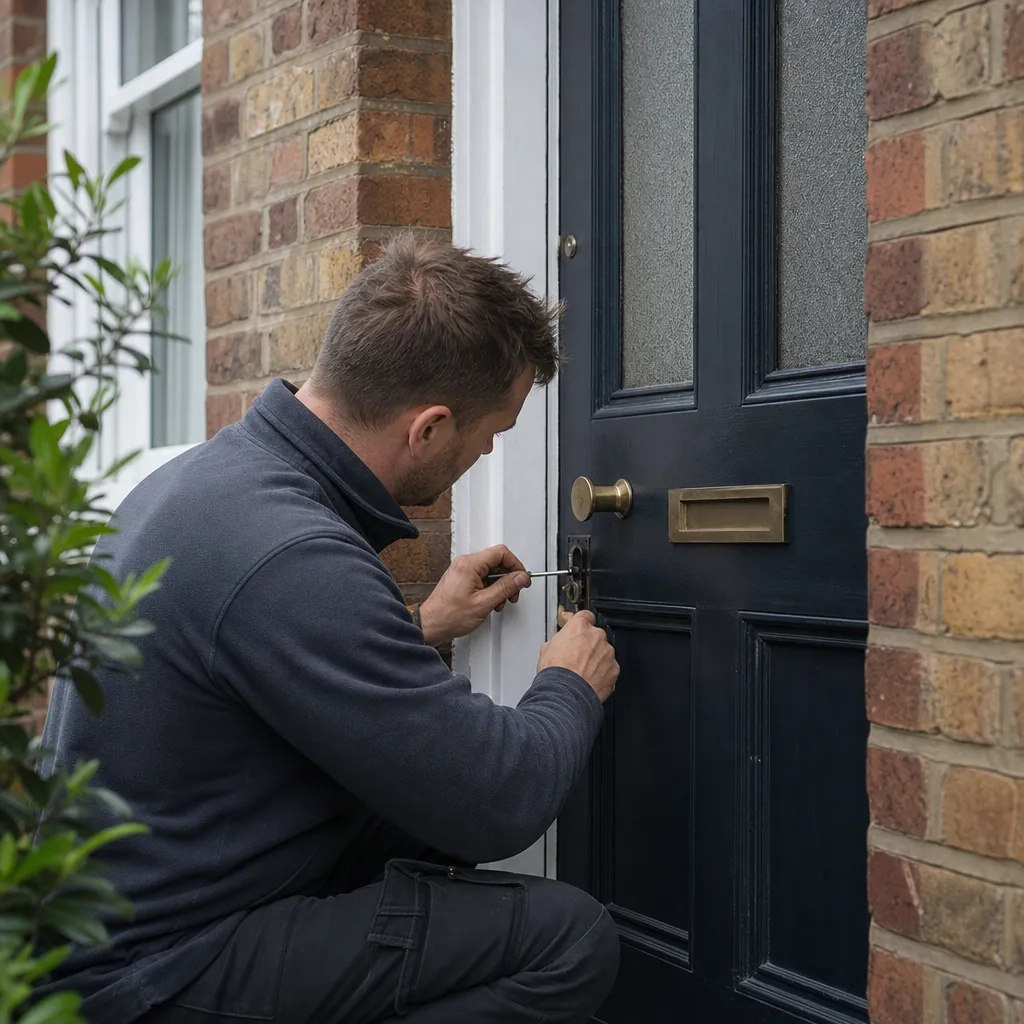 Improvement & Build
Front Door Lock Types: Choosing the Right Security Solution
The most common UK front door lock types are mortice deadlocks, cylinder rim locks (nightlatches), multi-point locking systems, and smart locks.
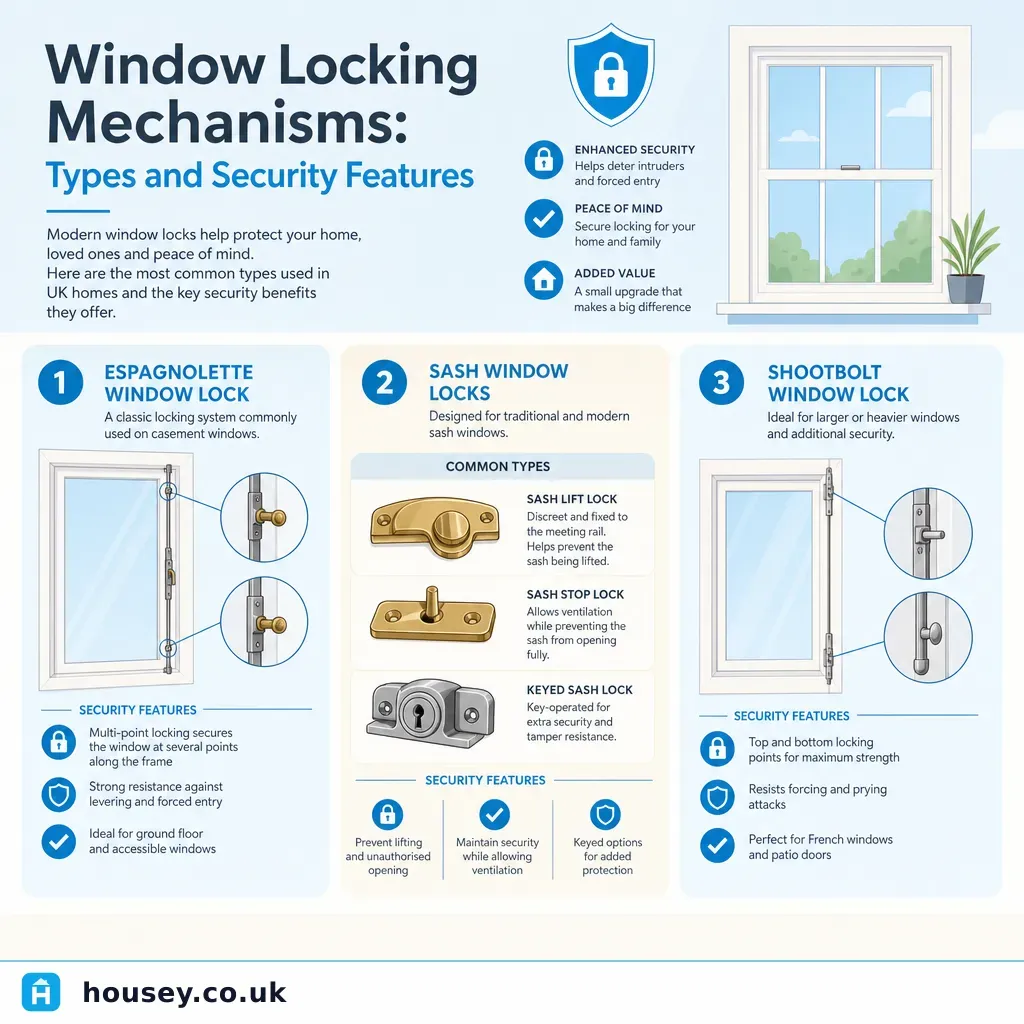 Improvement & Build
Window Locking Mechanisms: Types and Security Features
The most common window locking mechanisms in UK homes are espagnolette bolts (on casement windows), sash locks and dual screws (sash windows), and shootbolt locks.
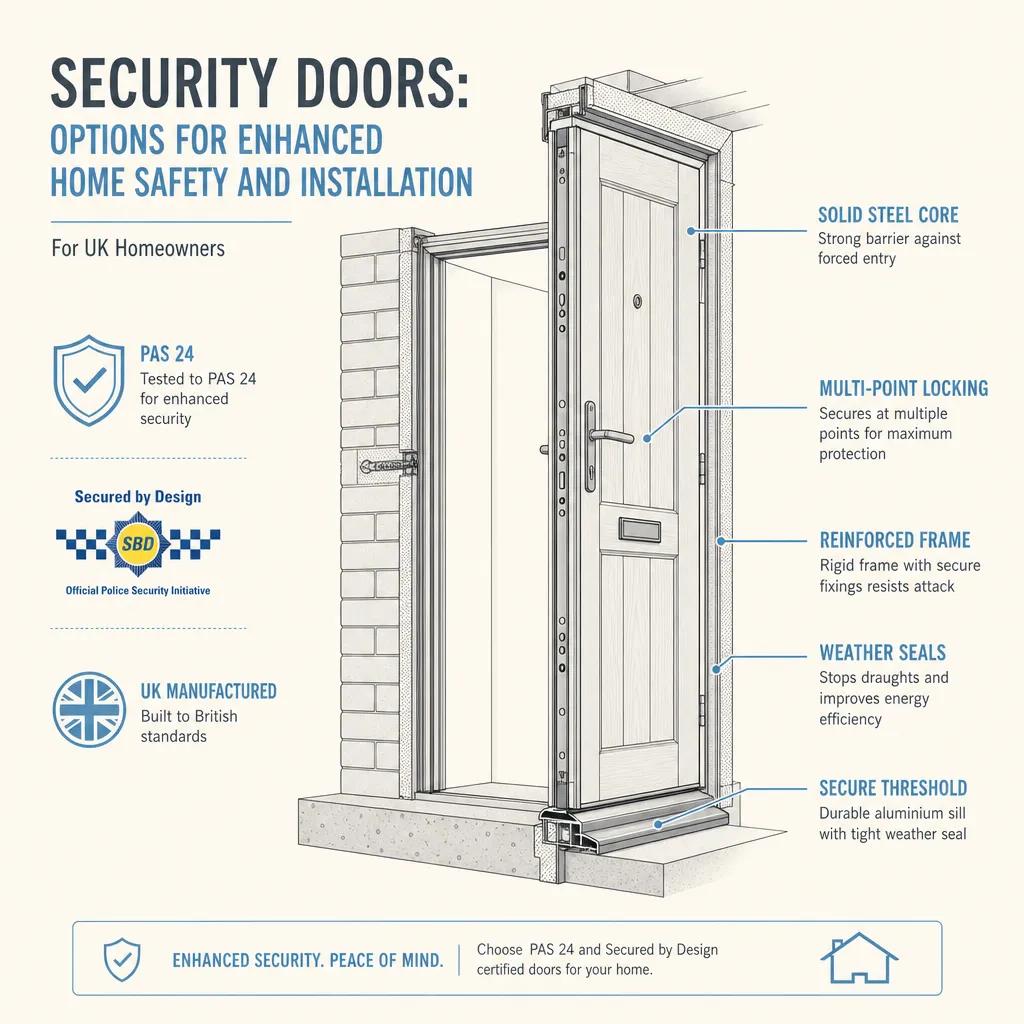 Improvement & Build
Security Doors: Options for Enhanced Home Safety and Installation
A security door should meet PAS 24:2022 or BS EN 1627 RC2 as a minimum.
 Improvement & Build
Renovation Insights: Tips From Professional Home Renovation Experts
Professional renovation guidance consistently covers three areas: understanding your property's history and construction before work begins, sequencing trades in the correct order, and allowing a realistic contingency of 10–15%.
 Improvement & Build
Front Door Frame Reinforcement for Security Upgrade
Most burglars enter through the door frame, not the lock.