Security Doors: Options for Enhanced Home Safety and Installation
By Housey · Last reviewed 7th of May 2026
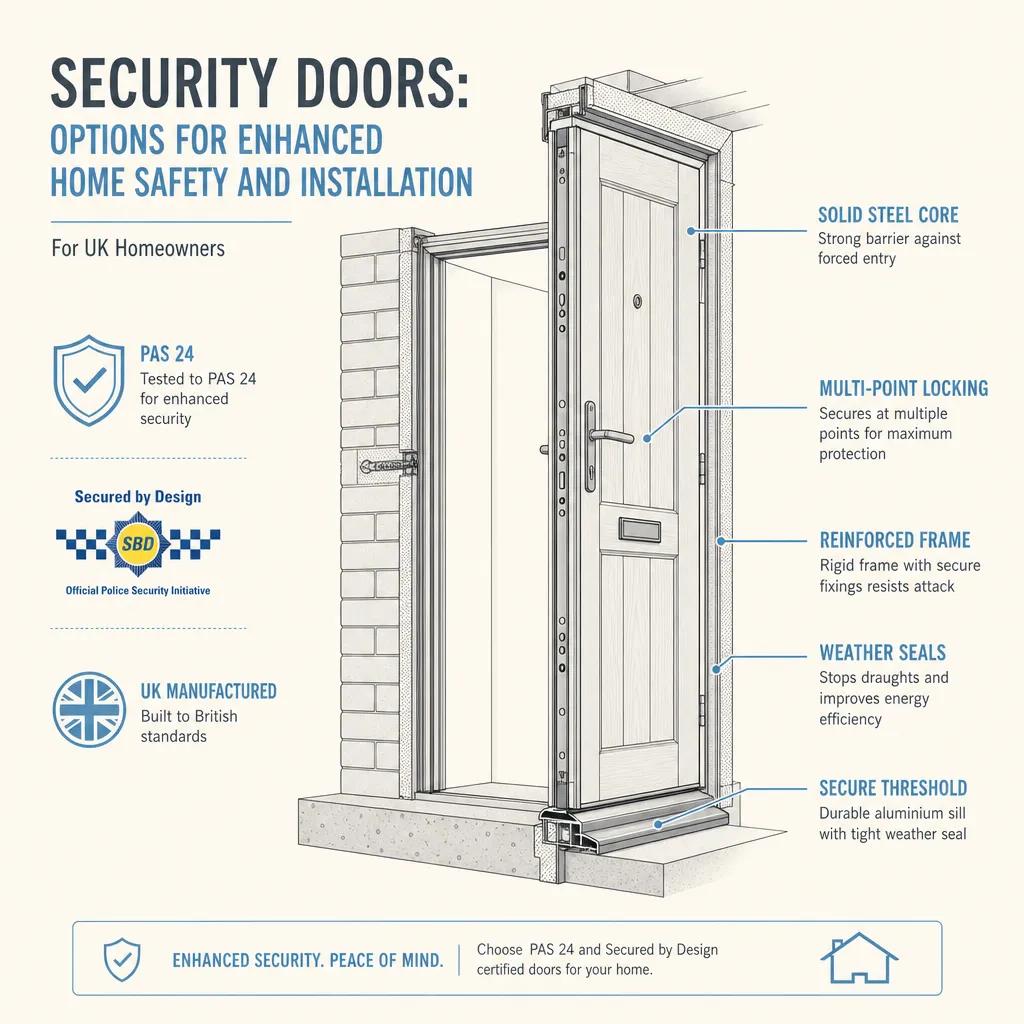
Security Doors: Options for Enhanced Home Safety and Installation
Upgrading a front or back door to a security-rated product is one of the most direct improvements a homeowner can make to reduce the risk of forced entry. The decision arises most often after a local break-in, when renewing an ageing door, or following advice from an insurer. UK performance standards, police-endorsed accreditation schemes, and Building Regulations requirements give homeowners a clear framework for specifying a door that will perform as expected.
Key points
- PAS 24:2022 is the UK's primary performance standard for enhanced security doorsets, testing resistance to manual attack, structural integrity, and hardware security as a complete system.
- Part Q of the Building Regulations (Approved Document Q) requires all external doorsets in new dwellings and certain conversions to meet PAS 24:2022 or an equivalent standard such as BS EN 1627 RC2.
- Secured by Design is the UK police initiative that independently certifies doors meeting crime-prevention standards; a certified product offers verified assurance beyond manufacturer claims.
- A TS 007 3-star rated cylinder significantly reduces the risk of lock-snapping, one of the most common forced-entry methods used by burglars in the UK.
- Door security is only as strong as the frame and installation: even a tested doorset is vulnerable if the frame is not properly anchored into the structural reveal.
Understanding UK security door standards
PAS 24:2022, published by BSI, is the benchmark standard used by insurers, building control bodies, and the Secured by Design scheme. It tests doorsets — the door leaf, frame, hardware, and glazing as a complete system — against a standardised attack methodology. Passing PAS 24 confirms a door will resist typical opportunistic forced-entry attempts; it does not provide absolute protection against determined or prolonged attack.
BS EN 1627 is the European standard, grading doorsets from RC1 (low resistance) to RC6 (specialist high-security). RC2 and RC3 are the grades most relevant to residential properties in the UK.
Standard | What it tests | Typical residential use |
|---|---|---|
PAS 24:2022 | Manual attack resistance, structural performance, hardware security | Most UK residential applications; required for Approved Document Q compliance |
Secured by Design (SBD) | Certification that a tested product meets police crime-prevention criteria | Verified assurance; often required in new-build and social housing schemes |
BS EN 1627 RC2 | European resistance class broadly equivalent to PAS 24 | Accepted as an alternative to PAS 24 in some applications |
BS EN 1627 RC3 | Higher resistance; tested against levered and mechanical attack tools | High-value properties; some insurer specifications |
TS 007 3-star | Cylinder and hardware combination tested against lock-snapping | Often specified alongside PAS 24 for cylinder replacement or upgrade |
Security door materials: which type suits your property?
Security doors are available in several materials, each with different performance characteristics, aesthetic options, and maintenance requirements.
Material | Security potential | Thermal performance | Maintenance | Typical suitability |
|---|---|---|---|---|
Composite (GRP/timber core) | High — PAS 24-rated products widely available | Good (insulated core) | Low | Most UK homes; wide style range |
Steel | Very high — RC3+ achievable | Moderate without a thermal break | Low | High-security applications, flats |
Aluminium | High — PAS 24-rated systems available | Good with thermal break | Low | Contemporary new-build, apartments |
Timber (reinforced) | Good — dependent on reinforcement and hardware specification | Good with effective draught-sealing | Higher | Period properties, conservation areas |
uPVC | Moderate — PAS 24 versions available but frame can be weaker | Good | Low | Budget replacement; always check frame reinforcement |
Material alone does not determine security performance — the frame, hardware, glazing, and installation method are equally important.
Which security door should you choose? A decision guide
- New dwelling or regulated conversion? Approved Document Q applies — choose a doorset certified to PAS 24:2022 or BS EN 1627 RC2 as a minimum; building control will require evidence of compliance.
- Want police-endorsed certification? Choose a Secured by Design certified product independently assessed against crime-prevention criteria.
- Listed building or conservation area? Reinforced timber or period-appropriate composite may be more suitable; check with your local planning authority whether a change in door style or material requires consent.
- Does your insurer specify a standard? Some home insurance policies require PAS 24, SBD certification, or a minimum number of locking points — check your policy wording before specifying.
- Replacing the cylinder only? A TS 007 3-star cylinder is a cost-effective improvement if the door frame and leaf are structurally sound and the overall doorset is otherwise adequate.
What to check before buying and during installation
Use this checklist when specifying and installing a security door:
What to ask your door installer
- Is the doorset certified to PAS 24:2022 or BS EN 1627, and can you provide the test certificate?
- Does your guarantee cover the frame fixings and hardware as well as the door leaf?
- Will this installation affect any fire-door rating or fire-compartmentation requirement?
- Are you a member of a recognised trade body such as FENSA, GGFi, or the Door and Hardware Federation?
- What assumptions does your quote make, and what could change the price or timeline?
Planning permission and Building Regulations
Replacing a door on a like-for-like basis on a standard house typically falls under permitted development and does not require planning permission. Exceptions to be aware of:
- Listed buildings: any external alteration requires listed building consent.
- Conservation areas: a materially different door style or material may require planning permission; check with your local planning authority before ordering.
- New dwellings and conversions: Approved Document Q requires doorsets to meet PAS 24:2022 or equivalent; building control will require evidence of compliance at completion.
- Flats and HMOs: fire-door requirements interact with security door specification; consult the building owner or responsible person before replacing any flat entrance door.
When to get professional help
A like-for-like security door replacement on a standard house is straightforward for an experienced installer. Seek professional advice if:
- The property is listed or in a conservation area
- The existing frame or reveal is damaged, out of square, or of unknown construction
- The door serves as a fire door or is on a means of escape route in a block of flats
- Your insurer specifies a standard or accreditation you are unsure how to verify
- The door opening has been altered previously and the structural lintel may be affected
How Housey can help
Housey connects homeowners with vetted window and door installers who can advise on PAS 24-compliant products, supply and install security doorsets, and confirm whether your specific situation requires any consents before work begins.
Frequently asked questions
Does a replacement security door need to comply with Building Regulations?
For existing homes, replacing a door on a like-for-like basis does not typically require Building Regulations approval. However, if the work involves a new opening, significant structural alteration, or the property is a new dwelling or conversion, Approved Document Q applies and the doorset must meet PAS 24:2022 or equivalent. For flats, fire-door requirements also apply and should be checked before any door is replaced.
What is Secured by Design?
Secured by Design (SBD) is a UK police initiative managed by the Police Digital Security Centre on behalf of the National Police Chiefs' Council. It awards a licence to products independently tested against crime-prevention standards. SBD-certified security doors have passed testing to PAS 24 and been reviewed against police operational experience, giving homeowners and insurers confidence in verified performance.
How much does a security door cost in the UK?
Indicative UK costs, last reviewed 2026-05-07: supply-and-fit prices for a composite security door meeting PAS 24 typically range from around £800 to £2,500, depending on size, style, glazing, and installer. Steel and RC3-rated doors are generally more expensive. TS 007 3-star cylinder upgrades are typically £50–£150 supply-only. Obtain at least three quotes and confirm what is included and whether VAT is shown separately.
Do I need planning permission for a security door?
Planning permission is not usually required for a like-for-like door replacement on a standard house. Any external change to a listed building requires listed building consent. In conservation areas, replacing a front door with a different style or material may require planning consent. Always check with your local planning authority if you are unsure, particularly for properties with any heritage designation.
What is the difference between PAS 24 and BS EN 1627?
PAS 24 is the UK standard for enhanced security doorsets, required under Approved Document Q. BS EN 1627 is a European standard grading doorsets from RC1 to RC6 based on attack resistance. RC2 under BS EN 1627 is broadly equivalent to PAS 24 and accepted as an alternative in some applications. RC3 offers higher resistance and may be required by insurers or in higher-risk situations. Both standards test the doorset as a complete system.
Sources and further reading
- Secured by Design: licensed products and certification — Police Digital Security Centre / National Police Chiefs' Council
- Approved Document Q: Security — Dwellings — GOV.UK / DLUHC
- PAS 24:2022 — Enhanced security performance requirements for doorsets and windows — BSI Group
- Lock snapping: advice for householders — Master Locksmiths Association
- Home security advice — Metropolitan Police
Useful next reads
 Improvement & Build
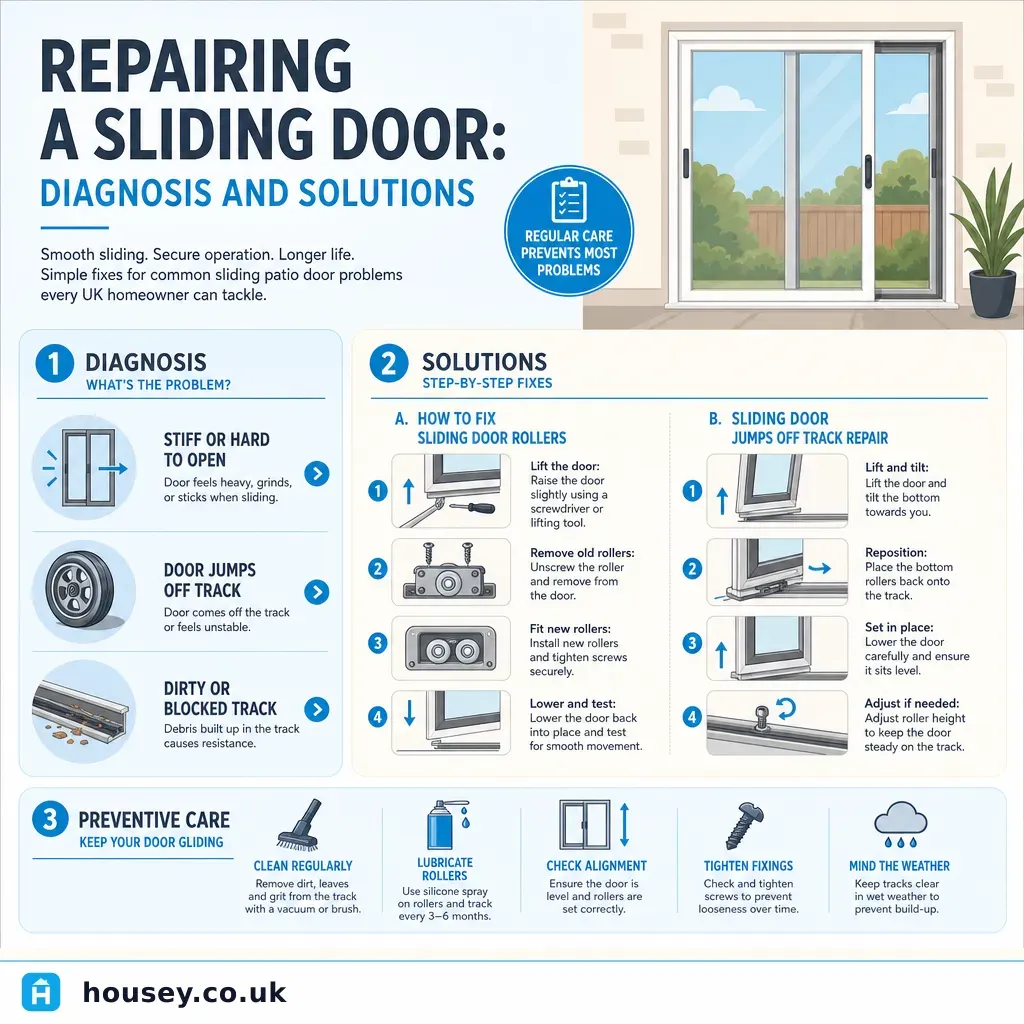
Repairing a Sliding Door: Diagnosis and Solutions
Most sliding door problems — stiffness, jumping off track, or draughts — are caused by dirty tracks, worn rollers, or misaligned guides.
 Improvement & Build
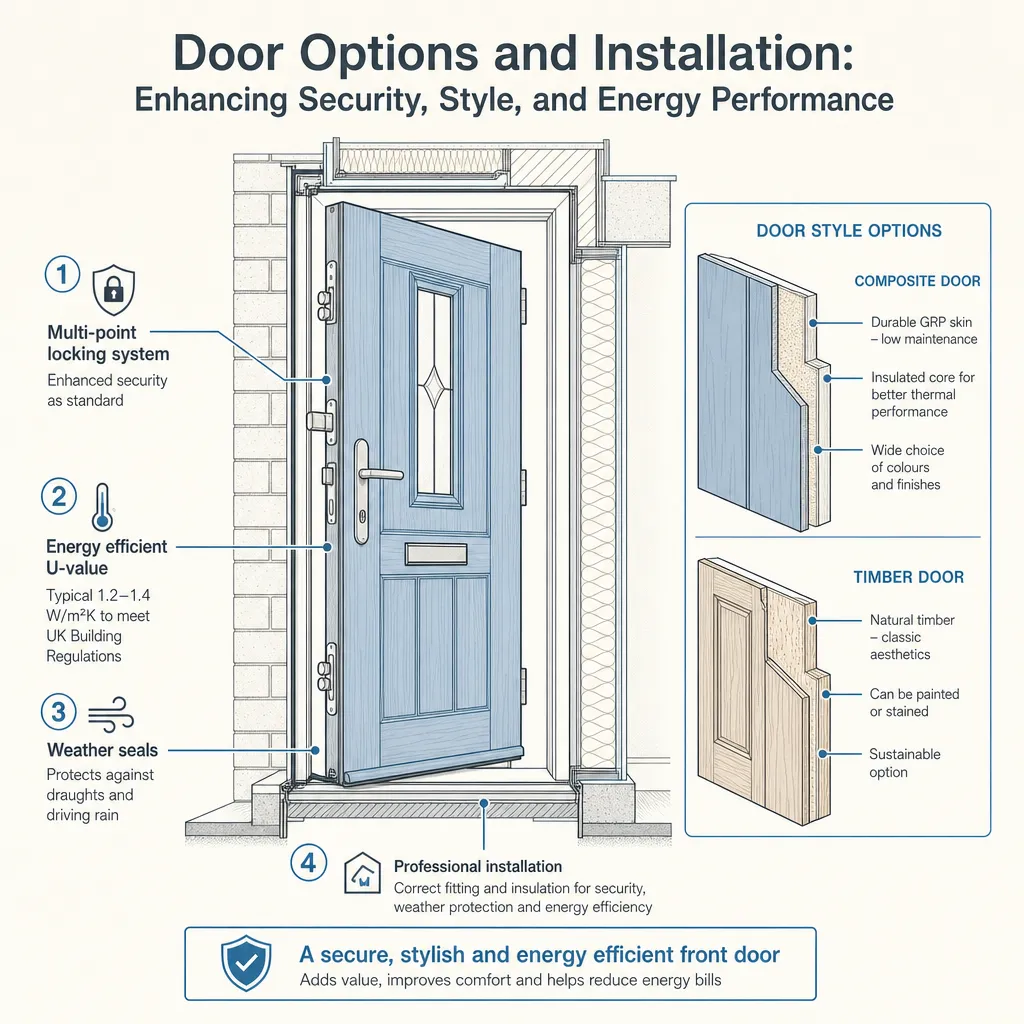
Door Options and Installation: Enhancing Security, Style, and Energy Performance
Choosing a new external door involves balancing security ratings, thermal performance, and style.
 Improvement & Build
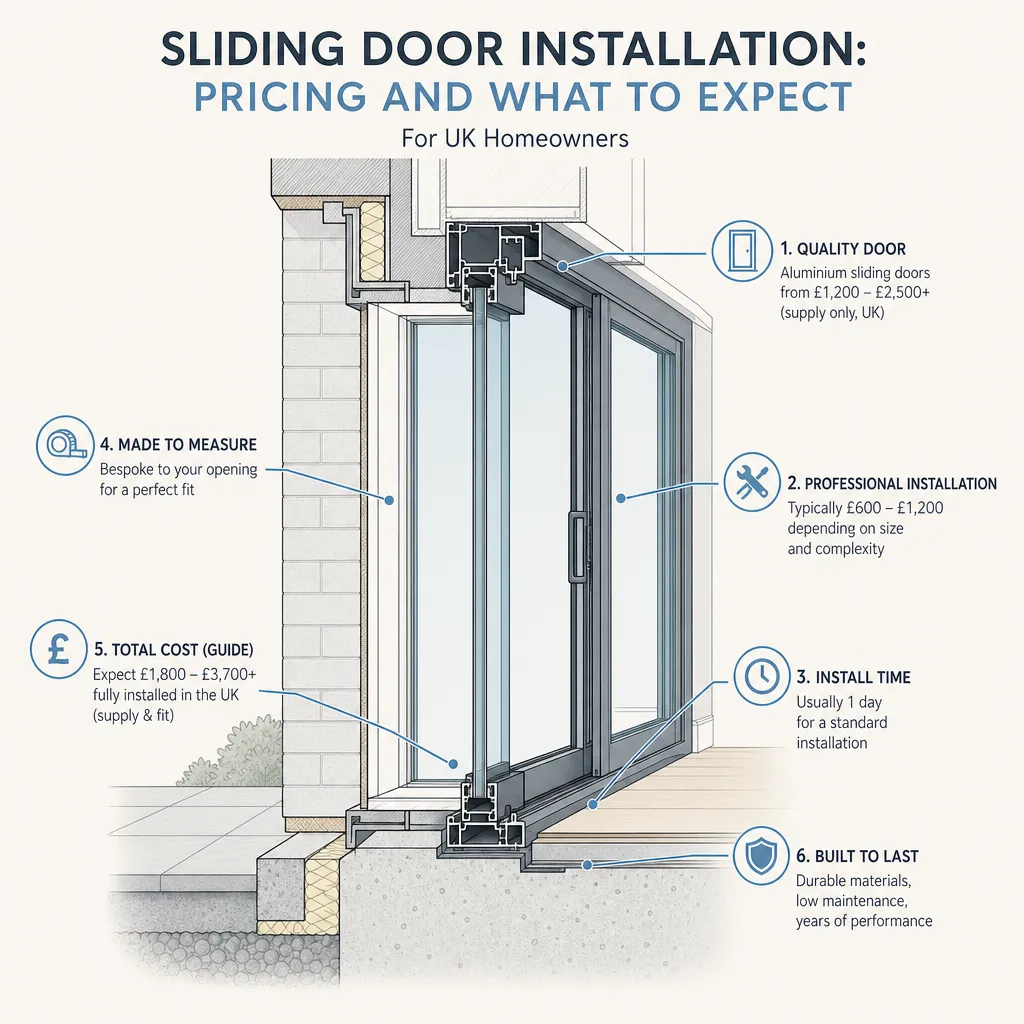
Sliding door installation: pricing and what to expect
A new sliding patio door in the UK typically costs £800–£3,000 fully installed, depending on size, material, and glazing specification.
 Improvement & Build
Ensuring Your Home Locks Are Secure Enough
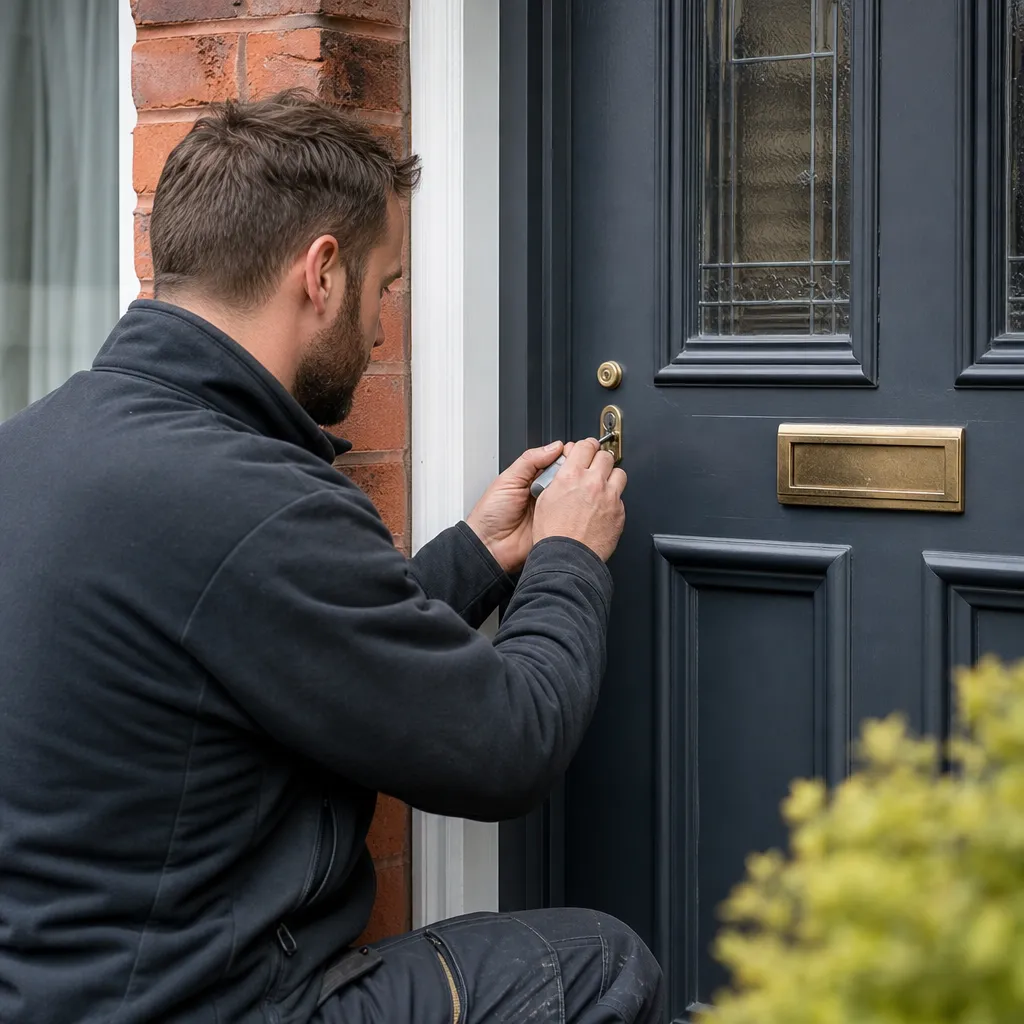
For most UK homes, external door locks should meet British Standard BS 3621 or be part of a PAS 24-certified door set.
 Improvement & Build
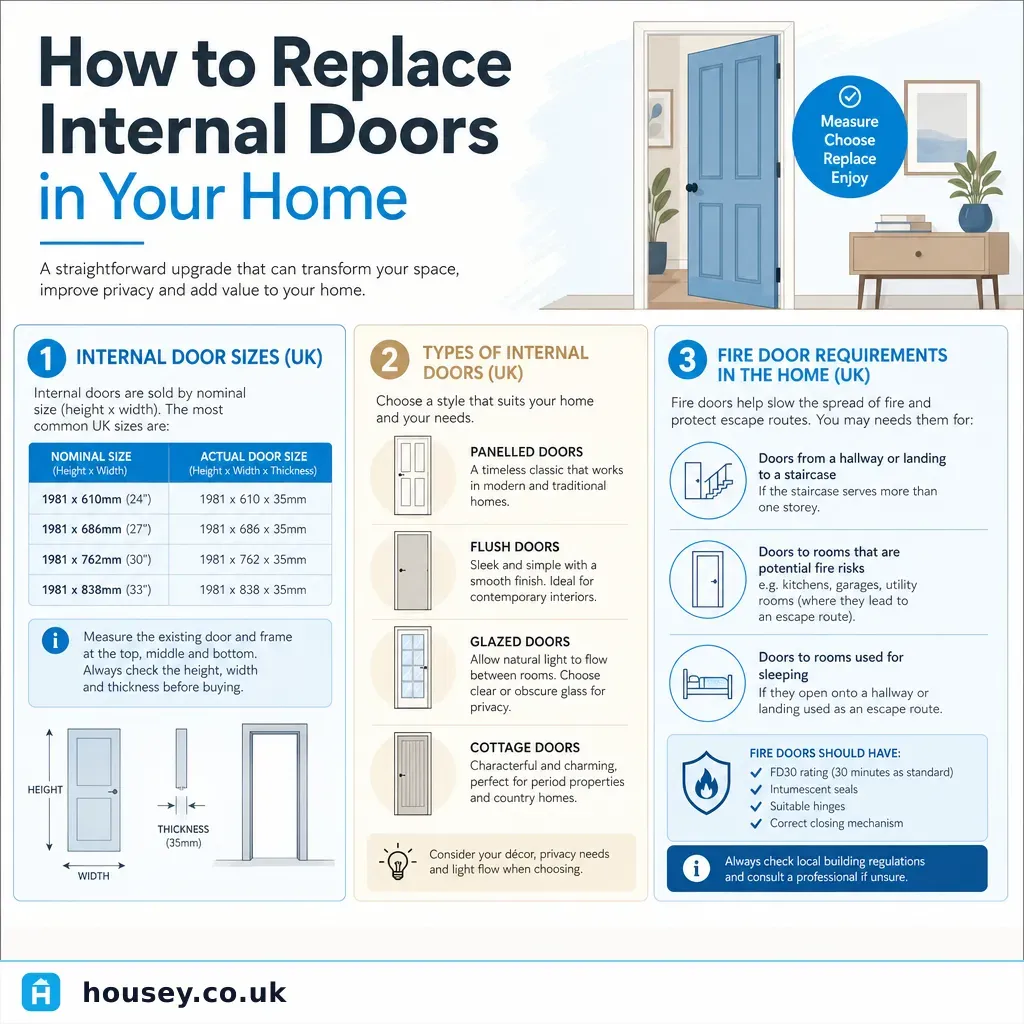
How to Replace Internal Doors in Your Home
Replacing internal doors is a straightforward home improvement that most competent DIYers or a joiner can complete.