Exterior Colour Schemes for Green Roofs: Design Coordination
By Housey · Last reviewed 11th of May 2026
Exterior Colour Schemes for Green Roofs: Design Coordination
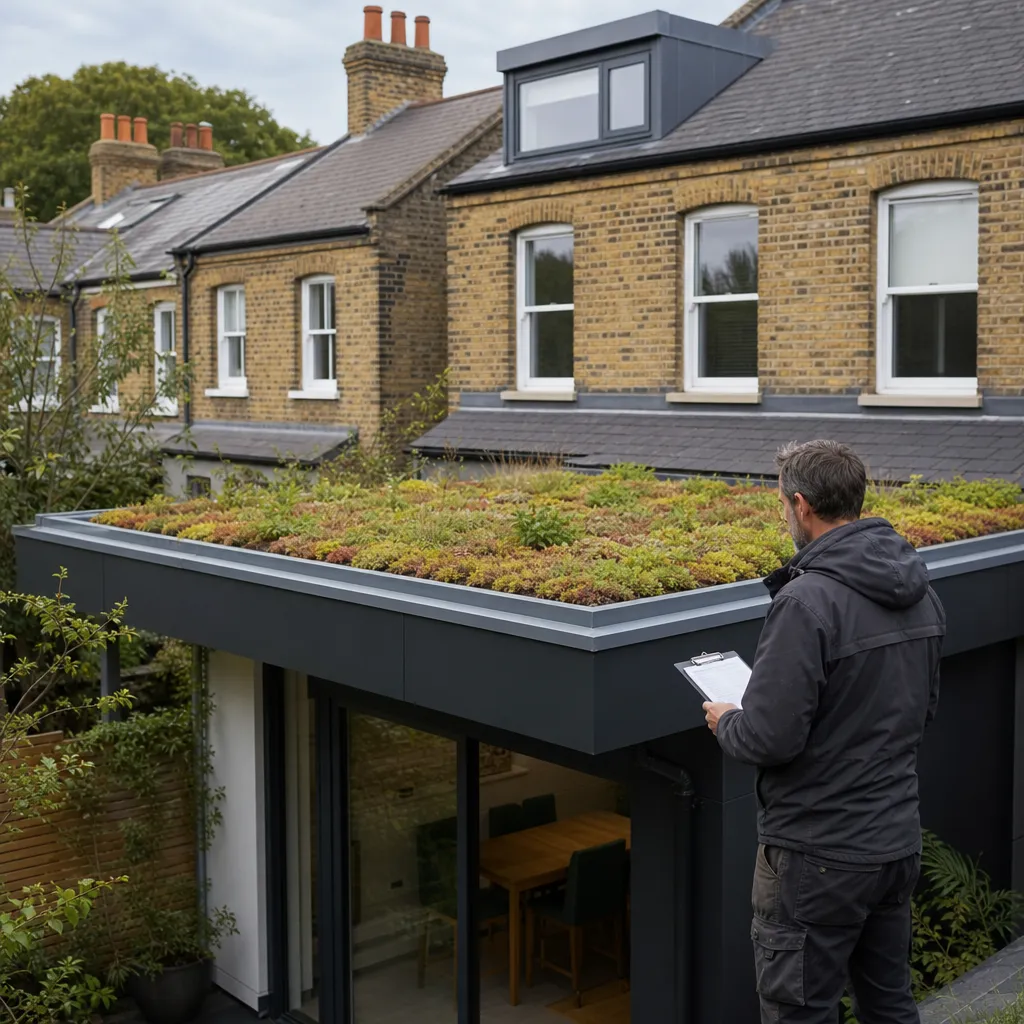
A green or living roof changes the visual character of a building in ways that most conventional roofing materials do not — not just in colour but in texture, tone, and the way those qualities shift across seasons. Choosing exterior colours that work with a living roof is a distinct design challenge, one that homeowners typically face when commissioning a new installation or refreshing the external finish of an existing property. The seasonal nature of planted roofing is the factor most often overlooked at the design stage.
Key points
- Sedum and wildflower green roofs cycle through vivid green, bronze, orange, and straw-brown tones across the year; a colour scheme that looks coordinated in July may appear mismatched in February.
- Earth tones, warm greys, slate blues, and natural timber complement the botanical palette of most green roofs more consistently than bright whites or strongly saturated colours.
- In conservation areas, planning permission may be required before repainting exterior walls or changing cladding materials, regardless of whether a green roof is involved.
- Intensive green roofs (substrate depths above 150mm with tall or shrubby planting) create a stronger visual statement than shallow extensive sedum roofs and generally benefit from a more neutral building palette.
- The RAL and BS4800 colour systems are referenced by UK paint and render manufacturers; specifying a BS4800 or RAL reference allows consistent colour matching across different suppliers and trades.
How green roofs change your colour palette challenge
A conventional tiled or slated roof presents a relatively fixed colour you can design around once. A living roof is different in three important ways.
Seasonal variation: Sedum roofs are typically vivid green in spring and early summer, turning orange, bronze, and straw-coloured in autumn and winter. Wildflower meadow roofs add purples, yellows, and whites to the mix during the flowering season.
Textural complexity: The layered, organic texture of a planted roof draws the eye differently from flat tile or slate. Highly patterned or strongly coloured wall finishes can create visual noise that competes with the roof rather than complementing it.
Ecological palette: Green roofs are frequently chosen as part of a broader sustainability approach; the colours of natural or low-carbon materials — brick, lime render, timber, cork board — tend to integrate well with this aesthetic intention.
Colour families that work well with green roofs
Warm greys and slate tones
Mid-grey and blue-grey renders or masonry are the most versatile backdrop for a green roof. They recede visually, allowing the roof to become the focal element, and they coordinate across the full seasonal range of sedum colouring. Commonly referenced BS4800 shades for this purpose include 18-B-21 (mid grey) and 18-B-25 (blue grey).
Warm earth tones
Brick reds, terracotta, warm ochre, and sand render echo the dry, bronze tones that a sedum roof takes on in late summer and winter. These work particularly well on rural or semi-rural properties and on buildings with exposed brick or clay tile details.
Charcoal and dark tones
Dark grey, slate black, and anthracite renders create high contrast against the green and amber tones of a sedum roof. This is a deliberately architectural look that suits contemporary self-builds, barn conversions, and new-build garden annexes. Anthracite RAL 7016 is a widely used reference for this palette.
Natural timber cladding
Untreated larch, Douglas fir, and thermally modified timber all weather to silver-grey tones that sit naturally alongside planted roofs. Dark-stained timber in slate grey, olive, or charcoal is also widely used. Avoid bright or synthetic finishes, which tend to clash with the organic palette of the roof.
Colours to use with caution
Colour family | Risk with a green roof | When it can work |
|---|---|---|
Bright white or cream render | Creates harsh contrast in winter when sedum turns straw-brown | Small accent areas or window reveals only |
Saturated primaries (red, blue, yellow) | Competes visually with the roof's seasonal colour changes | Feature elements only, if deliberately bold |
Pale pastels | Can look washed out against rich summer sedum greens | Very limited use cases |
Bright synthetic green paint | Clashes with the natural tones of the living roof | Generally avoid |
Seasonal colour planning: a decision guide
Before committing to an exterior scheme, consider which seasonal state of the green roof will be most visible from primary viewpoints — the front elevation, garden, and neighbouring properties.
- Choose a neutral warm grey or earth tone if the roof is visible year-round and you want a consistent, low-maintenance visual result across all seasons.
- Choose dark charcoal or anthracite if you want a contemporary contrast-led scheme and the roof is an extensive sedum type, which turns straw-coloured in winter to provide natural contrast.
- Choose natural timber cladding if the property is in a rural setting and the green roof is a wildflower or biodiverse type, where you want building and landscape to integrate naturally.
- Seek advice from a garden designer or landscape architect if the roof is an intensive green roof with deep substrate and designed planting, as the planting palette itself becomes the primary design driver.
- Check with your local planning authority before changing any external colour or cladding material in a conservation area or on a listed building, as even paint changes can require consent.
Coordinating with other exterior elements
Windows and doors
Powder-coated aluminium frames in anthracite grey (RAL 7016) or slate (RAL 7015) are the most widely used contemporary choice alongside green roofs. Timber windows in natural or dark-stained finishes also integrate well. Avoid bright white PVC frames if you want the green roof to read as a considered design feature rather than an afterthought.
Guttering and rainwater goods
Green roofs reduce surface water runoff significantly, but guttering is still required at the eaves. Matching guttering colour to window frames or fascia boards creates a cohesive appearance. Zinc or pre-patinated copper guttering complements the natural palette of living roofs and is a popular choice on higher-specification builds.
Hard landscaping at ground level
Pale limestone paving or buff gravel can look mismatched against the bronze tones of a sedum roof in winter. Grey or charcoal paving, dark slate chippings, or naturalistic gravel beds tend to extend the green-roof palette downward and create a more coherent overall composition.
What to ask before committing to a colour scheme
- What are the growth stages of the specific sedum or planting mix on this roof, and how does its colour change across the year?
- Can the installer or supplier provide photographs of the same or a similar roof in both summer and winter?
- Is the property in a conservation area or subject to any Article 4 Direction that affects external finishes?
- If using render, what BS4800 or RAL reference will achieve the specified colour, and is it available in a through-coloured system, which is more durable than a surface-painted finish?
- What maintenance does the exterior cladding or render require, and how does that affect colour longevity?
- Has the design been reviewed against any planning conditions attached to the green roof approval?
When to get professional help
For most homeowners, exterior colour choice is a permitted development matter that requires no planning input. However, seek specialist advice if the property is listed or in a conservation area — a conservation architect or heritage consultant should be consulted before any external change — or if the green roof is part of a larger project requiring planning permission, where the colour scheme may need to be specified in the application. For intensive green roofs with designed planting, a garden designer or landscape architect should co-ordinate the roof and ground-level palette from the outset.
How Housey can help
Bringing a garden designer on board early can make a significant difference when planning an exterior colour scheme around a living roof — particularly for intensive planted roofs where the roof forms part of the garden. A garden designer can advise on seasonal planting palettes, ground-level landscaping that complements the roof, and the overall visual composition of the property from key viewpoints.
Frequently asked questions
Does changing the exterior colour of my house need planning permission?
In most cases, repainting the exterior of an unlisted house outside a conservation area does not need planning permission. However, in conservation areas, planning permission may be required for changes to cladding materials or some external finishes. Rules vary by local authority, so check with your local planning authority before starting any work.
What colour render works best with a sedum roof?
Warm grey, slate blue-grey, and mid-grey renders are consistently versatile choices with sedum roofs, coordinating across the full seasonal range from vivid summer green through to bronze and straw tones in autumn and winter. Earth tones such as sand or ochre also work well, particularly on rural properties or buildings with exposed brick detailing.
Can I use white render with a green roof?
Bright white can look striking in summer when the roof is vivid green, but may appear harsh or mismatched in winter when a sedum roof turns straw-brown. A warm off-white or light grey is generally more forgiving across seasons. In conservation areas, white render may also require planning consent depending on the existing character of the area.
How do I future-proof a colour scheme if my sedum roof changes over time?
Choose a neutral palette — mid-grey, warm earth tones, or natural timber — that can accommodate a range of roof colours as the planting composition matures. Avoid strongly saturated exterior colours that depend on the roof looking a specific shade, as sedum mixes naturally change in density and appearance over time.
Sources and further reading
- Green roof guidance for homeowners — Livingroofs.org
- GRO Green Roof Code of Best Practice — Green Roof Organisation
- Conserving and enhancing the historic environment — GOV.UK
- NBS: External wall finishes and cladding — NBS
Useful next reads
 Improvement & Build
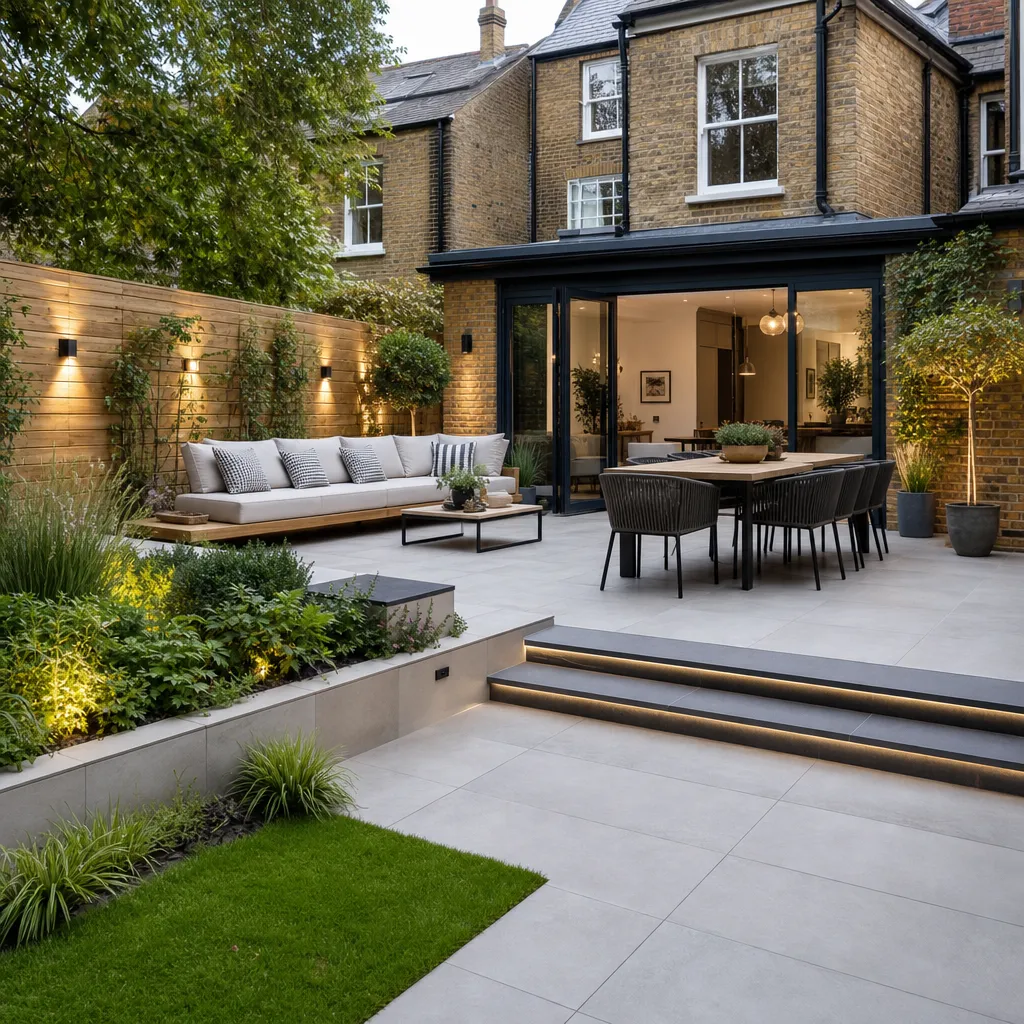
Creating Functional and Attractive Outdoor Entertainment Areas
A well-planned outdoor entertainment area combines a level surface — patio, decking, or gravel — shelter or shade, appropriate lighting, and power access if needed.
 Improvement & Build
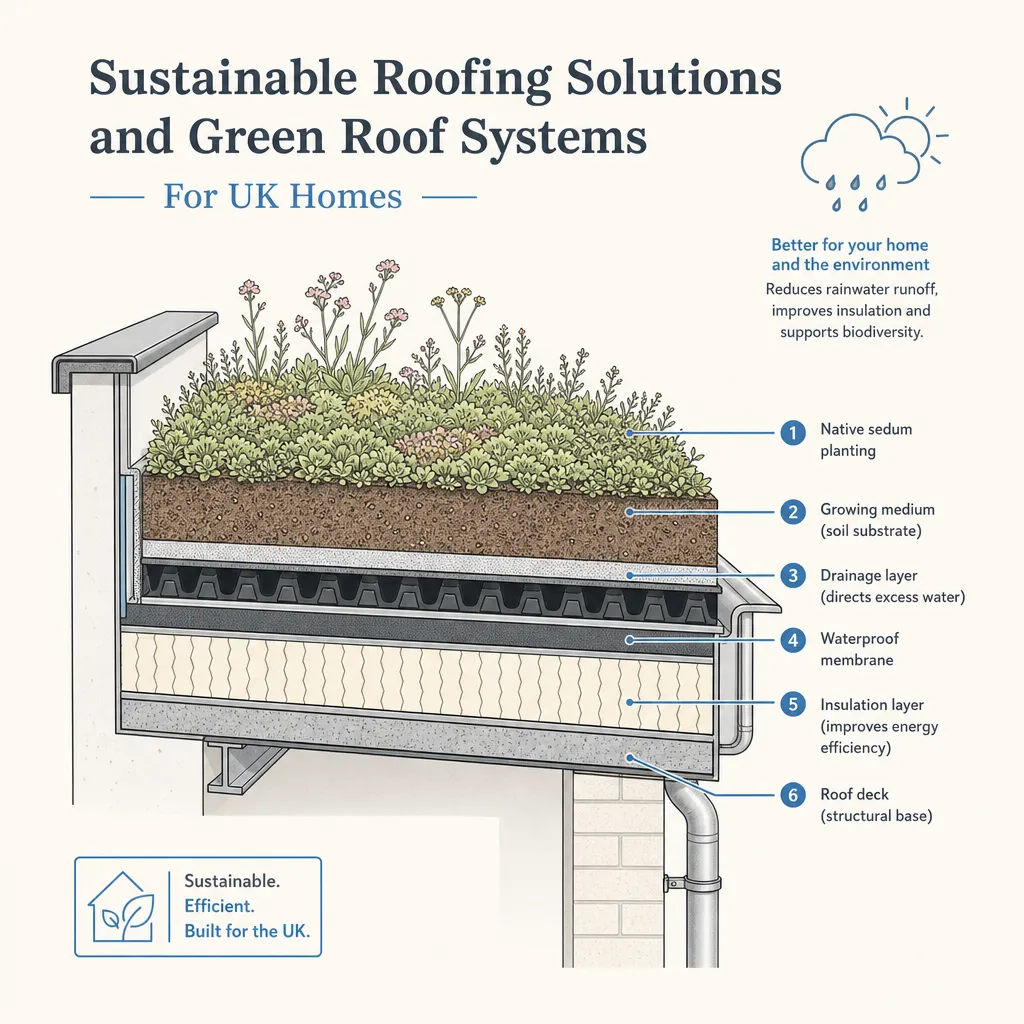
Sustainable Roofing Solutions and Green Roof Systems
Sustainable roofing in the UK covers several options: sedum or living roofs, recycled-content tiles, reclaimed slate, and solar-integrated roofing.
 Improvement & Build
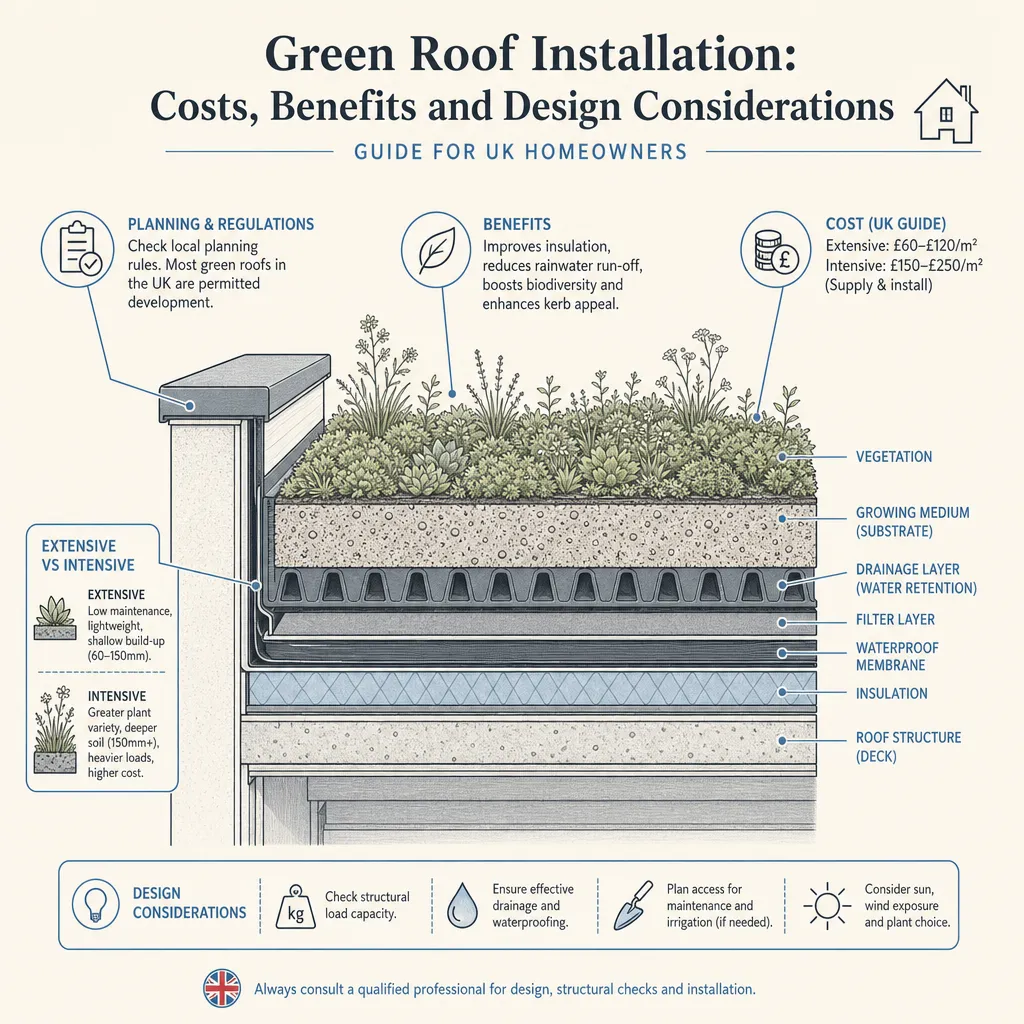
Green Roof Installation: Costs, Benefits and Design Considerations
A green roof costs roughly £50–£150 per m² installed for a shallow extensive system, or £100–£500+ per m² for a deeper intensive planted roof.
 Improvement & Build
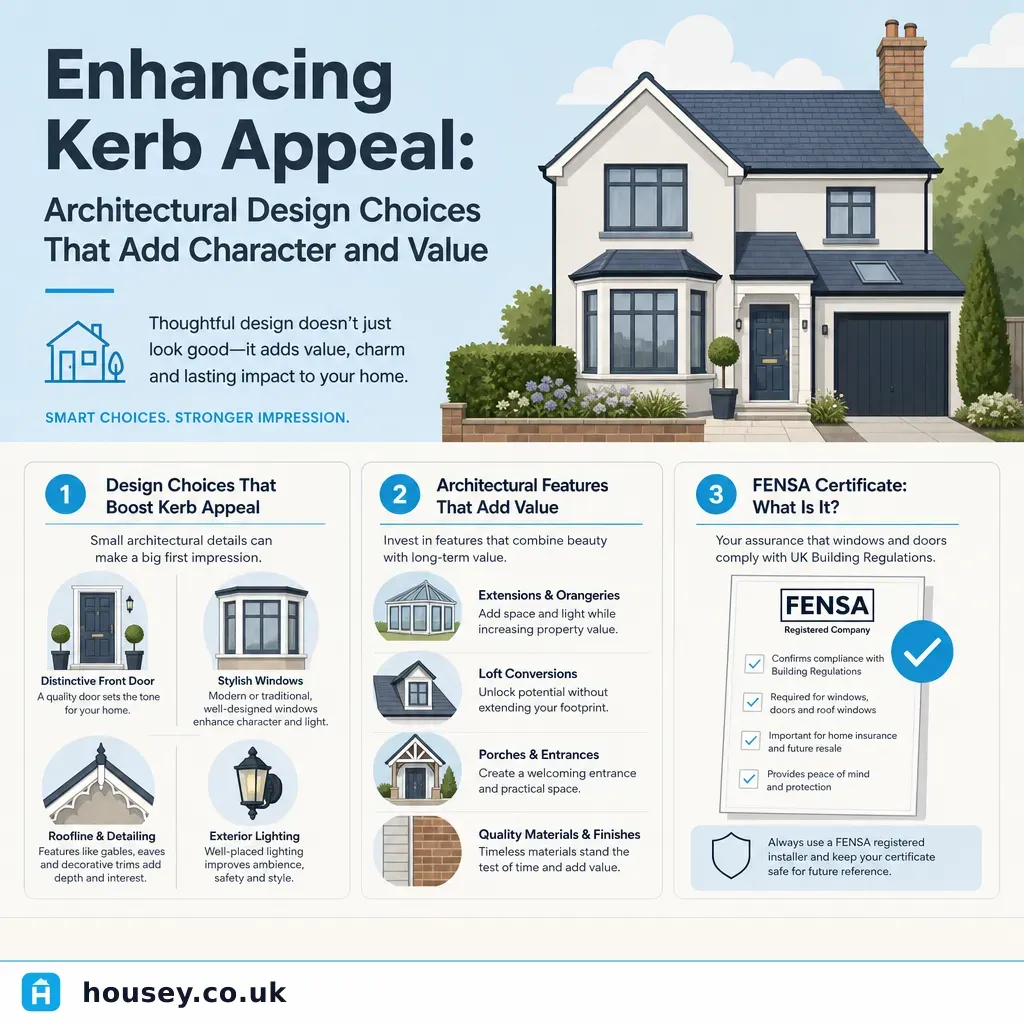
Enhancing Kerb Appeal: Architectural Design Choices That Add Character and Value
Improving kerb appeal in the UK starts with windows, doors, and boundary treatments matched to your property's era and planning context.
 Improvement & Build
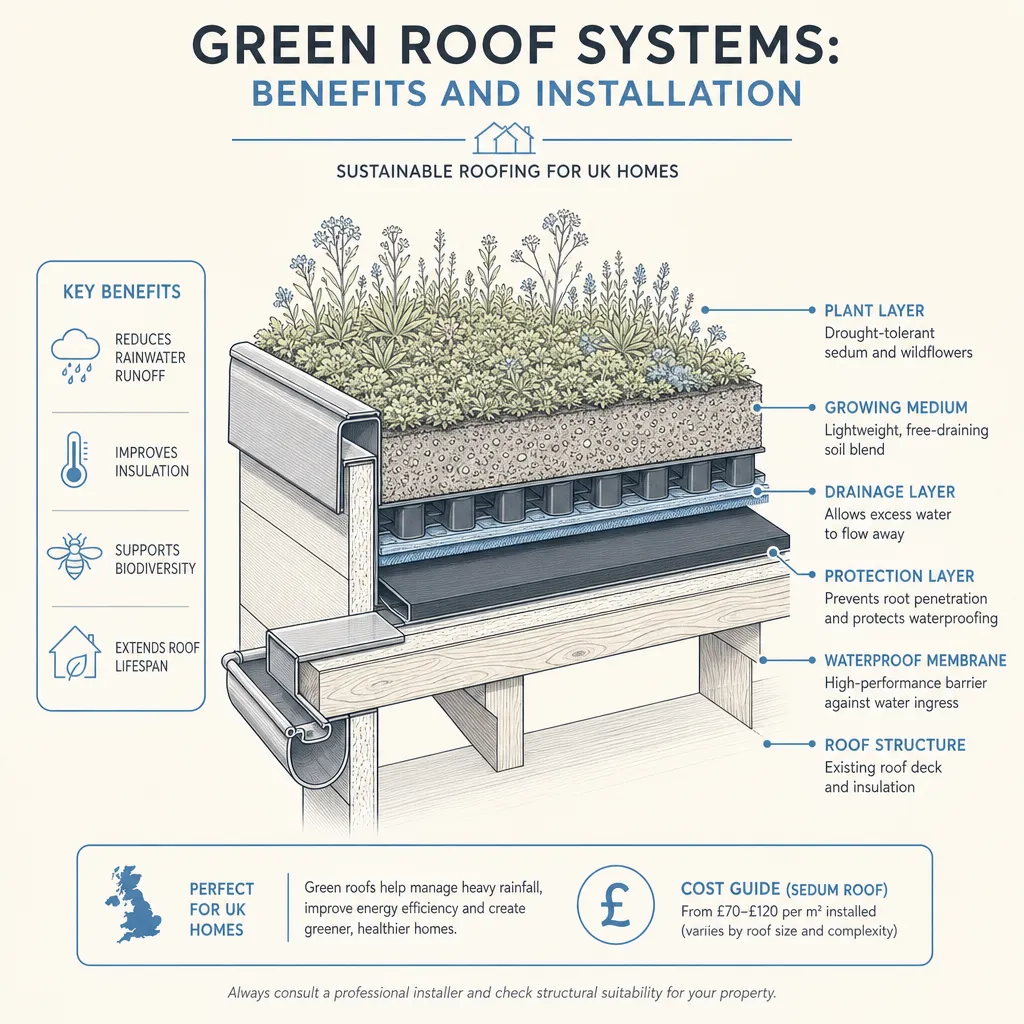
Green Roof Systems: Benefits and Installation
Green roof systems come in three main types: extensive (shallow sedum or wildflower planting, lightweight at 60–150 kg/m² when saturated), semi-intensive, and intensive (deeper substrate, suited to roof gardens).