Exterior House Painting and Facade Costs
By Housey · Last reviewed 6th of May 2026

Exterior House Painting and Facade Costs
Maintaining the exterior of a UK home goes beyond kerb appeal — untreated masonry, render, or timber can absorb moisture, accelerate deterioration, and become far more costly to repair than if addressed early. Whether you are preparing a property for sale, responding to peeling paintwork, or working through a planned maintenance schedule, understanding what exterior painting involves and what it typically costs helps you plan realistically and compare quotes with confidence.
Key points
- Exterior painting costs in the UK typically range from around £600 for a small terraced house to £5,000 or more for a large detached property, depending on size, surface type, and preparation required (indicative UK costs, last reviewed 2026-05-06).
- Scaffolding or access platforms can add £500–£2,000 to the overall cost and are usually necessary for properties taller than two storeys or with inaccessible elevations.
- Surface preparation — filling cracks, treating mould, and priming bare masonry — often accounts for 30–50% of total project time and heavily influences how long the finished coating lasts.
- Silicone-based and breathable masonry paints generally outperform standard acrylic products on older properties, particularly those with solid walls prone to moisture movement.
- Most exterior paint jobs on UK homes need refreshing every 5–10 years, though exposed coastal or upland locations may require more frequent maintenance.
What affects the cost of exterior house painting?
Several factors influence the final price of an exterior painting project. A like-for-like comparison between quotes is only meaningful when each contractor is working to the same specification.
Property size and storey height A compact two-bedroom terrace has far less surface area than a four-bedroom detached house. Additional storeys increase not just the paintable area but the access complexity, often making scaffolding unavoidable.
Surface condition and preparation requirements Bare, sound masonry that simply needs a coat of paint costs considerably less to prepare than a facade with spalling render, mould staining, cracks, or flaking previous coatings. Cutting out and repointing deteriorated mortar joints or patching failed render adds time and material cost before painting can begin.
Paint system and number of coats A basic masonry paint applied in two coats differs significantly in cost from a specialist silicone render coating, an elastomeric paint, or a textured through-colour render system. Premium systems are more expensive per litre but often deliver longer serviceable lifespans.
Access and scaffolding Ground-floor work or accessible single-storey extensions may be achievable with ladders and hop-up platforms. Most two-storey facades — and any work near rooflines, dormers, or gable ends — require erected scaffolding or scaffold towers. Always confirm whether scaffolding is included in the quoted price or invoiced separately.
Number of elevations Painting all four sides of a detached house costs more than painting the front and rear of a mid-terrace. Some homeowners prioritise the street-facing elevation for cost reasons, though this can create maintenance inconsistencies over time.
Typical UK exterior painting costs
The following ranges are indicative and based on common project types. Actual quotes will vary by region, contractor, specification, and site conditions.
Property type | Indicative total cost range | Notes |
|---|---|---|
2-bed terraced house | £600–£1,500 | Front and rear elevations; assumes sound surfaces |
3-bed semi-detached | £1,000–£2,500 | Two or three elevations; may include scaffolding |
4-bed detached house | £2,000–£5,000 | All elevations; scaffolding usually required |
Large detached or period property | £3,500–£8,000+ | Complex access, extensive preparation, specialist coatings |
Scaffolding only (erect and strike) | £500–£2,000 | Varies by height, elevation length, and hire duration |
Indicative UK costs, last reviewed 2026-05-06. Quotes vary significantly by region, contractor, and specification.
Types of exterior paint and coating systems
Not all exterior paints perform equally on all surfaces. Choosing the wrong product — or applying an impermeable coating over a breathable substrate — can trap moisture and cause more damage than it prevents.
Paint or coating type | Best suited to | Key characteristic |
|---|---|---|
Standard masonry paint | Modern brick or render in sound condition | Cost-effective; reapply every 5–8 years |
Microporous / breathable masonry paint | Older solid-wall properties, lime render | Allows moisture vapour to escape |
Silicone masonry paint | All masonry, especially damp-prone elevations | Water-repellent; typically lasts 10–15 years |
Elastomeric coating | Render with hairline cracks | Bridges minor movement without cracking |
Through-colour silicone render | Refacing failing render systems | Structural repair and decorative finish combined |
Exterior timber paint or microporous stain | Windows, doors, fascias, timber cladding | Flexible; allows wood to breathe |
For properties built before 1919 — which are more likely to have solid brick or stone construction and lime-based mortars — breathable or microporous products are generally preferred to avoid moisture entrapment. Check the manufacturer's technical guidance or consult a qualified decorator if you are uncertain which system suits your property.
Preparation work: why it matters to the final cost
A common reason exterior painting deteriorates prematurely is inadequate surface preparation. Applying coatings over damp, loose, or contaminated surfaces shortens the life of any system significantly.
What good preparation typically includes:
- Pressure washing to remove dirt, algae, and loose existing coatings
- Treating mould or algae growth with a biocidal wash, then allowing sufficient drying time
- Filling hairline cracks and larger defects with appropriate exterior fillers or mortars
- Cutting out and repointing deteriorated mortar joints where necessary
- Sanding, priming, or applying a stabilising solution to porous or powdery surfaces
- Spot-priming bare masonry or repaired areas before full coats are applied
When requesting quotes, ask each contractor to specify their preparation process in writing. A significantly lower quote often reflects less thorough preparation rather than genuine efficiency.
What to ask before accepting a quote
Use this checklist when comparing quotes from exterior decorators or painting contractors:
- What surface preparation is included? Will mould, algae, and loose material be treated and removed before painting?
- What paint system and brand is specified? How many coats will be applied?
- Is scaffolding included in the quote price, or will it be invoiced separately?
- What is the estimated duration on site?
- What qualifications or accreditations does the contractor hold — for example, Painting and Decorating Association membership or Federation of Master Builders registration?
- Will you receive a written specification and itemised cost breakdown before work begins?
- What workmanship guarantee or warranty does the contractor offer?
- Is VAT included in the quoted price?
- How will any variations be agreed and priced if additional defects are found during preparation?
Red flags when hiring an exterior painter
Be cautious if a contractor:
- Requests a large upfront cash payment with no written contract or specification
- Cannot provide references or evidence of comparable previous work
- Offers a price significantly below all other quotes without clear explanation
- Does not carry public liability insurance
- Advises skipping surface preparation to reduce cost
- Proposes painting over damp, cracked, or unrepaired render without remedial work first
- Declines to provide a detailed written specification before work starts
When to get professional help
Exterior painting is generally a well-understood maintenance task, but professional assessment is important before work begins in several situations:
- Visible cracks wider than 2–3 mm, stepped cracks in brickwork, or cracking accompanied by bulging render — these may indicate underlying structural movement and should be assessed by a chartered surveyor or structural engineer before redecoration proceeds.
- Widespread damp penetration through external walls — painting over a symptom without diagnosing the cause often leads to rapid coating failure. A damp and timber specialist or surveyor can identify the source of ingress.
- Properties in conservation areas or those that are listed — some external finishes, colours, and render systems require prior consent. Check with your local planning authority before specifying any product if either condition applies.
- Suspected asbestos-containing materials in textured coatings or cladding panels — do not disturb these materials. Arrange an inspection by a qualified asbestos professional before any work that may affect them.
How Housey can help
Housey connects UK homeowners with vetted local contractors for exterior painting and facade maintenance work. You can describe your project, receive comparable quotes, and review contractor credentials in one place — making it straightforward to assess value and ask the right questions before committing to any work.
Frequently asked questions
How often does exterior house paint need to be redone in the UK?
Most exterior masonry paints last between 5 and 10 years on UK properties, depending on exposure, surface type, and product quality. Coastal, upland, and north-facing elevations may require more frequent maintenance. Higher-specification silicone-based systems can last 10–15 years when properly applied to a sound, prepared substrate.
Does repainting the outside of a house add value?
Freshly painted exteriors improve kerb appeal and can positively influence buyer perception, though a specific price uplift is difficult to quantify. The stronger financial case is preventative: protective coatings reduce moisture ingress, freeze-thaw damage, and render failure — all of which become expensive to remediate if left untreated.
Do I need planning permission to paint the outside of my house?
In most cases, repainting a house exterior in England does not require planning permission. However, properties in conservation areas or listed buildings may require consent for changes to colour or finish type. Always check with your local planning authority before specifying any product if either condition applies.
Is it safe to paint the outside of a house myself?
Homeowners can apply masonry paint to accessible ground-floor surfaces. Working at height above approximately 2 metres carries significant safety risks and should not be attempted without appropriate training and equipment. For any work requiring scaffolding or roofline access, instruct a competent professional contractor.
What is the difference between masonry paint and exterior render coating?
Masonry paint is a liquid coating applied to existing sound brickwork, render, or stone. Exterior render coating is a thicker, textured system that replaces the outer render layer entirely. Render coatings address structural defects in failing render and are considerably more expensive; they are not a cosmetic product and should not be confused with standard paint.
Sources and further reading
- Painting and Decorating Association — Painting and Decorating Association: trade body for qualified decorators; contractor search and professional standards
- Federation of Master Builders — Federation of Master Builders: independent contractor accreditation and consumer guidance on hiring tradespeople
- Practical Building Conservation: Mortars, Renders and Plasters — Historic England: guidance on appropriate finishes for older and listed properties
- Working at Height Regulations 2005 — Health and Safety Executive: legal requirements for contractors working at height
- British Coatings Federation — British Coatings Federation: industry guidance on paint performance and standards
Useful next reads
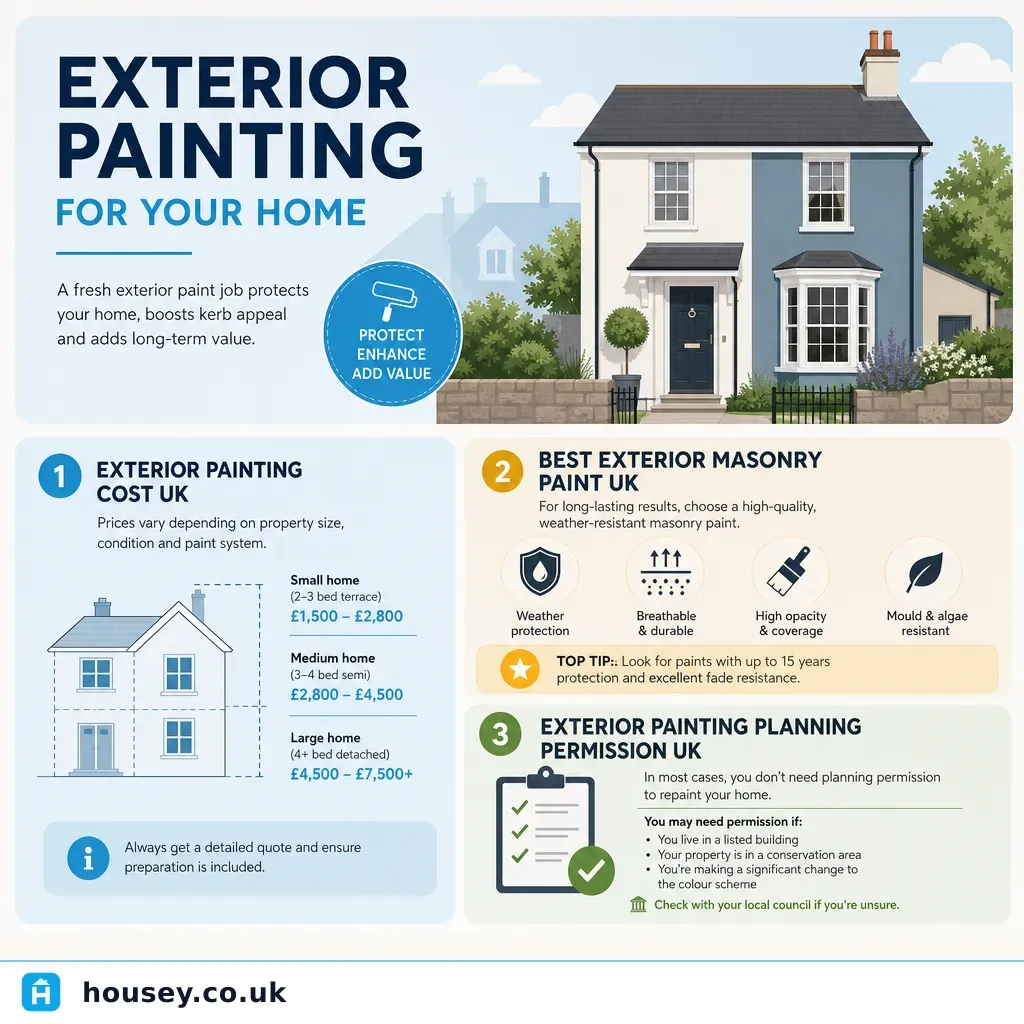 Improvement & Build
Exterior Painting for Your Home
Exterior painting protects your home from the UK's wet climate and can significantly boost kerb appeal.
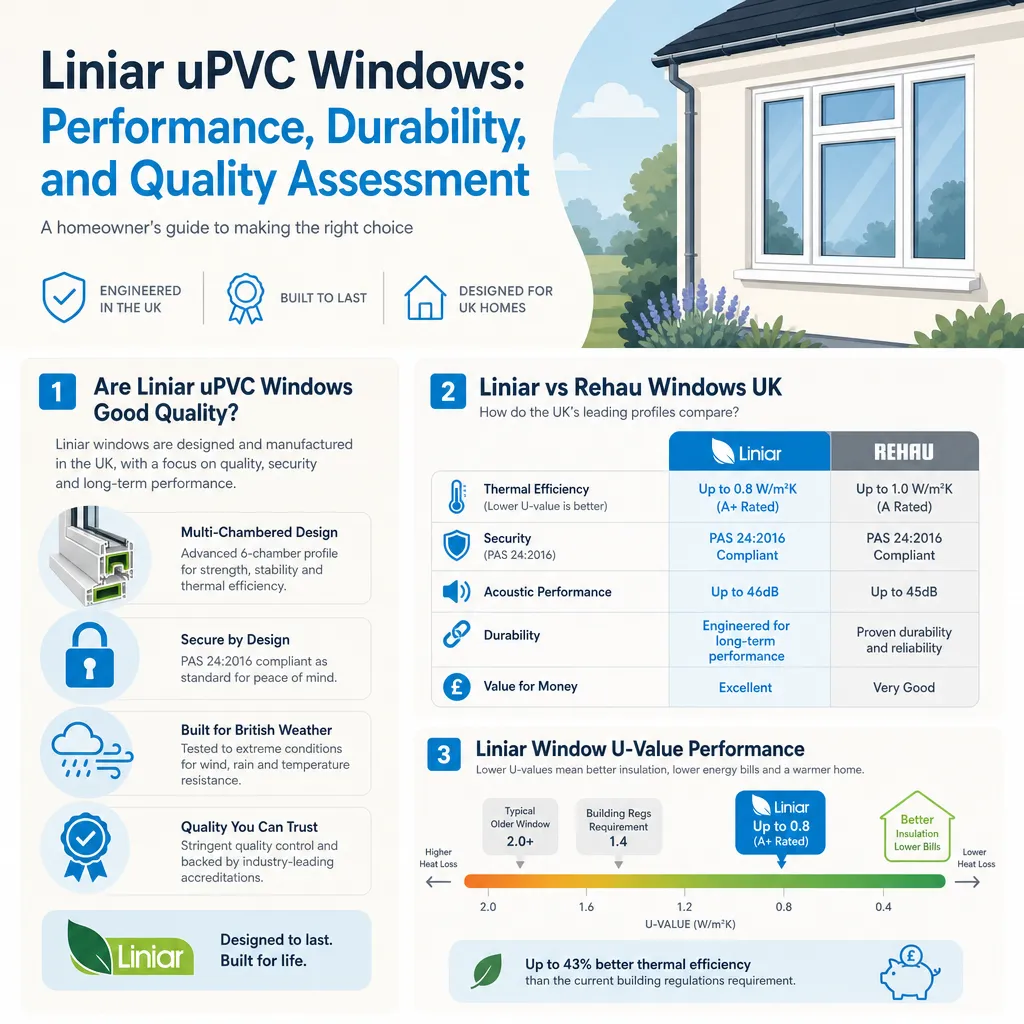 Improvement & Build
Liniar uPVC Windows: Performance, Durability, and Quality Assessment
Liniar uPVC window profiles are manufactured in the UK using multi-chambered, foamed frames.
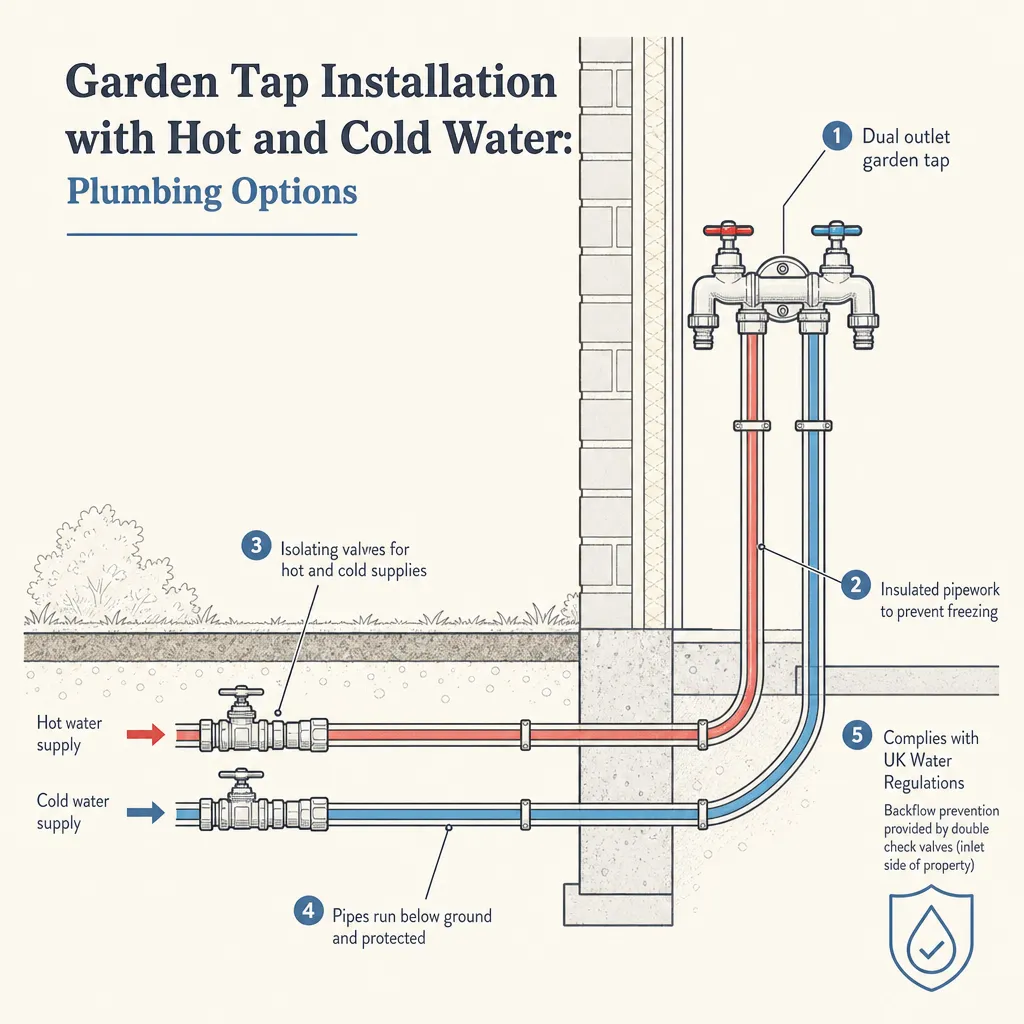 Improvement & Build
Garden Tap Installation with Hot and Cold Water: Plumbing Options
Adding a cold garden tap is a common DIY project, but routing hot water outdoors requires a plumber to connect to your domestic hot water system and comply with the Water Supply (Water Fittings) Regulations 1999.
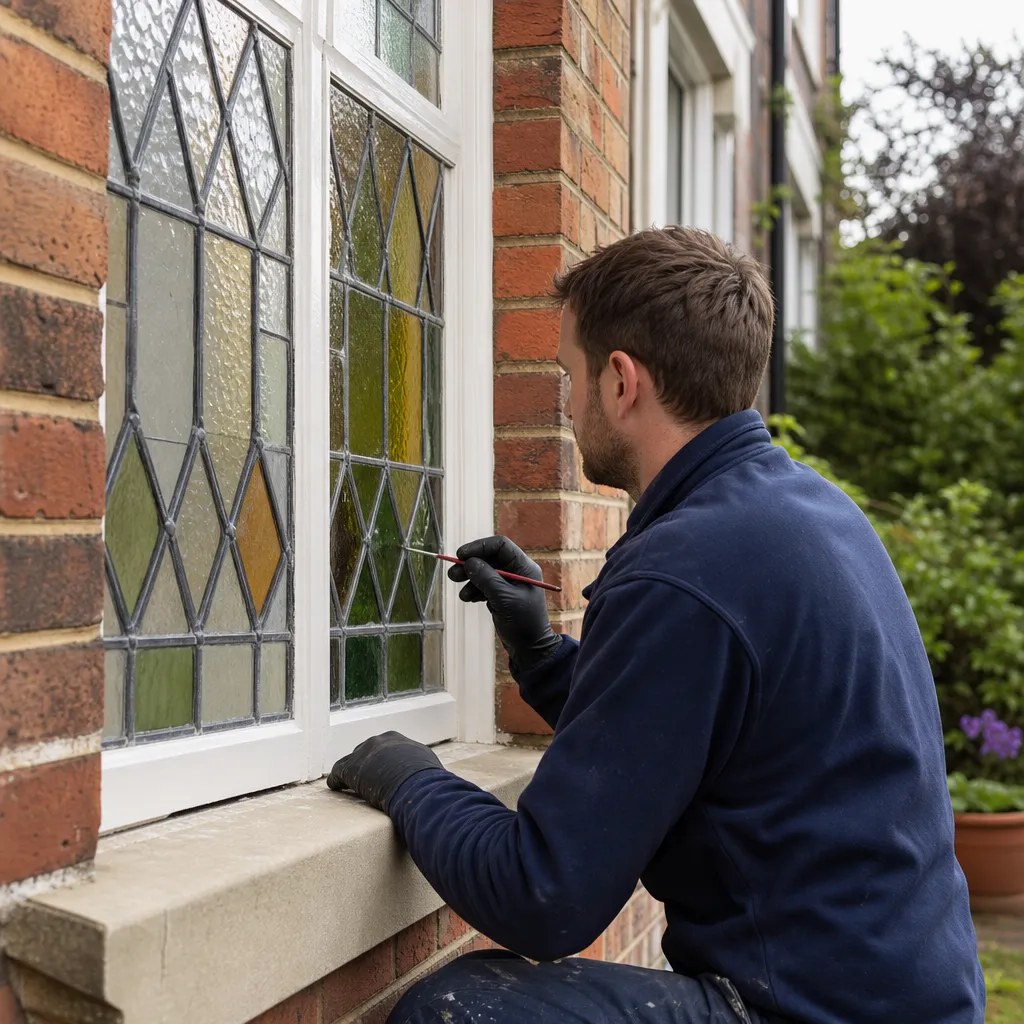 Improvement & Build
Sealing and Maintaining Historic Leaded Glass Windows: Preservation and Performance
Leaded glass windows are maintained using traditional linseed oil cement — not silicone or modern sealants, which prevent natural movement in the lead came.
 Improvement & Build
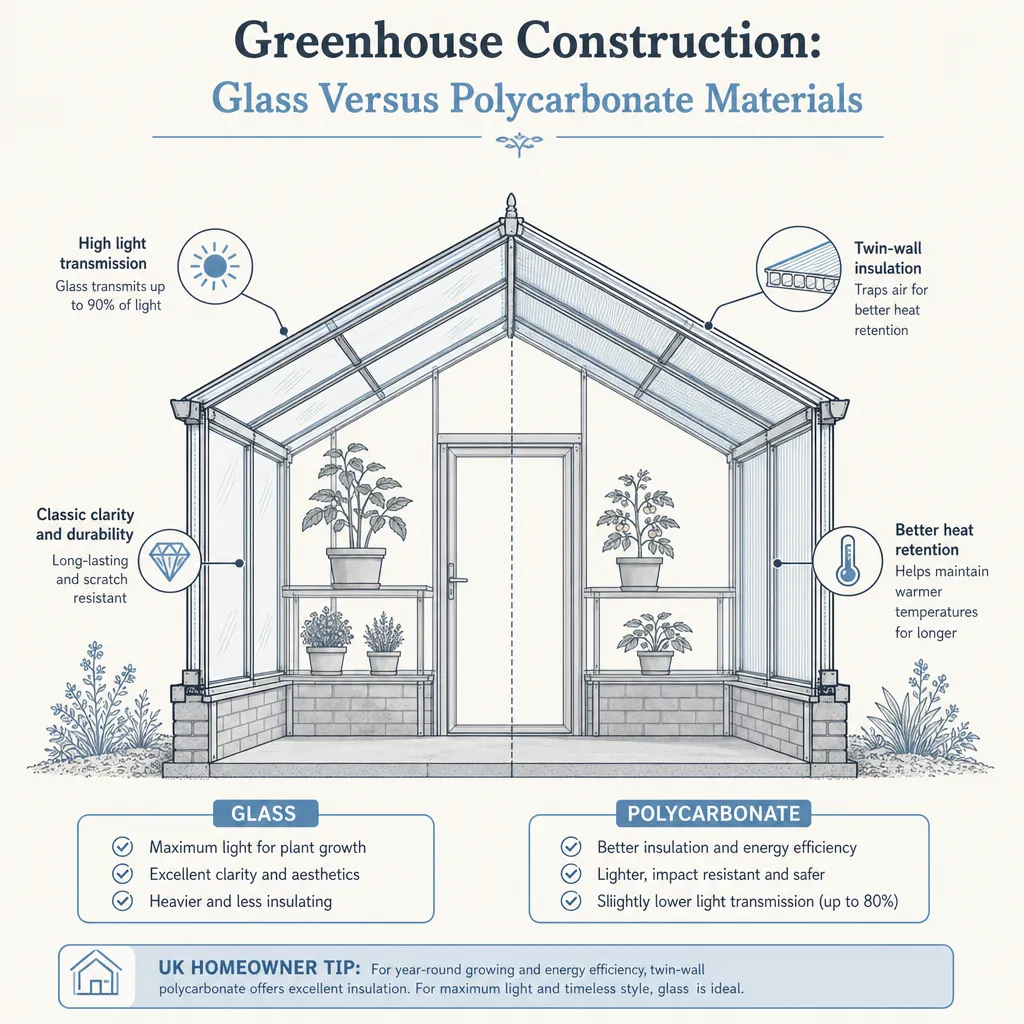
Greenhouse Construction: Glass Versus Polycarbonate Materials
Glass transmits around 90% of available light and lasts indefinitely if unbroken, but insulates poorly and shatters into sharp fragments.