Finding Fascia and Soffit Contractors in Your Area
By Housey · Last reviewed 31st of May 2026
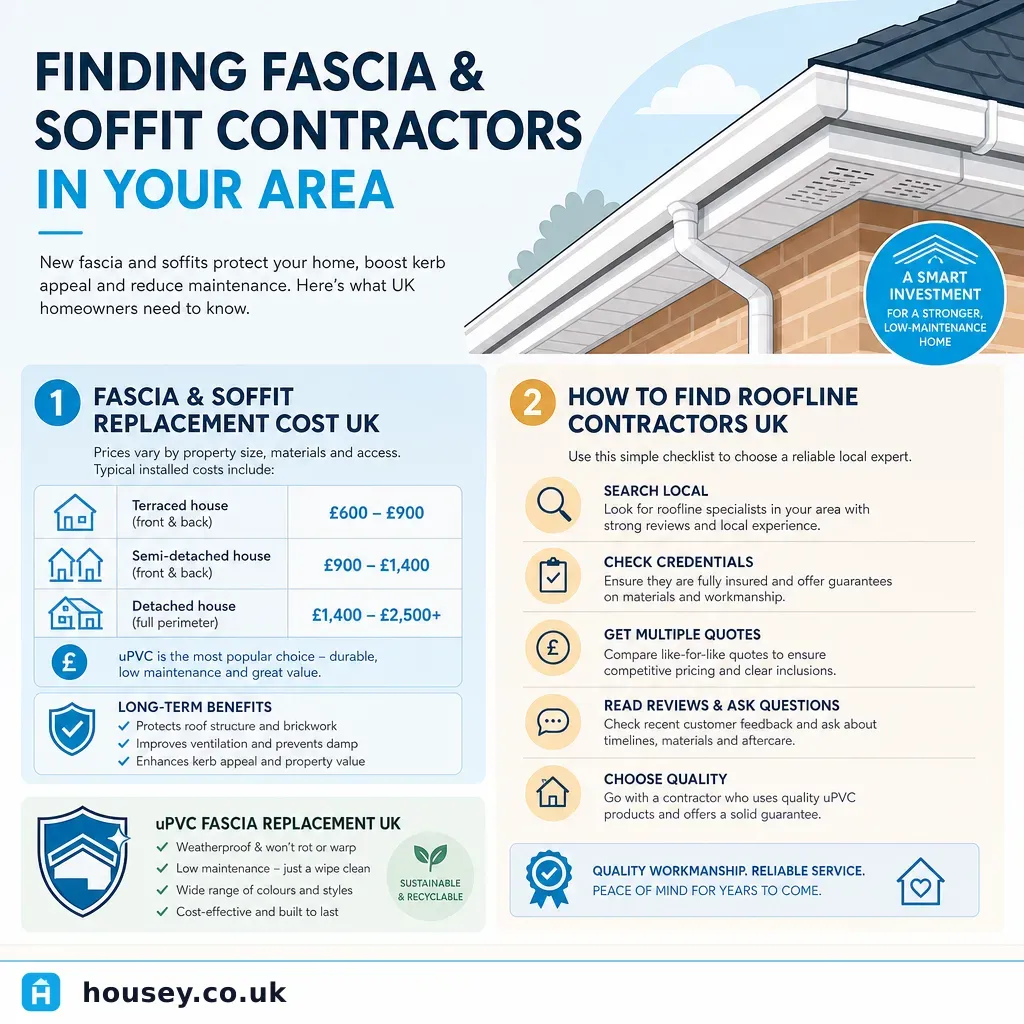
Finding Fascia and Soffit Contractors in Your Area
Rotting timbers, sagging boards, or water trickling behind the guttering are common warnings that a roofline needs attention — and they tend to appear suddenly rather than gradually. Fascias and soffits sit at the vulnerable junction between roof, wall, and guttering on almost every UK house, and when they deteriorate, the consequences can reach well beyond cosmetic damage. Knowing how to find a competent local contractor and what to check before work begins is the practical focus of this guide.
Key points
- Working at height above two metres is governed by the HSE's Working at Height Regulations 2005 — any contractor using scaffolding, a tower, or a mobile elevated work platform (MEWP) must plan and manage the risks; never accept a quote that relies solely on a domestic ladder for a full roofline replacement.
- uPVC is the most common replacement material for fascias and soffits across the UK; once fitted, it requires no painting, does not rot, and is available in a range of colours including woodgrain foil finishes.
- Like-for-like fascia and soffit replacement on a standard domestic dwelling generally does not require building regulations approval, but properties that are listed or in a conservation area may need consent — check with your local planning authority before instructing a contractor.
- Reputable roofline contractors should carry public liability insurance (PLI) of at least £1 million — always ask to see evidence of cover before work commences.
- Full roofline replacement on a standard three-bedroom semi-detached house costs approximately £1,500–£4,000, depending on property size, height, access method, and the number of runs involved. (Indicative UK costs, last reviewed 2026-05-31.)
What fascias and soffits do
Fascia boards are the vertical boards fixed to the ends of the roof rafters, running along the eaves. They support the lower edge of the roof tiles, carry the guttering brackets, and seal the roofline against weather penetration.
Soffits are the horizontal boards that close off the underside of the eaves between the fascia and the outer wall. They typically include small ventilation slots to allow airflow into the roof void — essential for managing condensation and meeting building regulations requirements for roof ventilation.
Bargeboards (sometimes called verge boards) serve a similar protective role at the gable ends of a pitched roof. Most roofline replacement quotes cover fascias, soffits, and bargeboards together, so clarify which elements are included when comparing prices.
When any of these elements fail — through rot in older timber, cracking, or prolonged damp exposure — water can penetrate behind the guttering into the wall structure or into the roof void, causing damp, structural timber decay, or damage to roof insulation.
Signs your roofline needs attention
Before contacting contractors, inspect from ground level (binoculars help on taller properties) and check the loft for any signs of water ingress near the eaves.
Red flags that mean act promptly:
- Visible rot, cracking, or peeling paint on timber fascia or soffit boards
- Guttering pulling away from the fascia or dropping at one end
- Damp patches appearing on the ceiling of upstairs rooms near the eaves
- Daylight or draughts visible into the roof void when viewed from inside the loft
- Black mould or water staining on the underside of the soffit, visible from ground level
- Wasp or bird nests inside the soffit, suggesting open joints or gaps in the boards
- Existing uPVC boards that have yellowed, cracked longitudinally, or separated at the joints
If guttering is also sagging, leaking at joints, or frequently blocked, most roofline contractors will quote to repair or replace it at the same time — combining the jobs typically reduces overall cost by saving on access and scaffolding.
Materials: what to expect
Material | Typical lifespan | Maintenance | Cost relative to uPVC | Best for |
|---|---|---|---|---|
uPVC | 20–40 years | Very low — wipe clean | Baseline | Most UK homes; cost-effective and long-lasting |
Timber (softwood) | 10–20 years with maintenance | High — repainting every 3–5 years | Similar or lower upfront | Period properties, conservation areas, or listed buildings where uPVC may be resisted |
Aluminium | 30–50+ years | Low | Higher | Contemporary homes; slim profiles; wider colour choice |
Composite (wood-fibre/PVC) | 25–35 years | Low | Moderate to high | Period aesthetic with lower maintenance than timber |
For most UK properties, uPVC offers the best balance of cost, longevity, and low maintenance. Timber remains the preferred choice where planning or conservation rules discourage modern materials, but it must be primed, painted, and maintained on a regular cycle.
How to find and vet a contractor
Where to look
- TrustMark-registered contractors have been assessed against government-endorsed standards and are a useful starting point for finding vetted roofline tradespeople.
- Checkatrade, Which? Trusted Traders, and Rated People list customer-reviewed contractors — read multiple reviews and pay attention to comments about finishing quality, site tidiness, and how the contractor handled unexpected issues.
- Word of mouth is particularly reliable for roofline work: neighbours' fascias and soffits are visible from the street, so a recommendation often comes with visible evidence of the quality.
- Roofline product suppliers may be able to recommend approved or preferred installers for their specific uPVC or aluminium systems.
What to ask before accepting a quote
- What exactly is included in the price — fascias, soffits, bargeboards, guttering, and any decorative mouldings?
- What access method will be used: scaffolding, a tower, or a mobile elevated work platform?
- What is the uPVC or aluminium specification — thickness, profile, brand, and what manufacturer's warranty is offered?
- Do you carry public liability insurance of at least £1 million, and can you provide a current certificate?
- Will you remove and dispose of all old materials? If the property pre-dates 2000, have you checked whether existing soffits might contain asbestos?
- What warranty do you offer on the installation workmanship, and is it provided in writing?
- Is VAT included in the quoted price?
- Will the work be carried out by your own employed fitters or by subcontractors?
Homeowner checklist before work starts
When to get professional help
Fascia and soffit replacement is routine roofline maintenance for most UK homes. However, seek a structural assessment or specialist advice before or during the job if:
- Roof rafters or the wall plate are found to be wet, decayed, or damaged when old fascias are removed — a RICS-regulated chartered surveyor or structural engineer should assess before work proceeds
- There are signs of roof movement or sagging at the eaves that suggest a wider structural problem
- Old cement soffits are suspected to contain asbestos — common in pre-2000 properties with fibre cement boards. Do not cut, drill, or disturb the material until its composition is confirmed by a UKAS-accredited asbestos surveyor, as required under the Control of Asbestos Regulations 2012
- The property is listed or in a conservation area and you are unsure whether planning consent is needed for the replacement materials chosen
How Housey can help
Housey can connect you with vetted local roofers and roofline specialists in your area. Describe the scope of your roofline job — whether it is a full replacement, repairs to a single run, or combined fascia and guttering work — and receive quotes from qualified contractors to compare before committing.
Frequently asked questions
Do I need planning permission to replace my fascias and soffits?
In most cases, no. Replacing fascias and soffits with similar materials is considered routine maintenance and does not require planning permission for a standard house. However, if the property is listed or in a conservation area, any external alteration may require listed building consent or conservation area consent. Always verify with your local planning authority if you are uncertain before instructing a contractor.
How long does a fascia and soffit replacement take?
A full roofline replacement on a standard three-bedroom semi-detached house typically takes one to three days, depending on access, the number of runs, and whether guttering is being replaced at the same time. Allow additional time for scaffolding erection and dismantling if the access method requires it.
Can I paint over existing uPVC fascias instead of replacing them?
Specialist uPVC paint products are available and can refresh boards that are structurally sound but discoloured or faded. However, if the boards are cracked, warped, or showing signs of moisture ingress, repainting is a short-term measure rather than a solution — replacement is the more durable and cost-effective option in the long run.
How do I know if my soffits contain asbestos?
Properties built or refurbished before 2000 may have cement-fibre soffits containing chrysotile (white asbestos). Visual inspection alone cannot confirm this. If you are uncertain about the composition of existing soffit boards, arrange a sample survey with a UKAS-accredited asbestos surveyor before any cutting, drilling, or removal work takes place.
Sources and further reading
- Working at Height Regulations 2005 — legislation.gov.uk
- Asbestos: the survey guide (HSG264) — Health and Safety Executive (HSE)
- TrustMark: find a registered trader — TrustMark (government-endorsed quality scheme)
- Planning Portal: permitted development for householders — Planning Portal
Useful next reads
 Improvement & Build
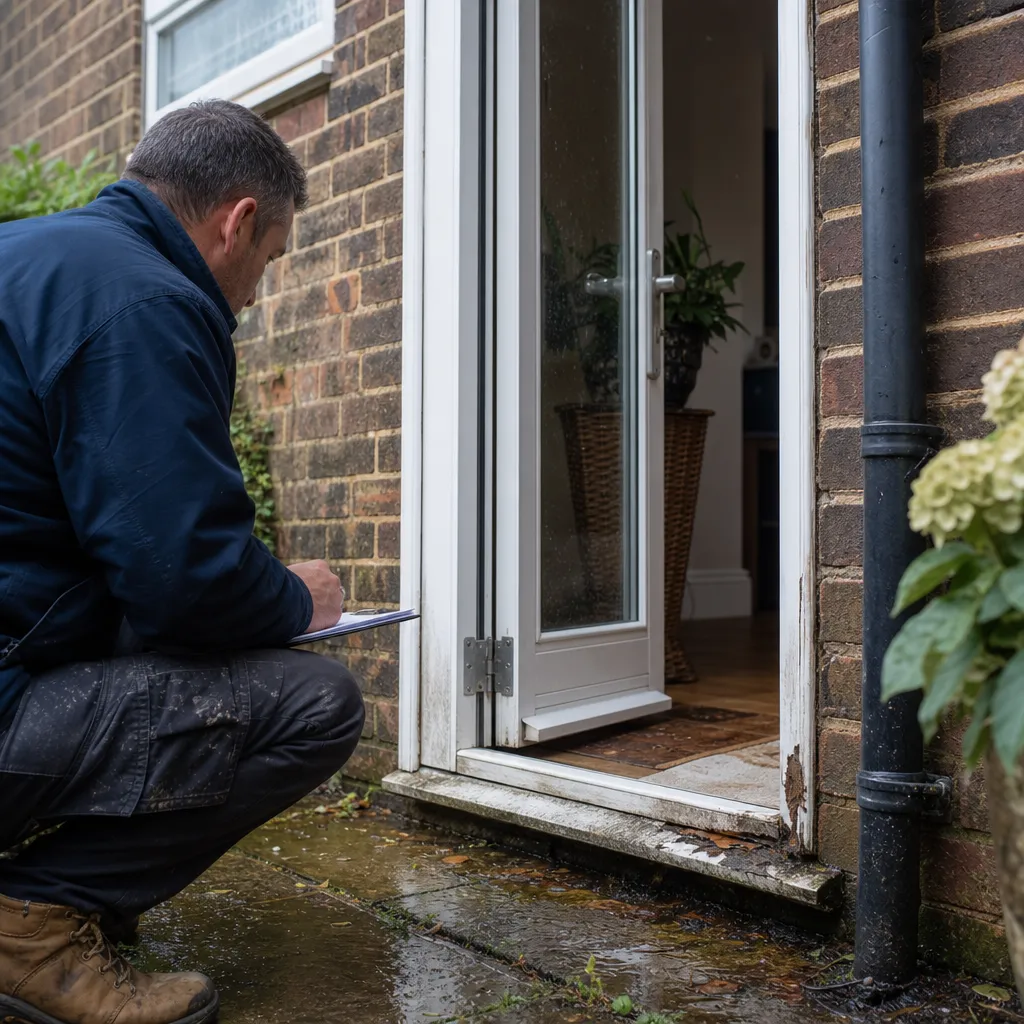
Fixing Leaking Back Doors and Water Ingress
Most leaking back doors in UK homes fail at one of three points: the threshold or door sill joint, the frame-to-masonry mastic seal, or the door weatherstrip.
 Improvement & Build
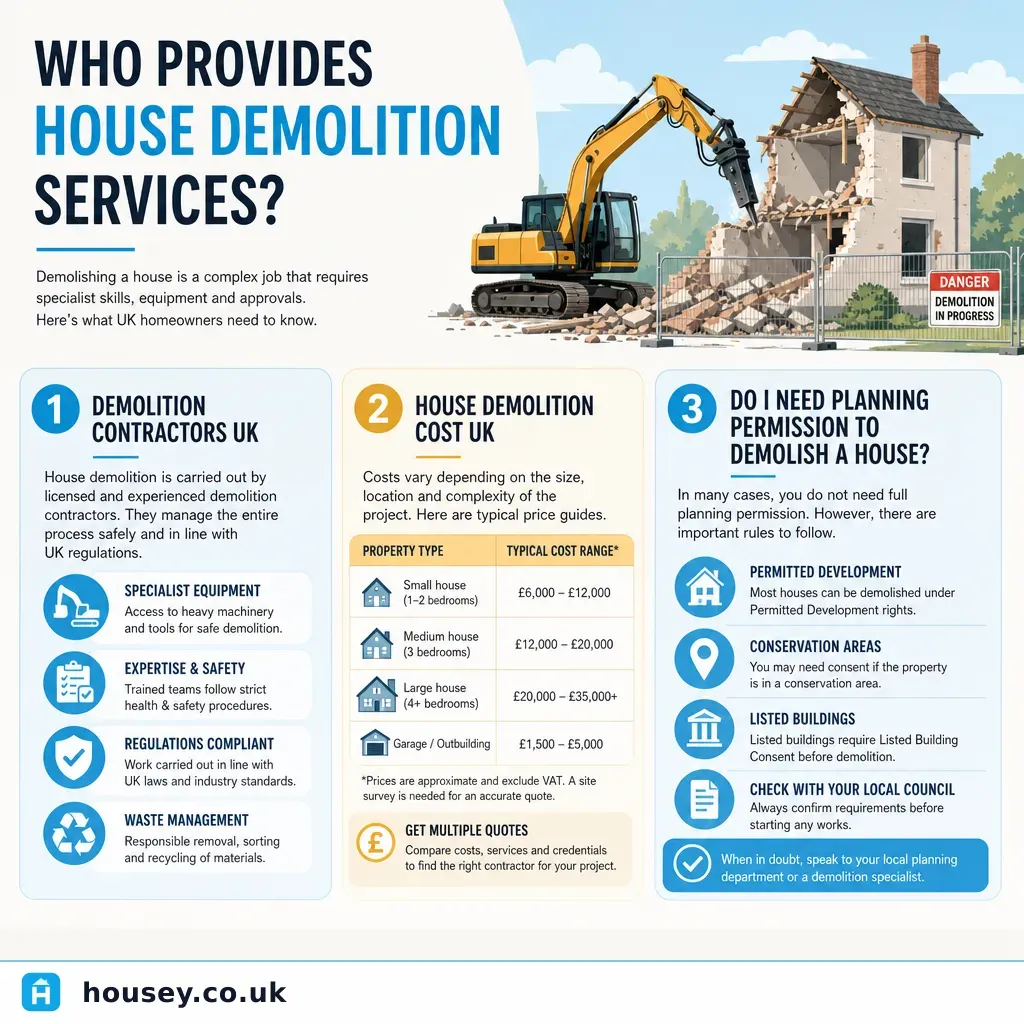
Who Provides House Demolition Services
House demolition in the UK is carried out by specialist demolition contractors, often members of the National Federation of Demolition Contractors (NFDC).
 Improvement & Build
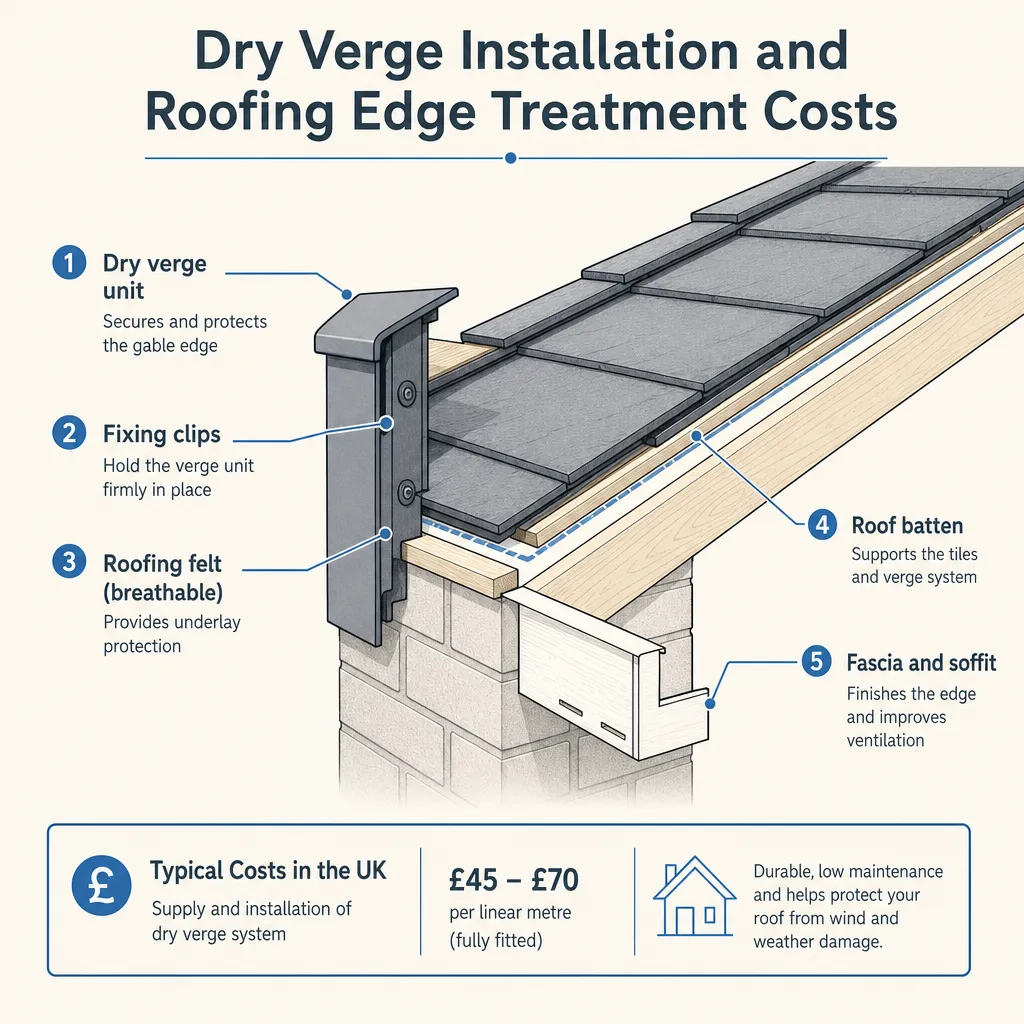
Dry Verge Installation and Roofing Edge Treatment Costs
A dry verge system replaces mortar bedding along the gable edge of a pitched roof with interlocking uPVC or aluminium units.
 Improvement & Build
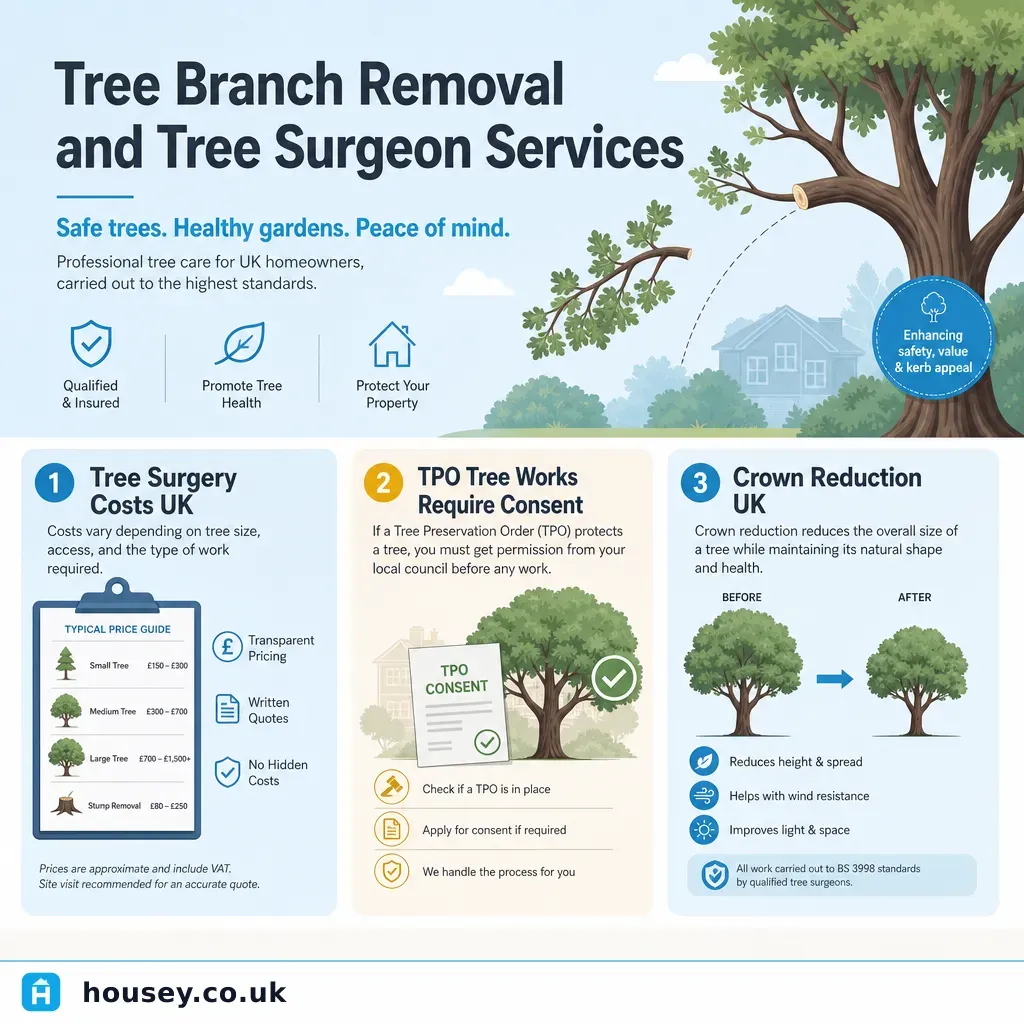
Tree Branch Removal and Tree Surgeon Services
Tree surgery — from deadwooding and crown reduction to branch removal and felling — must be carried out by qualified, insured contractors in the UK.
 Improvement & Build
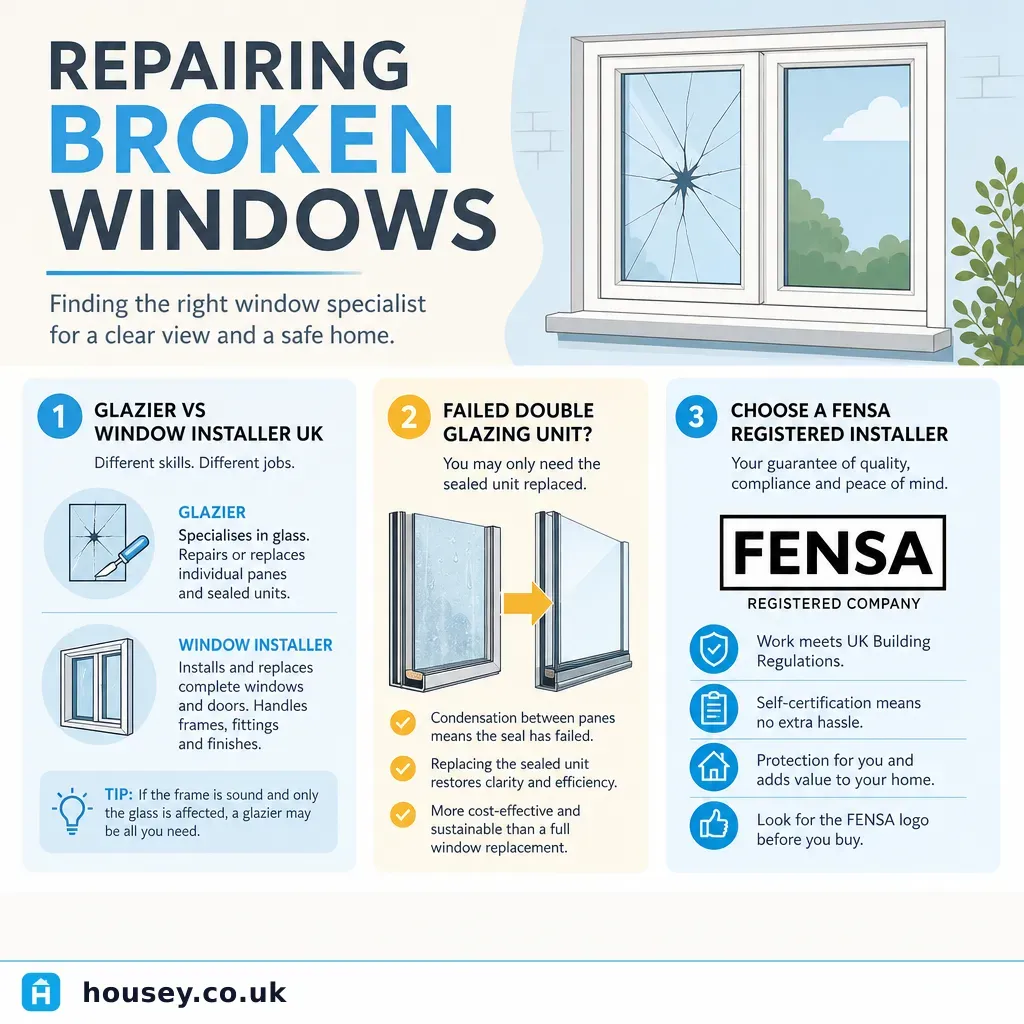
Repairing Broken Windows: Finding a Window Specialist
Repairing a broken window depends on the type of damage: a failed double-glazing unit (misted glass) needs the sealed unit replaced, cracked or broken glass needs a glazier, and frame damage may require a specialist joiner.