Identifying Fire Risks from Bathroom Ventilation and Exhaust Systems
By Housey · Last reviewed 30th of May 2026
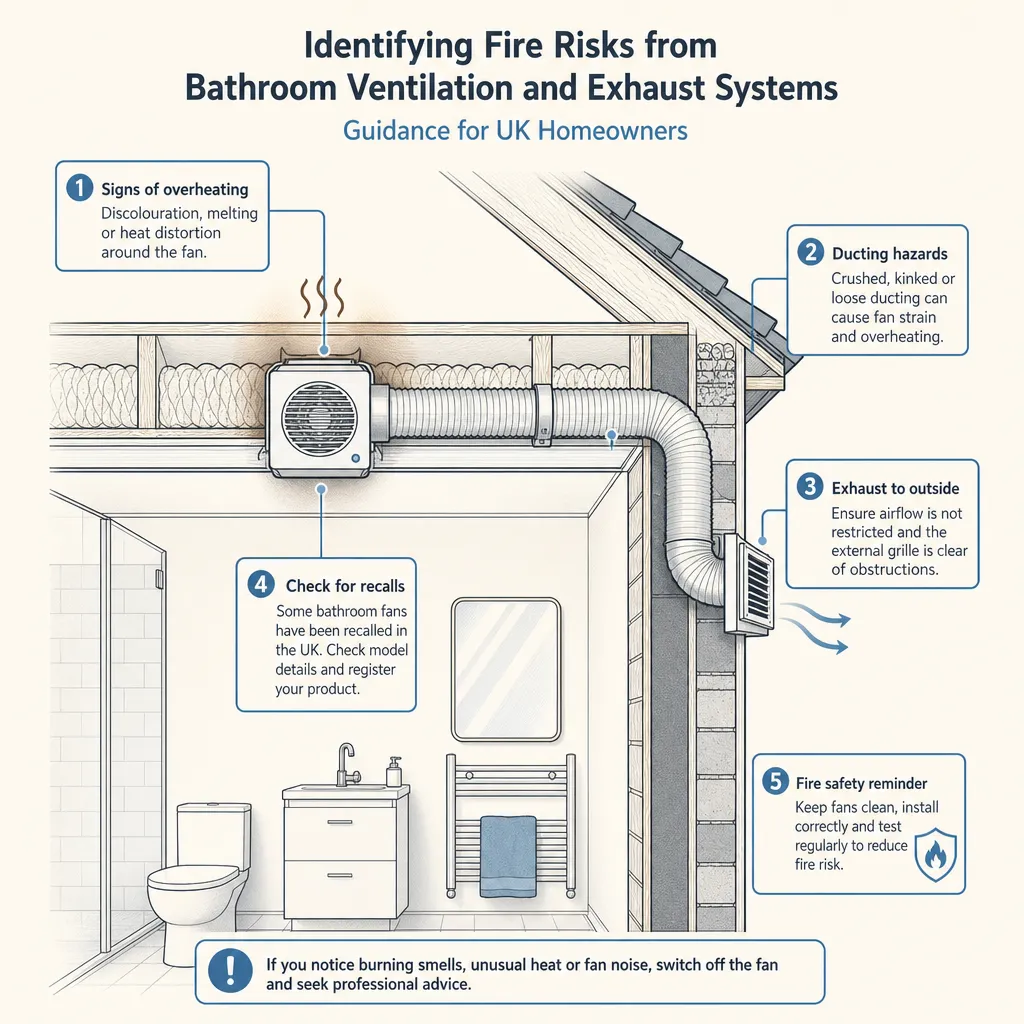
Identifying Fire Risks from Bathroom Ventilation and Exhaust Systems
Bathroom exhaust fans are among the most overlooked electrical fittings in a UK home, yet they operate in conditions — persistent heat, moisture, and restricted airflow — that accelerate component wear and, in some cases, create genuine fire hazards. Homeowners often encounter this concern when purchasing an older property, completing a bathroom renovation, or noticing an unusual sound or smell from an existing unit. Understanding the failure modes specific to these systems, the requirements under BS 7671 and Building Regulations Part F, and the signs that call for professional intervention helps you manage the risk before it escalates.
Key points
- Bathroom fans must meet IP (Ingress Protection) ratings for their zone: a minimum of IP44 applies in Zone 1 (above the bath or shower basin) and Zone 2 (extending 0.6 m beyond Zone 1 horizontally), per BS 7671 IET Wiring Regulations 18th Edition.
- Dust and lint accumulation on fan motors is a recognised ignition source — manufacturer guidance typically recommends cleaning every three to six months.
- The Office for Product Safety and Standards (OPSS) maintains a product recall database; several bathroom extractor fan ranges have been subject to UK safety recalls due to overheating risks.
- Fans installed in incorrect IP zones, wired without proper isolation, or run continuously without a thermal cut-out are at elevated risk of motor failure and overheating.
- Building Regulations Part F requires adequate ventilation in wet rooms; non-compliant ventilation may affect buildings insurance and create secondary hazards including mould and interstitial condensation.
How bathroom fans cause fires
Bathroom exhaust fans are small induction motors running continuously or intermittently in warm, humid conditions. The common failure paths that lead to overheating or ignition include:
Dust and lint build-up: Airborne particles from towels, hair, and general domestic use coat motor windings and the impeller over time. This restricts the airflow that cools the motor and can produce temperatures sufficient to ignite accumulated material or adjacent roof insulation.
Blocked or restricted ducting: If the duct run is crushed, kinked, or blocked by debris or a bird nest, the motor runs against back-pressure, generating excess heat. Poorly terminated duct runs ending in a roof void rather than at a correct external terminal are a common finding in RICS Level 3 surveys of older properties.
Motor failure at end of life: Fans are typically rated for 30,000–50,000 hours of operation. Continuous-run humidity-controlled models installed during the 1990s or early 2000s may now be well beyond their design life.
Incorrect IP rating for zone: Installing a non-IP-rated fan inside Zone 1 or Zone 2 breaches BS 7671, and component insulation degrades in persistent steam and condensation, increasing the risk of arcing and overheating.
Product defects and recalls: OPSS publishes safety notices and recalls for domestic appliances. Checking your fan's make and model number against the OPSS database is advisable, particularly for units installed between 2010 and 2022, when several popular extractor fan ranges attracted corrective safety notices.
Red flags that need immediate attention
The following signs indicate the fan should be switched off at its isolator switch — or at the circuit breaker in your consumer unit — and inspected by a qualified electrician before further use:
- A smell of burning plastic or hot dust when the fan runs.
- Visible discolouration, warping, or scorch marks around the fan grille or ceiling rose.
- The fan housing feels unusually warm or hot to the touch.
- Humming, grinding, or rattling noises not present when the unit was new.
- Intermittent operation or failure to start despite the motor attempting to run.
- Flickering bathroom lighting when the fan activates, which may suggest an overloaded or incorrectly wired circuit.
- Any fan that appears on an OPSS or manufacturer product recall notice.
Comparing risk by installation type
Fan type or situation | Risk level | Recommended action |
|---|---|---|
New fan, correct IP rating, professionally installed and tested | Low | Follow manufacturer cleaning schedule |
Fan over 10 years old, never cleaned | Moderate | Inspect and clean; check recall database |
Fan over 15 years old, continuous-run model | Moderate–High | Consider replacement; inspect full duct run |
Fan with visible scorch marks or burning smell | High | Isolate immediately; call NICEIC or NAPIT-registered electrician |
Fan with blocked duct run or incorrect IP zone | High | Do not continue use; arrange qualified inspection |
Fan subject to an OPSS product safety recall | High | Follow recall instructions; do not use until rectified |
What to check before calling a professional
Working inside fan housings or junction boxes is notifiable electrical work under Part P of the Building Regulations and must only be carried out by a registered electrician. However, without touching any fittings, you can:
- Note the make, model, and serial number from the label on the fan grille (usually visible without removal).
- Cross-reference these details on the OPSS product safety database.
- Listen for unusual sounds when the fan operates and note whether the housing feels warm to the touch.
- Check that the duct terminal on the external wall or roof is clear and fitted with an appropriate weatherproof cover.
- Review any existing Electrical Installation Condition Report (EICR) for notes about the bathroom circuit.
Important limitations
This article is general information only. The fire risk from any specific installation depends on the fan model, age, wiring method, duct configuration, bathroom zone, and the condition of the surrounding structure. This guide cannot assess your property. If you have any concern about overheating, unusual smells, or scorch marks, switch off the circuit at your consumer unit and contact a qualified electrician or a registered fire risk assessor before further use.
When this becomes urgent
Isolate the circuit at your consumer unit and seek professional help without delay if:
- You can smell burning when the fan runs.
- You can see scorch marks, melting, or discolouration on or around the fan housing.
- The fan housing is hot enough to be uncomfortable to touch.
- Your EICR notes an outstanding defect on the bathroom circuit that has not been remediated.
If you detect smoke or smell burning from any electrical fitting, leave the property and call 999.
What to ask a qualified professional
Before instructing an electrician or fire risk assessor to inspect your bathroom ventilation:
- Are you registered with NICEIC, NAPIT, or another Part P competent person scheme?
- Will you issue a Minor Works Certificate or a Part P notification if any remediation work is carried out?
- Can you check the fan model against current OPSS product recall notices as part of the inspection?
- Will you inspect the full duct run, including the external terminal, not just the fan unit itself?
- What is the correct IP rating for my bathroom zone layout, and does the current installation comply with BS 7671?
- If replacement is needed, will you provide a specification and install a unit compliant with BS 7671 18th Edition?
When to get professional help
A qualified electrician registered with NICEIC or NAPIT should inspect any bathroom fan showing the red flags listed above. For rented properties, landlords have duties under the Electrical Safety Standards in the Private Rented Sector (England) Regulations 2020, which require an Electrical Installation Condition Report (EICR) at least every five years. A professional fire risk assessment is advisable for HMOs, purpose-built flats, or any property where a ventilation fault has been identified — particularly where ducting passes through shared fire compartments. A ventilation and condensation assessment can establish whether replacement ventilation is correctly specified and sized for Part F compliance.
How Housey can help
Housey connects you with qualified professionals for both professional fire risk assessments and ventilation and condensation assessments. Whether you need a registered electrician to inspect a suspect fan or a broader fire safety review of your property, you can compare quotes from vetted local specialists through the platform.
Frequently asked questions
How often should a bathroom exhaust fan be cleaned to reduce fire risk?
Most manufacturers recommend cleaning the grille and accessible impeller every three to six months. In homes with long hair or significant towel use, quarterly cleaning is advisable. Switch the fan off at its isolator switch before cleaning. If dust on the motor itself is suspected, a qualified electrician registered with NICEIC or NAPIT should inspect the internal components.
Can a bathroom fan cause a house fire?
Yes, though it is uncommon. Overheating from dust accumulation, blocked ducting, motor failure at end of life, or a product defect can ignite adjacent materials — particularly in roof spaces where insulation and timber are present. The risk is highest in older, uncleaned, or recalled units running continuously in poorly ventilated voids.
Do I need permission to replace a bathroom fan?
Replacing a bathroom fan is usually notifiable electrical work under Part P of the Building Regulations. A registered electrician on a competent person scheme (NICEIC, NAPIT, or equivalent) can self-certify the work and issue a Minor Works Certificate as evidence of compliance. Speak to your local building control if you are unsure about your specific installation.
What IP rating does a bathroom fan need?
Under BS 7671 (IET Wiring Regulations 18th Edition), fans in Zone 1 (directly above the bath or shower up to 2.25 m height) and Zone 2 (within 0.6 m horizontally of the bath or shower) require a minimum IP44 rating. Outside these zones IP21 is the minimum, though IP44 is commonly specified as a safety margin by installers.
Sources and further reading
- OPSS Product Safety Database — Office for Product Safety and Standards
- Building Regulations Approved Document F: Ventilation — HM Government
- Building Regulations Approved Document P: Electrical Safety — HM Government
- IET Wiring Regulations BS 7671 — Institution of Engineering and Technology
- Electrical Safety Standards in the Private Rented Sector (England) Regulations 2020 — legislation.gov.uk
- NICEIC: Find a registered electrician — NICEIC
Useful next reads
 Surveys & Inspections
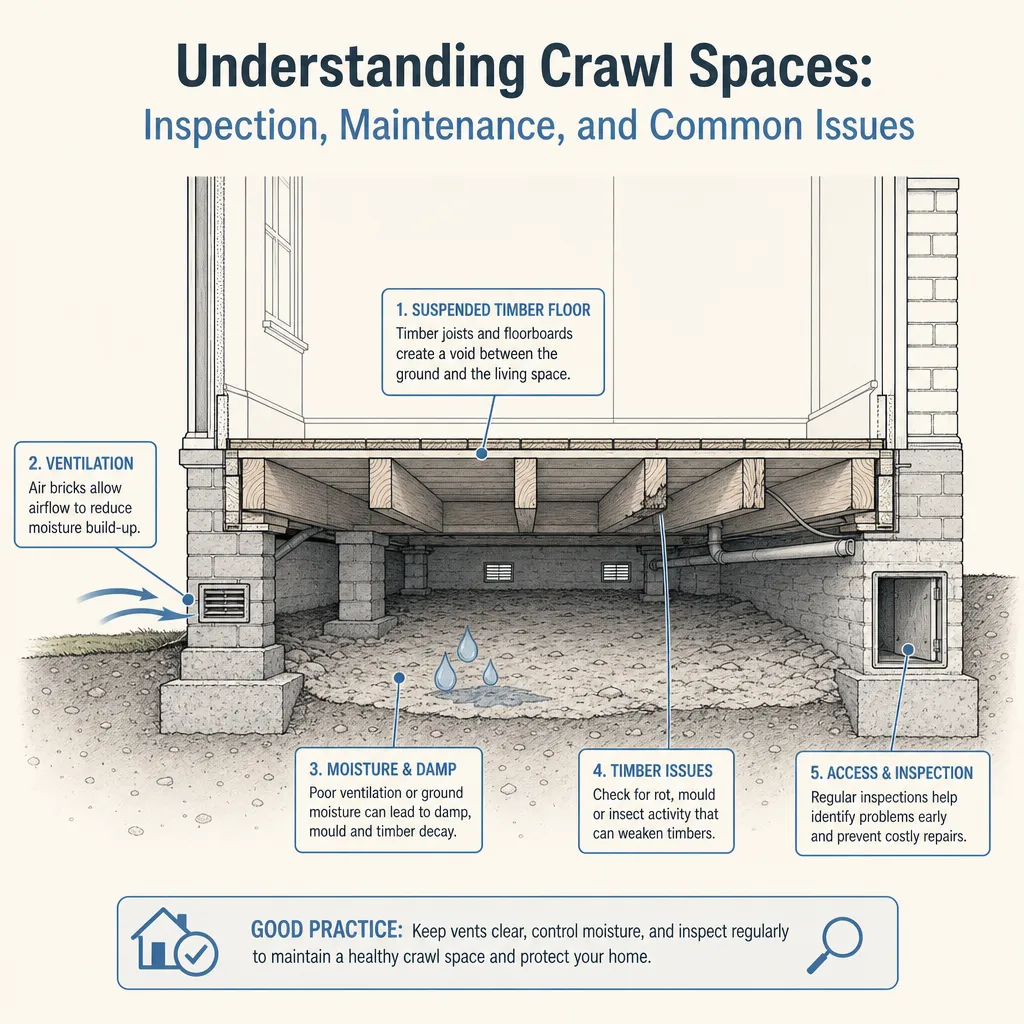
Understanding Crawl Spaces: Inspection, Maintenance, and Common Issues
Sub-floor voids beneath suspended timber ground floors in pre-1960 UK homes need cross-ventilation through airbricks to prevent dry rot and wet rot in floor timbers.
 Surveys & Inspections
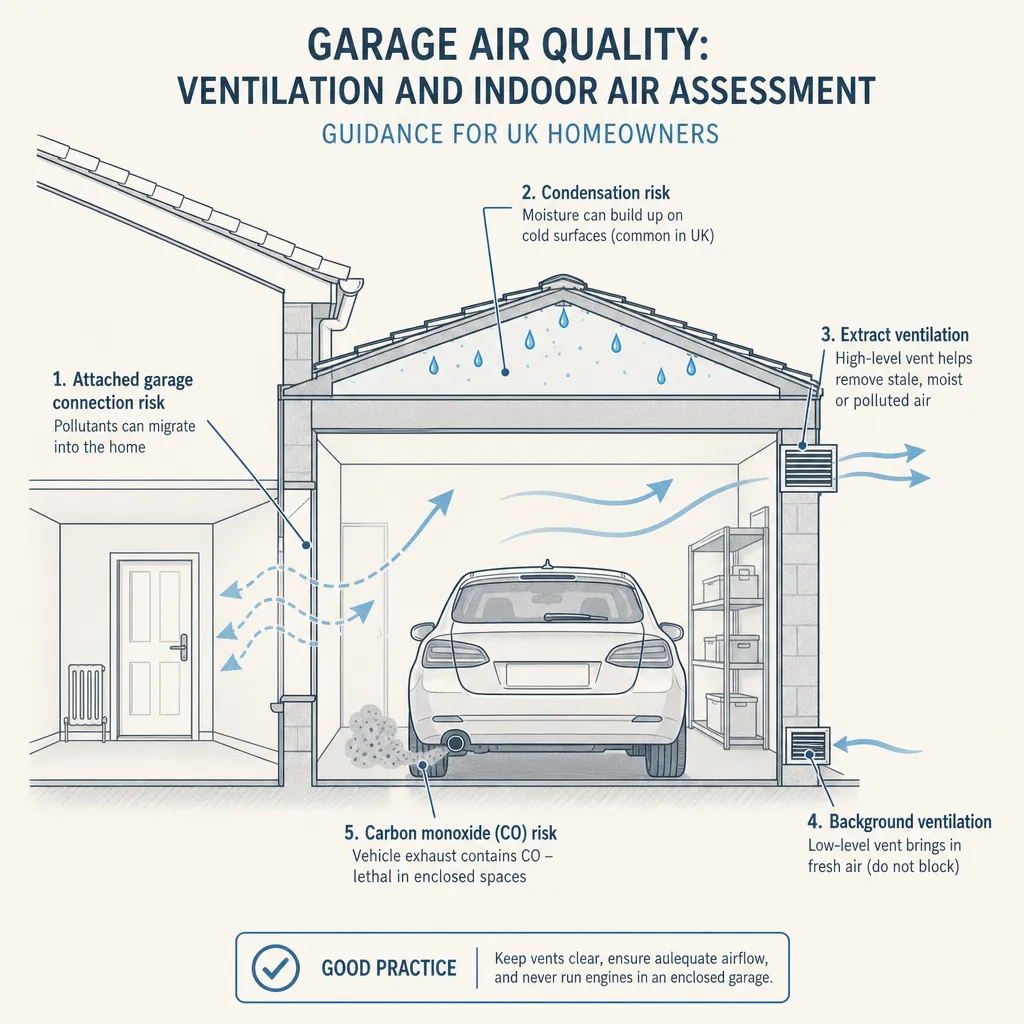
Garage Air Quality: Ventilation and Indoor Air Assessment
Poor garage ventilation can allow carbon monoxide from vehicles, VOC fumes from stored chemicals, and moisture to migrate into adjacent living spaces.
 Surveys & Inspections
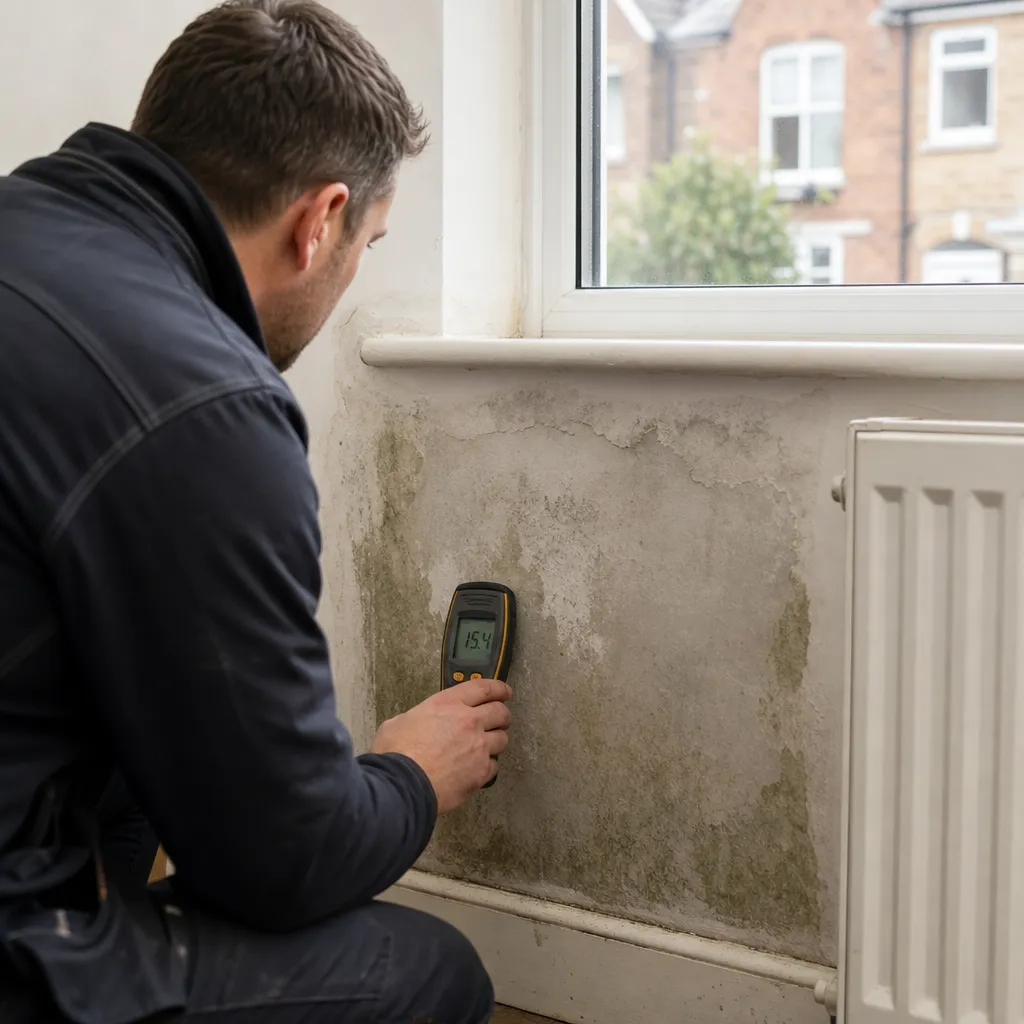
Cold and Damp Walls: Diagnosing Condensation and Moisture Issues
Cold, damp walls in UK homes most commonly result from surface condensation, penetrating damp, or rising damp.
 Surveys & Inspections
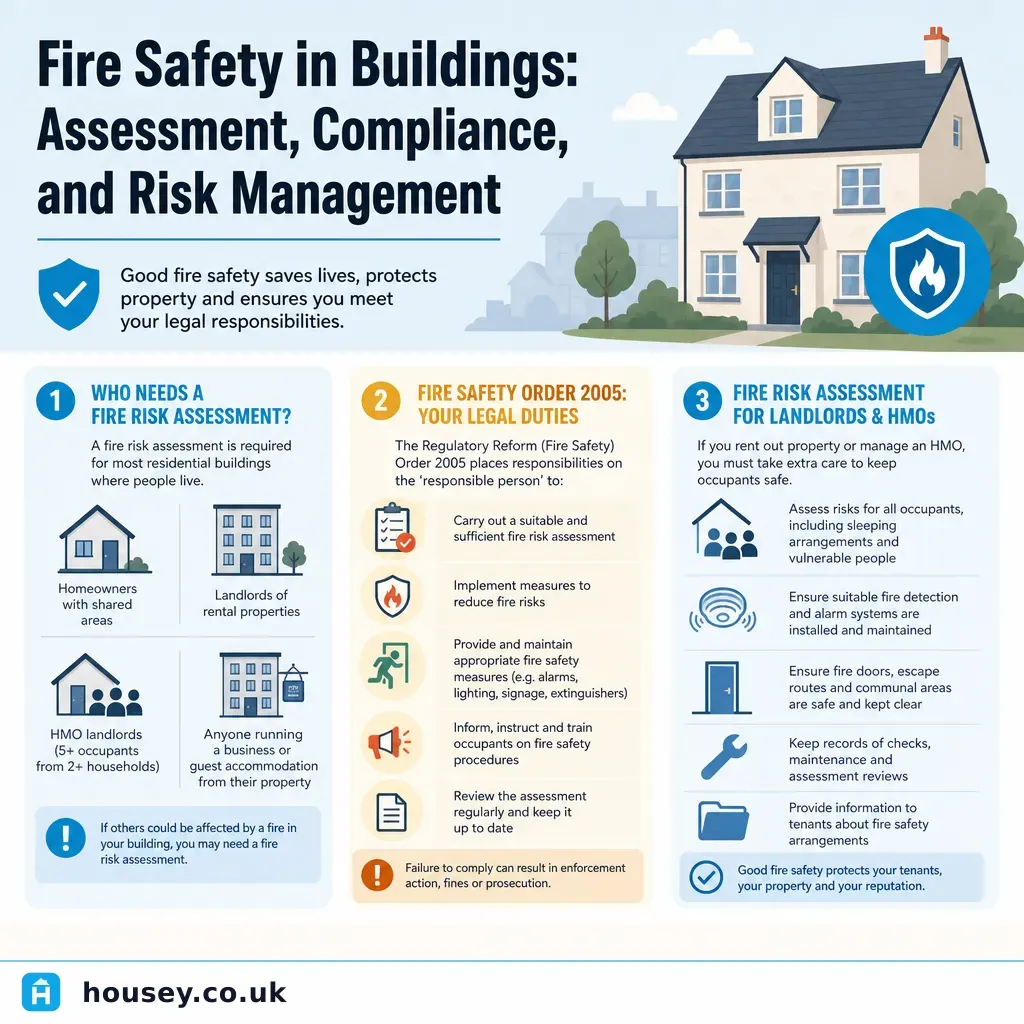
Fire Safety in Buildings: Assessment, Compliance, and Risk Management
The Regulatory Reform (Fire Safety) Order 2005 requires most non-domestic and multi-occupied residential buildings to have a written fire risk assessment carried out by a competent person.
 Surveys & Inspections
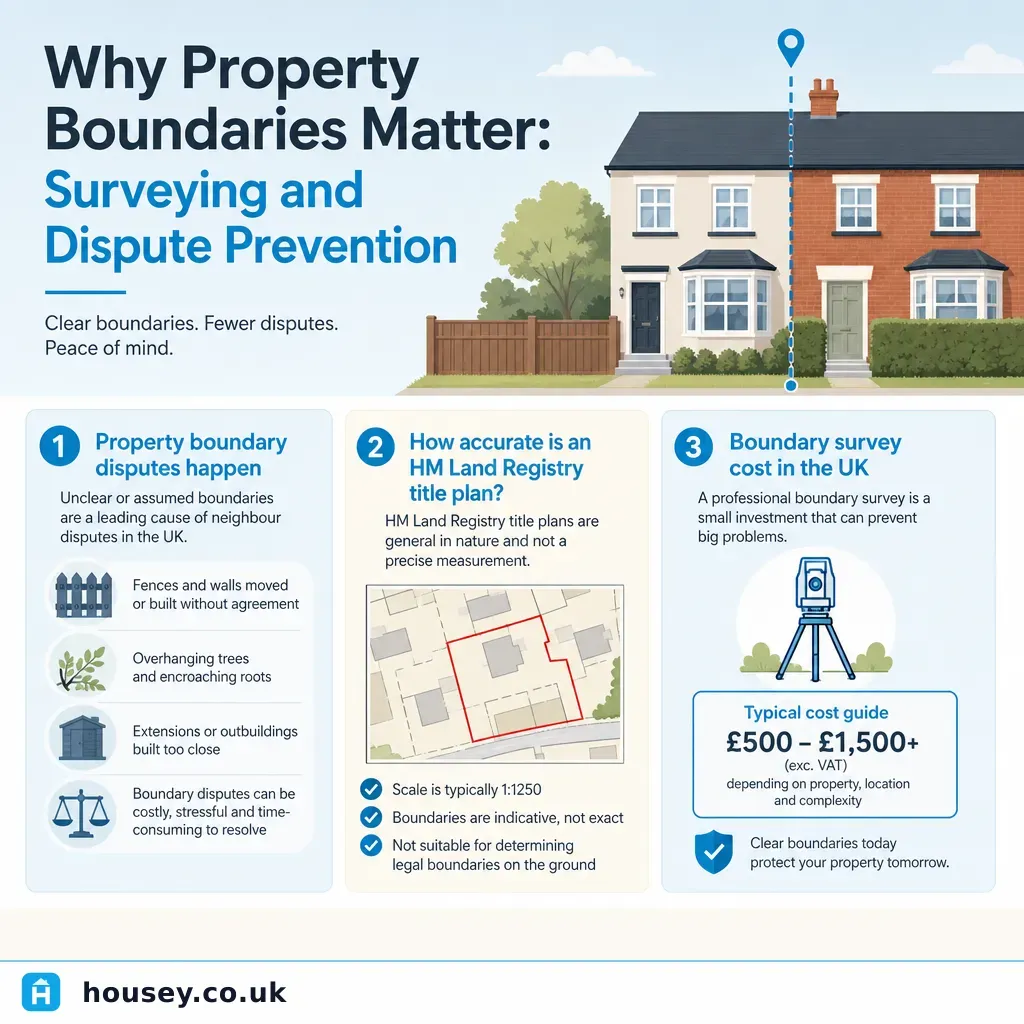
Why Property Boundaries Matter: Surveying and Dispute Prevention
Property boundaries in England and Wales are recorded as general boundaries by HM Land Registry — not precise measurements.