Fixing Foundation Leaks: Water Infiltration at Floor-to-Wall Junctions
By Housey · Last reviewed 11th of May 2026
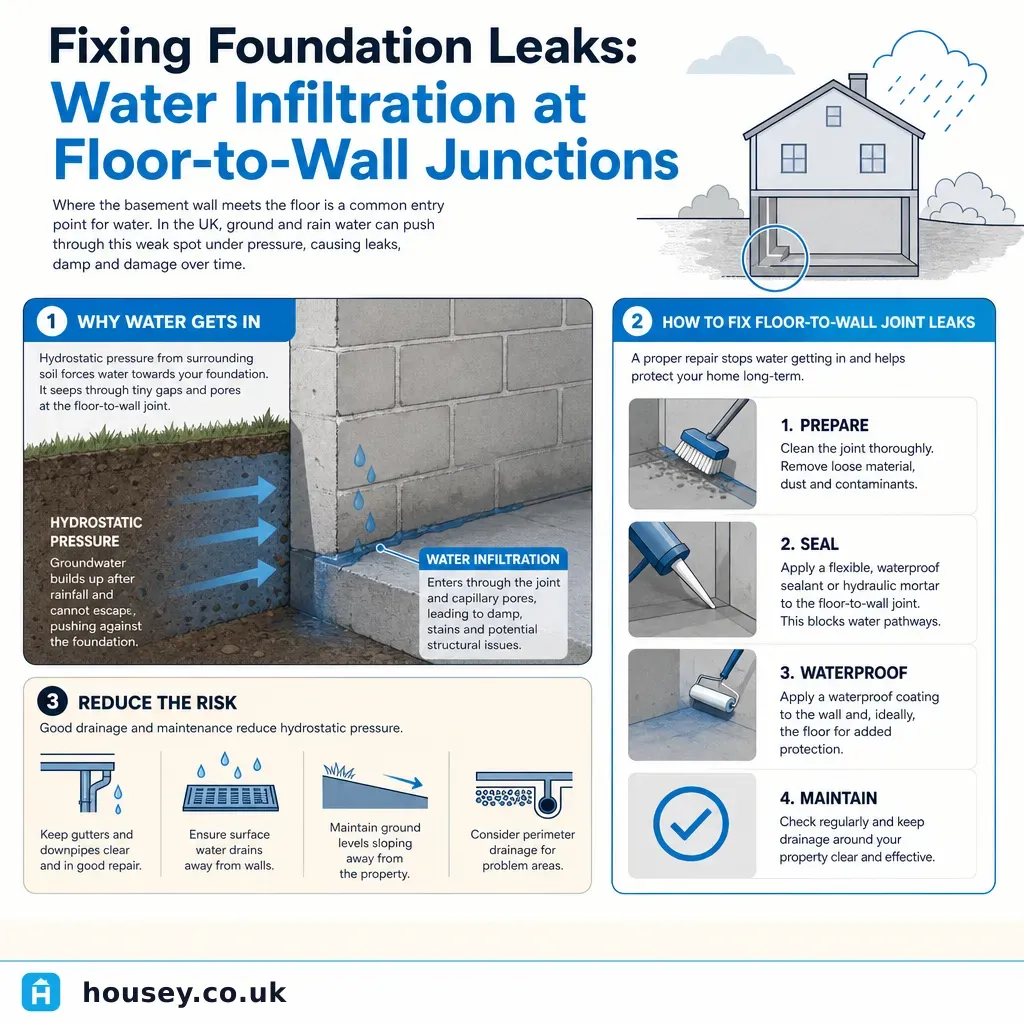
Fixing Foundation Leaks: Water Infiltration at Floor-to-Wall Junctions
The junction between a basement floor slab and the surrounding foundation walls is one of the most vulnerable points in any below-ground structure. In UK properties — from Victorian cellars to modern poured-concrete basements — this joint is frequently where water first appears after heavy rain or when the water table is elevated. Understanding why infiltration occurs at this specific joint, and which repair approaches are available, helps homeowners evaluate the options a specialist presents and avoid spending money on work that does not address the root cause.
Key points
- The floor-to-wall junction is a construction joint between two separately poured or built elements; without a purpose-designed waterstop or waterproofing treatment incorporated at build, it presents a route for water under hydrostatic pressure to enter the structure.
- Hydrostatic pressure — the force exerted by water in saturated ground pushing inward — increases with depth and with seasonal ground water levels; it is the primary driver of floor-level water ingress in UK basements.
- A CCTV drainage survey is often the first investigation recommended before specifying internal waterproofing, to rule out a nearby cracked or blocked drain as the primary source of elevated water pressure.
- Hydraulic cement products can temporarily halt an active running leak but rarely provide a durable solution under sustained hydrostatic pressure; a designed cavity drain or injection system is usually needed.
- The Property Care Association (PCA) Code of Practice sets out guidance on below-ground waterproofing; repairs to active water ingress at floor-to-wall junctions should be designed and installed by a PCA-accredited specialist.
Why water gathers at floor-to-wall junctions
The construction joint
When a basement is built, the floor slab is typically poured separately from the walls, whether those walls are masonry, mass concrete, or blockwork. This creates a natural construction joint at the base of the wall. Over time, minor settlement, thermal movement, or ground pressure can open a hairline gap at this joint. Without a purpose-designed waterstop or waterproofing treatment installed at the time of construction, even a very fine gap will allow water under hydrostatic pressure to enter.
Hydrostatic pressure
Ground water level varies seasonally. After extended rainfall or during winter months, the water table rises and the pressure on below-ground structures increases. Water under pressure finds the path of least resistance — in many UK basements, that path is the floor-to-wall joint. Properties on heavy clay soils or in low-lying positions are particularly susceptible, and the problem is often markedly worse in wet years.
Failed or absent damp-proof courses
Many older UK basements were built without a damp-proof course (DPC) at floor level, or with a bituminous felt DPC that has since deteriorated. Without an effective horizontal barrier at or below floor level, ground moisture can track along the junction as well as rising up through the slab itself.
Which repair approach suits your situation?
- Choose cavity drain channel installation if water enters consistently through the floor-to-wall junction and the basement is used, or intended for use, for habitable or dry-storage purposes. A box-section cavity drain channel is fixed at the base of the wall, collects water as it enters the junction, and directs it to a sump pump. This is the most commonly specified solution in UK residential basements because it manages water reliably rather than relying on a defect-free barrier.
- Choose crack injection or crystalline treatment if the leak is at a specific identifiable crack or joint in an otherwise dry structure and the water pressure is relatively low. Hydraulic fast-setting cements can stop active running leaks as a temporary measure; crystalline injection systems can provide a longer-term seal in concrete substrates.
- Choose external drainage improvement if investigation suggests water is pooling against the outside of the foundation walls due to blocked land drains, failed soakaways, or inadequate surface falls. Improving external drainage reduces the hydrostatic head driving water inward and is often specified alongside internal waterproofing.
- Commission a CCTV drainage survey first if the source of water is unclear, or if the leak is concentrated in one corner or section of wall. A nearby cracked or root-infiltrated drain can significantly elevate water pressure at a specific point; drain repair may reduce or eliminate the ingress without the need for full waterproofing works.
- Ask a structural engineer to assess first if there is visible cracking in the floor slab or wall near the wet area, or if the structure has been subject to nearby excavation or heavy loading. Water ingress at a crack that is also moving may indicate a structural issue requiring engineering assessment before any waterproofing is applied.
Red flags that need prompt professional attention
The following signs should not be left to DIY or general builder advice:
- Water entering rapidly through the floor-to-wall junction during or after rainfall, particularly if it pools on the floor.
- A crack at the junction that has visibly widened or appeared recently.
- Evidence that the floor slab is lifting, cracking, or dishing near the wall junction — this can indicate uplift from water pressure beneath the slab.
- Efflorescence (white crystalline salt deposits) along the floor-wall joint, indicating a persistent moisture pathway rather than an isolated event.
- Mould or rot in timber floor finishes, skirtings, or stored items at floor level.
- A basement that was previously dry and has started leaking after nearby works, tree felling, or drain excavation.
- A leak that is growing in volume over successive wet periods.
What the repair process typically involves
A qualified waterproofing specialist will usually follow these steps:
- Initial inspection — visual assessment of the junction, walls, floor, and drainage outlets; checking for cracking, efflorescence, staining patterns, and pump condition.
- Drainage investigation — CCTV survey of drains, particularly where a drain failure may be contributing to elevated water pressure at the junction.
- Written specification — a design for the waterproofing solution to BS 8102:2022, including sump and pump sizing where a Type C cavity drain system is proposed.
- Building regulations notification — required if the work forms part of a basement conversion to habitable use.
- Installation — by a PCA-accredited contractor following the approved specification.
- Verification — inspection and, where specified, provision of an insurance-backed guarantee (IBG).
Important limitations
This article provides general guidance only and cannot account for specific soil conditions, water table levels, structural construction type, or drainage arrangements at any individual property. Repair of active water ingress below ground can be complex; an incorrect diagnosis or inappropriate repair can displace ingress to adjacent locations or create new problems. Always obtain a site-specific specification from a qualified and accredited professional before beginning work.
When this becomes urgent
Seek professional help promptly if:
- Water is pooling on the basement floor after rainfall or during wet periods.
- Mould is visible in the basement, particularly if the space is used for sleeping, living, or working.
- A crack in the floor or wall near the junction shows active seepage or is visibly widening.
- An existing sump pump has failed and the basement is at risk of flooding.
- You are preparing to sell the property and need a condition assessment before exchange.
What to ask a qualified professional
Before accepting a quote for floor-junction waterproofing or basement repair:
- Are you a member of the Property Care Association (PCA) and does your work follow PCA and BS 8102:2022 guidance?
- Will you carry out or commission a CCTV drainage survey to check for drain-related contributions to the problem before specifying waterproofing?
- What system are you proposing, and what are the alternatives?
- What happens if the sump pump fails — is a high-water alarm included, and what is the backup arrangement?
- What warranty do you offer, and is it backed by an insurance-backed guarantee (IBG)?
- Is VAT included in the quoted price?
- What building regulations notifications are required for this work?
When to get professional help
Floor-to-wall junction leaks are rarely solved reliably by off-the-shelf sealants under hydrostatic pressure. If water is present seasonally or persistently, commission a damp and timber survey to establish the source and extent of the problem before spending money on a repair that may not address the root cause.
How Housey can help
Housey connects homeowners with vetted professionals for damp and timber surveys, drainage contractors who can carry out CCTV investigations to rule out drain-related causes, and damp proofing specialists who can design and install BS 8102-compliant waterproofing systems. Submit a single project request and compare quotes from accredited local contractors.
Frequently asked questions
Why does water come in specifically where the floor meets the wall?
The floor-to-wall junction forms where two separately constructed elements meet — the poured floor slab and the foundation wall. Unless a purpose-designed waterstop was incorporated during construction, this joint is a natural weak point. Ground water under hydrostatic pressure finds the path of least resistance, and the construction joint at floor level is often that path. The problem typically worsens in winter as the water table rises.
Can I seal a floor-to-wall junction leak myself?
Hydraulic cement products can temporarily stop an active running leak, but they rarely provide a durable solution under sustained hydrostatic pressure — water tends to find an adjacent pathway once the original entry point is sealed. A permanent repair usually requires a designed system such as a cavity drain channel or engineered joint treatment installed by a specialist. DIY attempts may also void any subsequent insurance-backed warranty.
Will fixing the drains solve the problem?
It might — partially or completely. If a nearby cracked or blocked drain is raising local ground water levels, repairing it can significantly reduce the pressure driving water through the floor-wall junction. A CCTV drain survey is a sensible early step and is often cheaper than full waterproofing works. However, where the water table is naturally elevated regardless of drainage condition, internal waterproofing will also be needed.
Does floor-junction repair need building regulations approval?
Not always. Repair work in an existing basement without a change of use may not require formal building regulations approval. However, if the work forms part of a basement conversion to habitable use, approval is required under Approved Documents A, B, and F. Check with your local building control body before starting, as requirements vary depending on the scope and nature of the works.
Sources and further reading
- Property Care Association — Basement waterproofing and damp-proofing guidance — Property Care Association (PCA)
- BS 8102:2022 — Protection of below-ground structures against water from the ground — BSI Standards
- GOV.UK — Building regulations technical guidance — GOV.UK
- Approved Document F — Means of ventilation — GOV.UK
Useful next reads
 Improvement & Build
Liniar uPVC Windows: Performance, Durability, and Quality Assessment
Liniar uPVC window profiles are manufactured in the UK using multi-chambered, foamed frames.
 Improvement & Build
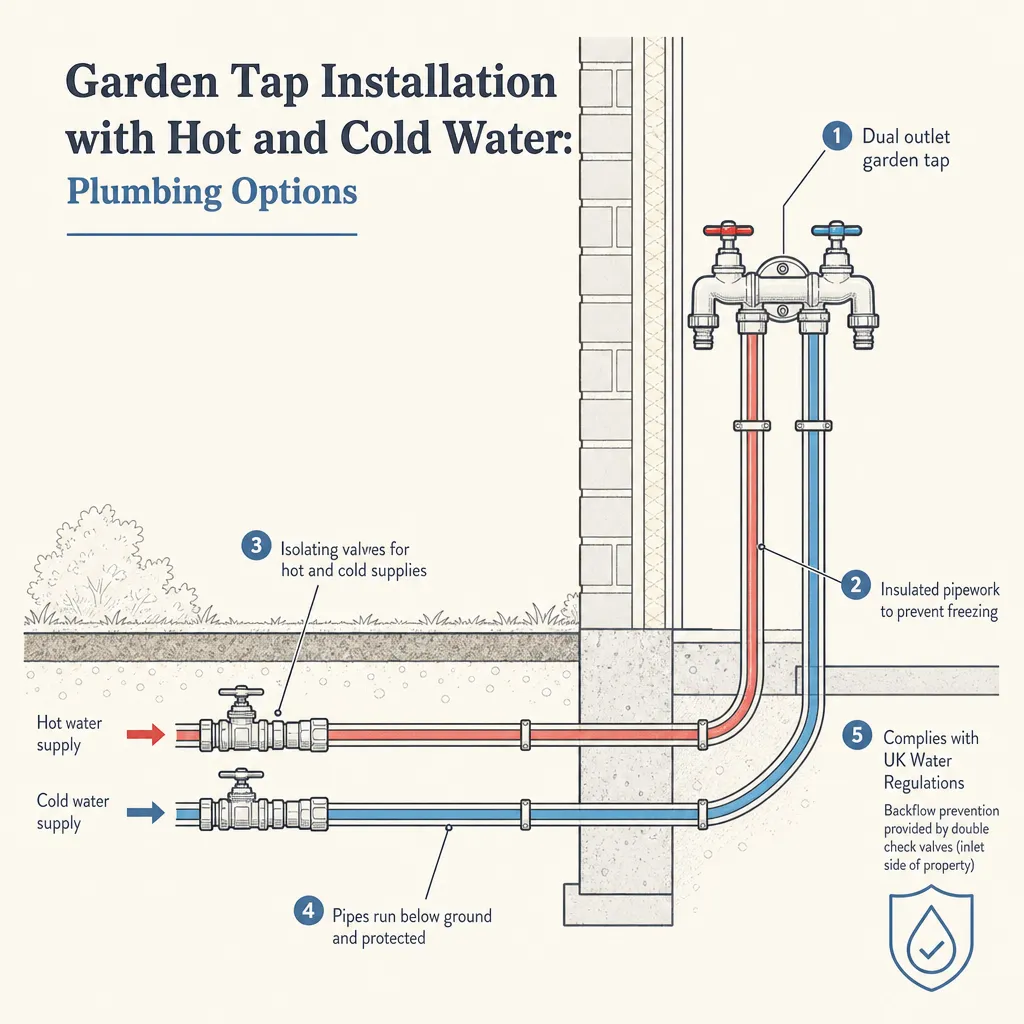
Garden Tap Installation with Hot and Cold Water: Plumbing Options
Adding a cold garden tap is a common DIY project, but routing hot water outdoors requires a plumber to connect to your domestic hot water system and comply with the Water Supply (Water Fittings) Regulations 1999.
 Improvement & Build
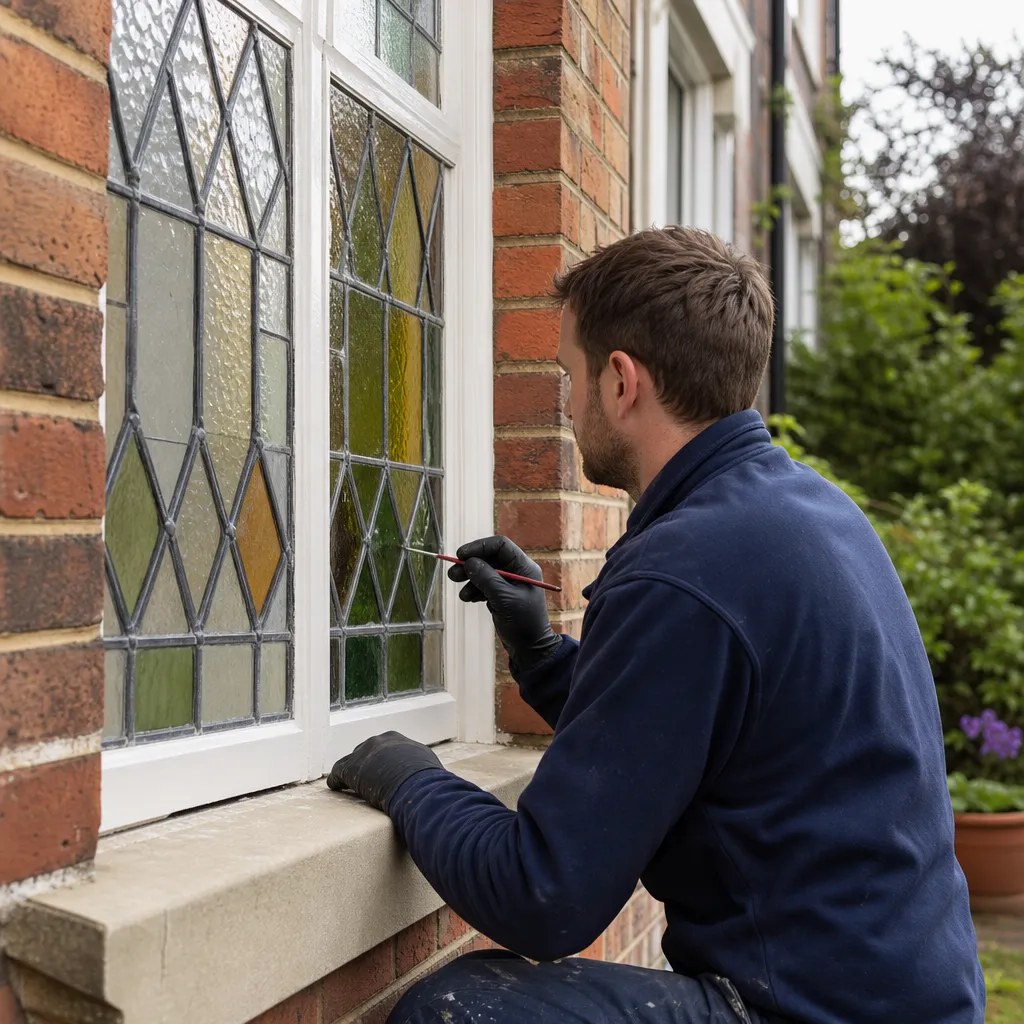
Sealing and Maintaining Historic Leaded Glass Windows: Preservation and Performance
Leaded glass windows are maintained using traditional linseed oil cement — not silicone or modern sealants, which prevent natural movement in the lead came.
 Improvement & Build
Greenhouse Construction: Glass Versus Polycarbonate Materials
Glass transmits around 90% of available light and lasts indefinitely if unbroken, but insulates poorly and shatters into sharp fragments.
 Improvement & Build
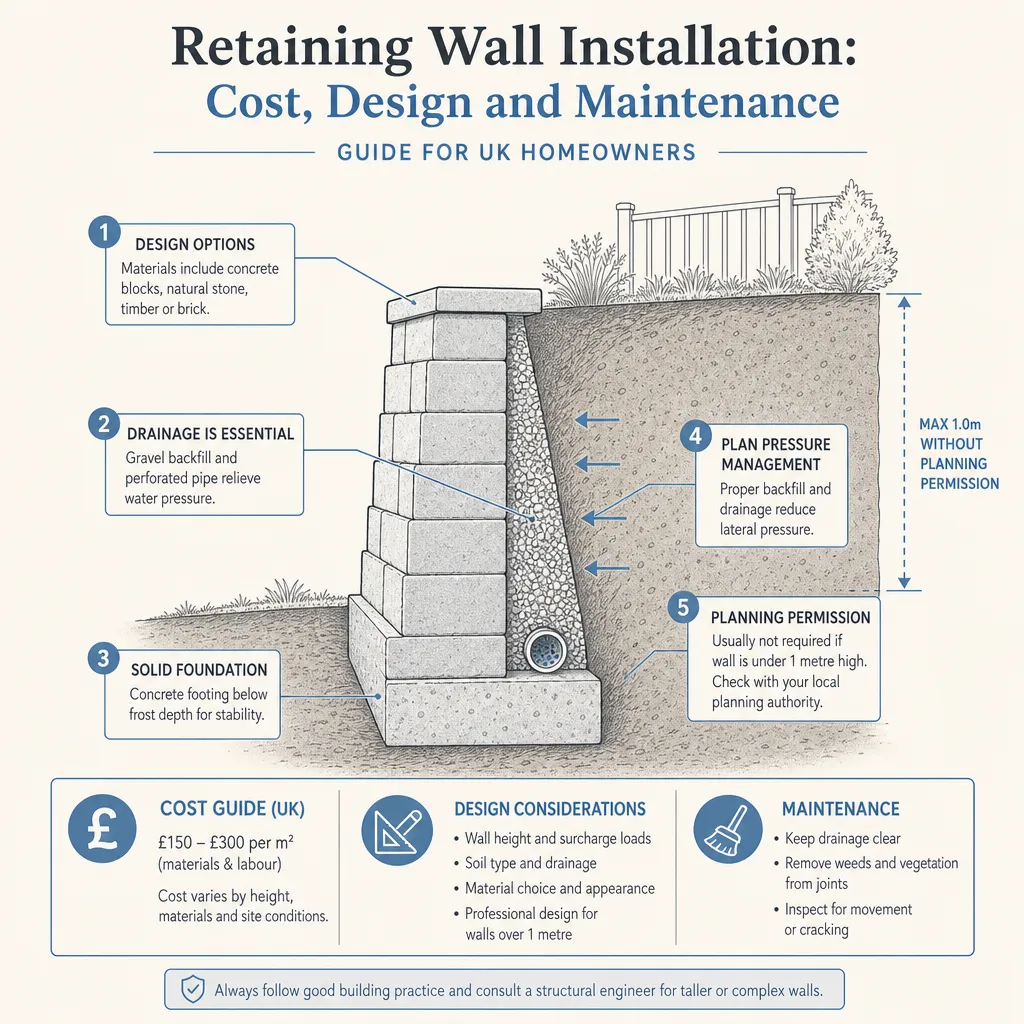
Retaining Wall Installation: Cost, Design and Maintenance
A retaining wall holds back soil on a sloped or banked site.