Fixing Sticking uPVC Door Locks: Diagnosis and Solutions
By Housey · Last reviewed 11th of May 2026
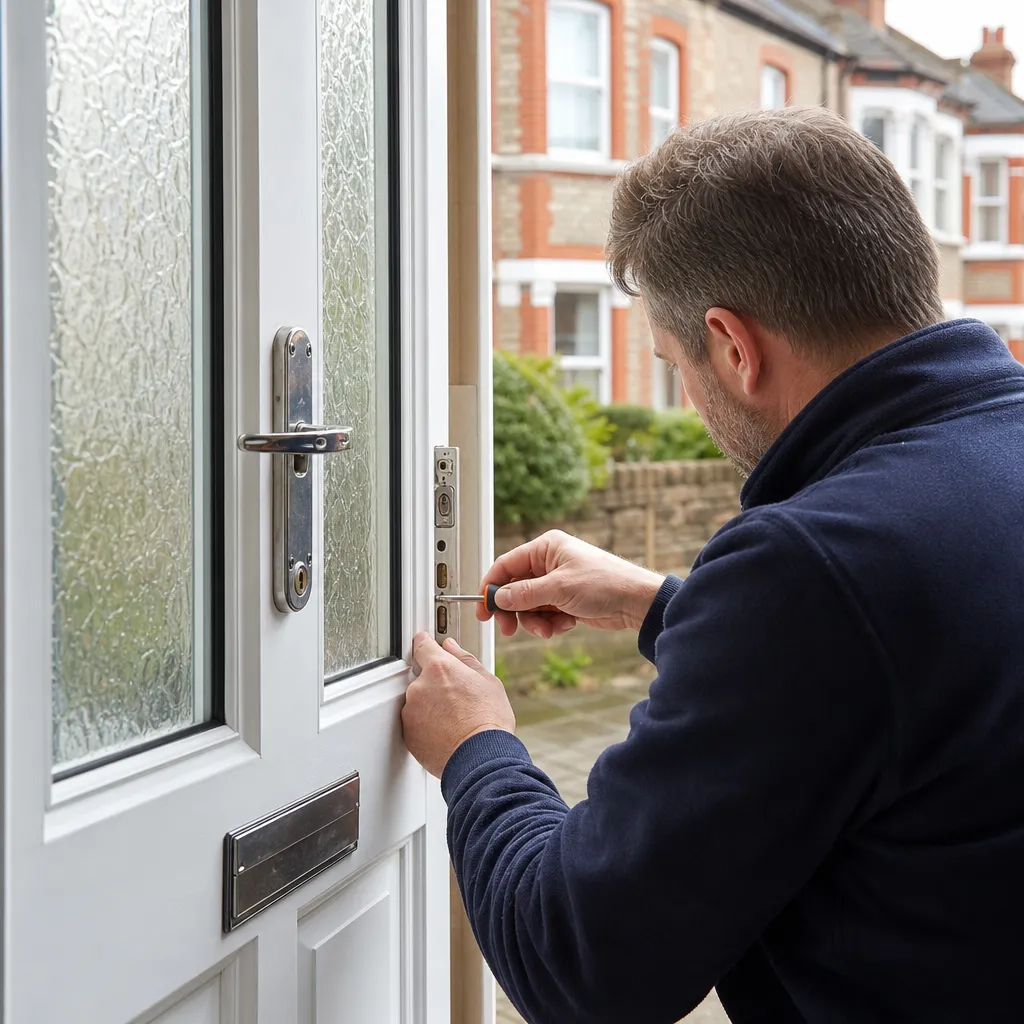
Fixing Sticking uPVC Door Locks: Diagnosis and Solutions
A uPVC door lock that is stiff to operate, difficult to turn with the key, or refuses to engage properly is one of the most common maintenance problems homeowners report. The issue affects properties of all ages — from 1990s estate houses to newer leasehold flats — and the cause is often identifiable without specialist tools. The key is to distinguish between a lubrication problem (quick fix), a misalignment issue (may need adjustment), and a worn mechanism (may need replacement).
Key points
- Do not use WD-40 on a uPVC door cylinder or multipoint mechanism — it is a water dispersant, not a lubricant, and will attract dust and grit over time, worsening the problem. Use a dry PTFE spray or graphite powder instead.
- uPVC frames expand in warm weather and contract in cold — a lock that sticks in summer but operates freely in winter is often a seasonal alignment issue rather than a failing mechanism.
- A dropped door — one that has sagged on its hinges — causes multipoint hooks to bind against their keeps in the frame, making the handle hard to lift and locking difficult or impossible.
- The spindle — the square bar that passes through the handle and drives the gearbox — can wear oval over time, causing the handle to feel loose and reducing gearbox engagement.
- Lubricating the lock face (the steel strip on the door edge containing the hooks, rollers, and bolt) with a PTFE-based product keeps the moving parts free and prevents corrosion-related seizing.
What is causing the sticking? A diagnosis guide
Is the key stiff to turn?
The cylinder is the most likely culprit. Try the following in order:
- Lubricate the keyway — insert the key partway and apply a small amount of dry PTFE lubricant or graphite powder. Work the key gently back and forth. Do not force a stiff key.
- Check both sides — if the inside thumb-turn also feels stiff, the cylinder internals may be worn or corroded.
- Inspect the key — a worn key that no longer matches the cylinder cuts precisely can cause false engagement and stiffness.
If lubrication produces no improvement after a few minutes of gentle working, the cylinder may need replacing rather than servicing.
Is the handle stiff or hard to lift?
A stiff handle when the key turns freely points to a different problem:
- Worn or broken spindle — the square bar may have rounded off, reducing drive to the gearbox.
- Gearbox wear — the springs and cams inside the multipoint mechanism fatigue over time, making hook retraction stiffer.
- Keeps binding — the hooks in the mechanism are catching on the metal keeps in the frame rather than engaging cleanly.
Is the door hard to close before locking?
If the door itself is difficult to push fully shut or drops as it closes, the problem is likely hinge sagging or frame movement rather than the lock mechanism. Check:
- Whether there is a visible gap at the top hinge-side corner (a common sign the door has dropped).
- Whether the door scrapes along the threshold or weather seal.
- Whether the multipoint hooks visibly miss the keeps when viewed from outside with the door ajar.
Decision tree: which fix applies?
- Lubricate the cylinder if the key is stiff but the handle moves freely — apply dry PTFE to the keyway and work the key gently back and forth.
- Inspect the gearbox and spindle if the handle is stiff but the key turns freely — check for spindle wear and lubricate the lock face strip.
- Check hinge and door alignment if the door is hard to close before locking — the door may have dropped rather than the lock mechanism being at fault.
- Adjust the keeps if the hooks visibly miss their keeps in the frame — loosen, reposition, and test with the door open before final tightening.
- Seek professional diagnosis if both the key and handle are stiff — combined cylinder and gearbox wear usually warrants a full inspection rather than piecemeal DIY.
- Call a locksmith if the lock became stiff suddenly after a suspected break-in attempt — do not continue operating the lock until it has been inspected for damage.
- Consider seasonal adjustment if sticking only occurs in hot weather — thermal expansion of the uPVC frame may be the cause rather than mechanical failure.
How to lubricate a uPVC door lock correctly
What to use
Product type | Suitable for | Notes |
|---|---|---|
Dry PTFE spray | Cylinder keyway, lock face hooks and rollers | Best general-purpose choice for uPVC locks |
Graphite powder | Cylinder keyway | Good alternative; can be messy — use sparingly |
3-in-1 oil | Hinges and exposed external metalwork only | Keep away from cylinder internals — attracts dust |
WD-40 | Not recommended for lock mechanisms | Water dispersant only; degrades lock internals over time |
Petroleum-based grease | Avoid on uPVC seals and rubber strips | Can degrade rubber weather seals over time |
Application steps
- Apply a small amount of PTFE lubricant directly into the keyway.
- Insert the key and work it in and out gently 5–10 times.
- Apply PTFE lubricant to the exposed face of the lock strip — the hooks, rollers, and bolt face.
- Operate the handle several times to distribute lubricant through the mechanism.
- Wipe away any excess from the uPVC frame surface to avoid attracting dirt.
Repeat every 6–12 months as preventive maintenance.
Adjusting misaligned keeps
Keeps are the small metal plates set into the door frame that the hooks and deadbolts engage with. Over time, frames can shift slightly and keeps can move out of position. If hooks are visibly catching or missing their keeps:
- Loosen the keep screws slightly and move the keep up, down, or outward until the hook engages cleanly.
- Many uPVC keeps can be adjusted with a screwdriver without fully removing the screws.
- Replacement keeps are inexpensive — typically £3–£10 per keep, last reviewed 2026-05-11 — but correctly positioning them requires patience and testing on an open door.
Red flags: when sticking means a bigger problem
Stop attempting DIY adjustment and seek professional help if any of the following apply:
- 🔴 The key feels gritty or the lock suddenly became very stiff after previously working well — this may indicate a drilling or picking attempt on the cylinder.
- 🔴 The door frame is visibly distorted, bowed, or has a crack near the lock keep — possible structural movement in the building or a failed frame weld.
- 🔴 The multipoint mechanism has visible rust, broken components, or bent hooks — lubrication will not restore a mechanically failed gearbox.
- 🔴 The door cannot be locked at all and the property is occupied overnight — treat as an emergency and contact a locksmith promptly.
- 🔴 A tenanted property has a door that cannot be properly secured — landlords have repair obligations under the Landlord and Tenant Act 1985 that may encompass working door locks.
When to get professional help
Lubrication and minor keep adjustment are straightforward maintenance tasks for most homeowners. If sticking persists after correctly lubricating and checking alignment, or if any of the red flags above apply, a window and door specialist or locksmith should inspect the full mechanism. They can accurately diagnose worn gearbox components, reposition hinges to correct a dropped door, and source manufacturer-matched replacement parts where needed.
How Housey can help
If your uPVC door lock remains stiff after basic maintenance, or you suspect a worn mechanism or a dropped frame, Housey can connect you with local window and door installers who can inspect the full door system — hinges, mechanism, and cylinder — and carry out the correct fix.
Frequently asked questions
Why does my uPVC door lock stick more in summer?
uPVC frames expand slightly in warm weather due to thermal movement. This can push the multipoint hooks higher in their keeps, making the handle harder to lift. If the sticking only occurs in hot weather and eases when it cools, ask a window and door installer to check and adjust the keep positions to account for summer expansion.
Can I use WD-40 on my uPVC door lock?
WD-40 is not recommended for lock cylinders or multipoint mechanisms. It is a water dispersant rather than a lubricant and will initially make the mechanism feel smoother, but it attracts dust and grit over time, worsening stiffness. Use a dry PTFE spray or graphite powder instead for lasting results.
How often should I lubricate a uPVC door lock?
Every 6 to 12 months as routine maintenance. Apply dry PTFE lubricant to the cylinder keyway and the lock face — the strip running down the door edge — in spring and autumn. This reduces wear on the mechanism and prevents hooks and rollers from corroding or seizing.
My handle goes down but the door won't open — what's wrong?
This usually indicates the multipoint mechanism has failed — the gearbox may have broken internally or the hooks may have jammed in the extended position. If you are stuck inside, the mechanism may need to be drilled out by a locksmith. This is an emergency and professional help should be sought promptly.
How much does it cost to fix a sticking uPVC door lock in the UK?
Indicative UK costs, last reviewed 2026-05-11: lubrication and basic adjustment typically costs £60–£100 for a locksmith call-out. Keep replacement or realignment may add £20–£50. A full mechanism replacement ranges from £120–£300 depending on the part and the labour involved.
Sources and further reading
- Master Locksmiths Association — Lock Maintenance Advice — Master Locksmiths Association
- FENSA — Registered Window and Door Installers — FENSA
- Which? — Home Security and Door Locks — Which?
- Landlord and Tenant Act 1985 — legislation.gov.uk
Useful next reads
 Improvement & Build
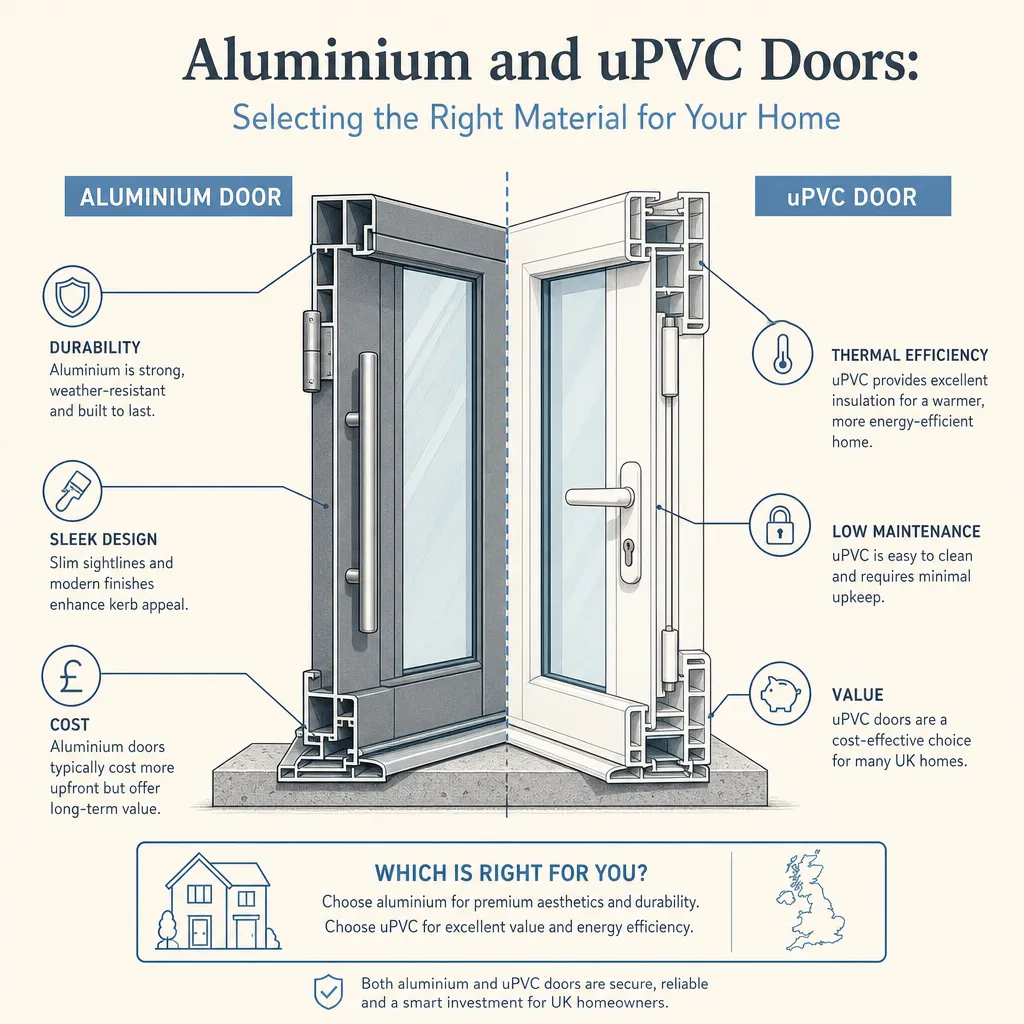
Aluminium and uPVC Doors: Selecting the Right Material for Your Home
uPVC doors are lower-cost and low-maintenance, making them a practical choice for most UK homes.
 Improvement & Build
Outdoor lighting problems: solutions for common issues in gardens and driveways
Outdoor lighting problems in UK gardens commonly stem from water ingress, incorrect IP ratings, faulty transformers, poor earth connections, or corroded contacts.
 Improvement & Build
Repairing a Broken uPVC Door Lock: Replacement and Solutions
A broken uPVC door lock usually needs a new cylinder, a replacement multipoint mechanism, or both.
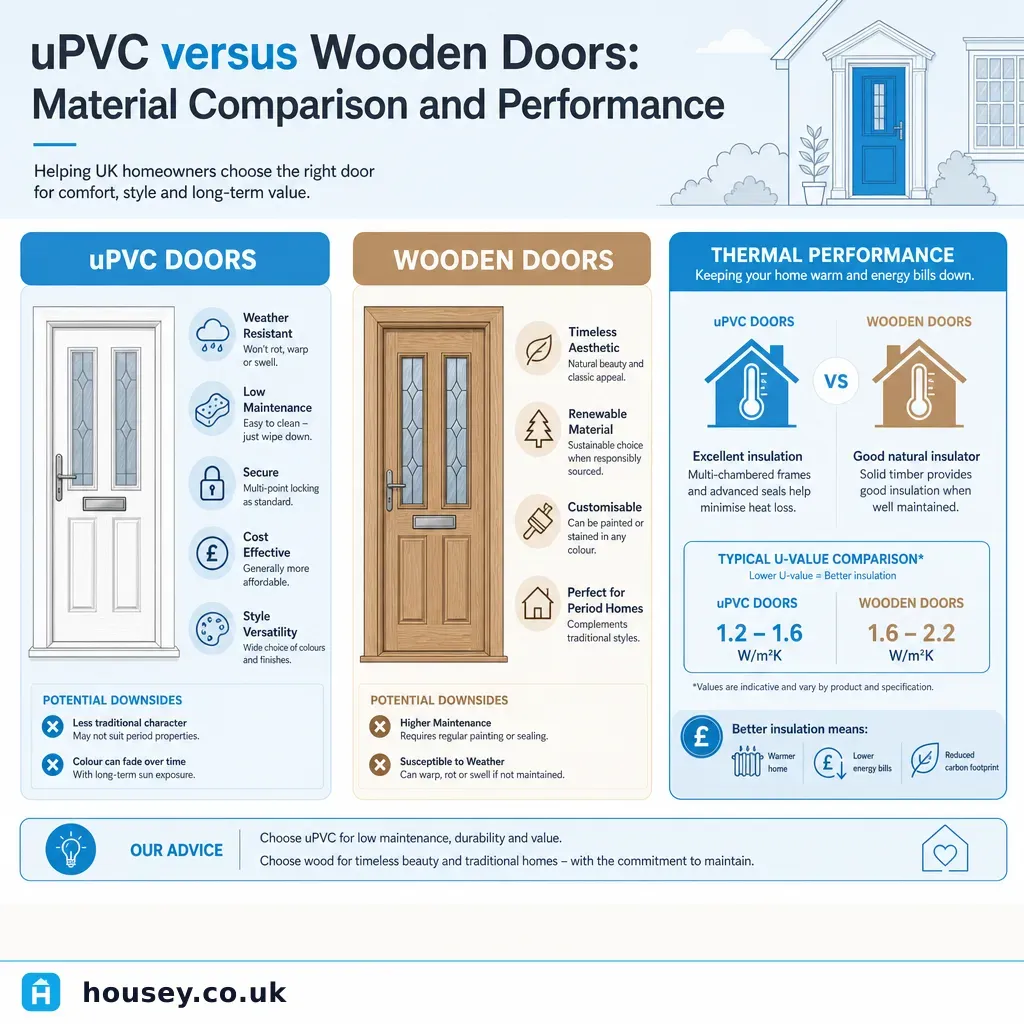 Improvement & Build
uPVC versus Wooden Doors: Material Comparison and Performance
uPVC doors are generally lower maintenance, better draught-sealed from the factory, and cheaper to install than timber doors.
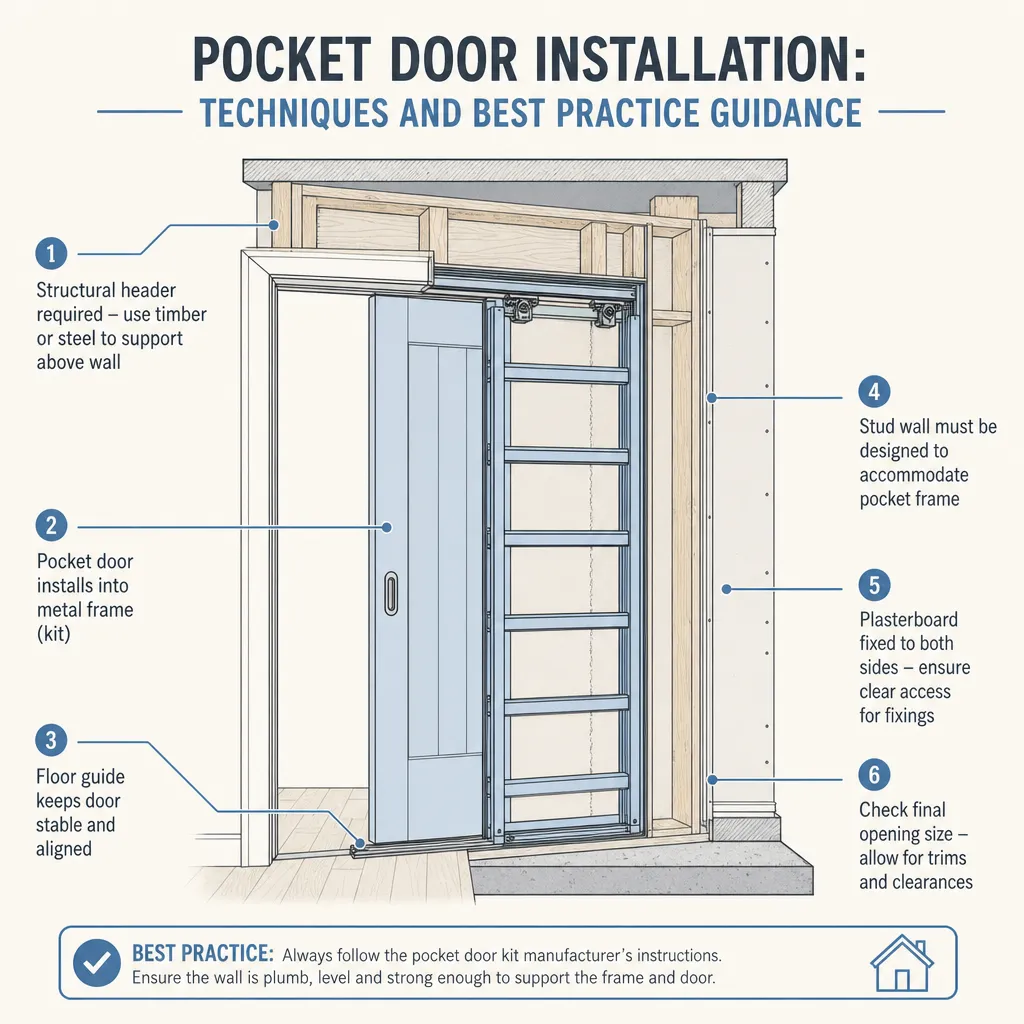 Improvement & Build
Pocket Door Installation: Techniques and Best Practice Guidance
Pocket doors slide into a cavity within the wall, requiring a proprietary steel or timber frame kit installed during the rough carpentry stage.