Flagstone Paving: Material Costs and Installation Considerations
By Housey · Last reviewed 31st of May 2026
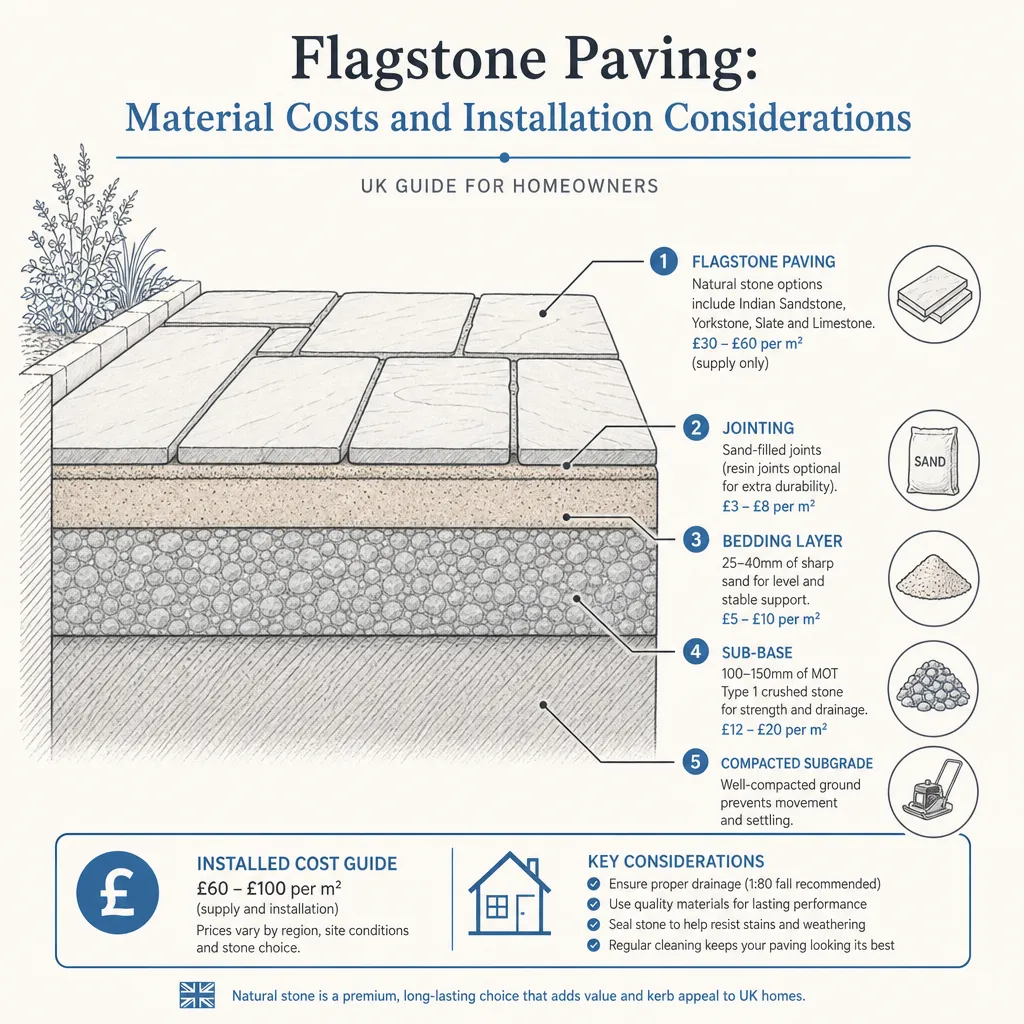
Flagstone Paving: Material Costs and Installation Considerations
Flagstone paving is one of the most enduring choices for UK garden paths, patios, and driveways — valued for its natural variation, longevity, and the way it complements both period and contemporary properties. The question of which stone to choose and what installation will cost typically arises when planning a garden renovation, replacing a cracked or sunken surface, or laying out the external spaces of a new build or extension. Getting these decisions right before work starts matters: the stone type, sub-base specification, bedding system, and pointing choice each affect how the finished surface performs over decades.
Key points
- Indian sandstone is the most widely installed natural flagstone in UK gardens, typically priced at £20–£50 per m² for the stone alone (indicative, 2026).
- Under the Town and Country Planning (General Permitted Development) (England) Order 2015, paving a front garden with a non-permeable surface larger than 5 m² requires planning permission unless run-off drains to a planted area rather than the highway.
- Natural limestone and granite flags offer higher slip resistance than polished sandstone, which can become very slippery when wet.
- Flags bedded on mortar require a minimum 100 mm compacted MOT Type 1 sub-base for pedestrian use and 150 mm for vehicular loads.
- Lime mortar pointing is recommended for listed buildings and conservation areas; kiln-dried sand joints suit modern permeable paving systems.
Types of flagstone: a comparison
Stone type | Typical supply cost per m² | Frost resistance | Slip resistance (wet) | Best for | Notes |
|---|---|---|---|---|---|
Indian sandstone | £20–£50 | Good | Moderate (calibrated); low (polished) | Patios, paths, contemporary gardens | Most widely available; wide colour range |
Yorkstone (UK-quarried) | £60–£120 new; £20–£60 reclaimed | Excellent | Good | Period properties, conservation areas | Premium cost new; reclaimed stock is variable in thickness |
Limestone | £30–£70 | Moderate–good | Good (riven finish) | Formal and contemporary gardens | Check CE frost-resistance marking for UK climate |
Slate | £30–£60 | Good | Moderate–good (riven) | Modern gardens, wetter climates | Welsh slate is premium; imported quality varies |
Granite flags and setts | £40–£80 | Excellent | Good (flamed or bush-hammered) | Driveways, high-traffic areas | Very hard; requires skilled cutting and bedding |
Reclaimed stone (mixed) | £20–£80+ | Variable | Variable | Period homes, sustainable projects | Test individual pieces; variable thickness increases labour cost |
Indicative UK supply costs, last reviewed 2026-05-31. Labour and installation costs are additional. Prices vary by supplier, region, and order size.
What affects the total cost?
Stone material is only part of the project cost. The main cost drivers are:
Sub-base and groundworks: Most paving projects require excavation to 200–250 mm total depth (sub-base, bedding mortar, and flag). Clay-heavy or rocky soils may add groundwork cost. Breaking out existing concrete increases labour and skip-hire cost.
Flag thickness: Natural stone varies from 18 mm (calibrated, suitable for patios) to 50+ mm for driveways or reclaimed flags. Thicker stone costs more per m² and requires a stronger mortar bed and more skill to lay level.
Pattern and cuts: Straightforward stretcher-bond and random-lay patterns involve fewer cuts and less waste. Intricate patterns — herringbone, circular feature panels, radial steps — increase both labour time and material waste significantly.
Pointing method: Brush-in kiln-dried sand is faster and suits permeable systems. Mortar pointing using sand-cement or lime mix is slower and more durable when correctly executed. Repointing existing paving should be priced separately.
Access and slope: Narrow side passages, steep gradients, or sites without vehicle access increase delivery and working time.
Typical installed costs (indicative, 2026):
- Simple sandstone patio, full mortar bed: £80–£160 per m²
- Indian sandstone garden path, straightforward layout: £70–£130 per m²
- Yorkstone or granite feature patio: £150–£300+ per m²
- Driveway-grade flags with vehicle sub-base: £100–£200 per m²
Always obtain at least three comparable written quotes and confirm whether each price includes excavation, disposal of arisings, sub-base, bedding mortar, stone, pointing, edging restraints, and any steps.
Planning and drainage rules
Front gardens: Schedule 2, Part 2 of the Town and Country Planning (General Permitted Development) (England) Order 2015 requires planning permission for non-permeable hard surfacing greater than 5 m² in a front garden, unless surface water drains to a lawn or planted area rather than the highway. Using permeable paving — jointed, open-textured, or laid on a free-draining sub-base — avoids this requirement. Scotland and Wales have similar but not identical rules: check with your local planning authority (LPA).
Conservation areas and listed buildings: Hard landscaping in a conservation area may require consent if it materially affects the character of the area. Listed buildings require Listed Building Consent for any external works. Check before ordering materials.
Drainage falls: New paving should be laid to a minimum fall of 1:60 draining away from the building. Surface water must not pond against the house or drain directly onto the public highway.
What not to assume
- Cheap stone is good value. Thin or low-quality imports may not carry CE frost-resistance certification. Stone that spalls or cracks in the first winter costs more to replace than the original saving on materials.
- DIY installation is straightforward. Sub-base preparation is where most domestic paving projects fail. Incorrectly bedded flags will rock, crack at edges, or subside within a few years regardless of stone quality.
- Any pointing will do. Standard OPC cement mortar can stain natural stone and trap moisture behind the flag face. Check the stone supplier's pointing recommendations before proceeding.
- Front garden paving is always permitted development. The 5 m² threshold applies specifically to non-permeable surfaces. Failure to comply can lead to enforcement action.
Homeowner checklist: commissioning flagstone paving
When to get professional help
For projects larger than approximately 10 m², or wherever drainage, slope, or structural conditions add complexity, a professional hard landscaping contractor is strongly advisable. Always use a qualified contractor when:
- The project includes steps, retaining edges, or changes of level
- The property is listed or in a conservation area
- You are paving a driveway subject to vehicle loads
- Ground conditions are poor (heavy clay, high water table, or unstable fill)
How Housey can help
Housey connects you with vetted landscapers and garden designers who can specify the right stone, prepare accurate itemised quotes, and ensure your paving is bedded and drained to last. Use the Housey quote tool to compare up to four local professionals before committing to a contractor.
Frequently asked questions
Do I need planning permission for a garden patio?
Not usually. Rear garden patios are generally permitted development regardless of surface material. For front garden paving, planning permission is required for non-permeable surfaces greater than 5 m² unless surface water drains to a lawn or planted area rather than the highway. Rules differ slightly in Scotland and Wales — check with your local planning authority if uncertain.
How long does flagstone paving last?
Well-laid natural stone on a correctly specified sub-base can last decades. Yorkstone and granite are particularly durable. Indian sandstone, if correctly frost-tested and properly bedded and pointed, typically lasts 15–25 years before significant repointing is needed. Poor sub-base preparation is the most common cause of premature failure, regardless of stone quality.
What is the difference between calibrated and riven flagstone?
Calibrated stone is machine-cut to a consistent thickness, making it easier to lay at a uniform level. Riven stone is split along natural planes, giving an irregular texture and variable thickness — a more natural look but requiring more skill and time to lay level. Both are widely used in UK gardens; the choice is primarily aesthetic and depends on the property style.
Sources and further reading
Useful next reads
 Improvement & Build
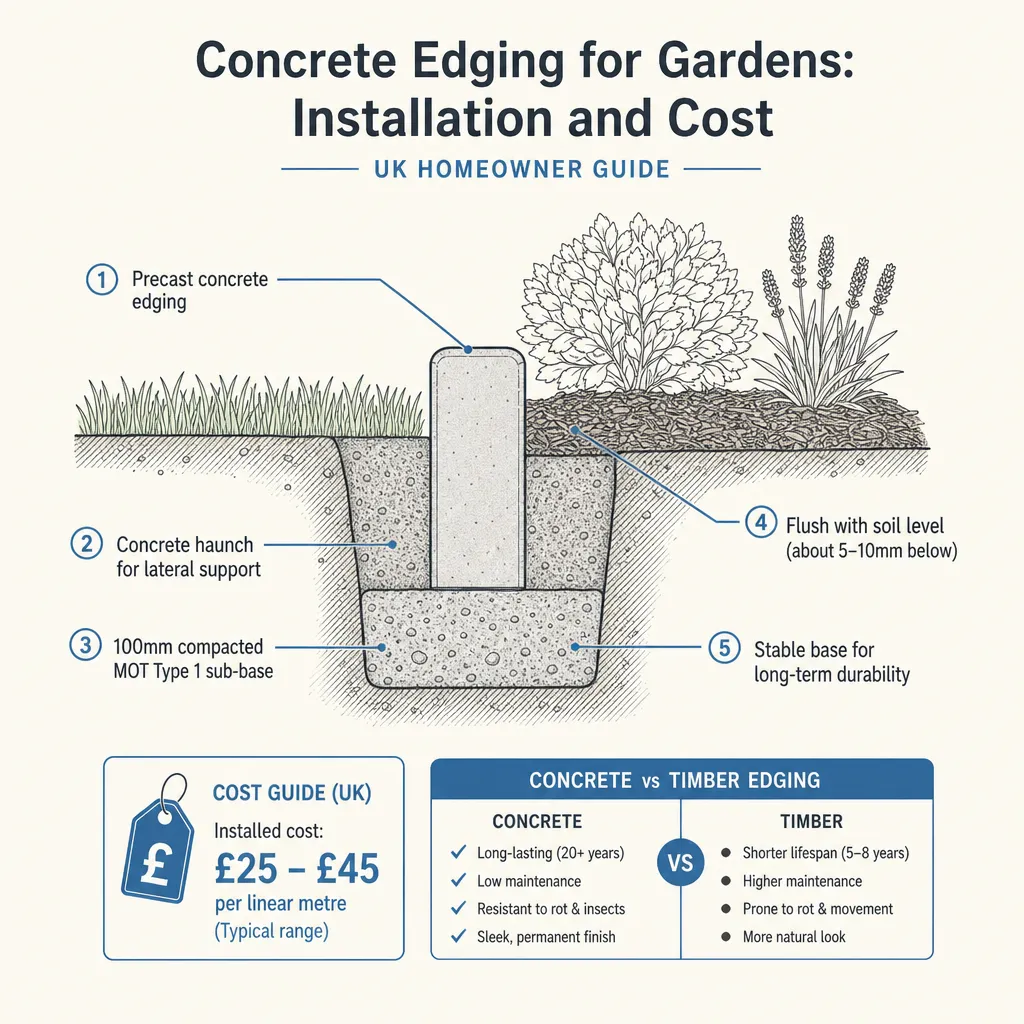
Concrete Edging for Gardens: Installation and Cost
Concrete garden edging — whether precast sections or poured in situ — gives lawns and planting beds a durable, low-maintenance boundary.
 Improvement & Build
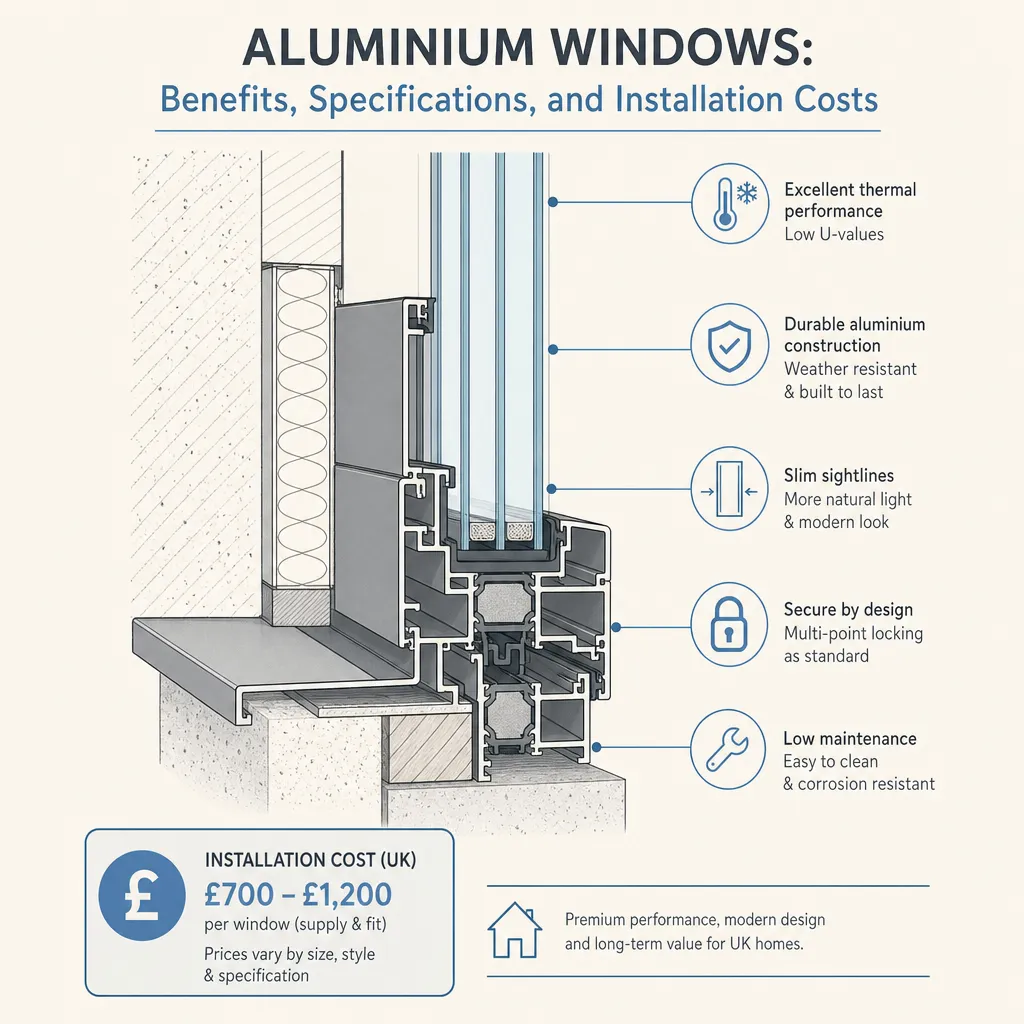
Aluminium Windows: Benefits, Specifications, and Installation Costs
Aluminium windows typically cost £600–£1,800 per window installed in the UK, depending on size and specification.
 Improvement & Build
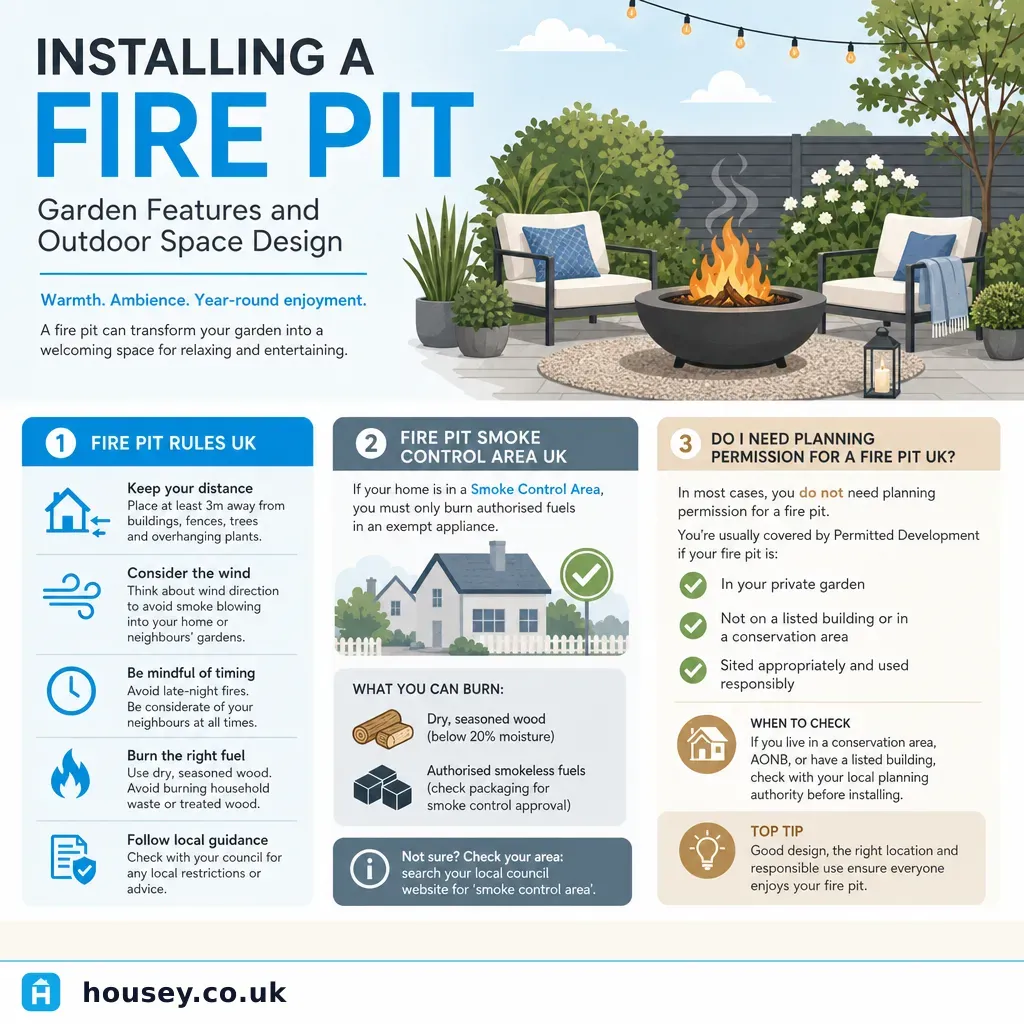
Installing a Fire Pit: Garden Features and Outdoor Space Design
Installing a garden fire pit in the UK is generally permitted, but Smoke Control Area rules prohibit open wood-burning in most towns and cities.
 Improvement & Build
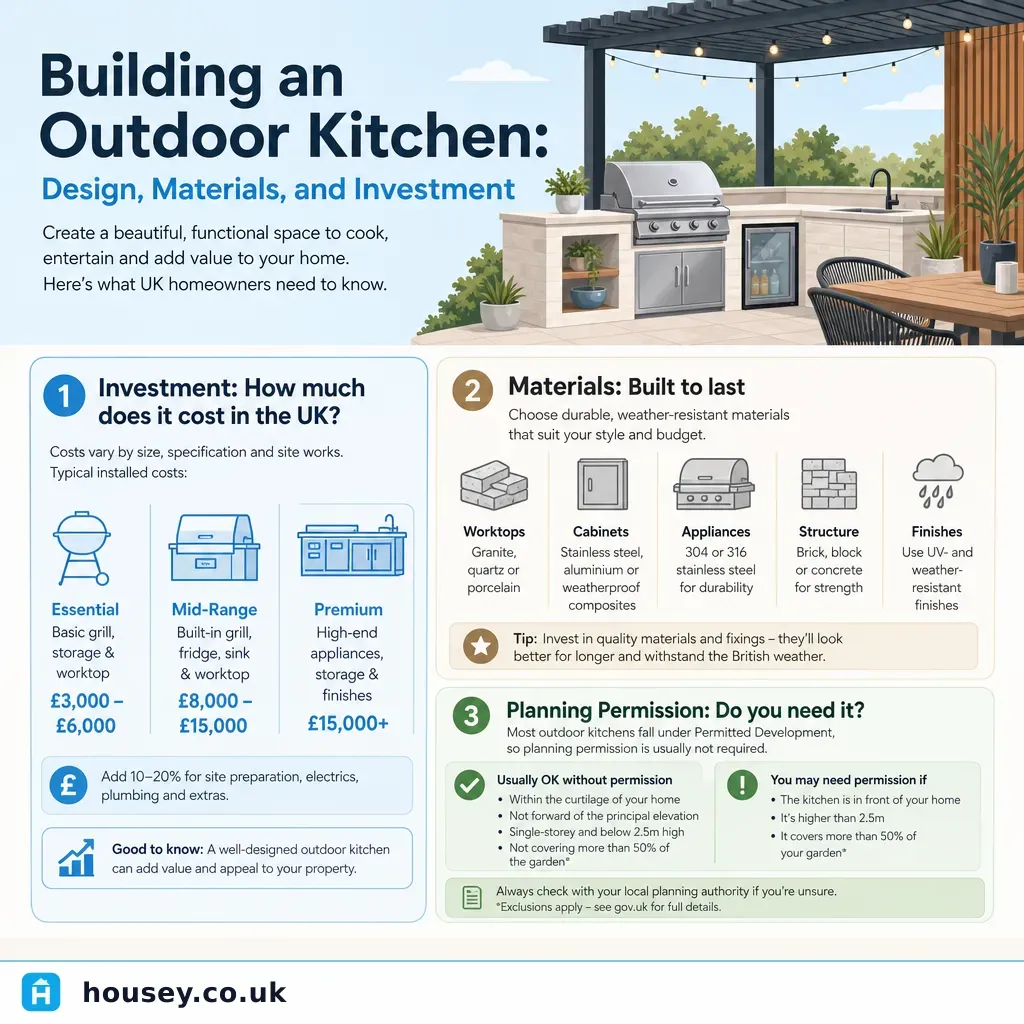
Building an Outdoor Kitchen: Design, Materials, and Investment
Building an outdoor kitchen in the UK costs roughly £3,000–£25,000 depending on size and materials.
 Improvement & Build
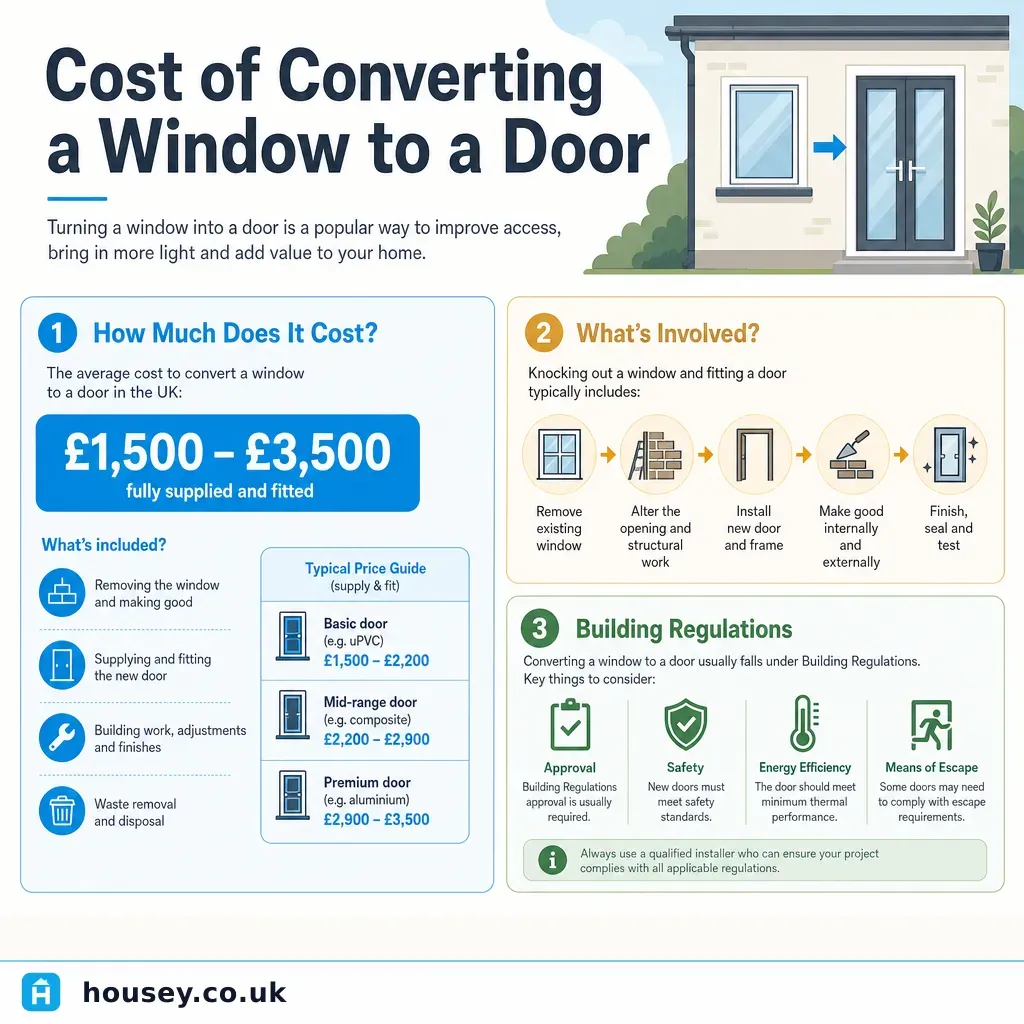
Cost of converting a window to a door
Converting a window to a door in the UK typically costs £1,500–£5,000 or more, depending on wall construction (cavity, solid, or timber frame), the type of door fitted, and whether a new or enlarged lintel is required.