Installing a Fire Pit: Garden Features and Outdoor Space Design
By Housey · Last reviewed 19th of May 2026
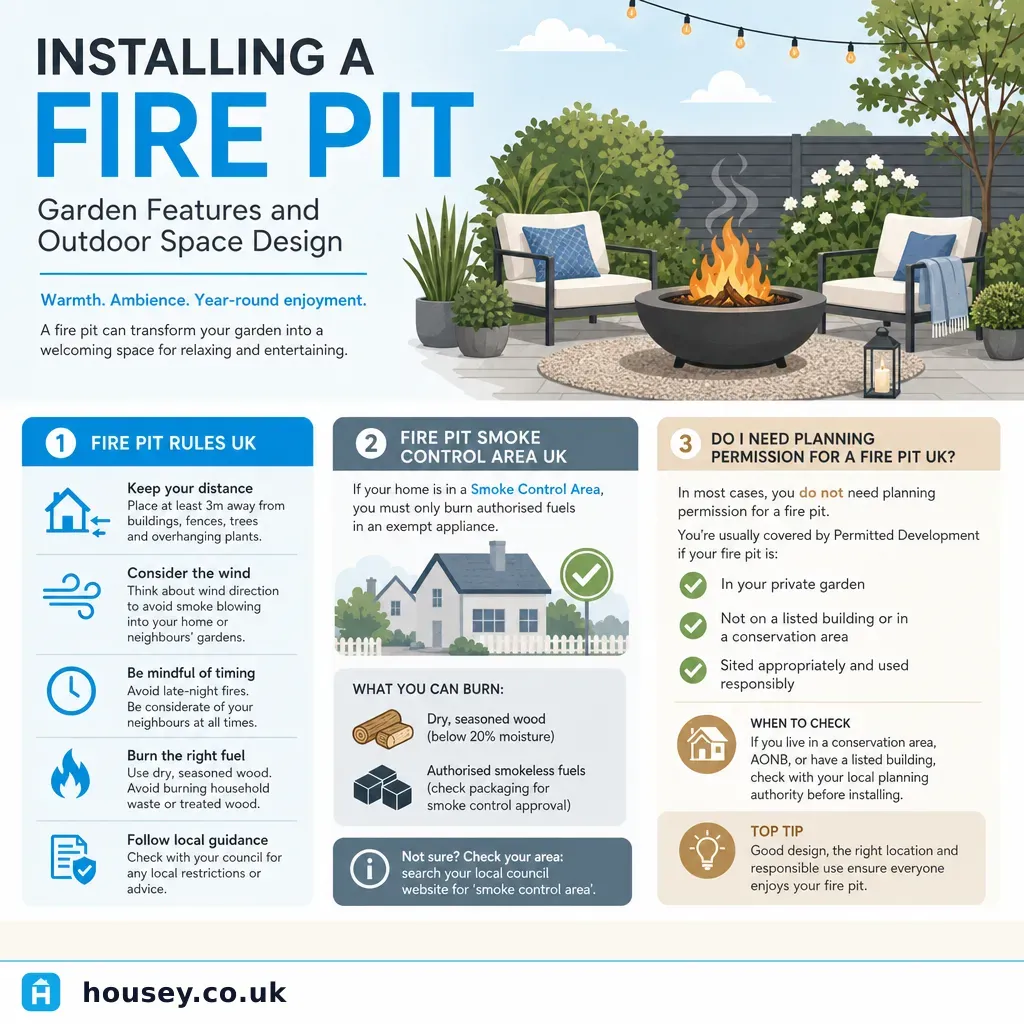
Installing a Fire Pit: Garden Features and Outdoor Space Design
Fire pits have become one of the most sought-after garden additions in the UK, driven by the desire to extend time outdoors through cooler evenings and to create a natural focal point for entertaining. Before buying or building one, it pays to understand the legal, safety, and neighbourly considerations that apply — from Smoke Control Area rules that cover much of urban Britain to practical decisions about siting, materials, and fuel.
Key points
- There is no specific law banning domestic garden fire pits in the UK, but the Clean Air Act 1993 and Environmental Protection Act 1990 give local authorities powers to act against smoke nuisance, and Smoke Control Areas restrict open burning in most towns and cities.
- In Smoke Control Areas, only appliances listed under The Smoke Control Areas (Exempted Fireplaces) Orders may be used legally; standard open wood-burning fire pits are generally prohibited. Check your address on GOV.UK.
- A portable or free-standing fire pit does not normally require planning permission; a large permanent built structure may be subject to permitted development constraints, particularly in conservation areas or near listed buildings.
- Fire services recommend a minimum clearance of 3 metres from buildings, fences, and overhanging vegetation; this distance should be increased significantly in dry or windy conditions.
- Kiln-dried hardwood with a moisture content below 20% — ideally carrying the Woodsure Ready to Burn certification — produces significantly less smoke than unseasoned wood and reduces the risk of neighbour complaints or local authority intervention.
Legal and planning considerations
A portable or free-standing fire pit — bowls, ring burners, tripods, chimeneas, or purpose-made steel structures — does not ordinarily require planning permission under permitted development rights for householder improvements in England. A substantial, permanently built masonry or concrete fire pit integrated into a patio may technically constitute a structure, but most domestic examples would still fall within permitted development.
Exceptions to check:
- Conservation areas: Even modest garden structures may need prior approval or full consent from the local planning authority.
- Listed buildings: Any alteration within the curtilage of a listed building may require listed building consent.
- Front gardens: Structures in front gardens face more restricted permitted development allowances.
- Scotland and Wales: Permitted development rules differ; confirm with the relevant planning portal or your local authority.
More important for most homeowners is the Smoke Control Area question. Search your postcode at GOV.UK or contact your local council. In smoke control areas, burning wood in an open fire pit is generally not permitted. Some enclosed fire pits and chimeneas are listed as exempt appliances — check the Defra exempt appliances list to confirm your specific device qualifies before use.
Which type of fire pit is right for you?
Decision guide
- Choose a portable steel or cast iron fire bowl if you want flexibility to reposition, store over winter, or are in rented accommodation.
- Choose a built-in corten steel or masonry fire pit if you are creating a permanent entertaining area with integrated seating and own the property.
- Choose a gas fire pit or gas fire table if you live in a Smoke Control Area, want instant on/off convenience, or want to avoid ash and ember management entirely.
- Choose a chimenea if you prefer a more contained fire with a defined ember zone and less open-flame risk — particularly suited to smaller patios.
- Consult your local planning authority if you are in a conservation area, near a listed building, or planning a large permanent structure before starting construction.
Materials and longevity
Material | Durability | Maintenance | Best for |
|---|---|---|---|
Mild steel | 3–8 years (oxidises) | Annual oiling or paint | Budget option; accepts a decorative rust patina |
Corten (weathering steel) | 20+ years | Very low (stable rust layer) | Contemporary garden design; no ongoing treatment needed |
Cast iron | 10–20 years | Keep dry when not in use | Traditional appearance; good heat retention |
Stainless steel | 15–25 years | Wipe clean | Modern finish; easy maintenance |
Masonry (brick or stone) | Indefinite if well-built | Check pointing every few years | Permanent features integrated into garden design |
For fuel, use kiln-dried hardwood — oak, ash, or beech — with a moisture content below 20%. The Woodsure Ready to Burn certification provides a straightforward way to identify compliant firewood at point of sale. Avoid:
- Unseasoned or wet wood (produces excessive smoke and creosote)
- Painted, treated, or composite timber (releases toxic fumes; burning is likely an offence under the Environmental Protection Act 1990)
- Household rubbish, large quantities of cardboard, or plastics (illegal to burn as waste in most circumstances)
- Coal, unless in an appliance rated for it and only outside smoke-controlled areas
Fire pit safety: red flags
Do not use a fire pit if any of the following apply until the hazard has been resolved:
- Fire pit is within 3 metres of a building, fence, or overhanging tree — embers and radiant heat can ignite combustible materials at greater distances than most people expect
- Wind speed is above a light breeze (Beaufort Force 3 or above) — sparks travel unpredictably and conditions can change quickly
- Drought conditions or a dry-ground advisory is in force — dry vegetation can be ignited by a single airborne ember
- Children or unsupervised pets are in the immediate area — open fire pits are a significant cause of serious burns in domestic settings
- No means of extinguishment is immediately to hand — always have a bucket of water, bucket of sand, or suitable extinguisher nearby before lighting
- Accelerants such as petrol or lighter fluid are being used — these cause flash fires and serious burns; use only dry firelighters and small dry kindling
- The fire pit is positioned directly on timber or composite decking — radiant heat and dropped embers can smoulder and ignite decking; use a non-combustible mat or heat-resistant paving slab beneath
Neighbours and nuisance
A legally compliant fire pit can still become a neighbour dispute if smoke is persistent or intrusive. Under the Environmental Protection Act 1990, smoke causing a statutory nuisance may be investigated by the local authority's environmental health team; a council abatement notice can require you to stop. Practical steps to reduce the risk:
- Burn only in dry, reasonably calm conditions
- Use kiln-dried hardwood to minimise smoke output
- Avoid burning when prevailing wind carries smoke directly towards neighbouring properties or open windows
- If planning a longer fire session, let immediate neighbours know in advance
When to get professional help
Most fire pit installations are within the competence of a confident homeowner or landscaper. Seek professional advice when:
- You are commissioning a permanent built fire feature as part of a larger garden redesign — a landscape designer can integrate drainage, levels, and safe setbacks from the outset
- The fire pit will have a gas supply: any gas pipework must be installed and certified by a Gas Safe registered engineer; do not attempt gas connections as a DIY project
- You are uncertain whether a permanent structure requires planning permission given your property's location or designation
- You want to install a feature in a Smoke Control Area and need to confirm that a specific appliance qualifies as an exempt device
How Housey can help
Planning a more comprehensive outdoor space? Housey connects homeowners with garden and landscaping professionals who can design and build permanent outdoor features — including fire pits, seating areas, and paving schemes — as part of a well-considered garden project. Browse available specialists in your area through the Housey platform.
Frequently asked questions
Is it legal to have a fire pit in my garden in the UK?
There is no general prohibition on domestic garden fire pits, but Smoke Control Area rules restrict open wood-burning in much of urban Britain. Check your postcode on GOV.UK to see whether restrictions apply to your address. Even outside smoke control areas, persistent smoke nuisance can be investigated by your local council under the Environmental Protection Act 1990.
Do I need planning permission for a garden fire pit?
A portable or free-standing fire pit does not normally need planning permission. A large permanent built structure may need a check under permitted development rules, particularly in conservation areas, near listed buildings, or in a front garden. If in doubt, contact your local planning authority before constructing anything permanent.
What fuel should I use in a garden fire pit?
Use kiln-dried hardwood — oak, ash, or beech — with a moisture content below 20%. Look for the Woodsure Ready to Burn mark at point of purchase. Avoid treated or painted wood, unseasoned timber, household waste, and plastics; burning these materials produces harmful emissions and may constitute an offence under the Environmental Protection Act 1990.
How do I reduce smoke from a fire pit?
Use properly dried hardwood, maintain a hot and well-oxygenated fire by adding wood gradually rather than smothering it, and avoid burning in damp or very still conditions where smoke sits low. Gas fire pits produce negligible smoke and are worth considering if smoke is an ongoing concern or you live in a Smoke Control Area.
Sources and further reading
- Smoke Control Areas — check your postcode — GOV.UK
- Environmental Protection Act 1990 — legislation.gov.uk
- Clean Air Act 1993 — legislation.gov.uk
- Woodsure Ready to Burn certification scheme — Woodsure
- Planning Portal — outbuildings and garden structures — Planning Portal
Useful next reads
 Improvement & Build
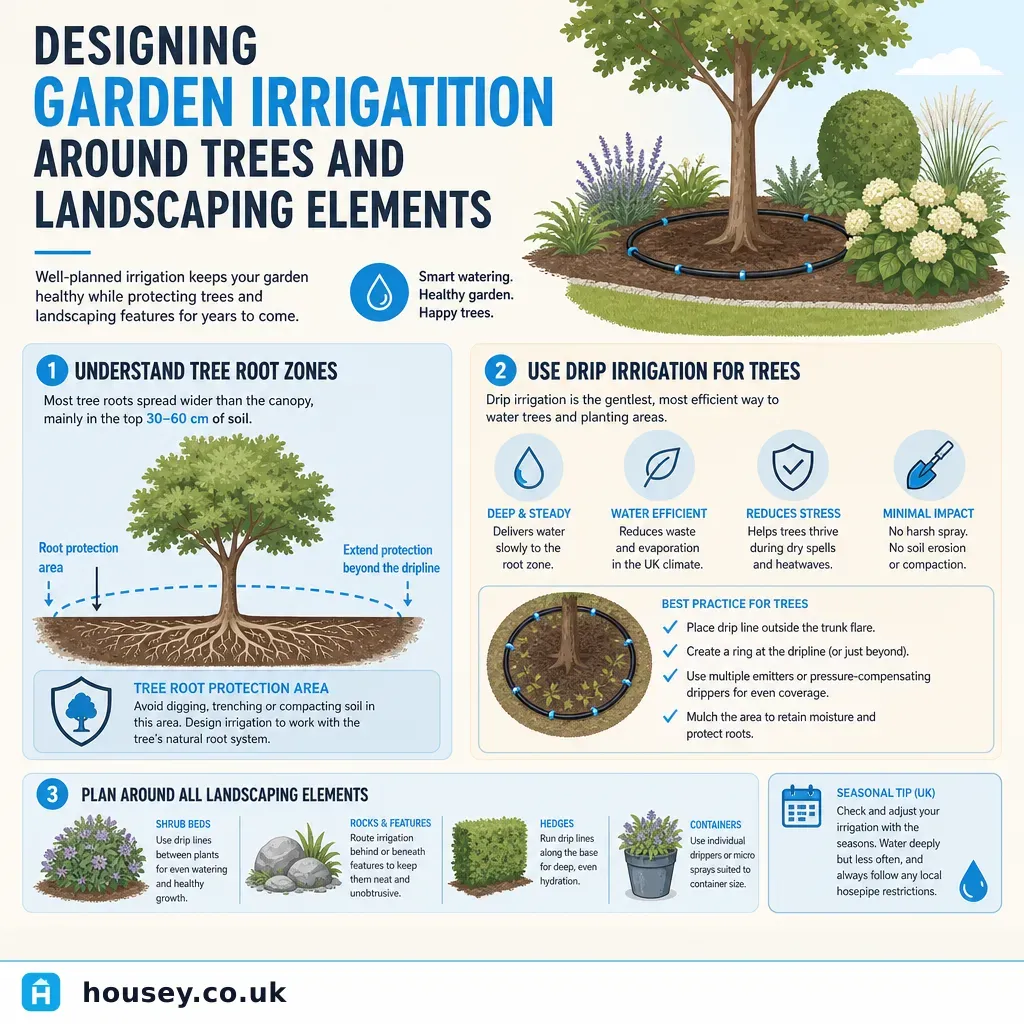
Designing Garden Irrigation Around Trees and Landscaping Elements
Design irrigation around trees by respecting the root protection area defined under BS 5837:2012, using drip or leaky pipe delivery rather than spray heads, and putting the tree zone on its own circuit.
 Improvement & Build
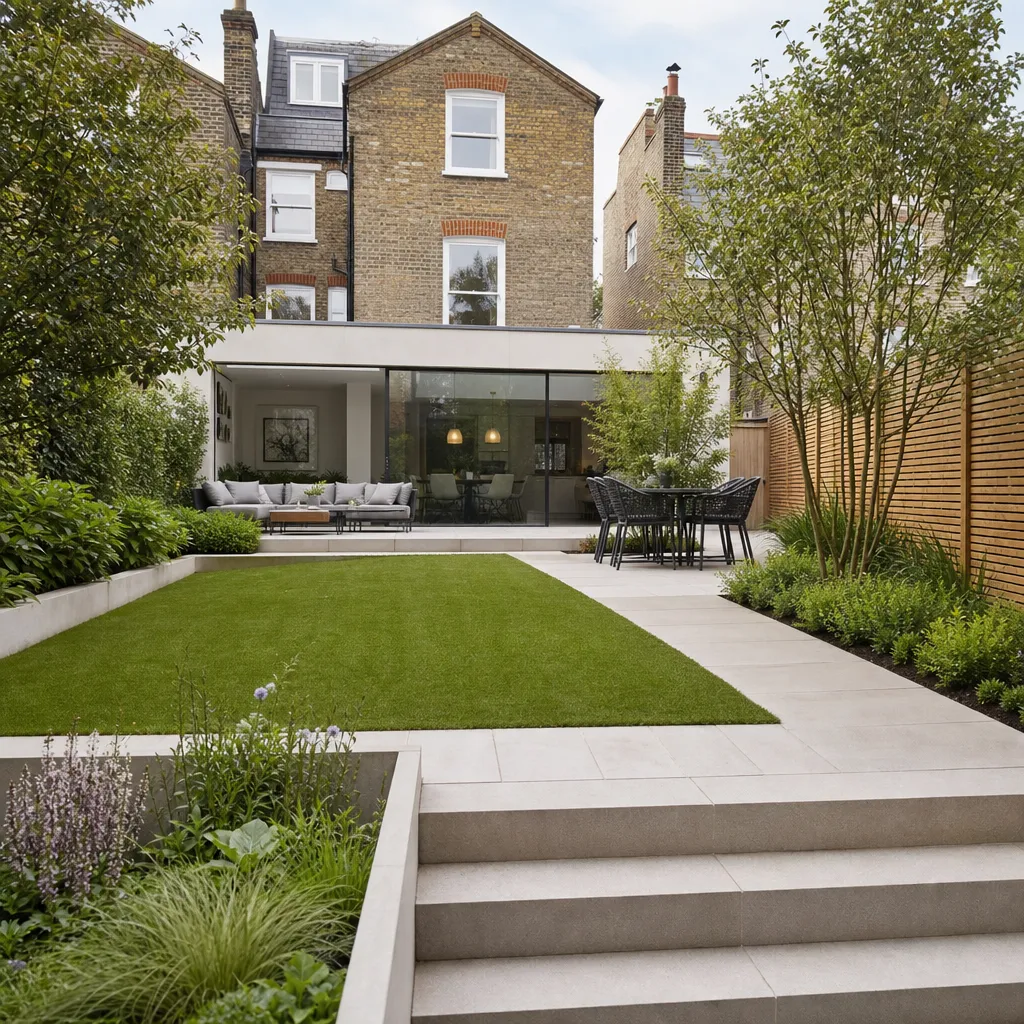
Garden Design Trends and Contemporary Landscaping Ideas
Contemporary UK garden design centres on low-maintenance naturalistic planting, multi-functional outdoor spaces, sustainable hard landscaping materials, and wildlife-friendly rewilded areas.
 Improvement & Build
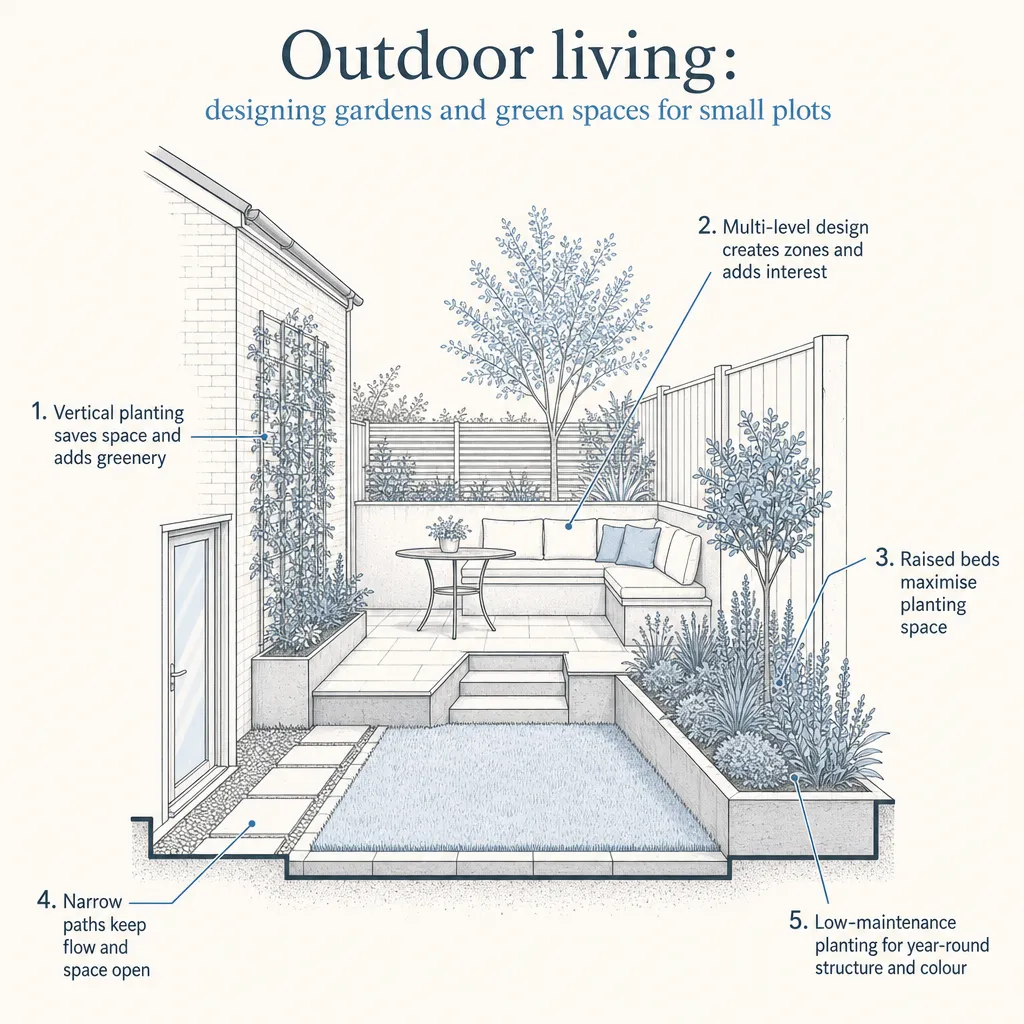
Outdoor living: designing gardens and green spaces for small plots
Small plots work best when divided into defined zones — seating, planting, and utility — before materials are chosen.
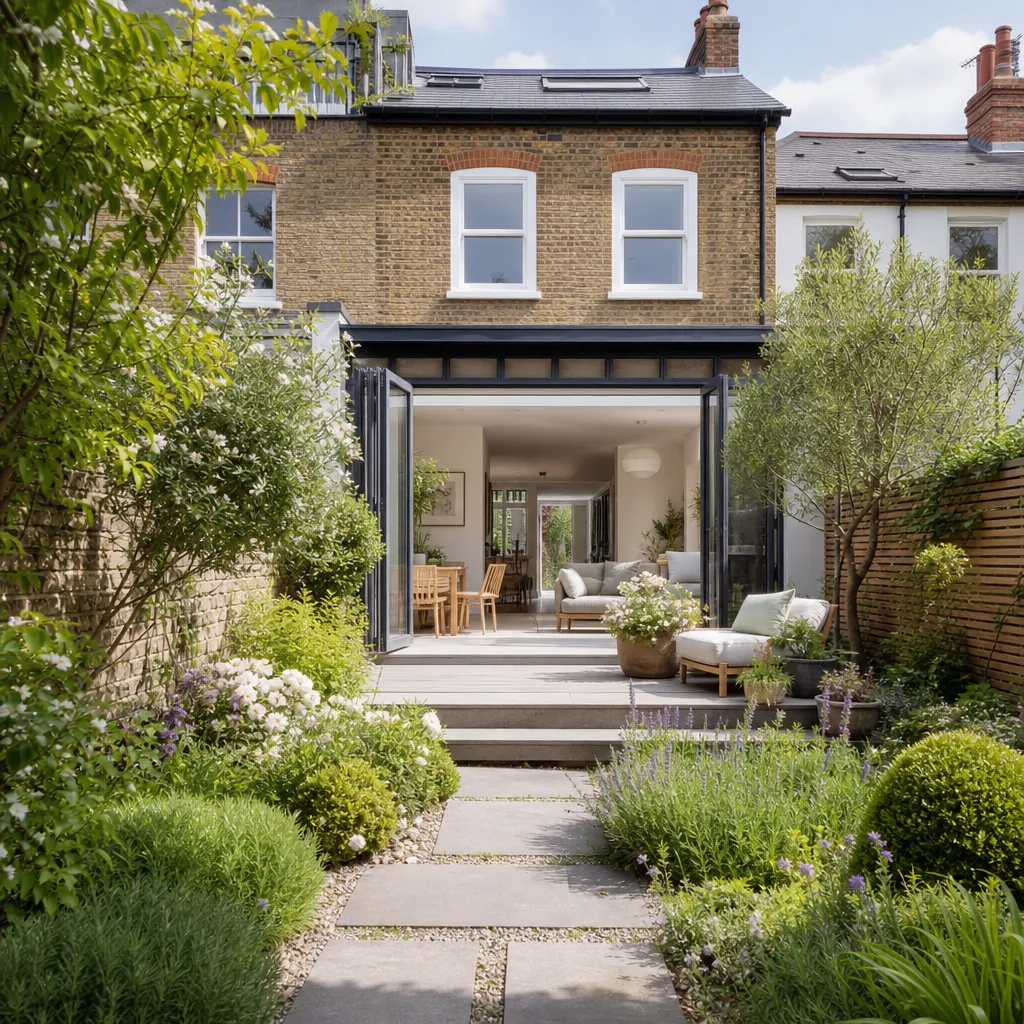 Improvement & Build
Spring Garden Transformations: Design Ideas to Enhance Your UK Property
Spring is the best time to transform a UK garden, with mild temperatures and longer days ideal for planting and landscaping.
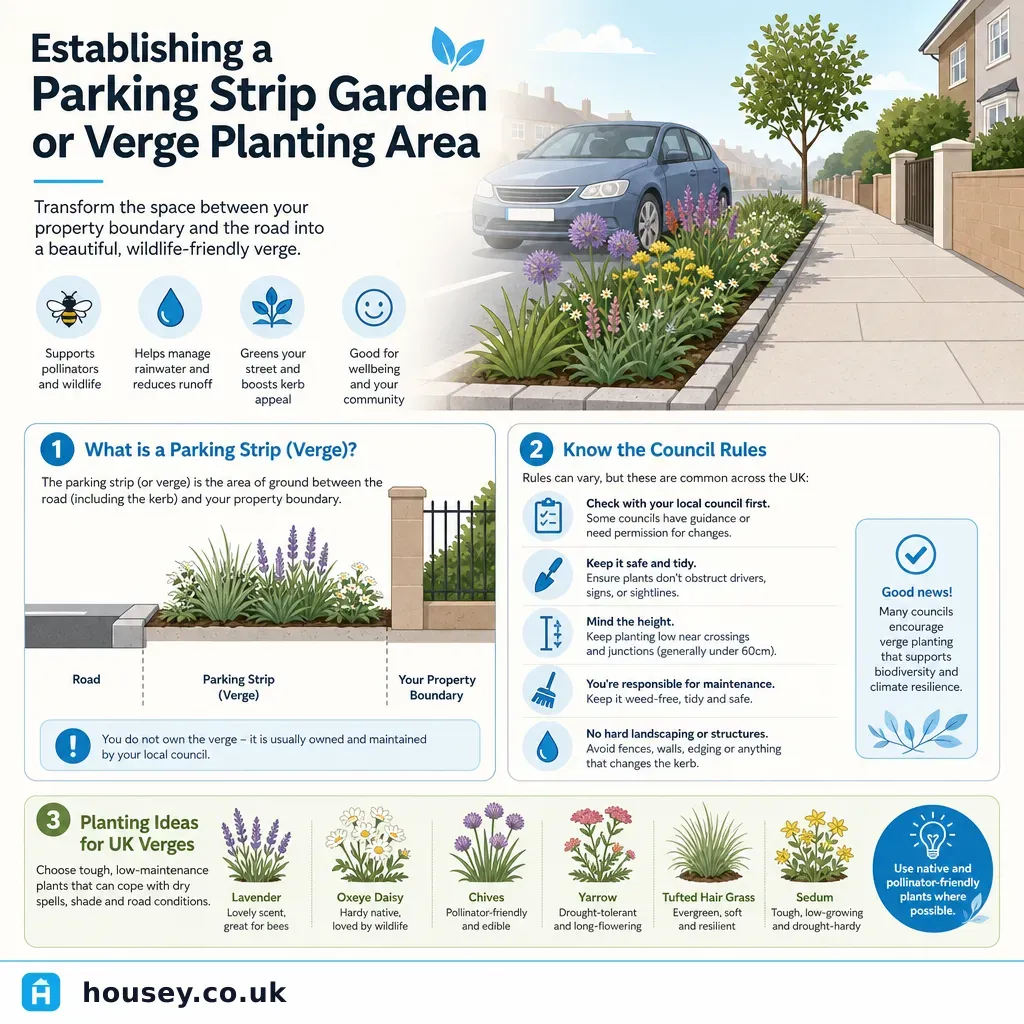 Improvement & Build
Establishing a Parking Strip Garden or Verge Planting Area
A parking strip or verge sits between your garden boundary and the road.