Front Door Painting: Selecting the Right Paint for Exterior Doors
By Housey · Last reviewed 3rd of May 2026
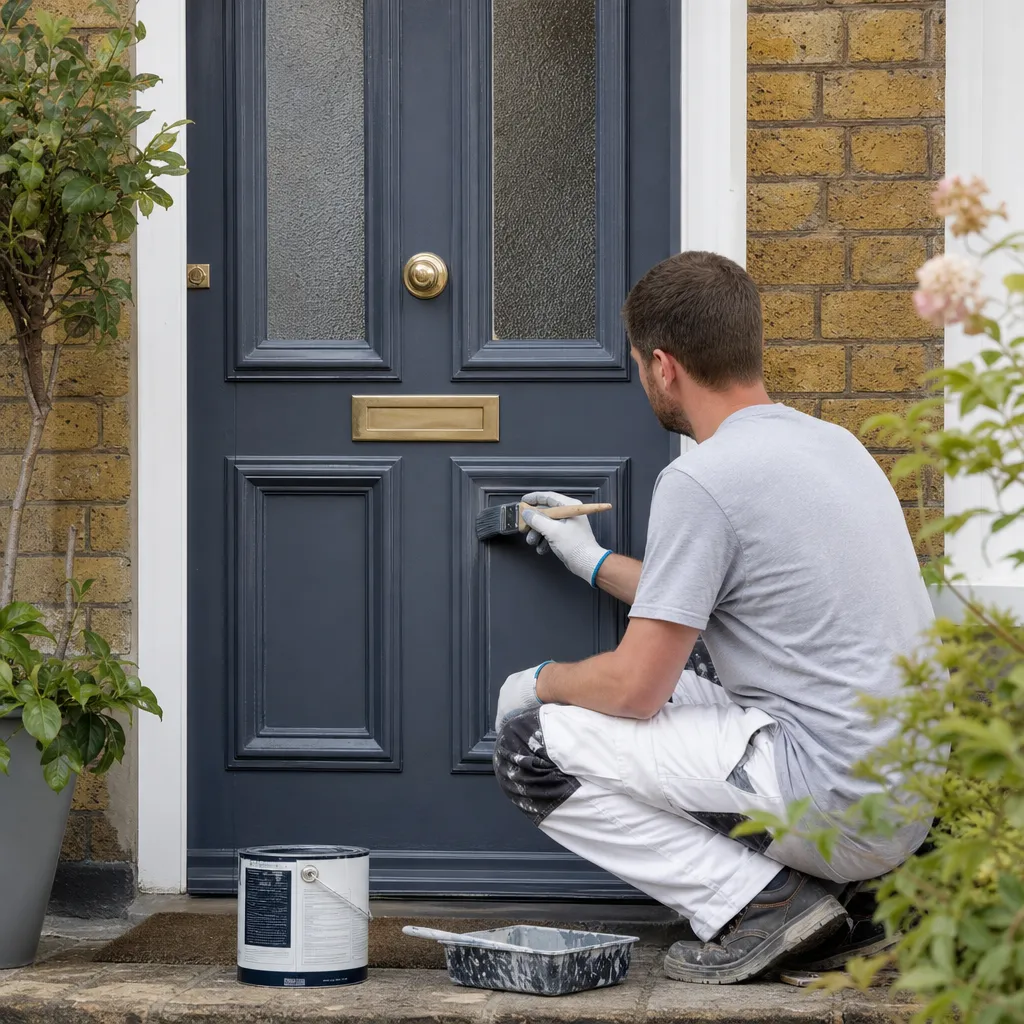
Front Door Painting: Selecting the Right Paint for Exterior Doors
A front door faces a combination of mechanical wear — opening, closing, keys, handles — and full exposure to rain, frost, and UV light throughout the year. The wrong product will chip, fade, or peel within a season, while a well-chosen exterior door paint applied over sound preparation can last a decade or more. This decision comes up most often before a property sale, after a new door installation, or when existing paint is visibly deteriorating.
Key points
- Exterior door paint must be specifically rated for outdoor use — interior gloss or satinwood will fail quickly on an exposed door.
- Oil-based gloss gives a harder, higher-sheen finish; water-based exterior gloss dries faster, cleans up with water, and holds colour better on pale and white shades.
- Bare or stripped timber requires a primer before topcoats — wood primer for oil-based systems, acrylic primer for water-based.
- Composite and GRP doors need a specialist adhesion primer and a paint rated for flexible substrates; standard wood paint may not bond and can crack.
- In conservation areas or on listed buildings, front door colour changes may require planning consent — check with your local planning authority.
Choosing the right paint for your door material
Front doors in the UK are made from timber (softwood or hardwood), composite (timber core with GRP skin), uPVC, or occasionally steel. The material determines the paint system.
Timber doors — softwoods such as pine and meranti, hardwoods such as oak and accoya — accept both oil-based and water-based exterior gloss or satinwood over appropriate primer.
Composite and GRP doors require a specialist adhesion primer and a paint rated for flexible or plastic substrates. Standard wood paints can crack as the skin flexes with temperature. Some manufacturers void warranties if unauthorised paint is applied — check the door maker's guidance before proceeding.
uPVC doors can be painted with specialist uPVC paint (such as Zinsser AllCoat Exterior), but the finish is rarely as durable as a factory colour. Thorough degreasing is essential.
Steel doors need a metal primer and appropriate exterior enamel or oil-based paint.
Door material | Recommended paint system | Finish options | Key preparation |
|---|---|---|---|
Softwood timber | Oil-based or water-based exterior gloss/satinwood | Gloss, satin | Knotting compound on knots, wood primer |
Hardwood timber | Oil-based exterior gloss or hardwood stain | Gloss, satin, semi-transparent | Wash, light sand, compatible primer |
Composite / GRP | Specialist adhesion primer + flexible exterior paint | Gloss, satin | Degrease, light sand — check manufacturer approval |
uPVC | Specialist uPVC paint with adhesion primer | Satin, semi-gloss | Degrease with appropriate solvent |
Steel | Metal primer + oil-based enamel | Gloss | Wire brush, rust treatment if corroded |
Oil-based vs water-based exterior door paint
Oil-based exterior gloss (such as Dulux Trade Weathershield Gloss or Johnstone's Exterior Gloss) produces a very hard, durable film that resists knocks and UV well. Drying time is 12–24 hours between coats, the smell during application is strong, and tools need white spirit. Alkyd whites can yellow over time, particularly in sheltered positions with limited UV.
Water-based exterior gloss or satinwood (including Farrow & Ball Exterior Eggshell, Little Greene Intelligent Exterior Eggshell, and Fired Earth Exterior Gloss) dries in 2–4 hours between coats, cleans up with water, and retains colour better on pale shades. Modern formulations have narrowed the hardness gap with oil-based products considerably.
For most timber front doors, a quality water-based exterior satinwood or gloss is the practical choice. Oil-based gloss remains the benchmark for maximum hardness and sheen depth.
Surface preparation
1. Remove ironmongery where possible. Take off letterboxes, knockers, and handles; mask what cannot be removed.
2. Clean the door. Wash with sugar soap or a degreaser to remove pollution, grease, and any mould or mildew. Rinse and allow to dry fully.
3. Sand the surface. For sound existing paint, a light sand with 120–180 grit paper provides a key. If paint is flaking or heavily built up, strip to bare wood with a heat gun or chemical stripper.
4. Treat bare timber. Apply knotting compound to visible knots (oil-based systems). Fill any cracks with exterior wood filler and sand flush when dry.
5. Prime. Wood primer for oil-based systems; water-based acrylic primer for water-based topcoats. Sand lightly when dry before topcoats.
What to ask before hiring a decorator for your front door
- What paint system do you recommend for this door material, and why?
- Is the existing paint sound enough to paint over, or does it need stripping?
- Will you remove the door furniture, or mask it in place?
- How many coats will be applied, including primer?
- What brand and product will you use, and can I see the product data sheet?
- Is VAT included in your quote?
- How long before I can use the door normally after the final coat?
- Will you paint all four edges, including top and bottom?
How long does front door paint last?
On a timber door with good preparation, two topcoats of quality exterior paint typically last 5–10 years. South- and west-facing doors bearing UK prevailing weather will generally see earlier failure than sheltered positions. Composite door paint systems tend to be less durable than the original factory finish and may need repainting within 3–5 years. Regular cleaning and prompt touch-ups to chips significantly extend the finish life.
When to get professional help
Painting a front door is manageable as a DIY project when the door is in sound condition and existing paint is adhering well. If the door has multiple layers of flaking paint, bare patches, rot, or damaged timber, a professional decorator will achieve a better result. For composite or GRP doors where the manufacturer's warranty may be affected, check with the door supplier before proceeding.
How Housey can help
If your front door needs more than a repaint — perhaps it is draughty, damaged, or approaching the end of its service life — Housey can help you request quotes from local window and door installers who can advise on replacement options alongside decorating work.
Frequently asked questions
Can I paint a composite front door?
Yes, but use a specialist adhesion primer and a paint formulated for GRP or flexible substrates. Standard wood paint may not bond correctly and can crack as the door skin flexes with temperature changes. Always check with the door manufacturer first — some warranties are affected by unauthorised painting.
What sheen level is best for a front door?
Full gloss or satin are the most popular choices. Gloss gives a traditional, high-sheen finish and is very hardwearing. Satin offers similar durability with a softer, more contemporary look. Eggshell and matte finishes are rarely recommended for front doors as they are less resistant to moisture and harder to wipe clean.
How many coats of paint does a front door need?
Usually one primer coat plus two topcoats. On stripped or bare wood, an additional undercoat between primer and topcoats improves coverage. On a previously painted door in sound condition, one self-priming coat plus one topcoat can be sufficient, though two topcoats give a more durable and even result.
Do I need to remove the door to paint it?
No, most front doors are painted in situ. Removing the door does allow easier access to all edges — particularly the top and bottom, which are often neglected and are key moisture entry points on timber doors. If the door is swollen or sticking, removal also provides an opportunity to plane the edges before repainting.
Sources and further reading
- Planning permission for home alterations — GOV.UK
- Technical guidance on painting historic windows and doors — Historic England
- Which? guide to exterior paint products — Which?
- Windows and glazing guidance — Energy Saving Trust
Useful next reads
 Improvement & Build
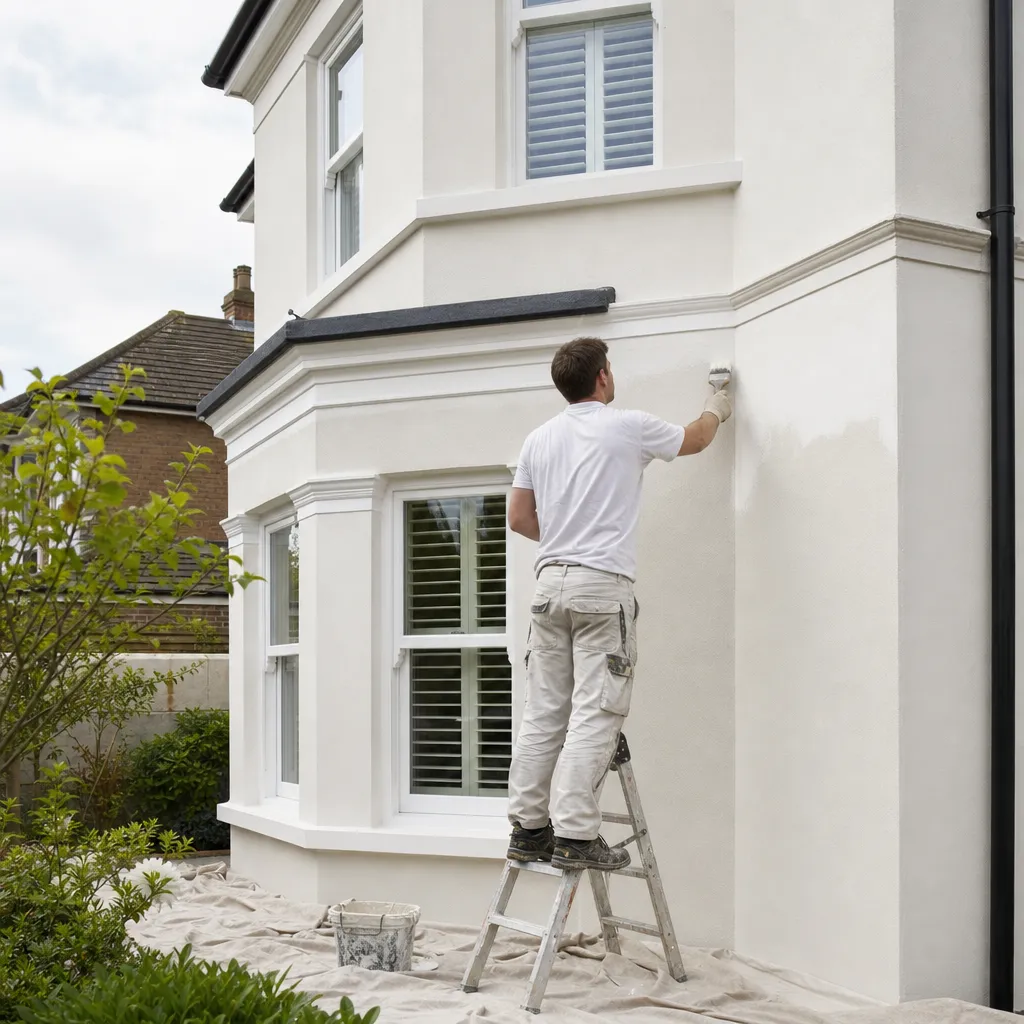
Painting Rendered Exterior Walls: Best Product Selection and Application
For rendered exterior walls, choose a flexible microporous masonry paint that allows moisture vapour to escape while blocking liquid water.
 Improvement & Build
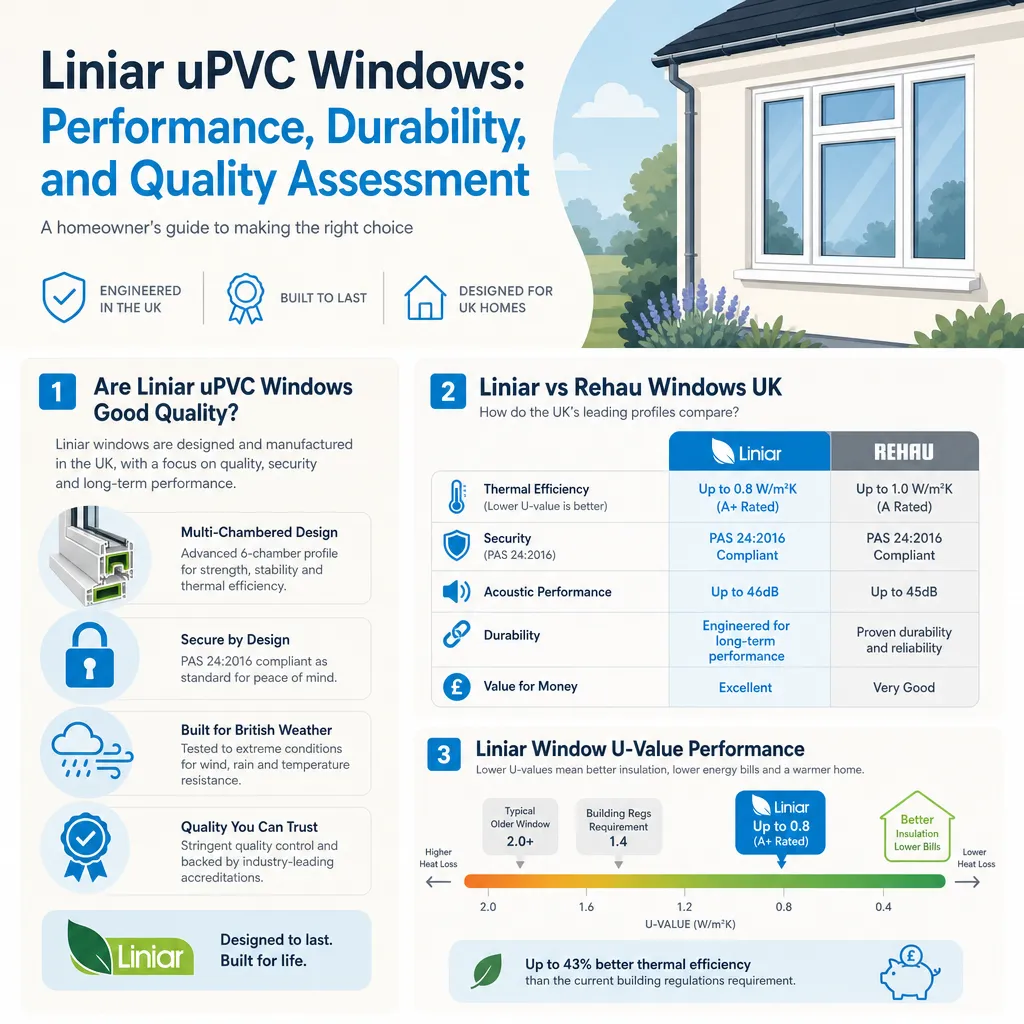
Liniar uPVC Windows: Performance, Durability, and Quality Assessment
Liniar uPVC window profiles are manufactured in the UK using multi-chambered, foamed frames.
 Improvement & Build
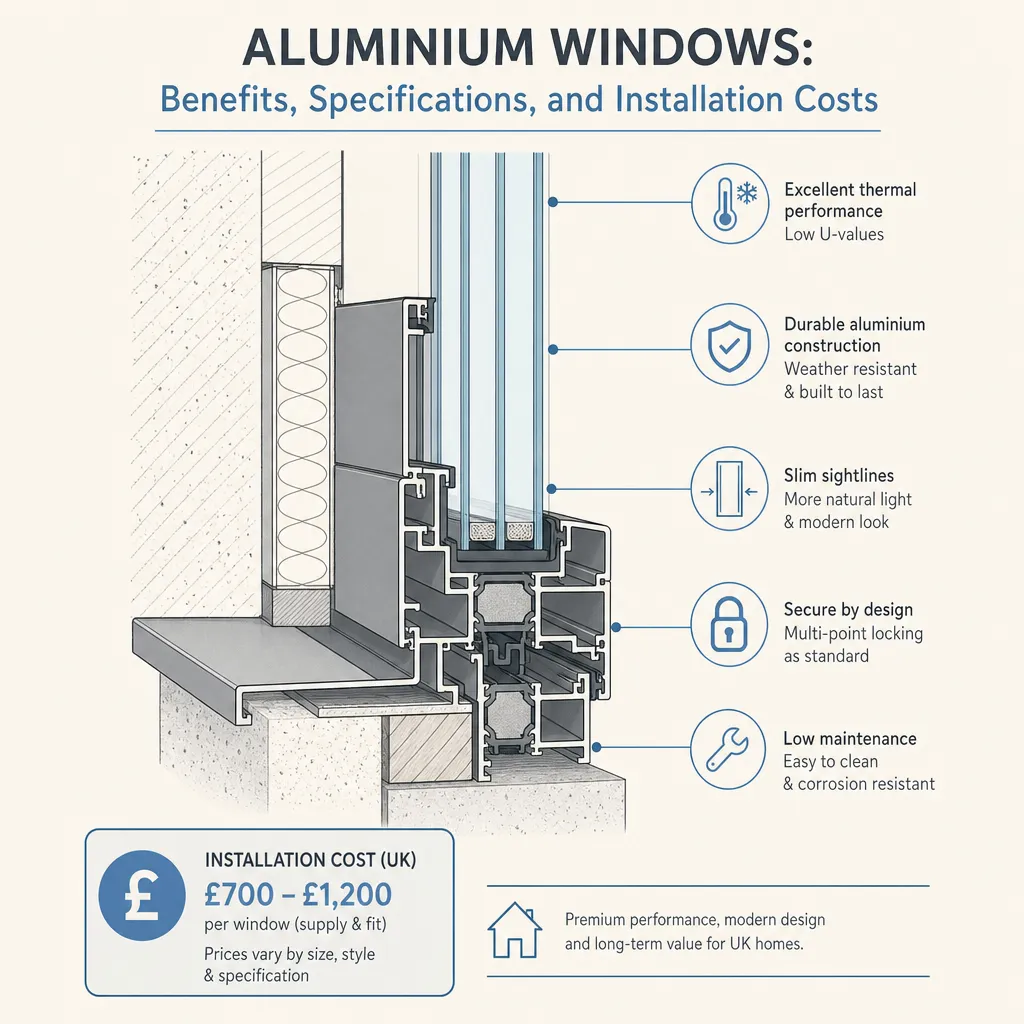
Aluminium Windows: Benefits, Specifications, and Installation Costs
Aluminium windows typically cost £600–£1,800 per window installed in the UK, depending on size and specification.
 Improvement & Build
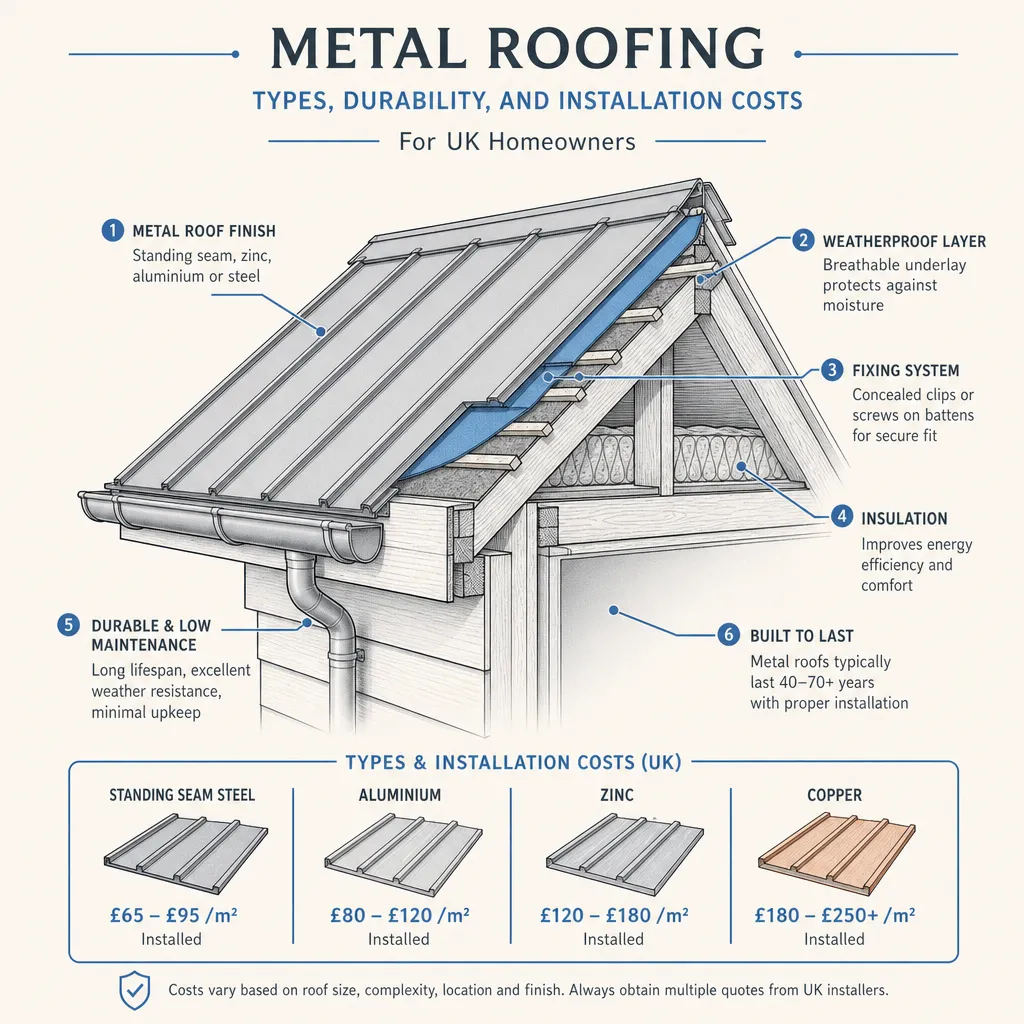
Metal Roofing: Types, Durability, and Installation Costs
Metal roofing in the UK includes standing seam, corrugated sheet, and metal tile systems in steel, aluminium, zinc, or copper.
 Improvement & Build
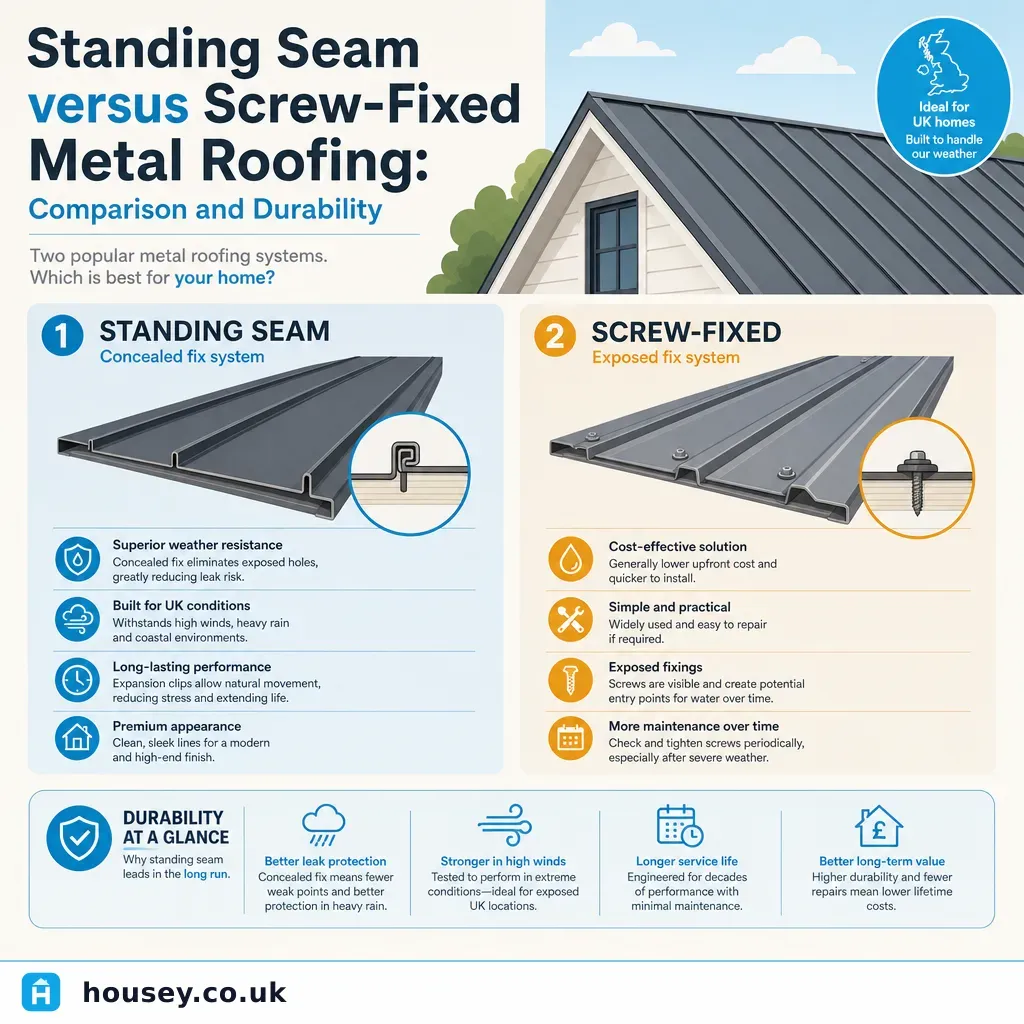
Standing Seam versus Screw-Fixed Metal Roofing: Comparison and Durability
Standing seam uses concealed clips to hold panels, keeping all fasteners out of the weatherline and giving a design life of 40–60 years or more.