Painting Rendered Exterior Walls: Best Product Selection and Application
By Housey · Last reviewed 3rd of May 2026
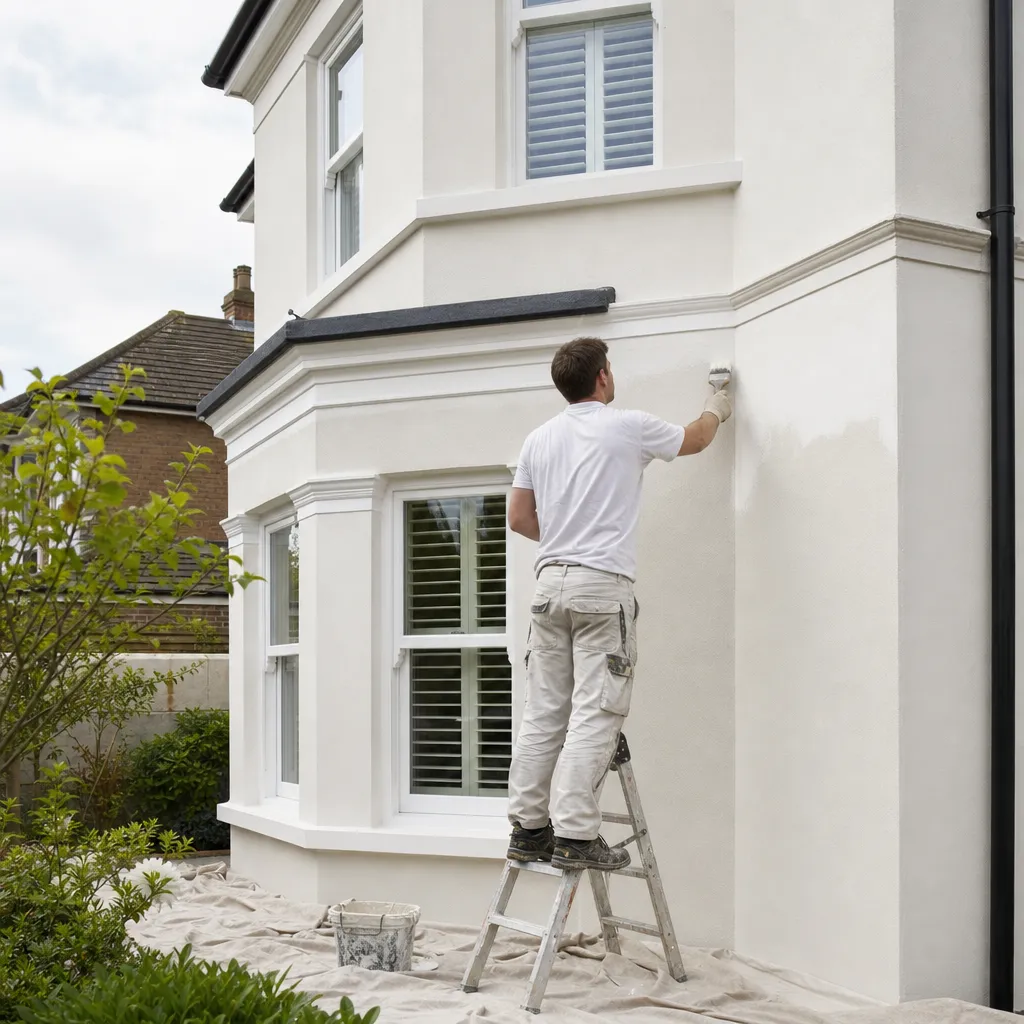
Painting Rendered Exterior Walls: Best Product Selection and Application
Exterior render is one of the most exposed surfaces on a UK home, facing wind-driven rain, frost, and UV degradation throughout the year. Choosing the wrong paint — or skipping thorough preparation — can lead to flaking, damp ingress, or persistent staining within just a few seasons. This question most often arises after render repairs, during a full exterior refresh, or when existing paint is beginning to visibly fail.
Key points
- Flexible microporous masonry paint is the standard recommendation for rendered walls — it allows moisture vapour to escape while blocking liquid water ingress.
- New render must cure for at least four weeks (ideally six) before painting; applying paint too early traps moisture and causes premature failure.
- Lime render must be painted with a breathable product — a lime-based paint or silicate mineral paint — not a standard impermeable masonry coating.
- A stabilising solution is required on chalky or powdery existing render before painting; skipping this is one of the most common causes of poor adhesion.
Which paint type suits your render?
The render type on your home determines the correct paint system. Most UK homes built after 1950 have sand-and-cement render; newer properties often have polymer-modified or acrylic render. Pre-war homes and rural cottages more commonly have lime render, which demands a breathable coating.
Microporous masonry paint (such as Sandtex Trade Smooth Masonry, Dulux Weathershield, or Johnstone's Stormproof) suits sand-and-cement and polymer renders. These water-based formulations include flexibility agents to resist hairline cracking as the render moves seasonally.
Lime render must be coated with a breathable product — lime paint, silicate (mineral) paint, or a microporous masonry paint specifically rated breathable. An impermeable coating over lime render prevents moisture from escaping and can cause delamination.
Acrylic render is sometimes left unpainted; if overpainting, check the render system manufacturer's guidance before selecting a masonry paint.
Render type | Recommended paint type | Key property | Avoid |
|---|---|---|---|
Sand-and-cement | Microporous masonry paint | Flexibility, water-shedding | Solvent-based gloss or oil-based coatings |
Lime render | Lime paint or silicate mineral paint | Breathability | Any impermeable coating |
Pebbledash | High-build or textured masonry paint | Adhesion, gap-filling | Thin-film products |
Acrylic/polymer render | Check manufacturer specification first | Compatibility | Generic masonry paint without testing |
Tyrolean/thrown render | Masonry paint with stabilising primer | Penetration into texture | Brush-only application |
Surface preparation
Poor preparation causes the majority of exterior paint failures.
Clean thoroughly. Remove algae, lichen, and moss with a biocidal wash, following HSE guidance on dilution and dwell time. Use low pressure on older or lime-based finishes.
Repair cracks. Hairline cracks under 0.3 mm may be bridged by flexible masonry paint. Larger cracks should be cut out, filled with compatible exterior filler or repair mortar, and left to cure. Structural cracks — stepped, wide, or recurring — need professional assessment before any decorative treatment.
Stabilise powdery surfaces. Apply a diluted PVA stabiliser or proprietary stabilising primer to any friable or chalky areas. Allow to dry fully — at least 4–6 hours; check the datasheet.
Prime bare patches. On new or repaired render, apply a primer coat or a diluted first coat (10–20% dilution with water, per product instructions) before full topcoats.
Application: process and best practice
- Temperature: Paint between 5 °C and 25 °C in dry conditions. Avoid direct strong sunlight, which can cause the surface to skin before the paint penetrates.
- Tools: Use a masonry brush or thick-nap roller (18–20 mm pile) on textured surfaces.
- Coats: Two full topcoats, allowing 4–6 hours drying between them (longer in cool or humid weather).
- Coverage: Smooth render: 5–8 m² per litre. Pebbledash or roughcast: as little as 3–4 m² per litre. Add 10% for waste.
- Order of work: Top to bottom, to avoid drips on finished areas.
How long does exterior render paint last?
Quality microporous masonry paint on well-prepared render typically lasts 8–15 years. North-facing walls stay wetter and may develop algae sooner; budget products may fade or crack within five years. A biocidal wash every five to seven years helps extend the life of the finish without full repainting.
Red flags: when painting may not be the right solution
- Widening or recurring cracks — paint does not fix structural or moisture problems; investigate before decorating.
- Damp on interior walls — identify and resolve the moisture source first.
- Hollow-sounding render — tapping reveals debonding from the masonry behind; loose sections must be removed and reinstated before painting.
- Heavy flaking over more than 20–30% of the surface — full removal and repriming will give a better result than painting over.
When to get professional help
Single-storey rendering is manageable from a stepladder for most homeowners. Above two storeys, working at height requires appropriate equipment and risk assessment — this is where an experienced exterior decorator is the better choice. A professional can also identify damp, carbonation, or structural cracking that may not be obvious to the untrained eye. Where render repair is needed alongside painting, a rendering contractor should complete repairs before decoration begins.
How Housey can help
Housey connects UK homeowners with vetted local professionals for exterior painting and render maintenance. Use Housey to request quotes from qualified exterior decorators and rendering specialists in your area.
Frequently asked questions
Can I paint straight over old exterior masonry paint?
Usually, yes — provided the existing paint is sound, clean, and not flaking. If the surface is chalky or powdery, apply a stabilising primer first. If the old paint is oil-based and you want to switch to a water-based product, use a compatible primer or check with the paint manufacturer.
Does exterior masonry paint need a primer?
On bare or repaired render, a primer or diluted first coat improves adhesion and penetration. On previously painted surfaces in sound condition, primer is often not required — check the product datasheet. Self-priming masonry paints can reduce the number of coats needed on some surfaces.
What colour should I paint exterior rendered walls?
Lighter colours show less weathering and algae staining over time. In conservation areas or on listed buildings, colour choice may be restricted. Check with your local planning authority before choosing a colour that differs significantly from the existing finish.
How much does it cost to paint exterior rendered walls?
Indicative UK costs, last reviewed 2026-05-03. Professional exterior painters typically charge £300–£600 per day. A typical semi-detached house may require 2–4 days. Materials for a 120 m² house typically cost £150–£350. Obtain at least three quotes and confirm what preparation work is included.
Do I need planning permission to repaint exterior rendered walls?
Repainting in a similar colour generally does not require planning permission. In conservation areas or on listed buildings, a significant colour change may require consent. Contact your local planning authority if you are unsure.
Sources and further reading
- BRE guidance on exterior wall coatings — Building Research Establishment
- Biocidal products: workplace guidance — Health and Safety Executive
- Planning permission for home alterations — GOV.UK
- External wall maintenance guidance — Energy Saving Trust
Useful next reads
 Improvement & Build
Front Door Painting: Selecting the Right Paint for Exterior Doors
For a timber front door, choose a water-based or oil-based exterior gloss or satinwood rated for outdoor use.
 Improvement & Build
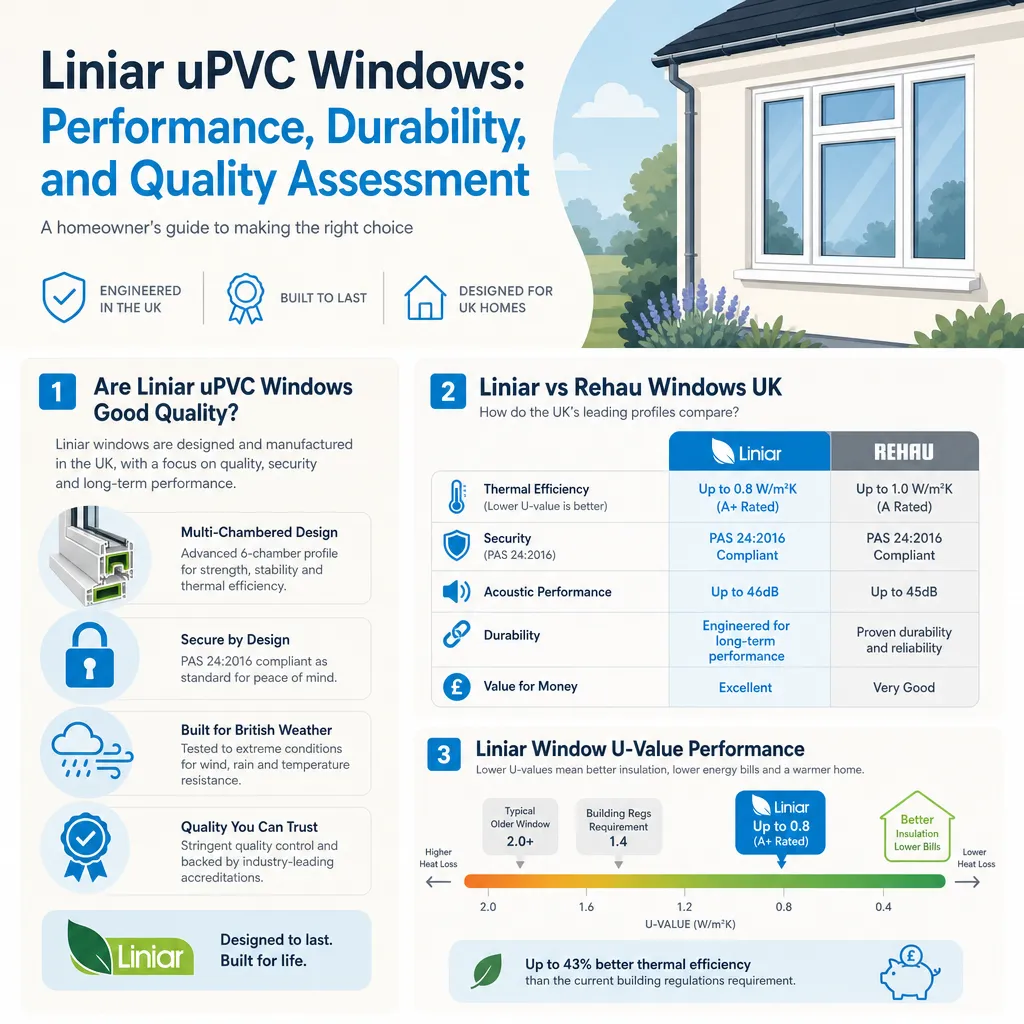
Liniar uPVC Windows: Performance, Durability, and Quality Assessment
Liniar uPVC window profiles are manufactured in the UK using multi-chambered, foamed frames.
 Improvement & Build
Paint Removal with White Spirit: Effectiveness and Application
White spirit dissolves uncured, freshly applied oil-based paints and is useful for cleaning brushes and removing fresh drips, but has very limited effect on fully dried or cured paint films.
 Improvement & Build
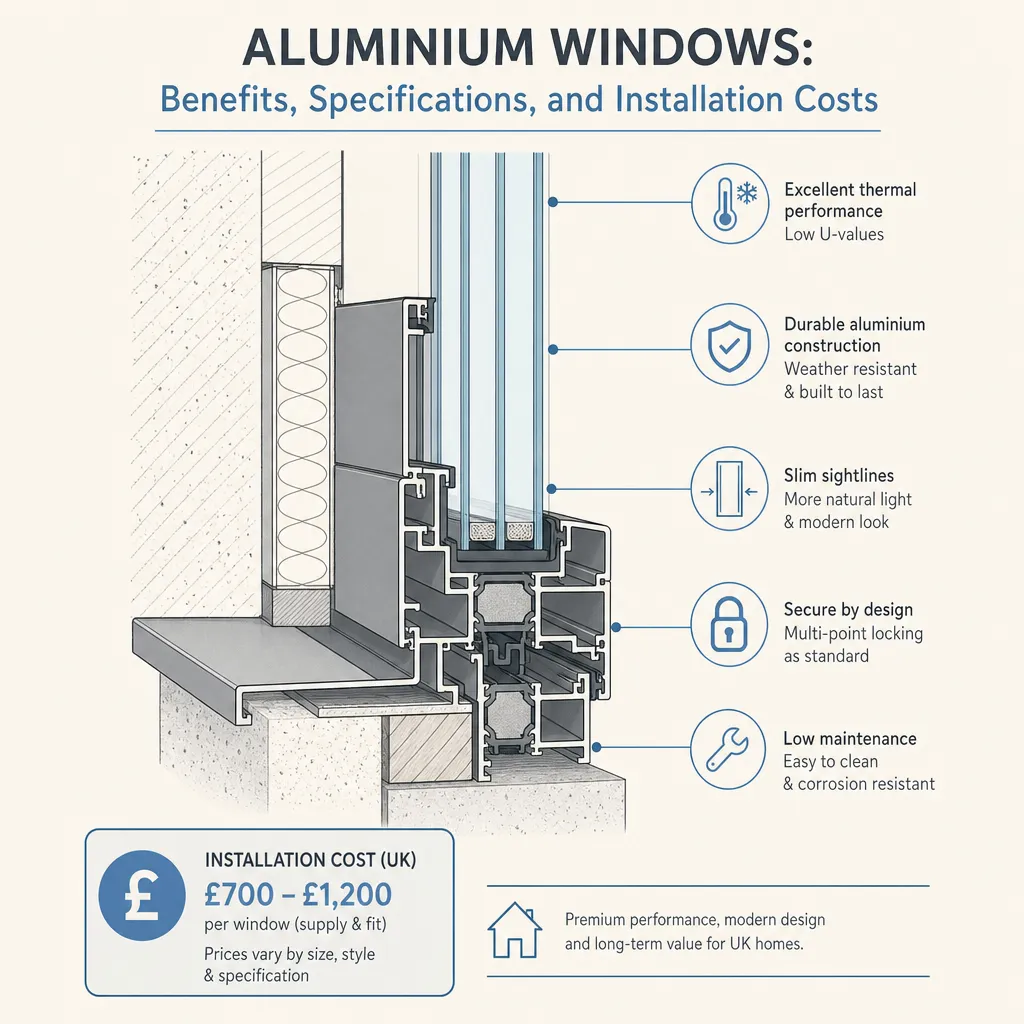
Aluminium Windows: Benefits, Specifications, and Installation Costs
Aluminium windows typically cost £600–£1,800 per window installed in the UK, depending on size and specification.
 Improvement & Build
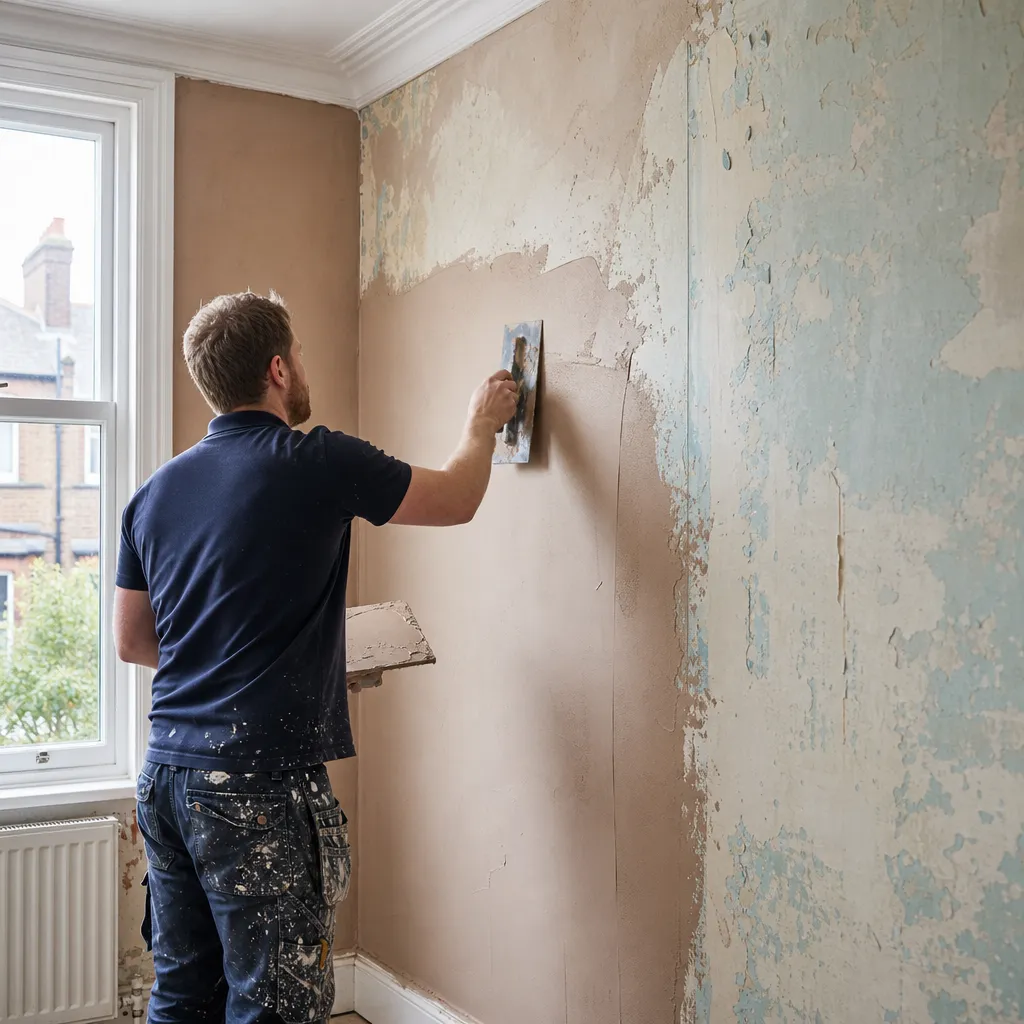
Plastering Over Existing Paint and Wallpaper: Surface Prep and Technique
Whether you can plaster over existing paint or wallpaper depends on surface condition and adhesion.