Garden Bed Preparation and Soil Working Methods
By Housey · Last reviewed 10th of May 2026
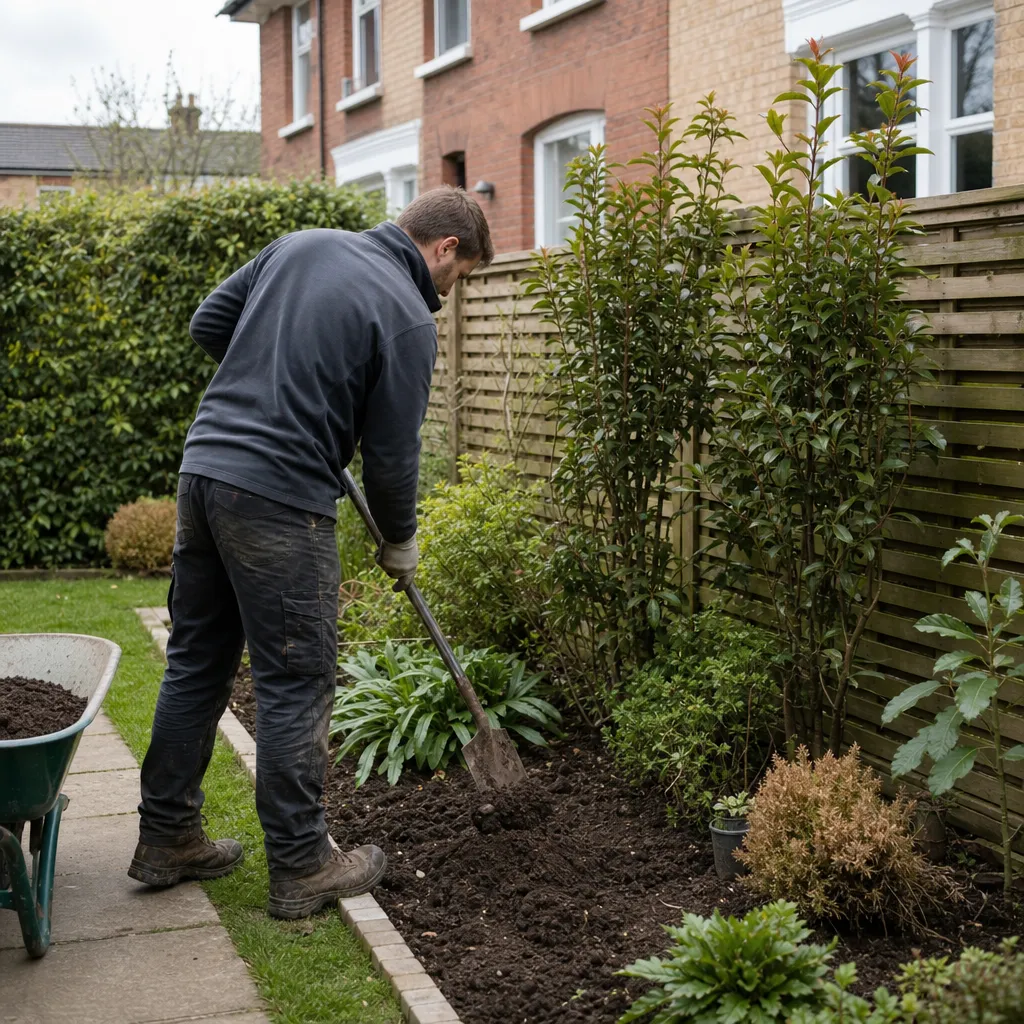
Garden Bed Preparation and Soil Working Methods
Preparing soil correctly makes the difference between plants that thrive and ones that limp through the season. Whether you're turning a patch of lawn into a border, establishing a vegetable plot, or renovating an overgrown bed, the groundwork you put in before planting has a disproportionate effect on long-term results. UK soil conditions vary considerably by region and geology — from the heavy clay of many suburban gardens to the free-draining sandy soils of parts of East Anglia and the chalky ground common across the South Downs — so a one-size approach rarely serves well.
Key points
- Most UK garden plants prefer a soil pH of 6.0–7.0; a simple test kit from a garden centre costs around £5–£10 and removes the guesswork from lime or sulphur applications.
- The RHS recommends incorporating a 5–7.5 cm layer of well-rotted organic matter into new beds, with garden compost or farmyard manure being the most practical sources.
- No-dig gardening — popularised in the UK by grower Charles Dowding — builds soil structure over time without the compaction risks that come from repeated rotovating.
- Clay soils are best worked in autumn when they can be left rough for frost to break clods down over winter; working clay when wet causes lasting structural damage.
- Green manures such as phacelia, mustard, or clover can be sown into empty beds to add nitrogen and organic matter before the main planting goes in.
Understanding your soil type before you start
UK soils broadly fall into six categories: clay, sandy, loam, chalk, peat, and silt. Knowing which you have determines how much preparation is needed and when to do it.
Clay soil holds water and nutrients well but compacts easily, drains poorly in winter, and can bake hard in summer. It benefits most from organic matter additions and autumn cultivation, letting frost do the structural work over the colder months.
Sandy soil drains quickly and warms fast in spring, but loses nutrients and moisture rapidly. Raised beds or heavy organic additions are the most effective interventions. Prepare in early spring to avoid rainfall washing amendments straight through before planting.
Chalky soil is usually free-draining and naturally alkaline (pH 7.5–8.5), which restricts the range of plants you can grow successfully. Repeated additions of acidic organic matter — composted bark, pine needles — gradually lower pH, but this is a multi-year process requiring patience.
Loam — a balanced mix of clay, sand, and silt — is the most workable and easiest to prepare. Even here, organic matter additions improve long-term fertility and structure meaningfully.
A simple soil test, available from most UK garden centres for around £5–£10, will confirm your pH before you invest in amendments.
Soil working methods compared
Method | Best for | Not ideal for | Effort level | Main risk |
|---|---|---|---|---|
Double digging | New beds on compacted ground or hard subsoil | Established beds with reasonable structure | High | Mixing poor subsoil into topsoil if done carelessly |
Single digging | General annual bed preparation | Very compacted or waterlogged ground | Moderate | Bringing weed seeds to the surface |
Rotovating | Large areas prepared quickly | Perennial weed infestations | Low–moderate | Compaction pan if repeated; destroys soil structure over time |
No-dig | All established beds; heavy clay; worm-rich soil | Beds needing immediate planting on severely compacted ground | Low | Slower results in year one where weed burden is high |
Raised bed filling | Heavily contaminated or structurally poor ground | Where budget is limited | Variable | Imported topsoil quality varies; check BSI PAS 100 compost certification |
Which method should you choose?
- Choose no-dig if you have an existing bed with reasonable soil structure, want to preserve earthworm populations and fungal networks, or are dealing with clay soil that risks compaction from repeated cultivation.
- Choose single or double digging if you're breaking ground on a brand new bed for the first time, or the soil is severely compacted from previous construction or heavy vehicle use.
- Choose a rotovator if you're preparing a large area (over 50 m²) that is free from perennial weeds such as bindweed, couch grass, or ground elder. Rotovating a bed infested with these species chops roots into segments that each re-grow, dramatically worsening the problem over the following season.
- Ask a professional landscaper if the area requires machine access, the site is sloped and needs terracing, or you suspect ground contamination from previous land use.
- Check with your local planning authority if the site has previously been used for industrial or commercial purposes — ground investigation may be required before horticultural use begins.
Step-by-step bed preparation checklist
Use this checklist for a new bed or seasonal renovation:
Organic matter: what to use and when
The most common organic additions for UK garden beds include:
- Well-rotted farmyard manure — widely available from farms and garden centres. Must be fully composted (at least 12 months) to avoid scorching plants or introducing pathogens. Fresh manure on vegetable plots should be incorporated in autumn for spring use.
- Garden compost — homemade is ideal; aim for a dark, crumbly, earthy-smelling result. A minimum six-month hot composting period reduces the viability of most weed seeds.
- Green waste compost — commercially produced from recycled organic material. Look for BSI PAS 100 certification for consistent, pathogen-free material when buying in bulk.
- Composted bark or woodchip — best used as a surface mulch rather than incorporated; raw wood chips can temporarily lock up soil nitrogen during decomposition.
- Leaf mould — an excellent soil conditioner made from composted autumn leaves. Takes 12–24 months to fully break down and is free to produce at home from collected garden leaves.
When to get professional help
Most homeowners can handle basic bed preparation for average-sized gardens, but some situations warrant professional involvement:
- The area requires machine digging or rotovating on a scale beyond hand tools.
- You suspect ground contamination — common on former brownfield sites, near old fuel or paint storage, or in Victorian properties with possible lead paint fallout.
- Drainage problems suggest a sub-surface issue such as a clay pan or blocked soakaway that organic matter additions alone will not resolve.
- The garden is on a significant slope requiring terracing, retaining walls, or substantial soil movement.
- You want a complete garden redesign alongside the soil preparation work.
How Housey can help
If your project goes beyond a weekend's digging, connecting with a vetted local landscaper through Housey can save time and effort on larger bed preparation jobs. For projects that involve redesigning a space as well as improving the soil, a garden designer can produce a planting scheme suited to your specific soil conditions and site before groundwork begins.
Frequently asked questions
How deep should I dig a new garden bed?
For most ornamental and vegetable planting, single digging to one spade's depth (approximately 25–30 cm) is sufficient. Double digging to two spade depths (50–60 cm) is only warranted where subsoil is severely compacted and drainage is genuinely poor. Over-digging risks bringing infertile subsoil to the surface, reducing fertility in the top growing layer.
Can I use topsoil bought from a builder's merchant for new beds?
You can, but quality varies considerably. Look for topsoil meeting BS 3882:2015 grading — Grade A for growing, Grade B for general landscaping. Ask for a certificate or analysis; some bulk topsoil contains construction debris, weed seeds, or high clay content. Blending with compost usually improves both structure and fertility before planting.
When is the best time to prepare beds in the UK?
Autumn is traditional for heavy clay soils, allowing frost to break down clods over winter. Spring (March–April) suits free-draining sandy soils better. For no-dig beds using a cardboard and compost sheet mulch, you can start at any time of year, with spring or autumn being most practical for most homeowners.
Do I need to add fertiliser at the same time as compost?
Not necessarily. Organic matter amendments release nutrients slowly and often provide adequate fertility for establishment. If a soil test indicates specific deficiencies, targeted amendments — fish, blood and bone for nitrogen and phosphorus, or sulphate of potash for potassium — can be added at digging time. Follow pack rates carefully to avoid over-application.
Will rotovating spread my weeds?
Yes, for perennial species with fleshy roots — bindweed, couch grass, and ground elder in particular. Each root fragment can re-grow into a new plant. Hand-removing perennial weeds before rotovating is essential, or consider smothering the area with black plastic for a full growing season first.
Sources and further reading
- Soil preparation — Royal Horticultural Society
- Soil types — Royal Horticultural Society
- No-dig gardening — Royal Horticultural Society
- BSI PAS 100:2018 specification for composted materials — BSI Group
- BS 3882:2015 topsoil specification — BSI Group
Useful next reads
 Improvement & Build
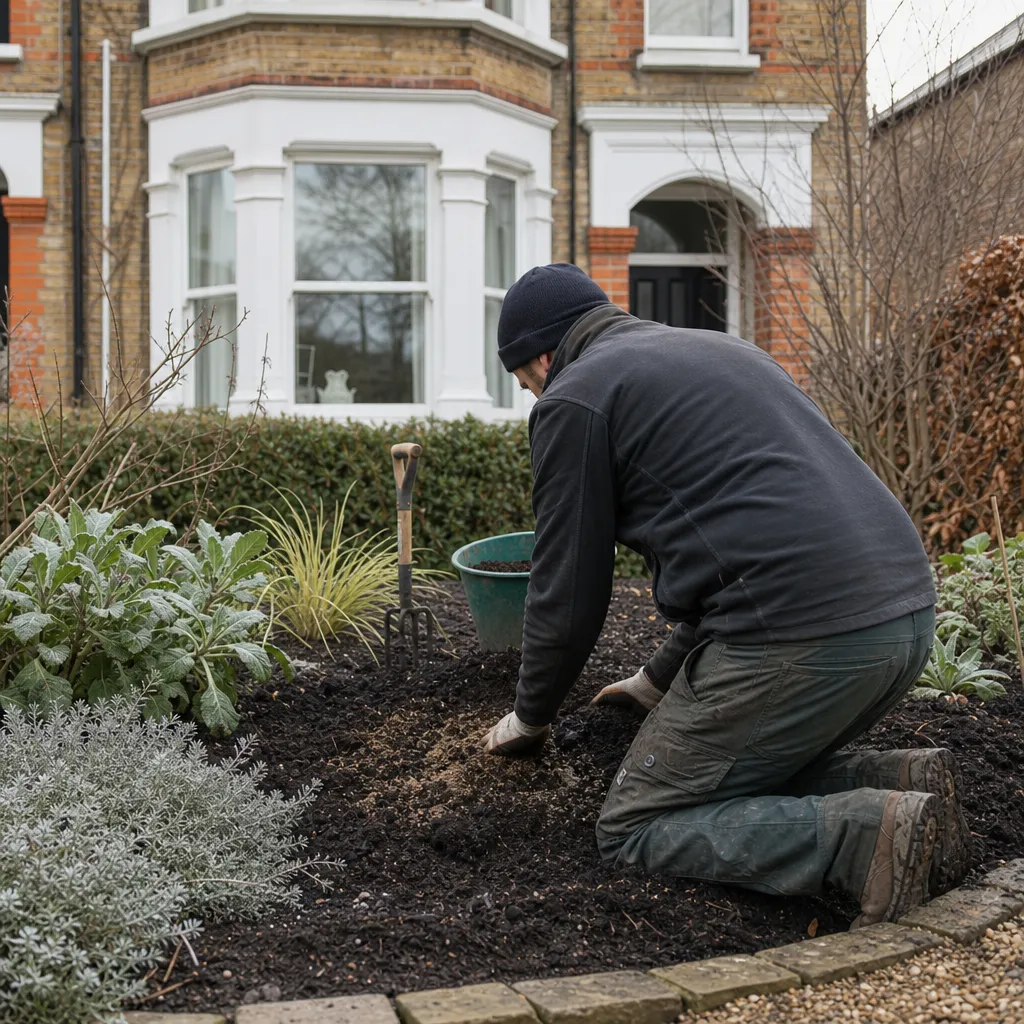
Winter Garden Soil Improvement and Preparation
Winter is an ideal time to improve garden soil in the UK because beds are largely clear of crops.
 Improvement & Build
Selecting a Concrete Paving Specialist: Key Questions to Ask
When selecting a concrete paving specialist, check whether your planned surface requires planning permission — in England, impermeable driveways over 5 m² usually need consent unless drainage is properly managed.
 Improvement & Build
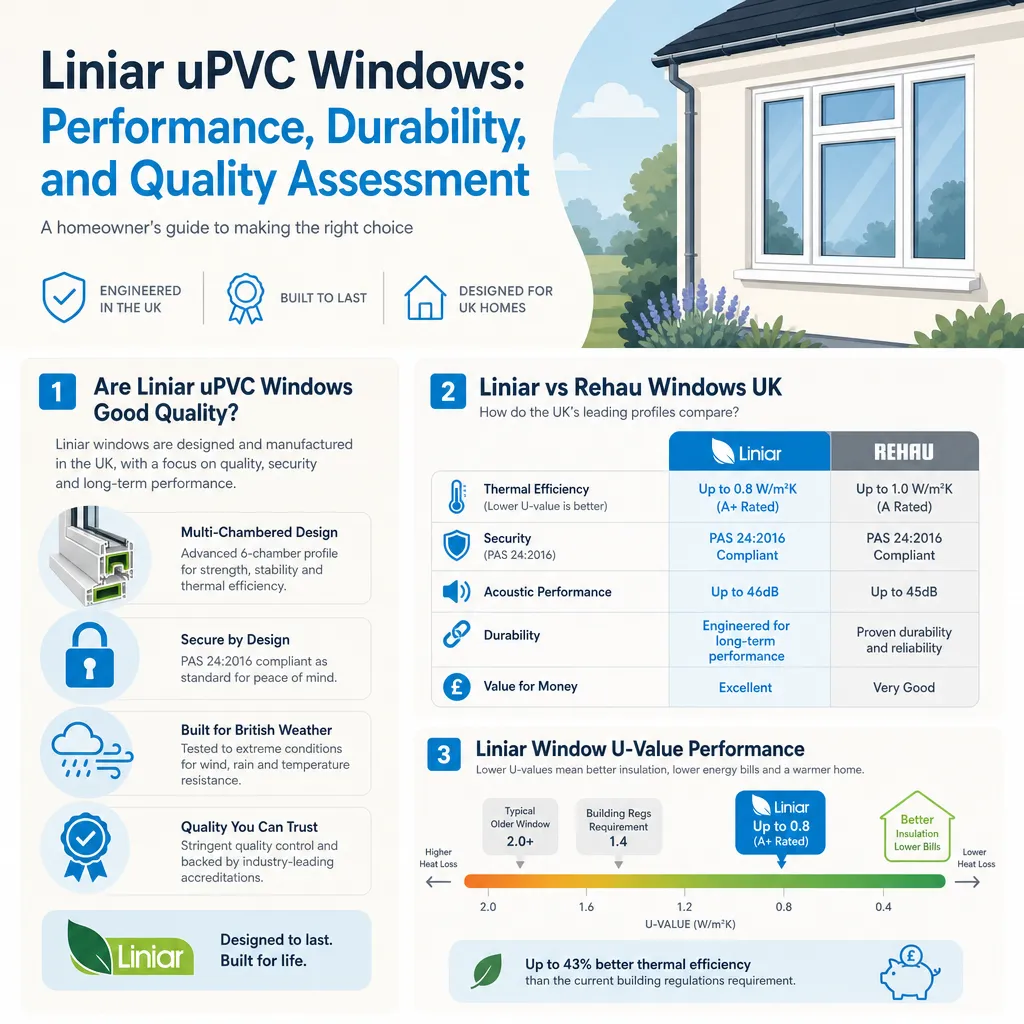
Liniar uPVC Windows: Performance, Durability, and Quality Assessment
Liniar uPVC window profiles are manufactured in the UK using multi-chambered, foamed frames.
 Improvement & Build
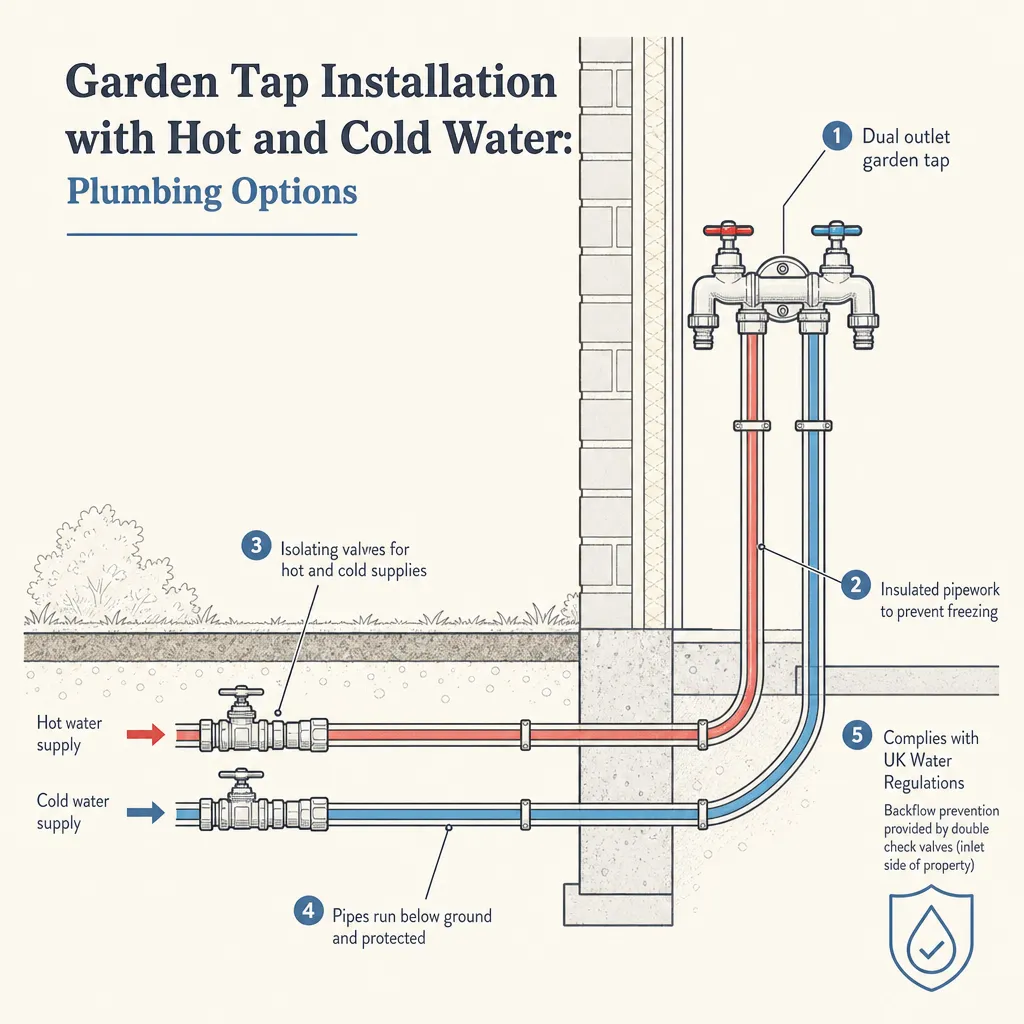
Garden Tap Installation with Hot and Cold Water: Plumbing Options
Adding a cold garden tap is a common DIY project, but routing hot water outdoors requires a plumber to connect to your domestic hot water system and comply with the Water Supply (Water Fittings) Regulations 1999.
 Improvement & Build
Sealing and Maintaining Historic Leaded Glass Windows: Preservation and Performance
Leaded glass windows are maintained using traditional linseed oil cement — not silicone or modern sealants, which prevent natural movement in the lead came.