Garden Summerhouse Construction Costs
By Housey · Last reviewed 11th of May 2026
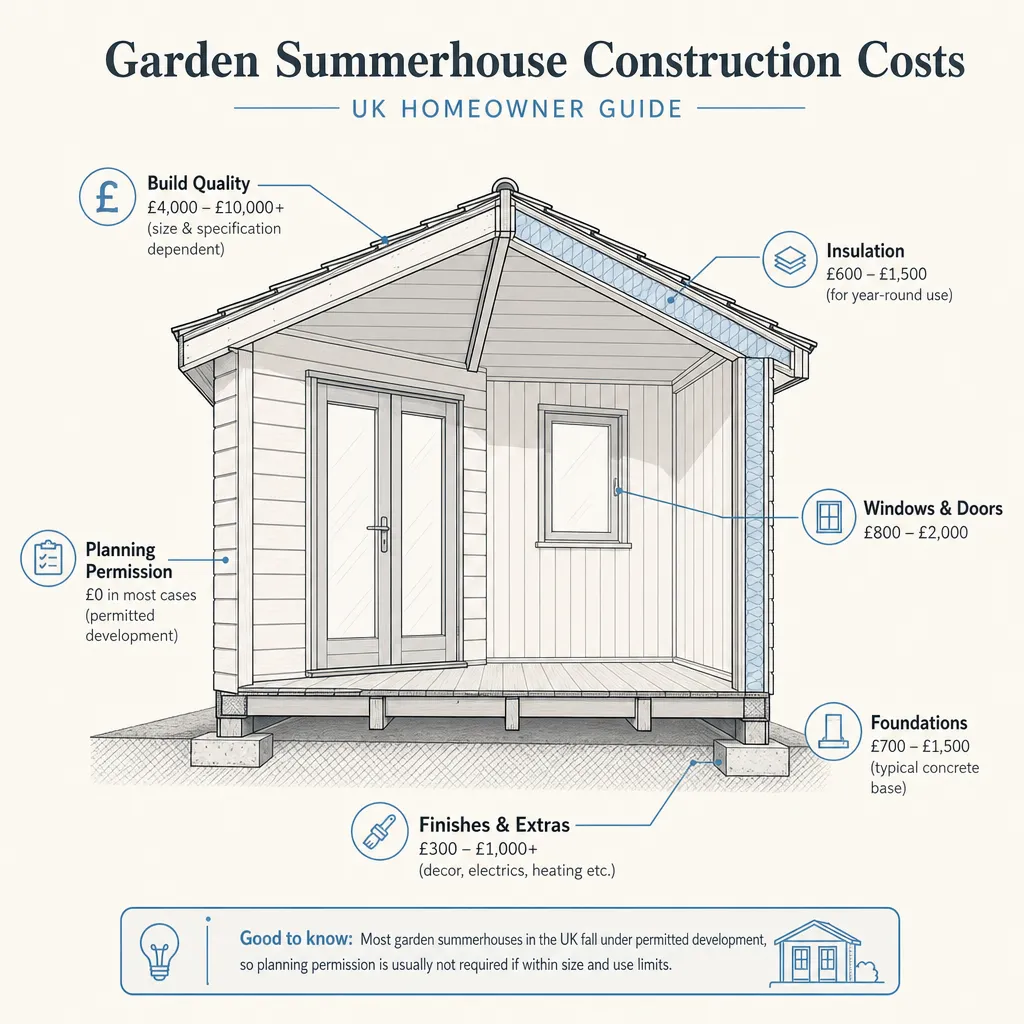
Garden Summerhouse Construction Costs
A garden summerhouse offers UK homeowners a purpose-built space outside the main dwelling — useful as a home office, hobby room, playroom, or seasonal retreat. Deciding how much to spend involves balancing size, construction quality, and whether year-round use is needed. Understanding the planning rules that apply to your specific property before ordering avoids costly delays or, in the worst case, an enforcement notice after the structure is already built.
Key points
- Most summerhouses in England qualify as permitted development if they are single-storey, have an eave height no greater than 2.5m and an overall height no greater than 4m (dual-pitched roof) or 3m (any other roof type), and the combined footprint of all outbuildings does not exceed 50% of the garden curtilage.
- Planning permission is required if the property is a listed building, in a conservation area, a national park, or an Area of Outstanding Natural Beauty (AONB), regardless of the structure's size.
- A small prefabricated timber summerhouse (approximately 2.5m × 2.5m) typically costs £2,000–£5,000 supplied and installed; a larger bespoke insulated garden room (4m × 5m+) can reach £15,000–£30,000 (Indicative UK costs, last reviewed 2026-05-11).
- Building regulations do not generally apply to single-storey leisure summerhouses with a floor area under 15m²; structures with habitable use, sleeping accommodation, or mains electrical installations may require building control approval.
- Adding mains electricity must be carried out by a Part P registered electrician and typically costs an additional £800–£2,000 for cabling, sockets, and a consumer unit.
What affects garden summerhouse costs?
Several factors drive the cost range for UK summerhouse projects:
Size and footprint: A 2m × 2m structure is fundamentally different from a 6m × 4m garden room. Larger structures require more materials, heavier groundworks, and often more complex roofing details.
Construction method: Prefabricated flat-pack timber kits are the most affordable route. Purpose-built timber-frame structures cost more but offer greater layout flexibility. SIP (structurally insulated panel) construction and log cabin styles sit at the higher end.
Insulation and glazing: Standard uninsulated summerhouses suit seasonal use only. Achieving year-round comfort requires insulated walls, floor, and roof, plus double-glazed units — typically adding 30–50% to the base structure cost.
Base and groundworks: A level concrete slab or timber frame base is normally required. On sloping or soft ground, groundworks can add £500–£3,000 to the project cost.
Electrics and utilities: A dedicated circuit from the house with sockets, lighting, and a consumer unit typically adds £800–£2,000. Water and drainage connections increase cost further and may require building control notification.
Access and location: Restricted sites — steep gardens, narrow side gates, or no vehicle access — increase installation costs and may limit which suppliers will take on the job.
Summerhouse types and typical UK costs
Type | Typical size | Approximate installed cost | Best for | Not ideal for |
|---|---|---|---|---|
Standard prefabricated timber kit | 2m × 2m to 3m × 3m | £2,000–£6,000 | Budget, seasonal use | Year-round comfort, larger spaces |
Mid-range insulated summerhouse | 3m × 3m to 4m × 4m | £6,000–£12,000 | Home office, year-round hobby room | Very large footprints |
Bespoke timber-frame garden room | 4m × 4m to 6m × 5m | £12,000–£25,000 | Year-round office, premium finish | Tight budgets |
Log cabin style | 4m × 4m to 6m × 6m | £8,000–£20,000 | Aesthetic appeal, moderate insulation | Maximum thermal performance |
SIP panel garden room | 3m × 4m to 6m × 5m | £15,000–£30,000+ | Maximum insulation, airtight build | Highest upfront cost |
Indicative UK costs, last reviewed 2026-05-11. Costs exclude electrics, drainage, and internal furnishing unless stated. Obtain at least three quotes before committing.
Planning permission and permitted development
Under Schedule 2, Part 1, Class E of the Town and Country Planning (General Permitted Development) (England) Order 2015, garden buildings including summerhouses are usually permitted development if:
- They are single-storey
- The maximum eave height does not exceed 2.5m
- The maximum overall height does not exceed 4m (dual-pitched roof) or 3m (any other roof type)
- The building is within the curtilage of a dwellinghouse and is not forward of the principal elevation
- The total footprint of all outbuildings does not exceed 50% of the total garden area, excluding the footprint of the original house
- The building is not used as separate living accommodation
These permitted development rights do not apply to:
- Listed buildings (Listed Building Consent required regardless of size)
- Properties in conservation areas, national parks, AONBs, or World Heritage Sites — in these designations, a structure must be more than 20m from the house and no larger than 10m² to benefit from permitted development rights
- Sites where Article 4 Directions have removed permitted development rights
The rules for Wales, Scotland, and Northern Ireland differ from the England GPDO. Check with your local planning authority if your property is outside England.
Do summerhouses need building regulations approval?
For most leisure summerhouses in England:
- Under 15m² floor area: Building regulations do not apply if the structure is single-storey and contains no sleeping accommodation.
- 15–30m² floor area: Building regulations do not apply if the building is at least 1m from any boundary.
- Over 30m²: Building regulations approval is likely required.
Building regulations may also be triggered by mains electrical installations (Part P), gas appliances (Part J), structural connections to the main house, or if the building is intended for habitable use. If in doubt, contact your local authority building control department before construction begins.
Homeowner checklist before commissioning a summerhouse
What to ask suppliers and builders before accepting a quote
- What exactly is included — supply only, or supply and installation?
- Who carries out the groundworks and base preparation, and is this included in the price?
- What timber treatment is used, and what is the manufacturer's warranty period?
- What are the insulation specifications (U-values for walls, floor, and roof) if year-round use is intended?
- Who will install any electrical connections, and are they Part P registered?
- What are the lead times for manufacture, delivery, and installation?
- Is VAT included in the quoted price?
- What aftercare or warranty is provided if the structure develops issues after installation?
When to get professional help
For most standard summerhouses, a reputable garden building supplier and a qualified electrician are sufficient. Consider specialist input if:
- Your property is listed, in a conservation area, or in a national park — a planning consultant can advise before you commit to a design
- The site has significant slope, poor drainage, or soft ground — a builder or structural engineer should advise on suitable foundations
- The intended use is habitable, including sleeping accommodation or regular occupation — building regulations almost certainly apply
- The structure is close to a boundary and you are uncertain about boundary or neighbour notification implications
How Housey can help
Housey can connect you with landscapers who can prepare the site, lay the base, and integrate the summerhouse into your wider garden scheme, and with garden designers who can advise on siting, orientation, and how the structure will work within your outdoor space before you commit to a design or position.
Frequently asked questions
Does a summerhouse add value to my property?
A well-built, insulated summerhouse or garden room can increase buyer appeal, particularly if it functions credibly as a home office or studio. Estate agents generally suggest a high-quality garden room may add 5–10% to property value, though this depends on location, size, and specification. A poorly constructed or oversized outbuilding can be a neutral or negative factor for some buyers and mortgage surveyors.
Do I need planning permission for a summerhouse?
Most summerhouses in England do not need planning permission if they meet the permitted development size and height conditions. You will need planning permission if your property is listed, in a conservation area, or in a national park or AONB, or if the proposed structure exceeds permitted development limits. Always verify with your local planning authority if you are unsure of your property's designation.
Can I use a summerhouse as a home office?
Yes — a well-insulated, heated, and electrically connected summerhouse can work well as a home office. For year-round use, specify adequate wall and roof insulation, double-glazed units, and a reliable heating source such as an electric panel heater. Plan for a reliable broadband connection via ethernet cable or an external Wi-Fi access point. A Part P registered electrician must install any mains electrical connection.
How long does a timber summerhouse last?
A quality pressure-treated timber summerhouse, maintained with repainting or re-staining every 2–3 years, can last 20–30 years or more. Low-quality untreated timber may deteriorate within 10 years. Check the manufacturer's treatment guarantee — reputable suppliers typically offer 10–15 years on pressure-treated timber. Log cabin and SIP panel structures can last longer with consistent maintenance and timely repairs.
Sources and further reading
- Town and Country Planning (General Permitted Development) (England) Order 2015, Schedule 2, Part 1, Class E — legislation.gov.uk
- Planning permission for outbuildings — GOV.UK
- Building regulations approval — GOV.UK
- Outbuildings permitted development guidance — Planning Portal
Useful next reads
 Improvement & Build
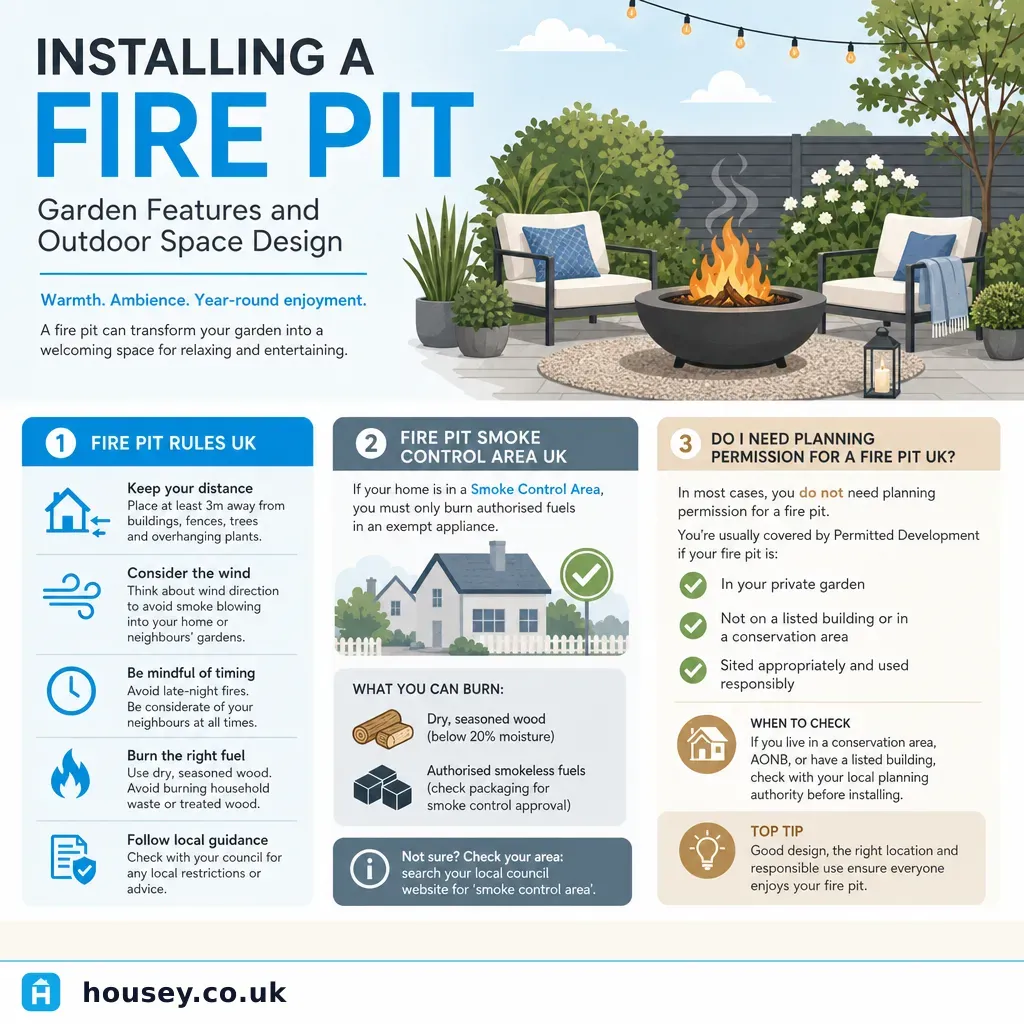
Installing a Fire Pit: Garden Features and Outdoor Space Design
Installing a garden fire pit in the UK is generally permitted, but Smoke Control Area rules prohibit open wood-burning in most towns and cities.
 Improvement & Build
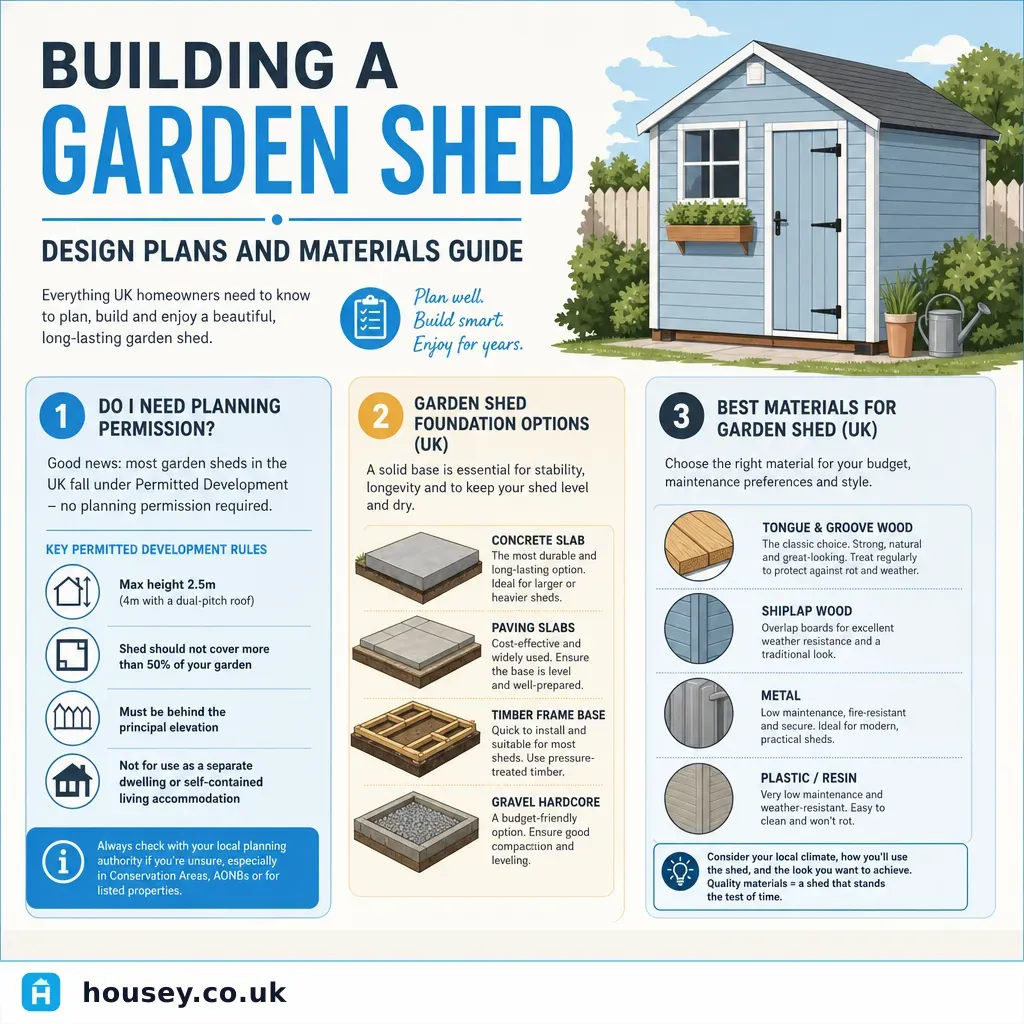
Building a Garden Shed: Design Plans and Materials Guide
Most garden sheds in England are Permitted Development, provided they sit behind the principal elevation, have eaves no higher than 2.
 Improvement & Build
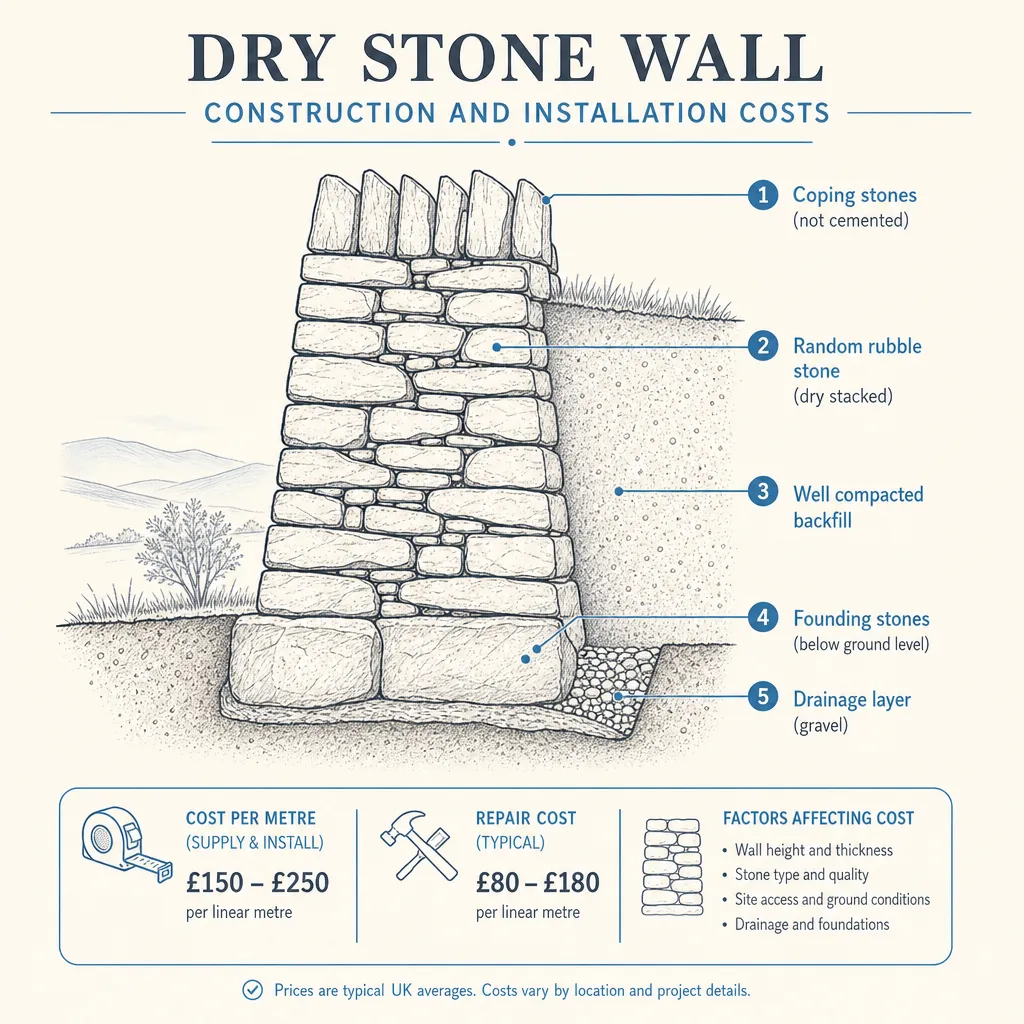
Dry Stone Wall Construction and Installation Costs
Dry stone wall construction in the UK typically costs £150–£350 or more per linear metre for new build, with repairs usually less expensive.
 Improvement & Build
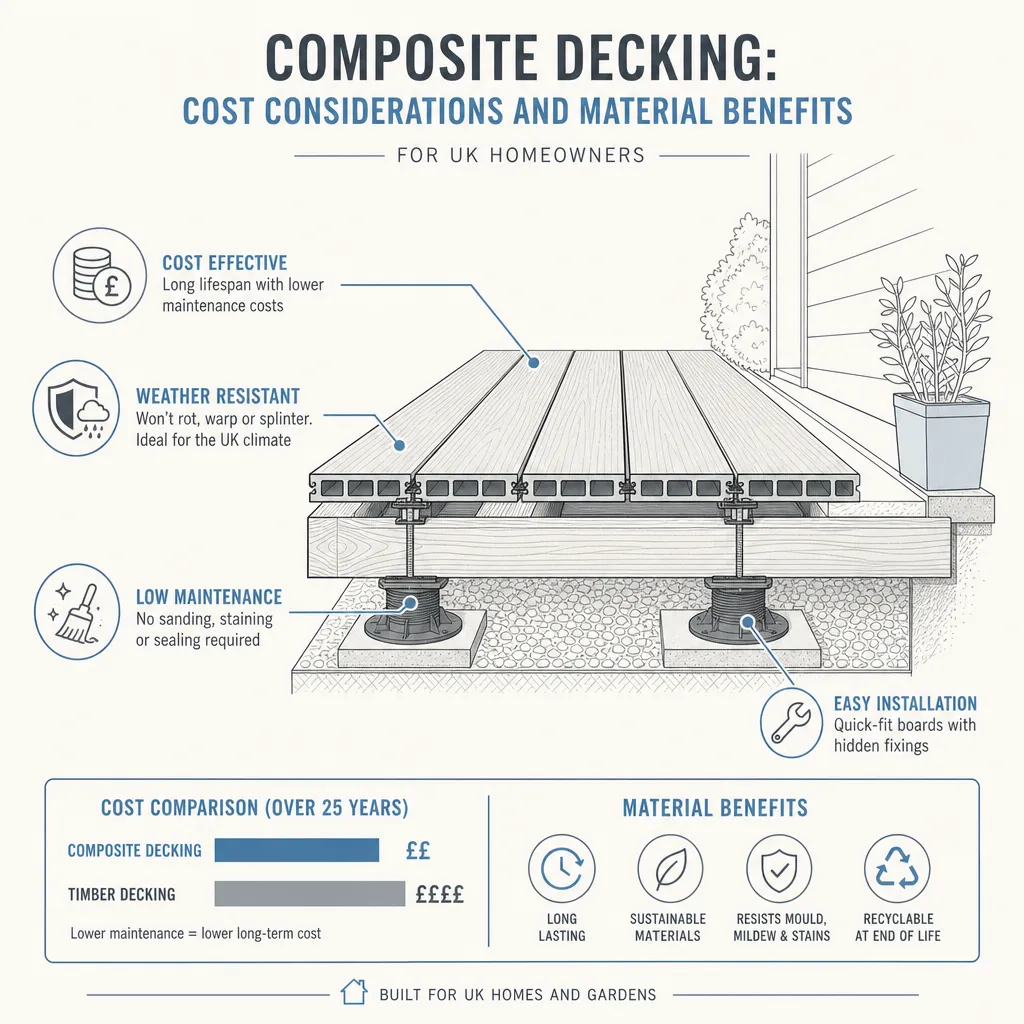
Composite Decking: Cost Considerations and Material Benefits
Composite decking typically costs £80–£150 per square metre for materials in the UK, with installation adding £30–£60 per square metre.
 Improvement & Build
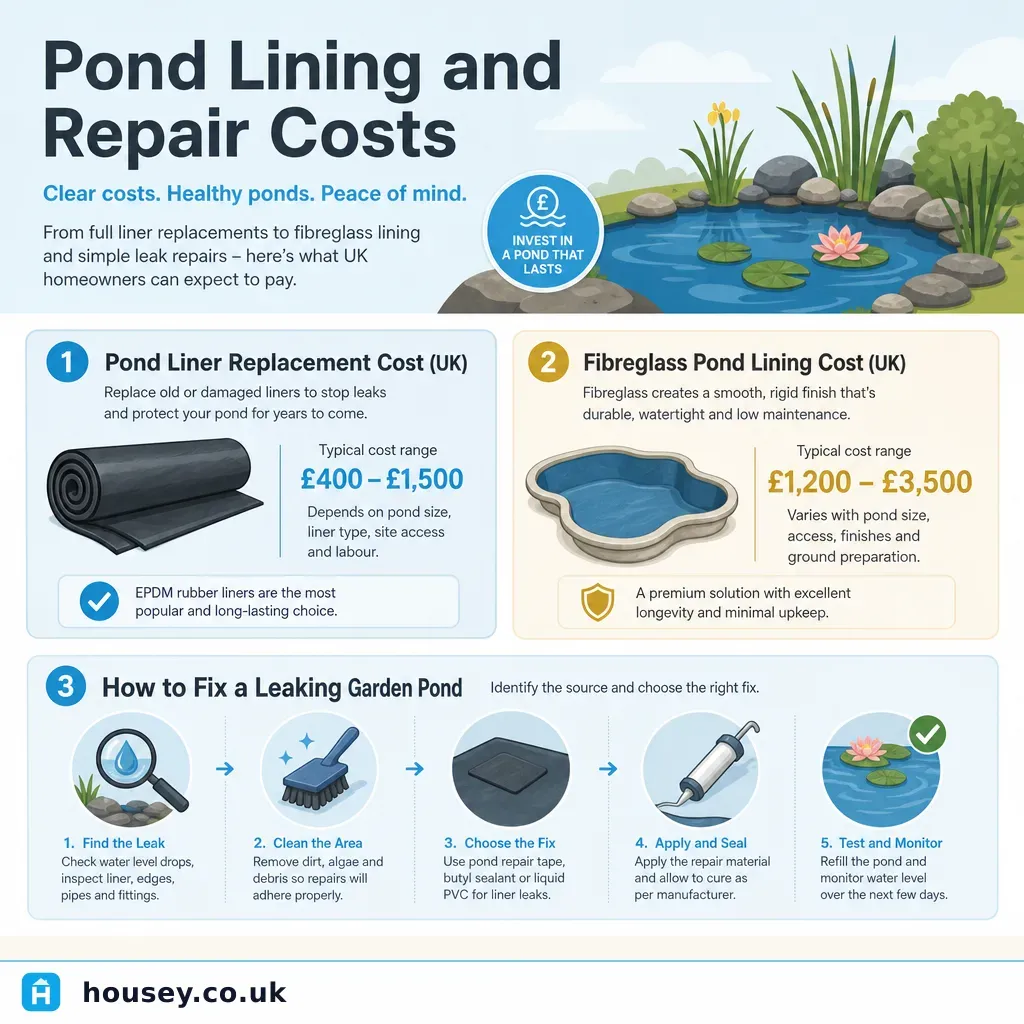
Pond Lining and Repair Costs
Pond lining costs in the UK depend on pond size, liner material, and the condition of the existing shell.