Gas Fireplace Installation Costs
By Housey · Last reviewed 11th of May 2026
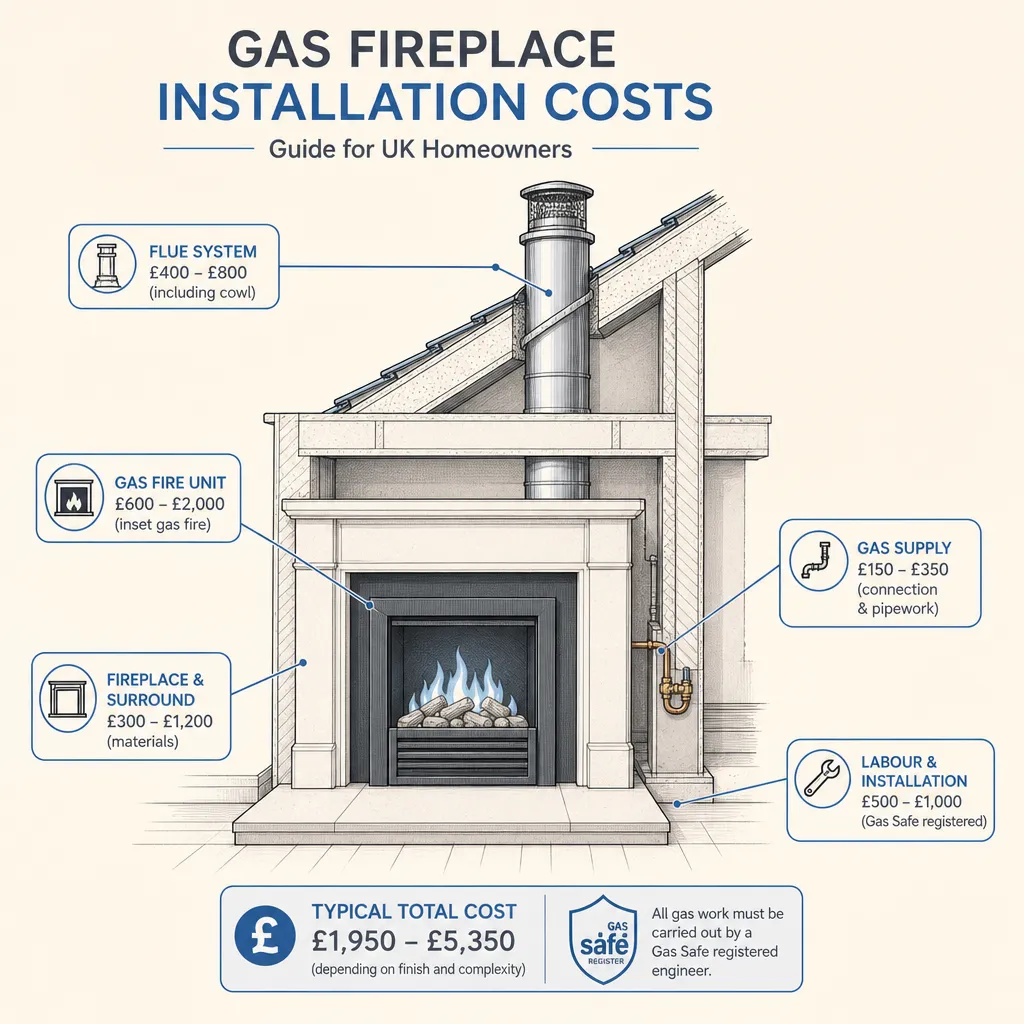
Gas Fireplace Installation Costs
Fitting a gas fireplace often comes up during a broader renovation — whether restoring a period chimney breast, upgrading an open fire to a cleaner-burning appliance, or introducing a focal point into a new extension. The process involves choosing the right appliance type, understanding your flue options, and ensuring that every element meets the Gas Safety (Installation and Use) Regulations 1998 and Building Regulations Part J before work begins.
Key points
- All gas fireplace installations in the UK must be carried out by a Gas Safe registered engineer — undertaking gas work yourself is a criminal offence under the Gas Safety (Installation and Use) Regulations 1998.
- Building Regulations Part J (combustion appliances and fuel storage systems) applies to most gas fire installations; your installer may be able to self-certify under a competent person scheme rather than requiring a separate building notice.
- Indicative UK supply-and-fit costs range from approximately £600 for a basic inset gas fire to £3,500 or more for a freestanding gas stove with a new twin-wall flue system — Indicative UK costs, last reviewed 2026-05-11.
- Flueless gas fires require no chimney or flue but must only be used in rooms meeting specific ventilation standards under BS 5871-2; not all rooms or property types are suitable.
- Your Gas Safe engineer must issue a commissioning certificate on completion — keep this for insurance, Building Regulations compliance, and future resale.
What type of gas fireplace suits your property?
The appliance type determines both the installation method and the total cost. The main options for UK homeowners are:
Appliance type | Flue requirement | Best for | Indicative supply-and-fit cost range |
|---|---|---|---|
Inset gas fire (conventional flue) | Existing chimney or new flue liner | Period properties with a chimney breast | £700–£2,000+ |
Inset gas fire (balanced flue) | Balanced flue through external wall | Homes without a chimney | £800–£2,500+ |
Freestanding gas stove | Flue liner or twin-wall flue system | Kitchens, living rooms, barn conversions | £1,200–£3,500+ |
Wall-mounted gas fire | Balanced or power flue | Contemporary interiors, restricted floor space | £900–£2,500+ |
Flueless gas fire | No flue required | Well-ventilated rooms only; limited model choice | £500–£1,500+ |
Indicative UK costs, last reviewed 2026-05-11. Figures represent approximate supply-and-fit costs and vary by region, appliance specification, and site conditions. Appliance-only costs (fit by others) will be lower.
How does the flue or chimney affect the total cost?
The condition and type of your flue arrangement is often the most variable element in a gas fireplace installation quote.
Existing chimney in reasonable condition: A sweep and inspection (typically £50–£100) may be all that is needed initially. Most Gas Safe engineers will advise whether a stainless steel flue liner is required — this is common even where a chimney previously served a solid-fuel fire, as older liners are not always suitable for gas appliances.
Flue liner installation: Adding a flexible stainless steel liner to an existing chimney typically adds £400–£900 to the overall cost depending on chimney height and access — Indicative UK costs, last reviewed 2026-05-11.
Balanced flue: A balanced flue draws combustion air from outside and discharges flue gases through a co-axial pipe in an external wall. Approved Document J sets rules on terminal positioning, including minimum distances from windows, doors, and corners. Listed buildings and conservation areas may impose additional constraints on where the terminal can be located.
Twin-wall flue system: For a freestanding stove in a room without a chimney — a rear extension, for example — a twin-wall insulated flue runs internally or externally to an exit point. This is the most complex and costly flue option and may require building control sign-off regardless of competent person scheme status.
What affects the overall installation cost?
Beyond the appliance and flue, the following factors commonly drive up total project cost:
- Distance from existing gas supply: extending pipework to a new room or location adds materials and labour
- New hearth construction: required for some appliances; adds masonry or tiling work
- Listed building or conservation area status: may require additional consents and specialist materials
- Remote controls and premium finishes: smart controls, glass fronts, and bespoke surrounds increase appliance cost
- Regional labour rates: London and the South East typically carry a premium over other regions
- Chimney condition: structural repairs, repointing, or cowl installation if required add to the total
What to ask before accepting a quote
When obtaining quotes for gas fireplace installation, ask each contractor:
- What is included and excluded — appliance, flue work, hearth, surround, gas pipework extension?
- What is your Gas Safe registration number, and can I verify it on the Gas Safe Register website?
- Will this installation be self-certified under a competent person scheme, or do I need to notify building control separately?
- What assumptions does the quote rely on — chimney condition, existing gas supply location, flue access?
- What could change the price if unforeseen issues are found during the work?
- Is VAT included in the quoted figure?
- What certification and documentation will I receive on completion, including the commissioning certificate?
Important limitations
This article provides general guidance on gas fireplace installation costs and the typical process in the UK. It does not constitute gas safety advice for your specific property or installation. The regulations, flue requirements, and Building Regulations obligations for any individual installation depend on the appliance, the property's construction, the existing gas supply, chimney condition, tenure, and local authority requirements. Always instruct a Gas Safe registered engineer to assess your specific situation before proceeding.
What to ask a qualified professional
Before instructing a Gas Safe registered engineer, consider asking:
- Can you confirm your Gas Safe registration number, and does your registration cover the category for gas fires and fireplaces?
- Does my existing chimney need a condition survey before you can quote accurately, and is that included in your fee?
- Are there ventilation requirements for this appliance in this specific room, and do any changes need to be made?
- Will you self-certify the work under a competent person scheme or notify building control — and what paperwork will I receive?
- What happens to the price and programme if the chimney is found to be in poor condition once work starts?
When to get professional help
Gas fireplace installation is always a job for a Gas Safe registered engineer — there is no legal route for DIY gas work in the UK.
Seek additional specialist advice if any of the following apply:
- Your property is a listed building — listed building consent may be required for any visible flue or chimney work
- You are in a conservation area — external flue terminals may need planning permission before installation
- The chimney shows signs of structural damage, cracking, or movement — a structural inspection may be needed before connecting any appliance
- You suspect asbestos in the chimney breast or surrounding materials — arrange a survey before any materials are disturbed
- The gas meter or service pipe appears undersized for the new appliance load — a Gas Networks operator may need to be consulted before works can proceed
How Housey can help
Housey connects homeowners with local tradespeople for renovation and improvement work. If you are planning a gas fireplace installation, Housey can help you find Gas Safe registered professionals in your area and compare quotes from verified installers.
Frequently asked questions
Do I need planning permission for a gas fireplace in the UK?
Most internal gas fireplace installations do not require planning permission. If the installation involves external works — such as a balanced flue terminal on a front elevation, or visible chimney works on a listed or conservation area property — planning consent may be needed. Always check with your local planning authority before proceeding with any external element.
Does a gas fireplace installation require Building Regulations approval?
Yes, in most cases. Combustion appliances fall under Building Regulations Part J. Your Gas Safe registered installer may be able to self-certify the work under a competent person scheme, avoiding the need for a formal building notice. Ask your installer whether they can self-certify and ensure you receive a compliance certificate on completion.
How long does a gas fireplace installation typically take?
A straightforward replacement of an existing gas fire typically takes a qualified engineer half a day to a full day. More complex installations involving new flue liners, hearth construction, or extended gas pipework may take one to two days. Discuss programme expectations with your installer before work starts, and ask about access requirements.
Can I install a gas fire myself?
No. The Gas Safety (Installation and Use) Regulations 1998 make it illegal for anyone who is not a Gas Safe registered engineer to carry out gas installation work. Undertaking gas work yourself is a criminal offence and will likely invalidate your home insurance. Always verify a contractor's Gas Safe registration number before instructing them.
What is a commissioning certificate and why do I need it?
A commissioning certificate confirms that your gas appliance has been installed, tested, and set to work safely by a Gas Safe engineer. It documents key performance and safety checks and is important for your home insurance, future resale, and any manufacturer warranty claims. Always request one on completion of any gas installation.
Sources and further reading
- Gas Safe Register — Find a registered engineer — Gas Safe Register
- Approved Document J: Combustion appliances and fuel storage systems — GOV.UK
- Gas Safety (Installation and Use) Regulations 1998 — legislation.gov.uk
- Gas safety in the home — HSE
Useful next reads
 Improvement & Build
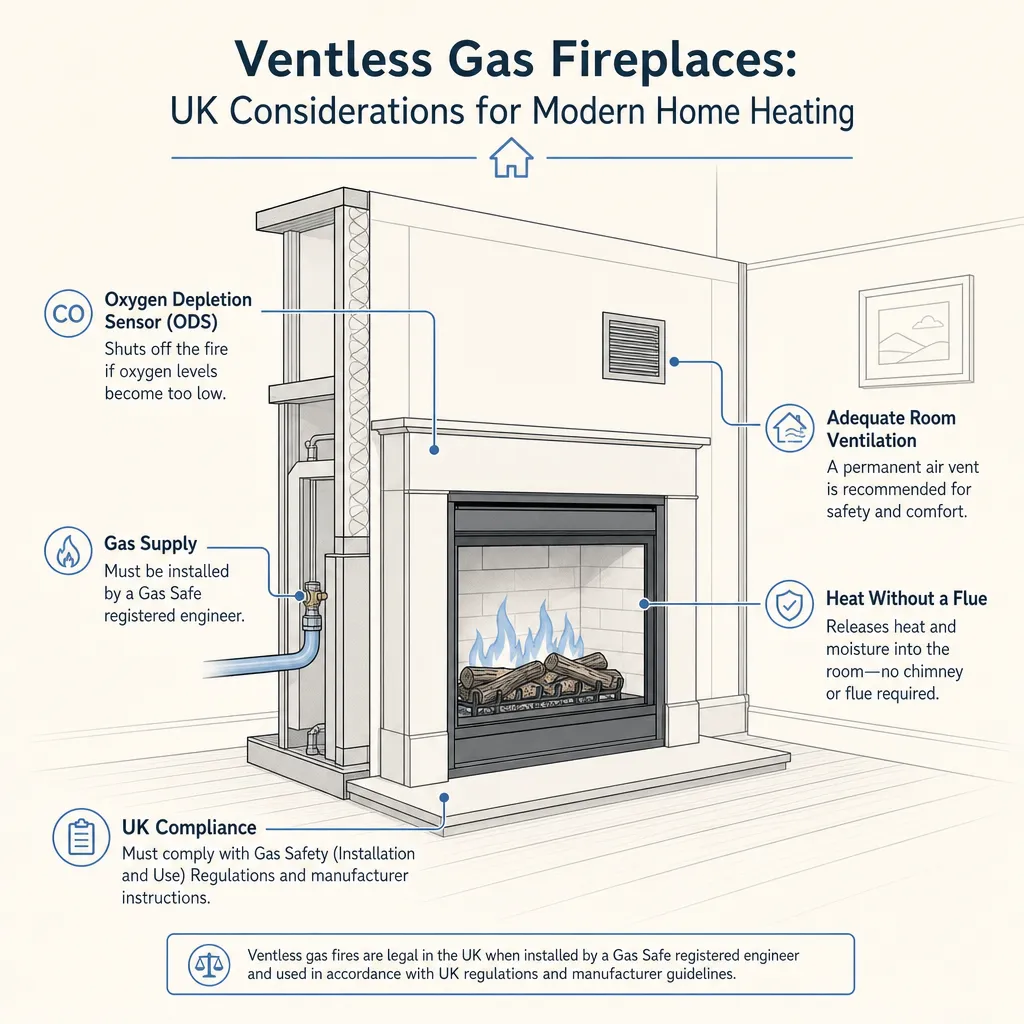
Ventless Gas Fireplaces: UK Considerations for Modern Home Heating
In the UK, ventless gas fires are known as flueless gas fires and are permitted only in specific circumstances under Building Regulations Approved Document J and the Gas Safety Regulations 1998.
 Improvement & Build
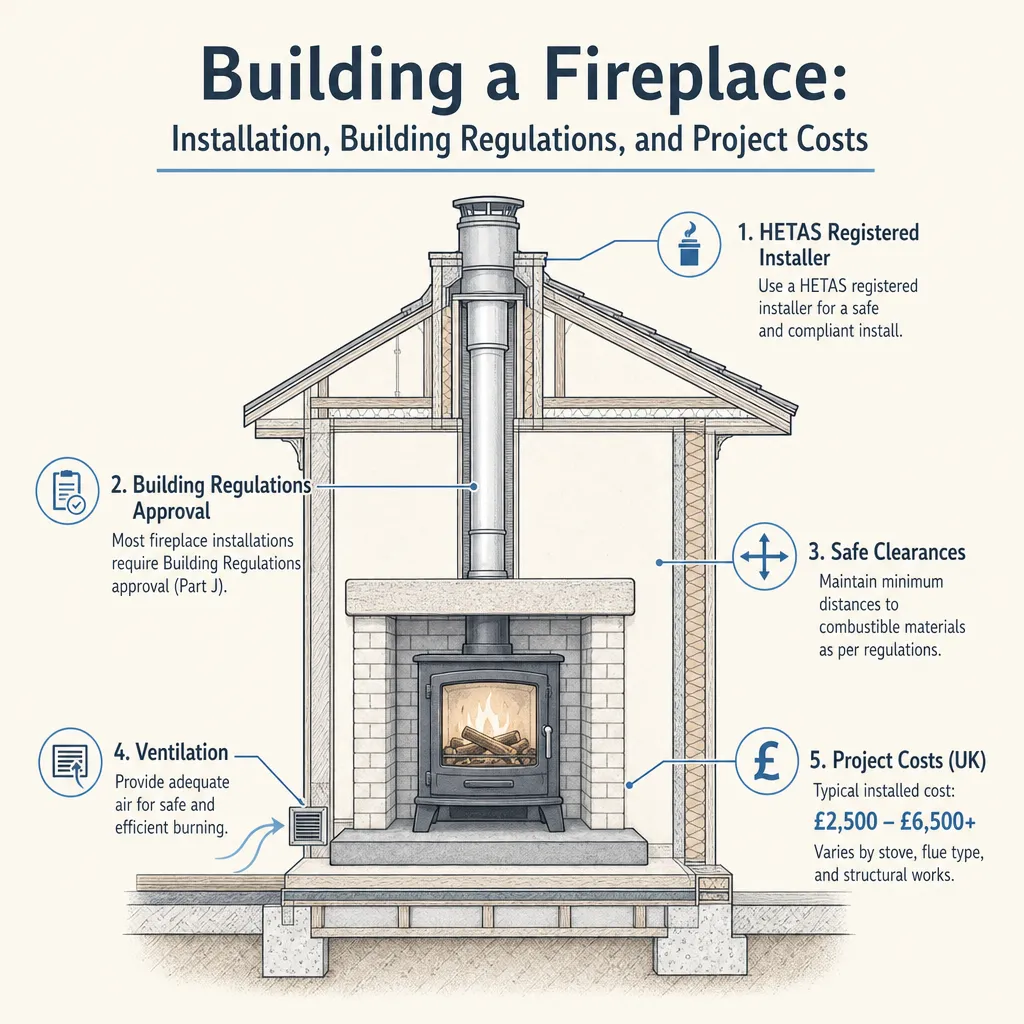
Building a Fireplace: Installation, Building Regulations, and Project Costs
Installing a fireplace or wood-burning stove in a UK home is notifiable work under Building Regulations Part J.
 Improvement & Build
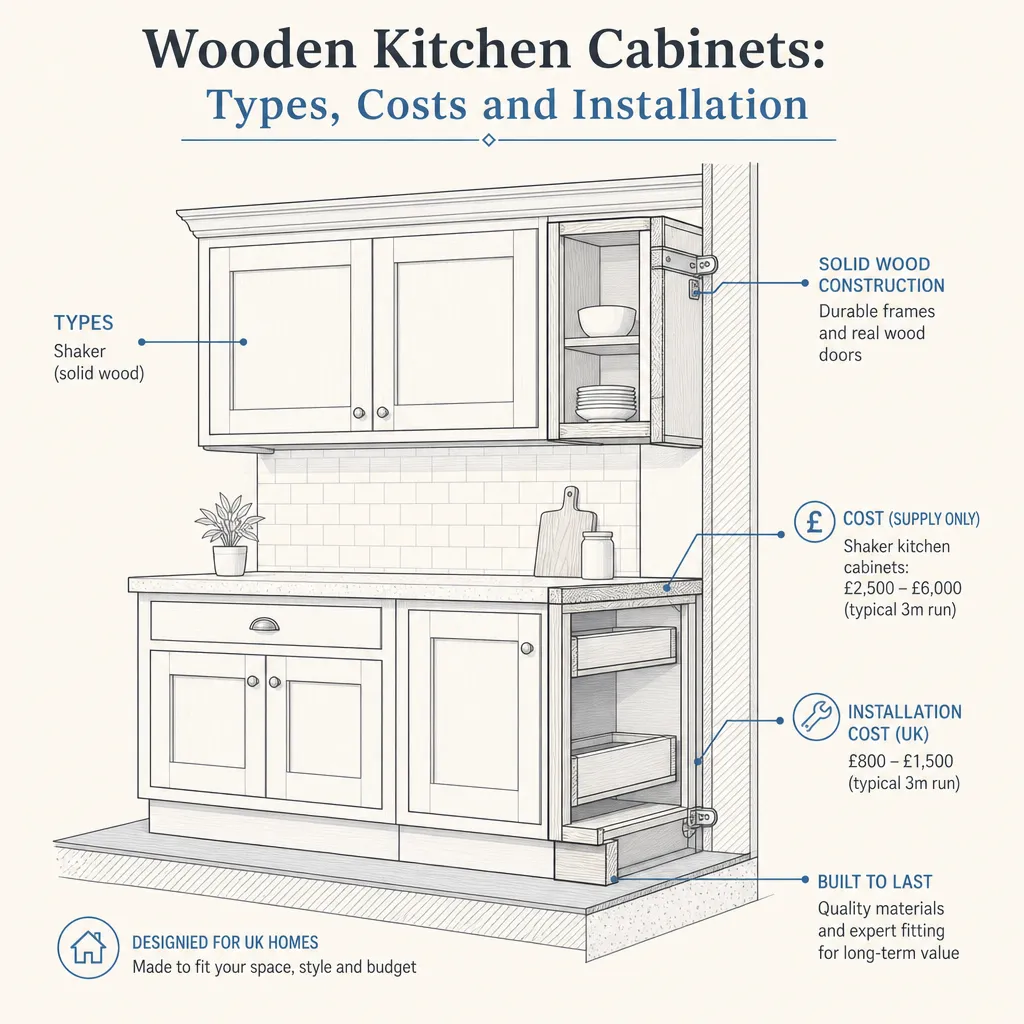
Wooden kitchen cabinets: types, costs and installation
Wooden kitchen cabinets in the UK range from around £4,000–£12,000 installed for mid-range painted shaker units to £10,000–£25,000 or more for solid hardwood kitchens.
 Improvement & Build
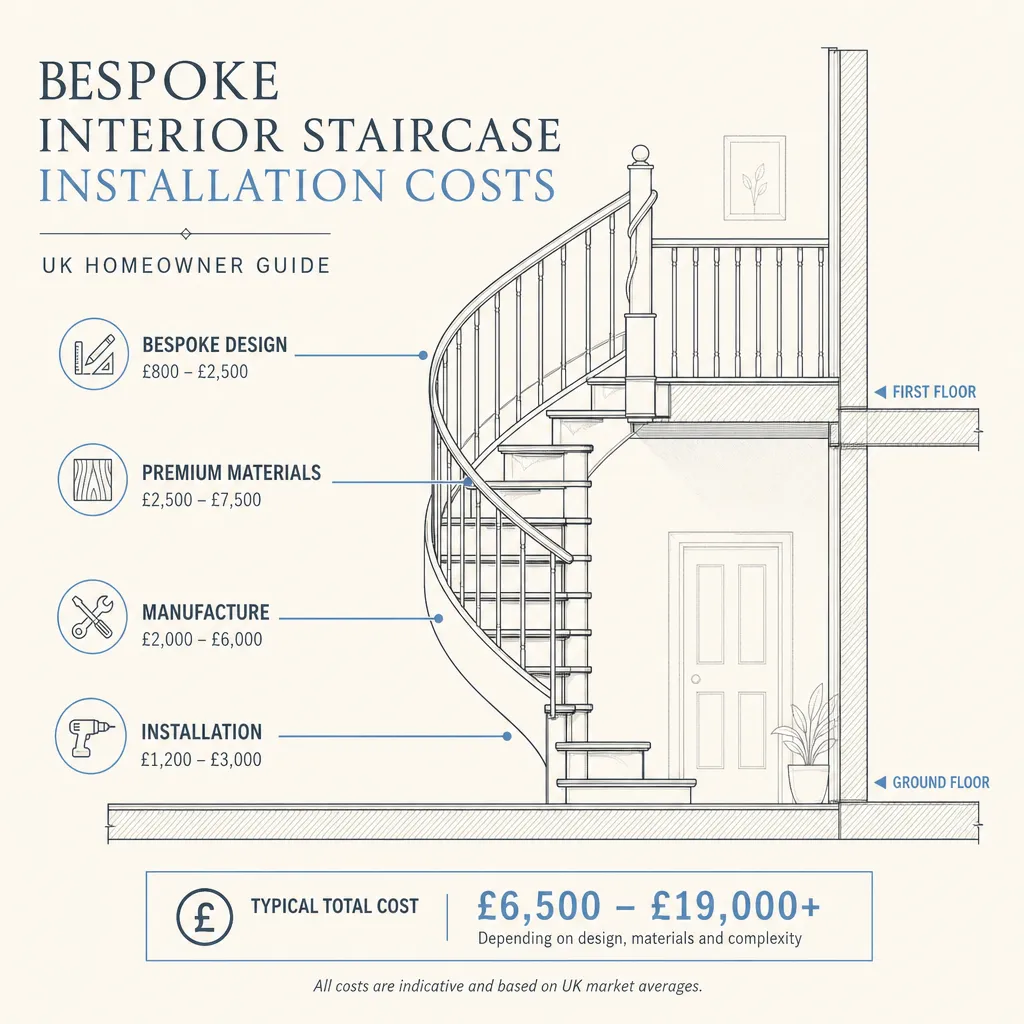
Bespoke Interior Staircase Installation Costs
A bespoke interior staircase in the UK costs from around £3,000 for a simple custom timber design to £50,000 or more for a helical or glass-and-steel showpiece.
 Improvement & Build
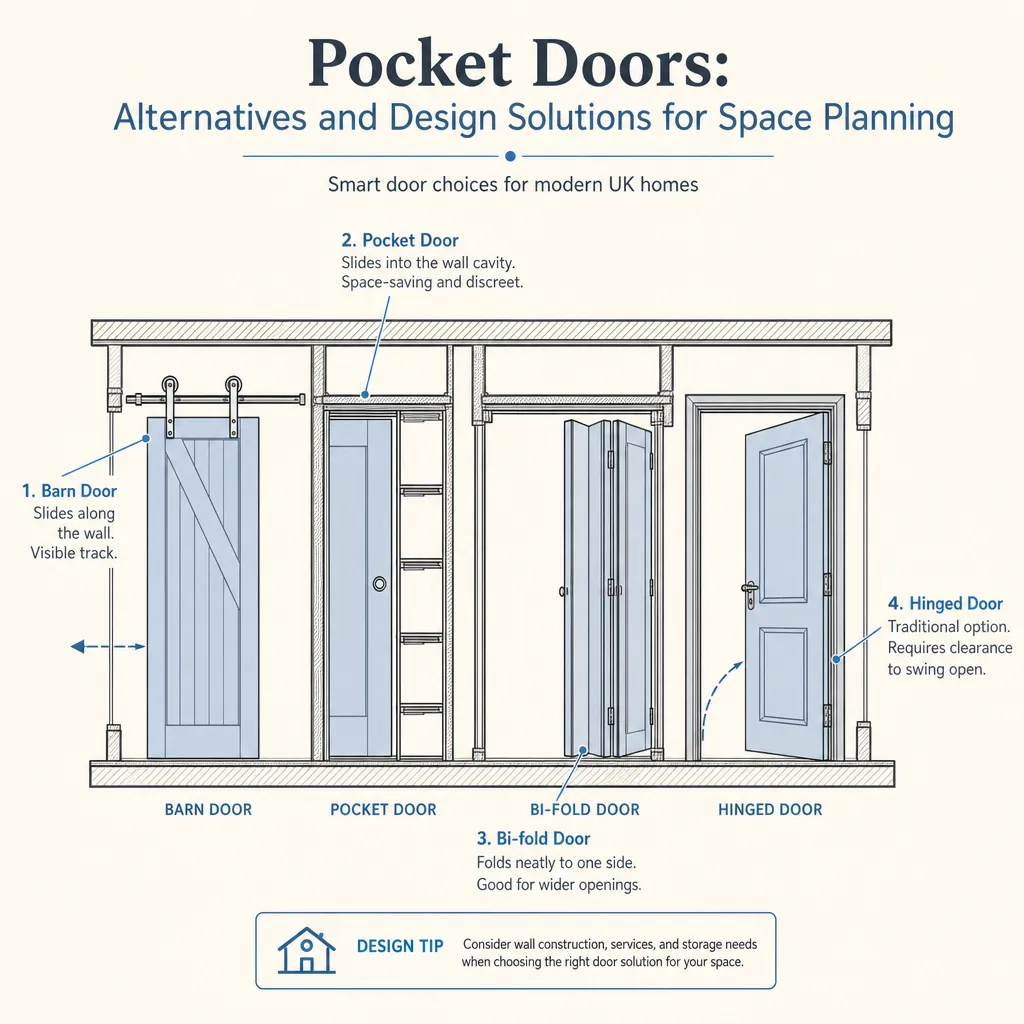
Pocket Doors: Alternatives and Design Solutions for Space Planning
Pocket doors slide into a wall cavity and free floor space where a hinged door would swing, but require a clear, service-free wall section to work.