Wooden kitchen cabinets: types, costs and installation
By Housey · Last reviewed 19th of May 2026
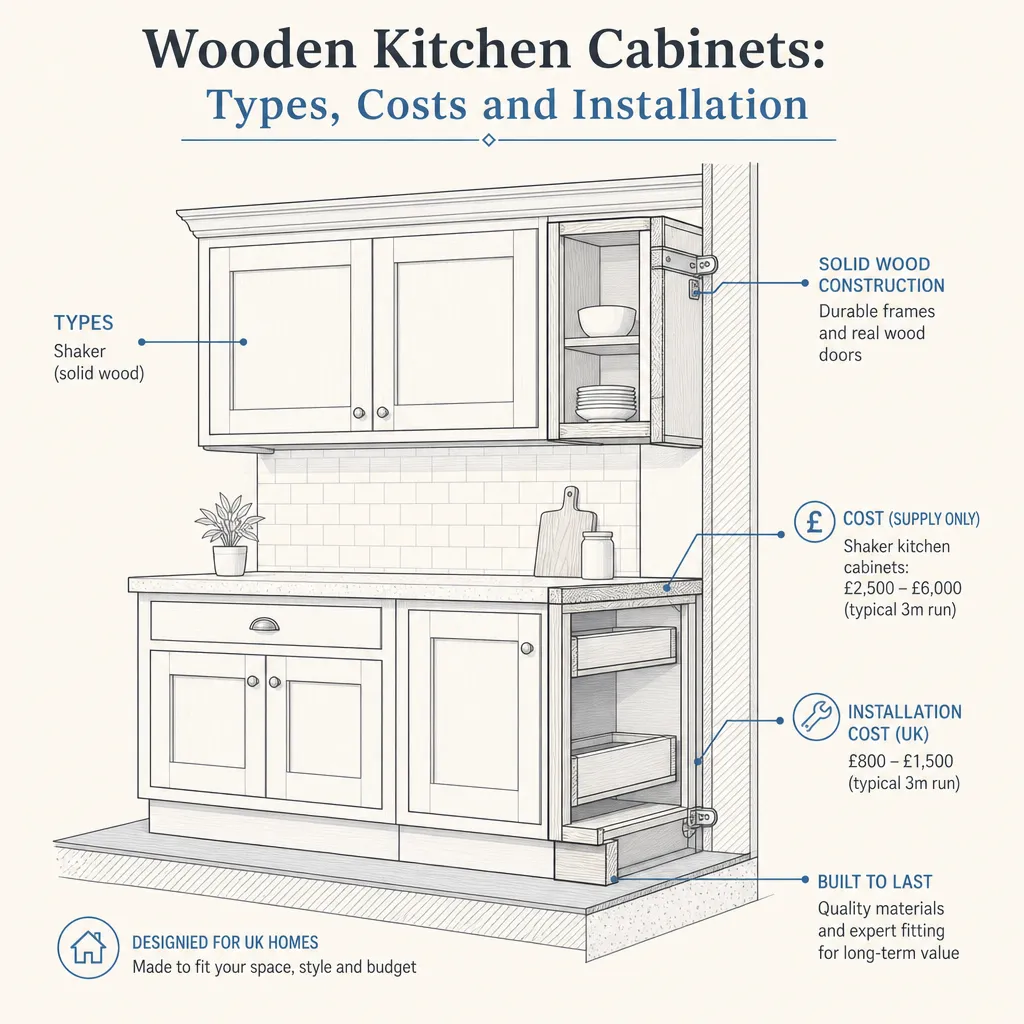
Wooden kitchen cabinets: types, costs and installation
Choosing kitchen cabinets is one of the most significant decisions in any kitchen renovation — they account for the largest share of a fitted kitchen's budget and will define the room's character for ten to twenty years. The UK market spans flat-pack softwood-effect units through to hand-painted solid hardwood cabinetry, and the terminology can obscure real differences in construction quality and durability that only become apparent once the fitter has left.
Key points
- Installed costs for a mid-range UK kitchen using painted shaker-style cabinets (typically MDF doors on moisture-resistant MDF carcasses) run from approximately £4,000–£12,000; solid hardwood kitchens cost £10,000–£25,000 or more (indicative UK costs, last reviewed 2026-05-19).
- The vast majority of UK kitchen carcasses are made from 18 mm moisture-resistant (MR) MDF or particleboard — a kitchen marketed as solid wood usually has solid-wood door fronts and frames on an engineered carcass, not all-solid construction throughout.
- Any new electrical circuit, socket relocation, or extractor fan wiring in a kitchen is notifiable work under Building Regulations Part P and must be carried out or certified by a qualified electrician.
- Gas hob and cooker connections must be performed by a Gas Safe registered engineer — this is a legal requirement under the Gas Safety (Installation and Use) Regulations 1998.
- Lead times for UK-manufactured kitchens are typically 4–8 weeks from order confirmation; bespoke sizing or unusual finishes extend this further.
Types of wooden kitchen cabinets
Not all wooden kitchen cabinets are built the same way. Understanding the construction behind the marketing label helps you compare quotes accurately and avoid specification surprises.
Cabinet type | Construction | Durability | Indicative installed cost (medium kitchen) | Best for |
|---|---|---|---|---|
Solid hardwood | Solid oak, walnut, or ash doors and frames on MR-MDF carcass | Very high — can be sanded and refinished | £10,000–£25,000+ | Heritage homes, high-end renovations, buyers who want longevity |
Painted shaker (MDF doors) | MDF door with real-wood lipping on MR-MDF carcass | High if quality MDF is used | £4,000–£12,000 | Period and contemporary homes; broad budget range |
Wood veneer | Real-wood veneer bonded over MDF core | Good — veneer can be damaged by direct moisture | £6,000–£18,000 | Achieving a consistent wood-grain look without solid-wood cost |
Thermofoil / foil-wrap | PVC or foil finish over MDF (not real wood) | Moderate — can peel in steam or high heat | £2,500–£6,000 | Budget refits where a wood-effect appearance is acceptable |
Indicative UK costs, last reviewed 2026-05-19. Supply and installation for a medium kitchen of 10–15 units, excluding worktops, appliances, and electrical or plumbing connections unless stated. Prices vary significantly by supplier, region, and specification.
Solid wood vs engineered-core options
Solid hardwood is prized for repairability: scratches can be sanded out, and a well-made oak kitchen can outlast the house it sits in. The drawbacks are cost, weight — heavier doors require robust hinges and carcasses — and seasonal movement. Solid wood expands and contracts with changes in humidity, so fitting tolerances and ventilation gaps must be specified correctly by an experienced fitter.
MDF-core cabinets with solid-wood or real-wood-veneer doors are the UK mid-market standard. The door face looks and feels like wood; the carcass benefits from the dimensional stability of engineered board. Moisture-resistant MDF is essential for kitchen environments — standard interior MDF is not suitable for use near a sink or dishwasher.
What is and is not included in a kitchen quote?
Kitchen quotes in the UK can vary significantly in what they cover. Before accepting any price, work through the following.
What to ask before accepting a quote
- What timber species, door thickness, and carcass board specification is included?
- Is the carcass moisture-resistant board throughout, including internal shelves?
- What hinge and drawer system is specified — for example, Blum or Hettich soft-close mechanisms?
- Who carries out electrical work, and under which notification scheme or certificate?
- Who handles plumbing connections, and is that included in the quoted price?
- Does the quote include removal and disposal of the existing kitchen?
- Is worktop supply and fitting included, or is that a separate contract?
- What is the manufacturer's guarantee on carcasses and door fronts?
- Is VAT included in the price shown?
- What is the process if a door arrives damaged or does not match the sample?
Installation process and timeline
A typical medium UK kitchen installation takes 3–5 days of fitting work, but the full project from design sign-off to completion usually runs 6–12 weeks. Key stages:
- Design and site survey — detailed measurement by the supplier or designer; often a charged service that is refunded on order placement.
- Order and manufacture — UK-made kitchens carry a typical 4–8 week lead time; bespoke finishes or unusual sizing take longer.
- Pre-installation preparation — chasing walls for electrics or plumbing should be completed before cabinets arrive to avoid delays and damage.
- Unit installation — carcasses fixed, doors and drawers hung and adjusted to alignment.
- Worktop templating and fitting — stone worktops are templated after units are fixed, with a further 1–2 week fabrication period.
- Appliance connections — gas by a Gas Safe registered engineer; electrical circuits by a Part P-qualified electrician.
- Snagging — final adjustments to door alignment, drawer runners, and finish quality.
When to get professional help
Kitchen installation is not a straightforward solo project for most homeowners. Always engage qualified tradespeople when:
- New electrical circuits, socket relocation, or extractor fan wiring is involved — notifiable work under Part P of the Building Regulations.
- Gas hob or cooker connections are required — Gas Safe registration is a legal requirement, not an optional credential.
- You are moving the sink position, which requires rerouting waste pipes or altering supply plumbing.
- Structural modifications such as removing a wall or changing a door opening form part of the project.
How Housey can help
Whether you are planning a full kitchen refit or replacing tired cabinet fronts, Housey connects you with vetted kitchen fitting and extension specialists who provide transparent, itemised quotes. Compare multiple offers through your Housey dashboard before booking any work.
Frequently asked questions
How long do wooden kitchen cabinets last?
Solid hardwood cabinets can last 30–50 years with reasonable care and occasional maintenance. Good-quality MDF-core shaker kitchens typically last 15–25 years. The most common failure points are drawer runners, hinges, and door edges, most of which can be replaced at modest cost. Worktop condition and moisture exposure around the sink are the leading causes of early cabinet deterioration.
Can I paint my existing wooden kitchen cabinets?
In most cases, yes. Solid wood and MDF door fronts can be professionally sprayed for approximately £800–£2,500 for a medium kitchen, producing a smooth, factory-quality finish. Cabinet respraying is a practical alternative to full replacement when carcasses are structurally sound. Foil-wrapped thermofoil doors are generally not suitable for painting as the finish does not bond well.
Do I need building regulations approval for a new kitchen?
The kitchen installation itself does not normally require building regulations approval. However, any new electrical circuit or consumer unit modification is notifiable under Part P; a qualified electrician can self-certify minor works. Gas appliance connections must always be carried out by a Gas Safe registered engineer. Removing a loadbearing wall as part of the project requires a structural engineer's calculation and building control approval.
Is it worth buying from a large DIY retailer rather than a specialist?
Large retailers such as Howdens, B&Q, and IKEA offer competitive supply costs, while specialist kitchen companies typically include a more detailed design service, bespoke sizing, and project management. The main risk with supply-only purchasing is that installation quality depends entirely on the fitter you hire separately. Always check the carcass specification, board grade, and warranty terms before ordering from any supplier.
Sources and further reading
- Building Regulations Approved Document P — electrical safety in dwellings — GOV.UK
- Find a Gas Safe registered engineer — Gas Safe Register
- Find a member kitchen specialist — Kitchen, Bathroom and Bedroom Specialists Association (KBSA)
- Kitchen buying guide — Which?
Useful next reads
 Improvement & Build
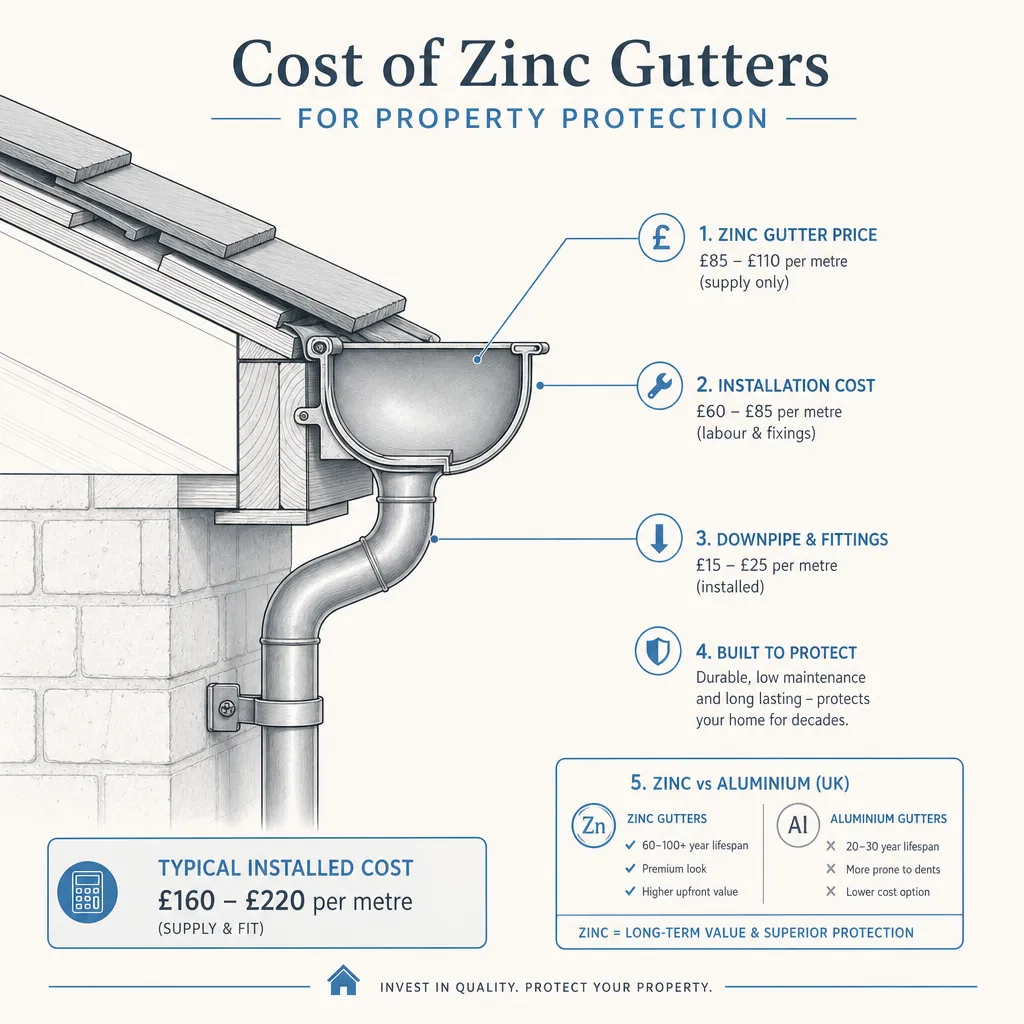
Cost of Zinc Gutters for Property Protection
Zinc gutters cost around £60–£120 per metre installed in the UK, depending on profile complexity, property type, and scaffolding requirements.
 Improvement & Build
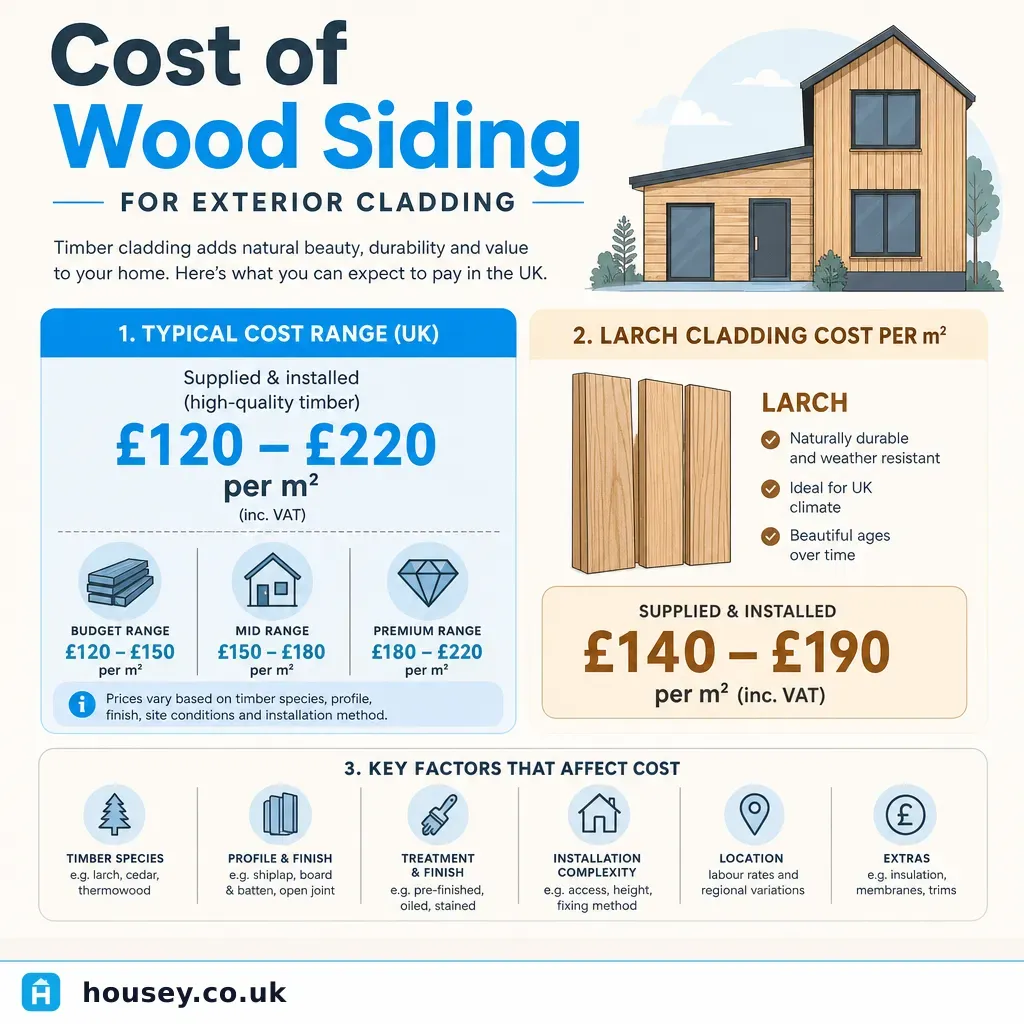
Cost of wood siding for exterior cladding
External timber cladding in the UK typically costs £80–£200 per m² installed, depending on species, profile, and access.
 Improvement & Build
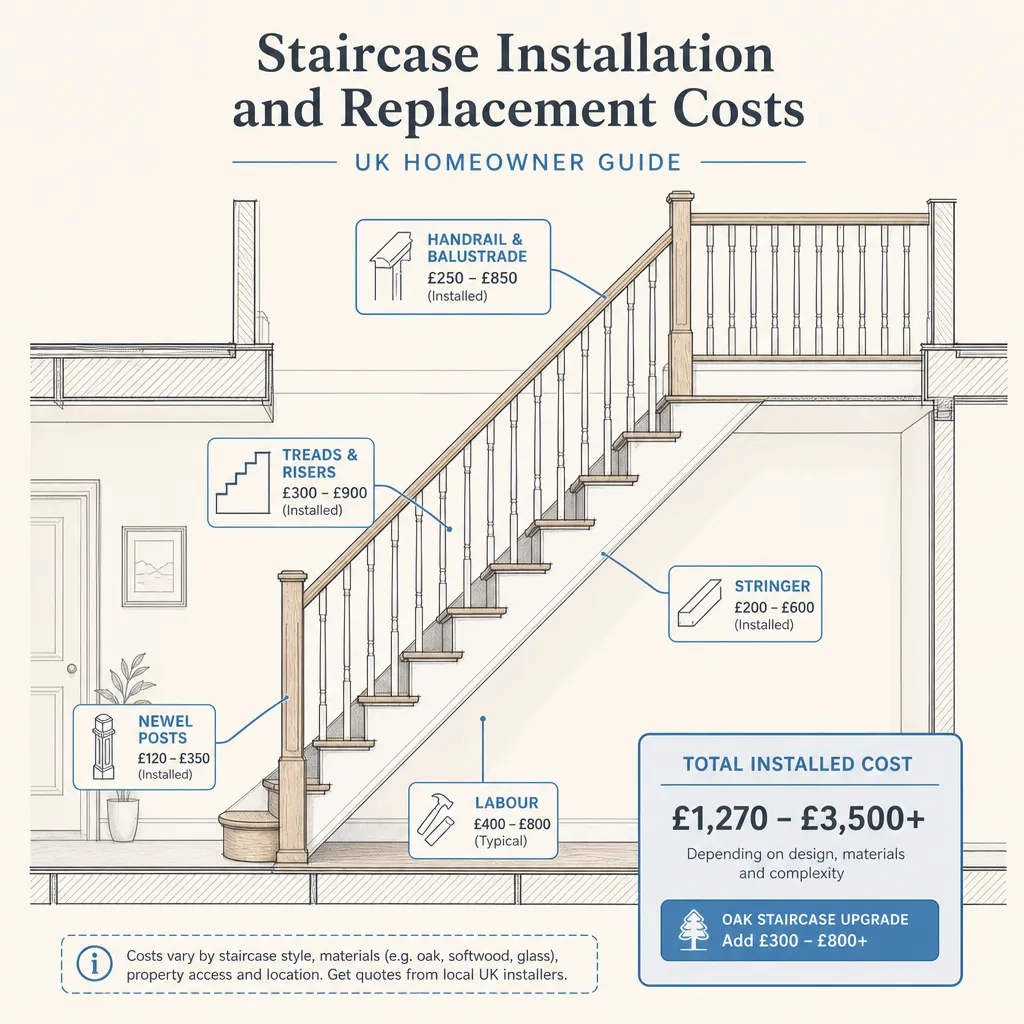
Staircase Installation and Replacement Costs
A straight-flight staircase replacement in the UK typically costs £1,500–£4,500 supply and fit.
 Improvement & Build
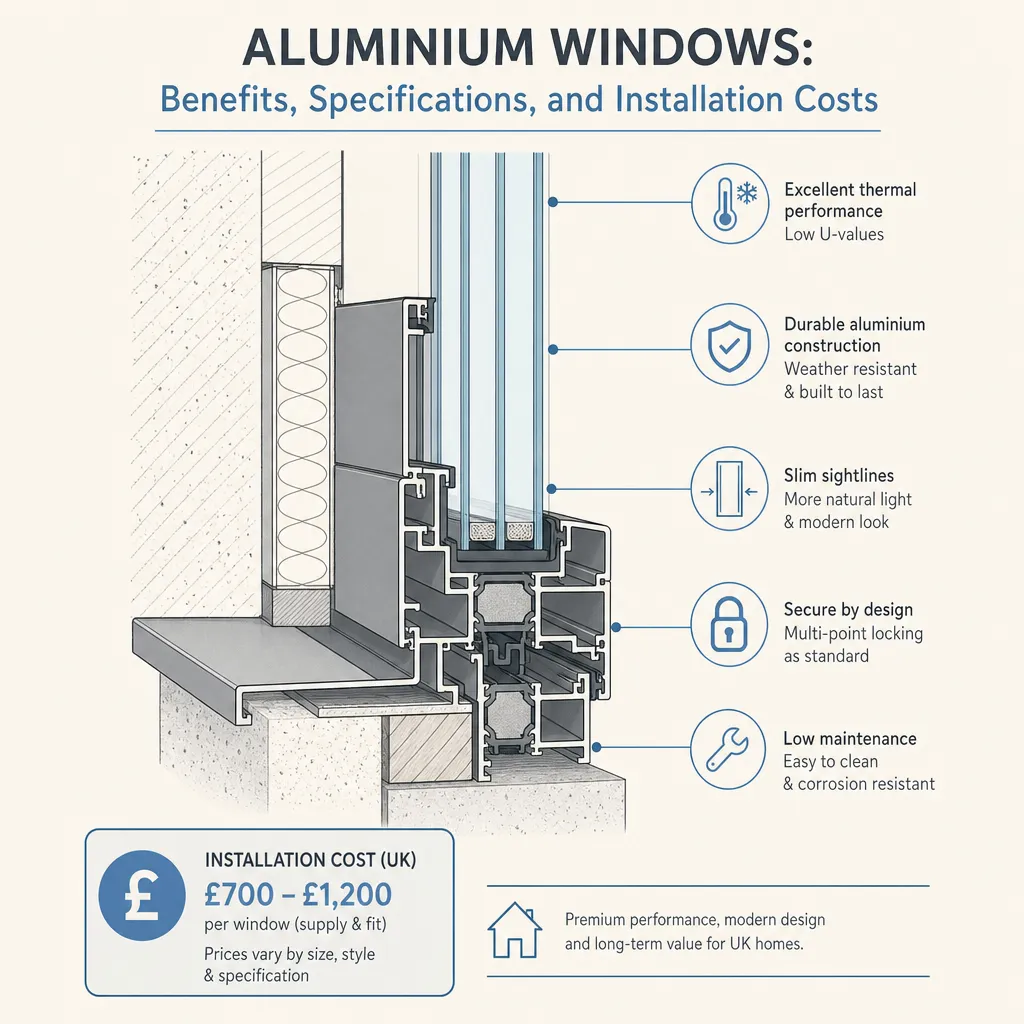
Aluminium Windows: Benefits, Specifications, and Installation Costs
Aluminium windows typically cost £600–£1,800 per window installed in the UK, depending on size and specification.
 Improvement & Build
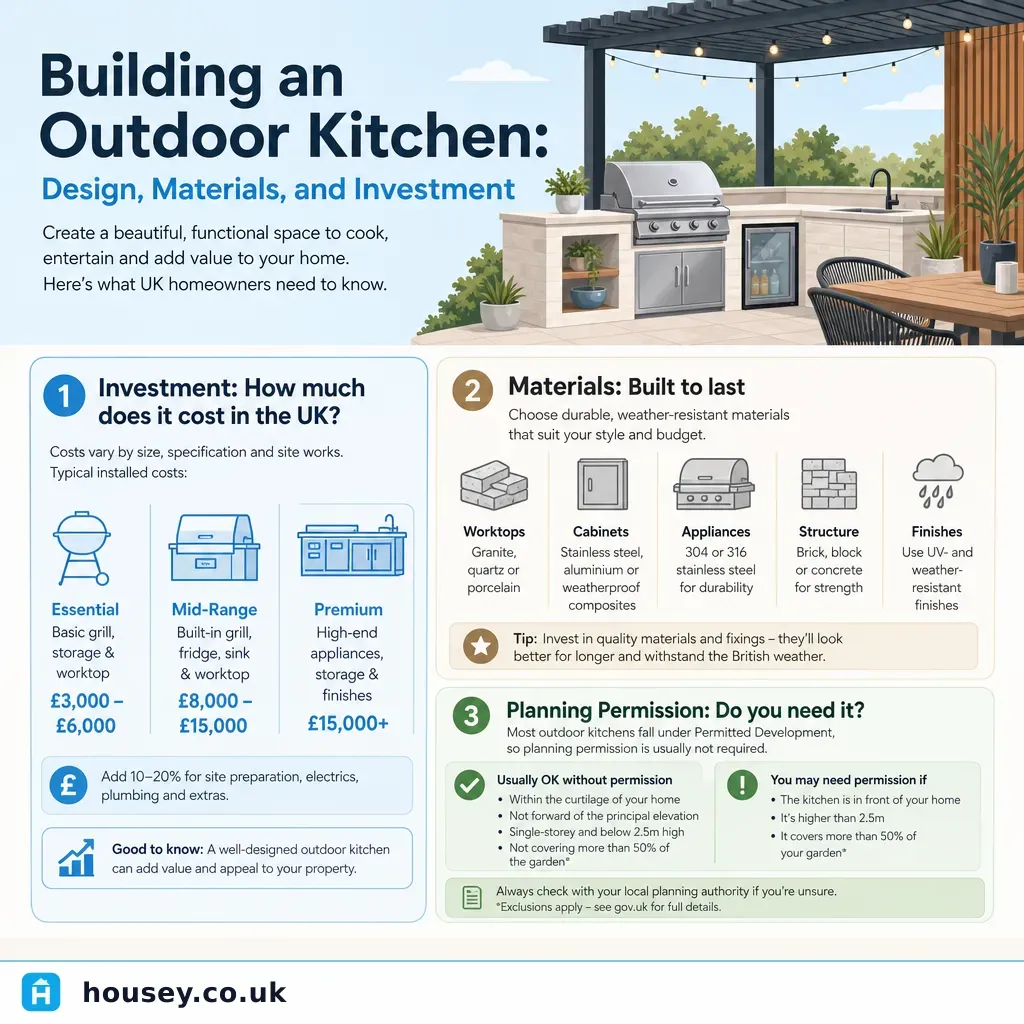
Building an Outdoor Kitchen: Design, Materials, and Investment
Building an outdoor kitchen in the UK costs roughly £3,000–£25,000 depending on size and materials.