Gas Leak Emergency: Identifying, Reporting, and Safety Response
By Housey · Last reviewed 5th of May 2026
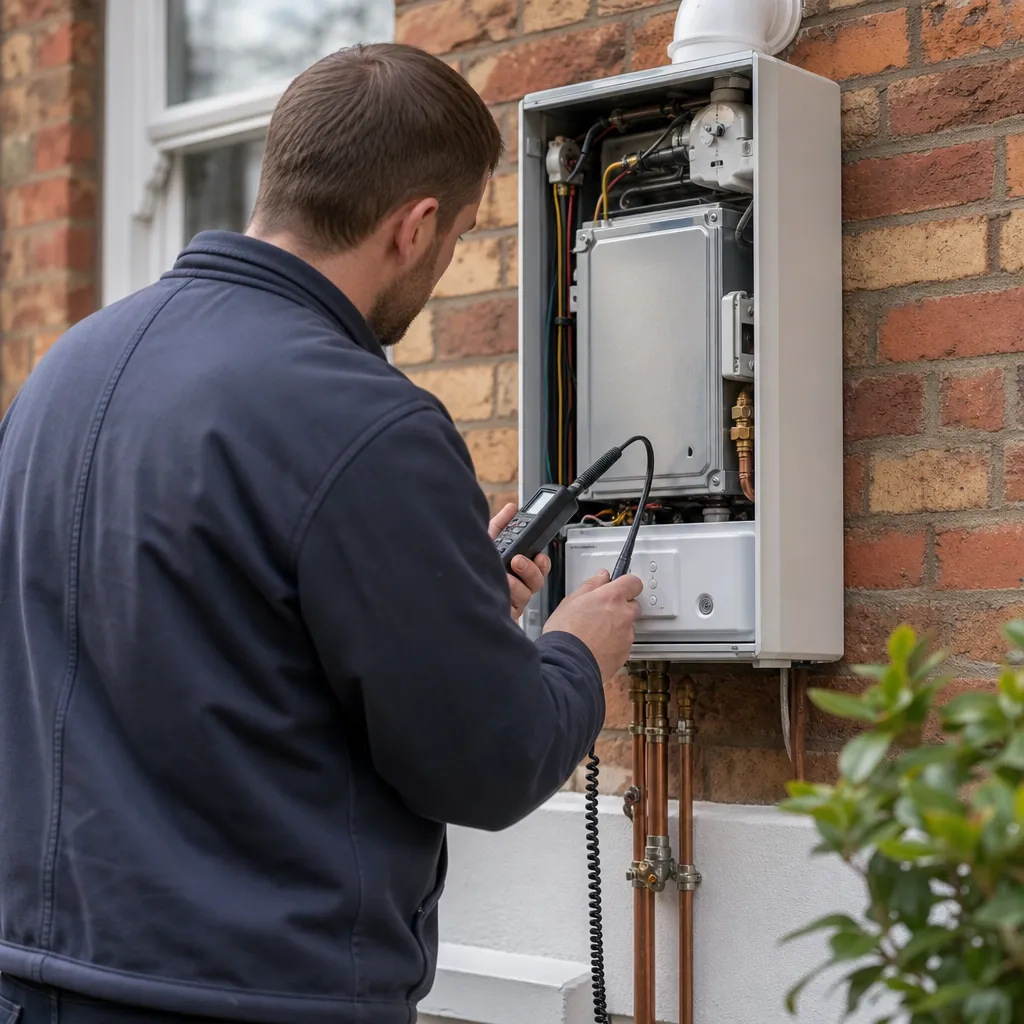
Gas Leak Emergency: Identifying, Reporting, and Safety Response
A suspected gas leak is one of the few domestic emergencies where the correct response in the first few minutes can make a significant difference to safety outcomes. The situation most commonly arises when a homeowner or tenant notices an unusual smell — often described as rotten eggs or sulphur — hears an unexplained hissing near appliances or pipework, or finds a line of unexplained dead vegetation across the garden. The UK's Gas Safety (Installation and Use) Regulations 1998 set the legal framework for who may work on gas installations and what checks properties must have — but in the event of a suspected gas escape, the priority is always evacuation first, and investigation later.
Key points
- The National Gas Emergency Service number is 0800 111 999 — free to call, available 24 hours a day, 365 days a year.
- Do not operate any electrical switches, doorbells, light switches, or garage-door openers after suspecting a gas leak — even switching off a light can ignite an accumulation.
- The emergency control valve is usually located next to the meter; turning the handle a quarter-turn so it runs across (perpendicular to) the pipe shuts off the supply.
- A Gas Safe registered engineer must inspect the installation before the gas supply is restored; registration can be verified at GasSafeRegister.co.uk.
- Natural gas and carbon monoxide (CO) are different hazards — natural gas has an added odorant (ethyl mercaptan) giving it its distinctive smell; CO is odourless and requires a separate CO alarm to detect it.
What are the signs of a gas leak?
Gas leaks can present in several ways, and not all are immediately obvious.
Smell: Natural gas is odourless in its pure state, but UK network operators add ethyl mercaptan as a safety odorant. The result is a distinctive smell often described as rotten eggs or sulphur. Treat this smell as a potential gas escape until proven otherwise.
Sound: A hissing or whistling sound near a gas appliance, meter, or pipework can indicate escaping gas. This is more common near flexible connectors on cookers or around older compression fittings.
Visual: A gas flame should burn crisp blue; orange or yellow flames indicate incomplete combustion. Sooty or black marks around appliances, or an unexplained line of dead plants across a garden (suggesting a buried pipe leak), are also warning signs.
Physical symptoms: Dizziness, nausea, headaches, or breathlessness when indoors that improve when you go outside may indicate gas or CO exposure. Seek medical attention immediately if these symptoms affect multiple household members simultaneously.
What to do immediately — your emergency checklist
Follow these steps in order. Do not deviate:
- Get everyone out. Leave the building calmly. Do not stop to collect belongings.
- Do not use electrical switches. Do not turn lights on or off, do not operate doorbells, intercoms, or garage-door openers.
- Do not use naked flames. No matches, lighters, or candles — including scented candles you might reach for to mask the smell.
- Leave doors open as you go to help ventilate the property, but do not use electrically operated door-holders.
- Turn off the emergency control valve at the meter if you can do so safely and quickly on the way out. The valve is shut when the handle runs perpendicular (across) to the pipe.
- Call 0800 111 999 from outside the building or from a neighbour's property. Do not use your mobile phone inside if there is a serious accumulation.
- Do not re-enter until a Gas Safe engineer or National Gas Emergency Service operative has attended and confirmed it is safe to do so.
What NOT to do — red flags and common mistakes
Many injuries from gas incidents occur not from the initial leak but from actions taken by well-meaning householders. Avoid all of the following:
What people sometimes do | Why it is dangerous |
|---|---|
Try to find the leak themselves | Can disturb pipework; increases exposure time |
Turn lights on to see better | Electrical sparks can ignite gas accumulation |
Open the fuse box or consumer unit | Consumer units contain switchgear that can arc |
Use a mobile phone indoors | Low risk, but avoid as a precaution in serious accumulations |
Assume the smell will pass | Even small leaks can accumulate to dangerous levels in enclosed spaces |
Re-enter once the smell appears to fade | Gas may have dispersed to an explosive concentration |
Call a local plumber first | Only a Gas Safe registered engineer may legally work on gas |
After the emergency: restoring your gas supply safely
Once the National Gas Emergency Service has attended and confirmed the immediate danger has passed, you will need a Gas Safe registered engineer to:
- Identify and repair the fault — this may involve replacing pipework, fittings, or appliances.
- Pressure-test the installation — a tightness test confirms the system holds pressure and there are no residual leaks.
- Recommission appliances — each appliance should be checked for correct operation before use.
- Issue documentation — if the work is substantial, or if you are a landlord, you will need updated records.
Landlords in England, Wales, and Scotland are legally required under the Gas Safety (Installation and Use) Regulations 1998 to arrange an annual gas safety check by a Gas Safe registered engineer and to provide tenants with a copy of the record within 28 days of the check being carried out. A gas emergency and subsequent repair does not replace this annual obligation.
Important limitations
This article provides general safety guidance only. Gas incidents vary significantly in severity, cause, and property context. The guidance here does not substitute for the instruction of the National Gas Emergency Service operative attending your property, a Gas Safe registered engineer's assessment, or advice from your gas network operator. If you are in any doubt at all, leave the property and call 0800 111 999.
What to ask a qualified professional
Once the immediate emergency has passed and you are engaging a Gas Safe registered engineer to investigate and restore your supply, consider asking:
- Are you Gas Safe registered, and may I see your Gas Safe ID card? (Registration can be verified independently at GasSafeRegister.co.uk.)
- What caused the leak — was it a fitting, flexible connector, appliance, or buried pipework?
- Do any appliances need to be replaced or taken out of service entirely?
- Will you carry out a full tightness test before restoring the supply?
- Will I receive a gas safety record or other documentation following the repair?
- If I am a landlord, does this work affect or replace my annual Landlord Gas Safety Record (CP12)?
- Is any pipework at risk of future failure — for example, due to age, corrosion, or fitting type?
When to get professional help
Treat any of the following as requiring immediate professional attendance:
- Any smell of gas, however faint, that you cannot confidently attribute to a known safe cause.
- A gas alarm or carbon monoxide alarm sounding.
- Yellow or orange flames on a gas hob, boiler, or fire.
- Sooty or black marks appearing on or near a gas appliance.
- Unexplained illness — dizziness, headaches, nausea — affecting multiple household members, that improves when they go outdoors.
- Any audible hissing near gas pipework or appliances.
In all of these cases, do not attempt investigation yourself. Call 0800 111 999 and follow the evacuation steps above.
How Housey can help
If your gas emergency has prompted you to review your property's ongoing gas safety — particularly if you are a landlord with annual legal obligations — Housey can help you find a Gas Safe registered engineer to carry out a gas safety certificate inspection. An annual check is the most effective way to identify and address risks before they become emergencies.
Frequently asked questions
What is the gas emergency number in the UK?
The National Gas Emergency Service number is 0800 111 999. It is free to call and available 24 hours a day, 365 days a year. This service covers properties on the national gas network in England, Scotland, and Wales. In Northern Ireland, contact your network operator — SGN Natural Gas or firmus energy depending on your area.
Can I smell gas but not find a leak?
Yes. Gas can enter a property from a neighbouring home, from buried external pipework, or from a very small internal leak with no obvious visual source. If you smell gas but cannot identify the cause, treat it as a real emergency. Leave the building, do not investigate further, and call 0800 111 999 immediately. Do not re-enter until cleared by an engineer.
Do I have to pay for the National Gas Emergency Service to attend?
No. The National Gas Emergency Service will attend and make the situation safe at no charge. However, if the cause of the leak is your internal pipework or an appliance rather than the gas network itself, you are responsible for arranging and paying for the repair through a Gas Safe registered engineer.
How long does it take for gas to clear after a leak?
This depends on the severity of the leak, the size of the space, and ventilation. An engineer from the National Gas Emergency Service will confirm when it is safe to re-enter. Do not rely on the smell having faded as confirmation — gas can reach explosive concentrations at levels where the odour appears to have diminished.
What is the difference between a gas safety check and an emergency callout?
An emergency callout (0800 111 999) responds to active leaks and immediate safety risks. A gas safety check — also called a CP12 or Landlord Gas Safety Record — is a planned annual inspection by a Gas Safe registered engineer confirming appliances and pipework are operating safely. Both serve different purposes and are not interchangeable.
Sources and further reading
- National Gas Emergency Service: gas emergencies — National Gas
- What to do if you smell gas — Gas Safe Register
- Gas Safety (Installation and Use) Regulations 1998 — legislation.gov.uk
- Gas safety in domestic properties — Health and Safety Executive
Useful next reads
 Surveys & Inspections
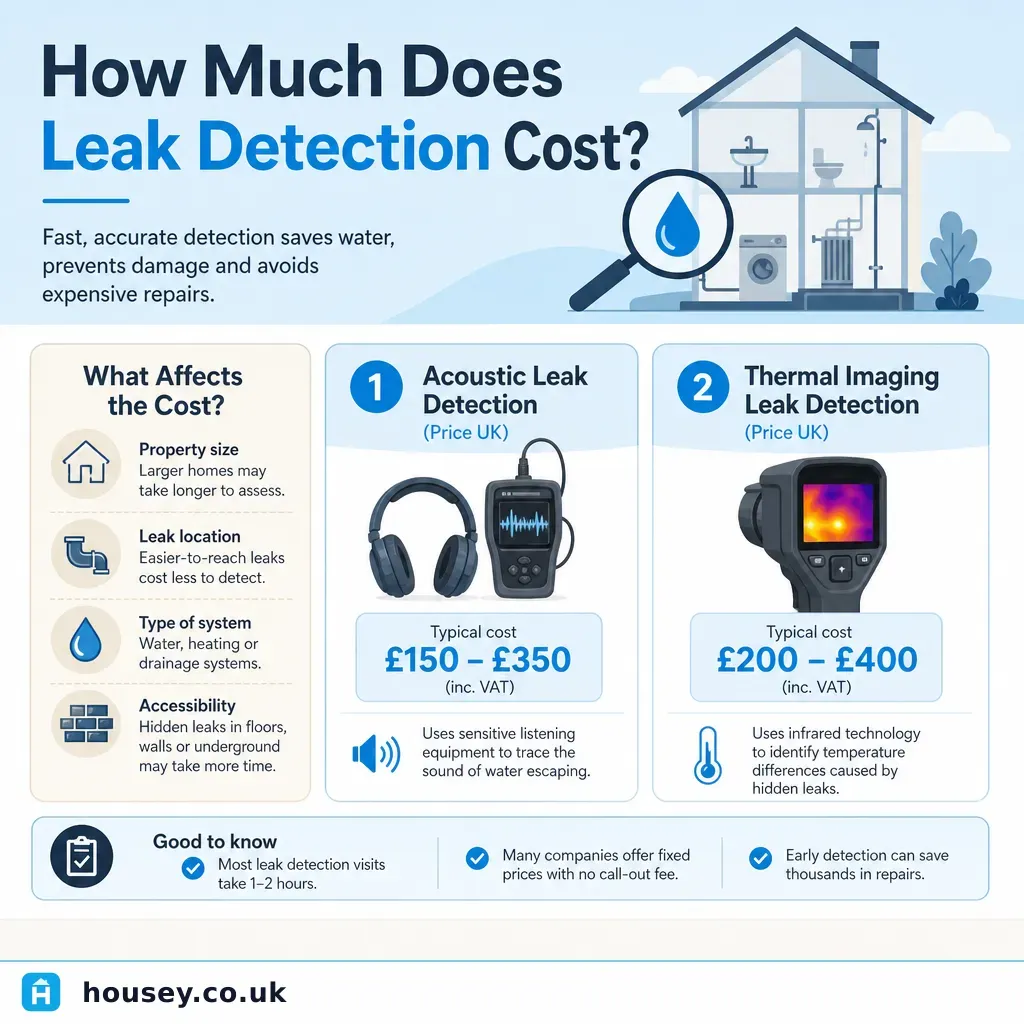
How Much Does Leak Detection Cost?
Leak detection in the UK typically costs £150–£600 for a standard residential survey, rising to £1,000 or more for complex cases requiring multiple methods.
 Surveys & Inspections
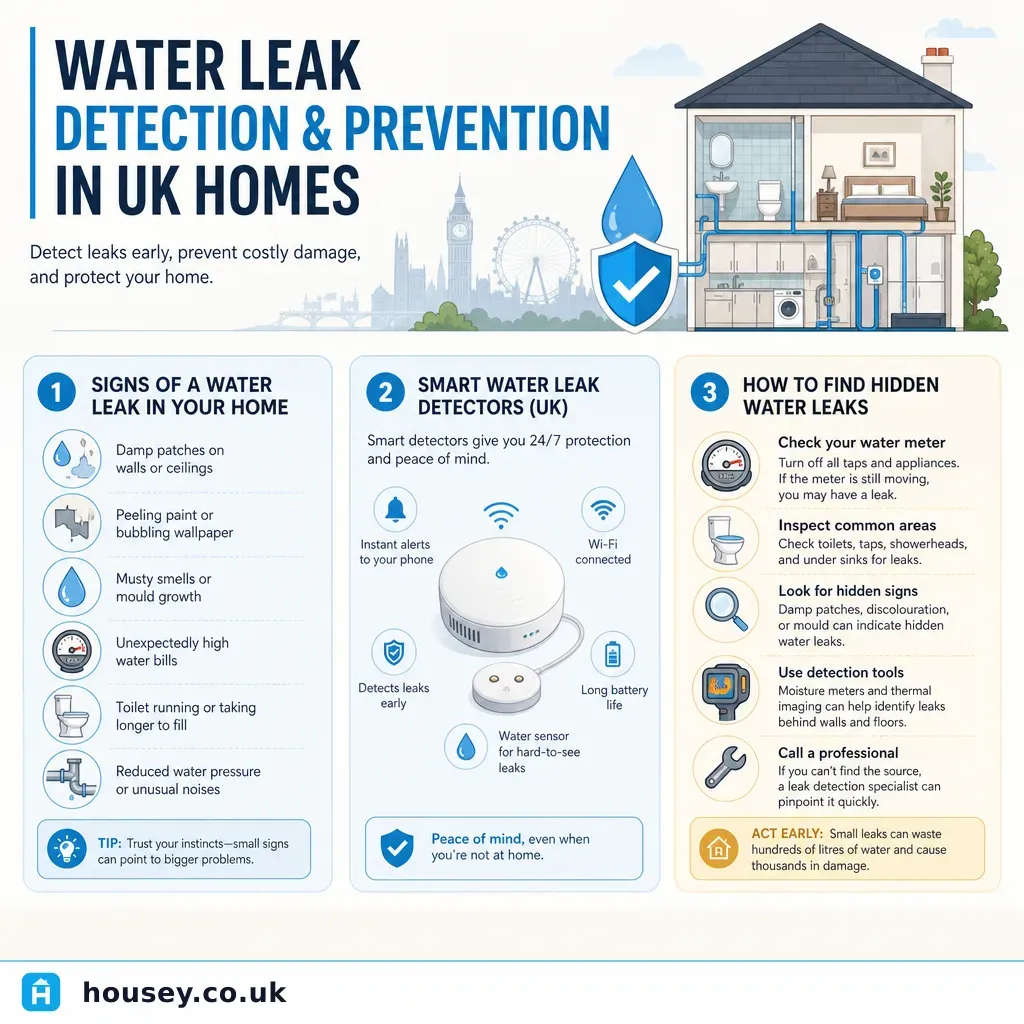
Water Leak Detection and Prevention in UK Homes
Water leaks in UK homes are best caught early through routine visual checks, water meter monitoring, and smart sensors placed under sinks and appliances.
 Surveys & Inspections
Why Property Boundaries Matter: Surveying and Dispute Prevention
Property boundaries in England and Wales are recorded as general boundaries by HM Land Registry — not precise measurements.
 Surveys & Inspections
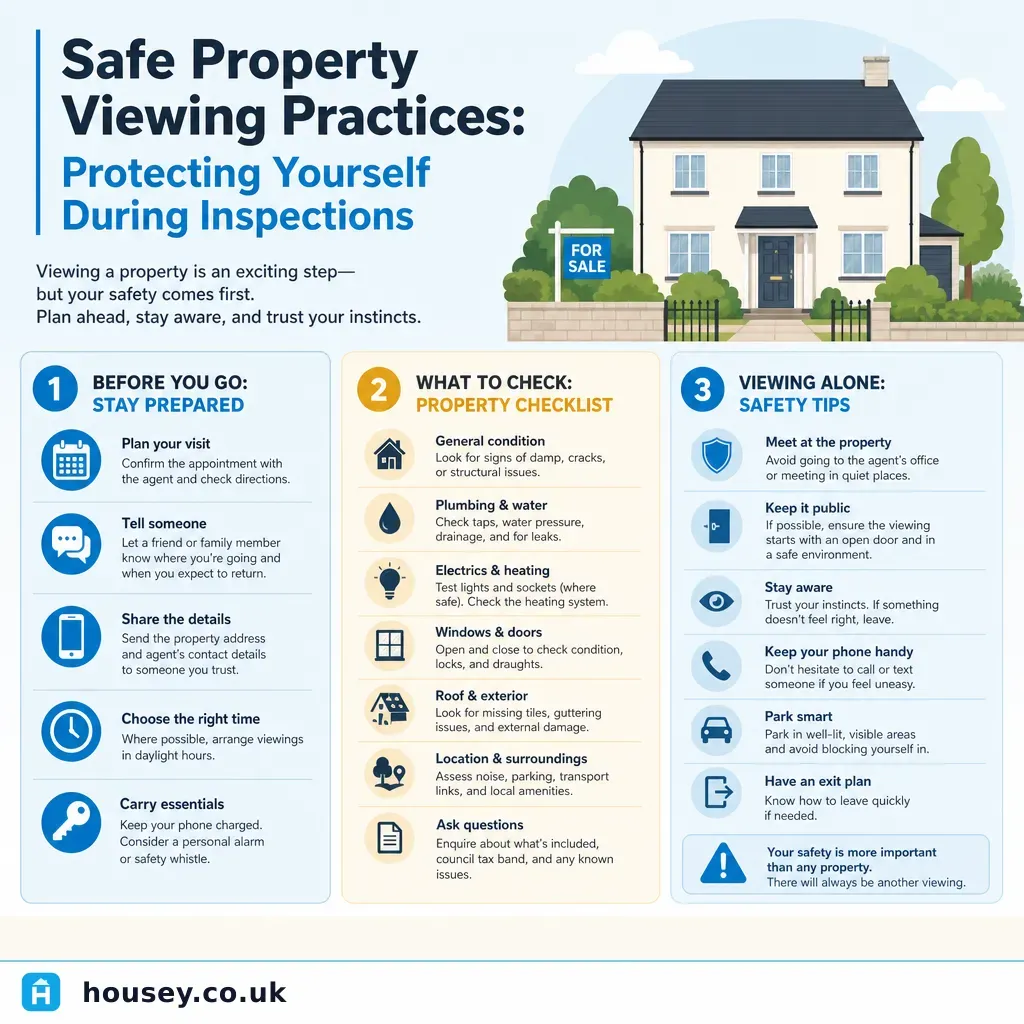
Safe Property Viewing Practices: Protecting Yourself During Inspections
When viewing a property in the UK, always tell someone where you are going and share the full address before you leave.
 Surveys & Inspections
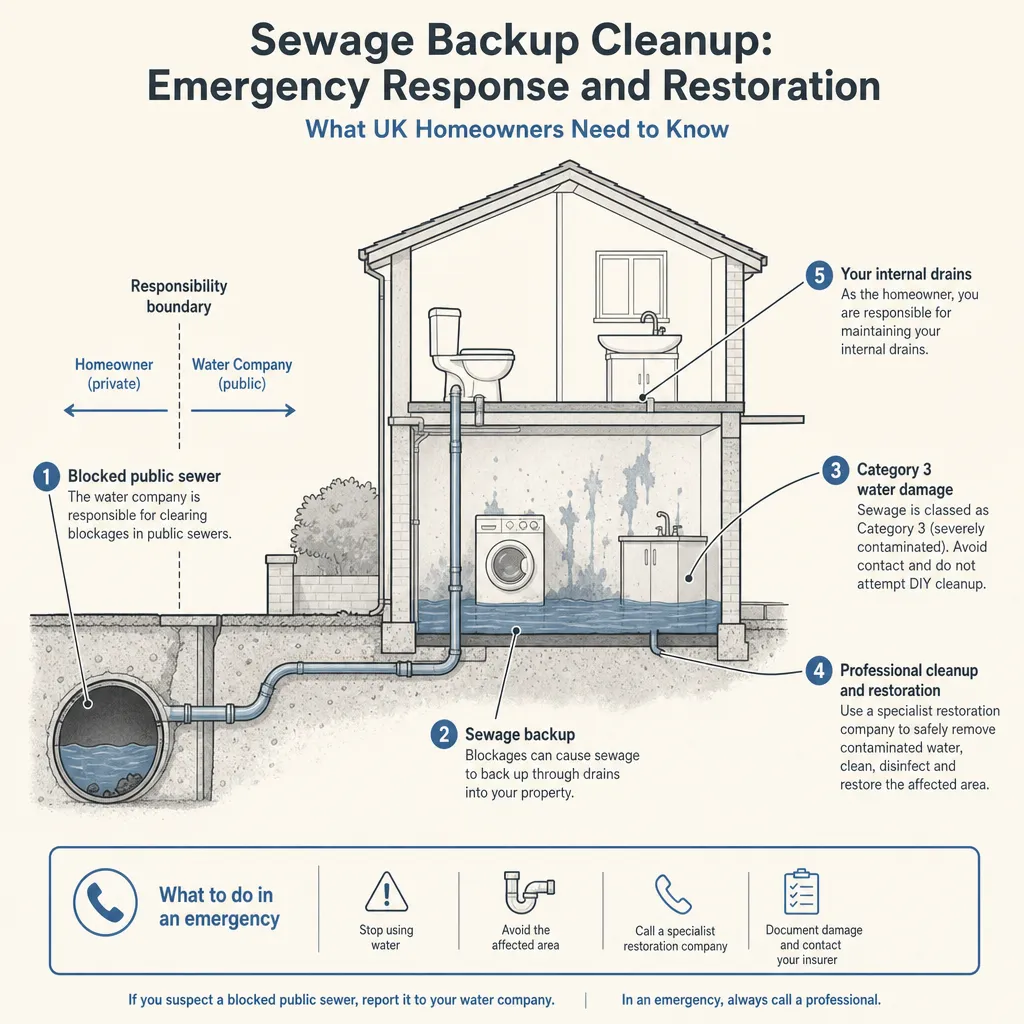
Sewage Backup Cleanup: Emergency Response and Restoration
A sewage backup should be treated as a Category 3 contamination event.