Getting a Painting Estimate: What to Expect and How to Evaluate
By Housey · Last reviewed 31st of May 2026
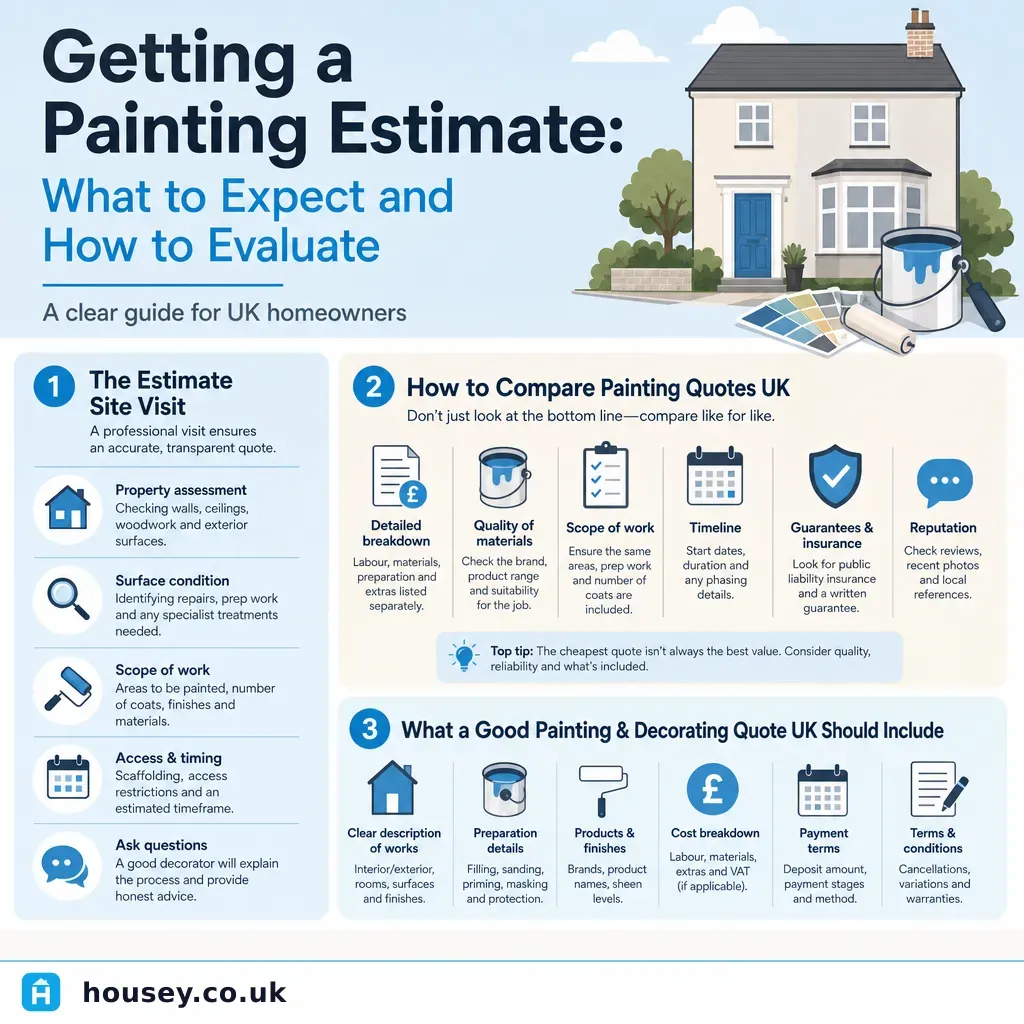
Getting a Painting Estimate: What to Expect and How to Evaluate
Whether you are refreshing the interior of a Victorian terrace or repainting the rendered exterior of a 1930s semi, getting reliable painting and decorating quotes involves more than comparing final totals. The estimating process itself reveals a great deal about how a contractor works — and what you are likely to receive for your money. Understanding what to expect from an estimate visit, and how to read and compare the quotes you receive, helps you make a more informed decision before any work begins.
Key points
- Obtain at least three written quotes for any job expected to exceed £500; verbal estimates have no contractual standing and are difficult to enforce.
- A credible estimator should visit the property to assess surface condition, access requirements, and preparation scope — a quote produced without a site visit is likely to be unreliable.
- Painting costs in the UK are typically calculated per square metre of surface area plus preparation, primer, finishing coats, and materials; labour usually accounts for 60–75% of the total.
- Painters with annual turnover below the VAT registration threshold (£90,000 as of 2026) are not required to charge VAT — but if they are registered, VAT must be shown separately on any written quote.
- Membership of the Painting & Decorating Association (PDA) or an approved decorator scheme (such as Dulux Select) is a useful quality indicator but is not a legal requirement.
What happens during a painting estimate visit?
A thorough estimator should spend 30–60 minutes at the property, depending on scope. During the visit they should assess:
- Surface area and room configuration — the number of coats required depends on wall height, alcoves, chimney breasts, and the existing finish
- Surface condition — flaking paint, damp staining, mould, old wallpaper, or nicotine yellowing all require additional preparation and affect the final price
- Access requirements — high ceilings, stairwells, or external soffit work may need scaffolding or specialist access equipment, usually costed separately
- Material specification — the type of paint (trade emulsion, breathable lime paint, exterior masonry paint) affects both cost and long-term durability
- Preparation scope — filling, sanding, priming, and washing surfaces is often where budgets are underestimated by contractors who have not carried out a thorough inspection
A contractor who produces an estimate without visiting — or who visits but asks few questions about surface condition — is unlikely to have costed the work accurately.
Interior versus exterior estimates: key differences
Factor | Interior painting | Exterior painting |
|---|---|---|
Primary cost driver | Labour per sq m of wall and ceiling area | Surface condition, access, and number of coats |
Access equipment | Usually within the labour rate | Scaffolding or cherry picker often charged separately |
Weather dependency | None | Schedule-dependent; delays may affect the final cost |
Preparation scope | Filling, sanding, priming | Cleaning, fungicide treatment, bare-wood priming, crack repair |
Typical duration | 1–5 days for average-sized rooms | 2–10 days depending on property size and condition |
Material specification | Emulsion, eggshell, gloss | Masonry paint, exterior wood finish, microporous coatings |
Key risk if underquoted | Extra preparation omitted from scope | Scaffold overhire, insufficient back-coats not priced in |
Indicative UK costs (last reviewed 2026-05-31): interior emulsion for an average bedroom £200–£400; exterior full repaint of a semi-detached house with scaffold £1,500–£3,500+. Costs vary significantly by region, access constraints, surface condition, and contractor experience. Always request itemised quotes so you can see clearly what is and is not included.
Quote comparison template
Use this template to compare quotes on a like-for-like basis — add each contractor's answer in a separate column:
Item | Contractor A | Contractor B | Contractor C |
|---|---|---|---|
Total price (inc. or exc. VAT?) |
|
|
|
Number of coats specified |
|
|
|
Preparation included (filling, sanding, washing)? |
|
|
|
Primer coats included? |
|
|
|
Materials included, or charged separately? |
|
|
|
Access equipment included (scaffold, steps)? |
|
|
|
Estimated duration |
|
|
|
Payment terms (deposit, stages, on completion)? |
|
|
|
Public liability insurance (min. £1m)? |
|
|
|
Guarantee or defects period offered? |
|
|
|
VAT registered? (registration number on quote?) |
|
|
|
Trade body membership? |
|
|
|
A quote with fewer line items is not automatically better — it may simply be omitting work you expect to receive.
What to ask before accepting a painting quote
- Who will actually carry out the work? If subcontractors are used, are they covered by the main contractor's public liability insurance?
- What paint brands and product grades are specified? Trade-grade paints differ from retail ranges in coverage and durability.
- What preparation is explicitly included in the price — and what is explicitly excluded?
- What happens if damp, mould, or loose plaster is discovered once preparation begins? Will there be a variation charge, and how much notice will you receive?
- Is the quote a fixed price or a day rate? Day-rate quotes carry higher risk of budget overrun on loosely defined scopes.
- What is the payment schedule? Be cautious of requests for more than 25–30% upfront on work lasting under a week.
- What is the process if you identify defects in the finished work?
- Can they provide references from comparable jobs completed in the past 12 months?
When surface condition points to a deeper problem
During an estimate visit, a contractor may flag surface issues that go beyond normal preparation: persistent damp patches, efflorescence on walls, cracks that re-open after filling, or suspected mould behind wallpaper. These may indicate underlying building defects — rising damp, condensation problems, or structural movement — that decoration alone cannot resolve.
If a painter raises these concerns, it is worth investigating the cause before proceeding. A specific defect survey can identify the source of moisture or movement and recommend the correct remediation, preventing you from spending money on decoration that will fail prematurely.
When to get professional help
Consult a surveyor or building professional before proceeding with painting if:
- Damp patches are present on walls and the underlying cause has not been diagnosed
- Cracks are recurring or widening after being filled
- A painter has flagged concerns about substrate condition you cannot independently verify
- The property is listed or in a conservation area, and specialist paints or lime-based finishes may be required by the local authority
- External render is hollow-sounding, cracked, or showing signs of detachment from the substrate
How Housey can help
If surface defects flagged during a painting estimate suggest an underlying building problem, Housey can connect you with qualified professionals who carry out specific defect surveys to diagnose the issue before decoration work begins.
Frequently asked questions
How many quotes should I get for a painting job?
Get at least three written quotes for any job over £500. For larger exterior repaints or full interior redecoration, three to four quotes give a useful price range and allow you to compare what each contractor has allowed for. Significant variation usually indicates different assumptions about preparation or materials — ask each contractor to clarify their scope.
Does a painting contractor need to be qualified?
There is no legal qualification requirement for decorating work in the UK, but membership of the Painting & Decorating Association (PDA) requires members to demonstrate a minimum standard of craft competence. For heritage properties or work requiring specialist materials, look for decorators with experience in lime-based or breathable finishes.
Is it normal to pay a deposit before a painting job?
A deposit of up to 25–30% for materials on a larger job is common and reasonable. Requests for more than 50% upfront — particularly from an unfamiliar contractor — carry significant risk. Stage payments linked to completion of agreed phases are a safer arrangement for jobs lasting several days.
What should a written painting quote include?
A written quote should state the scope of work (rooms, surfaces, number of coats), materials specified, preparation included, estimated duration, total price clearly showing whether VAT is included, payment terms, and the contractor's public liability insurance details. Without a written scope, resolving any dispute about what was agreed becomes very difficult.
Sources and further reading
- Painting & Decorating Association: find a member — Painting & Decorating Association
- VAT registration: when to register — GOV.UK
- Getting quotes for work on your home — Citizens Advice
- Consumer protection rights — GOV.UK
Useful next reads
 Surveys & Inspections
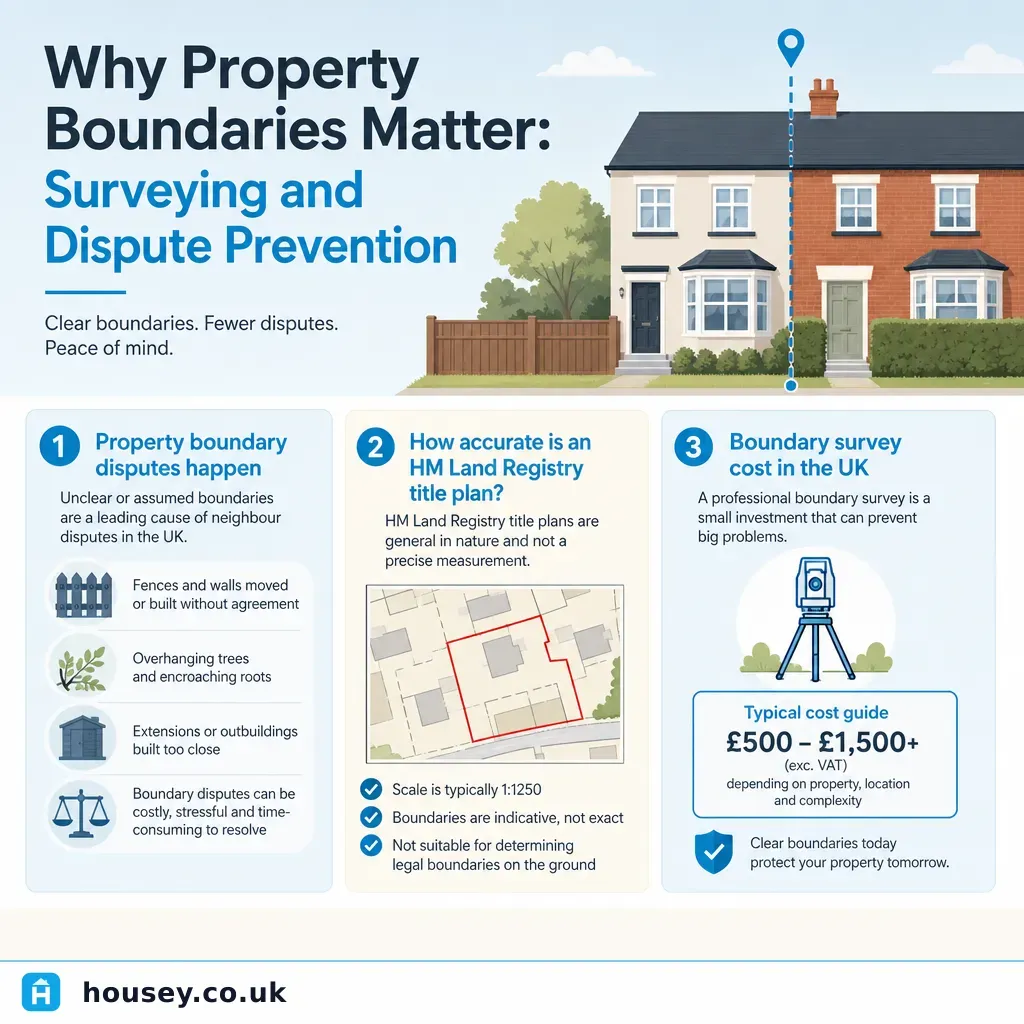
Why Property Boundaries Matter: Surveying and Dispute Prevention
Property boundaries in England and Wales are recorded as general boundaries by HM Land Registry — not precise measurements.
 Surveys & Inspections
Safe Property Viewing Practices: Protecting Yourself During Inspections
When viewing a property in the UK, always tell someone where you are going and share the full address before you leave.
 Surveys & Inspections
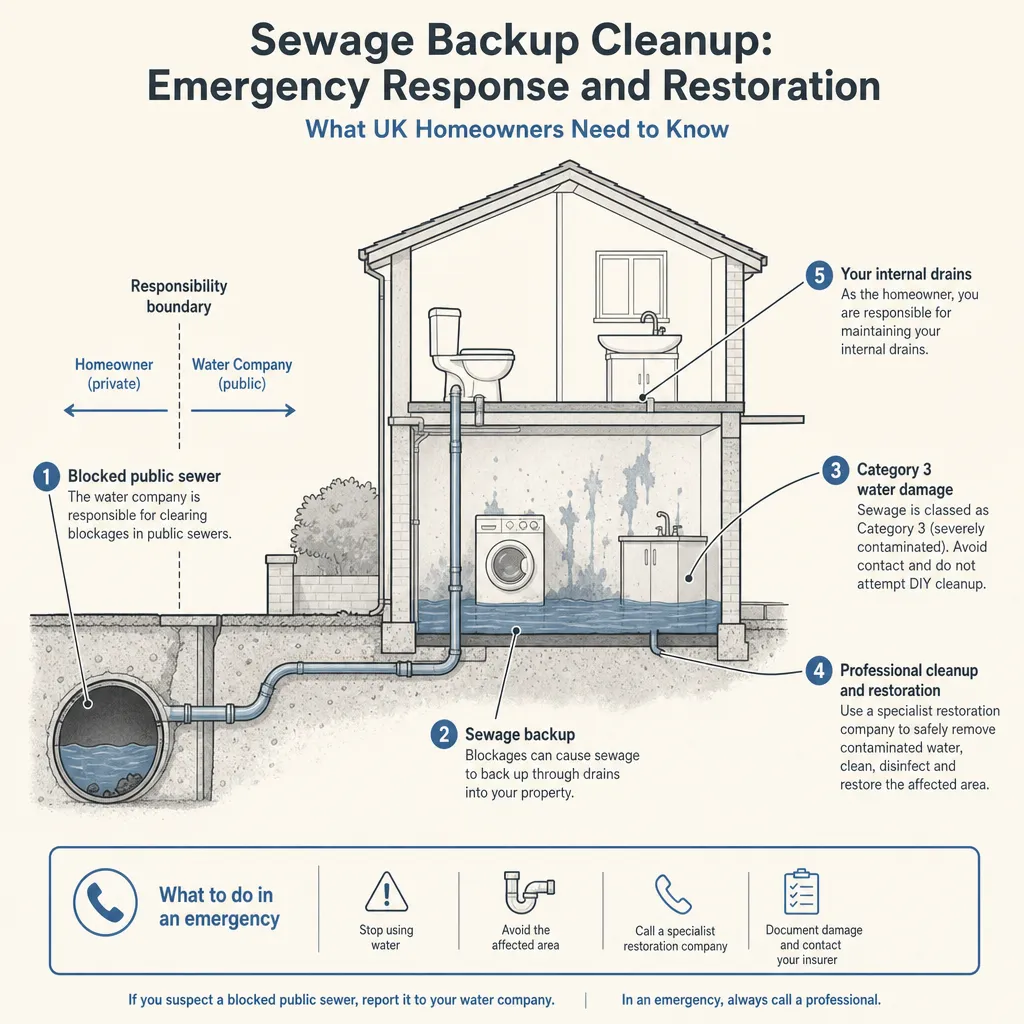
Sewage Backup Cleanup: Emergency Response and Restoration
A sewage backup should be treated as a Category 3 contamination event.
 Surveys & Inspections
Identifying Asbestos Insulation: What You Need to Know for Your Property
Asbestos insulation was widely used in UK properties built before 2000, commonly found in pipe lagging, ceiling tiles, loose-fill loft insulation, and around boilers.
 Surveys & Inspections
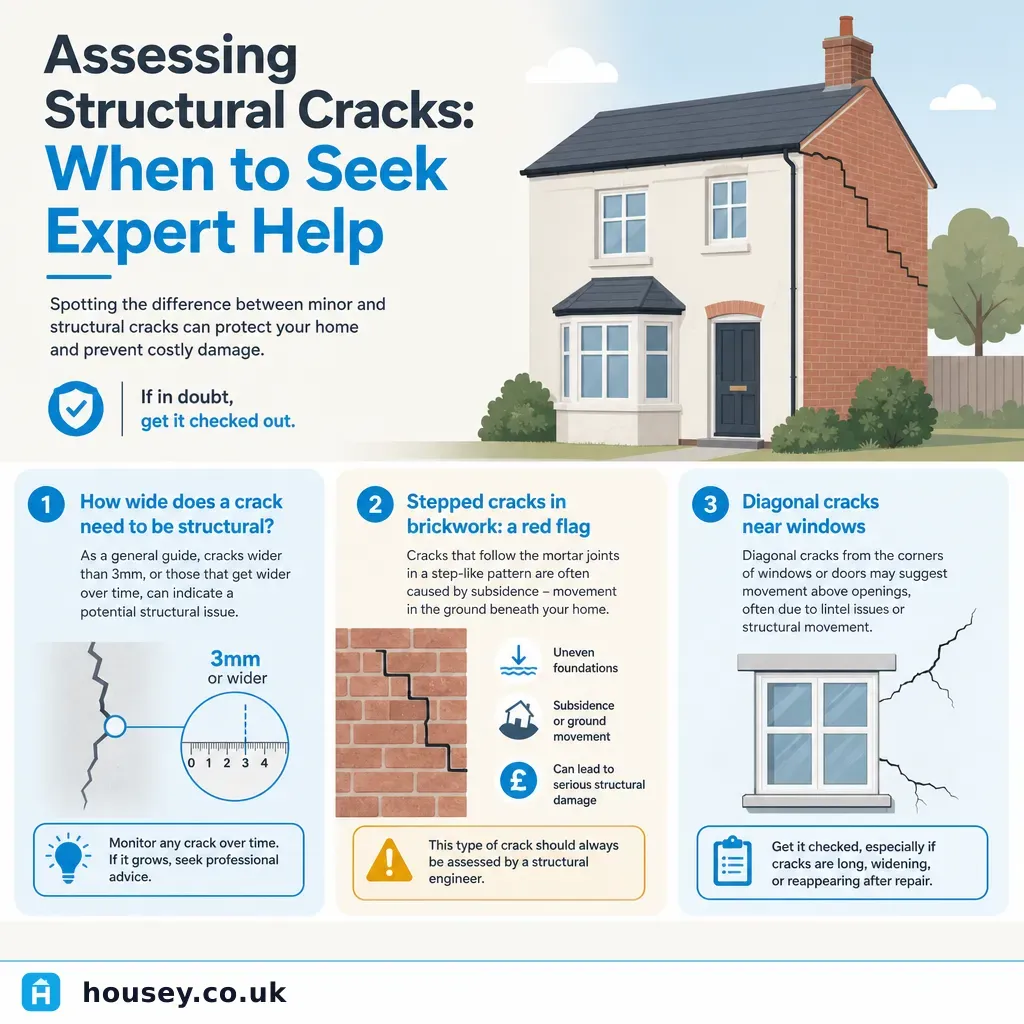
Assessing Structural Cracks: When to Seek Expert Help
Structural cracks range from harmless shrinkage hairlines to signs of subsidence or foundation movement.