Government Heat Pump Grants: What Property Owners Need to Know
By Housey · Last reviewed 18th of May 2026
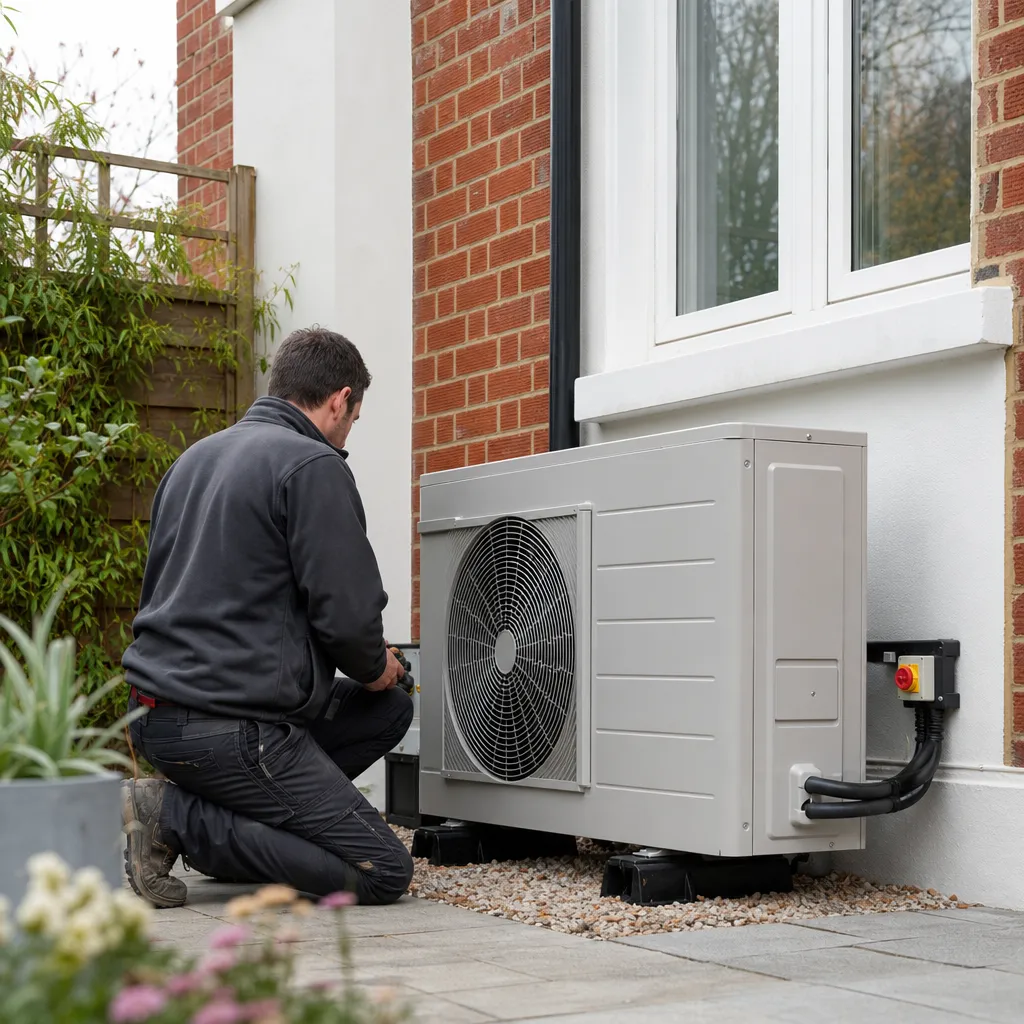
Government Heat Pump Grants: What Property Owners Need to Know
Replacing a gas or oil boiler with a heat pump is one of the most consequential energy upgrades a UK homeowner can undertake, and the government's Boiler Upgrade Scheme (BUS) has substantially reduced the upfront cost for eligible properties since its launch in 2022. The grant landscape is worth understanding in detail before you proceed: eligibility conditions, the role of MCS certification, and the critical importance of a proper heat loss survey all determine whether an installation will perform well and whether the grant will be paid. Making decisions based on a partial understanding of the scheme has left some homeowners with unexpected costs or poorly specified systems.
Key points
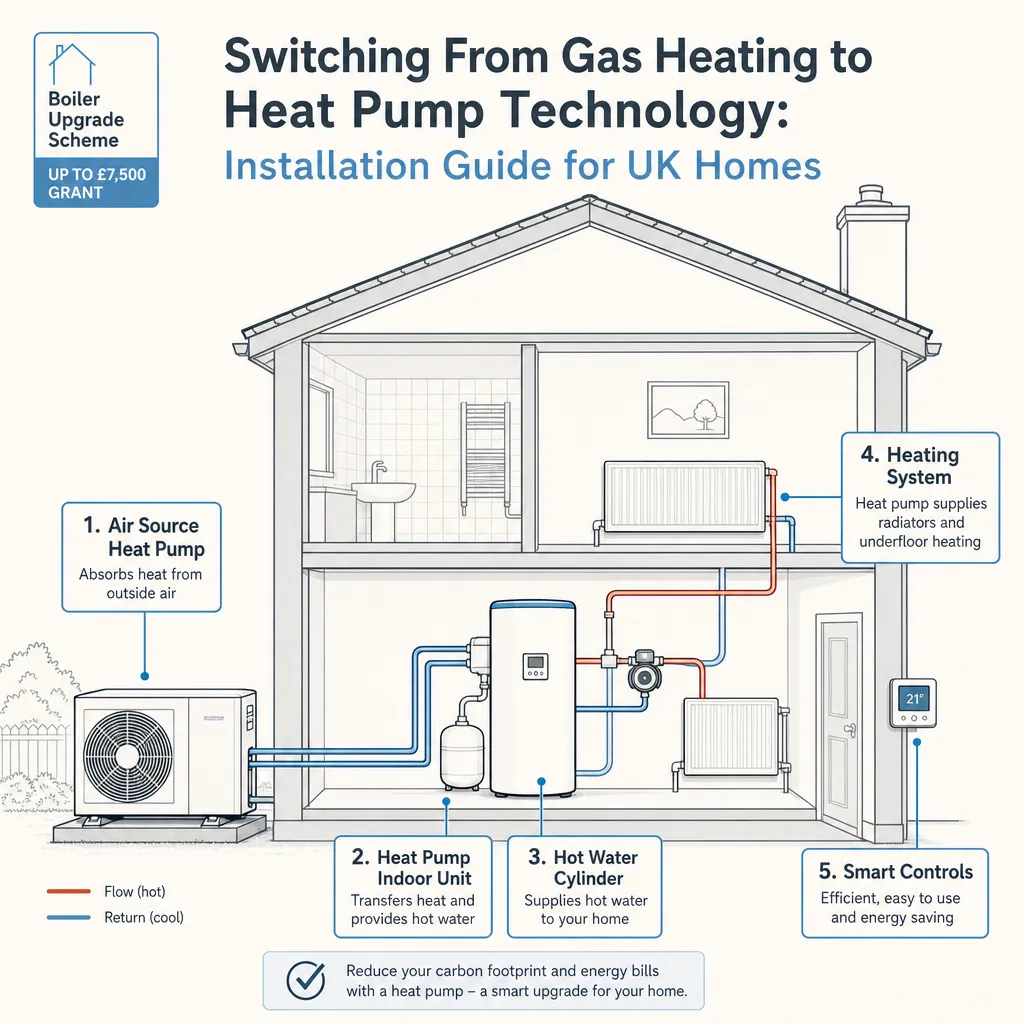
- The Boiler Upgrade Scheme (BUS) provides a £7,500 voucher towards the installed cost of an air source or ground source heat pump; the voucher is redeemed by the MCS-certified installer, not paid directly to the homeowner.
- To qualify for BUS, the property must have a valid EPC with no outstanding recommendations for cavity wall insulation or loft insulation (where applicable and cost-effective).
- Both the installer and the heat pump equipment must hold Microgeneration Certification Scheme (MCS) accreditation for the BUS application to be valid.
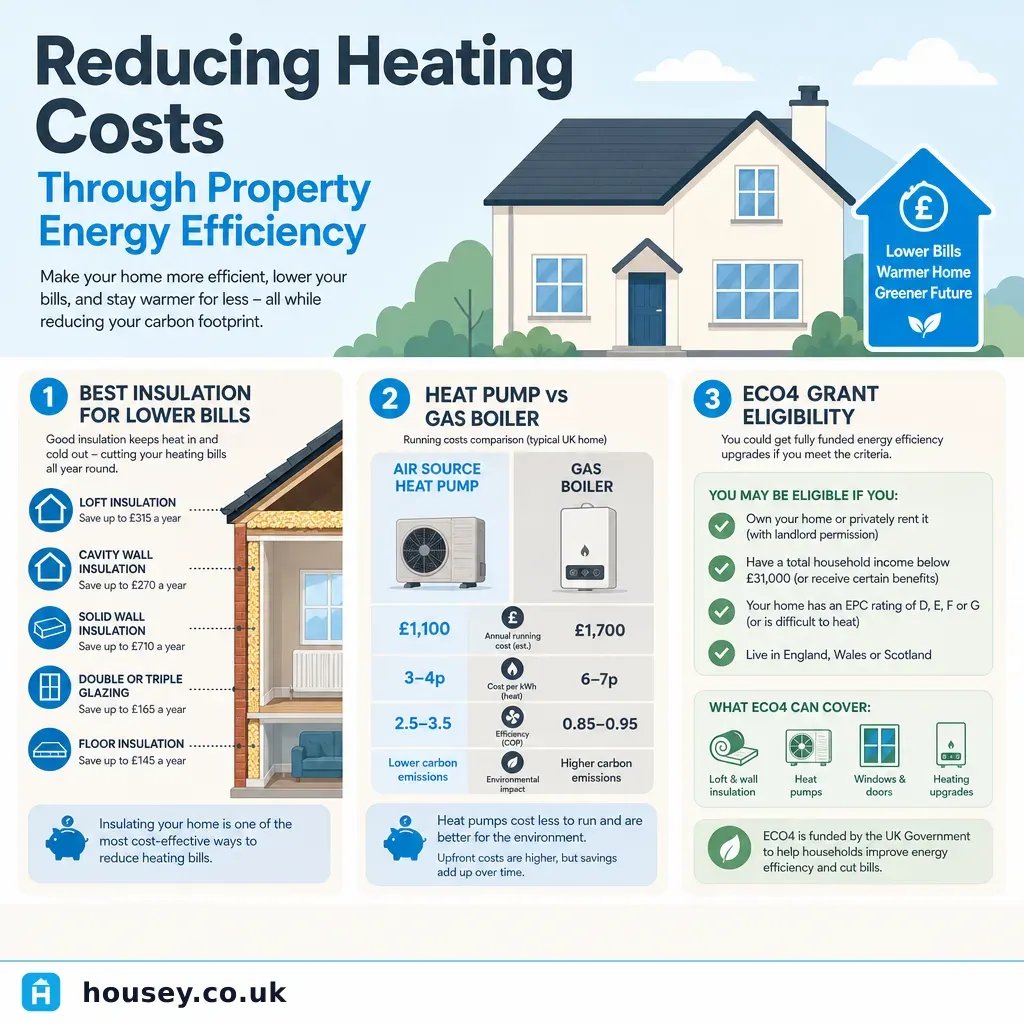
- Low-income households on qualifying benefits may access free or heavily subsidised heat pumps through ECO4, administered by energy suppliers under Ofgem oversight.
- A heat loss calculation to BS EN 12831 is required before specifying a heat pump size; an undersized system fails to heat the property adequately, while an oversized unit short-cycles, wearing the system and raising running costs.
How the Boiler Upgrade Scheme works
The Boiler Upgrade Scheme is administered by Ofgem on behalf of the Department for Energy Security and Net Zero (DESNZ). The grant is structured so that the homeowner never handles the funds directly:
- Commission a survey from an MCS-certified installer. The installer carries out a heat loss calculation, checks the EPC for outstanding insulation recommendations, and provides a quote.
- The installer applies for a BUS voucher before installation begins. Homeowners do not apply directly to Ofgem.
- Ofgem issues the voucher (valid for three months from issue). Works must be completed within this window.
- Installation is completed. The installer redeems the voucher; you pay the net cost — total installed price minus the £7,500 voucher.
Eligible technologies under BUS (as of May 2026):
- Air source heat pumps (ASHPs)
- Ground source heat pumps (GSHPs), including water source heat pumps
- Heat pump hot water systems (domestic hot water only, not space heating)
Biomass boilers were removed from BUS in 2023. Hybrid heat pump systems and installations in new-build properties are not eligible.
ECO4 — the route for lower-income households
ECO4 (Energy Company Obligation phase 4) is a separately administered government-mandated scheme requiring large energy suppliers to fund heating and insulation improvements for households in fuel poverty or receiving qualifying benefits. Under ECO4, heat pumps — and the insulation improvements that support them — may be provided at little or no upfront cost to the householder.
Qualifying benefits typically include Universal Credit, Pension Credit, Income-based Jobseeker's Allowance, Child Tax Credit, and several others. Check Ofgem's current ECO4 guidance, as eligible benefits and scheme parameters are reviewed periodically.
The Great British Insulation Scheme (GBIS), which runs alongside ECO4, can fund fabric improvements — loft insulation, cavity wall insulation, and in some cases solid wall insulation — that are prerequisites for efficient heat pump operation and may be required to satisfy BUS eligibility.
Which properties suit heat pumps
Factor | More suitable | Less suitable |
|---|---|---|
Insulation level | Well-insulated (EPC C or above; low fabric heat loss) | Poorly insulated solid-wall property with no insulation plan in place |
Existing heating distribution | Wet underfloor heating or oversized radiators designed for lower flow temperatures | Small radiators sized for high-temperature boiler flow (may need replacement) |
Outdoor space | Adequate external wall space (ASHP) or garden/land (GSHP) | Dense terrace with no suitable external space; conservation area restrictions |
EPC status | Valid EPC clear of outstanding insulation recommendations | EPC with outstanding cavity wall or loft insulation recommendations (blocks BUS) |
Heat loss profile | Low calculated heat loss relative to floor area | High heat loss requiring very high flow temperatures to compensate |
This comparison is indicative. A proper heat pump survey by an MCS-certified assessor is the only reliable way to determine suitability for a specific property.
Heat loss calculations — why they matter
The heat loss calculation to BS EN 12831 is the engineering foundation of a correct heat pump specification. It establishes:
- The design heat loss of each room, in kilowatts
- The total peak heat load of the property
- The design flow temperature needed to deliver that load
These figures drive the selection of heat pump model, output capacity, and any necessary radiator or underfloor heating upgrades. An oversized system short-cycles repeatedly, reducing efficiency, accelerating component wear, and raising running costs. MCS-certified installers are required to carry out a heat loss calculation as part of the BUS application process; if a quoted installer does not mention this step, treat it as a red flag.
Scotland, Wales, and Northern Ireland
Grant availability varies by nation. Scotland's Home Energy Scotland scheme offers grants of up to £7,500 for heat pumps plus an optional interest-free loan, administered separately from BUS. Wales has the Nest scheme for lower-income households. Northern Ireland operates its own Sustainable Energy Programme. Always check the relevant national scheme before assuming BUS applies to your property.
Important limitations
This article provides general information about heat pump grant schemes and suitability factors in the UK. Grant amounts, eligibility conditions, scheme end dates, and technology coverage are subject to change. The figures and scheme details described reflect the position as of May 2026 and should be verified against Ofgem's current BUS guidance and the relevant national scheme before any financial commitment is made. Heat pump sizing, installation, and system design involve regulated activities; a qualified, MCS-certified professional must assess your specific property. General guidance cannot substitute for this assessment.
Properties in conservation areas or listed buildings may require planning permission for external heat pump units even where permitted development rights would otherwise apply. Check with your local planning authority before instructing an installer.
When this becomes urgent
Seek professional input without delay if:
- Your existing boiler has failed or is at end of life during the heating season and you are considering a grant-funded replacement — BUS vouchers are time-limited and installer appointment slots fill quickly.
- Your EPC shows outstanding cavity wall or loft insulation recommendations that block BUS eligibility — insulation works must be completed and a new EPC lodged first, and lead times for insulation installers can be significant.
- You are planning a major building project (extension, loft conversion) and want to incorporate a heat pump at the design stage — early specification avoids expensive retrofitting of pipework and controls later.
- You are in a conservation area or have a listed building where permitted development rights for external units may not apply.
What to ask a qualified professional
Before instructing an MCS-certified installer or heat pump assessor:
- Are you MCS-certified, and can you provide your MCS installer certificate number so I can verify it on the MCS register?
- Will you carry out a room-by-room heat loss calculation to BS EN 12831 before specifying equipment?
- Is my current EPC clear of outstanding insulation recommendations? If not, what works are needed first and can you recommend a GBIS-registered installer?
- What flow temperature will the system need to operate at, and will my existing radiators need upsizing?
- Will you apply for the BUS voucher on my behalf before work begins?
- What seasonal coefficient of performance (SCOP) do you project for this installation, and what does that imply for annual running costs?
- What manufacturer warranty is included, and what does it cover?
When to get professional help
A heat pump installation involves electrical and refrigerant work that must be carried out by appropriately qualified engineers — this is not suitable for DIY. Always seek professional assessment before:
- Committing to any heat pump purchase or deposit payment.
- Agreeing a BUS application with an installer whose MCS certification you have not verified on the MCS register.
- Installing any external unit that may require planning permission.
- Making decisions about radiator replacements without a confirmed heat loss figure.
How Housey can help
Housey connects homeowners with MCS-certified professionals for heat pump surveys, helping you establish whether your property is suitable and what specification of system is right — before any financial commitment. Energy-efficiency consultants can advise on the fabric improvements — insulation, draught-proofing, glazing — that maximise heat pump performance and may need to be addressed to satisfy BUS eligibility. For a whole-house retrofit plan aligned with PAS 2035, a retrofit assessment sequences improvements in the right order to avoid moisture and ventilation risks.
Frequently asked questions
How much is the Boiler Upgrade Scheme grant in 2026?
The BUS voucher for air source and ground source heat pumps is £7,500 as of May 2026. The grant is applied by the MCS-certified installer; you pay the difference between the total installed cost and the voucher value. Scheme terms can change — verify the current position on GOV.UK or Ofgem's BUS guidance page before making any financial commitment.
Do I need insulation work done before applying for BUS?
If your EPC shows outstanding recommendations for cavity wall insulation or loft insulation (where applicable), these must be installed and a new EPC lodged before a BUS voucher can be issued. If those recommendations are absent or do not apply to your property type, you may proceed directly to the heat pump installation process.
Can I get a BUS grant on a new-build home?
No. The Boiler Upgrade Scheme applies to existing properties only. New-build homes are subject to the Future Homes Standard, which sets its own fabric and heating efficiency requirements for low-carbon heating systems separately from BUS. If you are purchasing a new-build, check the developer's specification for the heating system installed.
What is the difference between BUS and ECO4?
BUS is an open-to-all voucher scheme with a fixed £7,500 grant; you pay the remaining installation cost. ECO4 is targeted at low-income households receiving qualifying benefits and can provide free or heavily subsidised heat pumps and insulation. The two schemes serve different eligibility groups and cannot be combined for the same measure. Check Ofgem's guidance to determine which applies to your circumstances.
Sources and further reading
- Boiler Upgrade Scheme: guidance for homeowners — GOV.UK / Ofgem
- Energy Company Obligation (ECO4) — Ofgem
- Great British Insulation Scheme guidance — GOV.UK
- MCS certification standards and installer register — Microgeneration Certification Scheme
- Home Energy Scotland grant and loan scheme — Energy Saving Trust / Home Energy Scotland
- PAS 2035:2019 — Retrofitting dwellings for improved energy efficiency — BSI Group
Useful next reads
 Energy & Retrofit
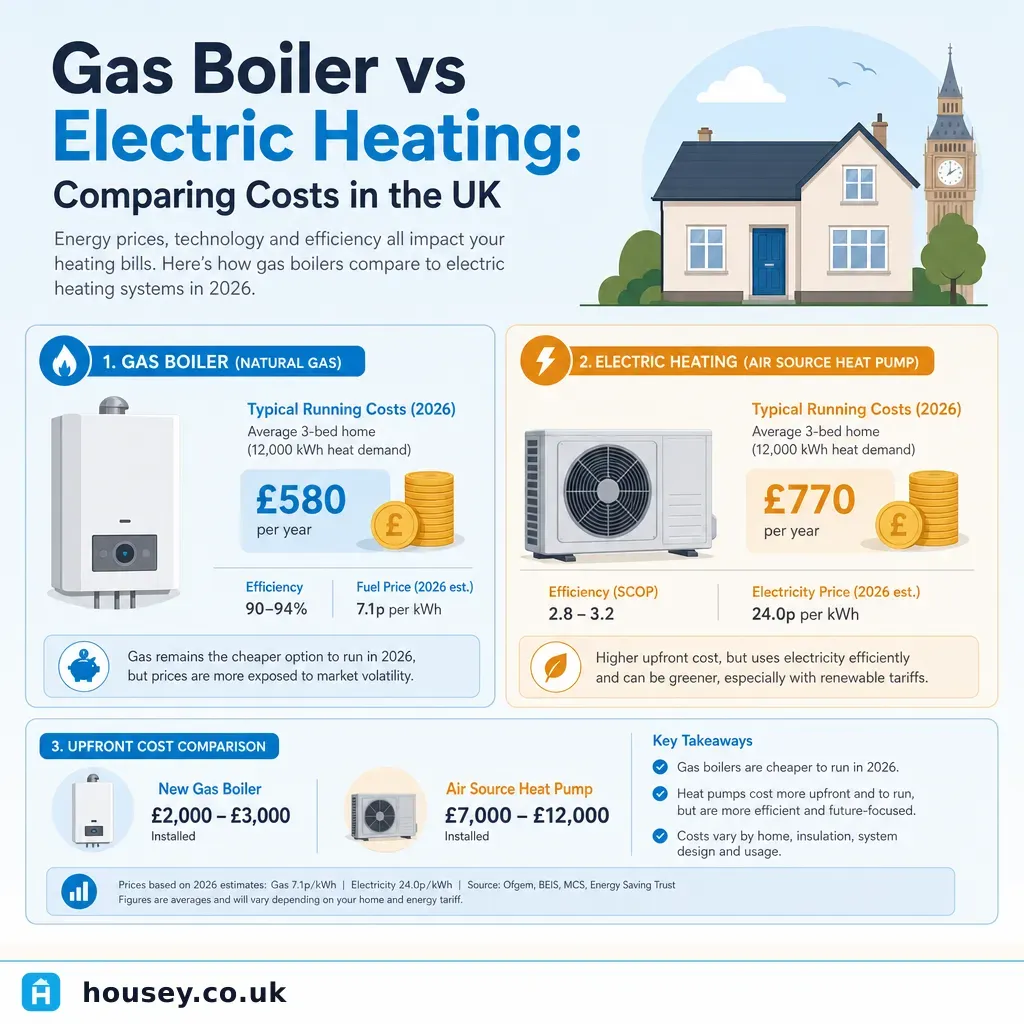
Gas Boiler vs Electric Heating: Comparing Costs in the UK
Gas boilers currently cost around 6.
 Energy & Retrofit
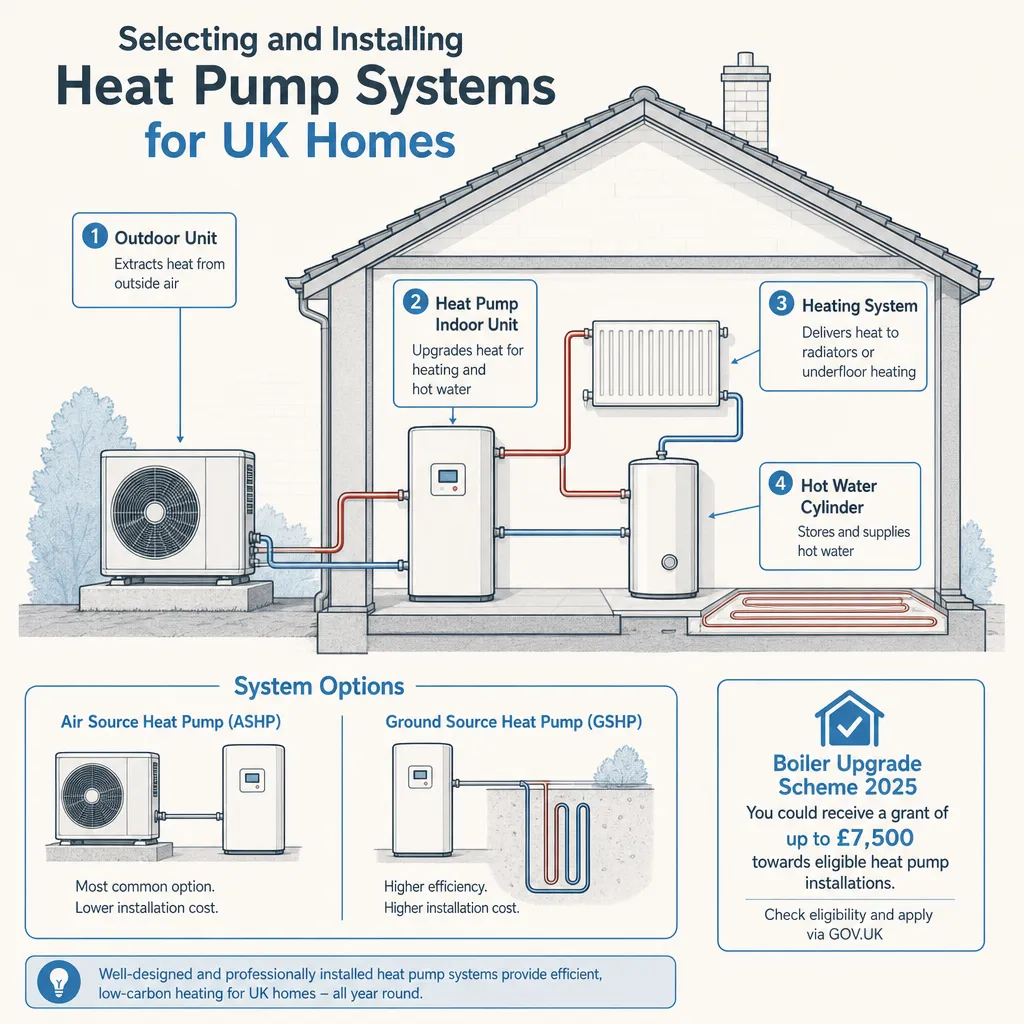
Selecting and Installing Heat Pump Systems for UK Homes
Selecting a heat pump for a UK home requires a site-specific heat loss calculation, an assessment of existing heat emitters, and a check on fabric insulation before any system is chosen.
 Energy & Retrofit
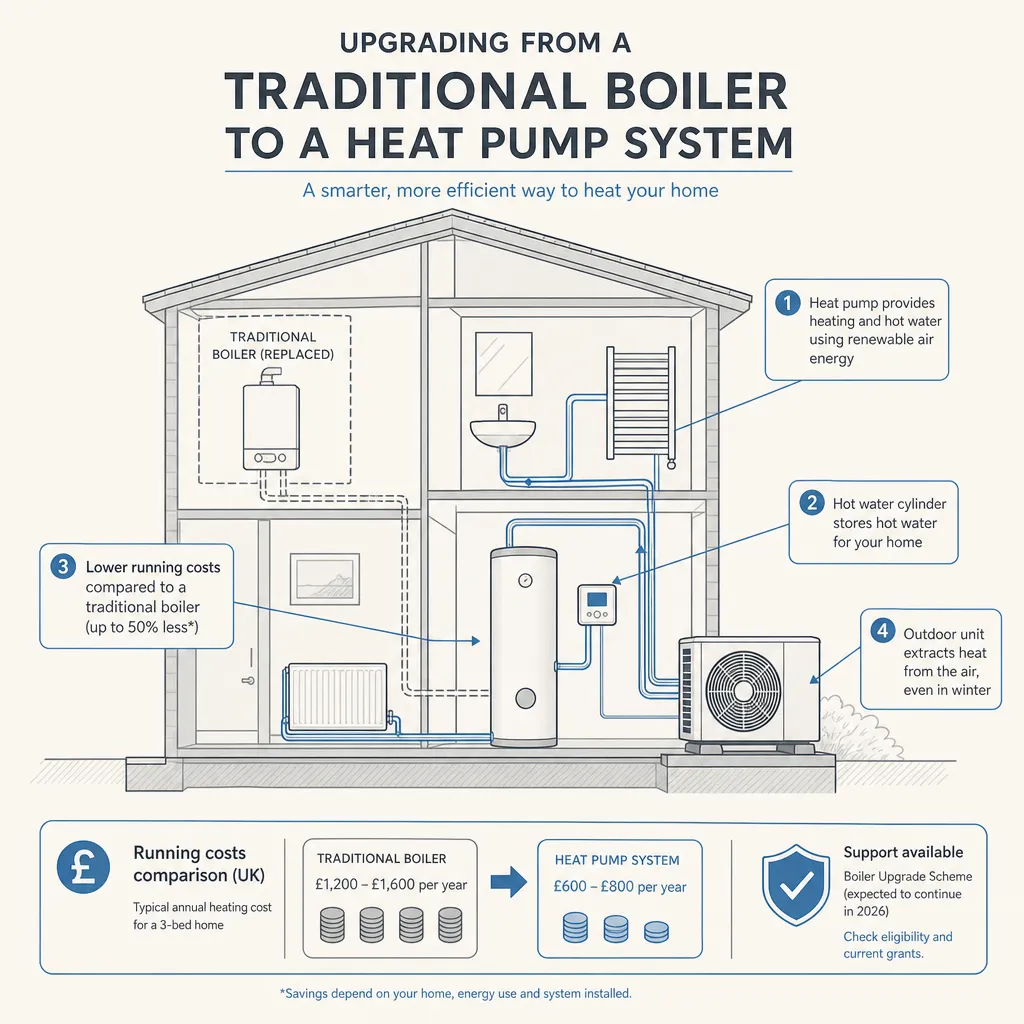
Upgrading from a Traditional Boiler to a Heat Pump System
Replacing a gas boiler with a heat pump is feasible in most UK homes but requires a professional heat loss calculation, compatible emitters, and often some fabric upgrades.
 Energy & Retrofit
Reducing Heating Costs Through Property Energy Efficiency
Reducing heating costs starts with identifying where heat is lost — typically walls (30–35%), roof (20–25%), and windows.
 Energy & Retrofit
Switching From Gas Heating to Heat Pump Technology: Installation Guide
Switching from gas to a heat pump requires a heat loss calculation, correctly sized equipment, and often radiator upgrades before installation.