Hail Damage to Roofs: Assessment, Insurance and Repair
By Housey · Last reviewed 1st of June 2026
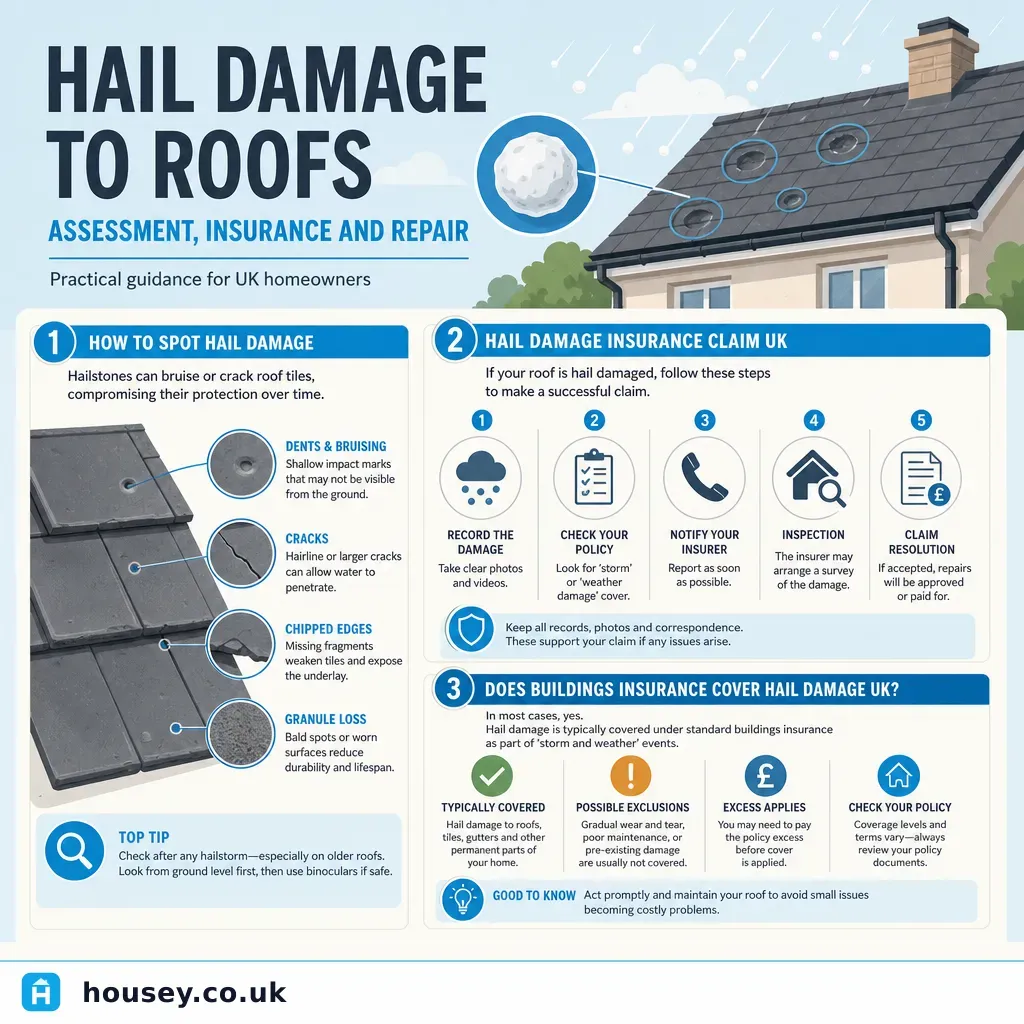
Hail Damage to Roofs: Assessment, Insurance and Repair
Hailstorms are relatively uncommon across much of the UK, but when they do occur — particularly in spring and summer months across the Midlands, Yorkshire, and the South East — they can leave a trail of hidden damage that only becomes apparent weeks later when ceilings stain or tiles fail. For homeowners, the question of whether recent bad weather has compromised a roof often arises after spotting interior leaks, reading insurance renewal documents, or following a neighbour's experience with a claim. Acting promptly and methodically makes a significant difference to both the quality of any repair and the success of an insurance claim.
Key points
- Hailstones of 20 mm or more in diameter can fracture concrete and clay roof tiles, crack natural slate, and cause permanent granule loss on felt or bitumen flat roofs.
- Under most standard UK buildings insurance policies, storm and hail damage is covered under storm or accidental damage provisions — check your policy schedule carefully, as excesses and exclusions vary widely between insurers.
- BS 5534:2014+A2:2018 sets the UK standard for the design and installation of slating and tiling, including fixing requirements that affect how tiles perform under wind and impact loading.
- The Association of British Insurers (ABI) recommends homeowners report storm damage to their insurer as soon as it is discovered — delays can complicate claims, particularly where subsequent weather causes further deterioration.
- Working at height above 2 m to inspect a roof is subject to the Working at Height Regulations 2005; homeowners should not attempt self-inspection from ladder tops or roof pitches.
How to identify hail damage without going on the roof
Hail damage is often invisible from ground level and is best confirmed by a professional inspection — but there are signs you can check safely from the ground or from inside the loft.
From the ground (using binoculars or a camera with zoom), look for:
- Displaced, cracked, or missing tiles or slates
- Dents or deformation in lead flashings, valley gutters, or aluminium fascias
- Impact marks or crazing on rooflights, skylights, or conservatory glazing
- Broken or dislodged ridge or hip tiles
- Debris — tile chips, granules, or slate fragments — in gutters or on paths below the eaves
From inside the loft (if accessible and safe to enter):
- Water staining on timbers, insulation, or ceiling boards
- Daylight visible through the roof covering (rare after minor hail, but a clear warning sign)
- Wet or compressed insulation, indicating slow ingress at a cracked tile
If you find interior water damage, photograph and video-record it before any drying or remedial work begins. Insurers and loss adjusters typically require evidence of damage in its original state.
Which roof types are most vulnerable to hail damage?
Not all roof coverings respond to hail in the same way. The table below summarises typical vulnerability by material — useful when prioritising which elements of your property to have inspected after a hail event.
Roof covering | Typical hail vulnerability | Common damage signs |
|---|---|---|
Concrete interlocking tiles | Moderate | Surface chips, cracks, broken nibs |
Natural slate | Moderate | Edge chips, hairline cracks, delamination |
Clay plain tiles | Moderate–high | Fractures, surface crazing |
Felt/bitumen flat roofs | High | Granule loss, punctures, blistering |
GRP/fibreglass flat roofs | Low–moderate | Surface crazing at impact points |
EPDM rubber flat roofs | Low | Punctures in severe events only |
Glass/polycarbonate rooflights | High | Cracking, shattering, seal failure |
Lead flashings and valleys | Moderate | Denting, deformation (rarely structural) |
Older, weathered coverings are more likely to sustain damage than newer ones. A tile already carrying hairline stress fractures from previous freeze-thaw cycles may shatter on hail impact where a newer tile would survive.
How to make an insurance claim for hail damage
A well-documented claim supported by a professional inspection report is far more likely to be accepted in full. The following steps reflect common best practice for UK homeowners.
Step 1: Document before you touch anything. Photograph all visible damage from ground level, and ensure that if a roofing contractor or surveyor attends, photographs are taken on the roof surface before any remedial work begins.
Step 2: Check your policy schedule. Confirm your buildings insurance covers storm and hail damage, note the excess, and check for any exclusion relating to maintenance or pre-existing defects. Some policies require damage to be reported within a stated period.
Step 3: Commission a professional roof condition report. Most insurers will require or strongly prefer a written report from a qualified roofing contractor or chartered surveyor before authorising significant repairs. A professional roof survey establishes the extent of storm-related damage and distinguishes it from pre-existing deterioration — which can be crucial when a loss adjuster challenges causation.
Step 4: Obtain repair quotes. Get at least two or three itemised quotes from contractors. Each should specify materials, method of work, scaffolding requirements, and any associated work such as replacement of damaged underlays or insulation.
Step 5: Engage the loss adjuster. For significant claims, your insurer may appoint a loss adjuster to assess damage independently. Providing your own survey report and contractor quotes gives the adjuster a clear baseline. For disputes about the scope or value of a claim, an insurance valuation from an independent RICS-registered professional can provide an authoritative basis for negotiation.
Typical repair options after hail damage
The appropriate repair depends on the extent of damage, the roof covering, and the age of the existing materials.
- Individual tile or slate replacement: suitable where damage is limited to a small number of units and the surrounding covering is in good condition. Matching older materials can be difficult — a surveyor should advise whether partial re-roofing is more cost-effective.
- Partial re-roofing: where a significant area of tiles or slates is affected, replacing a full slope or section may be more economical and delivers a better weatherproof result than piecemeal repairs.
- Flat roof resurfacing: hail-damaged felt or bitumen flat roofs often benefit from a full overlay or replacement rather than patching, particularly if the covering is already nearing the end of its service life.
- Flashing and lead repair: dented lead is usually functional but may need re-dressing or replacement if deformation has opened a joint. Valley gutters and parapet flashings are common weak points.
- Rooflight replacement: cracked or shattered rooflights generally require full unit replacement; repair is rarely practical for glazed or polycarbonate units.
Always obtain itemised quotes and confirm whether VAT and scaffolding costs are included. Indicative UK costs, last reviewed 2026-06-01. Quotes vary significantly by roof pitch, access, material type, and region.
Important limitations
This article provides general information for UK homeowners. Roofing and structural assessments must be carried out by qualified professionals. Storm damage, buildings insurance policy terms, and repair specifications vary significantly by property, construction method, and insurer. Nothing in this guide constitutes insurance, legal, or structural advice. Building control notification may apply to certain repair or replacement works — check with your local planning authority and building control body before instructing repairs to listed buildings or properties in conservation areas.
When this becomes urgent
Seek professional assessment without delay if any of the following apply:
- You can see daylight through the roof covering from inside the loft
- Water is actively entering the property
- Tiles, slates, or ridge cappings are loose and at risk of falling
- There is any sign of structural distortion — bowing rafters, a displaced ridge line, or sagging sections of roof
- A hailstorm was accompanied by high winds that may have racked or partially lifted the roof structure
Loose tiles or slates at height present a significant safety risk to occupants and passers-by. If tiles are visibly dislodged on a property accessible to the public, contact a roofing contractor urgently rather than waiting for an insurance assessment.
What to ask a qualified professional
When commissioning a roof inspection or survey after hail damage, ask the following:
- Can you confirm in writing which damage is storm-related and which is pre-existing?
- What British Standard or industry guidance informs your assessment methodology?
- Will your report be suitable for submission to my insurer or loss adjuster?
- Are your operatives insured, and do they comply with the Working at Height Regulations 2005?
- What scaffolding or access equipment is required, and is this cost included in the quote?
- Will partial repair match the existing materials, or do you recommend wider replacement?
- Is there any risk that the damage has affected the roof structure as well as the covering?
When to get professional help
Any suspected hail damage to a roof warrants a professional inspection. Do not attempt to walk on a pitched roof — falls from height are a leading cause of serious injury in domestic settings. If obvious structural displacement has occurred, water is entering the property, or tiles are at risk of falling, treat this as urgent and contact a professional the same day.
A structural survey may be advisable where the hail event was severe, where there are signs of distortion to the roof structure, or where a property is older and the underlying timbers may already be under stress.
How Housey can help
Housey connects you with qualified professionals for roof surveys, structural surveys, and insurance valuations — all matched to your property type and location. Whether you need a condition report to support an insurance claim or a structural assessment after storm damage, you can compare quotes from vetted specialists on one platform.
Frequently asked questions
Does buildings insurance cover hail damage in the UK?
Most standard UK buildings insurance policies include storm and weather damage, which typically covers hail. However, policy terms vary — some exclude damage attributable to lack of maintenance or pre-existing defects. Check your policy schedule carefully and report damage promptly. The Association of British Insurers publishes general guidance on what buildings insurance typically covers.
How long after a hailstorm should I make a claim?
Report damage to your insurer as soon as it is discovered. While policy time limits vary, delay can complicate claims — particularly if subsequent weather causes additional damage that becomes difficult to attribute to the original event. The ABI recommends prompt notification; check your policy for any stated reporting window.
Do I need a surveyor's report to make an insurance claim for roof damage?
Not always, but a professional roof inspection report strengthens a claim by distinguishing storm damage from pre-existing deterioration. Many insurers and loss adjusters find documented evidence from a qualified roofing contractor or chartered surveyor helpful when assessing larger claims or where a dispute over causation arises.
Can I inspect or repair hail damage to my roof myself?
Minor ground-level checks — inspecting gutters and photographing from the pavement — are generally safe. However, any work on a pitched roof above 2 m is subject to the Working at Height Regulations 2005 and must be undertaken by a competent contractor with appropriate access equipment. Do not attempt to walk on a pitched roof or inspect tiles by leaning from a ladder.
Sources and further reading
- ABI — Storm and flood claims guidance — Association of British Insurers
- Working at Height Regulations 2005 — legislation.gov.uk
- Building Regulations Approved Document A (Structure) — GOV.UK
- RICS Home Survey Standard — RICS
- BSI — BS 5534 Slating and tiling for pitched roofs and vertical cladding — BSI Group
Useful next reads
 Surveys & Inspections
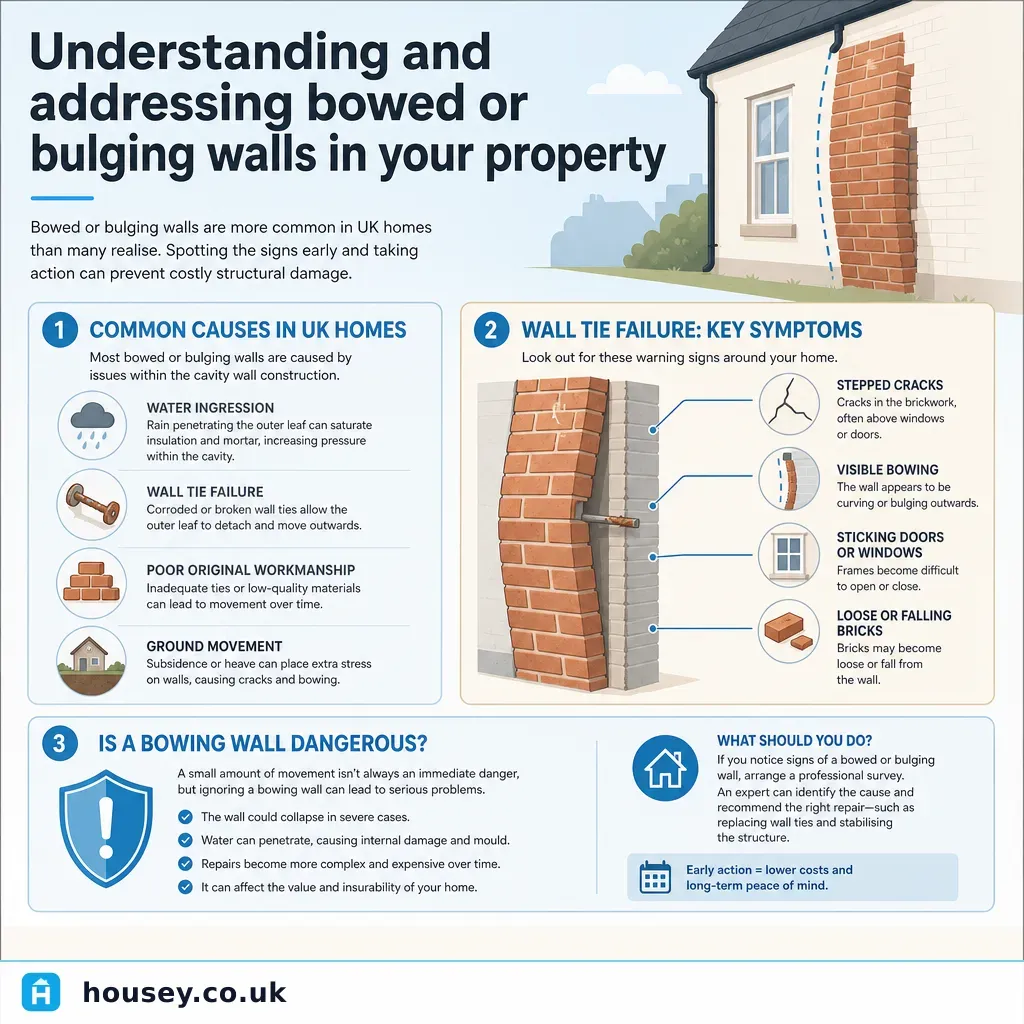
Understanding and addressing bowed or bulging walls in your property
A bowed or bulging wall may indicate wall tie failure, foundation movement, or overloading.
 Surveys & Inspections
Drone Surveys: Applications and Benefits in Property Inspection
Drone surveys use unmanned aircraft to photograph and film roofs, chimneys, and hard-to-reach building elements without scaffolding.
 Surveys & Inspections
Drone Technology in Building Surveys and Roof Inspections
Drone surveys use unmanned aerial vehicles (UAVs) to capture high-resolution images of roofs, chimneys, gutters, and other inaccessible areas without scaffolding.
 Surveys & Inspections
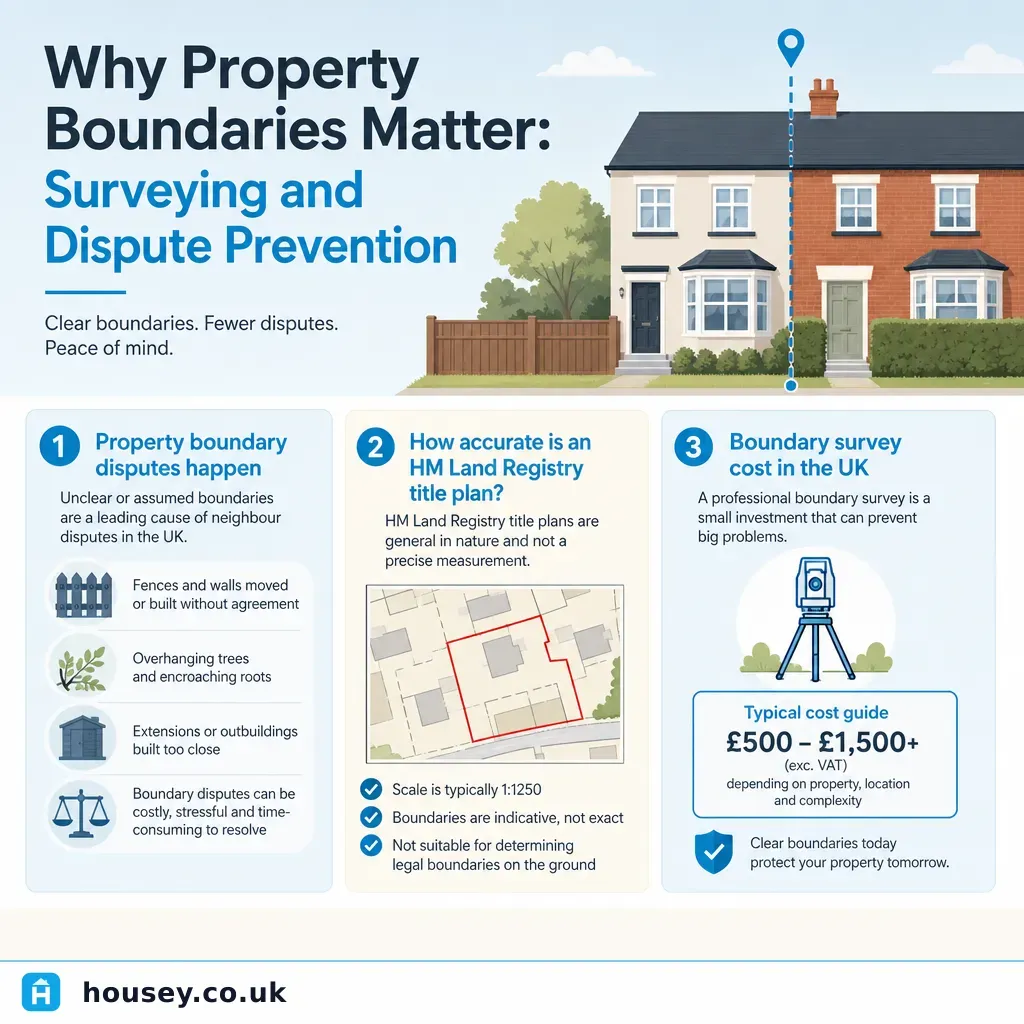
Why Property Boundaries Matter: Surveying and Dispute Prevention
Property boundaries in England and Wales are recorded as general boundaries by HM Land Registry — not precise measurements.
 Surveys & Inspections
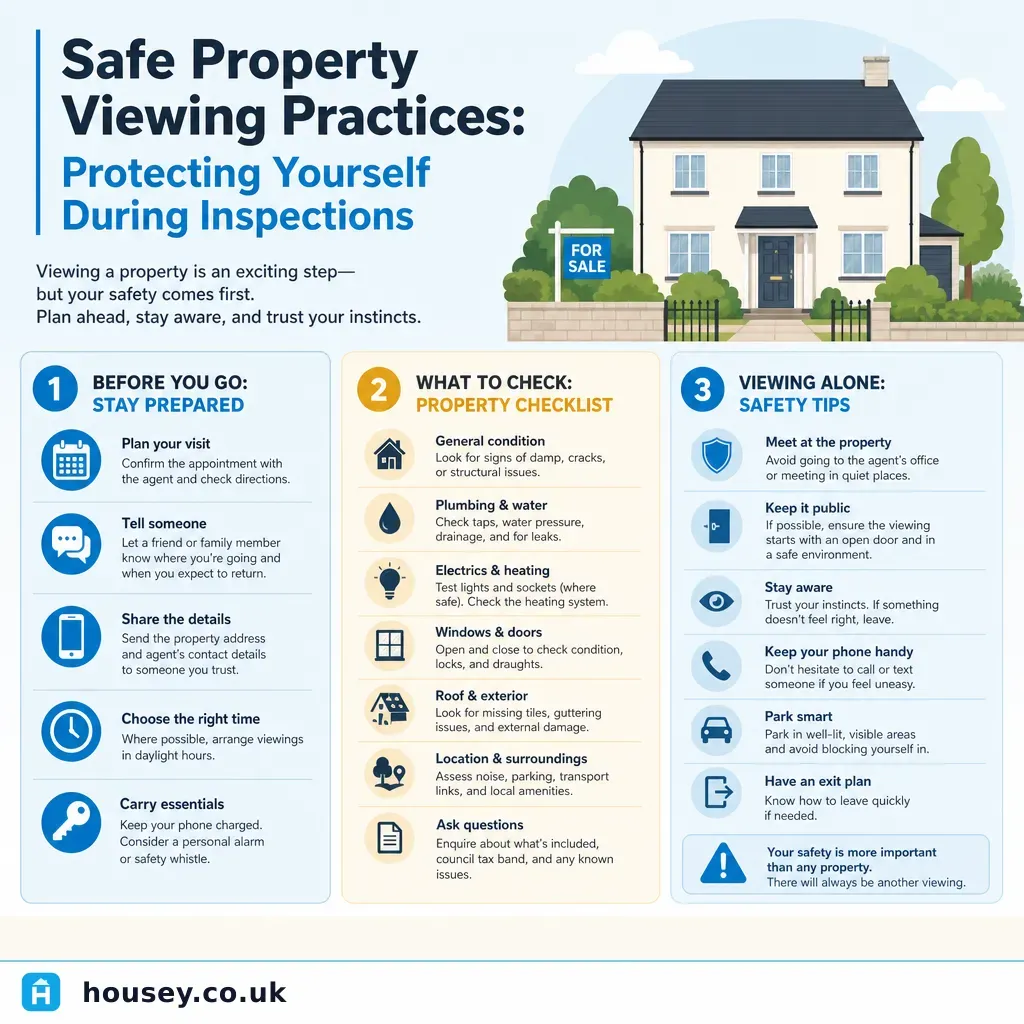
Safe Property Viewing Practices: Protecting Yourself During Inspections
When viewing a property in the UK, always tell someone where you are going and share the full address before you leave.