Home Renovation vs House Relocation: Cost and Lifestyle Analysis
By Housey · Last reviewed 1st of June 2026
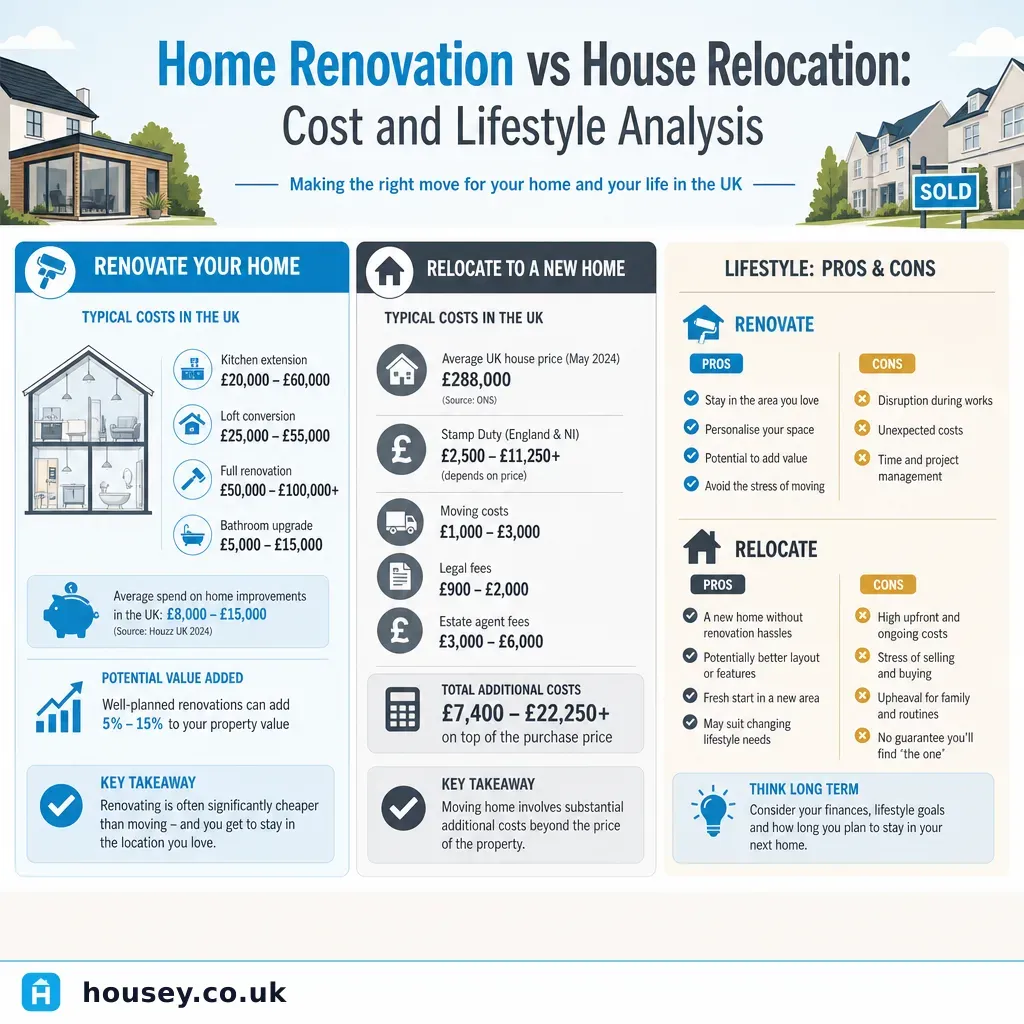
Home Renovation vs House Relocation: Cost and Lifestyle Analysis
For many UK homeowners, the question of whether to renovate or move arises at a predictable point: the family has outgrown the current home, the kitchen needs replacing, or a neighbour's recent extension has sparked a rethink about what is possible. The decision carries significant financial implications — moving costs in England and Wales often run to tens of thousands of pounds once stamp duty, agent fees, legal costs, and removal expenses are included — but the right answer depends as much on lifestyle priorities, planning constraints, and the fundamentals of the existing property as it does on spreadsheet comparisons.
Key points
- Moving house in England typically costs 3–5% of the purchase price when stamp duty, estate agent fees (1–3%), conveyancing costs, and removal expenses are combined — on a £400,000 home, that can exceed £25,000.
- Stamp duty land tax (SDLT) in England is tiered: as of 2026, rates revert to pre-2022 thresholds, with the nil-rate band returning to £125,000 for most buyers.
- A full structural renovation of an average three-bedroom semi-detached house in the UK can cost £50,000–£150,000 depending on scope, specification, and location — obtain multiple quotes before budgeting.
- Renovation costs that exceed roughly 25–30% of the property's post-improvement market value risk over-capitalising — spending more than the improvement is worth in the local market.
- Planning permission is needed for most rear and side extensions beyond permitted development limits; permitted development rights vary by property and local authority, so check before budgeting.
The true cost of moving house
Before comparing renovation costs, it is worth quantifying what moving actually costs. Many homeowners underestimate the full outlay.
Indicative moving costs in England (2026)
Cost element | Typical range | Notes |
|---|---|---|
Stamp duty land tax (SDLT) | £0–£25,000+ | Depends on purchase price and buyer status; use the GOV.UK SDLT calculator |
Estate agent fees (selling) | 1–3% of sale price (+ VAT) | Varies by agent type and location |
Conveyancing (buying + selling) | £1,500–£3,500 | Per transaction; disbursements extra |
Mortgage arrangement fee | £0–£2,000 | Varies by lender and product |
Buyer's survey | £400–£1,500 | RICS Level 2 or Level 3 depending on property |
Removal costs | £500–£3,000+ | Depends on distance and volume |
EPC and other certificates | £80–£150 | Required at point of sale |
Indicative UK costs, last reviewed 2026-06-01. Figures vary significantly by property value, location, and provider. Always obtain itemised quotes.
On a £350,000 purchase with an equivalent sale, total moving costs frequently reach £15,000–£30,000 before a single piece of furniture is moved. This 'friction cost' is a key reason many homeowners find renovation more economical in the short to medium term.
The true cost of renovation
Renovation costs vary enormously by scope and specification. A cosmetic refresh — new kitchen, bathroom, redecorating — is very different from a whole-house structural renovation or extension.
Indicative renovation costs by project type (England, 2026)
Project | Indicative cost range | Notes |
|---|---|---|
Full kitchen replacement | £8,000–£30,000+ | Scope and specification drive the range |
Bathroom replacement | £3,500–£12,000 | En-suite or family bathroom |
Single-storey rear extension (approx. 6 m) | £20,000–£40,000 | Subject to planning or permitted development rules |
Double-storey extension | £40,000–£80,000+ | Planning permission typically required |
Loft conversion (dormer) | £35,000–£65,000 | Subject to permitted development rights and structural survey |
Whole-house renovation (3-bed semi) | £50,000–£150,000 | Highly variable; obtain a detailed spec first |
Indicative UK costs, last reviewed 2026-06-01. Costs vary by region and specification. London and south-east costs are typically 20–40% higher.
A key risk with renovation is over-capitalisation: spending more on improvements than the local market will pay back. Research comparable sold prices in your street via HM Land Registry or Rightmove sold prices data to understand the local ceiling before committing to a large spend.
Which should you choose?
Use this decision framework before committing to either path:
- Choose to renovate if the existing property is in the right location (schools, commute, community); the structure is sound; permitted development rights allow the space you need; and the post-renovation value justifies the cost.
- Choose to relocate if the location no longer fits (school catchment change, new commute, lifestyle shift); the property has fundamental limitations (narrow plot, no scope for extension, listed building restrictions); or the renovation cost approaches or exceeds the cost of buying a more suitable home after accounting for moving costs.
- Commission a RICS Home Survey first if you are unsure about the structural condition or hidden defects in either your current home or a prospective purchase — a condition report can prevent expensive surprises in either direction.
- Consult a design-and-build firm if you are considering a significant extension or reconfiguration — they can advise on planning feasibility and provide realistic cost estimates before you commit.
- Pause and reassess if the renovation budget would require bridging finance or would leave insufficient emergency reserves.
Lifestyle factors that matter beyond the numbers
Cost comparisons alone rarely resolve the renovation versus relocation question. Common lifestyle drivers include:
- Location lock-in: If children are in a preferred school catchment, moving within the same area may be harder and more expensive than staying and extending. Conversely, if the commute has fundamentally changed, no renovation addresses the core issue.
- Disruption tolerance: A major renovation means months of building noise, dust, and often temporary relocation. Moving is a one-off disruption. Families with young children or those working from home often underestimate renovation's daily impact.
- Emotional attachment: Proximity to family, established community ties, and familiarity with the neighbourhood have real value that does not appear in cost comparisons.
- Long-term horizon: If a move is likely within five years regardless, renovation costs may not be recovered at sale.
Worked UK property scenario
Scenario: A family in a 1970s three-bedroom semi-detached house in Leeds, valued at approximately £280,000, wants more living space and a larger kitchen. They are considering either a £45,000 rear extension or moving to a four-bedroom house at around £380,000 in the same area.
Renovation option: £45,000 extension plus £8,000 kitchen replacement = £53,000 total. The improved property may be worth £310,000–£320,000 in the local market based on comparable sold prices. Net capital gain from the works: limited in the short term.
Relocation option: SDLT on £380,000 at standard 2026 rates: approximately £9,000. Estate agent fees on sale (1.5% + VAT): approximately £5,040. Conveyancing both sides plus survey: approximately £4,000. Removals: approximately £1,200. Total moving costs: approximately £19,000–£21,000, before mortgage arrangement fees. The new property meets the space requirement immediately.
Summary: In this scenario, the moving costs (approximately £20,000) are considerably less than the extension cost (£53,000), and the family gains a property already configured to their needs. However, if the family values their location strongly, has good permitted development rights, and plans to stay 10 or more years, the extension may offer better long-term value — particularly if the local market rises.
When to get professional help
Both renovation and relocation involve significant financial decisions that benefit from independent professional input. Consider instructing:
- A RICS-registered surveyor to assess the condition of your current home and any prospective purchase — defects can materially change the renovation scope or affect the offer price.
- A planning consultant or architect to assess what development is feasible on your current plot before assuming an extension is achievable.
- An independent financial adviser if the decision depends on remortgaging, equity release, or bridging finance.
- A design-and-build firm for realistic cost estimates and planning feasibility on larger projects.
How Housey can help
Whether you decide to renovate or relocate, Housey helps you connect with the right professionals. Commission a condition report on your current home or any property you are considering buying through our RICS Home Surveys service. If renovation wins, our design-and-build firms can help take your project from feasibility through to completion.
Frequently asked questions
What are the true costs of moving house in the UK?
The full cost of moving house in England typically ranges from £8,000 to over £30,000 depending on purchase price, mortgage product, and agent fees. Key components are stamp duty land tax, estate agent selling fees (1–3% plus VAT), conveyancing on both sides (£1,500–£3,500), a buyer's survey, removal costs, and any mortgage arrangement fee. Use the GOV.UK SDLT calculator for a precise stamp duty figure based on your situation.
Does home renovation add value in the UK?
It can, but the return depends on the project type and local market. Extensions and loft conversions tend to add more value than cosmetic refits in most UK markets. The risk of over-capitalising — spending more than comparable sold prices suggest the improvement is worth — is real. Research HM Land Registry sold prices for similar properties with and without the improvement before committing to significant expenditure.
When is it better to move than renovate?
Moving is often more practical when the property cannot be extended to the required size due to planning restrictions, plot constraints, or listed building status; when the desired location has fundamentally changed; or when the total cost of achieving what you want through renovation is comparable to the friction cost of moving somewhere that already has it. In stable UK markets, moving costs of £15,000–£25,000 are often the relevant break-even threshold.
How do I know if my current home has renovation potential?
Start with a RICS Home Survey or structural inspection to confirm the property's condition. Then consult your local planning authority's pre-application service or an architect for a feasibility assessment on permitted development and extension options. A design-and-build firm can provide indicative costs. These three steps together allow a realistic renovation budget to be compared against the cost of moving before any commitment is made.
Sources and further reading
- GOV.UK: Stamp duty land tax — GOV.UK
- HM Land Registry: UK House Price Index — HM Land Registry
- Planning Portal: Extensions — Planning Portal
- RICS: Home surveys — RICS
- Citizens Advice: Buying a home — Citizens Advice
Useful next reads
 Improvement & Build
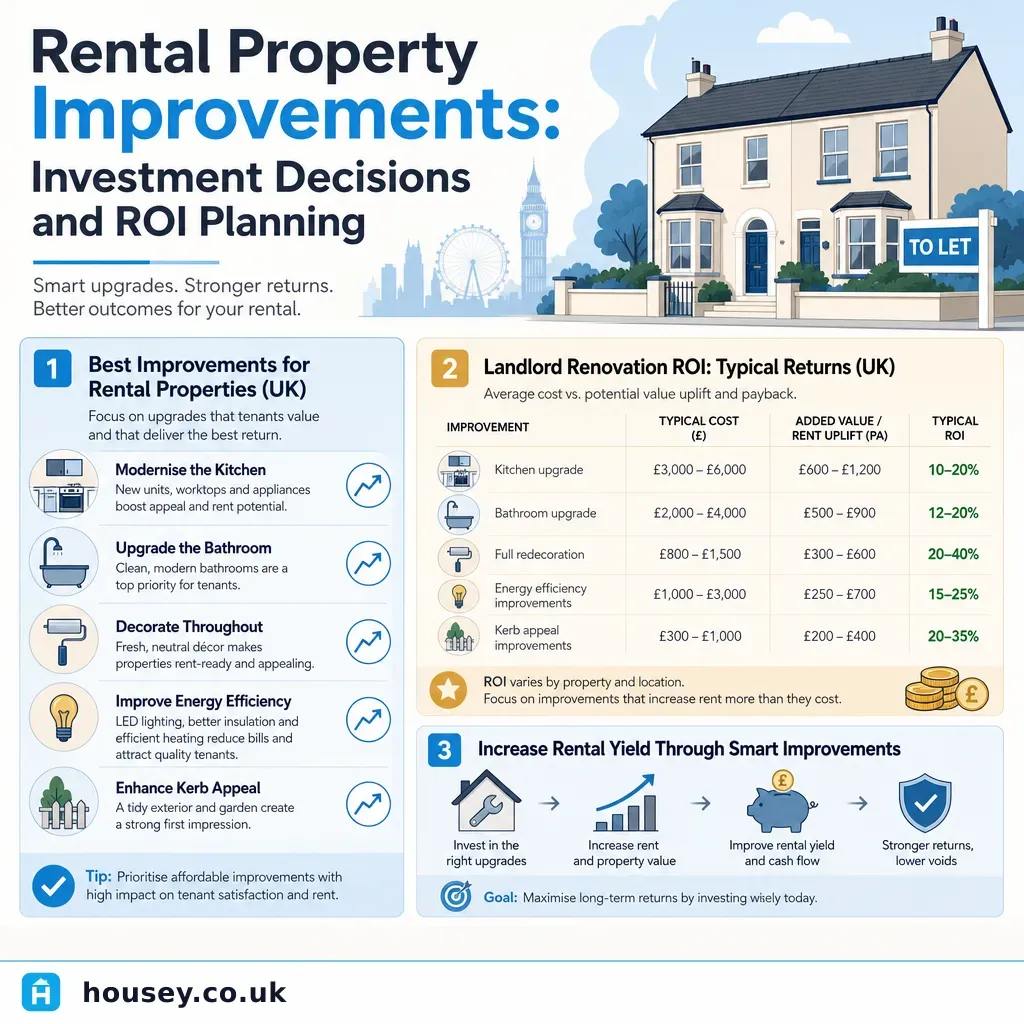
Rental Property Improvements: Investment Decisions and ROI Planning
Prioritise compliance-driven improvements first — a minimum EPC rating of E (with C proposed for new tenancies), annual Gas Safety Certificate, EICR every five years, and smoke and CO alarms on every storey.
 Improvement & Build
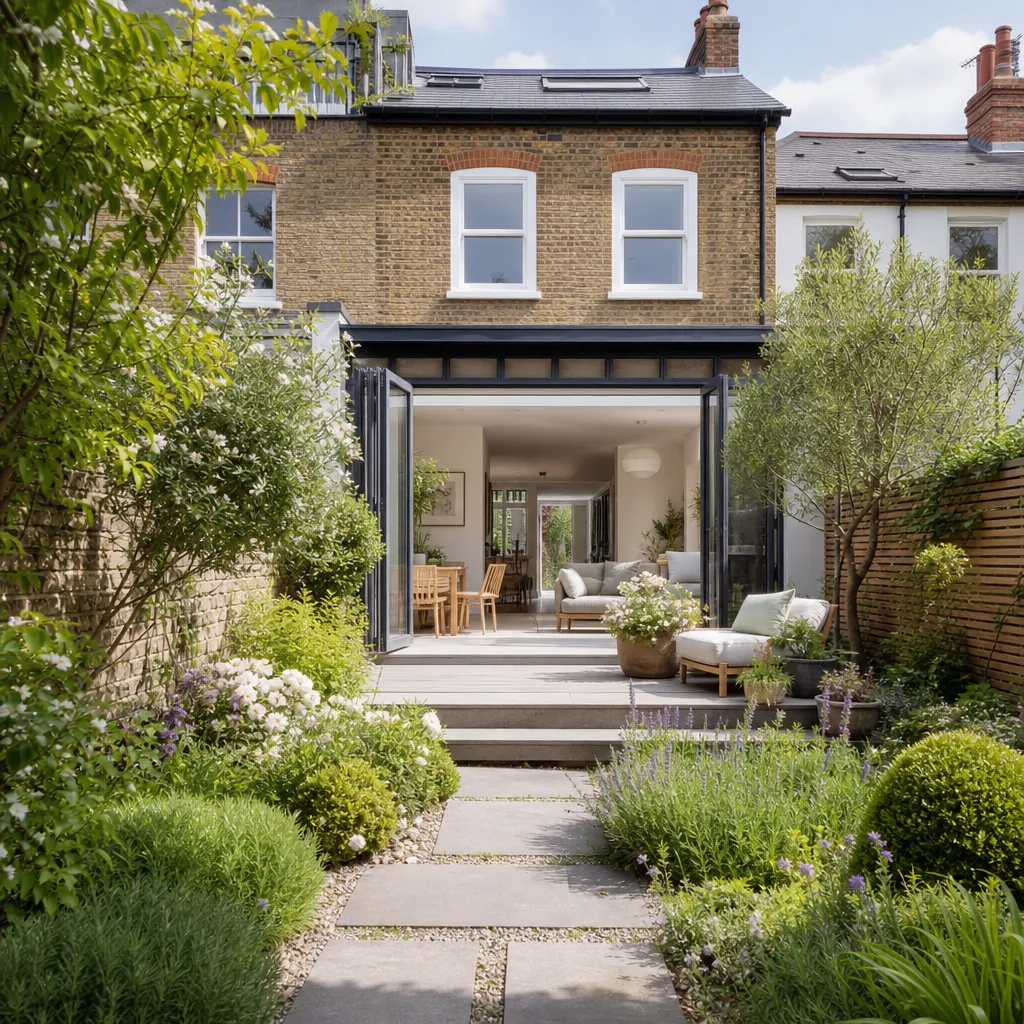
Spring Garden Transformations: Design Ideas to Enhance Your UK Property
Spring is the best time to transform a UK garden, with mild temperatures and longer days ideal for planting and landscaping.
 Improvement & Build
How to Replace Internal Doors in Your Home
Replacing internal doors is a straightforward home improvement that most competent DIYers or a joiner can complete.
 Improvement & Build
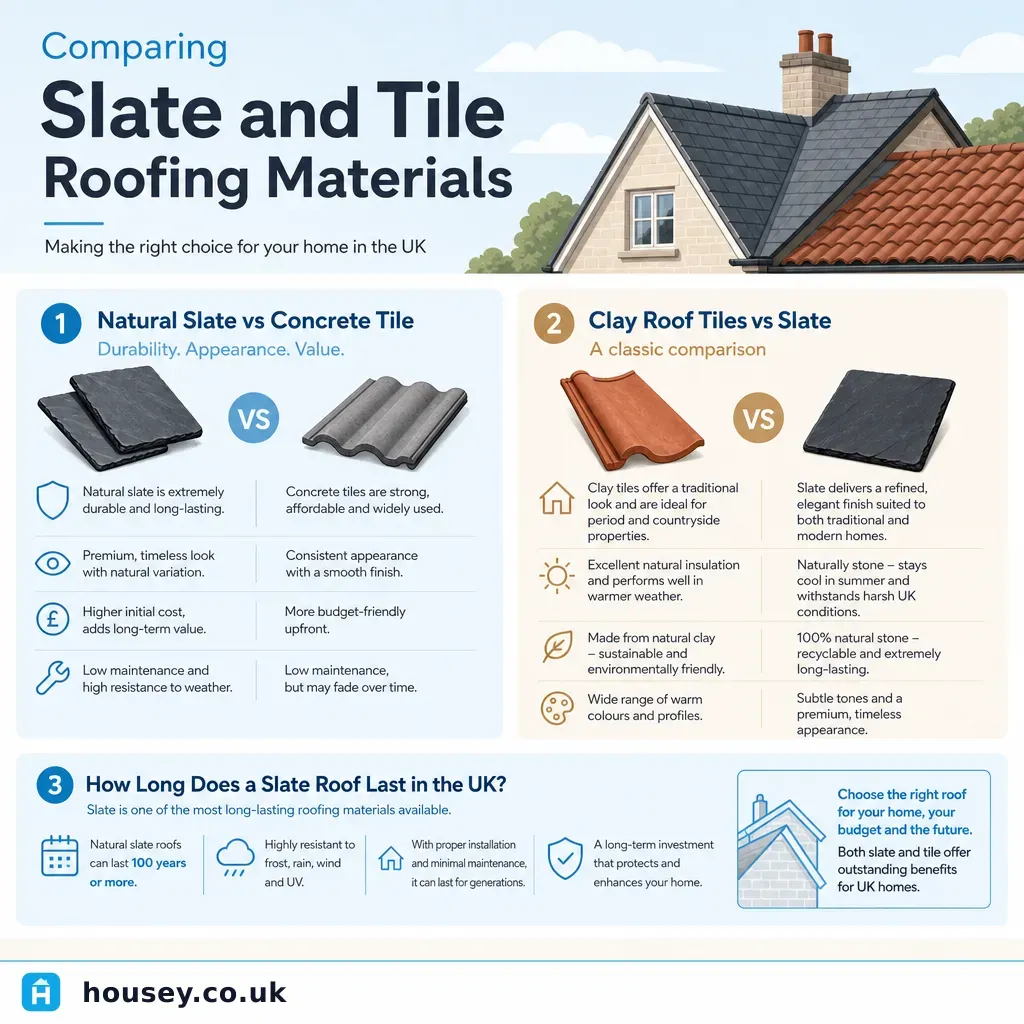
Comparing Slate and Tile Roofing Materials
Natural slate typically lasts 80–150 years and suits period and listed UK properties, while clay tiles offer 60–100 years and remain historically appropriate for Victorian and Edwardian stock.
 Improvement & Build
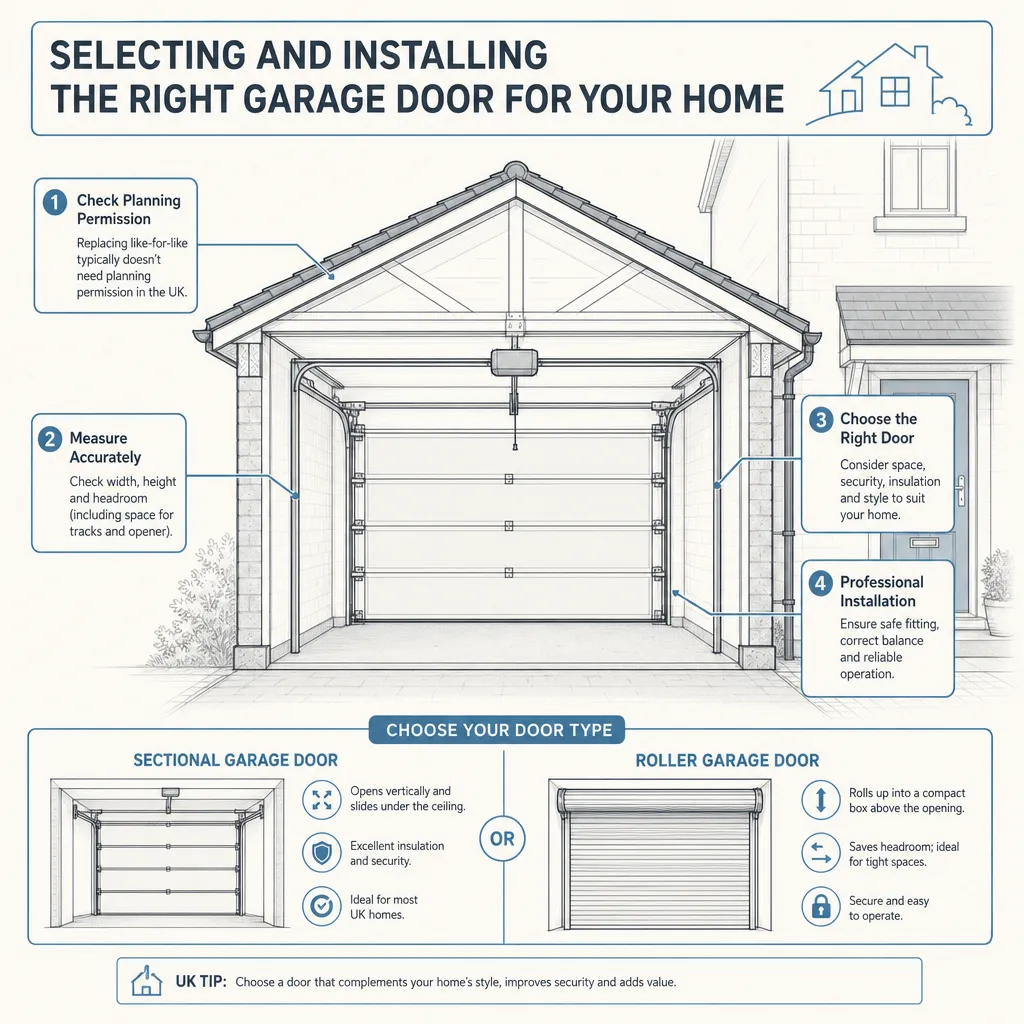
Selecting and Installing the Right Garage Door for Your Home
Choosing the right garage door depends on available headroom, opening width, security needs, and budget.