Home Surveyors: Role, Qualifications, and What They Assess
By Housey · Last reviewed 31st of May 2026
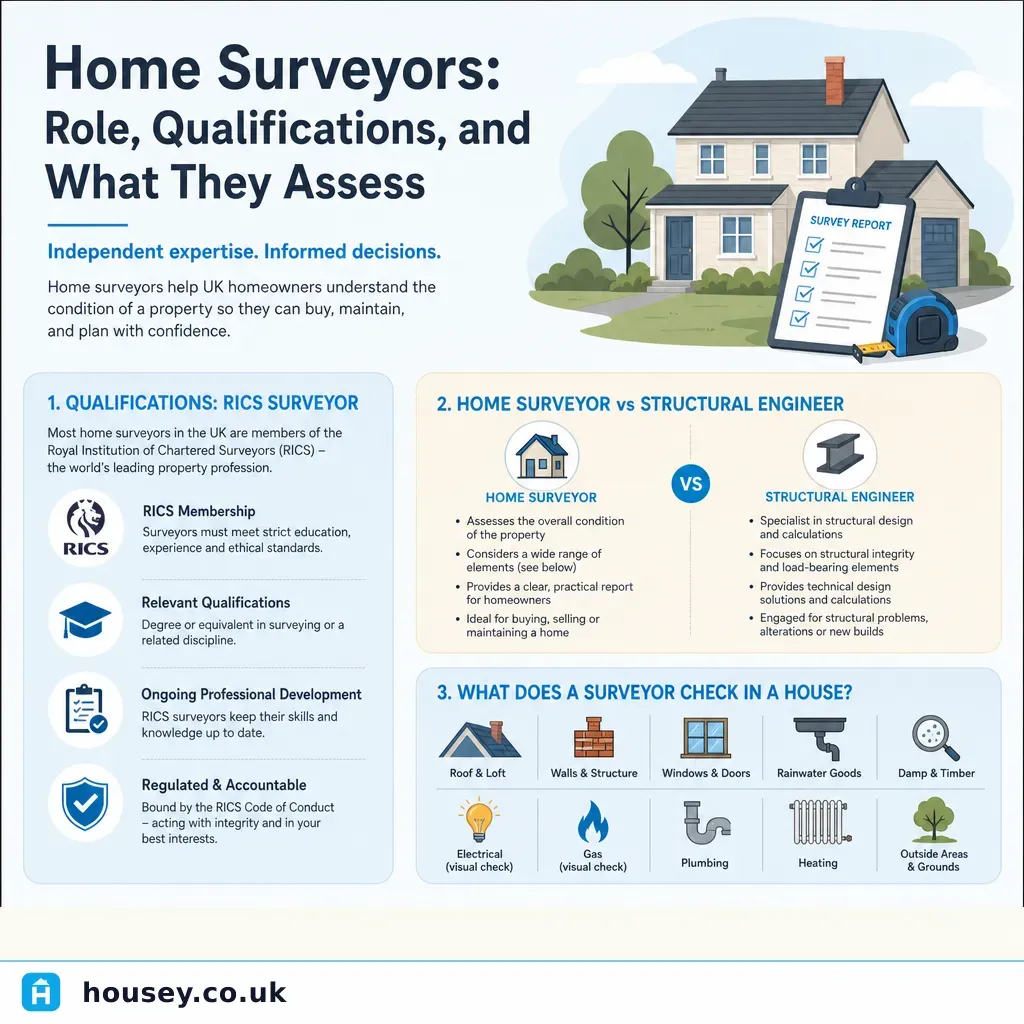
Home Surveyors: Role, Qualifications, and What They Assess
The term surveyor is used loosely in the UK property market, covering professionals with substantially different qualifications, remits, and levels of regulatory oversight. For homebuyers in England, Wales, and Scotland, the stakes of instructing the wrong type of professional — or none at all — can mean missed defects, no recourse when things go wrong, and significant repair bills after completion.
Key points
- RICS (Royal Institution of Chartered Surveyors) is the UK's principal regulatory body for property surveyors; look for the designations MRICS (Member) or FRICS (Fellow) when instructing a residential surveyor.
- Home surveyors assess physical condition, not market value — a mortgage valuation is carried out by a valuer for the lender's benefit and does not protect the buyer.
- RICS Home Surveys are classified into three levels under the RICS Home Survey Standard (2019): Level 1 (Condition Report), Level 2 (Home Survey), and Level 3 (Building Survey).
- Structural engineers are separate professionals — typically MIStructE or CEng-qualified — a surveyor may identify structural concerns and recommend one, but the two roles are distinct.
- Surveyors must hold Professional Indemnity (PI) insurance; RICS membership can be verified at the RICS Find a Surveyor directory.
What does a home surveyor actually do?
A residential building surveyor inspects a property and produces a written report describing its condition, identifying defects, and advising on repairs or further specialist investigations. The scope and depth of inspection depends on the survey level instructed.
Surveyors do not:
- Provide a legal opinion on title, covenants, or planning history
- Test gas or electrical installations
- Provide a market valuation (unless separately qualified as a valuer and engaged for that purpose)
- Carry out structural calculations
- Open up walls, lift carpets, or access areas requiring destructive investigation (unless a specific scope is agreed)
What distinguishes a chartered surveyor from an unregulated inspection service is formal qualification, regulated professional standards, and mandatory Professional Indemnity insurance — all of which give you legal recourse if something is missed negligently.
RICS qualification levels and what they mean
Designation | Meaning | How achieved |
|---|---|---|
MRICS | Member of RICS — full professional status | APC (Assessment of Professional Competence) plus qualifying experience |
FRICS | Fellow of RICS — senior professional status | Sustained high-level achievement after MRICS |
AssocRICS | Associate member — technician level | Shorter pathway; may carry out Level 1 surveys |
Probationer | In training — not yet qualified | Works under supervision; must not sign off independent reports |
For a Level 2 or Level 3 survey, instruct an MRICS or FRICS surveyor. Always check the individual surveyor's designation, not just the firm's name.
Which professional do you actually need?
Professional | Qualifications | Best for | Not for |
|---|---|---|---|
RICS residential surveyor (MRICS/FRICS) | RICS APC pathway | Level 1–3 home surveys, defect diagnosis, pre-purchase inspections | Structural calculations, legal advice, electrical or gas testing |
Structural engineer | MIStructE, CEng (IStructE) | Foundation or wall movement assessment, structural calculations, underpinning design | General condition survey, valuation |
RICS valuer | MRICS with valuation competency | Mortgage valuation, Help to Buy valuation, shared ownership valuation | Detailed condition assessment |
Building control surveyor | LABC or Approved Inspector | Compliance with Building Regulations on notifiable works | Pre-purchase condition survey |
Damp and timber specialist (CSRT/CSSW) | PCA (Property Care Association) | Damp diagnosis and treatment recommendations | Structural diagnosis, full survey |
Use this table when a survey report recommends specialist investigation — it helps identify which type of specialist to instruct.
What does a surveyor assess?
External elements
- Roof coverings, ridge, verges, and flashings (viewed from ground; ladder access agreed separately)
- Chimney stacks and pots
- Gutters, downpipes, and surface drainage
- External walls, pointing, and render
- Windows, external doors, and frames
- Boundaries, drives, paths, and retaining walls
Internal elements
- Roof space: structure, insulation, party walls in loft, and signs of water ingress
- Ceilings and walls: cracking patterns, staining, and bulging
- Floors: bounce, slope, and visible gaps at skirting boards
- Dampness: at skirting boards, reveals, and below windows; high-risk areas noted for investigation
- Chimney breasts and fireplaces
- Internal doors and frames: operation and signs of movement
Services (visual check only)
The surveyor notes the age and visible condition of the boiler, consumer unit, visible wiring, and plumbing. They do not operate, test, or certify any service installation. Where age or condition gives cause for concern, the report will recommend a specialist test.
What to ask before instructing a surveyor
Before confirming an instruction, ask:
These questions help distinguish an engaged professional from a high-volume service where you may never speak to the person who inspected your property.
When to get professional help
Instruct a qualified RICS surveyor:
- Before exchange of contracts on any property purchase — not after
- If you notice cracking, damp, or roof damage in a property you already own and are uncertain of the cause
- If you are planning significant works (extension, loft conversion) and want a baseline condition report
Escalate to a structural engineer if:
- Diagonal cracking above door or window openings is present or widening
- Floors are noticeably sloping or bouncing beyond normal tolerance
- External walls are bowing or bulging
- A survey report specifically recommends structural investigation
How Housey can help
Housey connects buyers and homeowners with RICS-regulated surveyors offering the full range of inspection levels. Find and compare quotes for RICS Home Surveys from multiple local professionals, and instruct with confidence knowing every surveyor has the qualifications and insurance the role requires.
Frequently asked questions
Do I have to use a RICS surveyor?
You are not legally required to use a RICS surveyor for a pre-purchase inspection, but RICS membership provides regulated professional standards, mandatory Professional Indemnity insurance, and a complaints and disciplinary framework. Unregulated inspectors may charge less but offer fewer protections if something is missed — check what recourse you would have before instructing.
What is the difference between a surveyor and a valuer?
A surveyor assesses physical condition; a valuer assesses market value. Some professionals hold both qualifications, but the roles are distinct. A mortgage valuation, arranged by your lender at the buyer's expense, protects the lender's security — it does not substitute for a buyer's survey and typically contains far less condition detail.
Can a surveyor miss something?
Surveyors inspect accessible and visible elements only. They are not expected to find defects that are concealed, inaccessible, or latent within the building fabric. A surveyor acting with reasonable skill and care is not automatically negligent if a defect emerges post-purchase. If a visible defect was missed, you may have a claim under their Professional Indemnity insurance.
How much does a home survey cost?
Indicative UK costs, last reviewed 2026-05-31: a RICS Level 2 Home Survey for an average 3-bedroom property typically ranges from £400 to £900; a Level 3 Building Survey from £600 to £1,500 or more for larger or complex properties. Costs vary by property size, location, and surveyor. Obtain at least two or three comparable quotes before instructing.
Sources and further reading
- RICS Home Survey Standard (2019) — RICS
- RICS Find a Surveyor — RICS
- Getting a property survey — Citizens Advice
- Buying or selling a home — GOV.UK
Useful next reads
 Surveys & Inspections
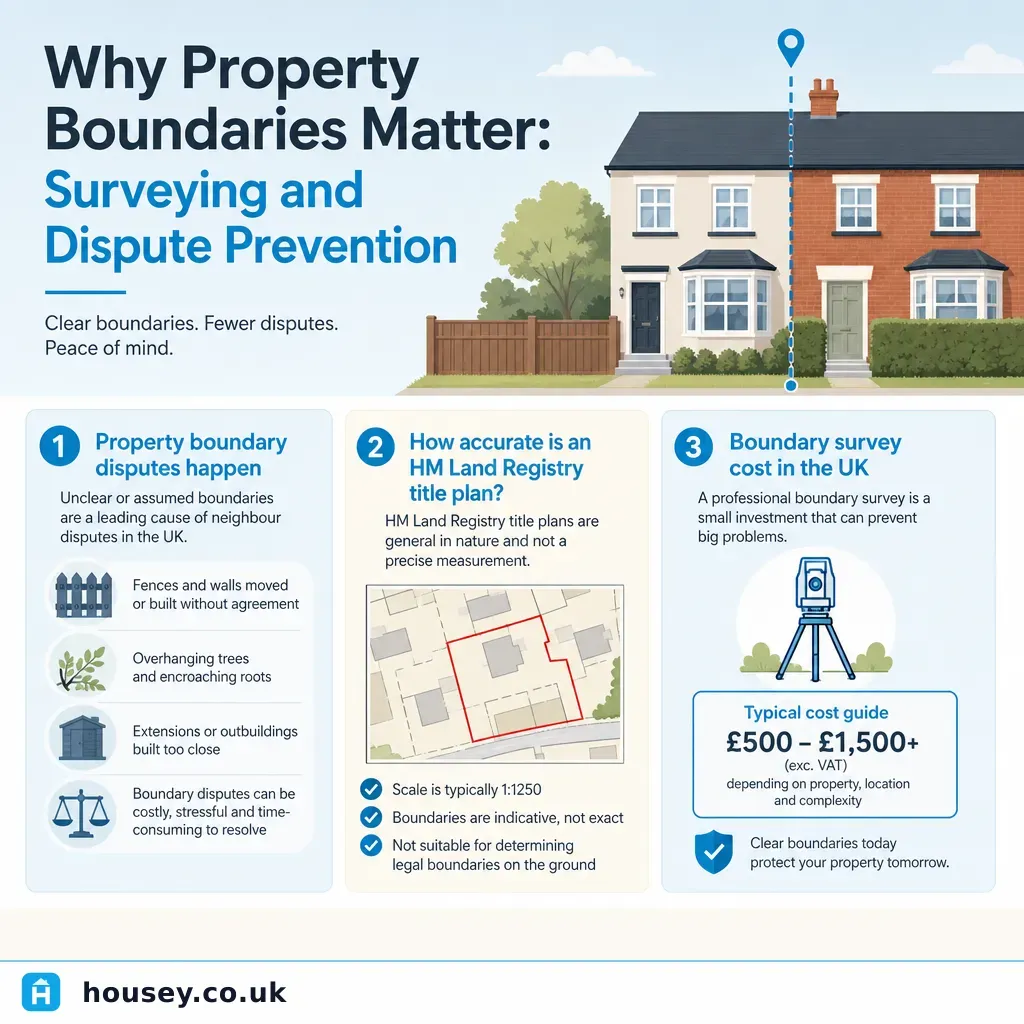
Why Property Boundaries Matter: Surveying and Dispute Prevention
Property boundaries in England and Wales are recorded as general boundaries by HM Land Registry — not precise measurements.
 Surveys & Inspections
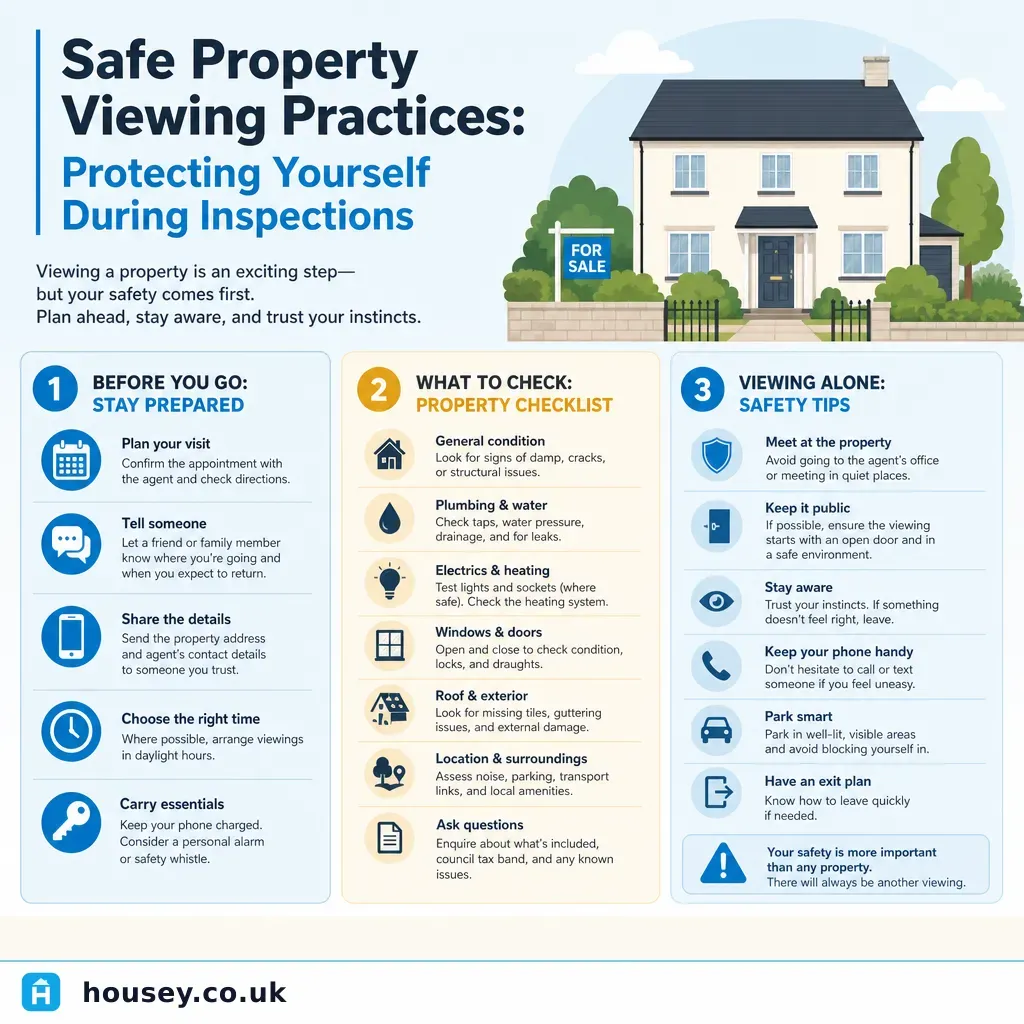
Safe Property Viewing Practices: Protecting Yourself During Inspections
When viewing a property in the UK, always tell someone where you are going and share the full address before you leave.
 Surveys & Inspections
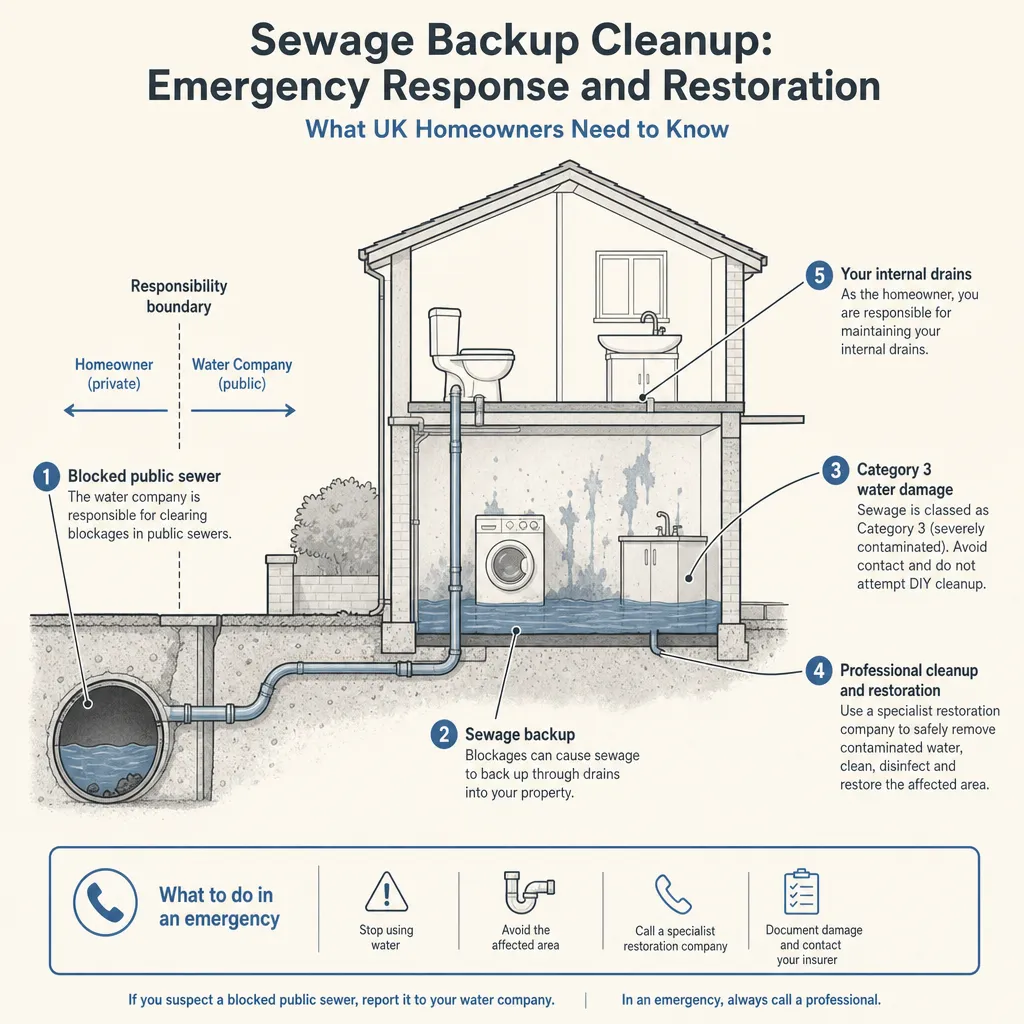
Sewage Backup Cleanup: Emergency Response and Restoration
A sewage backup should be treated as a Category 3 contamination event.
 Surveys & Inspections
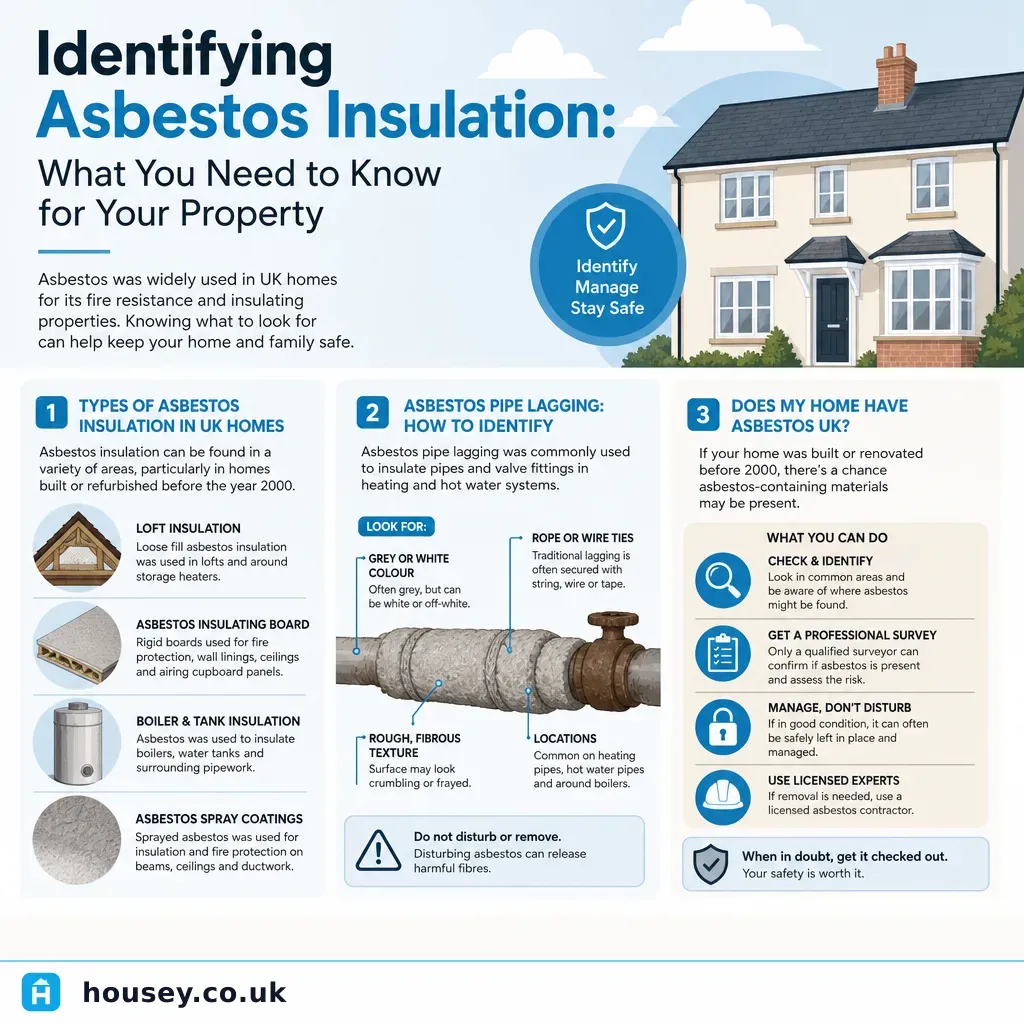
Identifying Asbestos Insulation: What You Need to Know for Your Property
Asbestos insulation was widely used in UK properties built before 2000, commonly found in pipe lagging, ceiling tiles, loose-fill loft insulation, and around boilers.
 Surveys & Inspections
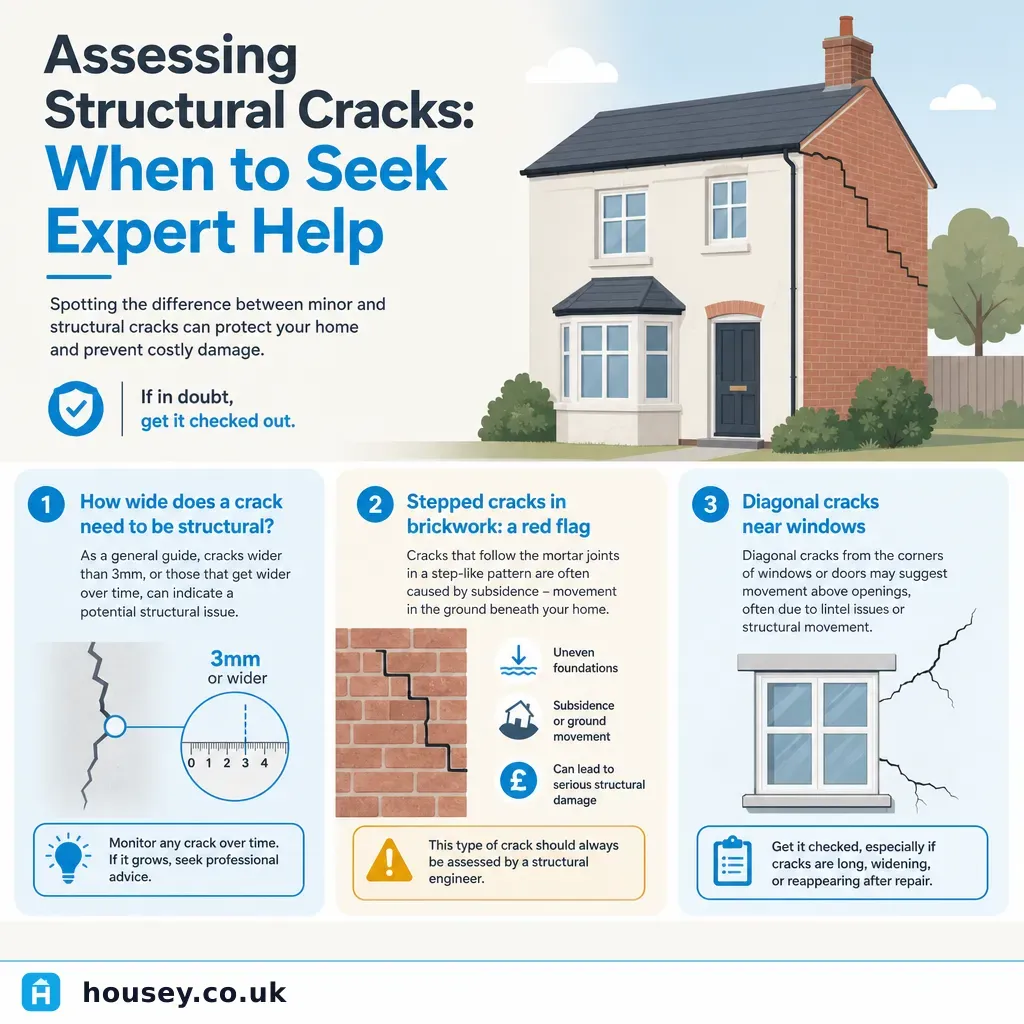
Assessing Structural Cracks: When to Seek Expert Help
Structural cracks range from harmless shrinkage hairlines to signs of subsidence or foundation movement.