How to Find and Hire an Insulation Contractor
By Housey · Last reviewed 18th of May 2026
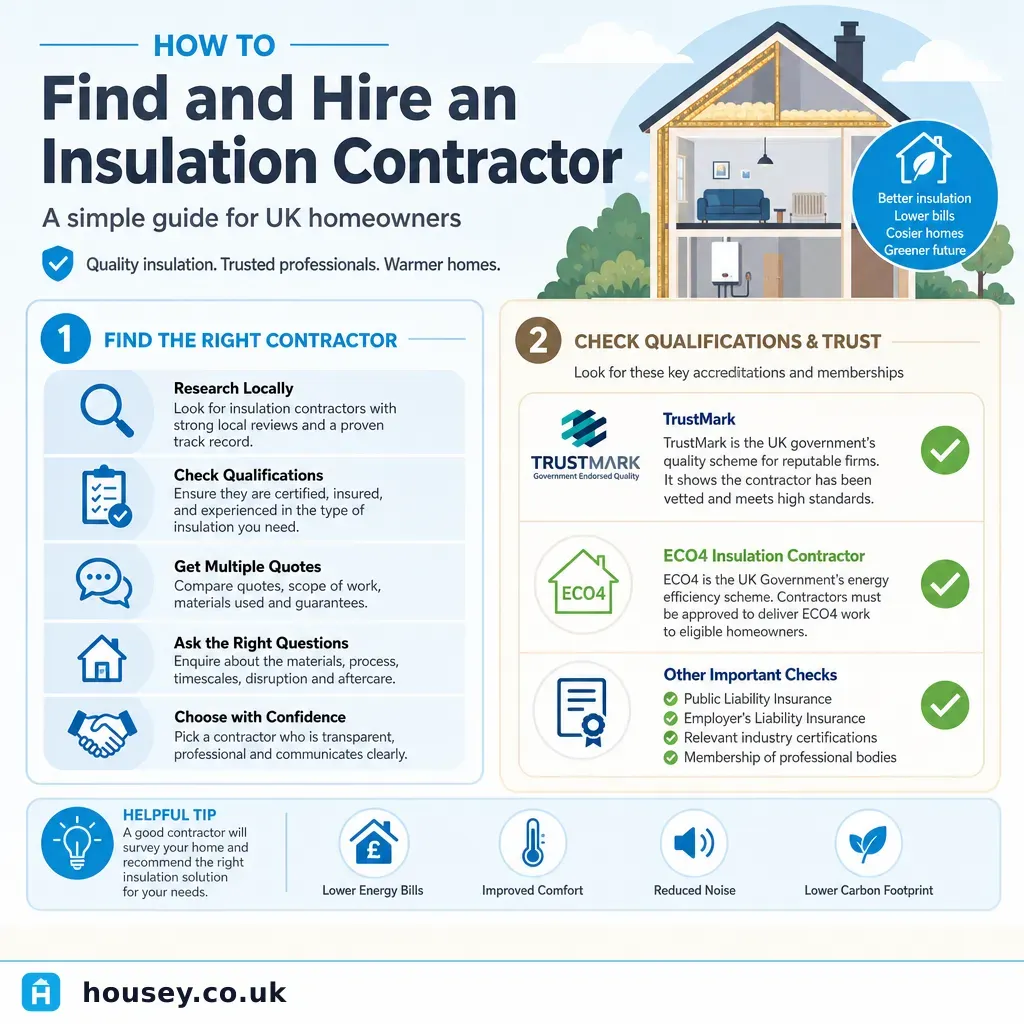
How to Find and Hire an Insulation Contractor
With energy bills a persistent concern for UK households and minimum energy efficiency standards tightening under the Minimum Energy Efficiency Standards (MEES) regime for rented properties, insulation upgrades are a priority for many homeowners and landlords. Choosing the wrong contractor — one without the appropriate accreditation or experience of your property type — can result in poor installation quality, voided guarantees, or new moisture and mould problems where ventilation has not been properly considered.
Key points
- TrustMark is the government-endorsed quality scheme for energy efficiency retrofit work; contractors installing insulation under ECO4 or the Great British Insulation Scheme must hold TrustMark registration as a condition of those schemes.
- PAS 2030 is the installation standard and PAS 2035 the retrofit assessment and coordination framework that govern funded energy efficiency work across England, Wales, and Scotland.
- Cavity wall insulation must be assessed for suitability before installation — some cavity types are inappropriate and incorrect installation can cause moisture to bridge the wall, leading to internal dampness.
- CIGA (Cavity Insulation Guarantee Agency) provides a 25-year guarantee on correctly installed cavity wall insulation carried out by registered members.
- The Energy Saving Trust recommends a minimum depth of 270 mm of mineral wool for loft insulation; many older installations are 100 mm or less and may benefit from a top-up.
Insulation types and the contractors who install them
Different insulation types require different skills, equipment, and accreditations. Understanding which type suits your property is the first step to finding the right contractor.
Insulation type | Typical application | Key standard or scheme | Notes |
|---|---|---|---|
Cavity wall insulation (blown mineral wool, bead, or foam) | Cavity-wall homes, typically post-1920 | CIGA or SWIGA guarantee required | Not suitable for all cavity types; specialist assessment essential |
Loft insulation (mineral wool rolls) | Accessible loft spaces | TrustMark recommended | Lower skill threshold; many reputable contractors available |
Solid wall insulation — internal | Pre-1920 solid-wall homes | PAS 2030 / TrustMark | Reduces floor area; affects window reveals and skirting boards |
Solid wall insulation — external | Pre-1920 solid-wall homes | PAS 2030 / TrustMark | May need planning permission in conservation areas or on listed buildings |
Spray foam insulation | Roof timbers, hard-to-treat areas | No mandatory UK standard at time of writing | Mortgage lenders increasingly cautious — take independent advice before proceeding |
Floor insulation | Suspended timber or concrete floors | TrustMark recommended | Often combined with other retrofit measures for best results |
A note on spray foam: Many mortgage lenders and RICS surveyors flag spray foam insulation in roof spaces as a concern because it makes it difficult to inspect roof timbers and can complicate remortgaging or selling. If you are considering spray foam, seek independent mortgage advice before installation.
Where to find accredited insulation contractors
TrustMark installer search. TrustMark's online directory lists registered businesses by trade and postcode. Registration requires technical competence checks, trading standards compliance, and customer service standards.
ECO4 and the Great British Insulation Scheme. If you qualify for funded insulation — based on benefit eligibility or EPC rating — your energy supplier or local authority will direct you to approved contractors. These must hold TrustMark and comply with PAS 2030 as a condition of scheme participation.
CIGA registered contractors. For cavity wall insulation specifically, the CIGA contractor register lists installers who can issue the 25-year guarantee on correctly installed work.
Local recommendations. A contractor who has completed work on a similar property type nearby and can provide references is a useful quality signal before you commit.
Homeowner checklist before hiring an insulation contractor
What to ask before accepting a quote
- What TrustMark or other accreditations do you hold, and are they current?
- Is this installation covered by a CIGA, SWIGA, or other third-party guarantee?
- Have you assessed whether my property type and cavity condition are suitable for this insulation method?
- What happens if the installation causes moisture or condensation problems?
- Will you notify building control if applicable?
- Is VAT at 0% applicable? (Supply and installation of qualifying energy-saving materials in residential properties attracts zero-rated VAT.)
- Who carries out the installation — your own employees or subcontractors?
- What disruption should I expect, and how long will the work take?
When to get professional help
If you are considering multiple retrofit measures together — for example, insulation combined with a heat pump or mechanical ventilation — you may need a retrofit coordinator under PAS 2035 before any installation begins. This is especially important for:
- Solid-wall homes or properties built before 1919, where breathable construction methods are often required.
- Properties with existing damp or mould problems.
- Any project combining low-temperature heating such as an air source heat pump with a fabric-first insulation programme.
- Properties where a previous cavity wall installation has already caused damp or moisture complaints.
In these situations, an independent insulation assessment before specifying materials is the appropriate first step.
How Housey can help
Housey connects homeowners with accredited insulation installers across the UK and can arrange a professional insulation assessment to confirm which measures are appropriate for your property before any work begins.
Frequently asked questions
Does insulation work need planning permission?
Most loft and cavity wall insulation does not require planning permission. External wall insulation changes the external appearance of the building and usually falls outside permitted development in conservation areas, on listed buildings, and in some Article 4 direction areas. Always check with your local planning authority before commissioning external insulation work.
What is the difference between TrustMark and MCS?
TrustMark is the government-endorsed quality mark for tradespeople including insulation installers, covering technical competence and consumer protection standards. MCS (Microgeneration Certification Scheme) is specific to renewable energy technologies such as solar panels and heat pumps. Some contractors hold both where they offer insulation alongside renewable energy installations.
Will cavity wall insulation affect my mortgage or house sale?
Standard blown mineral wool or bead cavity wall insulation installed by a CIGA-registered contractor does not typically cause mortgage or sale complications. Spray foam insulation is different — many lenders require specialist reports before lending on properties with spray foam in the roof space, and it can complicate valuations. Seek independent mortgage advice before installing spray foam.
Is insulation installation VAT-free in the UK?
Supply and installation of qualifying energy-saving materials — including loft insulation, wall insulation, and draught-proofing — in residential properties attracts 0% VAT under HMRC rules as of May 2026. Confirm with your contractor and check HMRC guidance on energy-saving materials for the current position, as eligibility conditions apply.
Sources and further reading
- TrustMark: find a tradesperson — TrustMark
- CIGA: cavity insulation guarantee — Cavity Insulation Guarantee Agency
- Energy Saving Trust: insulation advice — Energy Saving Trust
- GOV.UK: ECO4 scheme — GOV.UK
- HMRC: VAT on energy-saving materials — HMRC
Useful next reads
 Energy & Retrofit
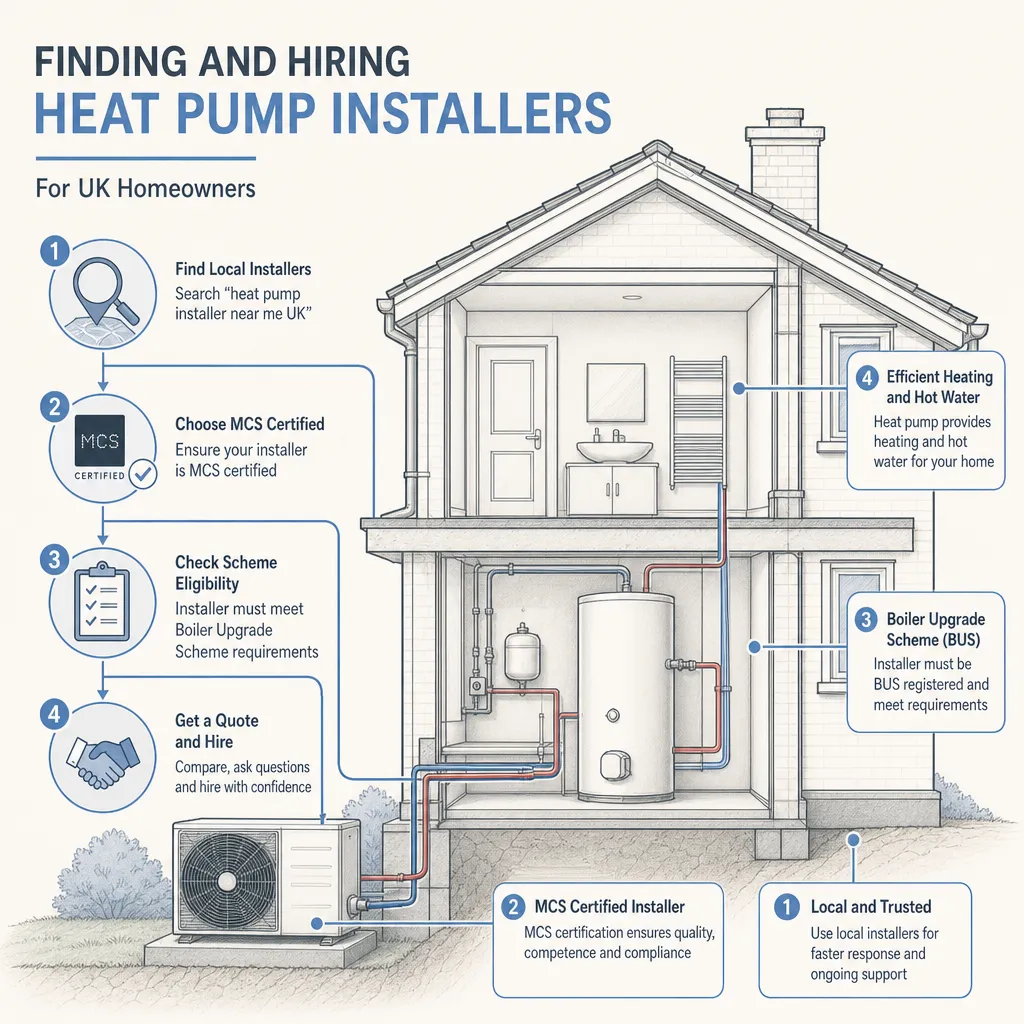
Finding and Hiring Heat Pump Installers
To find a qualified heat pump installer, check the MCS installer database for current certification, confirm the installer will carry out a full room-by-room heat loss calculation before producing a design or quote, and get at least three written quotes specifying the heat pump model, emitter sizing, and Boiler Upgrade Scheme grant process.
 Energy & Retrofit
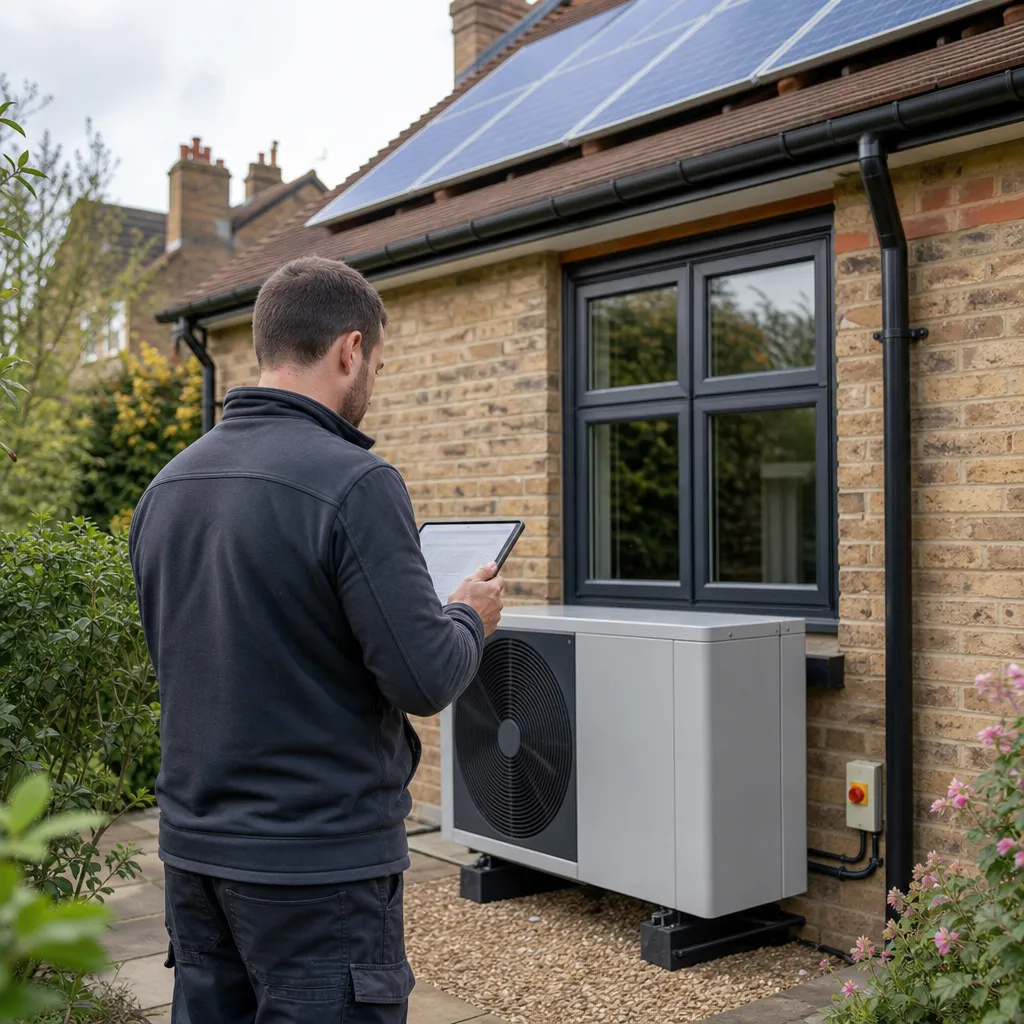
Finding a Renewable Energy Specialist for Your Home
Look for MCS-certified installers registered with TrustMark for any grant-funded work.
 Improvement & Build
How to Hire a Professional Window Installer
Use a FENSA or CERTASS-registered installer so your window replacement complies with Building Regulations Part L and Part Q and you receive a certificate registered with your local authority.
 Improvement & Build
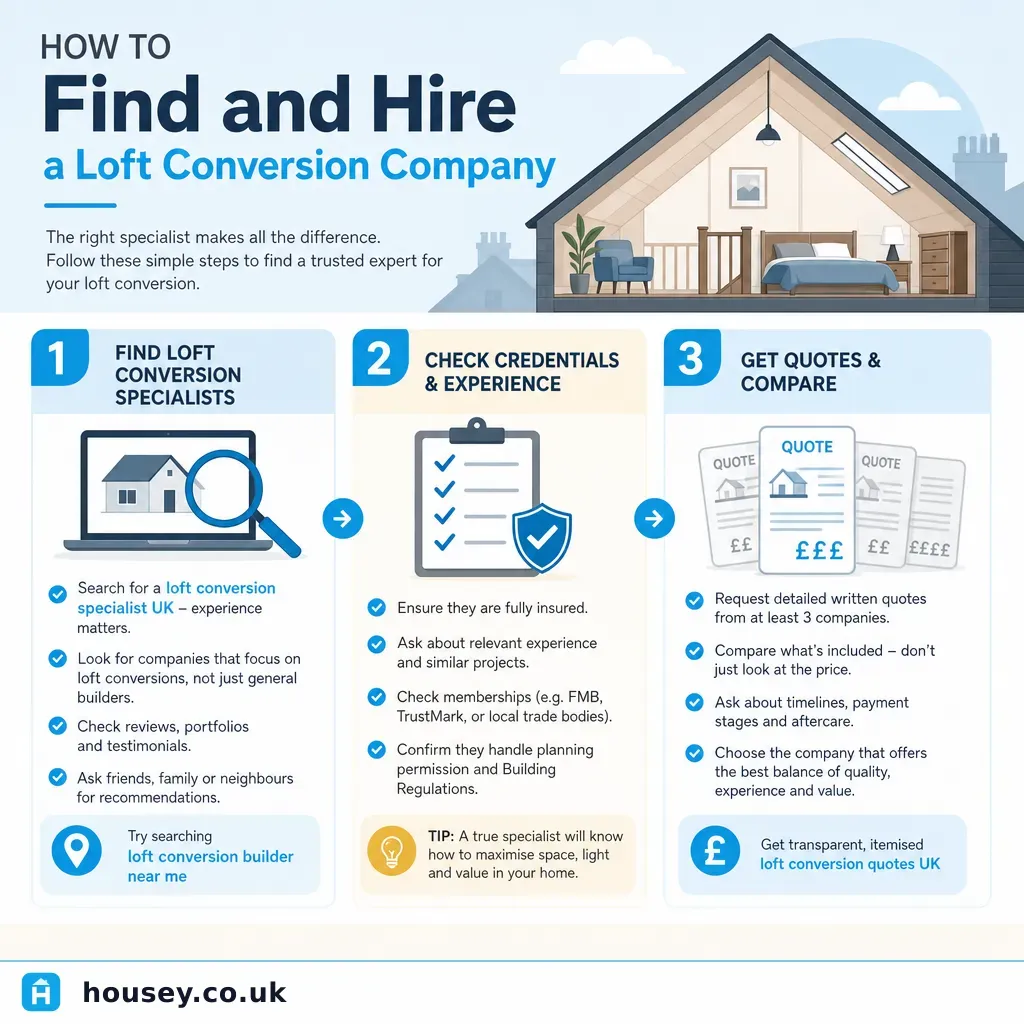
How to Find and Hire a Loft Conversion Company
To hire a loft conversion company, get at least three quotes from TrustMark-registered or FMB-member firms.
 Energy & Retrofit
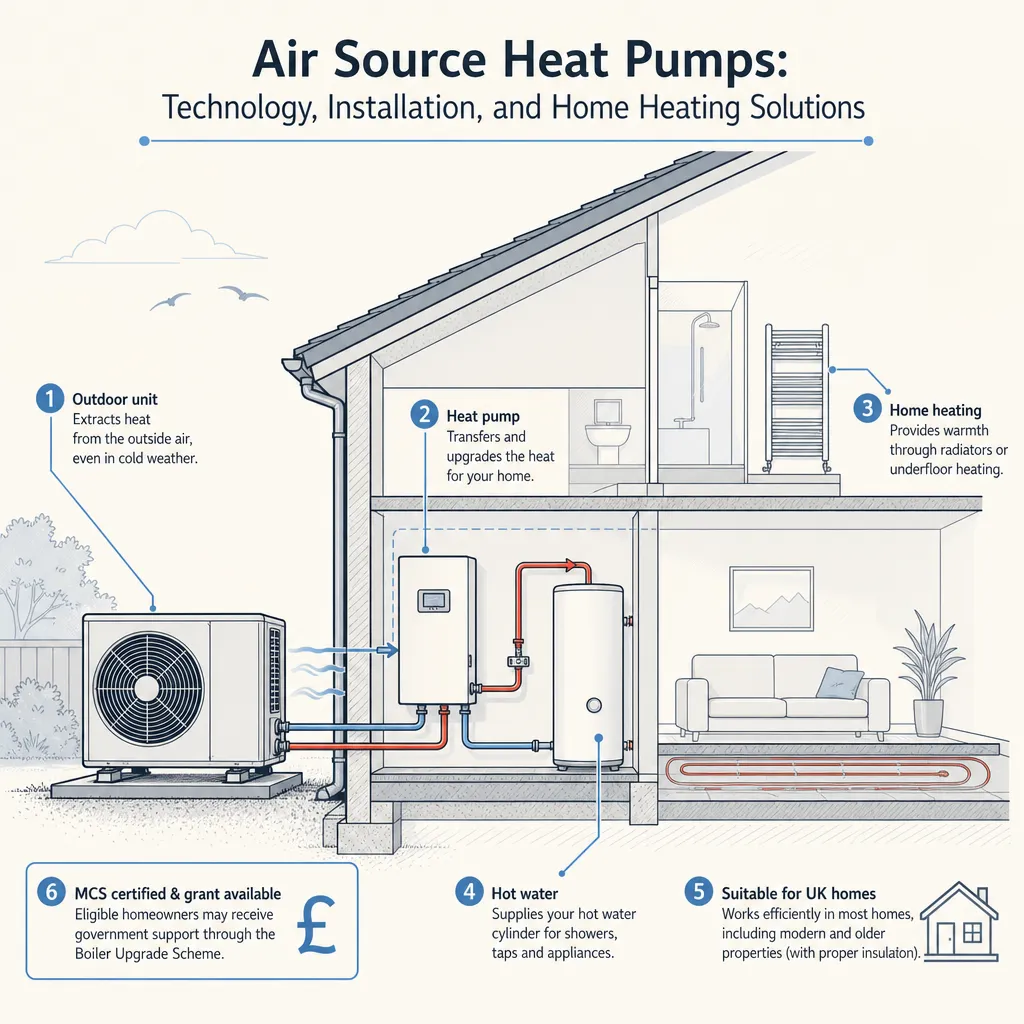
Air Source Heat Pumps: Technology, Installation, and Home Heating Solutions
An air source heat pump extracts heat from outdoor air and transfers it indoors via a refrigerant cycle, typically delivering 2.