Improving Home Energy Efficiency through Secondary Glazing Solutions
By Housey · Last reviewed 31st of May 2026
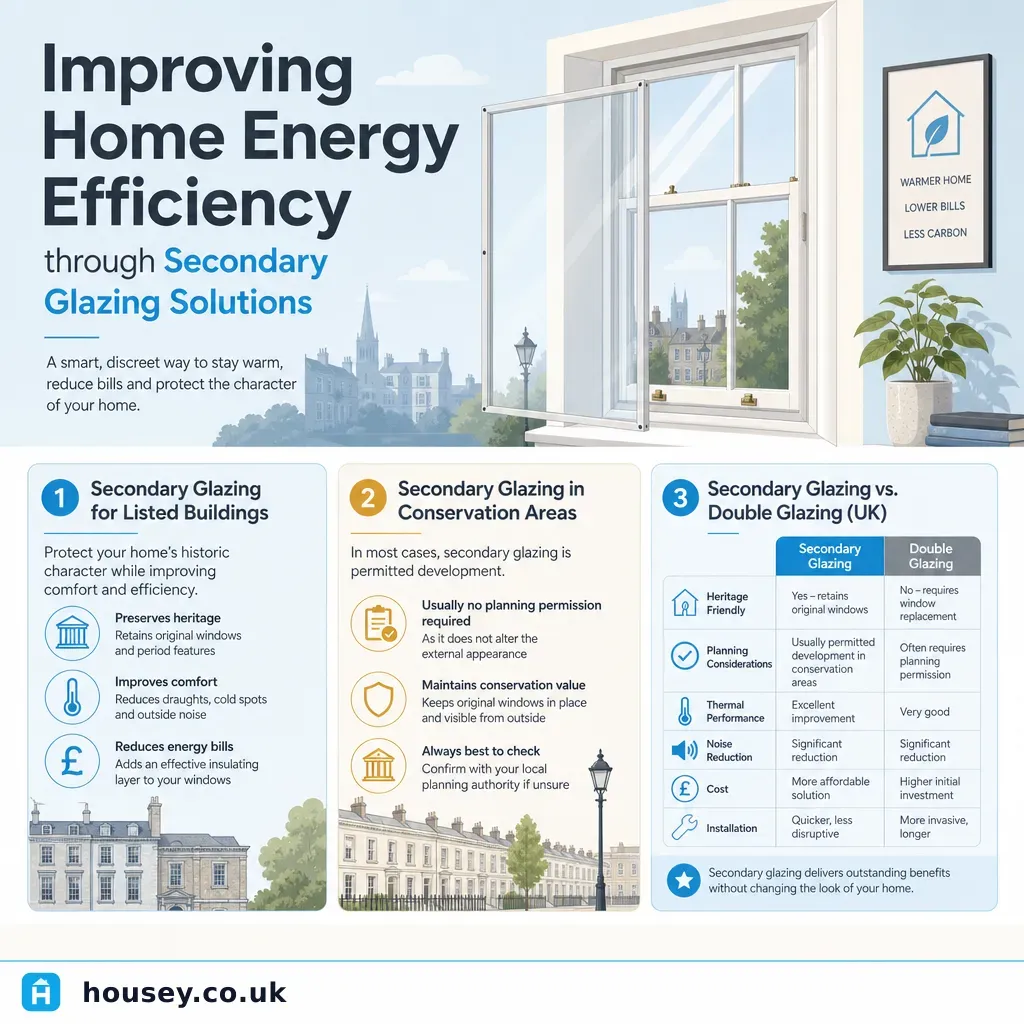
Improving Home Energy Efficiency through Secondary Glazing Solutions
Windows account for a significant share of heat loss in older UK homes — particularly those built before the 1980s with single-glazed timber sashes or metal casements. Secondary glazing offers a practical, often reversible way to reduce that heat loss without replacing the original frame, making it especially relevant for listed buildings, conservation areas, and period properties where full double glazing is not permitted or would damage historic fabric.
Key points
- Single-glazed windows typically have a U-value of around 5.0 W/m²K; well-installed secondary glazing can bring this below 2.0 W/m²K, broadly comparable to standard double glazing.
- Secondary glazing does not require planning permission in most cases, but replacement double glazing in a conservation area or listed building may require consent — always check with your local planning authority.
- Most secondary glazing installations do not currently qualify for ECO4 or Great British Insulation Scheme grants, which focus on insulation and heating systems; check the Energy Saving Trust for the latest eligibility criteria.
- Secondary glazing can reduce airborne noise by 35–45 dB when a 100–150 mm air gap is maintained between the original pane and the secondary panel.
- PAS 2035 retrofit assessments require a whole-house approach: secondary glazing may improve thermal performance but can obstruct background ventilation if trickle vents are blocked — a retrofit assessor should review the interaction.
What is secondary glazing?
Secondary glazing involves fitting an additional glazed panel or unit inside the existing window reveal, typically on the room side of the original frame. Unlike replacement double glazing, secondary glazing leaves the original window entirely intact.
Systems range from DIY magnetic or adhesive film kits to purpose-made aluminium or timber-framed units with sliding, hinged, or lift-out panels. The air gap between the original pane and the secondary panel is a key performance factor: a gap of at least 20 mm reduces conductive heat loss, while a gap of 100–150 mm provides the best acoustic insulation.
Secondary glazing vs replacement double glazing
Factor | Secondary glazing | Replacement double glazing |
|---|---|---|
Best for | Listed buildings, conservation areas, period timber sashes, rented properties | Modern or post-1980s homes where original frames are in poor condition |
Planning constraints | Usually none (internal installation) | May need consent in conservation areas or for listed buildings |
Heat-loss improvement | U-value approx 1.8–2.8 W/m²K (gap-dependent) | U-value approx 1.2–1.6 W/m²K (standard double) to 0.7 W/m²K (triple) |
Acoustic benefit | High if 100–150 mm gap is used | Moderate |
Reversibility | Fully reversible — original windows unchanged | Permanent replacement |
Indicative cost (per window, fitted) | £150–£600 for purpose-made aluminium frames | £300–£900+ per window |
VAT | Check HMRC — some energy-saving materials attract 0% VAT | 20% standard rate |
Indicative UK costs, last reviewed 2026-05-31. Costs vary by system type, window size, and installer. Obtain at least three quotes.
Which secondary glazing system suits your property?
- Choose a purpose-made framed unit if the window is in regular use, you want a neat finish, or acoustic performance is a priority.
- Choose a magnetic or slim-profile film system if budget is tight, you are in rented accommodation, or you want a fully removable, no-drill option.
- Choose a sliding or bifold panel if the window is a vertical sliding sash and you need frequent internal access.
- Ask a specialist installer or retrofit assessor if the property is listed, in a conservation area, or if there are concerns about ventilation and inter-pane condensation.
- Check with your local planning authority if the building is listed Grade I, Grade II*, or Grade II, or falls within a designated conservation area or Article 4 direction area.
Does secondary glazing need planning permission?
Secondary glazing typically falls within permitted development because it is installed inside the building and does not alter the external appearance. However:
- Listed buildings require listed building consent for most internal alterations, even reversible ones. Consult your local planning authority and refer to Historic England's technical guidance before proceeding.
- Conservation areas: the rules on external appearance apply to replacement windows, not internal secondary glazing — but confirm with your local authority, as Article 4 directions can remove permitted development rights.
- Leasehold properties may have lease clauses restricting alterations; always check your lease before instructing an installer.
Will secondary glazing improve my EPC rating?
An Energy Performance Certificate (EPC) uses SAP methodology to calculate a dwelling's energy efficiency. Secondary glazing may improve the U-value recorded for your windows, which can positively affect the EPC score — but the improvement is usually modest compared to measures such as loft insulation or a new heat pump. If you are working towards a specific EPC band — for landlord minimum energy-efficiency standards (MEES) or a mortgage condition — speak to a qualified energy-efficiency consultant before relying on secondary glazing alone.
Secondary glazing installation: homeowner checklist
Before instructing an installer, work through these points:
When to get professional help
Secondary glazing is a lower-risk retrofit measure, but professional guidance is worth obtaining when:
- The property is listed or in a conservation area and consent may be required.
- You are undertaking a broader retrofit programme and need to ensure secondary glazing integrates correctly with your ventilation strategy, as required under PAS 2035.
- Condensation is forming in the air gap between the panes — this may indicate a ventilation or humidity problem requiring proper diagnosis.
- The original window frames are rotting or structurally compromised — addressing the frame is more urgent than secondary glazing in that situation.
An insulation assessment can situate secondary glazing within a prioritised whole-house thermal upgrade plan.
How Housey can help
If you are planning secondary glazing as part of a broader energy-efficiency upgrade, Housey can connect you with experienced window and door installers who can specify and fit a system suited to your property, as well as retrofit assessors who can advise on the right approach for your home as a whole.
Frequently asked questions
Does secondary glazing count as double glazing for EPC purposes?
Not in the same way. EPC assessors record secondary glazing as a distinct category from factory-sealed double glazing units. It can improve the U-value assigned to your windows, which may modestly improve your EPC score, but the uplift is generally smaller than full replacement double glazing. The exact band impact depends on the whole-house SAP calculation.
Can I install secondary glazing myself?
Simple film or magnetic secondary glazing products are designed for DIY installation and require no drilling. Purpose-made framed systems usually need a professional installer to ensure correct fit, adequate seals, and proper ventilation provision. For listed buildings, professional installation helps support any listed building consent application you may need to submit.
Will secondary glazing stop condensation on windows?
Secondary glazing raises the internal surface temperature of the original window, which can reduce condensation on the inner face. However, condensation may form within the air gap if warm, moist indoor air reaches the cold outer pane. Keeping the secondary panel well-sealed and maintaining background ventilation in the room helps prevent this.
How long does purpose-made secondary glazing last?
Aluminium-framed secondary glazing systems typically last 20–30 years with normal maintenance. Brush seals and edge seals should be checked periodically and replaced when worn. Film-based DIY systems have a much shorter lifespan — usually a few years — and are better treated as a temporary or low-cost measure rather than a permanent upgrade.
Sources and further reading
- Windows and glazing guidance — Energy Saving Trust
- Energy Efficiency and Historic Buildings: Secondary Glazing — Historic England
- When is planning permission required — GOV.UK
- VAT relief on energy-saving materials (Notice 708) — HMRC
- Glass and Glazing Federation homeowner guidance — Glass and Glazing Federation
Useful next reads
 Energy & Retrofit
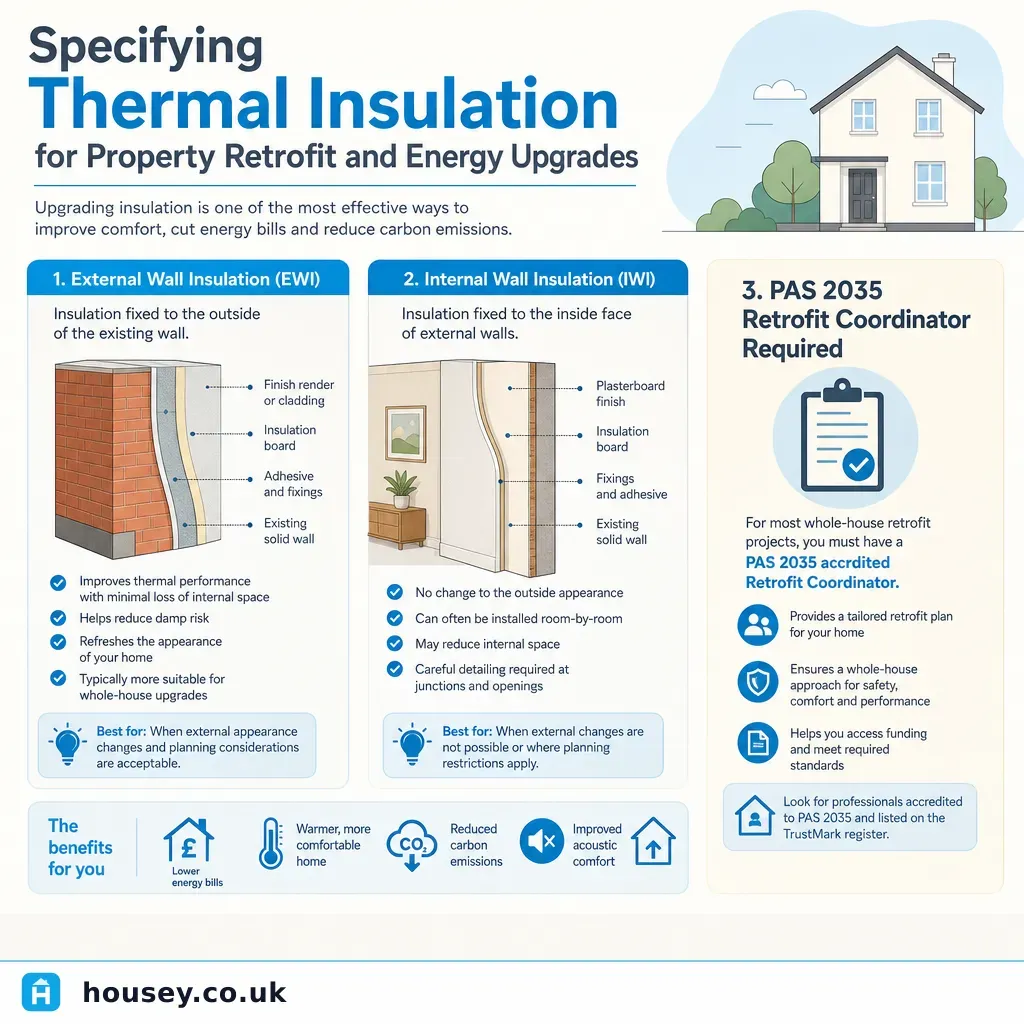
Specifying Thermal Insulation for Property Retrofit and Energy Upgrades
Specifying thermal insulation for UK retrofit requires matching the product to your property's construction, moisture conditions, and heating system.
 Energy & Retrofit
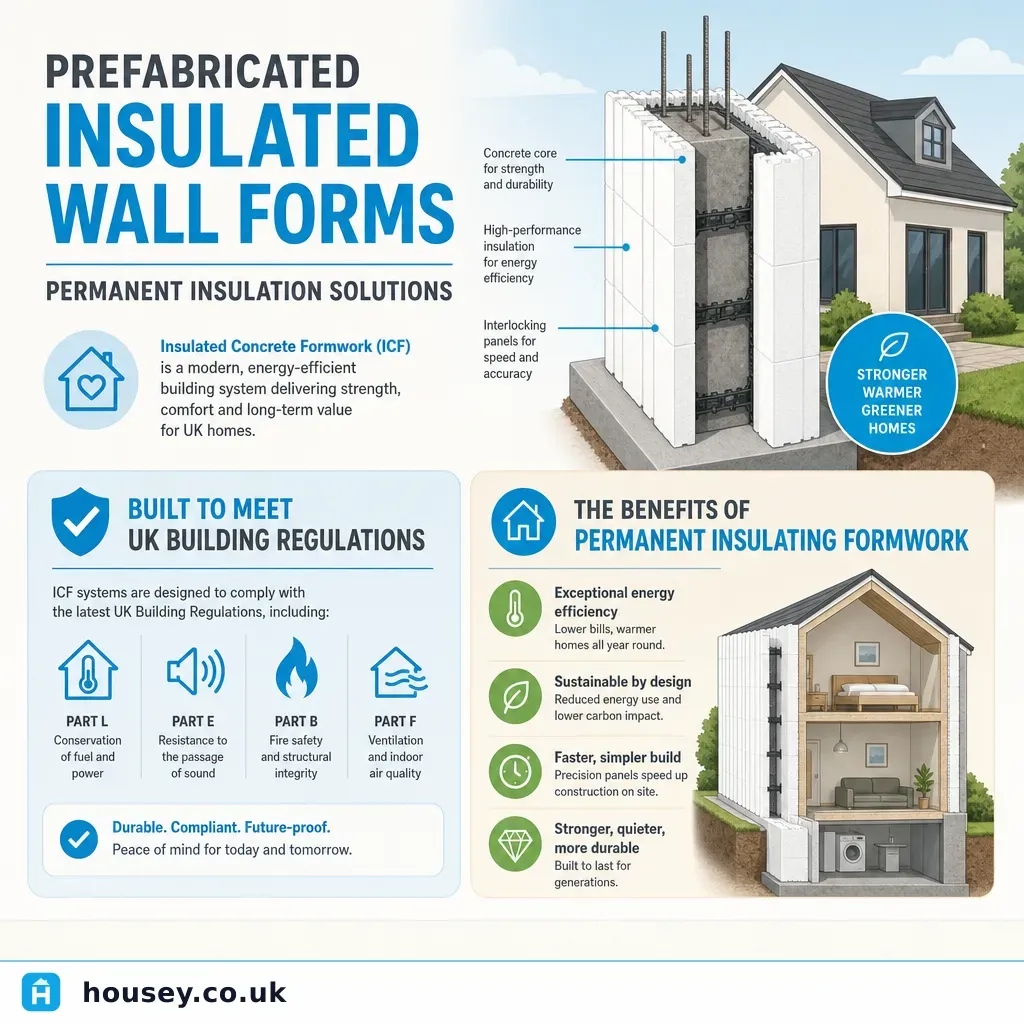
Prefabricated Insulated Wall Forms: Permanent Insulation Solutions
Prefabricated insulated wall forms — including ICF and SIPs systems — deliver high thermal performance by combining permanent insulation with structural concrete or timber in a single wall assembly.
 Energy & Retrofit
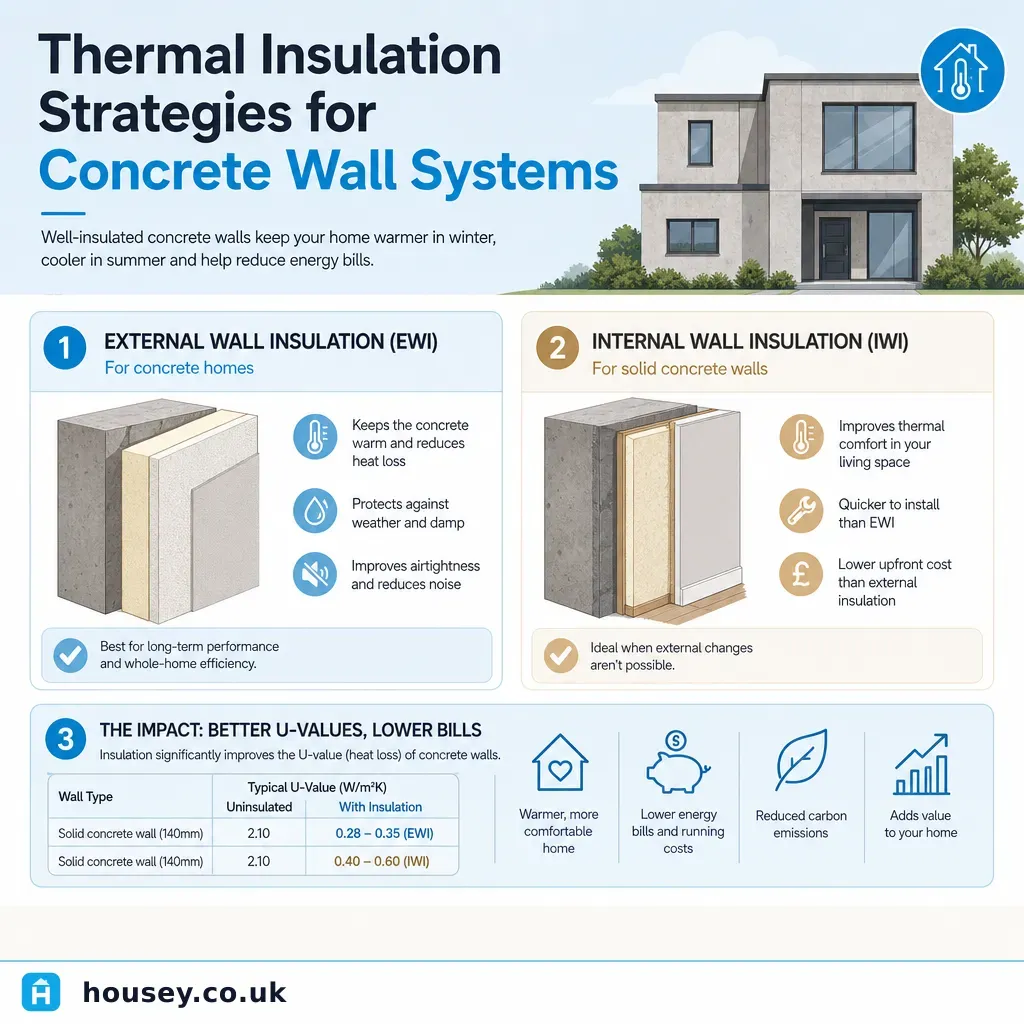
Thermal Insulation Strategies for Concrete Wall Systems
Concrete walls can be insulated using three main approaches: external wall insulation (EWI), internal wall insulation (IWI), or — where a cavity exists — cavity fill.
 Energy & Retrofit
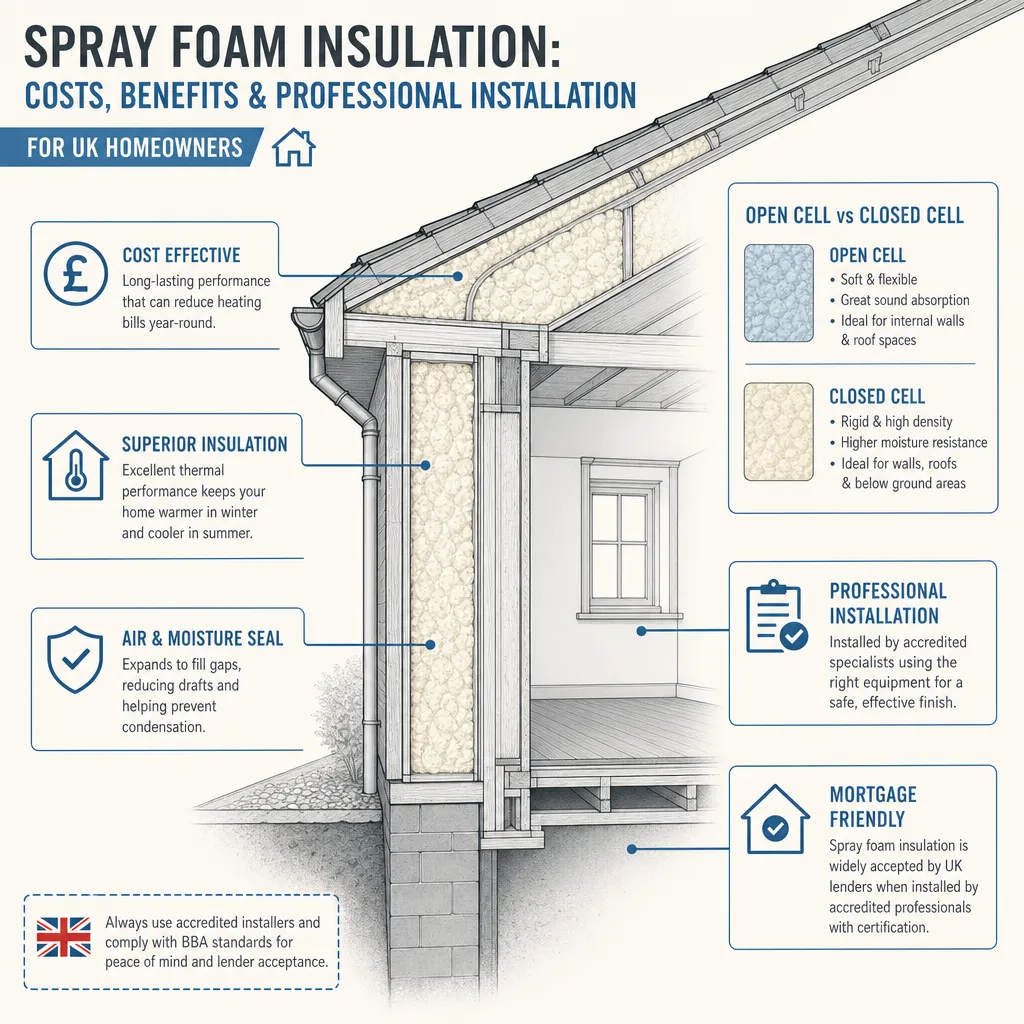
Spray foam insulation: costs, benefits and professional installation
Spray foam insulation costs between £15 and £60 per square metre installed in the UK, depending on whether open-cell or closed-cell foam is used.
 Energy & Retrofit
Solar window film: enhancing thermal performance and energy efficiency
Solar window film is a thin laminate applied to glass that reduces solar heat gain by 30–80% depending on specification.