Solar window film: enhancing thermal performance and energy efficiency
By Housey · Last reviewed 12th of May 2026
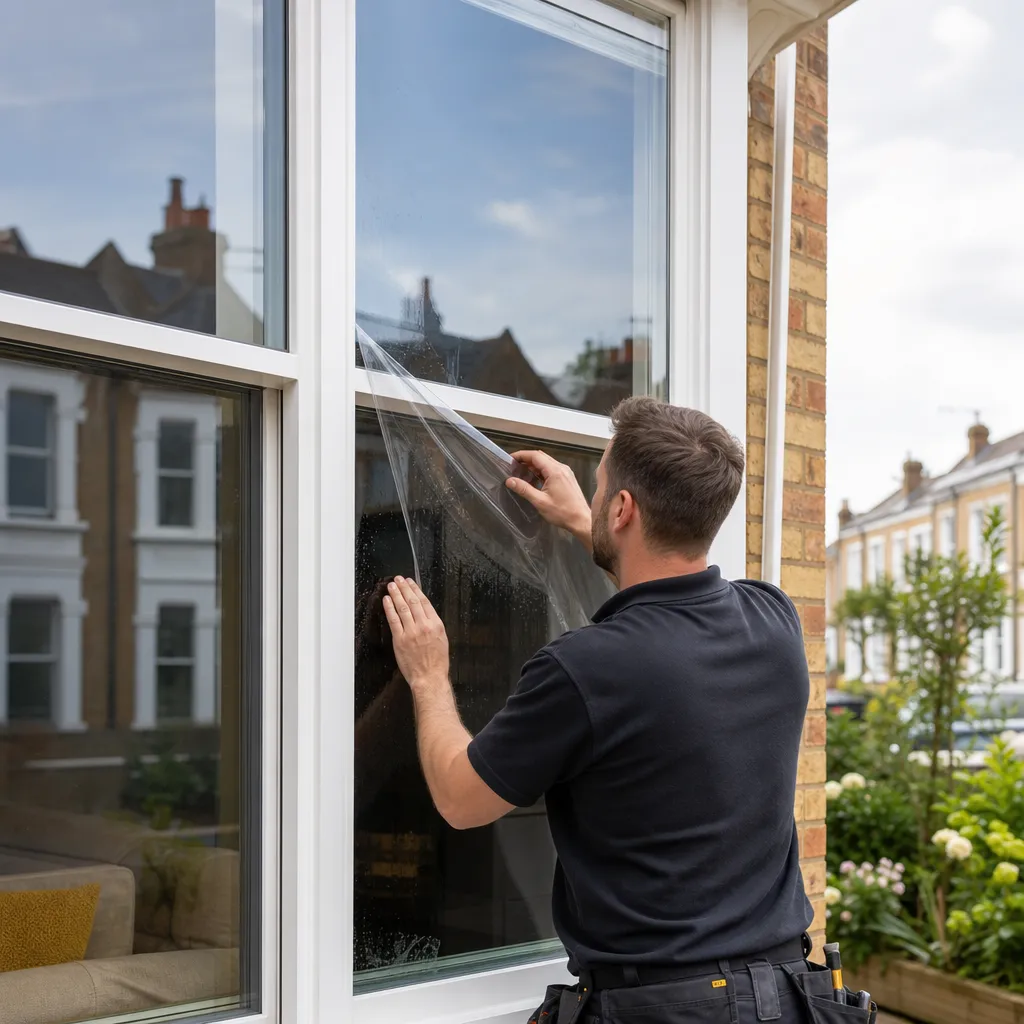
Solar window film: enhancing thermal performance and energy efficiency
South-facing rooms that overheat in summer, or glazing responsible for a disproportionate share of a home's heat loss, are familiar problems across UK housing stock — from Victorian bay windows to 1990s conservatories. Solar window film sits between doing nothing and replacing glazing entirely: a relatively low-cost, low-disruption retrofit option that can reduce solar heat gain, cut glare, and improve year-round thermal comfort without scaffolding or planning applications.
Key points
- Solar window film can reject between 30% and 80% of solar heat gain depending on its solar heat gain coefficient (SHGC); a film rated SHGC 0.25 blocks approximately 75% of solar heat.
- Most domestic interior installations do not require planning permission, but listed buildings, conservation areas, and Article 4 Direction areas may have restrictions.
- Films are specified using three metrics: visible light transmittance (VLT), solar heat gain coefficient (SHGC), and UV rejection — understanding these prevents choosing the wrong product for your situation.
- Film addresses solar heat gain and UV transmission; it does not significantly improve a glazing unit's U-value (conductive heat loss) unless a low-emissivity coating is incorporated.
- Professionally installed film typically lasts 10–20 years; applying film to argon-filled or triple-glazed units without checking compatibility may void the sealed unit warranty.
How solar window film works
Solar window film is a thin polyester or multi-layer laminate applied to the interior — occasionally exterior — surface of glass. It absorbs or reflects a proportion of the sun's infrared and ultraviolet radiation while allowing visible light through to varying degrees.
The three main performance metrics are:
- Visible light transmittance (VLT): the percentage of visible light passing through. A film with 70% VLT is barely perceptible; 20% VLT creates a noticeable tint.
- Solar heat gain coefficient (SHGC): a figure between 0 and 1; lower means better heat rejection. SHGC 0.25 rejects approximately 75% of solar heat gain.
- UV rejection: quality films block 95–99% of ultraviolet radiation, slowing fading of furniture, flooring, and textiles — a benefit independent of visible tinting.
Film does not replace failed double-glazing seals or address draughts; it reduces solar gain and UV, not conductive losses through the glass pane itself.
Types of solar window film
Film type | Best for | Not ideal for | Typical VLT | Approximate SHGC |
|---|---|---|---|---|
Reflective (metallic) | High solar gain, south/west elevations | Period properties where a reflective appearance is intrusive | 20–50% | 0.20–0.40 |
Neutral/spectrally selective | Good daylight with high heat rejection | Maximum heat rejection on very exposed glazing | 50–75% | 0.25–0.45 |
Ceramic/nano-ceramic | Premium heat rejection without metallic appearance | Budget-sensitive projects | 40–70% | 0.20–0.35 |
Low-e retrofit film | Year-round thermal improvement, heat retention in winter | Rooms affected only by summer overheating | 60–80% | 0.35–0.50 |
Privacy/decorative with solar control | Rooms needing both privacy and glare reduction | Where maximum daylight is required | 5–35% | Varies |
Indicative specifications; actual performance varies by manufacturer.
Energy efficiency impact
Film primarily addresses summer overheating and glare; its contribution to annual energy bills depends on orientation, glazing area, and existing specification.
For homes with large south or west-facing double glazing, film can meaningfully reduce reliance on electric fans or portable air conditioning. The Energy Saving Trust notes that glazing contributes approximately 25% of heat loss in an uninsulated home; south-facing windows also increase internal summer temperatures through passive solar gain.
What film does not do:
- Significantly improve the U-value of existing glazing (unless a low-e product is used)
- Repair failed sealed units or condensation between panes
- Qualify for government grant schemes such as ECO4 or the Great British Insulation Scheme, which target fabric and heating measures
Planning and regulatory considerations
Interior solar window film does not typically require planning permission for most homes. Exceptions include:
- Listed buildings: any alteration to glazing may require listed building consent — check with your local planning authority (LPA) before proceeding.
- Conservation areas: highly reflective or externally visible films that affect the building's appearance may require consent in some areas.
- Leasehold flats: your lease may restrict window alterations. Check terms and seek freeholder or managing agent approval where required.
Building Regulations do not generally apply to applying film to existing windows. If film forms part of a broader energy-efficiency upgrade, confirm with a building control officer if in doubt.
DIY versus professional installation
- Choose DIY if windows are easily accessible, the area is small, and you are confident with careful surface preparation and wet application.
- Choose professional installation if windows are large, difficult to access, or you want a manufacturer-backed warranty on the finished work.
- Always use a professional if the property is listed, if glazing is argon-filled or triple-glazed (where thermal stress from some films is higher), or if the glazing manufacturer's warranty could be affected.
- Check with the glazing manufacturer before applying any film to windows still under guarantee — some metallic films increase thermal stress and may void sealed unit warranties.
What to ask before accepting a quote
- What is the film's SHGC, VLT, and UV rejection rating?
- Is this film compatible with my glazing type (double, triple, argon-filled)?
- Will application affect my glazing manufacturer's warranty?
- Who will carry out the work, and are they trained by the film manufacturer?
- What is the expected lifespan and warranty coverage?
- What surface preparation is included, and what is the remedy if bubbles or delamination occur?
- Is VAT included in the price?
When to get professional help
Most installations are low risk, but seek professional advice if:
- The property is listed or in a conservation area — listed building consent may be required before any glazing modification.
- The glazing is specialist (structural glazing, gas-filled sealed units) where incompatible film could cause thermal stress cracking.
- Overheating is severe and persistent, suggesting a need for external shading, ventilation improvements, or glazing replacement rather than film alone.
- The primary goal is to improve the home's Energy Performance Certificate (EPC) rating — this requires a broader energy assessment rather than film alone.
How Housey can help
If solar window film is part of a wider plan to improve your home's thermal performance, an energy-efficiency consultant can assess your glazing, orientation, and insulation together and recommend the most cost-effective combination of measures. For homes where full glazing replacement is the better option, window and door installers can advise on products that address both solar gain and conductive heat loss in a single upgrade.
Frequently asked questions
Does solar window film reduce heat in winter as well as summer?
Standard solar control film reduces heat gained from solar radiation, so it is most effective in summer. In winter it may slightly reduce passive solar warming through south-facing windows. Low-emissivity retrofit films are designed to retain heat year-round as well as reduce solar gain in summer — a better choice if year-round thermal improvement is the goal.
Can I apply solar window film to double glazing?
In most cases yes, but check with the glazing manufacturer first. Some films increase heat build-up within the glass unit, which can stress sealed units and potentially void warranties. Spectrally selective and ceramic films typically carry lower thermal stress risk than heavily reflective metallic films.
Will solar window film make my rooms noticeably darker?
It depends on the film's visible light transmittance (VLT) rating. A 70% VLT film is barely perceptible in daylight; 20–35% VLT creates a noticeable tint. Most homeowners choose 50–70% VLT for living and dining areas to balance glare reduction with adequate natural light.
How long does solar window film last?
Quality professionally installed film typically lasts between 10 and 20 years. Lifespan is affected by UV exposure levels, cleaning methods, and whether an interior or exterior-grade product has been specified. Most reputable installers offer a manufacturer-backed warranty ranging from 5 to 15 years.
Sources and further reading
- Energy Saving Trust — Windows and doors — heat loss and solar gain guidance for UK glazing
- GOV.UK — Listed buildings guidance — when listed building consent is required for alterations
- Planning Portal — Windows permitted development — when planning permission applies to window changes
- GOV.UK — Building Regulations Approved Documents — when Building Regulations apply to home alterations
Useful next reads
 Energy & Retrofit
Low-Emissivity Glazing and Window Film: Thermal Control Options
Low-emissivity (low-e) glazing uses a metallic oxide coating to reflect heat back into a room, typically achieving whole-window U-values of 1.
 Energy & Retrofit
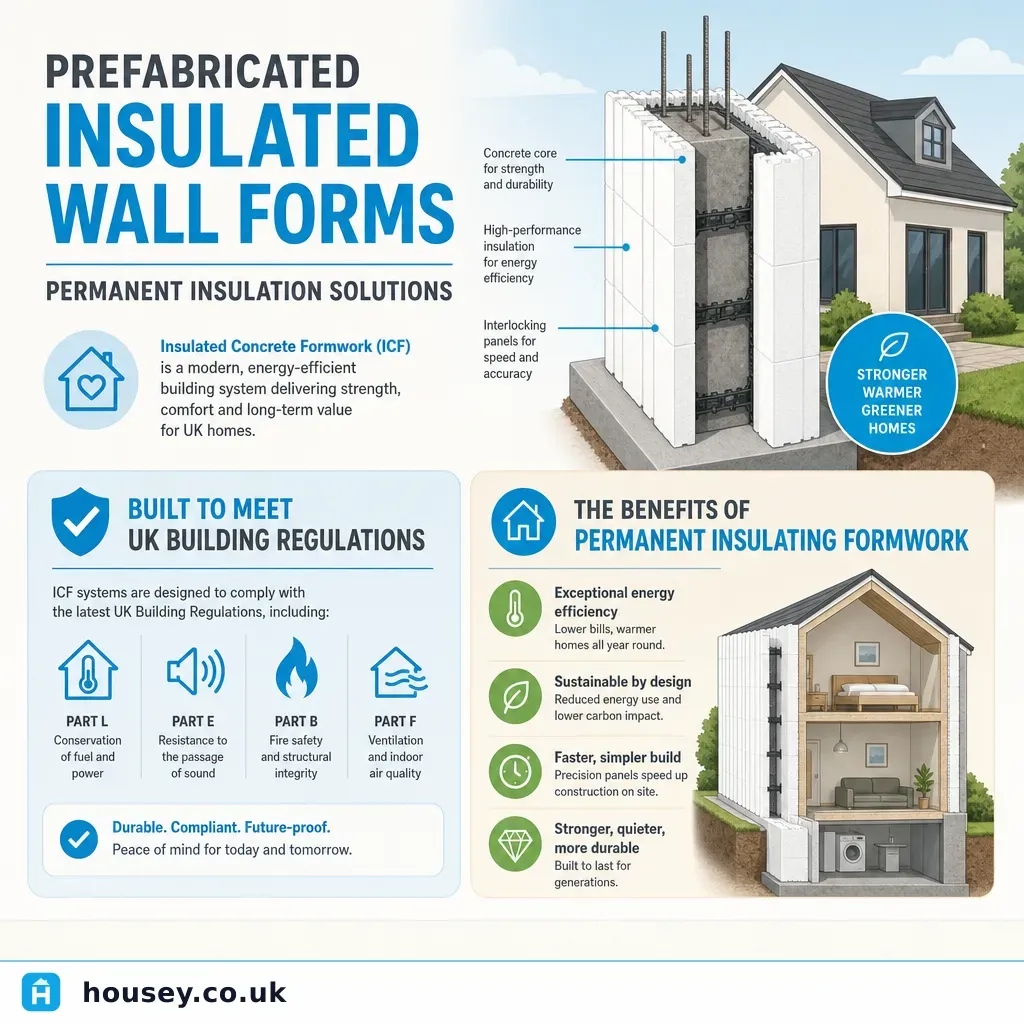
Prefabricated Insulated Wall Forms: Permanent Insulation Solutions
Prefabricated insulated wall forms — including ICF and SIPs systems — deliver high thermal performance by combining permanent insulation with structural concrete or timber in a single wall assembly.
 Energy & Retrofit
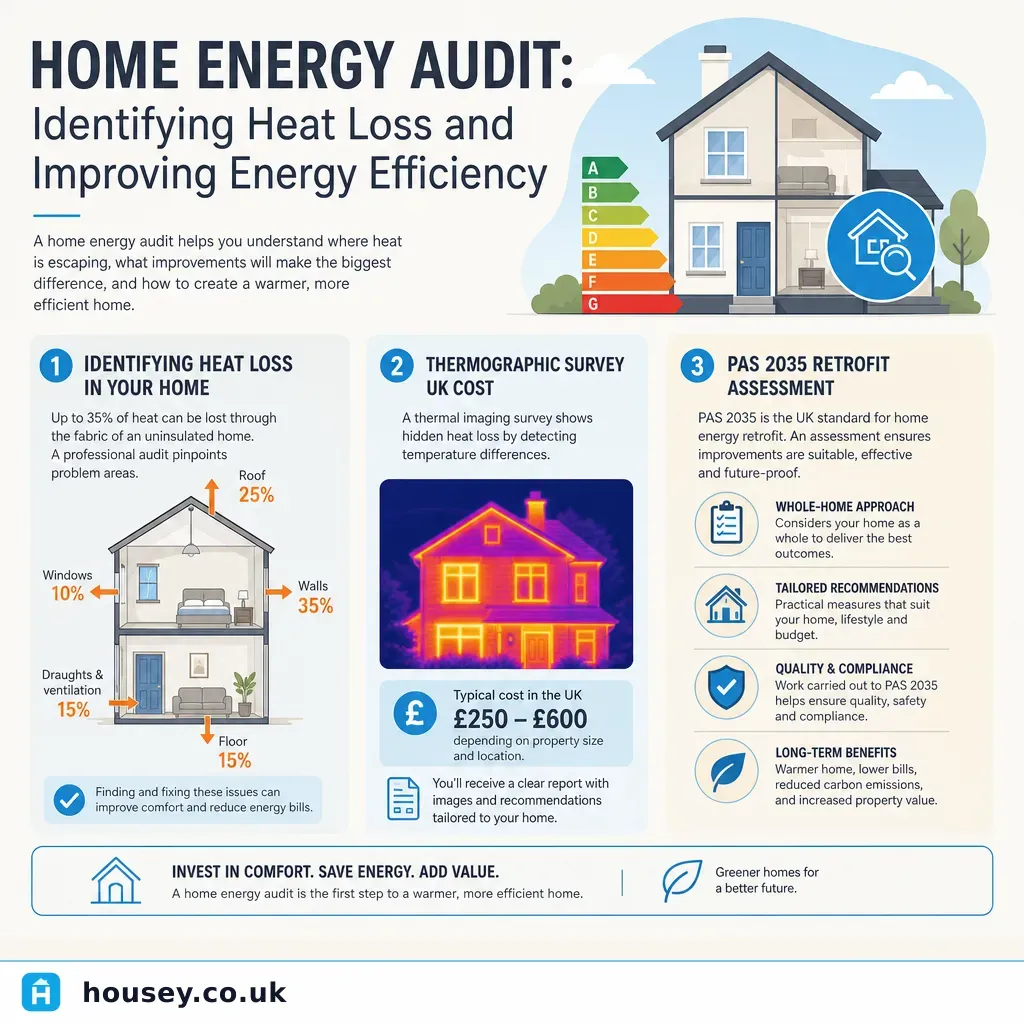
Home Energy Audit: Identifying Heat Loss and Improving Energy Efficiency
A home energy audit is a structured assessment of where your property loses heat and how efficiently it uses energy.
 Energy & Retrofit
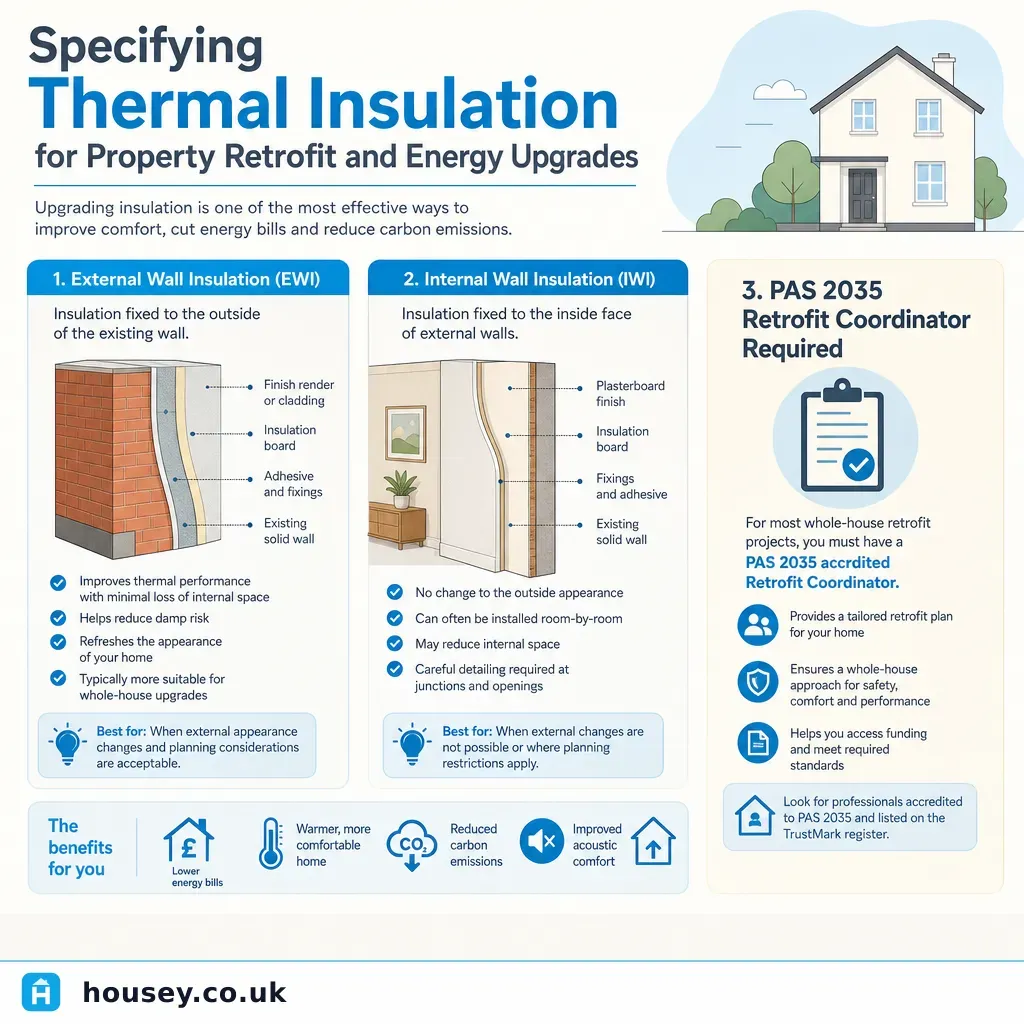
Specifying Thermal Insulation for Property Retrofit and Energy Upgrades
Specifying thermal insulation for UK retrofit requires matching the product to your property's construction, moisture conditions, and heating system.
 Energy & Retrofit
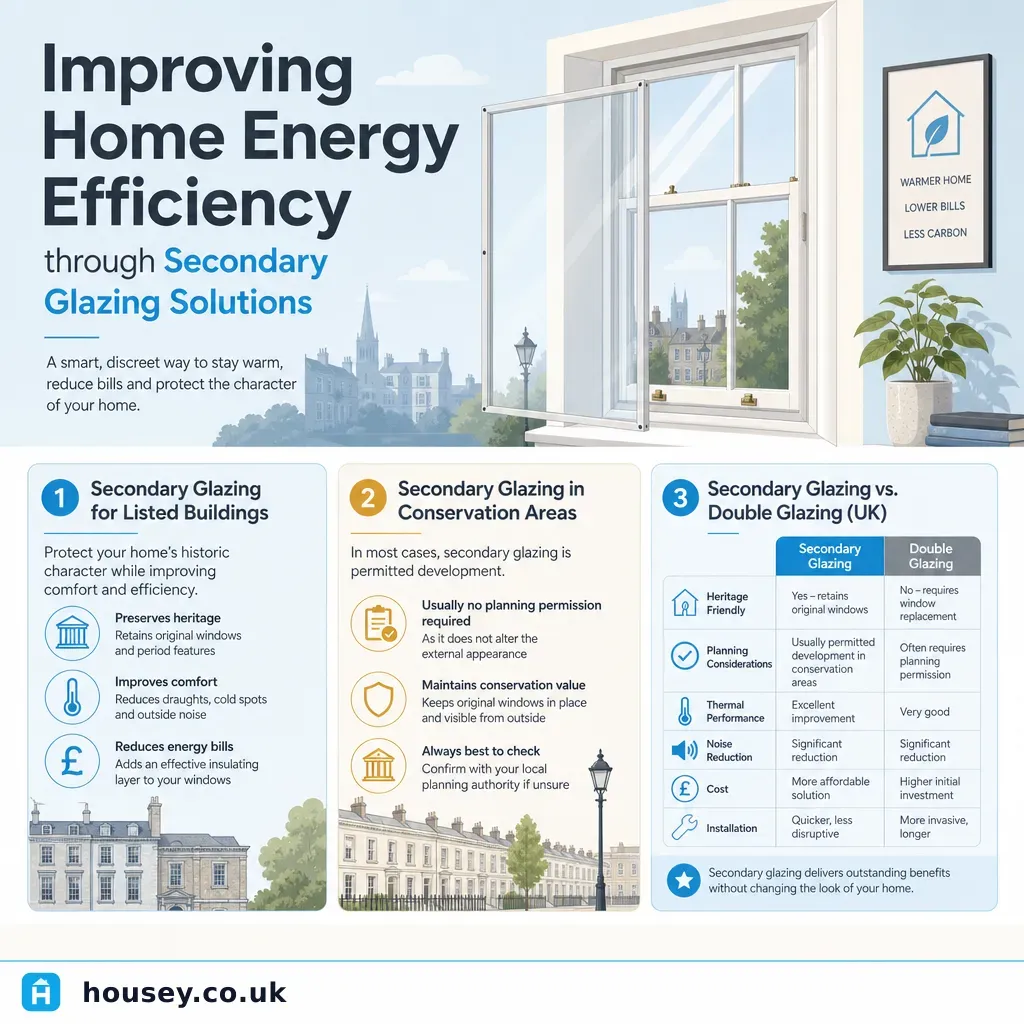
Improving Home Energy Efficiency through Secondary Glazing Solutions
Secondary glazing fits an additional pane inside your existing window reveal, reducing heat loss and noise without replacing the original frame.